Liquidation of Partnership with Authority, Rights and Obligations during Liquidation
Understanding this form
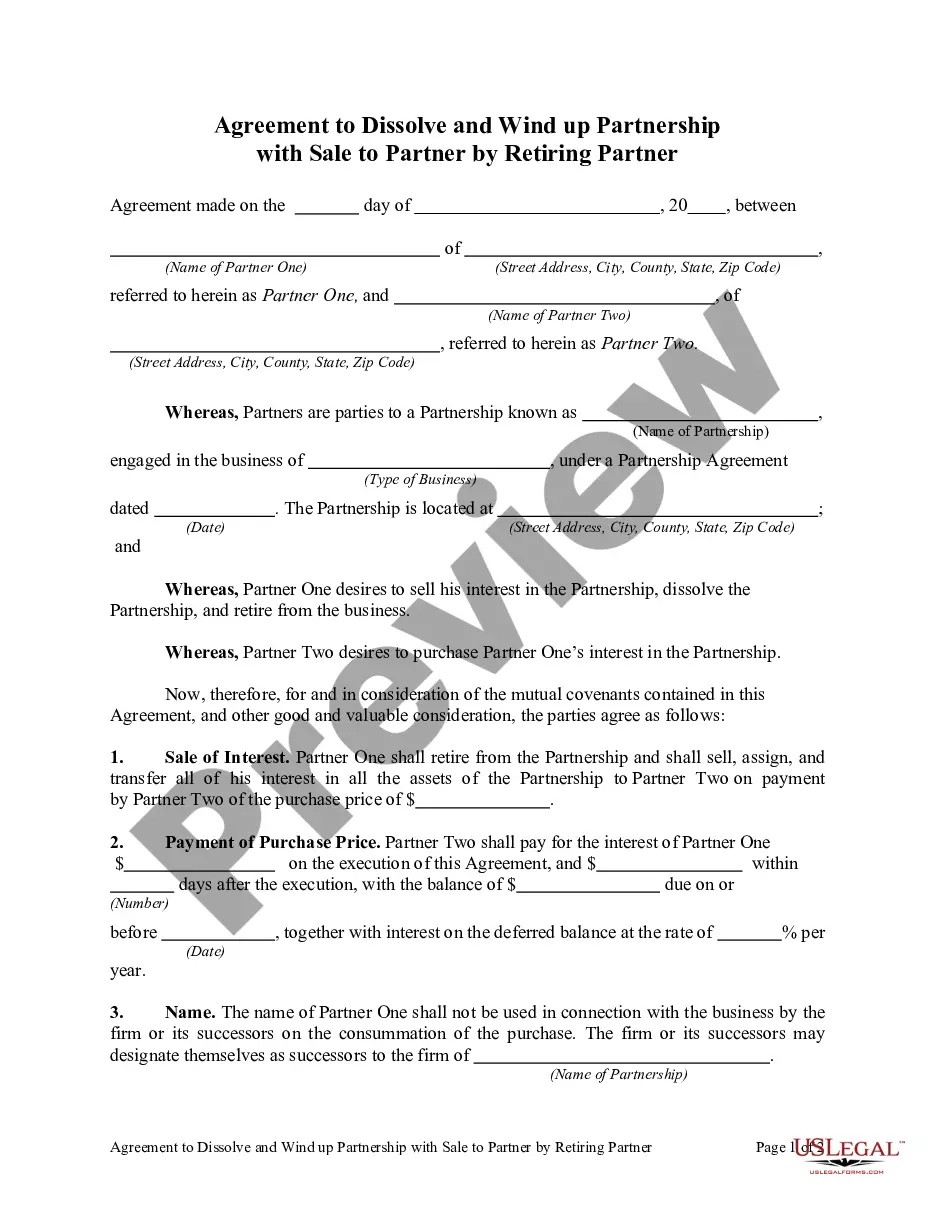
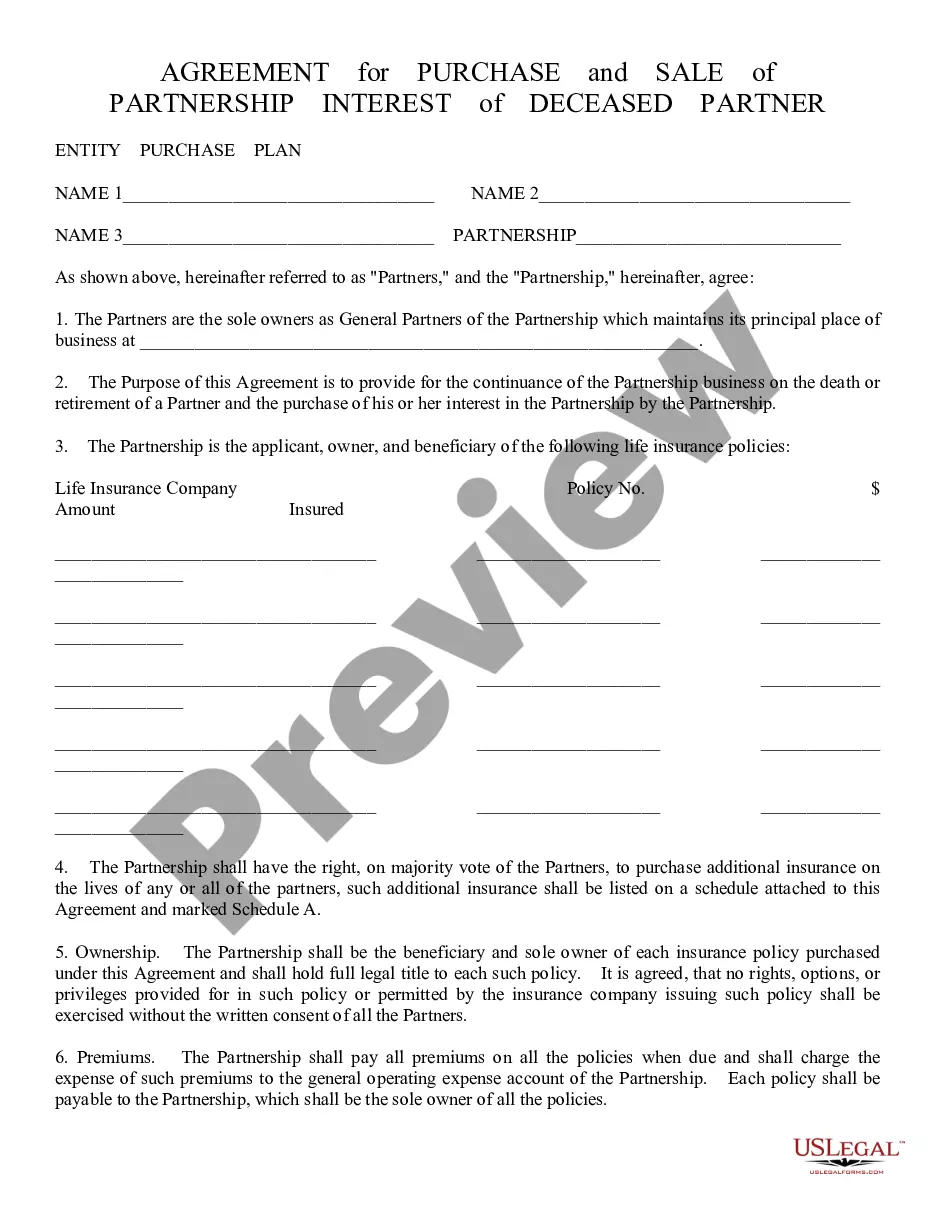
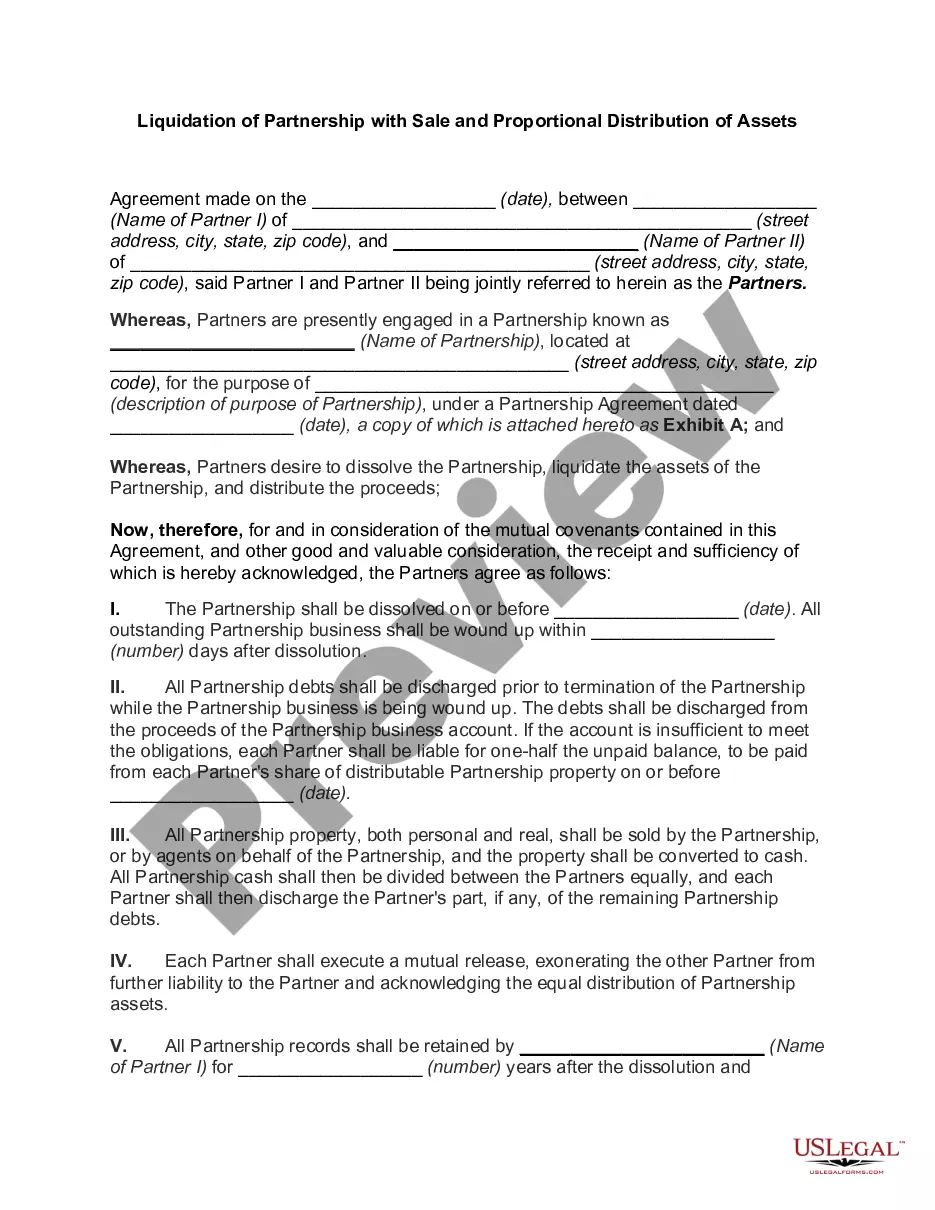
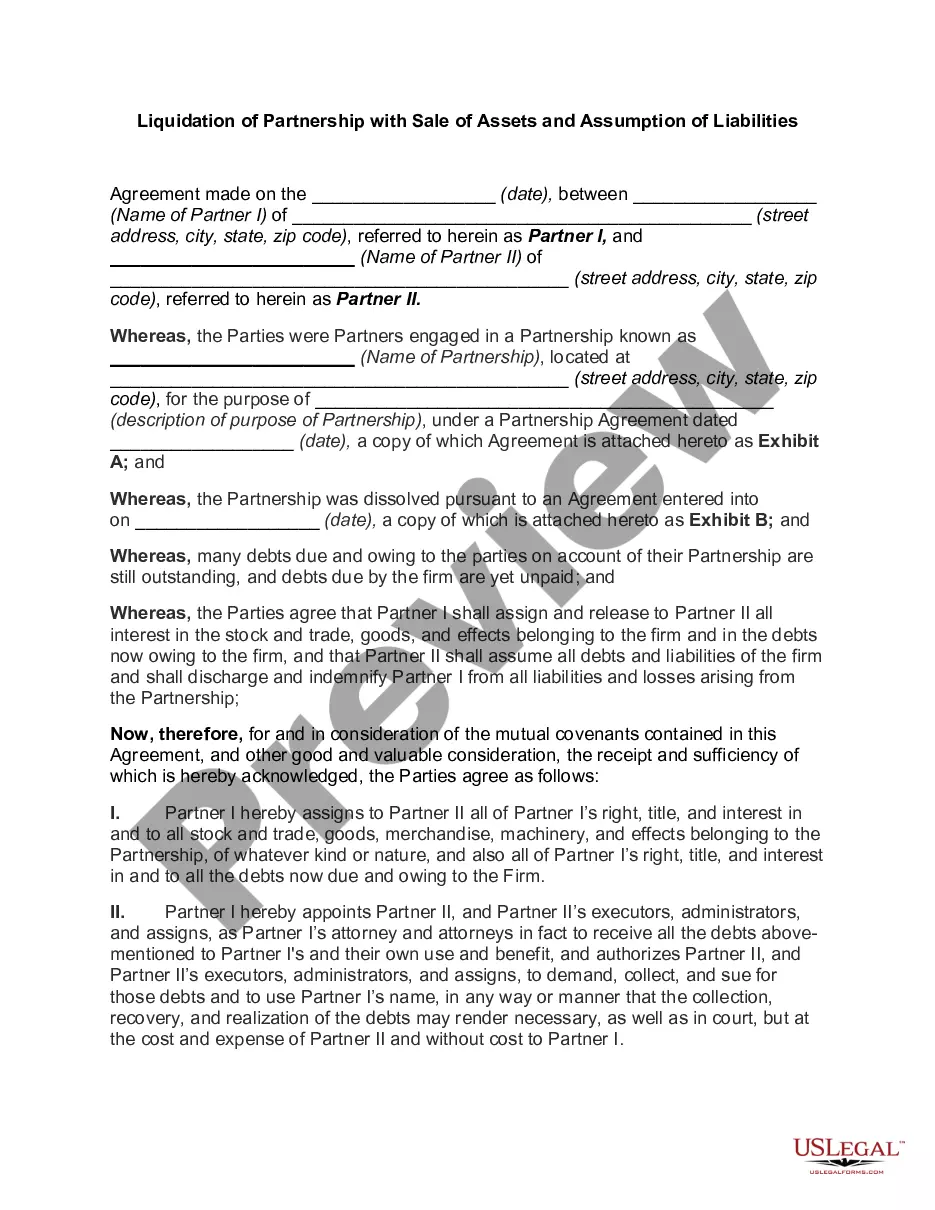
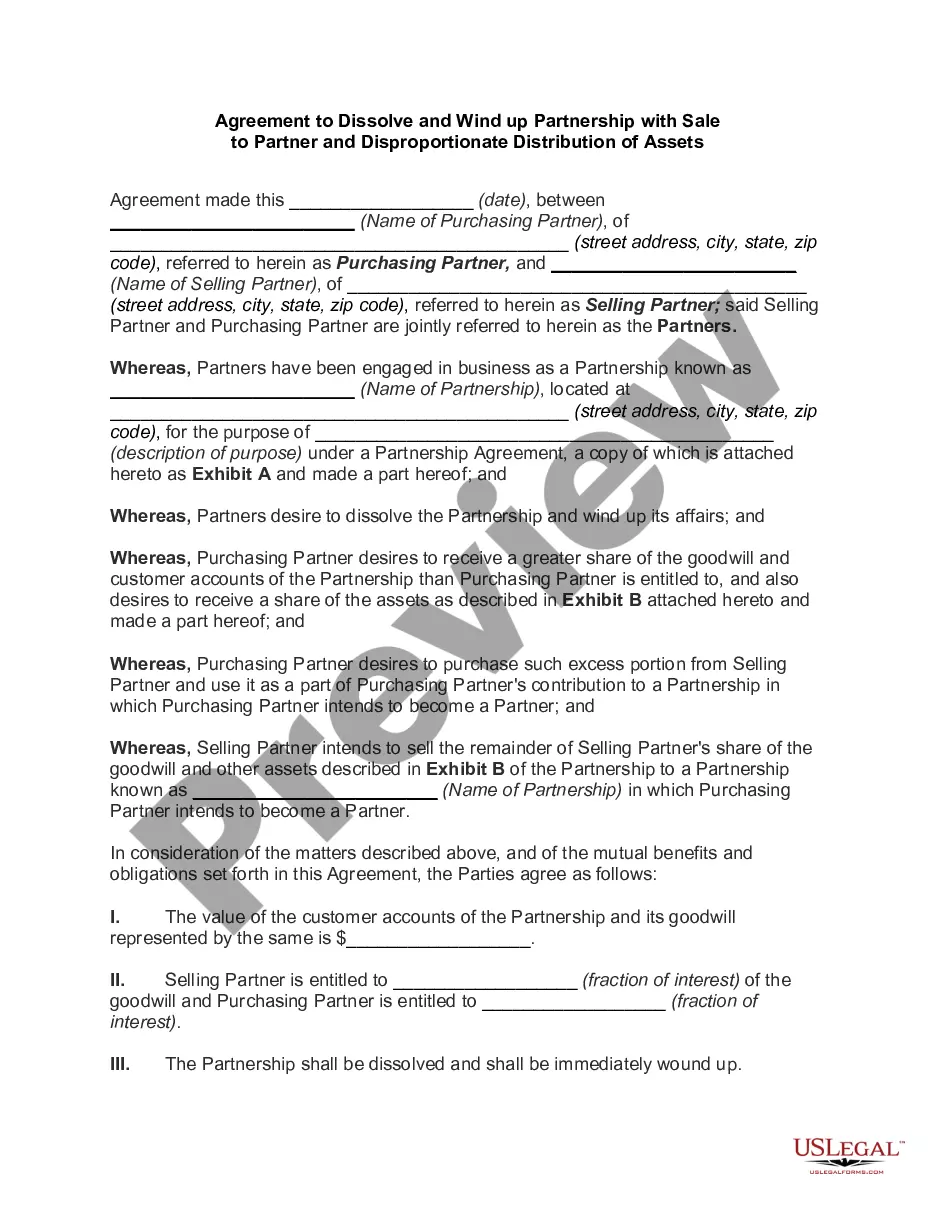
The Liquidation of Partnership with Authority, Rights and Obligations during Liquidation form is a legal document used when a partnership decides to liquidate its assets. This process involves selling off business assets, settling debts, and distributing any remaining assets among partners. Unlike bankruptcy, a business does not need to be insolvent to initiate liquidation, making this form crucial for orderly dissolution and settlement of responsibilities between partners.
Key components of this form
- Identification of partners and their addresses.
- Acknowledgement of the partnershipâs past and liquidation status.
- Proportions of interest and liability among partners.
- Authority for partners to manage obligations and liabilities during liquidation.
- Terms for selling or disposing of partnership assets.
- Governing law and dispute resolution process.
Common use cases
This form is needed when partners in a business decide to dissolve their partnership and liquidate its assets. It is suitable in situations where the partnership is still solvent but partners have chosen to cease operations for various reasons, such as retirement or a strategic business decision. Using this document guides partners in managing their rights and obligations throughout the liquidation process.
Intended users of this form
Use this form if you are:
- A partner in a business partnership that is deciding to liquidate.
- Part of a partnership looking to formalize the liquidation process and allocate responsibilities.
- Seeking to ensure compliance with legal obligations and protect against liabilities during liquidation.
Instructions for completing this form
- Fill in the full names and addresses of all partners involved.
- Specify the name of the partnership and the purpose of the business.
- Indicate the date the partnership was dissolved and the date the liquidation process began.
- Detail the proportion of interest and liabilities for each partner.
- Sign the agreement in the presence of witnesses, if necessary.
Does this form need to be notarized?
This form does not typically require notarization unless specified by local law. However, ensuring notarization can help confirm the identities of all parties involved and add an additional layer of security to the agreement.
Get your form ready online
Our built-in tools help you complete, sign, share, and store your documents in one place.
Make edits, fill in missing information, and update formatting in US Legal Forms—just like you would in MS Word.
Download a copy, print it, send it by email, or mail it via USPS—whatever works best for your next step.
Sign and collect signatures with our SignNow integration. Send to multiple recipients, set reminders, and more. Go Premium to unlock E-Sign.
If this form requires notarization, complete it online through a secure video call—no need to meet a notary in person or wait for an appointment.
We protect your documents and personal data by following strict security and privacy standards.

Make edits, fill in missing information, and update formatting in US Legal Forms—just like you would in MS Word.

Download a copy, print it, send it by email, or mail it via USPS—whatever works best for your next step.

Sign and collect signatures with our SignNow integration. Send to multiple recipients, set reminders, and more. Go Premium to unlock E-Sign.

If this form requires notarization, complete it online through a secure video call—no need to meet a notary in person or wait for an appointment.

We protect your documents and personal data by following strict security and privacy standards.
Common mistakes to avoid
- Failing to include accurate partner details and addresses.
- Not specifying the correct proportions of interest and liabilities.
- Omitting signatures or dates, which could invalidate the form.
- Neglecting to attach relevant documents, like previous partnership agreements.
Why complete this form online
- Convenience of accessing and filling out the form anytime and from anywhere.
- Ability to edit and customize the document to suit specific partnership needs.
- Peace of mind from using professionally drafted templates by licensed attorneys.
Looking for another form?
Form popularity
FAQ
Generally, however, the liquidators of a partnership pay non-partner creditors first, followed by partners who are also creditors of the partnership. If any assets remain after satisfying these obligations, then partners who have contributed capital to the partnership are entitled to their capital contributions.
The procedures usually include selling assets, paying liabilities, and distributing any remaining cash to the partners. The liquidation process often starts with the realization of noncash assets.
Generally, however, the liquidators of a partnership pay non-partner creditors first, followed by partners who are also creditors of the partnership. If any assets remain after satisfying these obligations, then partners who have contributed capital to the partnership are entitled to their capital contributions.
You can ask ! This the order of preference in the liquidation of a general partnership : Partner as creditors ; Outside creditors ; Partners capital ; Partners...
Sell non cash assets for cash. Allocate any gain or loss on the sale of non cash assets to each partner using the income ratio. Pay any liabilities of the partnership. Distribute the remaining cash to the partners using the capital ratio.
Step 1: Sell noncash assets for cash and recognize a gain or loss on realization. Realization is the sale of noncash assets for cash. Step 2: Allocate the gain or loss from realization to the partners based on their income ratios. Step 3: Pay partnership liabilities in cash.
Sell non cash assets for cash. Allocate any gain or loss on the sale of non cash assets to each partner using the income ratio. Pay any liabilities of the partnership. Distribute the remaining cash to the partners using the capital ratio.
If the partnership decides to liquidate, the assets of the partnership are sold, liabilities are paid off, and any remaining cash is distributed to the partners according to their capital account balances.