Joint-Venture Agreement regarding Speculation in Real Estate
About this form
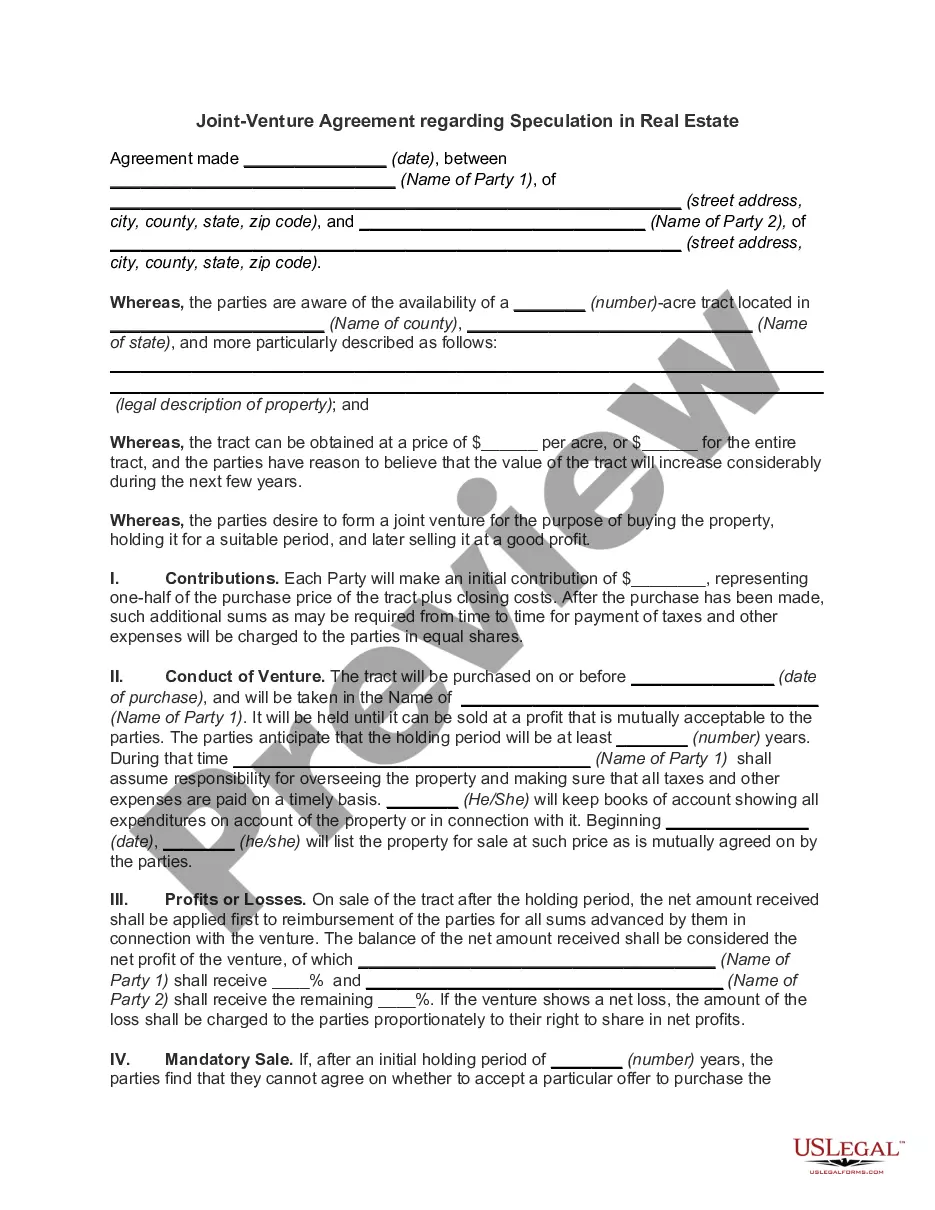
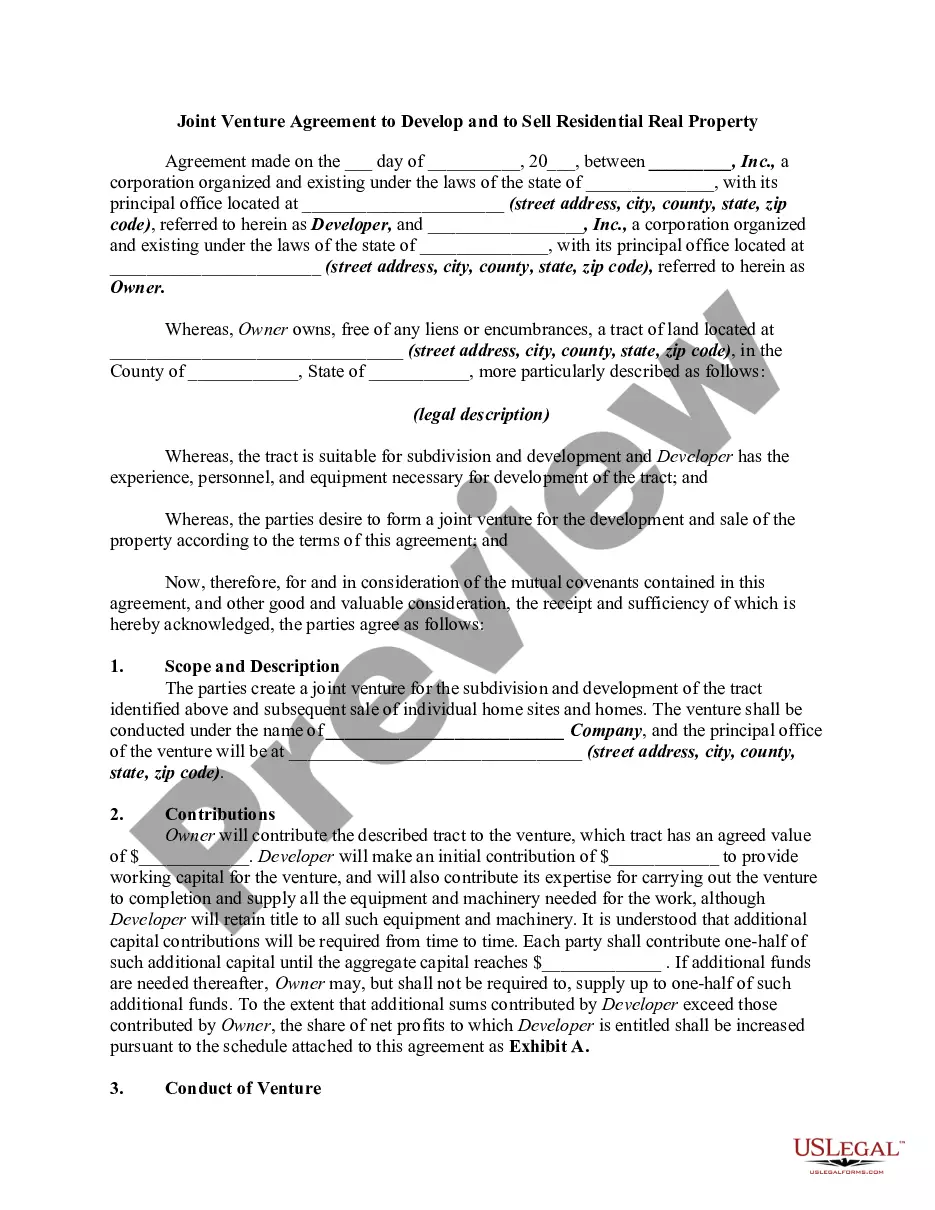
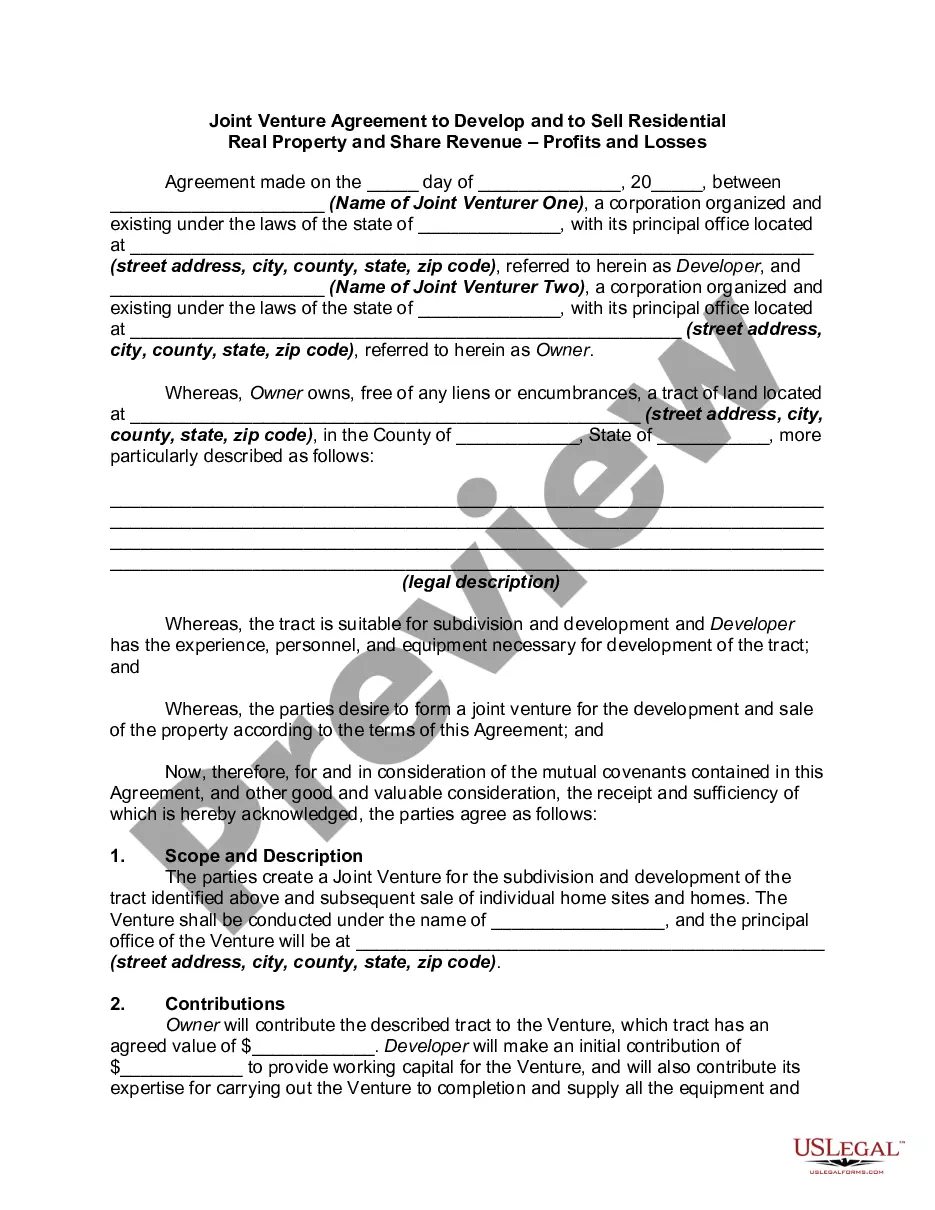
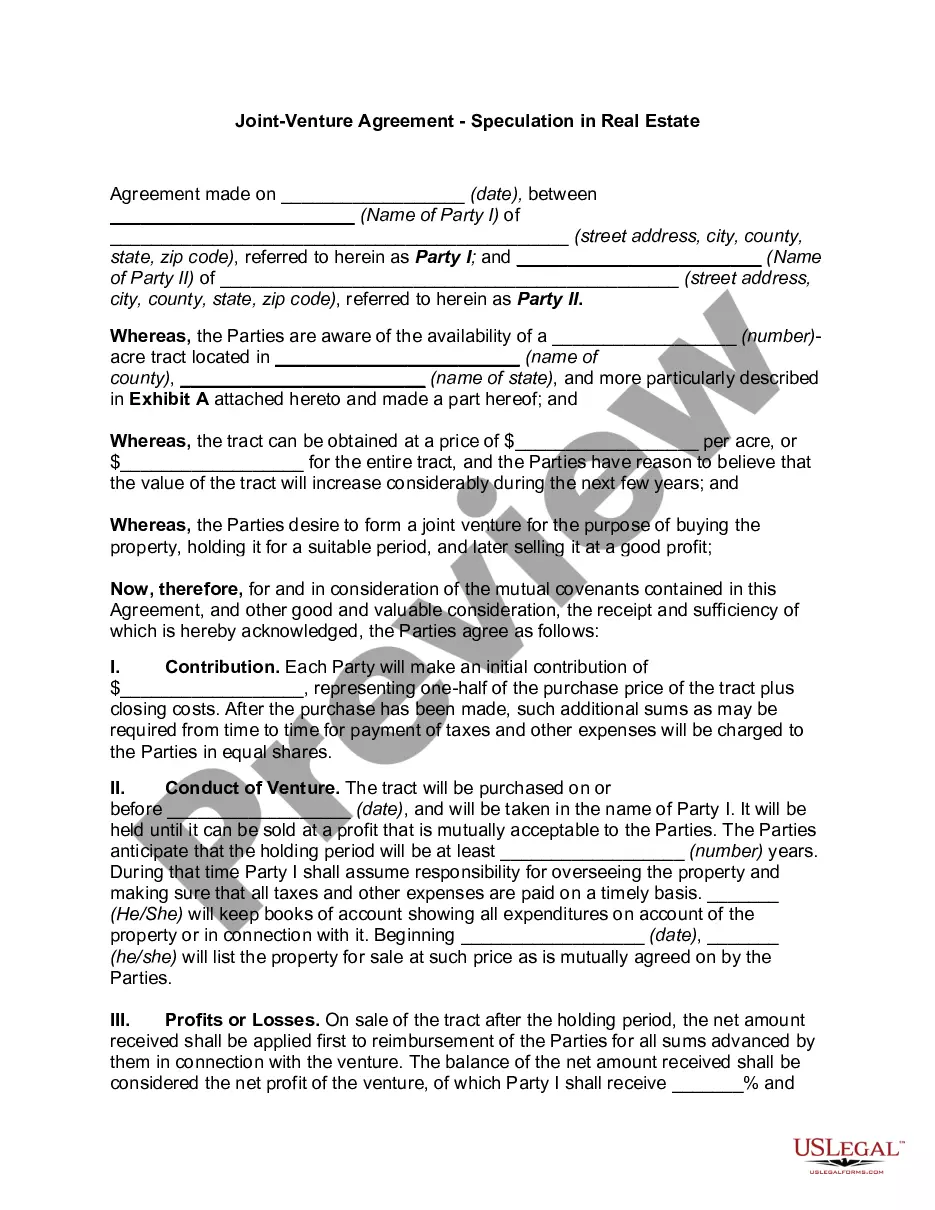
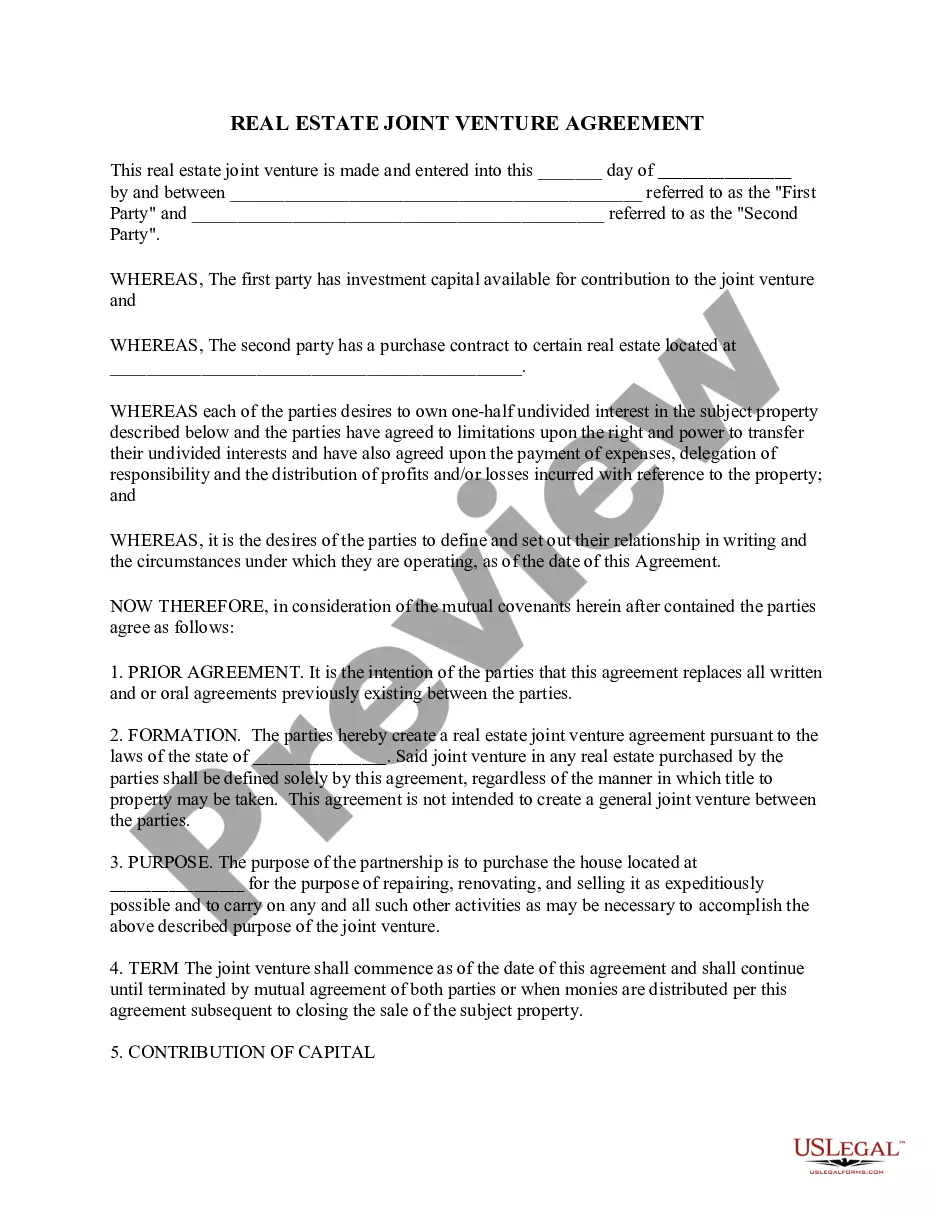
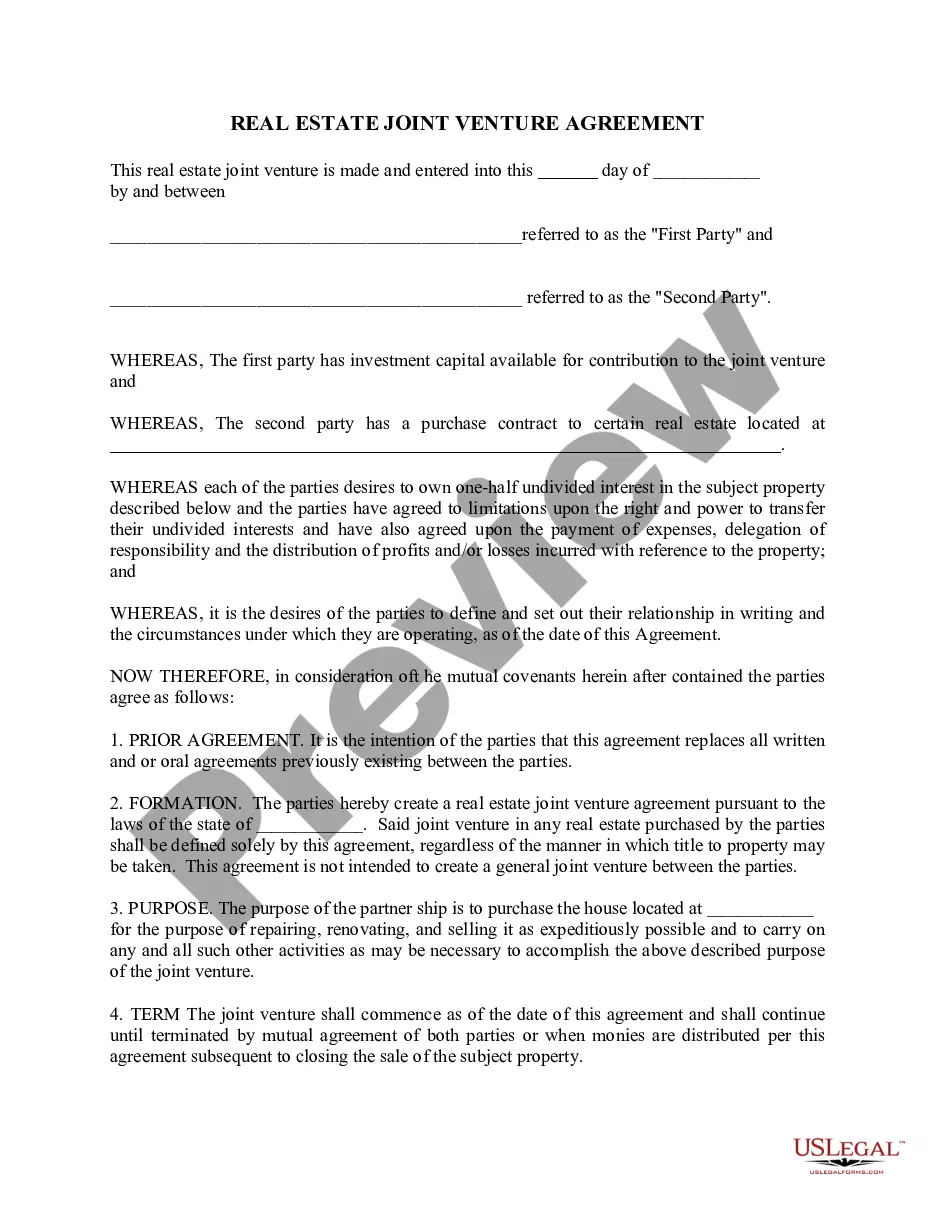
A Joint-Venture Agreement regarding speculation in real estate is a legal document that establishes a partnership between two or more parties for the purpose of purchasing and holding real estate with the intention of selling it for profit. This agreement outlines each partyâs contributions, responsibilities, profit/loss sharing, and terms for disputes or decisions. While similar to a partnership agreement, a joint-venture agreement typically pertains to a single project rather than an ongoing business relationship.
Key components of this form
- Agreement details, including the parties involved and date.
- Description of the property being acquired and its anticipated value increase.
- Initial contributions and ongoing expenses for property management.
- Profit and loss sharing arrangement after the property sale.
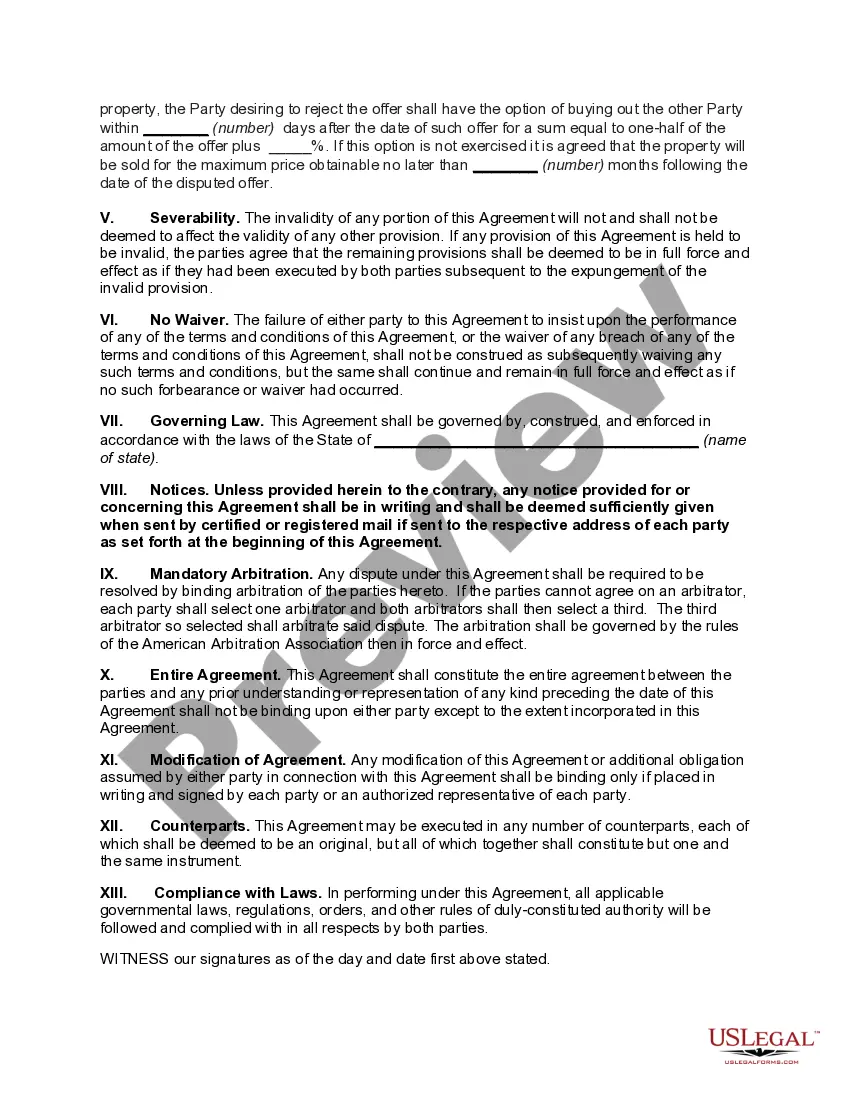
- Procedures for decision-making and mandatory sale conditions if disagreements arise.
- Legal provisions governing the agreement and compliance with state laws.
Situations where this form applies
This form is useful when two or more parties wish to collaborate on the purchase and investment of a specific real estate property. It is appropriate for investors looking to combine resources for a real estate venture, especially when they believe the value of the property will increase significantly over time. This agreement ensures clarity in contributions, responsibilities, and how profits or losses will be shared, helping to prevent misunderstandings.
Who this form is for
This Joint-Venture Agreement is suitable for:
- Individuals or entities interested in investing in real estate as a partnership.
- Real estate developers seeking to team up with investors.
- Friends or family planning to pool resources for a property investment.
- Any parties looking to formalize their joint investment plans in real estate.
Steps to complete this form
- Identify the parties involved, entering their names and addresses at the beginning of the agreement.
- Specify the details of the property, including its legal description and anticipated price.
- Fill in the initial contributions each party will make toward the purchase and any additional contributions for ongoing expenses.
- Outline the profit-sharing arrangement, indicating how profits or losses will be divided after the sale.
- Set the timeline for the holding period, including any terms regarding dispute resolution or mandatory sale.
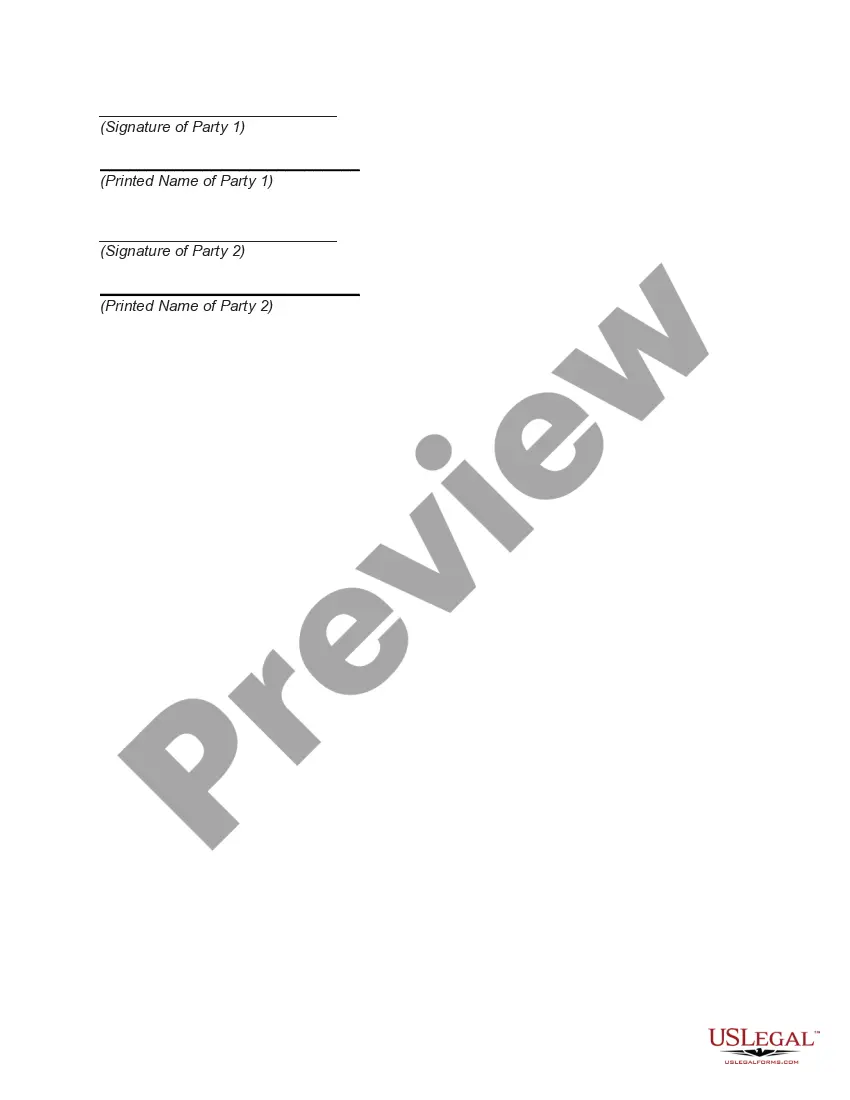
- Collect signatures from both parties, ensuring that the agreement is dated correctly.
Is notarization required?
This form does not typically require notarization unless specified by local law. It is recommended to check your stateâs regulations to ensure compliance.
Get your form ready online
Our built-in tools help you complete, sign, share, and store your documents in one place.
Make edits, fill in missing information, and update formatting in US Legal Forms—just like you would in MS Word.
Download a copy, print it, send it by email, or mail it via USPS—whatever works best for your next step.
Sign and collect signatures with our SignNow integration. Send to multiple recipients, set reminders, and more. Go Premium to unlock E-Sign.
If this form requires notarization, complete it online through a secure video call—no need to meet a notary in person or wait for an appointment.
We protect your documents and personal data by following strict security and privacy standards.

Make edits, fill in missing information, and update formatting in US Legal Forms—just like you would in MS Word.

Download a copy, print it, send it by email, or mail it via USPS—whatever works best for your next step.

Sign and collect signatures with our SignNow integration. Send to multiple recipients, set reminders, and more. Go Premium to unlock E-Sign.

If this form requires notarization, complete it online through a secure video call—no need to meet a notary in person or wait for an appointment.

We protect your documents and personal data by following strict security and privacy standards.
Common mistakes
- Failing to clearly define roles and responsibilities can lead to conflicts during the investment period.
- Not specifying how decisions regarding the sale of the property will be made may result in disputes.
- Neglecting to include provisions for how to handle loss situations can create challenges if the venture does not go as planned.
Why use this form online
- Convenience of accessing the form at any time without needing a legal appointment.
- Ability to customize the form to fit your specific investment situation.
- Reliable templates drafted by licensed attorneys to ensure legal compliance.
Main things to remember
- The Joint-Venture Agreement outlines the collaborative investment in real estate.
- It specifies contributions, profit-sharing, and management responsibilities.
- This agreement is crucial for clarity and legal protection for all parties involved.
Looking for another form?
Form popularity
FAQ
Taxi giant Uber and heavy vehicle manufacturer Volvo announced a joint venture agreement to develop self-driving cars. The two companies planned to jointly invest $300 million in the project, each contributing $150 million. Hence, the ownership ratio between the two companies was 50%-50%.
Joint ventures can be complicated arrangements. While they offer strong advantages to businesses, they can be fraught with risk ? from a lack of transparency and trust to culture clashes than can be a drain on resources and harm operations for both parent companies.
Four types of joint ventures Project-based joint venture. A project-based joint venture has two or more parties working on a specific project.Functional-based joint venture.Vertical joint venture.Horizontal joint venture.
The JV agreement establishes duties, obligations, responsibilities, and expectations for all parties. The scope of obligation and duties may vary by entity. Some joint ventures are 50/50, but many others have one organization providing more of a particular asset or resource than the other.
Structuring a real estate JV The 'investor' will typically be structured as a limited partnership managed by a general partner or other tax efficient vehicle. The investor vehicle will contract with the asset manager?owned by the operator investment vehicle?to form the JV entity.
What is a joint venture (JV) in real estate? Simply put, a joint venture in real estate is when two or more investors pool their resources and knowledge for a development project or investment. Each party maintains their own unique business identity while working together.
A joint venture (JV) is a business arrangement in which two or more parties agree to pool their resources for the purpose of accomplishing a specific task. This task can be a new project or any other business activity. Each of the participants in a JV is responsible for profits, losses, and costs associated with it.