Proof of Residency for College
What is this form?
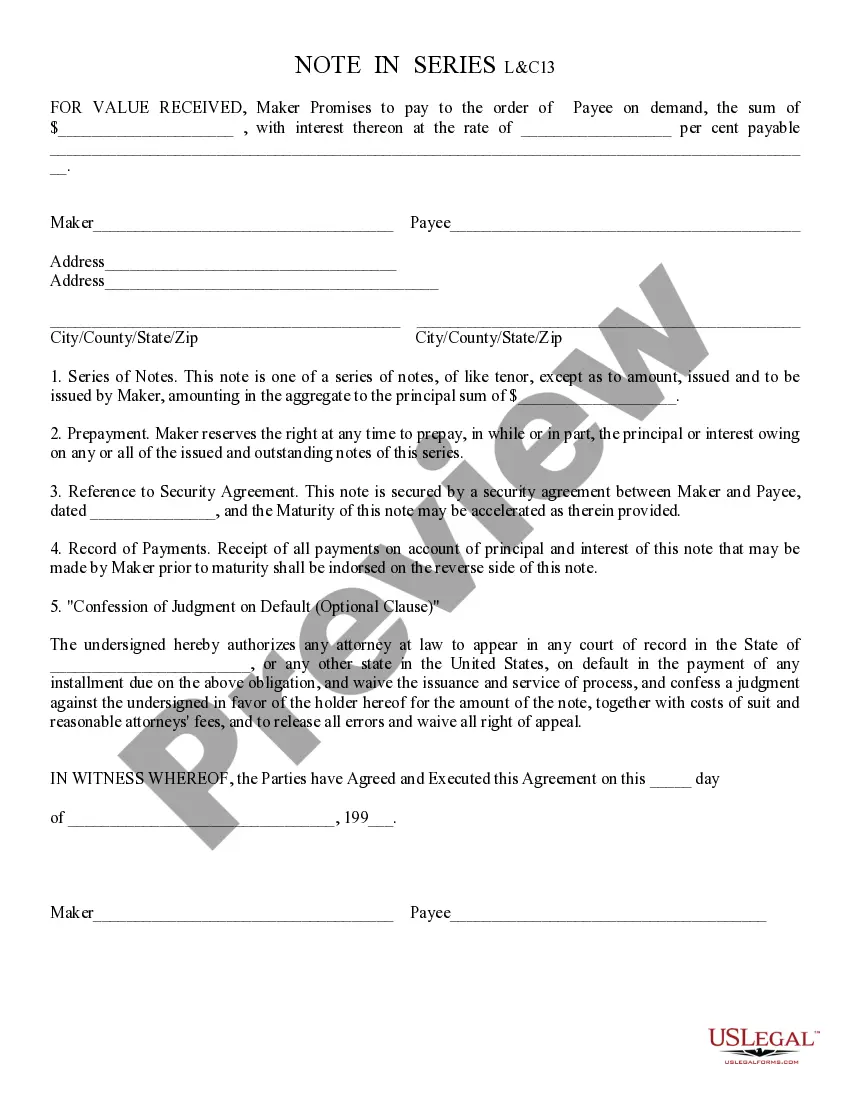
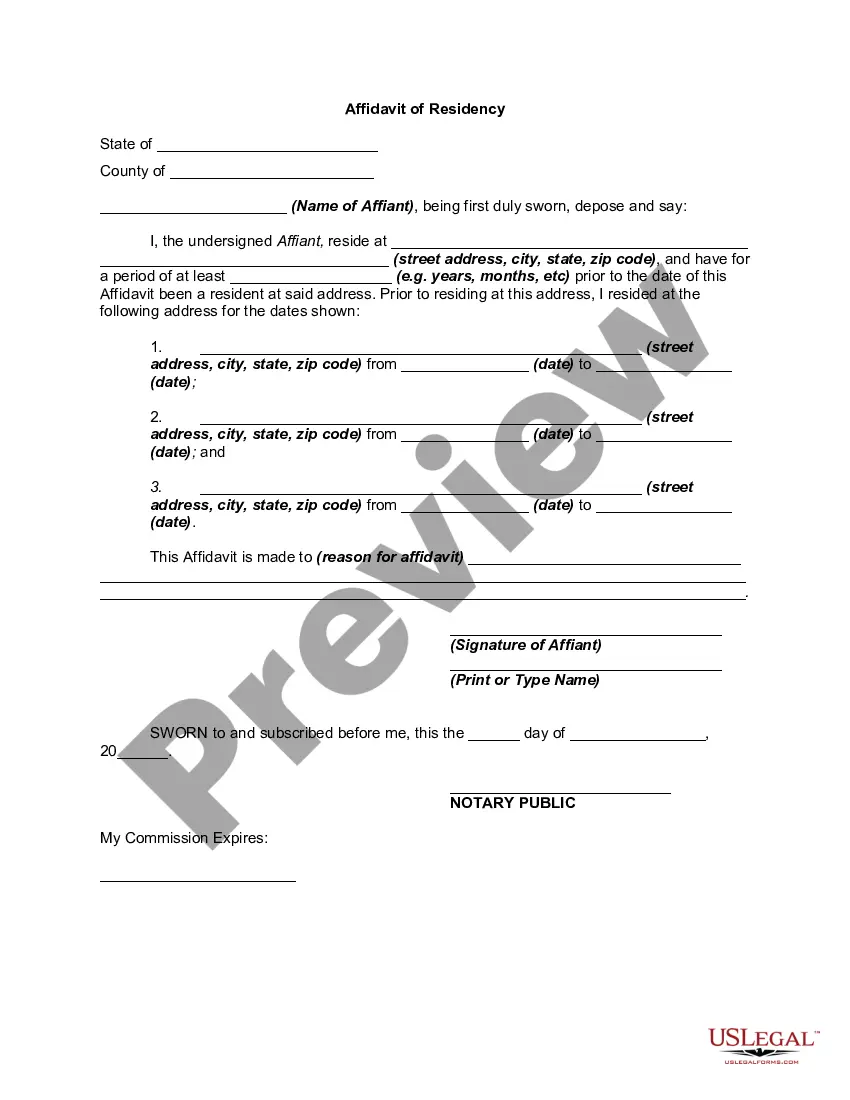
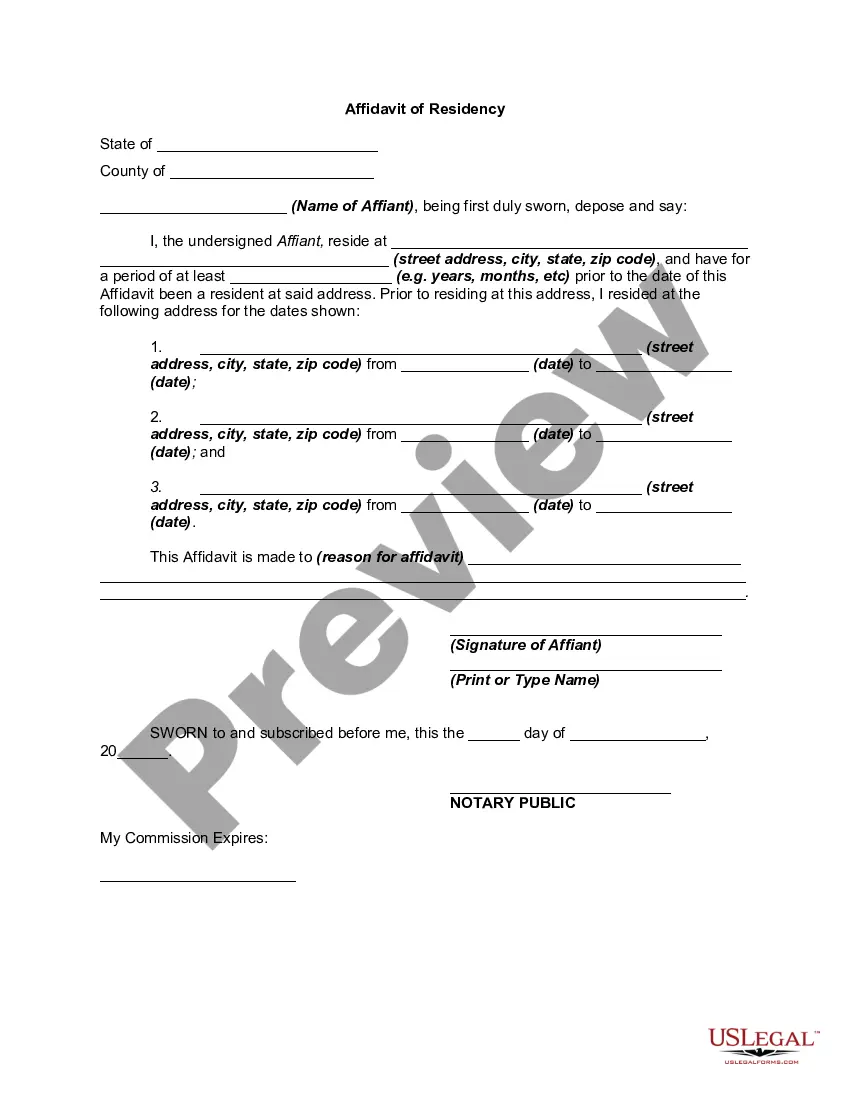
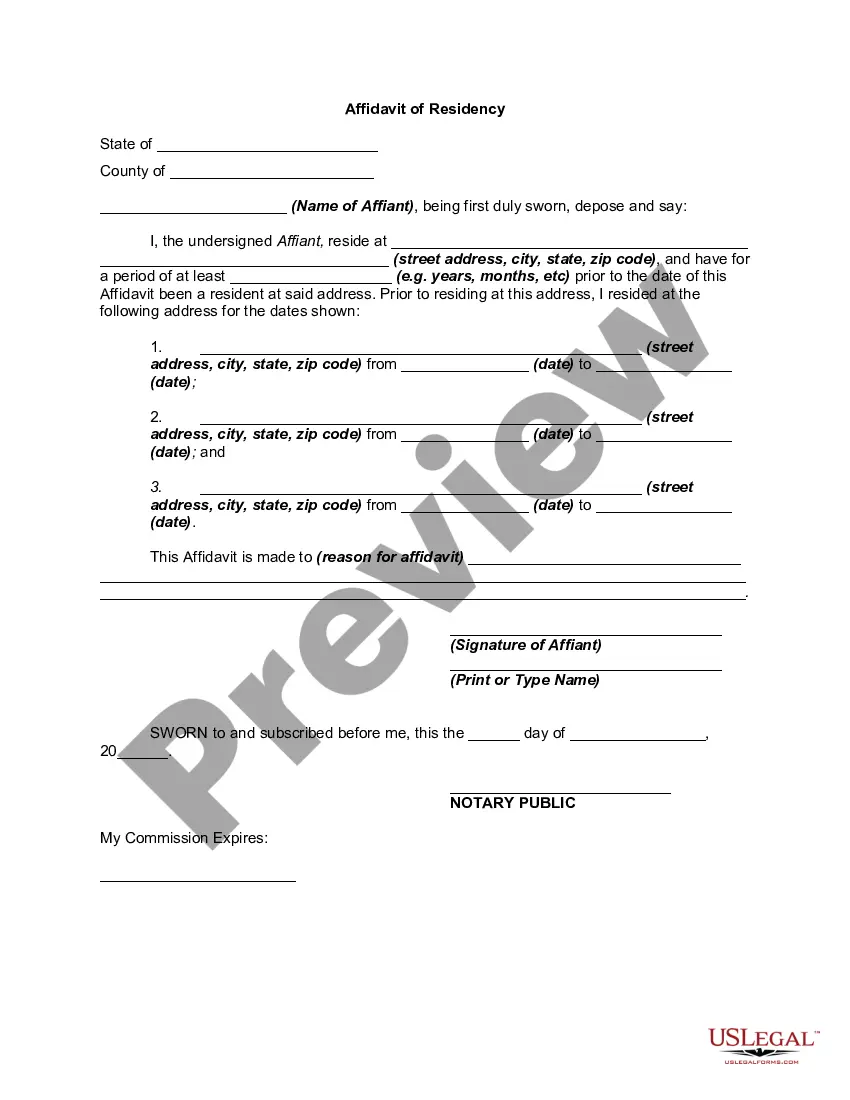
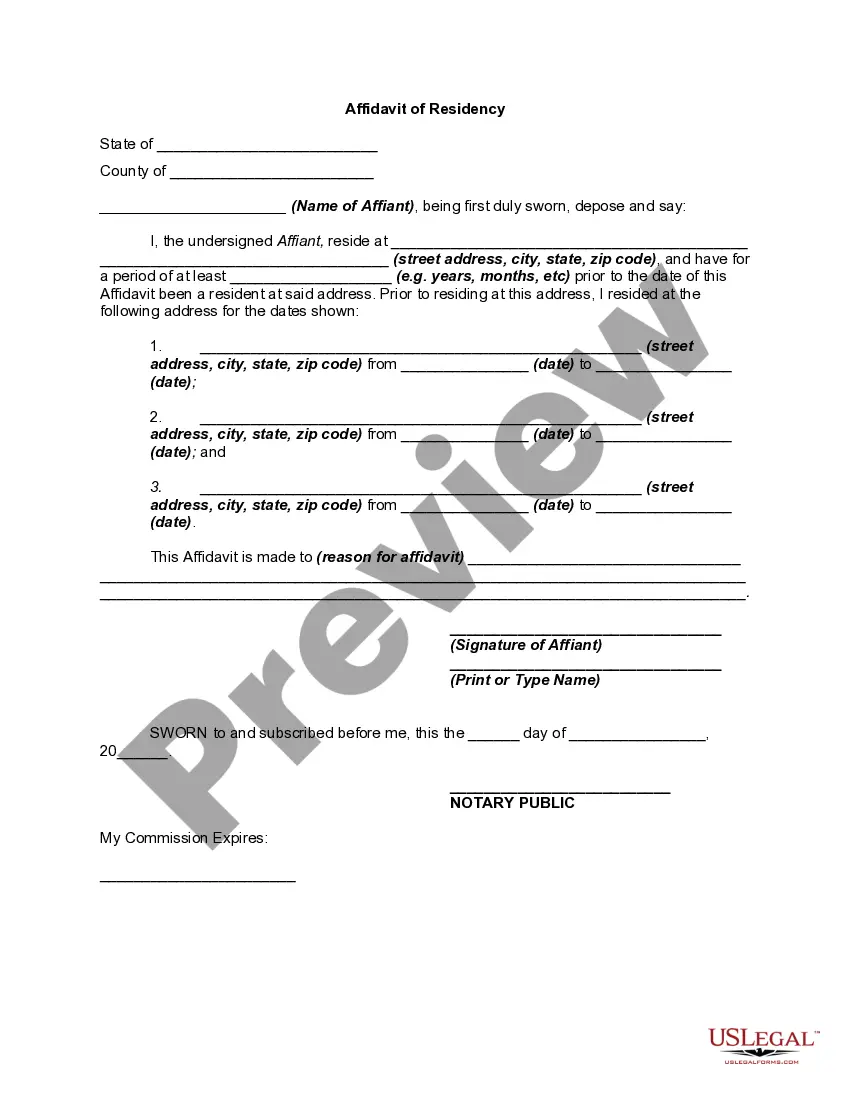
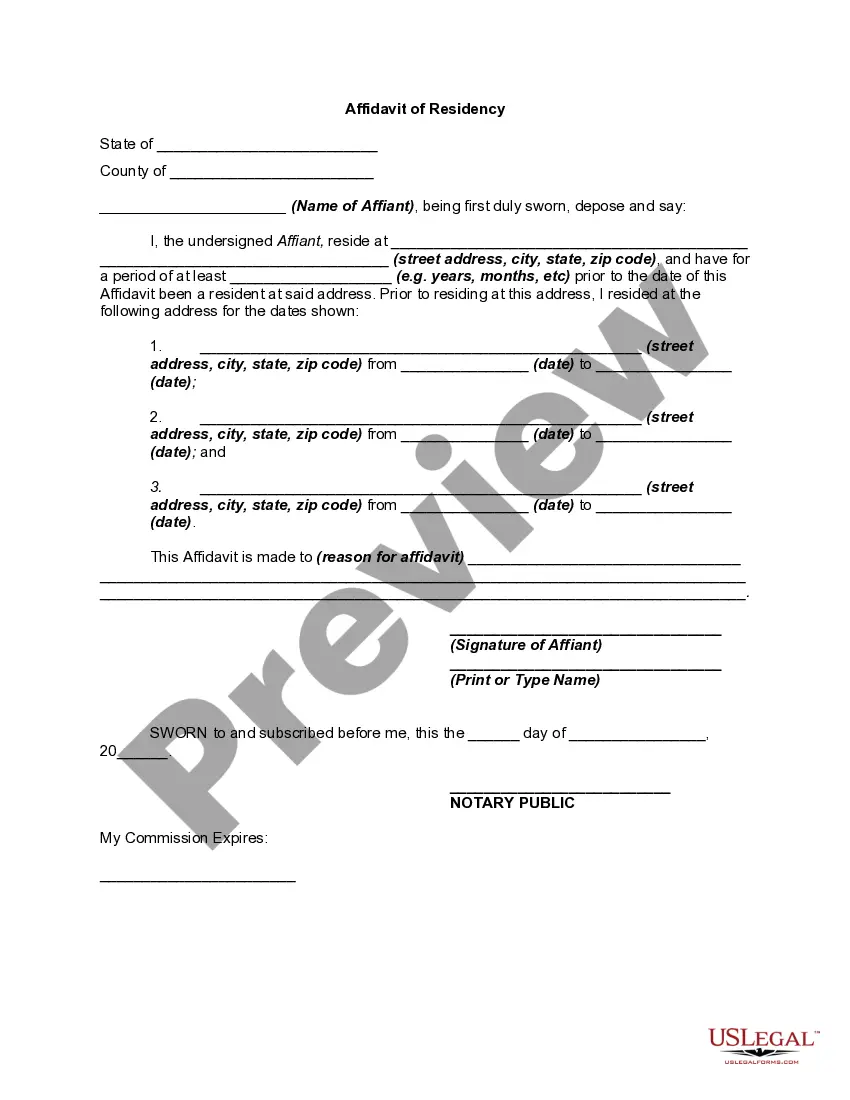
The Proof of Residency for College is a legal document that serves as an affidavit, affirming an individual's place of residence for a specified period. This form is distinct because it is often required by educational institutions to verify a studentâs address, which can impact tuition rates and eligibility for in-state benefits. Unlike other forms of residency verification, this document specifically includes detailed prior addresses and dates of residence.
Main sections of this form
- Affidavit statement from the affiant confirming their current residence.
- Details of residence, including street address, city, state, and zip code.
- Duration of residence at the current address and previous addresses.
- Signature and printed name of the affiant, under oath.
- Notary public section to validate the affidavit.
When this form is needed
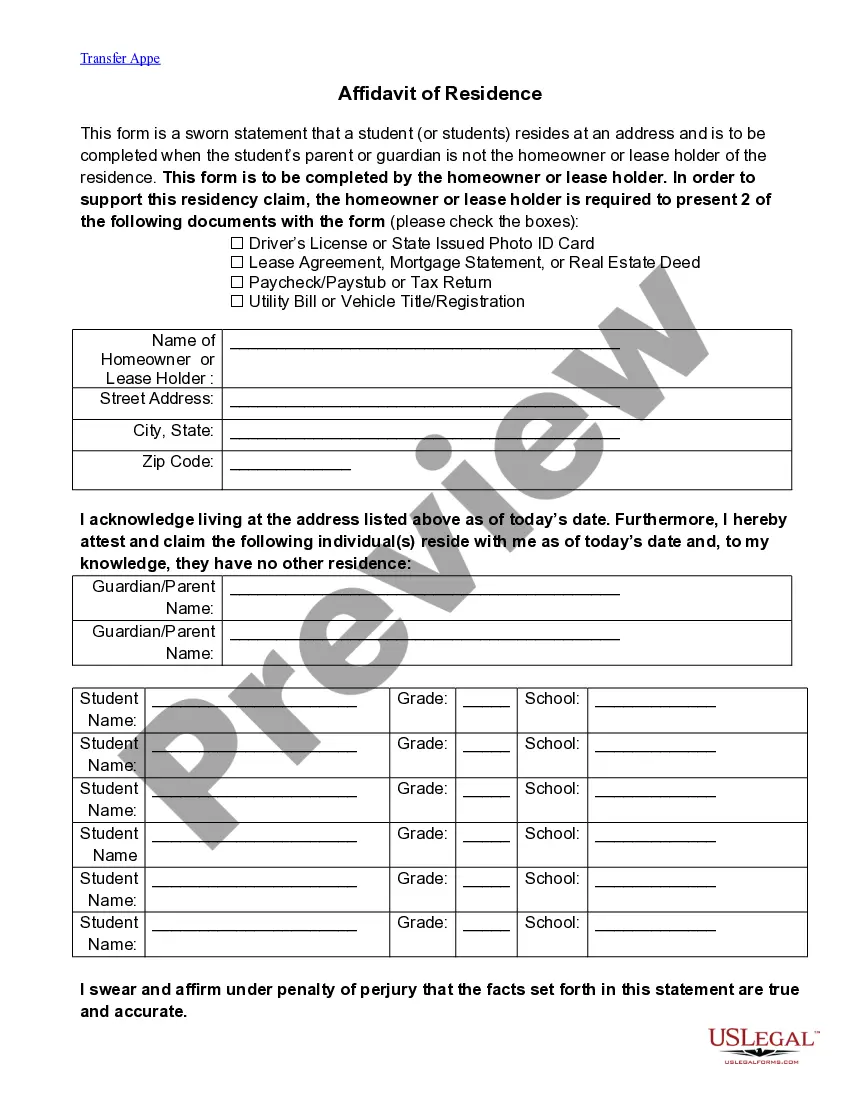
This form should be used when a college or university requires proof of residency for enrollment or tuition purposes. It is commonly needed for students who are applying for in-state tuition rates or scholarship opportunities based on residency. Additionally, it may be required for financial aid applications that need to verify a studentâs living situation.
Intended users of this form
- Students enrolling in a college or university who need to prove their state residency.
- Parents or guardians seeking to establish residency on behalf of their dependent students.
- Individuals applying for in-state tuition or financial aid based on residency.
How to prepare this document
- Enter the current state and county at the top of the form.
- Fill in your full name and current street address, including city, state, and zip code.
- Indicate the duration of your current residence.
- List previous addresses along with the corresponding dates of residence.
- State the reason for completing the affidavit and ensure the document is signed and dated.
- Have the form notarized to validate the affidavit.
Does this form need to be notarized?
Yes, this form must be notarized to be legally valid. A notary public will confirm your identity and witness your signature, adding a layer of authenticity to the affidavit. You can conveniently use US Legal Formsâ integrated online notarization service, available 24/7, through secure video calls, ensuring a hassle-free process without the need for travel.
Get your form ready online
Our built-in tools help you complete, sign, share, and store your documents in one place.
Make edits, fill in missing information, and update formatting in US Legal Forms—just like you would in MS Word.
Download a copy, print it, send it by email, or mail it via USPS—whatever works best for your next step.
Sign and collect signatures with our SignNow integration. Send to multiple recipients, set reminders, and more. Go Premium to unlock E-Sign.
If this form requires notarization, complete it online through a secure video call—no need to meet a notary in person or wait for an appointment.
We protect your documents and personal data by following strict security and privacy standards.

Make edits, fill in missing information, and update formatting in US Legal Forms—just like you would in MS Word.

Download a copy, print it, send it by email, or mail it via USPS—whatever works best for your next step.

Sign and collect signatures with our SignNow integration. Send to multiple recipients, set reminders, and more. Go Premium to unlock E-Sign.

If this form requires notarization, complete it online through a secure video call—no need to meet a notary in person or wait for an appointment.

We protect your documents and personal data by following strict security and privacy standards.
Common mistakes to avoid
- Failing to provide accurate prior addresses or dates of residence.
- Not having the form notarized when required.
- Leaving any sections blank or incomplete.
- Not clearly stating the purpose of the affidavit.
Advantages of online completion
- Convenience of downloading and completing the form at your own pace.
- Editability allows customization to meet specific state requirements.
- Reliability of a form drafted by licensed attorneys, ensuring it meets legal standards.
Main things to remember
- The Proof of Residency for College is essential for verifying residency status for educational institutions.
- It is important to accurately complete all sections and have the form notarized.
- Utilizing the form online provides convenience and legal assurance from licensed professionals.
Looking for another form?
Form popularity
FAQ
As a student attending college out-of-state, you are considered to remain a resident of (i.e. "live in") your home state unless you take action to establish residency in another state (does not have to be the state where you go to college).
As a student attending college out-of-state, you are considered to remain a resident of (i.e. "live in") your home state unless you take action to establish residency in another state (does not have to be the state where you go to college).
Examples of acceptable documents to prove California residency are: rental or lease agreements with the signature of the owner/landlord and the tenant/resident, deeds or titles to residential real property, mortgage bills, home utility bills (including cellular phone), and medical or employee documents.
Voter registration card. Driver's license and vehicle registration. Local bank account statement. State income tax returns. Declaration of Domicile from the county clerk.
Typical factors states use to determine residency. Often, a major determinant of an individual's status as a resident for income tax purposes is whether he or she is domiciled or maintains an abode in the state and are present" in the state for 183 days or more (one-half of the tax year).
For the purposes of the FAFSA, legal residency is defined by your parents' permanent home.
If you don't have any utility bills, you can still prove your residency through other means. You can use a combination of your license, tax documents, bank statements, lease agreements, and other official paperwork. The essential factor is that the form of proof shows your address and name.
Bank Statements. Document description: Preprinted account statements from your bank. Court Letters. Government Documents. Income Tax Statements. Lease Agreements. Notarized Affidavit of Residency. School Records. Vehicle Registration.
Generally, you need to establish a physical presence in the state, an intent to stay there and financial independence. Then you need to prove those things to your college or university. Physical presence: Most states require you to live in the state for at least a full year before establishing residency.