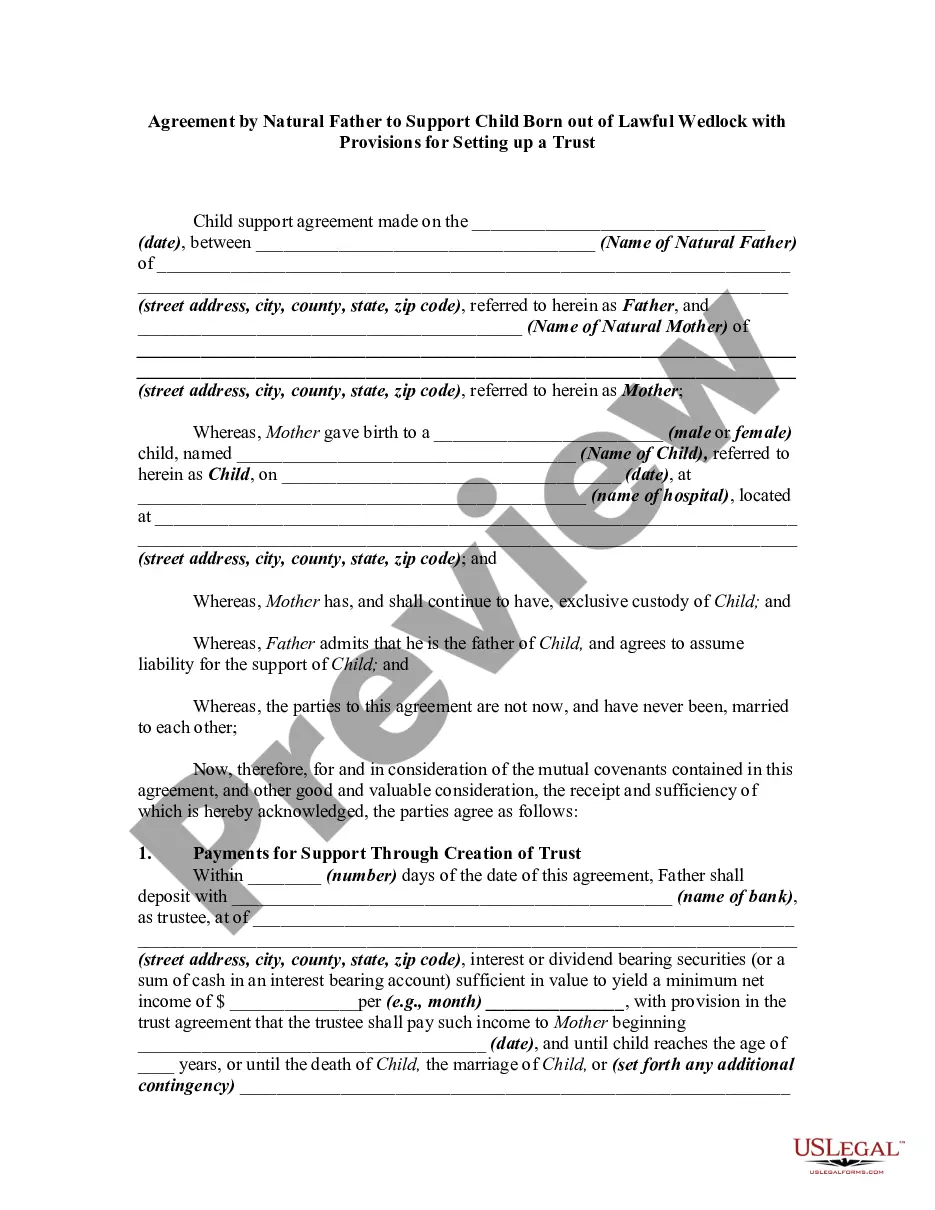
Agreement by Natural Father to Support Child Born out of Lawful Wedlock with Provisions for Setting up a Trust
What this document covers
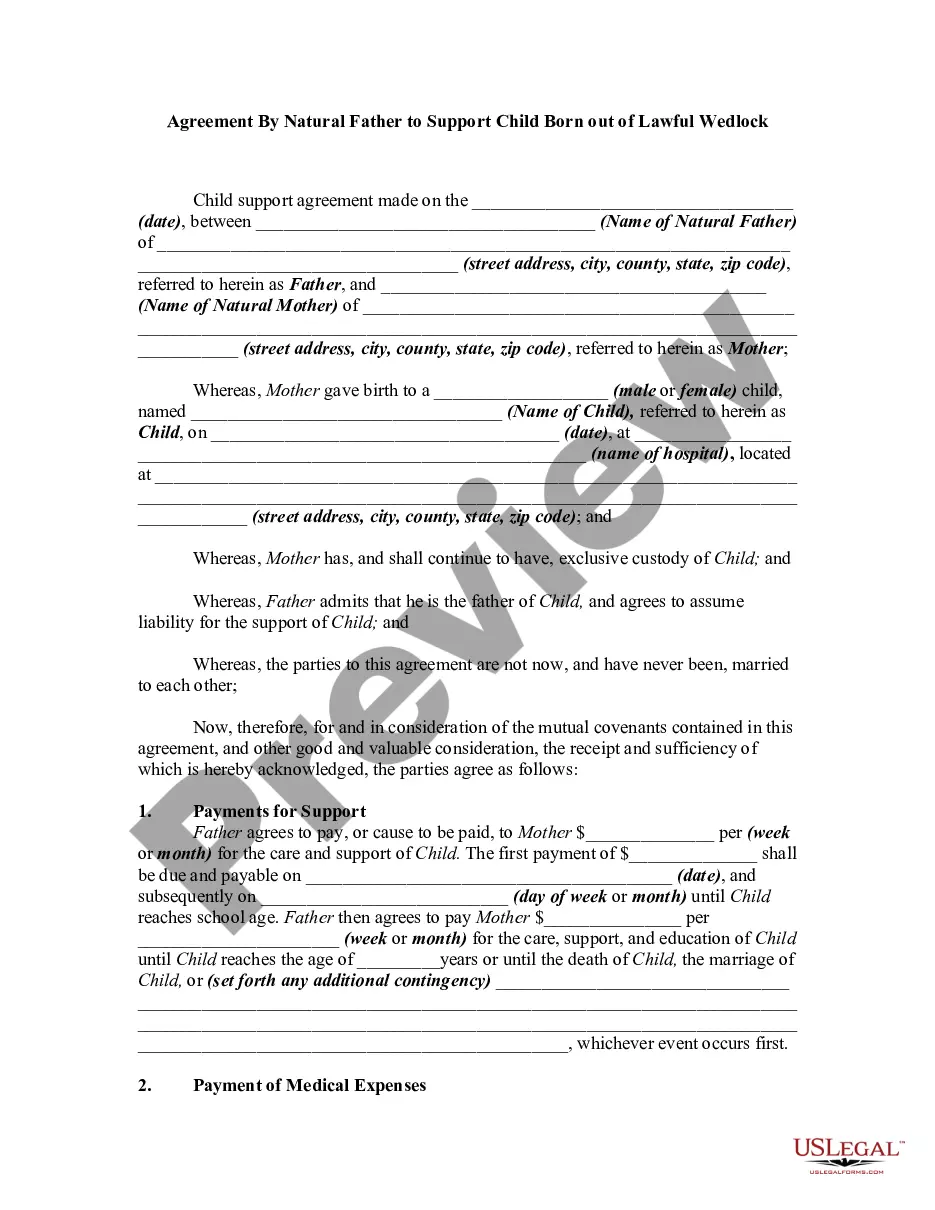
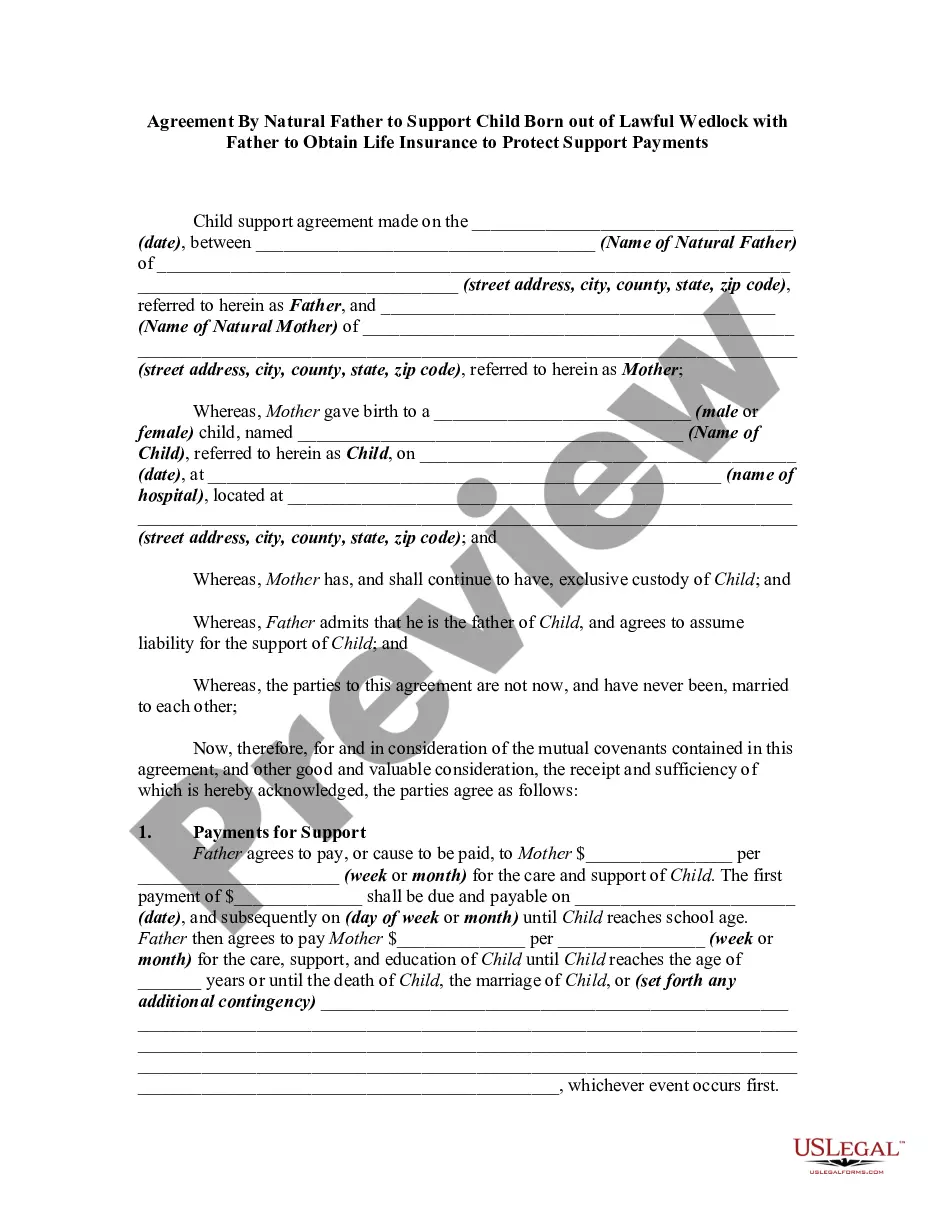
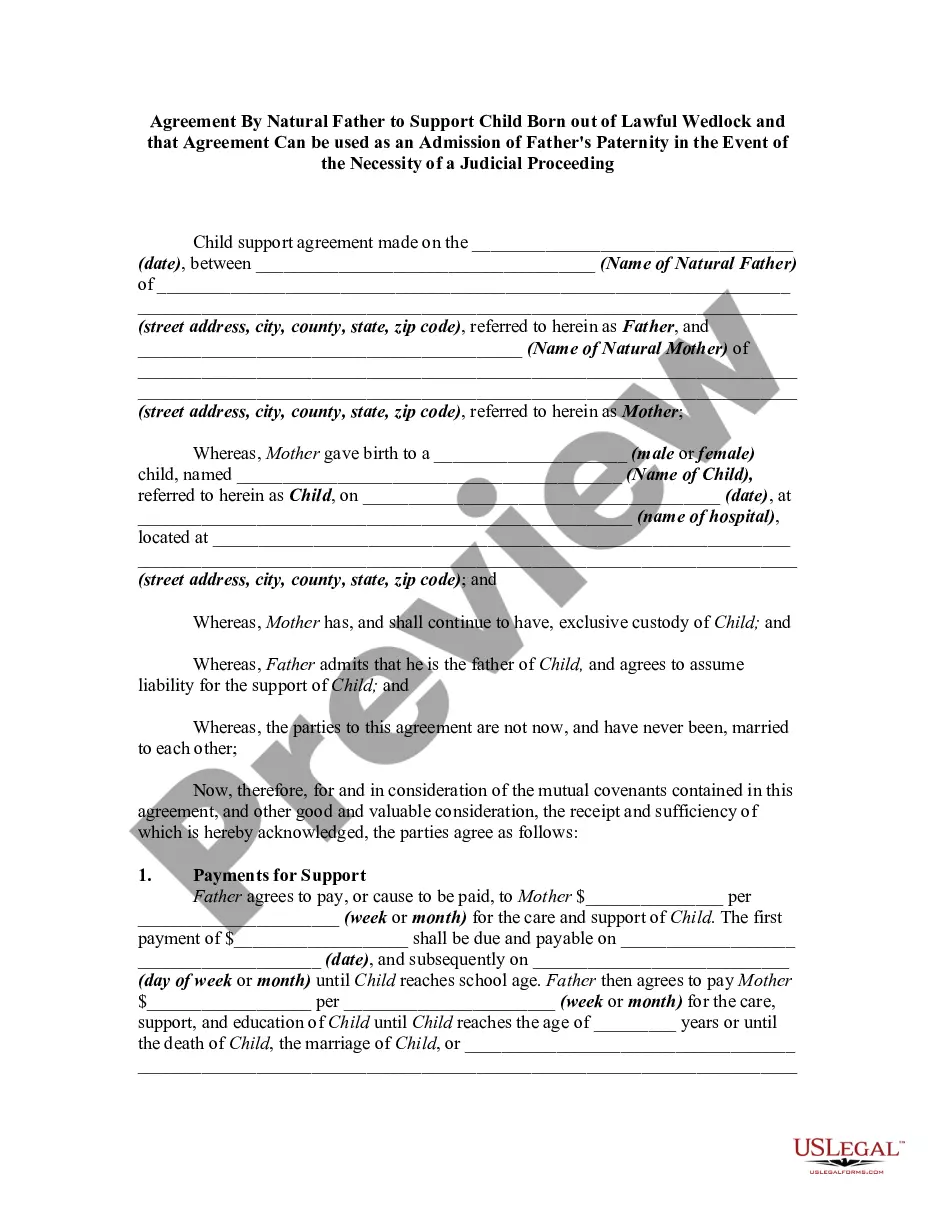
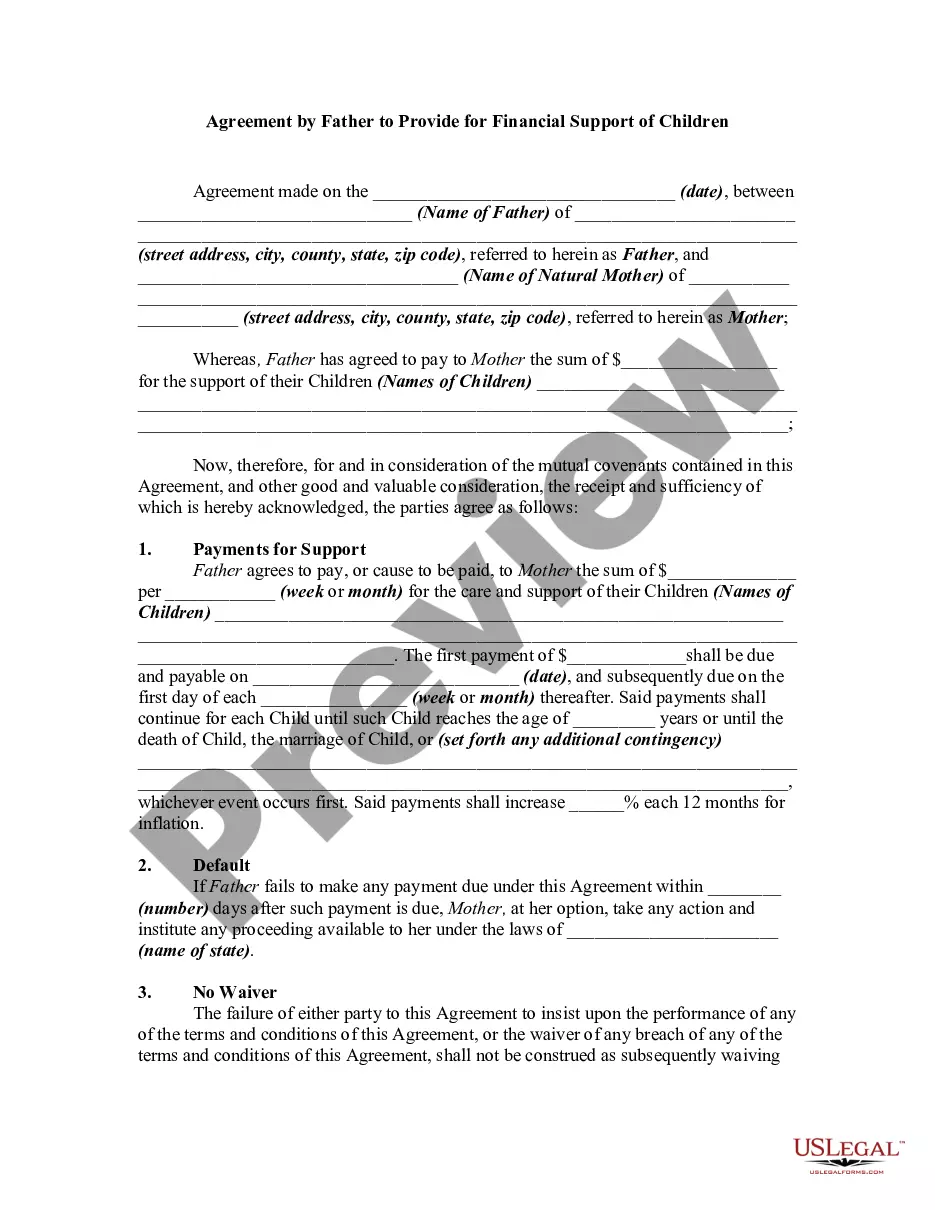
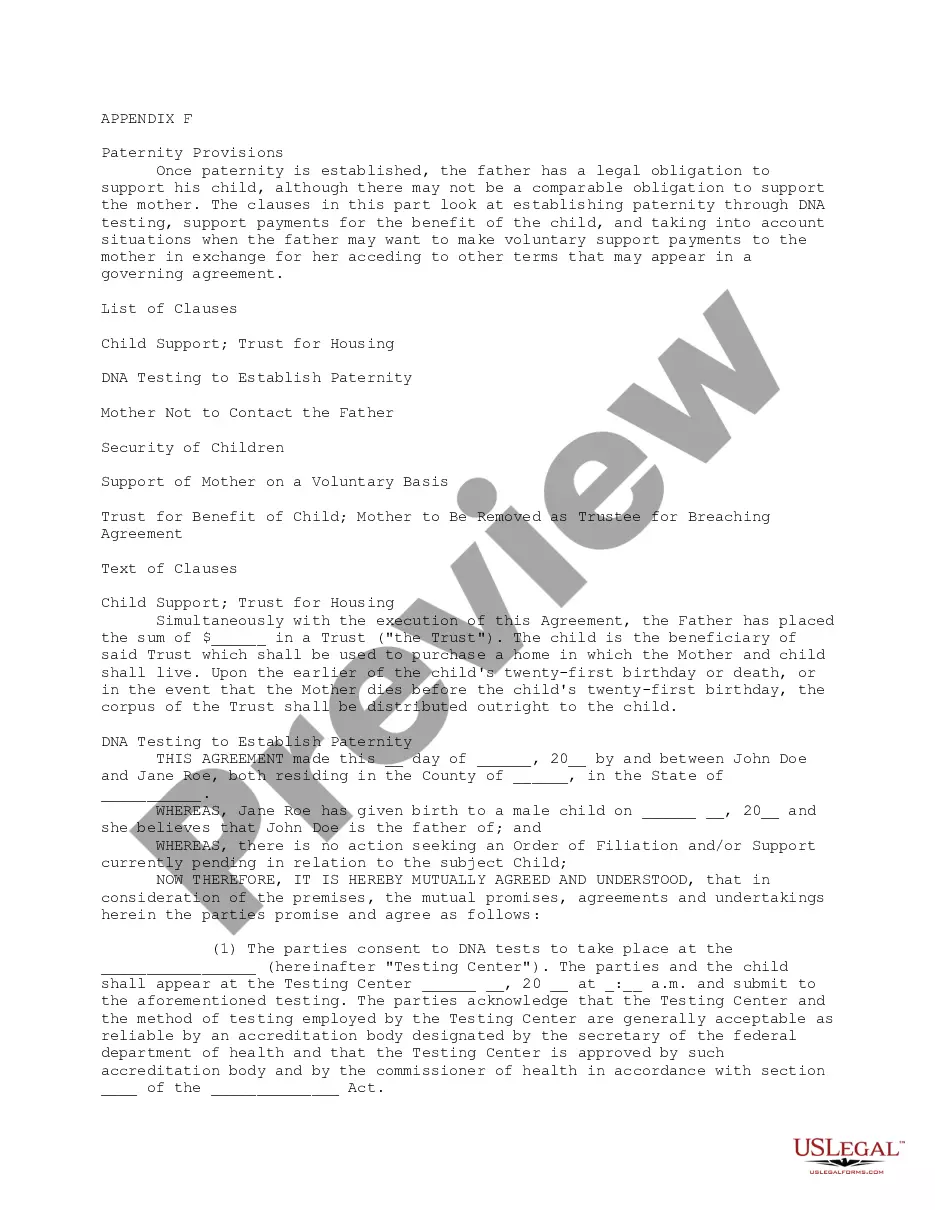
This Agreement by Natural Father to Support Child Born out of Lawful Wedlock with Provisions for Setting up a Trust is a legal document that outlines the obligations of a natural father regarding child support for a child born outside of marriage. This agreement establishes a trust fund for the child's support and clarifies the rights and responsibilities of both parents. It is essential for ensuring that the child receives financial assistance while also protecting the father's rights.
Main sections of this form
- Parties involved: Names and addresses of the natural father and mother.
- Child details: Name and date of birth of the child.
- Trust establishment: Provisions for creating a trust fund for the child's support.
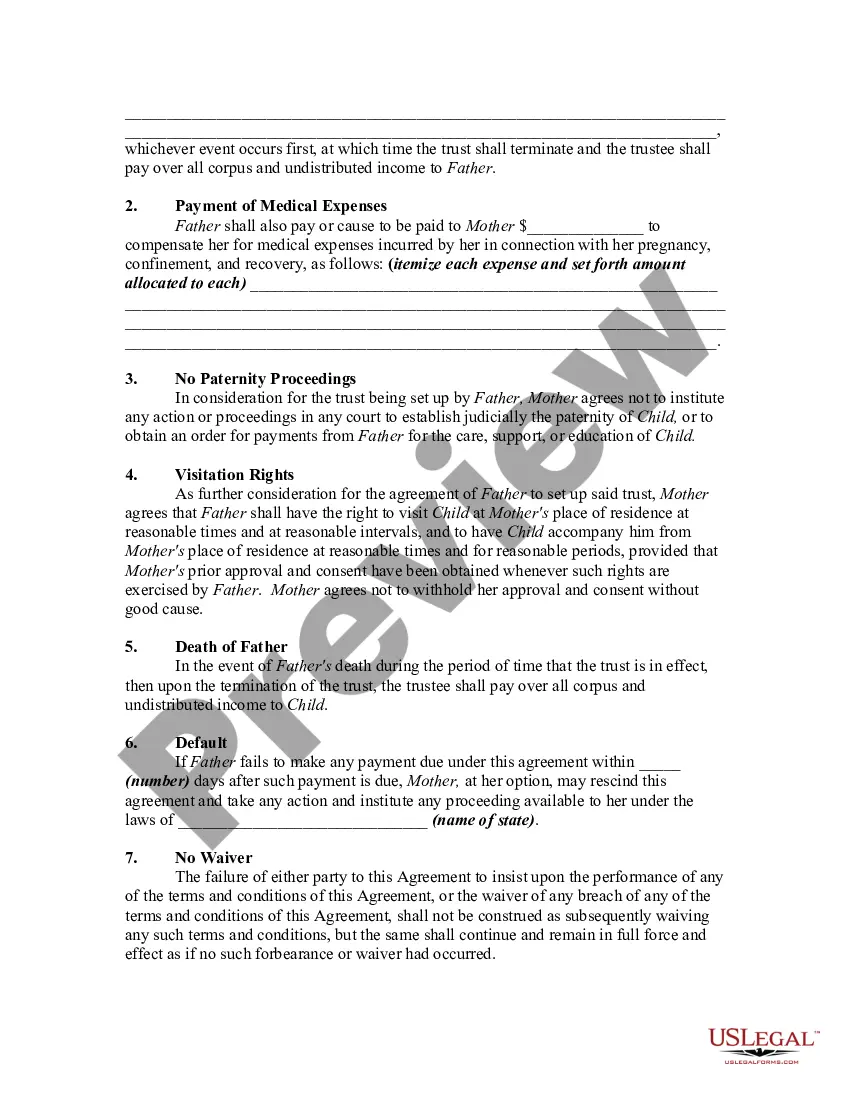
- Medical expenses: Obligation of the father to cover certain medical expenses incurred by the mother.
- Visitation rights: Agreement on the father's right to visit the child.
- Default provisions: Conditions under which the agreement can be rescinded.

When to use this form
This form is useful in situations where a child has been born to parents who were not married at the time of birth. It is particularly relevant for fathers who wish to formally declare their paternity and agree to support the child financially. Additionally, it helps clarify the relationship between the parents regarding custody, visitation, and financial support, ensuring that the child's best interests are prioritized.
Who this form is for
- Natural fathers seeking to establish a formal child support agreement.
- Natural mothers wanting to secure financial support for their child from the father.
- Parents who wish to detail the terms of visitation and custody in a legally binding manner.
How to complete this form
- Identify the parties: Enter the names and addresses of both the natural father and mother.
- Provide child information: Include the child's name, gender, and date of birth.
- Set up the trust: Specify the bank name and address where the trust will be established, along with the total amount required.
- Detail medical expenses: List any medical expenses the father agrees to cover, itemizing each cost.
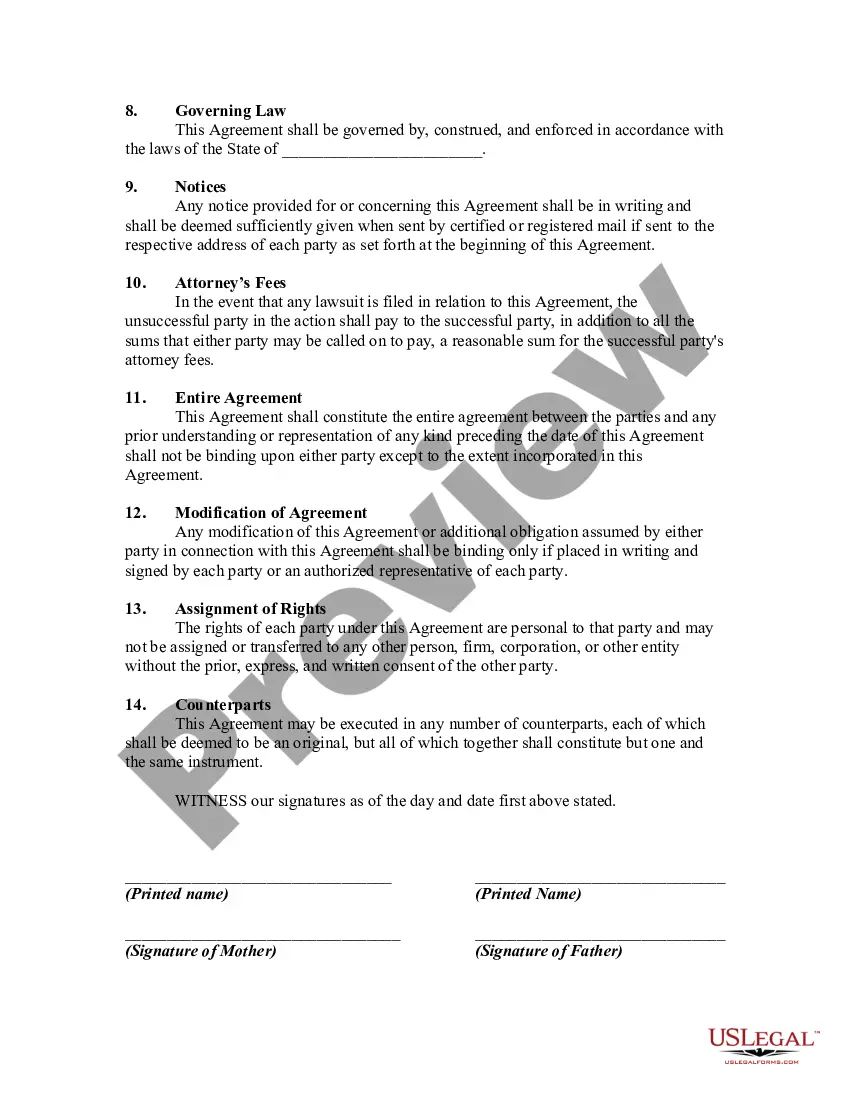
- Enter dates and signatures: Ensure both parties sign and date the agreement to make it legally binding.
Is notarization required?
This form does not typically require notarization unless specified by local law. However, having it notarized can enhance its legal validity by confirming the identities of the signers.
Get your form ready online
Our built-in tools help you complete, sign, share, and store your documents in one place.
Make edits, fill in missing information, and update formatting in US Legal Forms—just like you would in MS Word.
Download a copy, print it, send it by email, or mail it via USPS—whatever works best for your next step.
Sign and collect signatures with our SignNow integration. Send to multiple recipients, set reminders, and more. Go Premium to unlock E-Sign.
If this form requires notarization, complete it online through a secure video call—no need to meet a notary in person or wait for an appointment.
We protect your documents and personal data by following strict security and privacy standards.

Make edits, fill in missing information, and update formatting in US Legal Forms—just like you would in MS Word.

Download a copy, print it, send it by email, or mail it via USPS—whatever works best for your next step.

Sign and collect signatures with our SignNow integration. Send to multiple recipients, set reminders, and more. Go Premium to unlock E-Sign.

If this form requires notarization, complete it online through a secure video call—no need to meet a notary in person or wait for an appointment.

We protect your documents and personal data by following strict security and privacy standards.
Common mistakes
- Failing to provide accurate names and addresses of the parties involved.
- Not clearly defining the terms of the trust or the amount of child support.
- Neglecting to list specific medical expenses that the father is responsible for.
- Omitting signatures, which can render the agreement unenforceable.
Advantages of online completion
- Convenient access to the form anytime and from anywhere.
- Editable templates that allow for customization to individual situations.
- Reliable legal language drafted by licensed attorneys.
Legal use & context
- This agreement is legally binding once signed by both parties, provided it follows the relevant state laws.
- It can be enforced in court if either party defaults on their obligations.
- Consultation with a legal professional is recommended to address any potential disputes or enforceability issues.
What to keep in mind
- This agreement formally establishes child support responsibilities for a natural father.
- It includes provisions for setting up a trust to secure long-term financial support for the child.
- Both parties should fully understand and agree to the terms before signing.
- Utilizing this form online offers convenience and access to expert-reviewed documents.
Looking for another form?
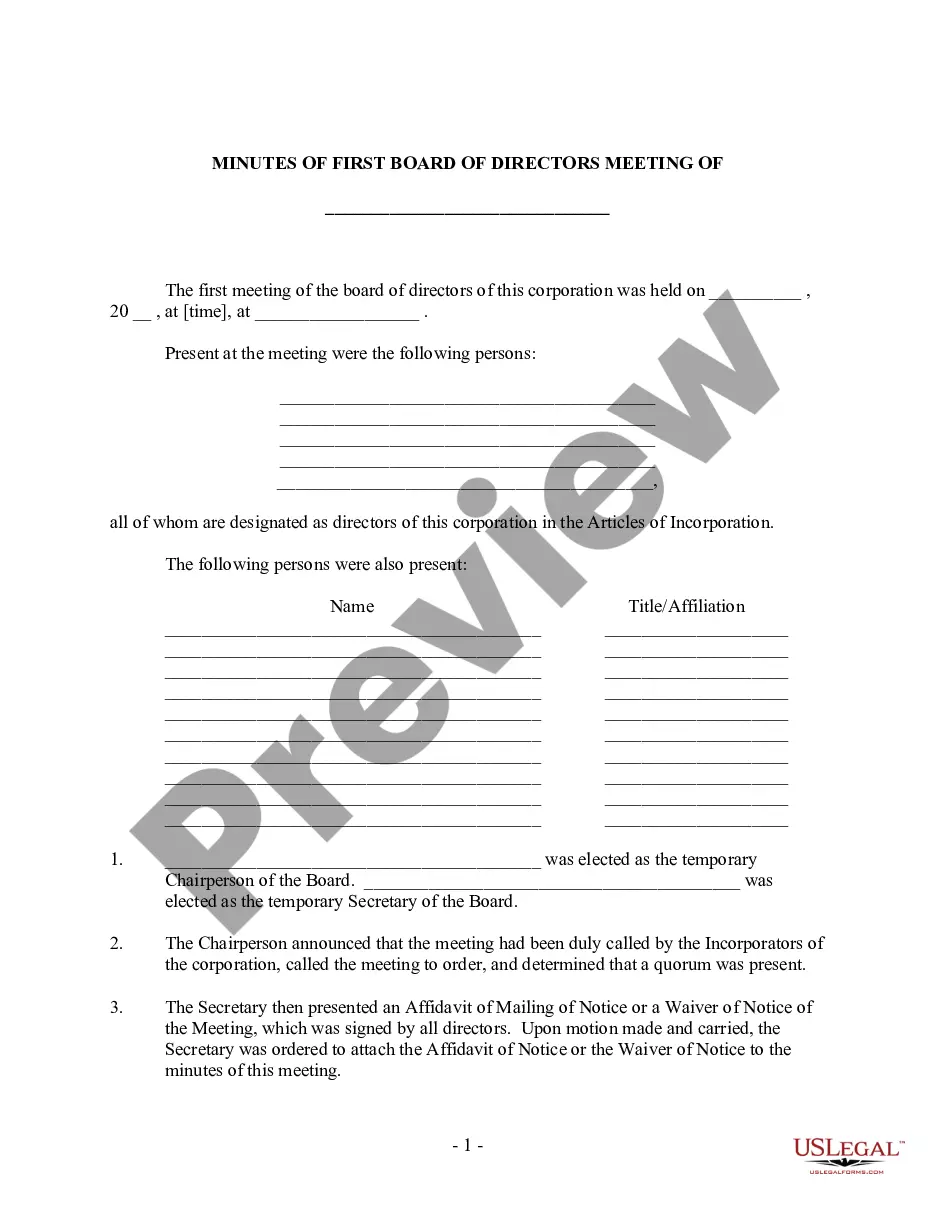
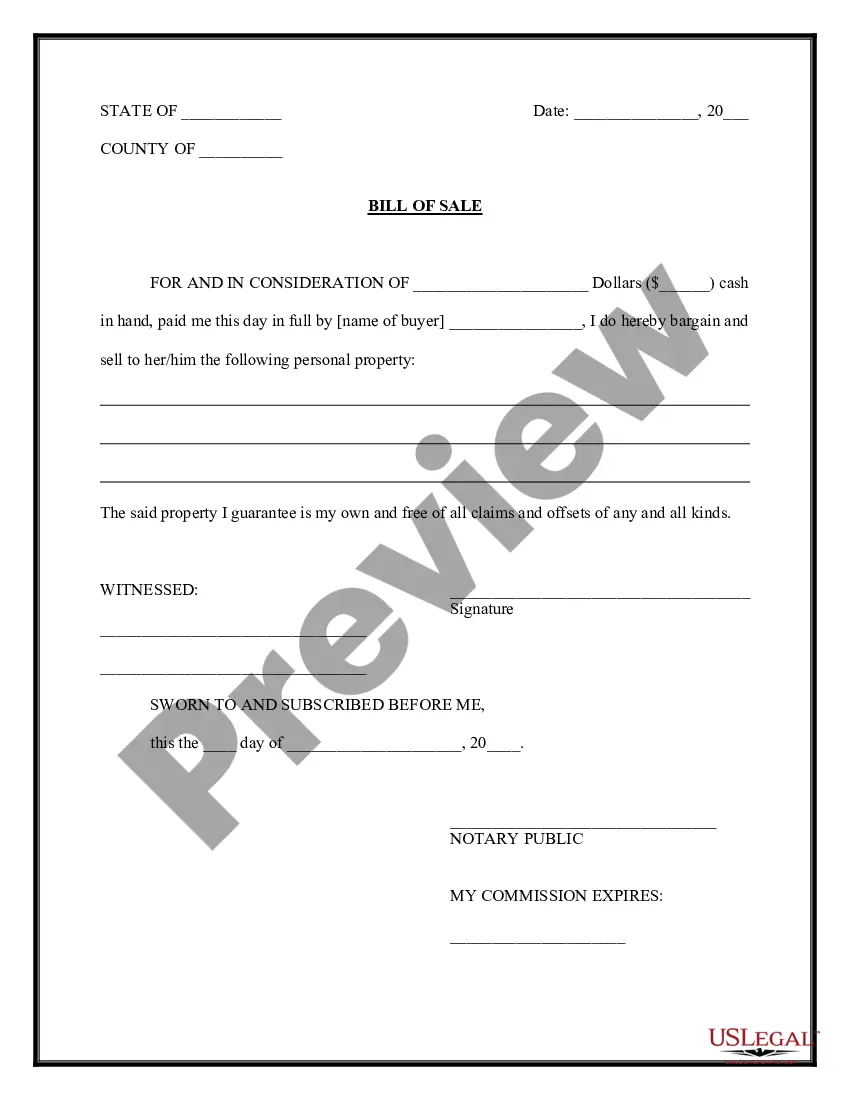

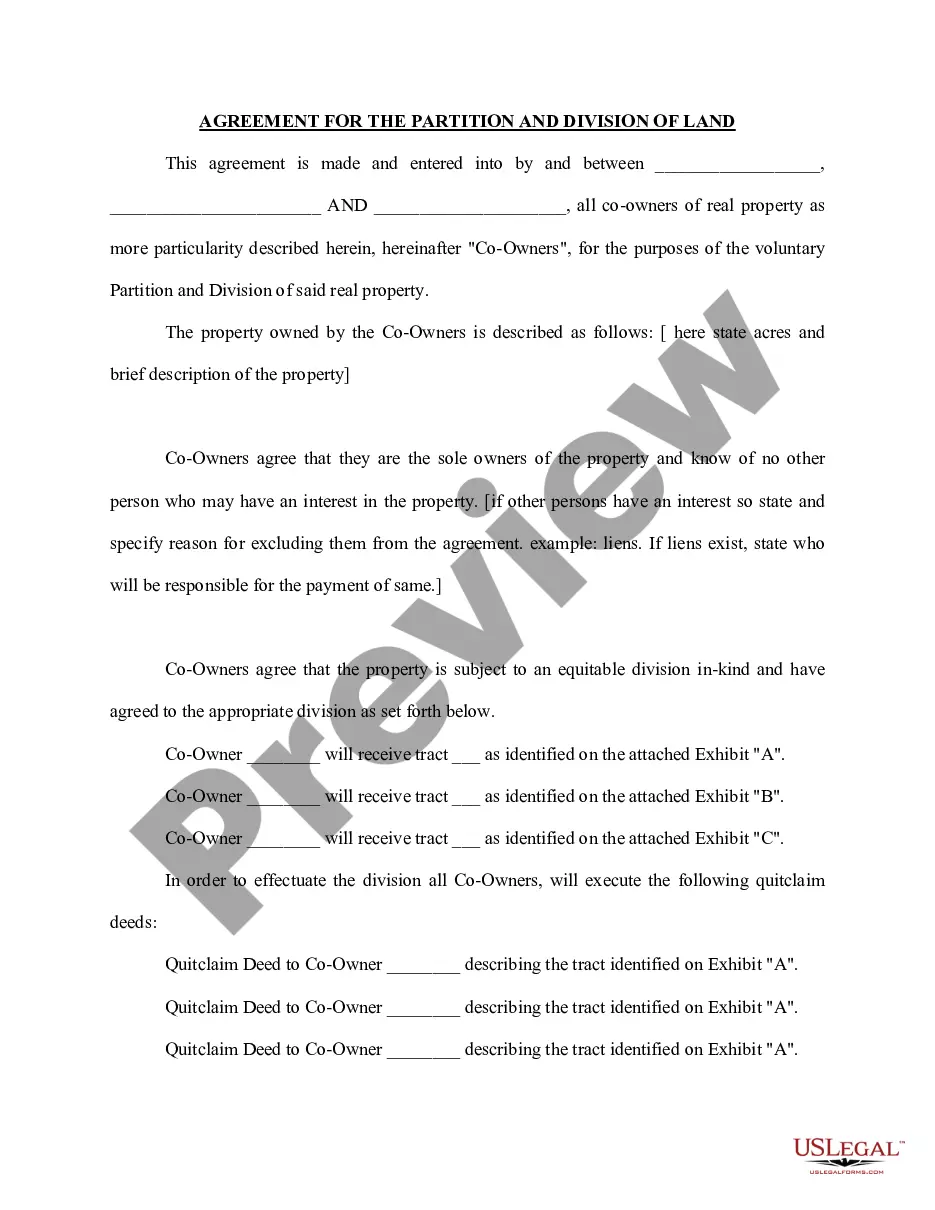
Form popularity
FAQ
For example, children born out-of-wedlock tend to be shorter and have smaller heads. Their cognitive (especially verbal) development is lessened. Many of these children have problems in controlling their activity (popularly called hyperactivity).
How Does California Treat Children Born Out of Wedlock? In the State of California, the intestate succession laws state that the natural child of a deceased individual has the right to inherit regardless of the marital status of the parents.
Once you establish legal paternity, the mother cannot move away with the child over the father's objection without leave of court. However, if you do not establish paternity, the mother can move away or deny visitation rights, regardless of the father's objections.
Yes, an unmarried father has a duty to maintain his child and the child has a right to be maintained by his/her father. The duty to maintain his child is the only parental responsibility that automatically clings to the unmarried father, regardless of the circumstances.
Fathers' rights can include a father's right to parenting time with his children, the right to be consulted before adoption, and the right to time off from work to raise his child.
In cases where the child is born out of wedlock, the child often gets the mother's last name. But if paternity is established, both parents have the right to petition the court to change the child's last name. After the name change, the court will issue a new birth certificate with the changed name.
Child births out of wedlock are common. California law does not permit the Family Court to base custody decisions on gender. Therefore, a father need not worry the mother has greater rights because she is the mother.
The short answer is no particularly if the child is younger than seven years old, and not unless the mother is found to be an unfit parent. An illegitimate child is born of parents who weren't legally married during the time of the child's birth, and who continue tobe unmarried to each other.
A father has parental responsibility if he's married to the mother at the time of the child's birth.An unmarried father has parental responsibility if he's named, or becomes named, on the child's birth certificate (from 15 April 2002).