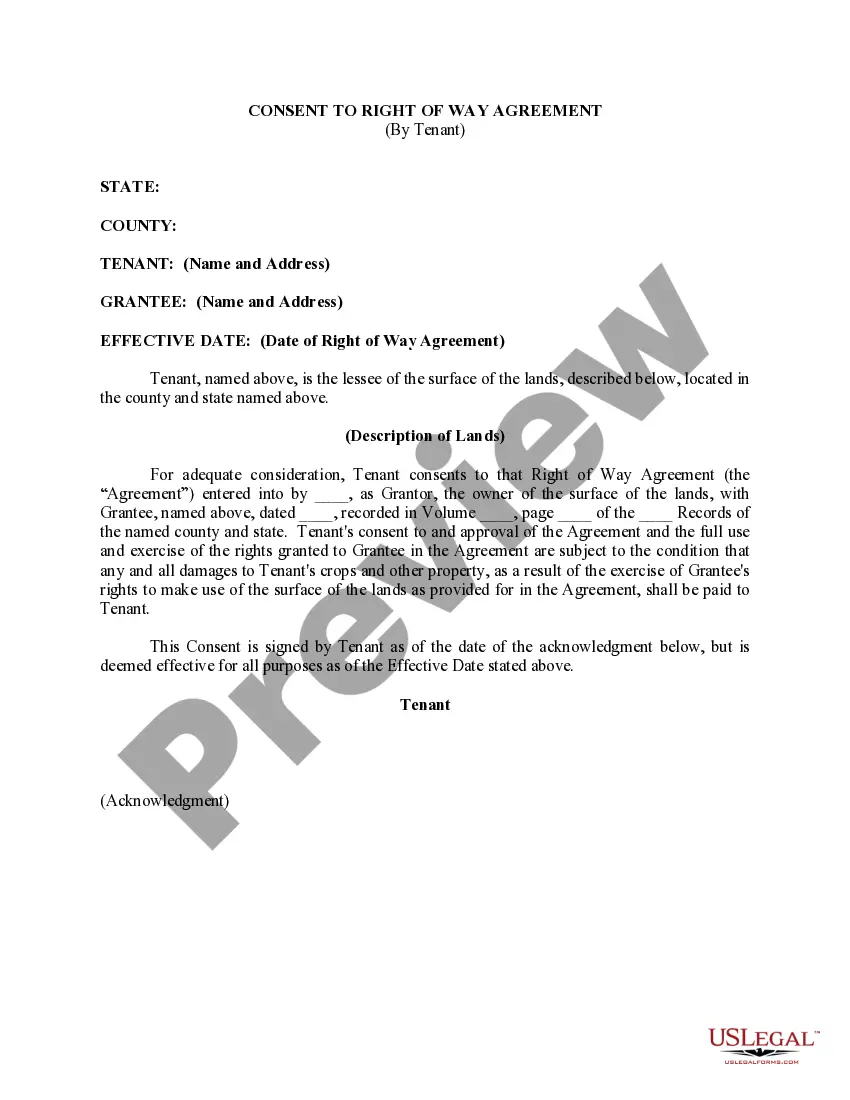
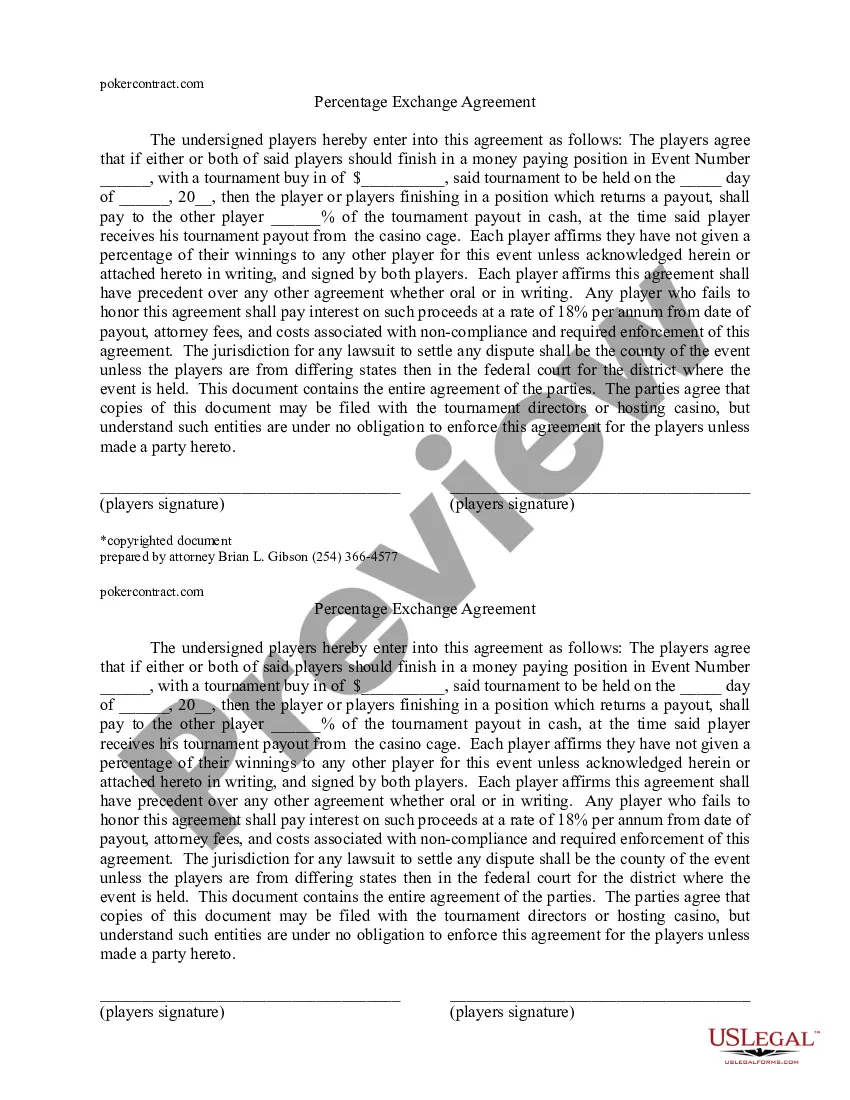
Texas Percentage Exchange Agreement
Description
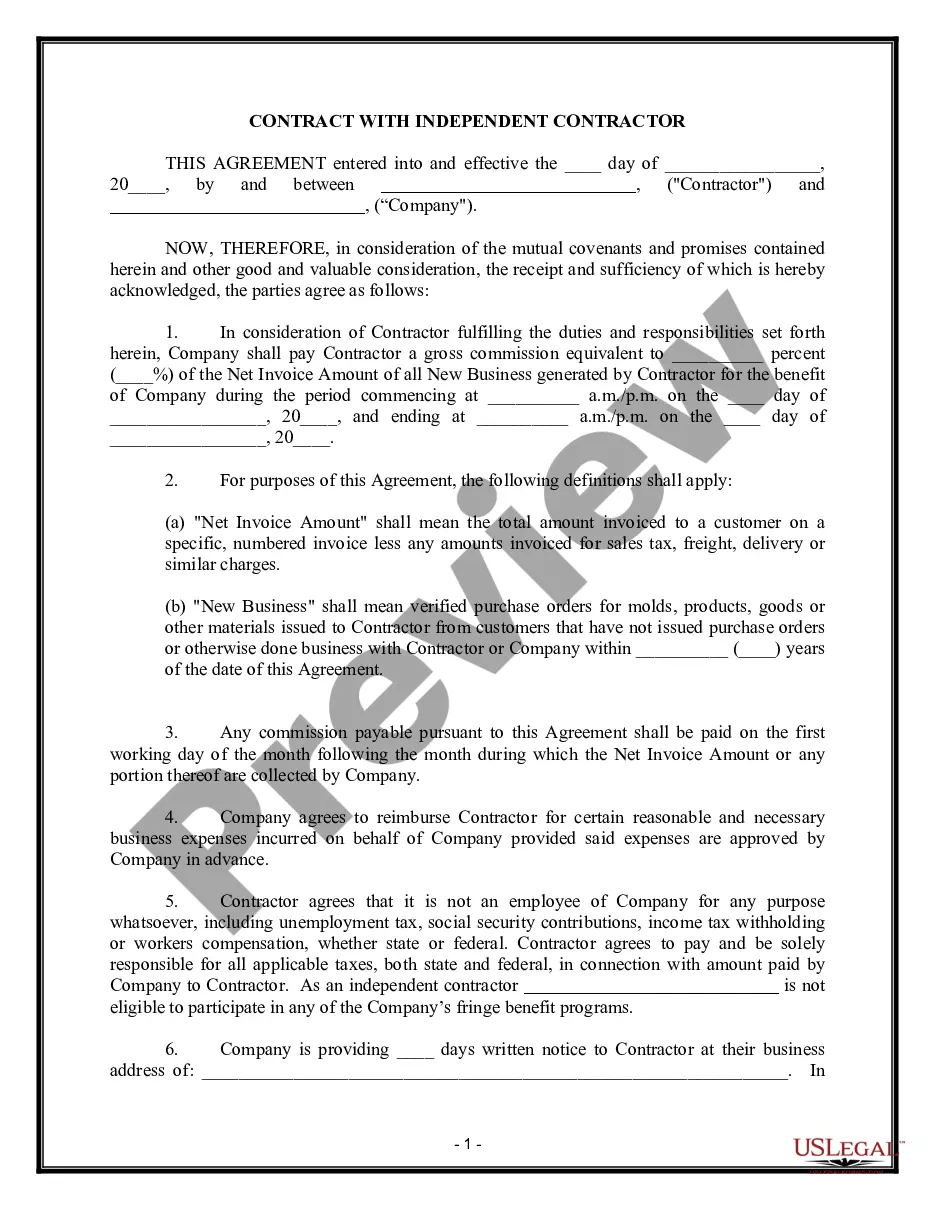
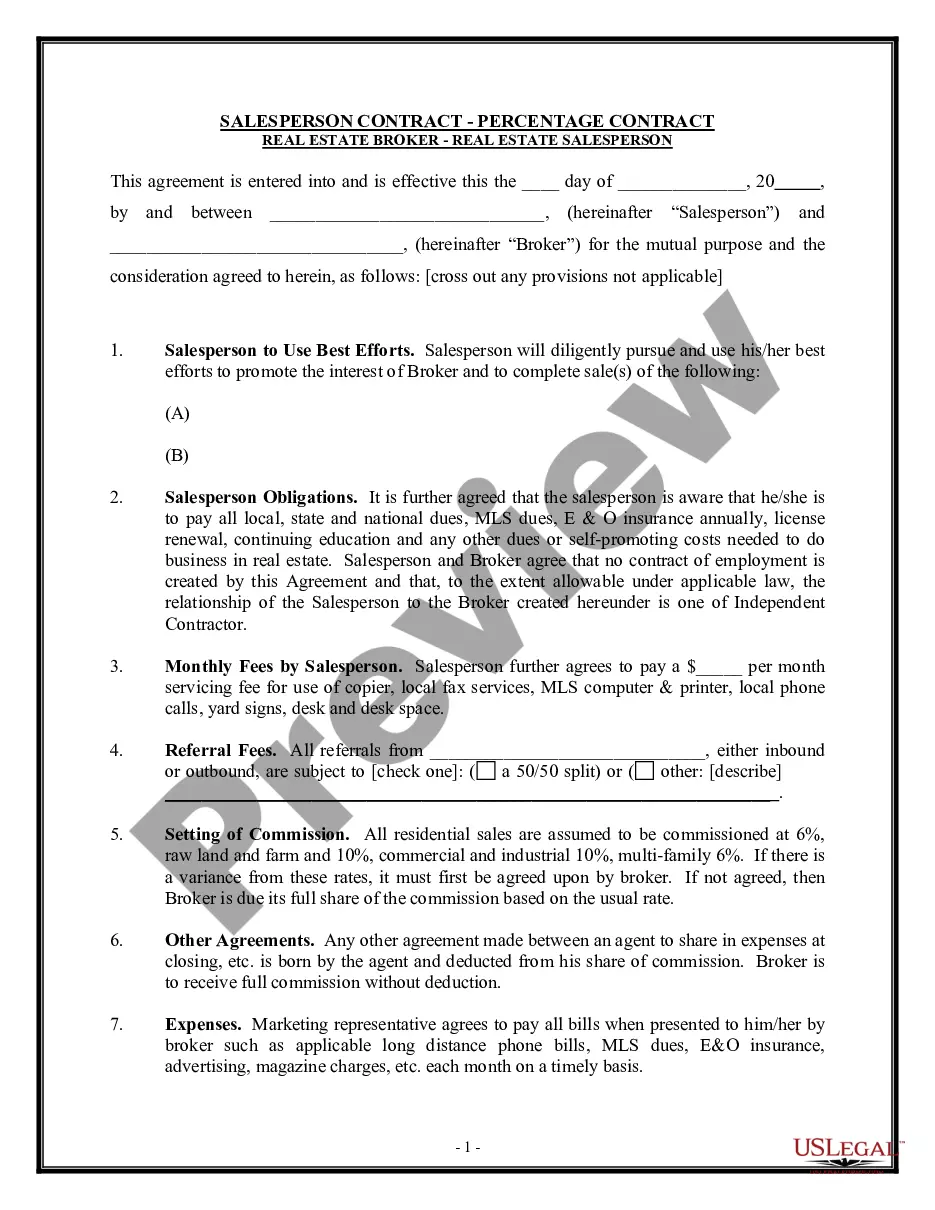
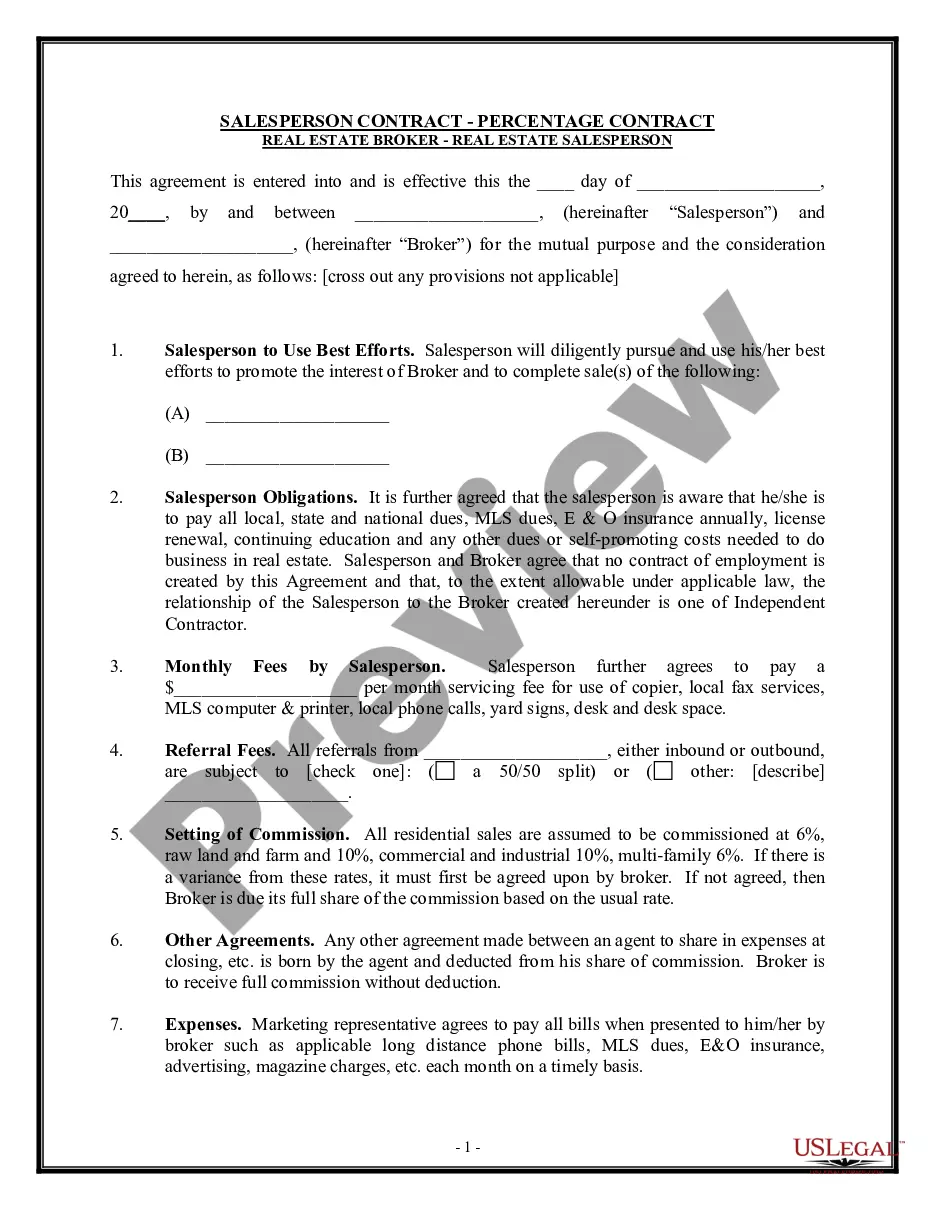




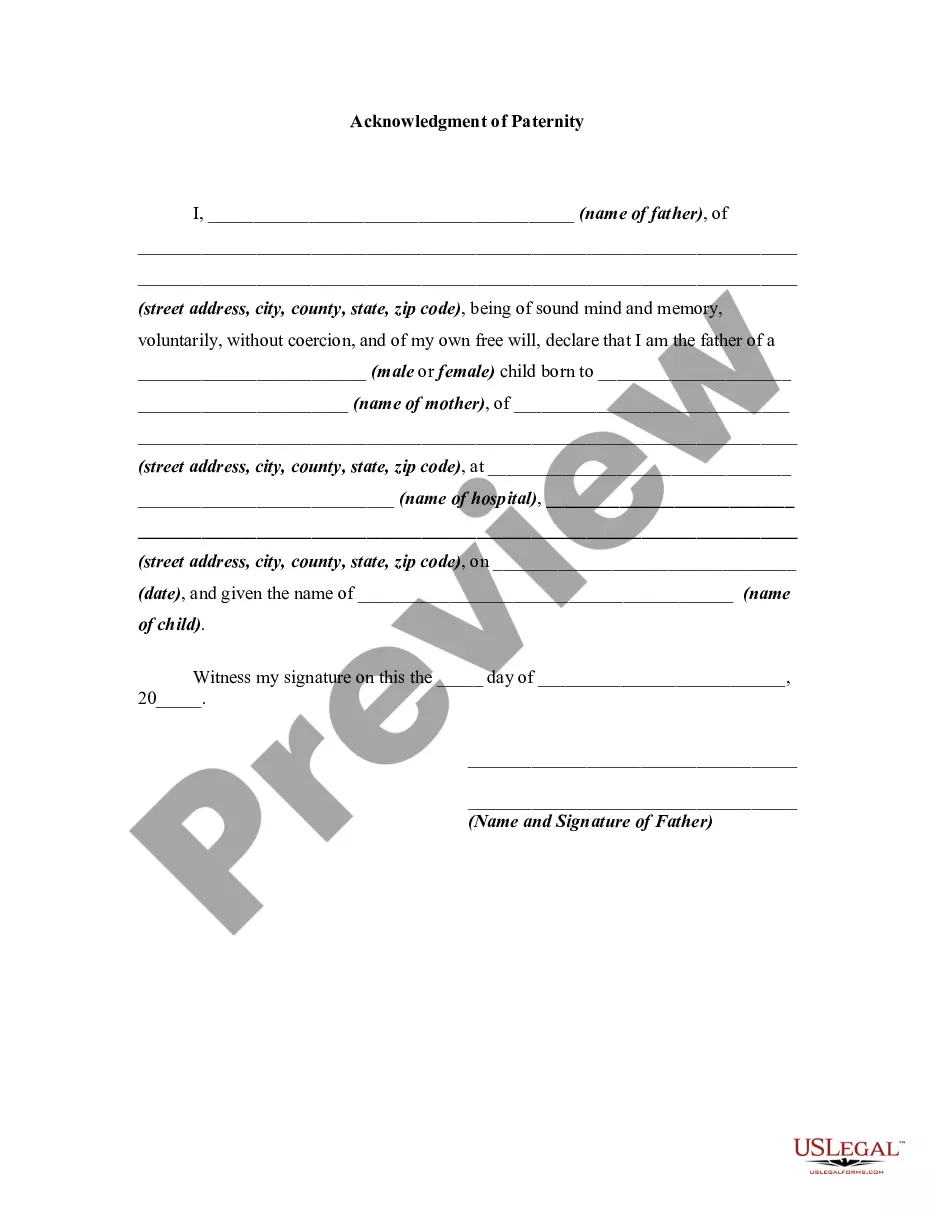
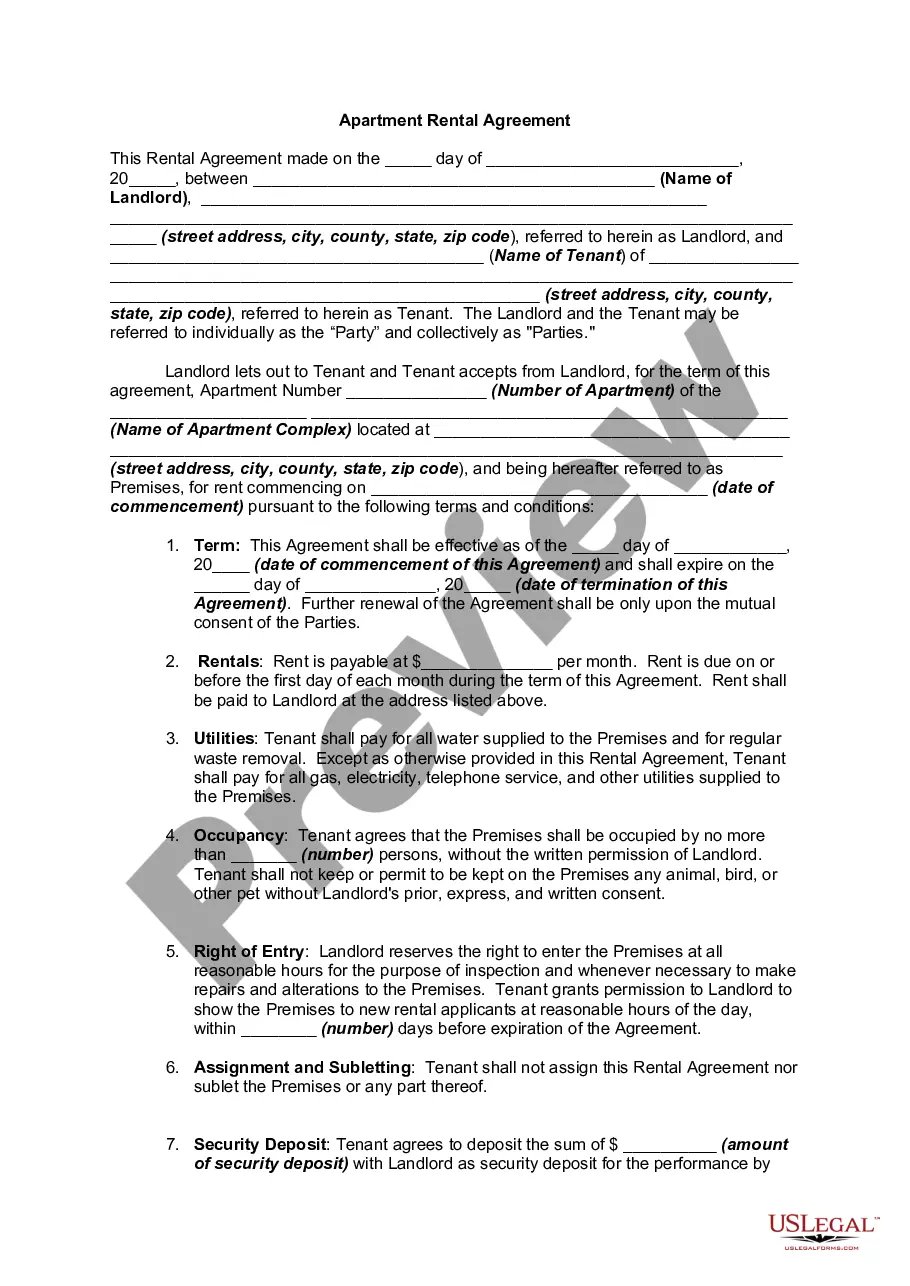
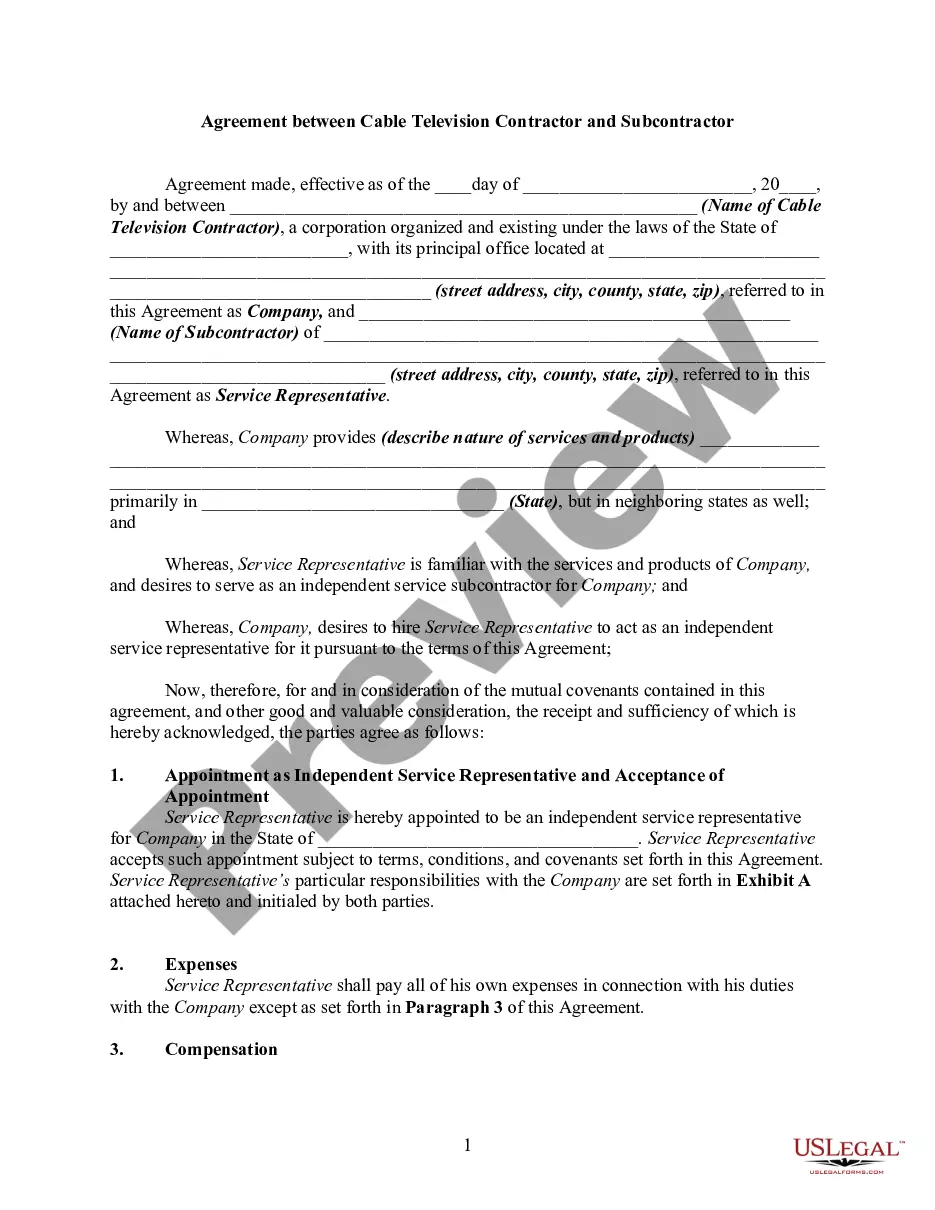
How to fill out Percentage Exchange Agreement?
Are you in a circumstance where you require documents for various business or personal reasons almost every workday.
There are numerous legal document templates accessible online, but finding reliable versions is challenging.
US Legal Forms offers a vast array of form templates, such as the Texas Commission Exchange Agreement, designed to comply with federal and state regulations.
Avoid altering or removing any HTML tags. Only synonymize plain text outside of the HTML tags.
- If you are already familiar with the US Legal Forms site and possess an account, simply Log In.
- After that, you can download the Texas Commission Exchange Agreement template.
- If you do not have an account and wish to start using US Legal Forms, follow these instructions.
- Locate the form you need and ensure it is for the correct city/state.
- Use the Review button to examine the form.
- Read the description to ensure you have selected the correct document.
- If the form is not what you are looking for, use the Search field to find the form that meets your needs and requirements.
- If you find the appropriate form, click Get now.
- Choose the pricing plan you desire, complete the required information to create your account, and process the payment using your PayPal or credit card.
- Select a convenient file format and download your version.
- Access all the document templates you have purchased in the My documents section. You can obtain an additional copy of the Texas Commission Exchange Agreement at any time, if needed. Just follow the necessary form to download or print the document template.
- Utilize US Legal Forms, the most extensive collection of legal templates, to save time and avoid errors. The service provides professionally crafted legal document templates that can be used for a variety of purposes. Create an account on US Legal Forms and start making your life a bit easier.
Form popularity
FAQ
The valuation of a partition suit typically involves assessing the fair market value of the property in question. Courts may appoint experts to determine this value, considering factors like location and condition. Understanding the valuation process is crucial, and a Texas Percentage Exchange Agreement can help ensure that all parties agree on the terms, leading to a more equitable outcome.
A partition action can be worth it if co-owners are unable to agree on the use or sale of a property. This legal route provides a structured way to resolve disputes and can lead to a fair division of assets. However, consider the costs and time involved; using a Texas Percentage Exchange Agreement can simplify this process and minimize potential conflicts.
A partition or exchange agreement in Texas is a legal document that allows co-owners of a property to divide their interests or exchange parts of the property. This agreement can streamline the process of separating ownership and can be beneficial in avoiding lengthy court battles. Utilizing a Texas Percentage Exchange Agreement can help clarify the terms and ensure all parties are in agreement, making the transition smoother.
To win a partition lawsuit, you must provide clear evidence of ownership and demonstrate the need for separation of property. It's important to understand Texas laws around partition actions, including the Texas Percentage Exchange Agreement. Engaging a knowledgeable attorney can enhance your chances of success, as they can navigate the complexities of the legal process and advocate effectively on your behalf.
Minimum Franchise Tax An entity that calculates an amount of tax due that is less than $1,000 or that has annualized total revenue less than or equal to $1,180,000 is not required to pay any tax.
The Texas Franchise Tax is calculated on a company's margin for all entities with revenues above $1,110,000....The margin can be calculated in one of the following ways:Total Revenue Multiplied by 70 Percent.Total Revenue Minus Cost of Goods Sold.Total Revenue Minus Compensation.Total Revenue Minus $1 Million.
The Texas franchise tax calculation is based on margin, which can be calculated using one of the following methods: Total revenue times 70% Total revenue minus cost of goods sold (COGS) Total revenue minus compensation.
Entities Not Subject to Franchise Tax The following entities do not file or pay franchise tax: sole proprietorships (except for single member LLCs);
The Texas Tax Code provides an exemption from franchise tax and sales tax to: Nonprofit organizations with an exemption from Internal Revenue Service (IRS) under IRC Section 501(c) (3), (4), (8), (10) or (19);
In May 2008, most taxpayers doing business in Texas will face the reality of a new franchise tax regimethe margin tax (2006 TX H.B. 3). The new law requires that taxpayers doing business in Texas must pay a franchise tax based on their taxable margin.