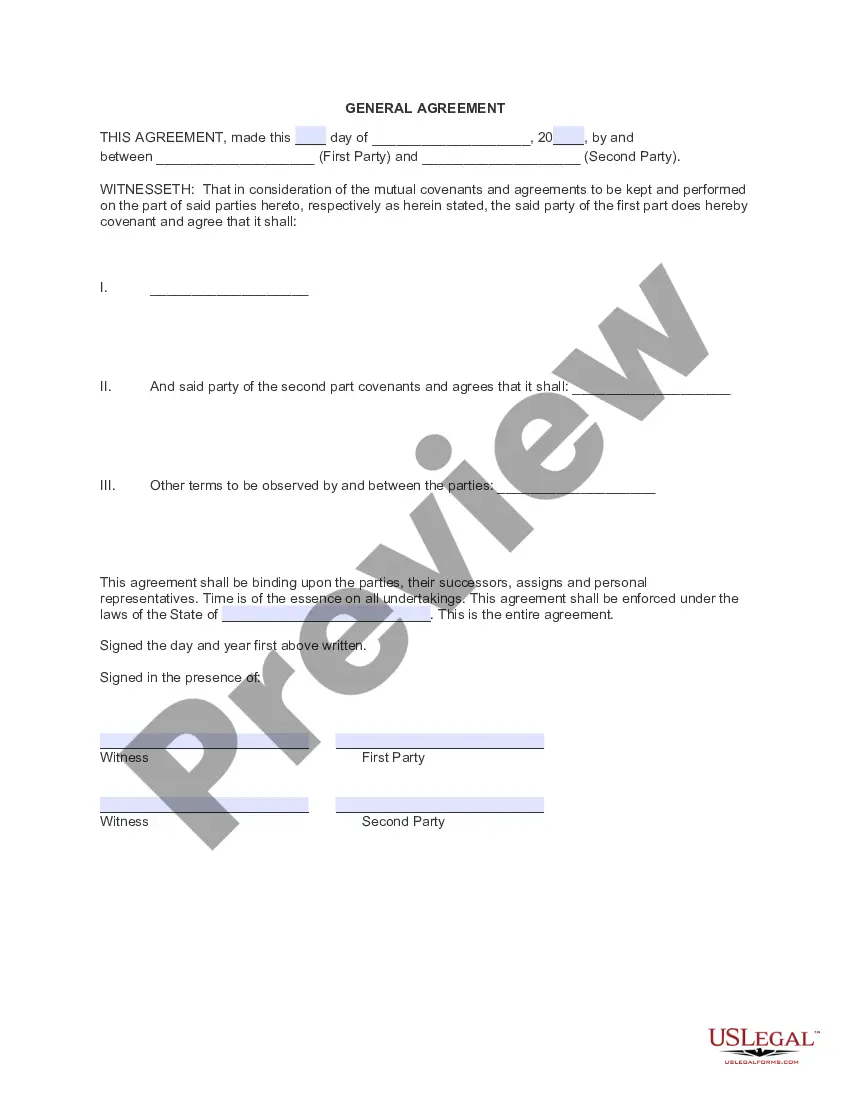
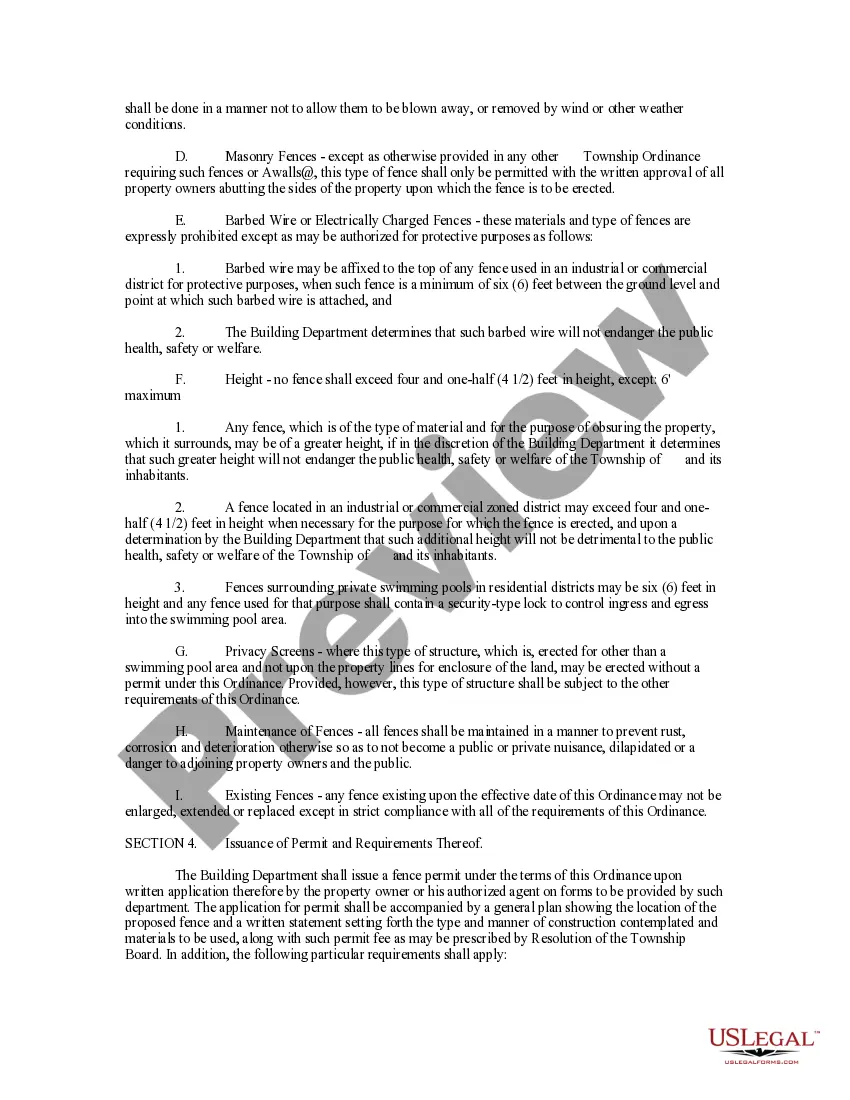
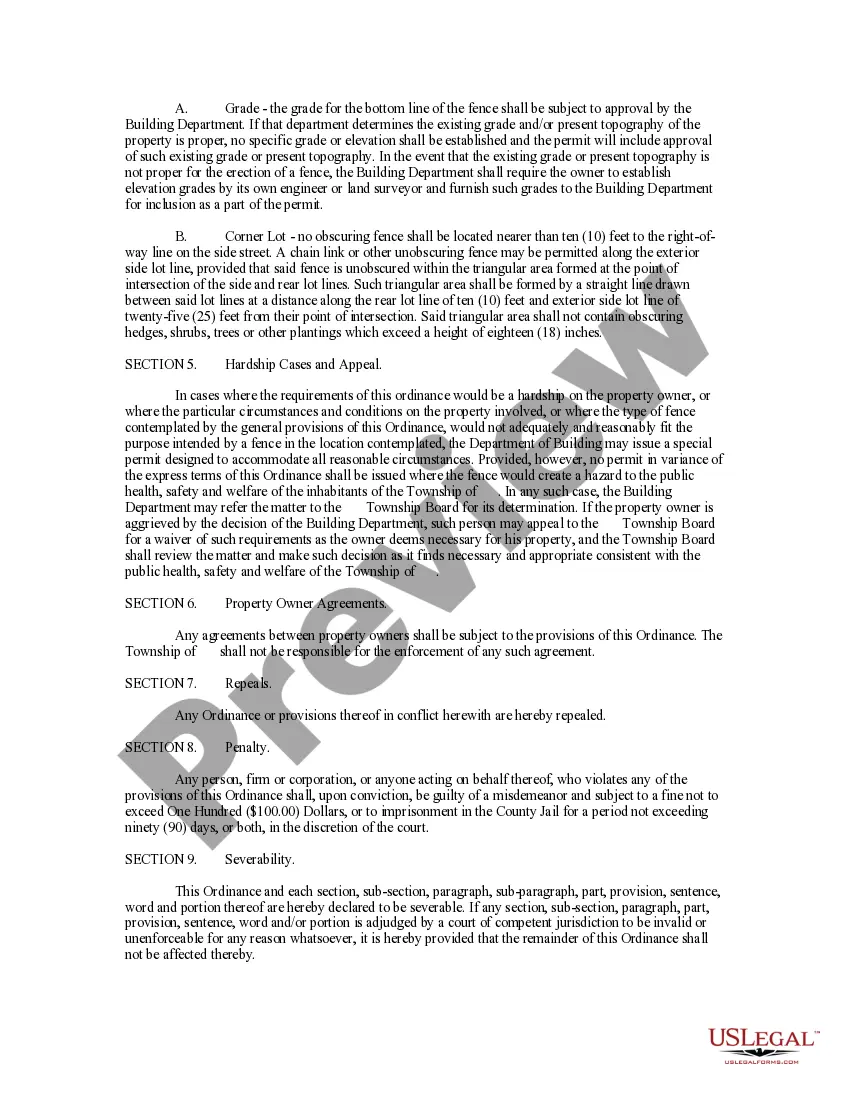
Texas Fence Ordinance
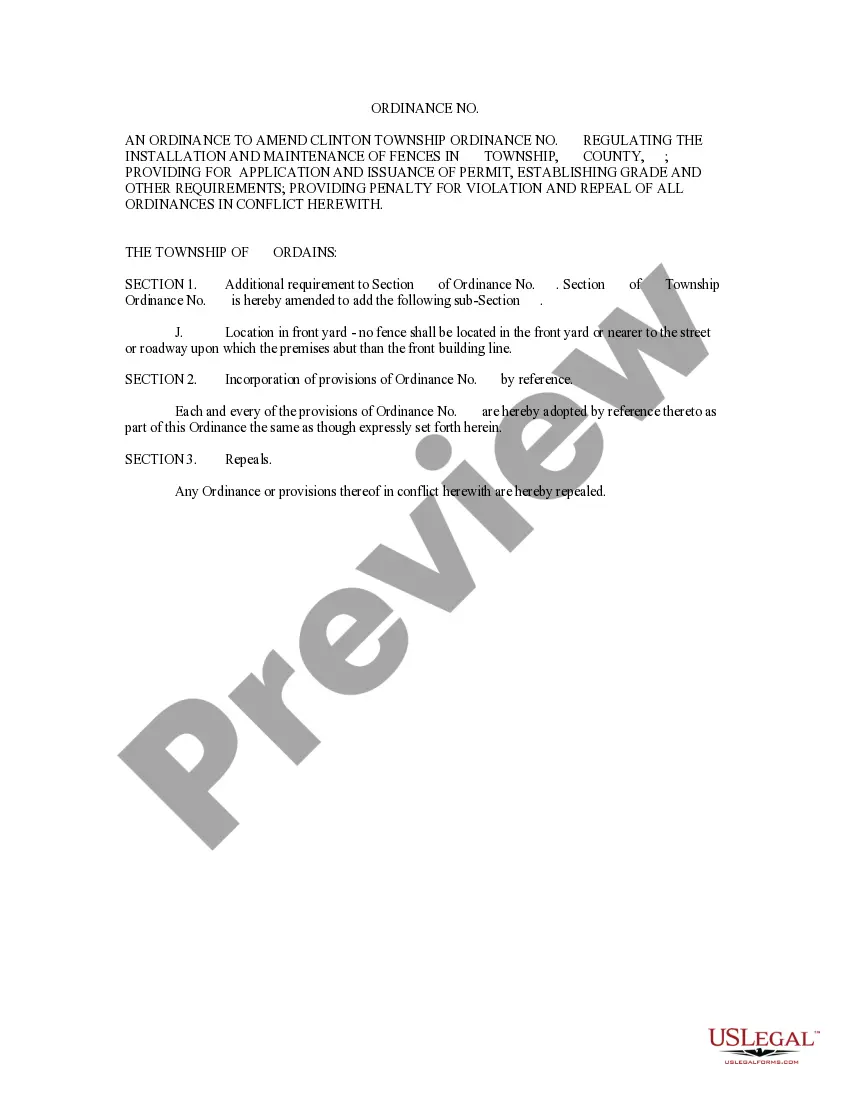
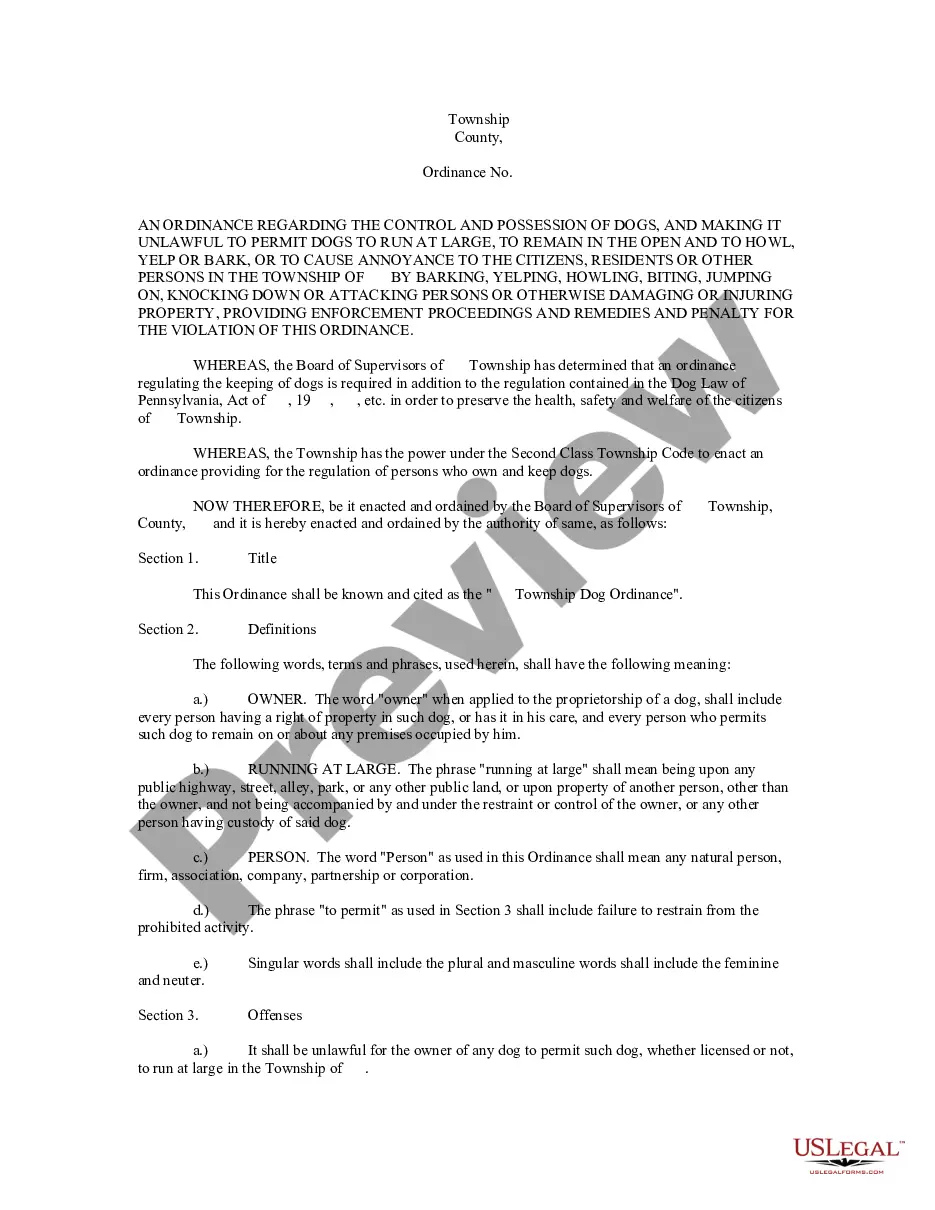
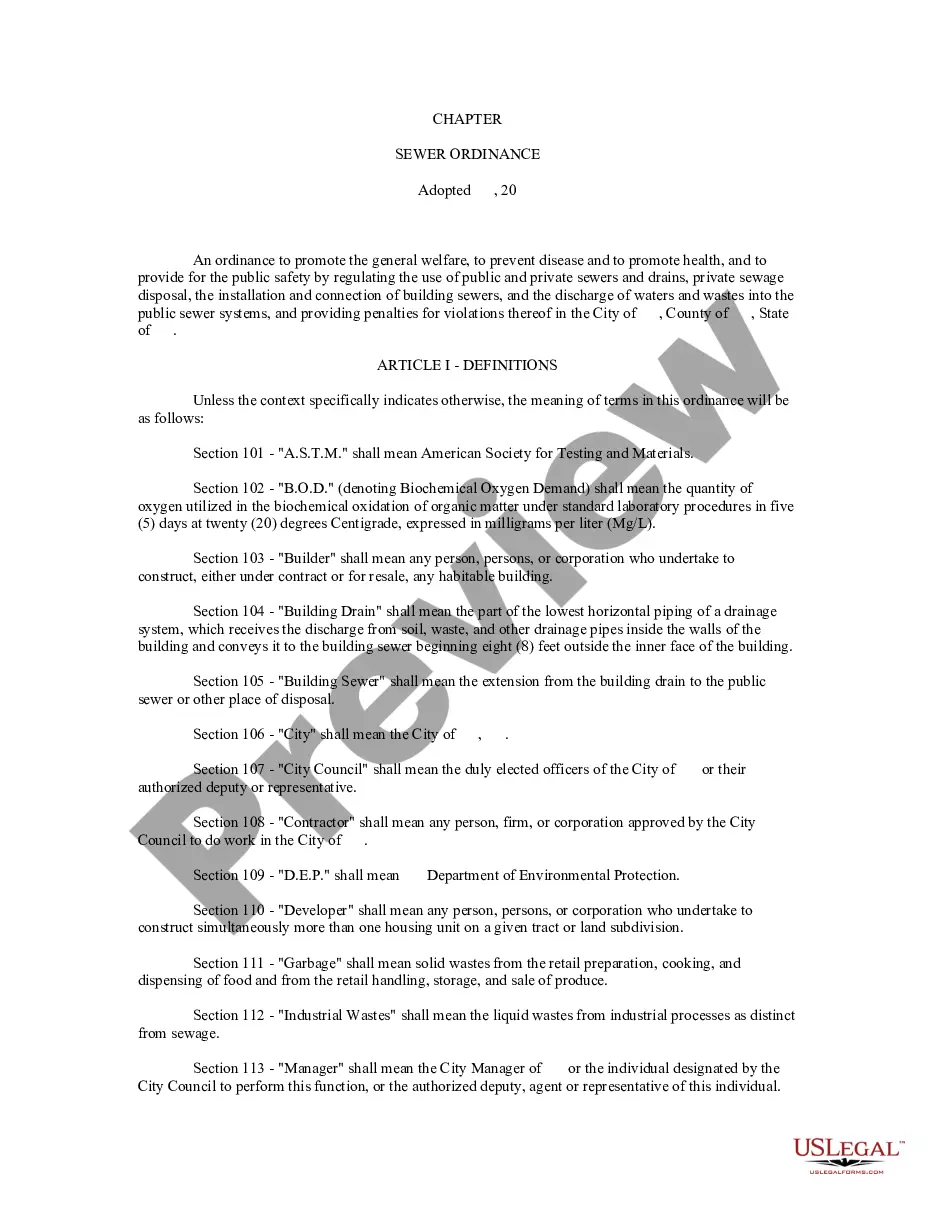
Description
Get your form ready online
Our built-in tools help you complete, sign, share, and store your documents in one place.
Make edits, fill in missing information, and update formatting in US Legal Forms—just like you would in MS Word.
Download a copy, print it, send it by email, or mail it via USPS—whatever works best for your next step.
Sign and collect signatures with our SignNow integration. Send to multiple recipients, set reminders, and more. Go Premium to unlock E-Sign.
If this form requires notarization, complete it online through a secure video call—no need to meet a notary in person or wait for an appointment.
We protect your documents and personal data by following strict security and privacy standards.
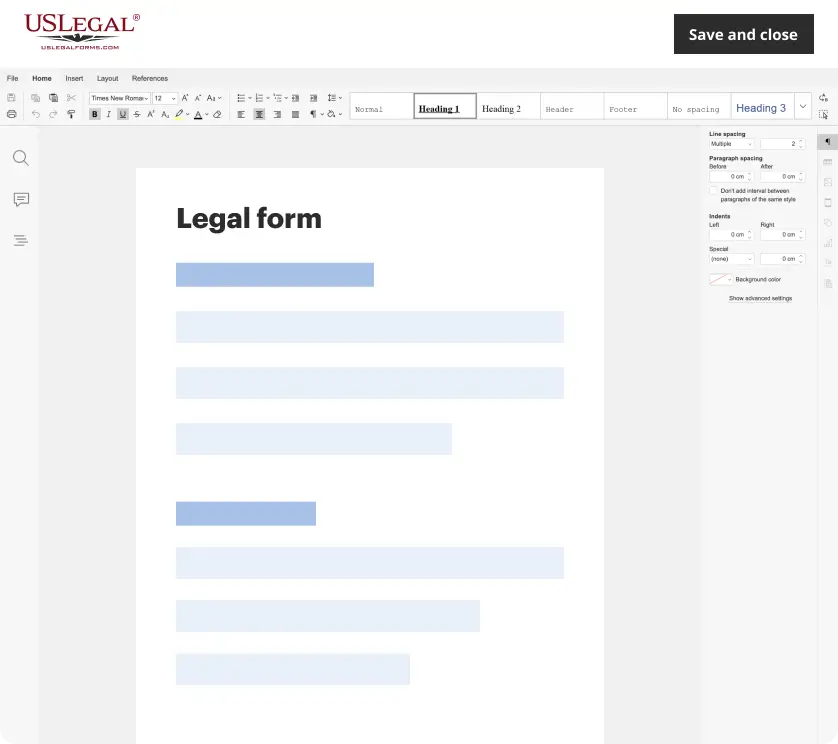
Make edits, fill in missing information, and update formatting in US Legal Forms—just like you would in MS Word.
Download a copy, print it, send it by email, or mail it via USPS—whatever works best for your next step.
Sign and collect signatures with our SignNow integration. Send to multiple recipients, set reminders, and more. Go Premium to unlock E-Sign.

If this form requires notarization, complete it online through a secure video call—no need to meet a notary in person or wait for an appointment.
We protect your documents and personal data by following strict security and privacy standards.
Looking for another form?






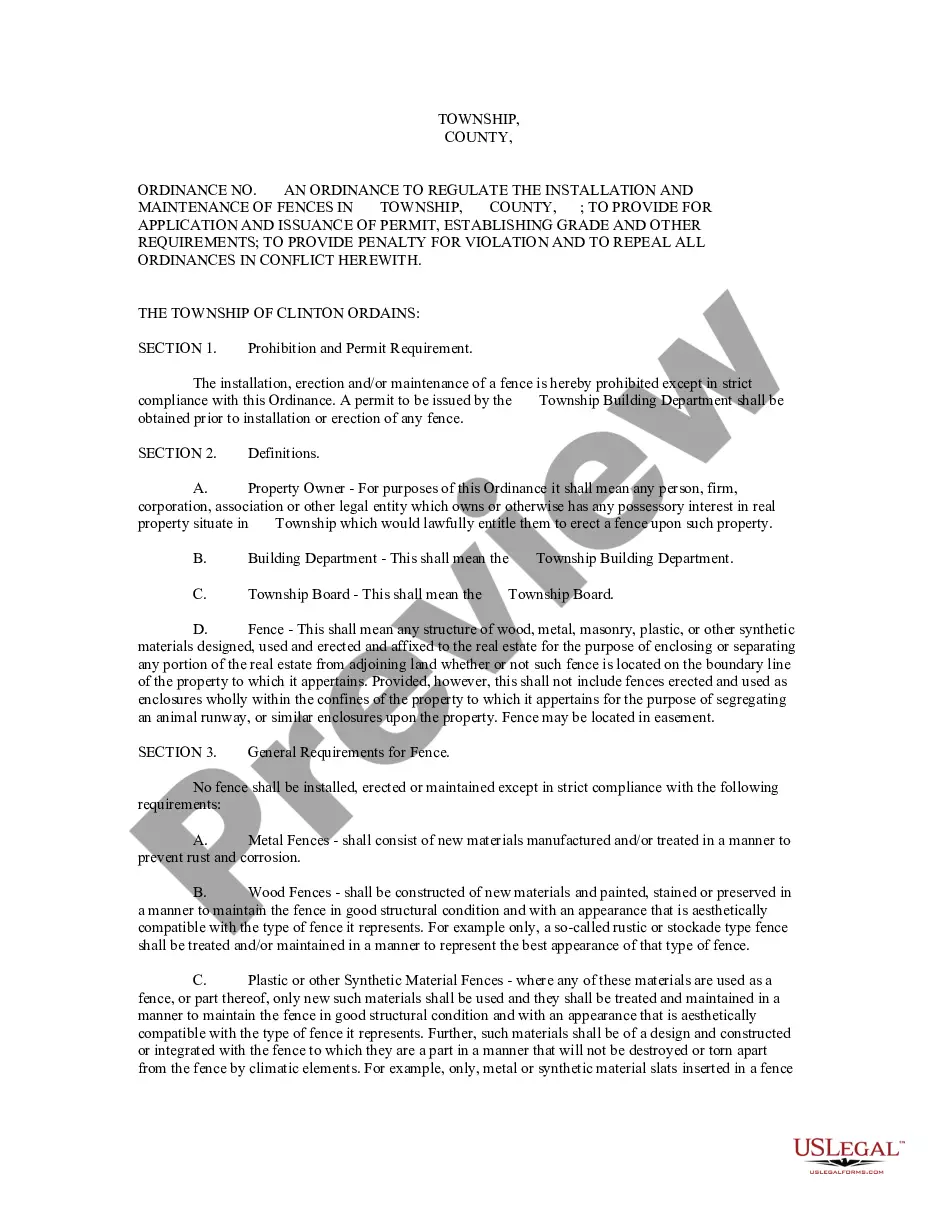
How to fill out Fence Ordinance?
US Legal Forms - one of many biggest libraries of legal types in the United States - provides a variety of legal file layouts you are able to download or print. Using the site, you can get 1000s of types for company and specific reasons, categorized by types, states, or search phrases.You can get the newest variations of types just like the Texas Fence Ordinance in seconds.
If you already have a membership, log in and download Texas Fence Ordinance from your US Legal Forms library. The Obtain option will show up on each kind you perspective. You get access to all formerly downloaded types within the My Forms tab of your own profile.
If you wish to use US Legal Forms the first time, listed here are simple directions to obtain started:
- Be sure to have chosen the best kind to your city/state. Go through the Review option to review the form`s content material. Read the kind information to actually have chosen the right kind.
- If the kind does not satisfy your needs, make use of the Look for discipline on top of the screen to get the one that does.
- When you are content with the shape, verify your option by clicking the Buy now option. Then, choose the prices program you prefer and provide your references to sign up for the profile.
- Method the financial transaction. Use your charge card or PayPal profile to accomplish the financial transaction.
- Find the file format and download the shape on the product.
- Make changes. Load, modify and print and indication the downloaded Texas Fence Ordinance.
Every single format you added to your account does not have an expiration day and is also yours forever. So, if you want to download or print an additional duplicate, just go to the My Forms area and click around the kind you will need.
Obtain access to the Texas Fence Ordinance with US Legal Forms, one of the most comprehensive library of legal file layouts. Use 1000s of specialist and express-particular layouts that fulfill your organization or specific requirements and needs.
Form popularity
FAQ
Texas law does not require property owners to obtain a permit for fence construction. However, property owners must comply with local city or county regulations on fence location and setbacks. For example, a fence cannot be built on public property or beyond the property line.
Homeowners associations (HOAs) can no longer deny building a fence for security. ing to a state law passed on Texas HOA fence rules in 2021, homeowners anywhere in the state are allowed to put up a perimeter fence for added security along the front, sides and/or back of their property.
You do not want to be caught by surprise. Under this statute, a person may not remove a fence that is a separating or dividing fence in which the person is a joint owner or that is attached to a fence owned or controlled by another person, absent mutual agreement between the parties.
The location of your fence on your property line determines who owns it. Your fence should not be placed on the property line of your neighbor and your property. It is a shared responsibility. ing to Texas fencing laws, if the fence is on one side of the property lines, it becomes the property owner's property.
There's a common belief that the fence to the left, as you look at your garden, is your responsibility. However, this won't always be the case. The fences themselves may also give you a clue. If the 'good side' faces into your garden, it's usually yours.
Both co-owners are responsible for the maintenance and repair costs of the boundary fence, provided there is a written agreement outlining the division of expenses. If there is no written agreement, the default rule is that each co-owner is responsible for an equal share of the costs.
However, when a fence is built on the boundary line between two properties, it is considered a ?good neighbor fence.? In such cases, the cost of building and maintaining the fence is shared between the property owners.
Texas has no specific laws regarding fences directly on the boundary line between neighbors, though your city or HOA might have more specific instructions. In general, if it's on your side of the property line, you own it.