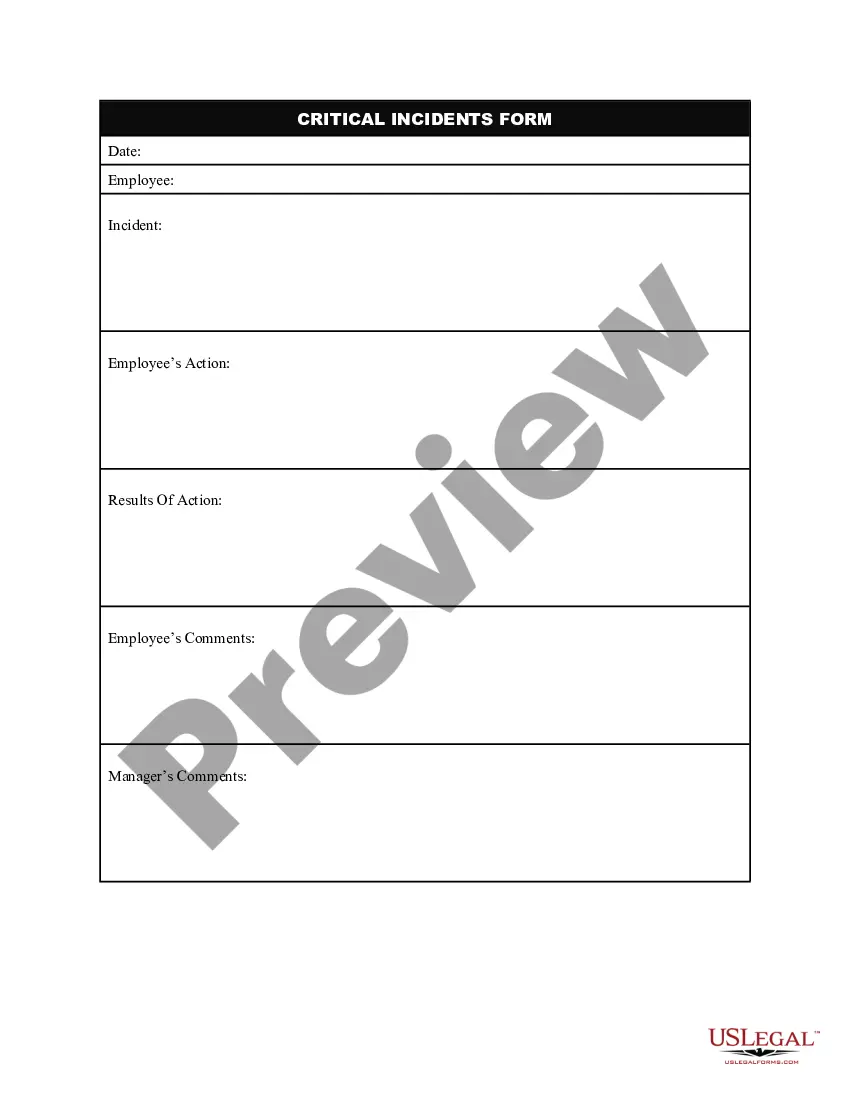
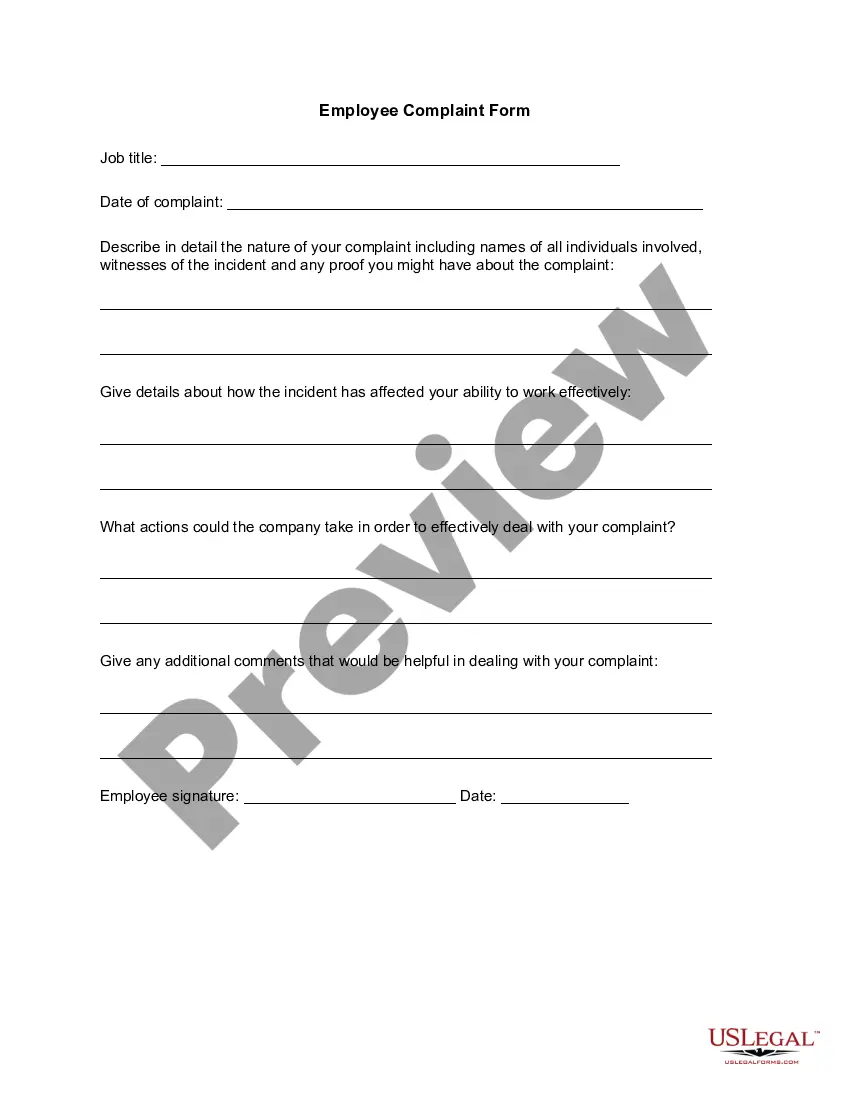
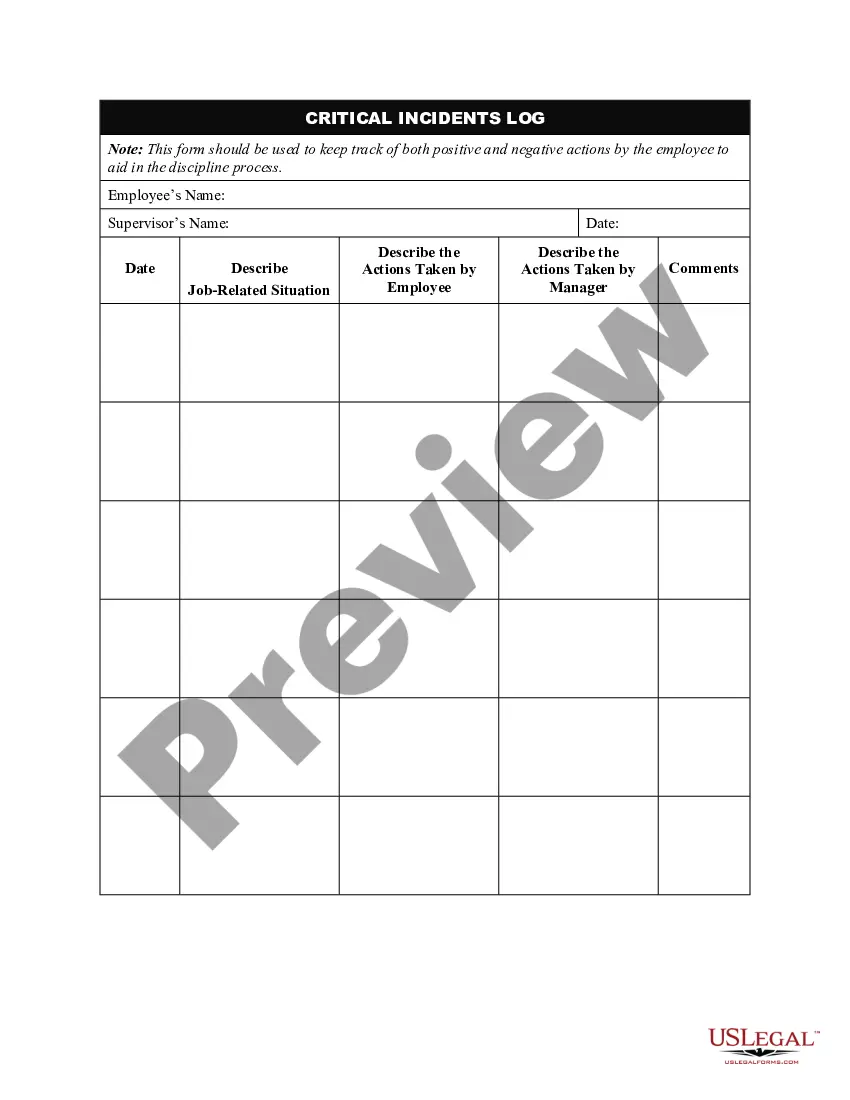
Texas Critical Incidents Form
Description
Get your form ready online
Our built-in tools help you complete, sign, share, and store your documents in one place.
Make edits, fill in missing information, and update formatting in US Legal Forms—just like you would in MS Word.
Download a copy, print it, send it by email, or mail it via USPS—whatever works best for your next step.
Sign and collect signatures with our SignNow integration. Send to multiple recipients, set reminders, and more. Go Premium to unlock E-Sign.
If this form requires notarization, complete it online through a secure video call—no need to meet a notary in person or wait for an appointment.
We protect your documents and personal data by following strict security and privacy standards.

Make edits, fill in missing information, and update formatting in US Legal Forms—just like you would in MS Word.

Download a copy, print it, send it by email, or mail it via USPS—whatever works best for your next step.

Sign and collect signatures with our SignNow integration. Send to multiple recipients, set reminders, and more. Go Premium to unlock E-Sign.

If this form requires notarization, complete it online through a secure video call—no need to meet a notary in person or wait for an appointment.

We protect your documents and personal data by following strict security and privacy standards.
Looking for another form?




How to fill out Critical Incidents Form?
Selecting the appropriate valid document template can be a challenge.
Of course, there are numerous templates available online, but how can you find the proper form you require.
Utilize the US Legal Forms website. The service provides a vast array of templates, including the Texas Critical Incidents Form, which you can use for both business and personal purposes.
- All of the forms are reviewed by experts and comply with federal and state regulations.
- If you are already registered, Log In to your account and click the Download button to obtain the Texas Critical Incidents Form.
- Use your account to browse the legal forms you’ve obtained in the past.
- Visit the My documents section of your account and download another copy of the document you require.
- If you are a new user of US Legal Forms, here are simple steps for you to follow.
- First, ensure you have selected the correct form for your city/state. You can preview the document using the Review option and read the form details to confirm it is suitable for you.
Form popularity
FAQ
Reportable Critical Incidents Per state guidelines, providers are required to report Critical Incidents within 24 hours of the time of discovery.
A critical incident is any event or series of events that is sudden, overwhelming, threatening or protracted. This may be an assault, threats, severe injury, death, fire or a bomb threat.
Information required on an incident reporting formPatient name and hospital number/date of birth.Date and time of incident.Location of incident.Brief, factual description of incident.Name and contact details of any witnesses.Harm caused, if any.Action taken at the time.More items...
8 Items to Include in Incident ReportsThe time and date the incident occurred.Where the incident occurred.A concise but complete description of the incident.A description of the damages that resulted.The names and contact information of all involved parties and witnesses.Pictures of the area and any property damage.More items...?
DEFINITION OF A CRITICAL INCIDENT;Any incident where the effectiveness of the police response is likely to have a significant.impact on the confidence of the victim, their family and/or the community.Relevant Legislation: (Human rights/diversity/specific)
Some of the most common examples of critical incidents that we can help with include:Officer-Involved Shootings.Taser and Non-Lethal Weapon Use.Wrongful Death While in Custody.Official Misconduct Allegations.Sexual Assault Claims.Dereliction of Duty.Volatile Interactions with the Community.
A Critical Incident is any actual or alleged event or situation that creates a significant risk of substantial or serious harm to the physical or mental health, safety or well being of a waiver participant. Reportable Critical Incidents Defined. 1. Abuse.
What Is a Critical Incident? Some examples of critical incidents include assaults on employees, hostage-takings, the suicide or murder of a co- worker, accidents causing bodily harm or death, as well as airplane crashes or natural disasters including floods, fires and tornadoes.
Professionals must make a report no later than the 48th hour after first suspecting a child has been abused or neglected or is a victim of an offense under Section 21.11, Penal Code.
1.1. Definitions. Whenever an incident, accident or near miss occurs, which involves the health, safety or well being of any person living, working or visiting the facility, an Incident Report is completed.