Texas Monthly Retirement Planning
Description
Get your form ready online
Our built-in tools help you complete, sign, share, and store your documents in one place.
Make edits, fill in missing information, and update formatting in US Legal Forms—just like you would in MS Word.
Download a copy, print it, send it by email, or mail it via USPS—whatever works best for your next step.
Sign and collect signatures with our SignNow integration. Send to multiple recipients, set reminders, and more. Go Premium to unlock E-Sign.
If this form requires notarization, complete it online through a secure video call—no need to meet a notary in person or wait for an appointment.
We protect your documents and personal data by following strict security and privacy standards.

Make edits, fill in missing information, and update formatting in US Legal Forms—just like you would in MS Word.

Download a copy, print it, send it by email, or mail it via USPS—whatever works best for your next step.

Sign and collect signatures with our SignNow integration. Send to multiple recipients, set reminders, and more. Go Premium to unlock E-Sign.

If this form requires notarization, complete it online through a secure video call—no need to meet a notary in person or wait for an appointment.

We protect your documents and personal data by following strict security and privacy standards.
Looking for another form?
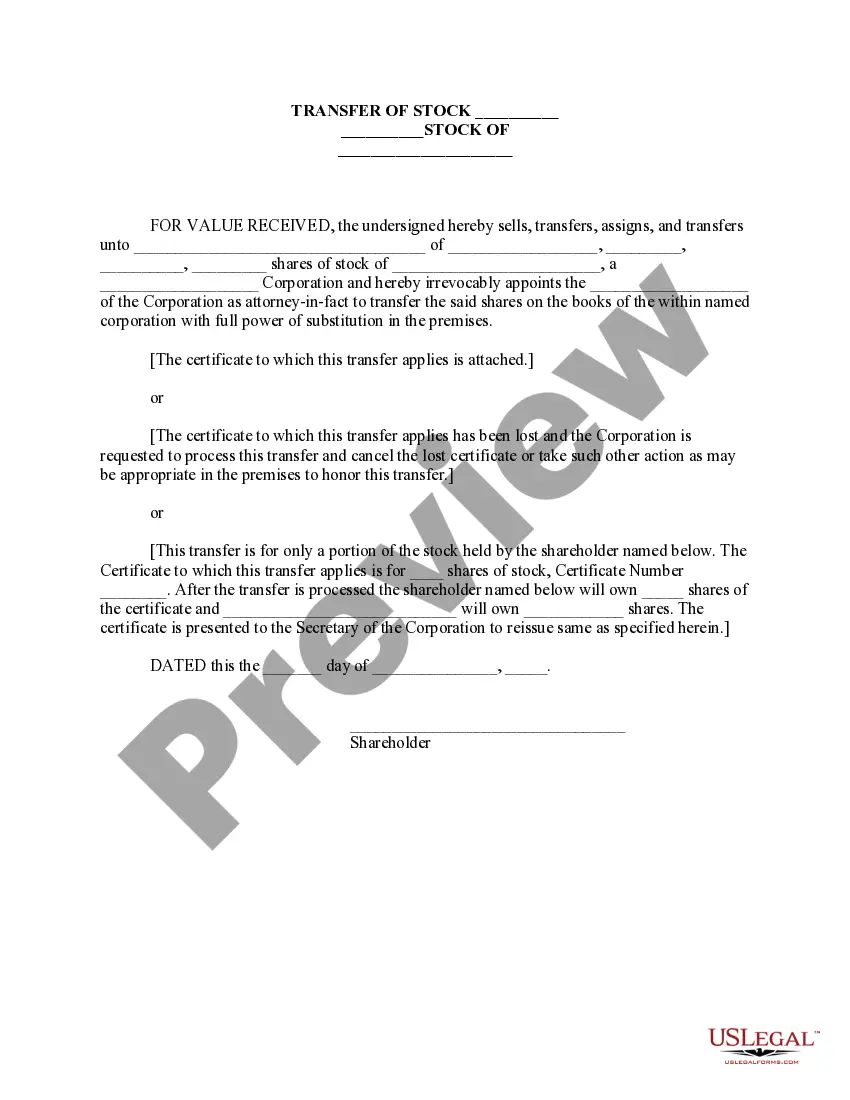
How to fill out Monthly Retirement Planning?
You can spend time online searching for the official document template that meets the federal and state requirements you need.
US Legal Forms provides thousands of official forms that have been reviewed by experts.
You can download or print the Texas Monthly Retirement Planning from my service.
Review the form outline to ensure you have selected the correct form. If available, use the Review button to examine the document template as well.
- If you already have a US Legal Forms account, you may Log In and click on the Download button.
- After that, you can complete, modify, print, or sign the Texas Monthly Retirement Planning.
- Every official document template you purchase is yours permanently.
- To obtain another copy of the purchased form, visit the My documents tab and click on the appropriate button.
- If you are accessing the US Legal Forms website for the first time, follow the simple instructions below.
- First, make sure you have chosen the correct document format for the state/city of your choice.
Form popularity
FAQ
If you meet the Rule of 80 and have at least 10 years of service credit, you will be eligible at retirement for a monthly retirement payment, health insurance, and optional benefits.
If you meet the Rule of 80 and have at least 10 years of service credit, you will be eligible at retirement for a monthly retirement payment, health insurance, and optional benefits. If you do not meet the Rule of 80 but have 10 years of service credit, you will be eligible to retire at age 60.
A defined contribution (DC) plan is a retirement plan that's typically tax-deferred, like a 401(k) or a 403(b), in which employees contribute a fixed amount or a percentage of their paychecks to an account that is intended to fund their retirements.
Of these, 1,429,935 were active members. In fiscal year 2020, total contributions of $13.6 billion were made to Texas' state and local pension systems. Of this amount, $5.6 billion came from employees. In fiscal year 2020, Texas' state and local pension systems made payments totaling $19 billion.
The State of Texas retirement plan is mandatory for most state agency employees and provides a lifetime annuity when they retire. In addition to mandatory participation in State of Texas retirement, eligible state agency employees are encouraged to contribute to personal retirement savings.
A defined benefit plan promises a specified monthly benefit at retirement. The plan may state this promised benefit as an exact dollar amount, such as $100 per month at retirement.
Retiring in Texas The TRS retirement plan is a defined benefit plan. Once you qualify for normal retirement, you are eligible to receive a monthly pension for life. As a TRS member, you contribute 6.4% of your compensation toward future retirement benefits.
According to AARP, a good retirement income is about 80 percent of your pre-tax income prior to leaving the workforce. This is because when you're no longer working, you won't be paying income tax or other job-related expenses.
Your traditional pension plan is designed to provide you with a steady stream of income once you retire. That's why your pension benefits are normally paid in the form of lifetime monthly payments. Increasingly, employers are making available to their employees a one-time payment for all or a portion of their pension.
Periodic Distributions from 401(k)Usually, you can choose to receive monthly or quarterly distributions, especially if inflation increases your living expenses. If the 401(k) is your main source of income, you should budget properly so that the distributions are enough to meet your expenses.