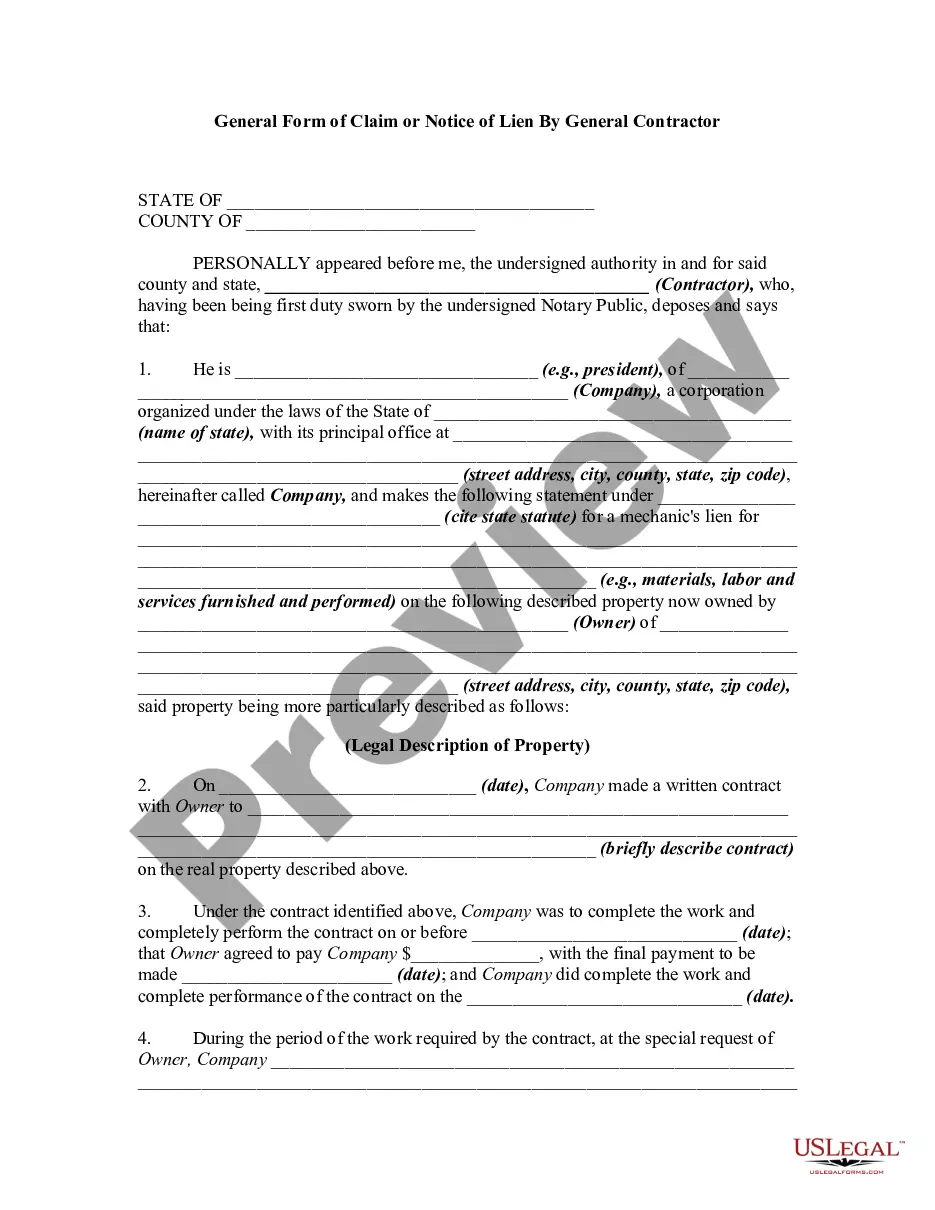
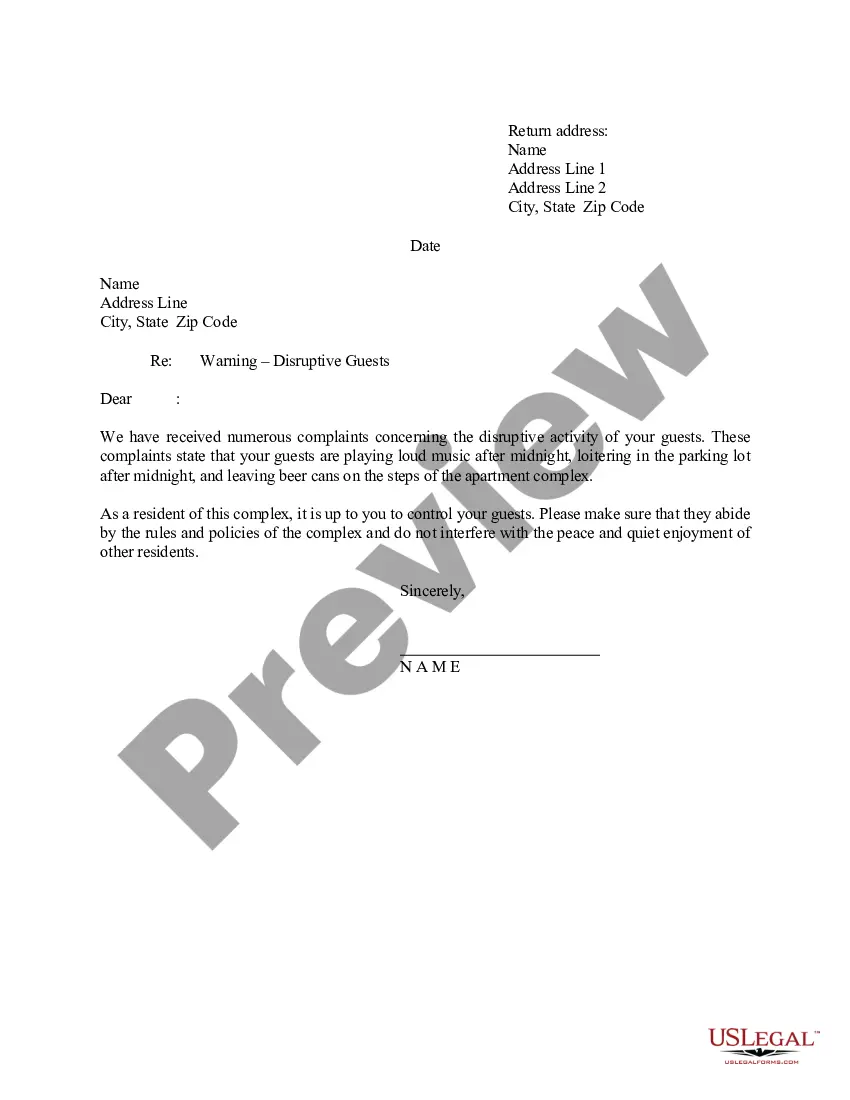
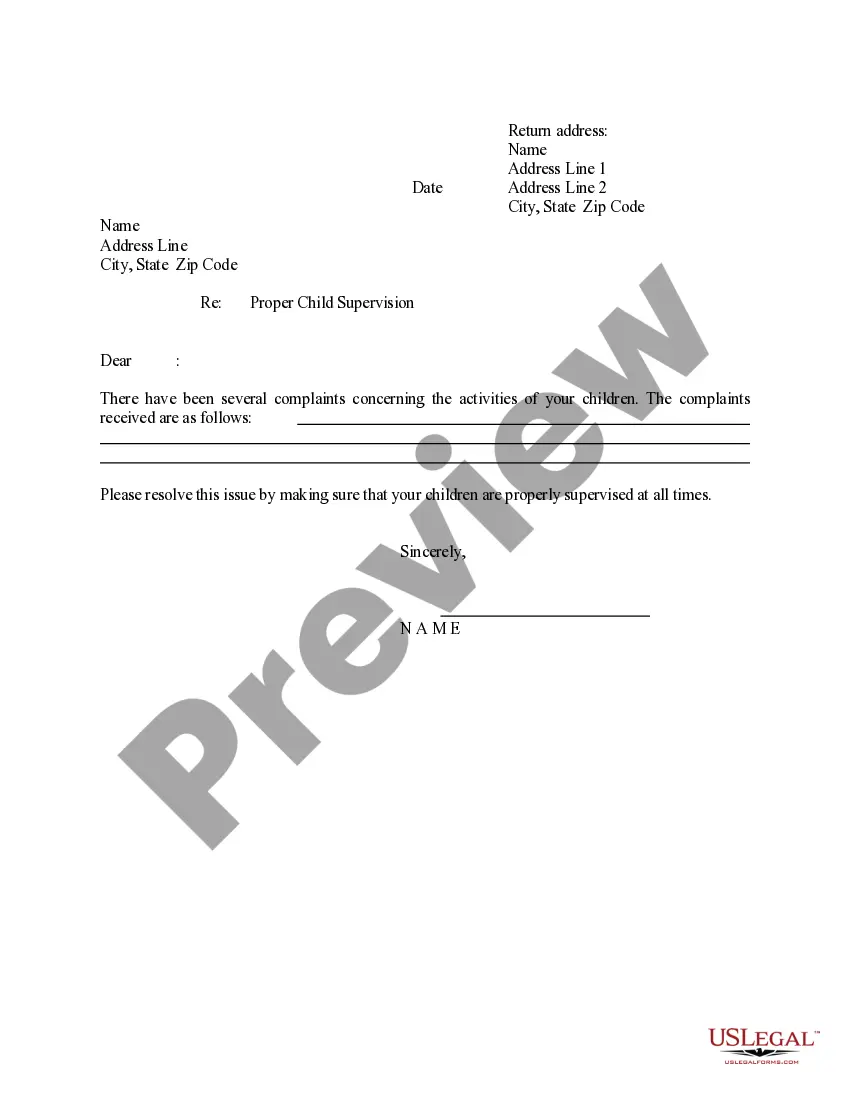
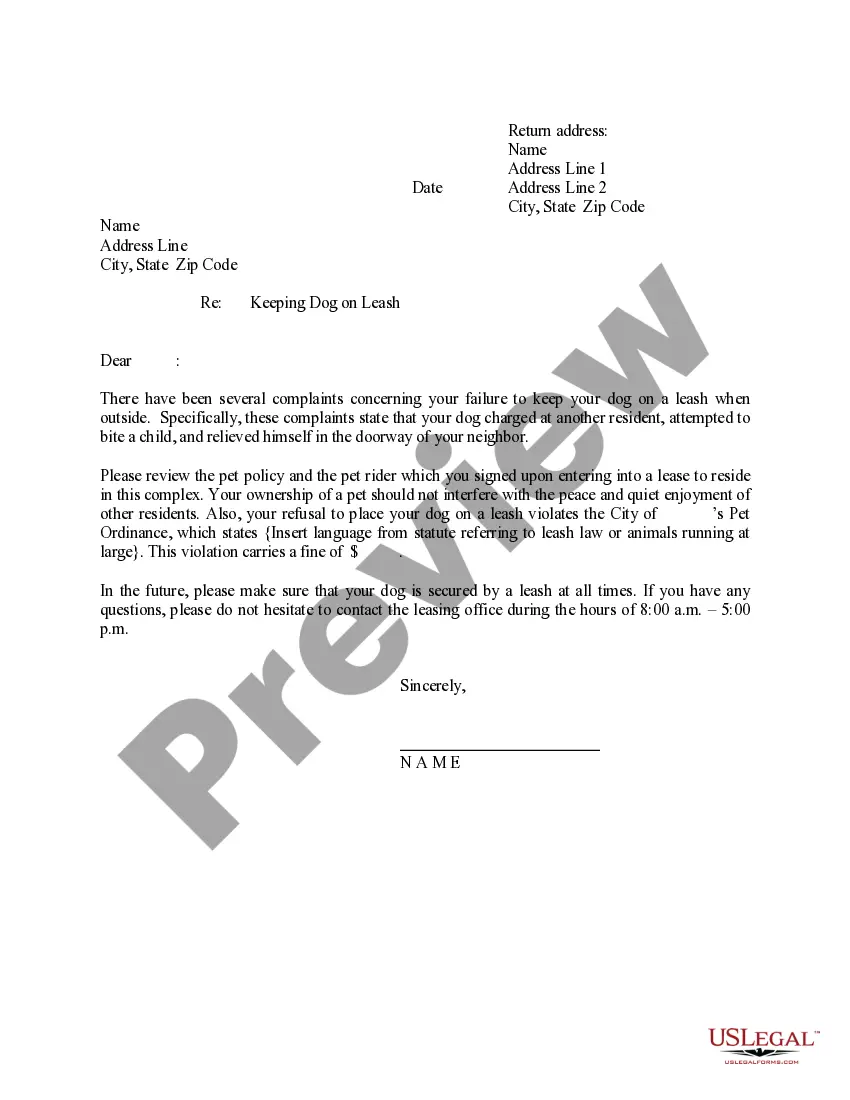
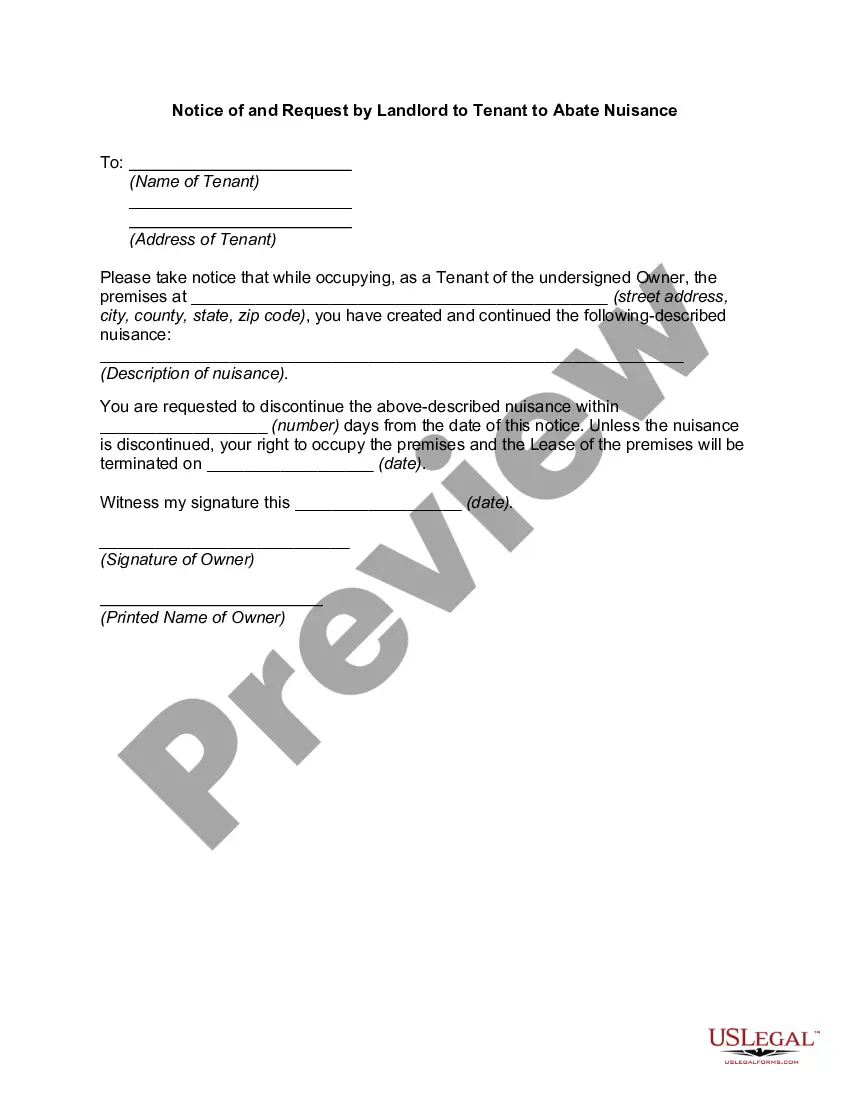
Texas Letter - Warning To Renter Regarding Disruptive Guests
Description
Get your form ready online
Our built-in tools help you complete, sign, share, and store your documents in one place.
Make edits, fill in missing information, and update formatting in US Legal Forms—just like you would in MS Word.
Download a copy, print it, send it by email, or mail it via USPS—whatever works best for your next step.
Sign and collect signatures with our SignNow integration. Send to multiple recipients, set reminders, and more. Go Premium to unlock E-Sign.
If this form requires notarization, complete it online through a secure video call—no need to meet a notary in person or wait for an appointment.
We protect your documents and personal data by following strict security and privacy standards.

Make edits, fill in missing information, and update formatting in US Legal Forms—just like you would in MS Word.

Download a copy, print it, send it by email, or mail it via USPS—whatever works best for your next step.

Sign and collect signatures with our SignNow integration. Send to multiple recipients, set reminders, and more. Go Premium to unlock E-Sign.

If this form requires notarization, complete it online through a secure video call—no need to meet a notary in person or wait for an appointment.

We protect your documents and personal data by following strict security and privacy standards.
Looking for another form?




How to fill out Letter - Warning To Renter Regarding Disruptive Guests?
You might spend numerous hours online searching for the legal document template that fulfills the federal and state requirements you need.
US Legal Forms offers a wide array of legal forms that have been evaluated by professionals.
You can obtain or create the Texas Letter - Warning To Renter Regarding Disruptive Guests through our service.
If available, utilize the Preview button to examine the document template as well.
- If you have a US Legal Forms account, you can sign in and hit the Download button.
- Subsequently, you can complete, modify, print, or sign the Texas Letter - Warning To Renter Regarding Disruptive Guests.
- Every legal document template you acquire is yours permanently.
- To access an additional copy of a purchased form, go to the My documents tab and click the corresponding button.
- If you are using the US Legal Forms website for the first time, follow the straightforward instructions below.
- First, make sure that you have selected the correct document template for the state/city of your choice.
- Review the form description to confirm you have chosen the correct form.
Form popularity
FAQ
The right to "quiet enjoyment" of your home. This means your landlord cannot evict you without proper cause (most commonly nonpayment of rent) or otherwise disturb your right to live in peace and quiet. Your landlord must also protect you from any wrongful actions taken by other tenants.
Can my landlord stop me from having guests? No. You have the right to decide who you want to invite into your home, just as homeowners do. If your landlord tries to control who can visit you, this could be considered harassment.
A landlord can't force you to move out before the lease ends, unless you fail to pay the rent or violate another significant term, such as repeatedly throwing large and noisy parties.
A landlord generally cannot limit visitors as long as they do not disturb other residents or violate some other provision of the lease. You should use common sense concerning your visitors.
When a seller gives a deed to the land to another party, the seller no longer has control over the property. The covenant of quiet enjoyment, when contained in a deed to real estate, warrants that the title to the land is clear, meaning that it has no encumbrances, or claims against it by other persons.
Right of Quite EnjoymentThe "non-disturbance" part of the agreement, which is also referred to as a "right of quiet enjoyment," is exactly as indicated by its name.
Take time to make the letter look official.Include a company or personal letterhead. If you do not have a letter head create one that includes your name, address and contact information such as phone number and email.Include the date in the top left corner.Include the tenant's name and address below the date.
In property law, the covenant of quiet enjoyment is an implied term in every lease that the tenant shall have quiet and peaceful possession of the leased premises against the lessor. The covenant ensures that the landlord is bound to refrain from action which interrupts the tenant's beneficial enjoyment.
Any guest residing at the property for more than 14 days in a six-month period or spending more than 7 nights consecutively will be considered a tenant. This person must be added to the lease agreement. Landlord may increase the rent any time a new tenant is added to the lease.
Landlords cannot unreasonably prohibit guests from entering the rental property or charge a fee for having guests over. However, you can put specific terms in your lease that relate to tenants' guests and their rights.