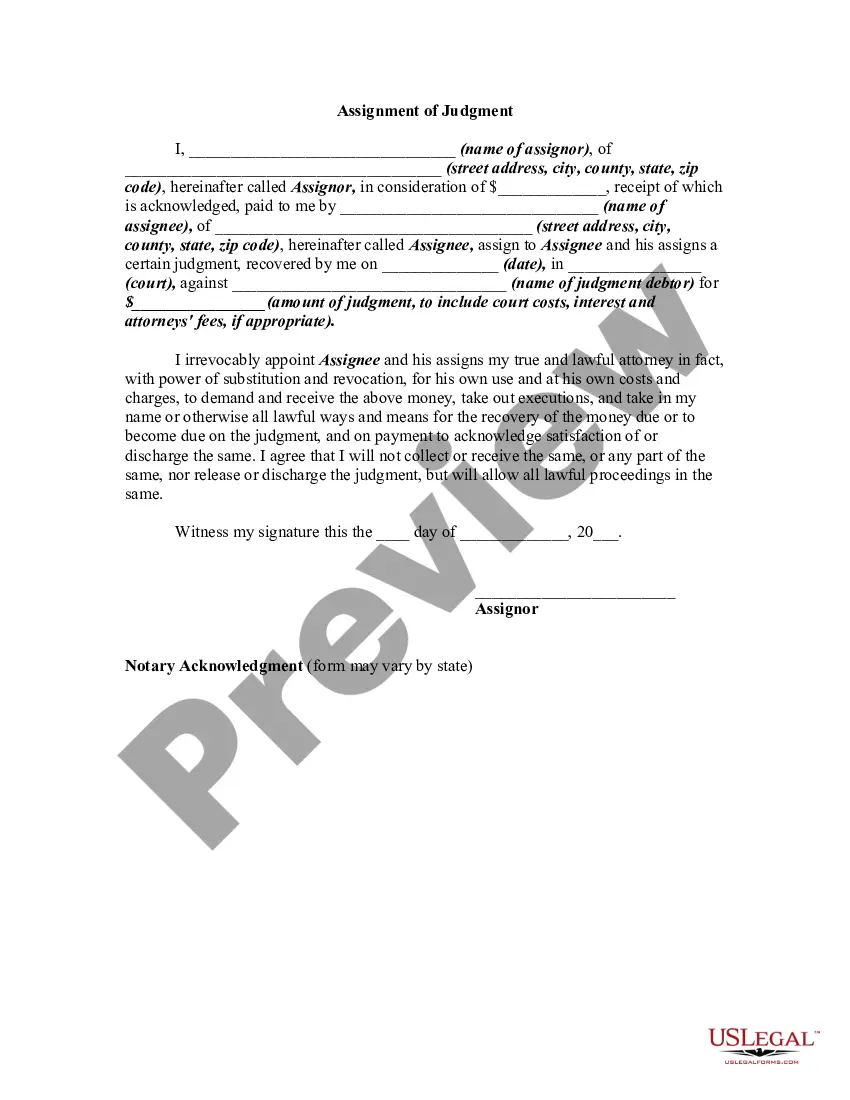
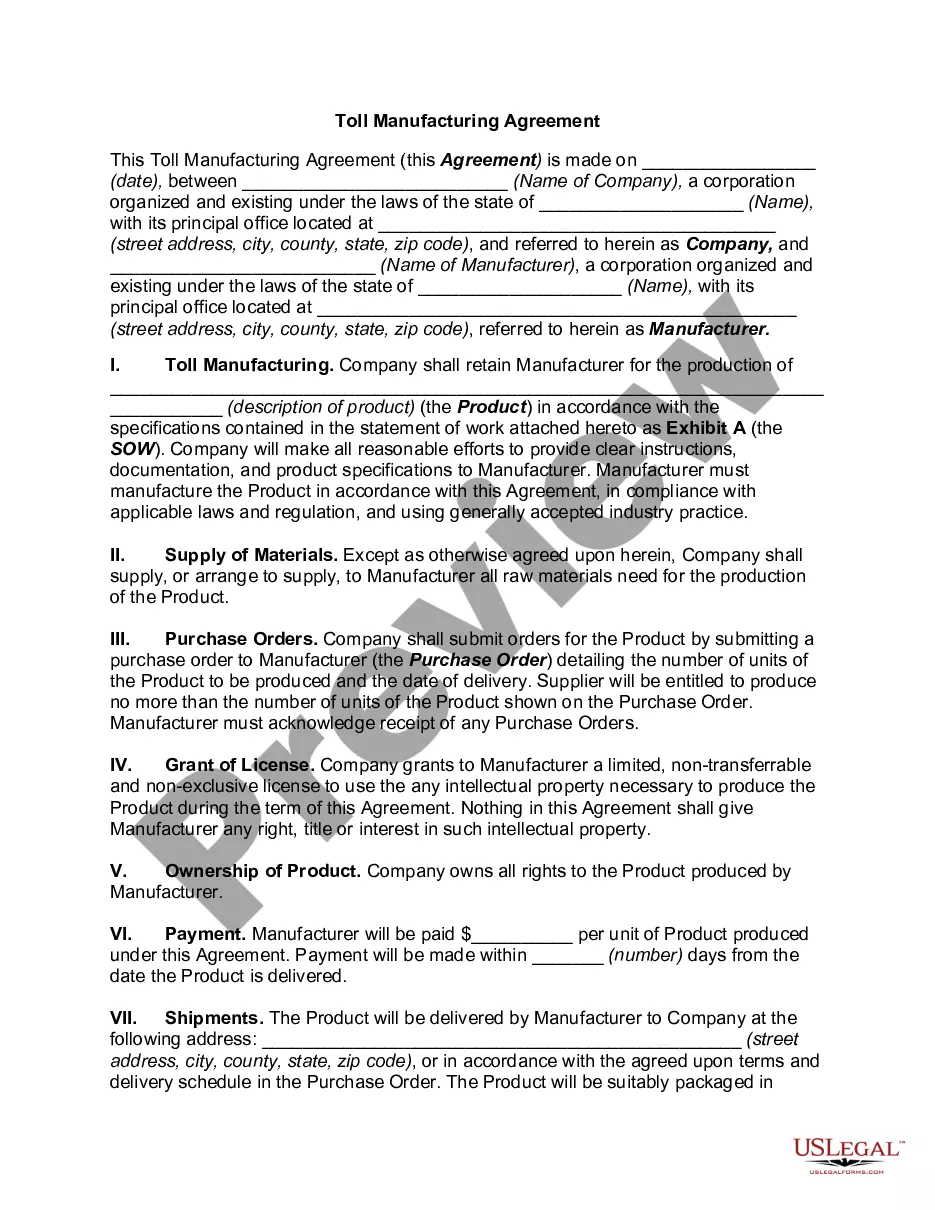
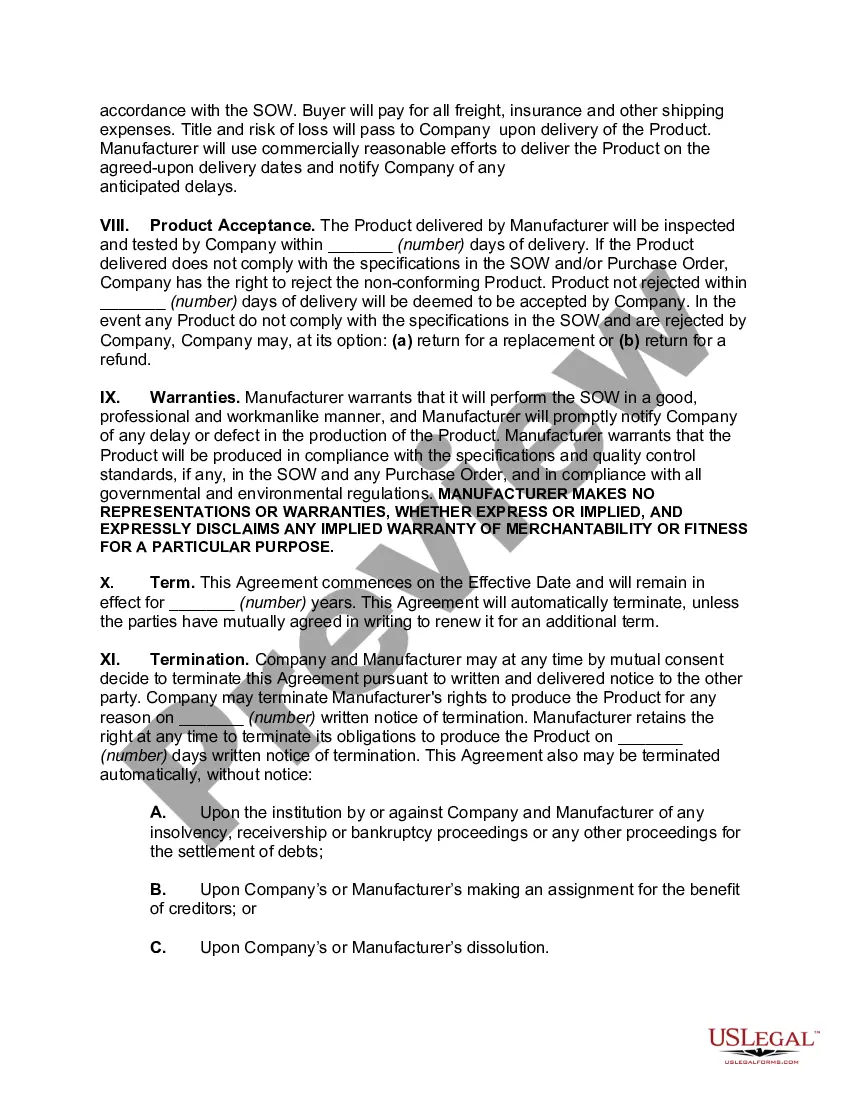
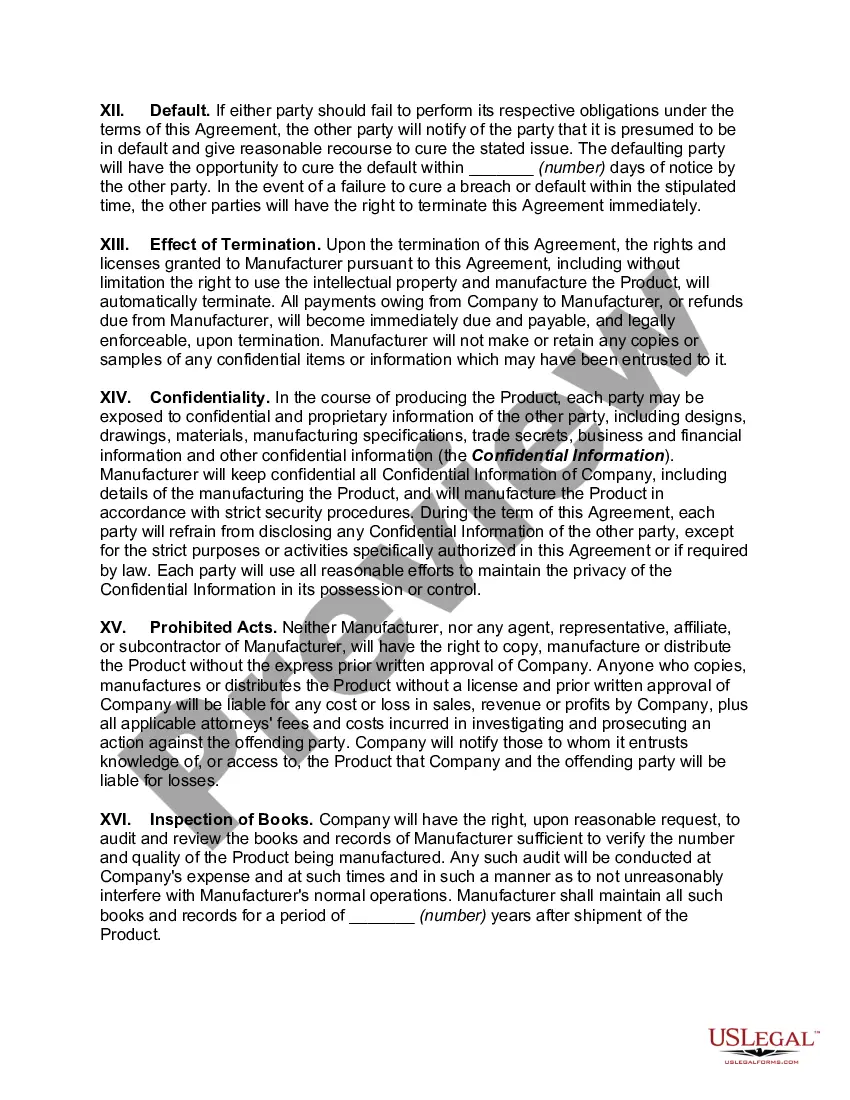
Texas Toll Manufacturing Agreement
Description
Get your form ready online
Our built-in tools help you complete, sign, share, and store your documents in one place.
Make edits, fill in missing information, and update formatting in US Legal Forms—just like you would in MS Word.
Download a copy, print it, send it by email, or mail it via USPS—whatever works best for your next step.
Sign and collect signatures with our SignNow integration. Send to multiple recipients, set reminders, and more. Go Premium to unlock E-Sign.
If this form requires notarization, complete it online through a secure video call—no need to meet a notary in person or wait for an appointment.
We protect your documents and personal data by following strict security and privacy standards.

Make edits, fill in missing information, and update formatting in US Legal Forms—just like you would in MS Word.

Download a copy, print it, send it by email, or mail it via USPS—whatever works best for your next step.

Sign and collect signatures with our SignNow integration. Send to multiple recipients, set reminders, and more. Go Premium to unlock E-Sign.

If this form requires notarization, complete it online through a secure video call—no need to meet a notary in person or wait for an appointment.

We protect your documents and personal data by following strict security and privacy standards.
Looking for another form?







How to fill out Toll Manufacturing Agreement?
If you require to obtain, download, or print valid document templates, utilize US Legal Forms, the largest collection of legal forms available online.
Leverage the site's straightforward and efficient search feature to locate the documents you need.
Numerous templates for business and personal purposes are organized by categories and states, or keywords.
Step 4. Once you have found the form you need, click the Get now button. Select your preferred payment plan and enter your details to register for an account.
Step 5. Complete the transaction. You can use your credit card or PayPal account to fulfill the payment.
- Use US Legal Forms to access the Texas Toll Manufacturing Agreement with only a few clicks.
- If you are already a US Legal Forms user, sign in to your account and click the Download button to retrieve the Texas Toll Manufacturing Agreement.
- You can also view forms you previously downloaded within the My documents section of your account.
- If you are using US Legal Forms for the first time, follow the steps below.
- Step 1. Ensure you have selected the form for the correct city/state.
- Step 2. Use the Review option to review the form’s content. Don’t forget to read the description.
- Step 3. If you are not satisfied with the form, utilize the Search area at the top of the screen to find other types in the legal form template.
Form popularity
FAQ
The toll manufacturing process involves several steps: First, a company provides raw materials to the manufacturer. Next, the manufacturer processes these materials according to agreed specifications. Finally, once production is complete, the finished goods are returned to the client for sale or further distribution. A well-structured Texas Toll Manufacturing Agreement can streamline this process, ensuring efficient operations and clear communication between all parties involved.
The main difference lies in the service level provided. Contract manufacturing entails working on product design, production, and delivery, which means the manufacturer takes on more responsibility. Toll manufacturing, however, focuses solely on processing client-provided materials into final products. If you're considering a Texas Toll Manufacturing Agreement, it's crucial to clarify what level of service you need from the manufacturer.
Toll manufacturing typically involves one company providing raw materials to another, which then processes those materials into finished products. In a contract manufacturing scenario, the manufacturer handles design, production, and sometimes even logistics on behalf of the client. Hence, toll manufacturing emphasizes processing, while contract manufacturing covers a broader range of services. Establishing a Texas Toll Manufacturing Agreement can facilitate effective collaborations when you require expertise in processing your materials.
An Original Equipment Manufacturer (OEM) produces parts and equipment that can be marketed by another company under its own brand. In contrast, a contract manufacturer produces products on behalf of another company based on specific instructions. While OEMs focus on branding, contract manufacturers concentrate on producing items to meet predefined specifications. Understanding these distinctions can be essential when negotiating a Texas Toll Manufacturing Agreement, as each type serves different business needs.
Tolling manufacturing, or toll manufacturing, involves a third-party company that produces goods using another company's raw materials. This approach can significantly reduce costs and risks for businesses, as they do not need to invest heavily in equipment or labor. Entering into a Texas Toll Manufacturing Agreement can optimize this relationship, ensuring clear terms and effective collaboration.
In SAP, toll manufacturing refers to the process where materials are processed by a third party on behalf of another company. This setup allows businesses to manage their production and inventory seamlessly while ensuring the quality of goods is maintained. A Texas Toll Manufacturing Agreement can help streamline these processes within SAP by clearly defining roles and responsibilities.
The primary difference lies in ownership of the goods being produced. A traditional manufacturer owns both the raw materials and the finished products, while a toll manufacturer processes materials for another company without taking ownership. Understanding this distinction is crucial, especially when considering a Texas Toll Manufacturing Agreement, as it outlines the responsibilities and ownership of the products.
A common example of toll manufacturing is when a company provides raw materials to a toll manufacturer, who then processes these materials into finished goods. For instance, a textile company may supply fibers to a toll manufacturer that turns them into fabric. This process allows companies to leverage specialized manufacturing without investing in the production machinery themselves, highlighting the benefits of a Texas Toll Manufacturing Agreement.
Toll manufacturing involves a contractual agreement where one company provides raw materials to a manufacturer, who then produces finished goods on behalf of the client. In contrast, traditional manufacturing usually means that a company owns the entire production process from start to finish. A Texas Toll Manufacturing Agreement provides businesses with the ability to outsource their production needs while retaining ownership of the product, making it a strategic choice for many companies looking to optimize their operations.
A toll manufacturing agreement is a contract that defines the relationship between a business and a toll manufacturer. It outlines the expectations, fees, and quality standards for manufacturing processes. By utilizing a Texas Toll Manufacturing Agreement, businesses can establish a clear operational framework, fostering smoother collaboration and successful outcomes.