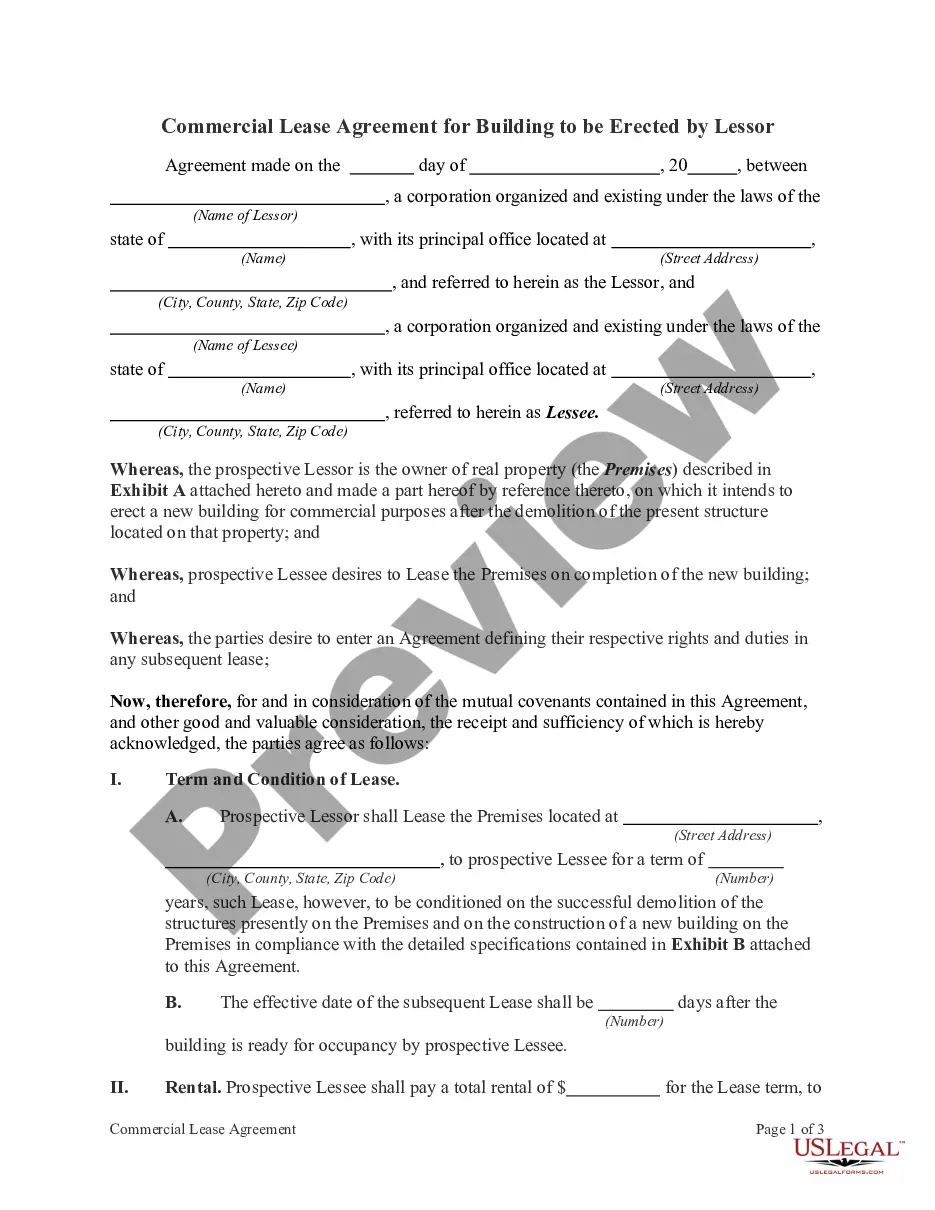
Texas Joint Trust with Income Payable to Trustors During Joint Lives
Description
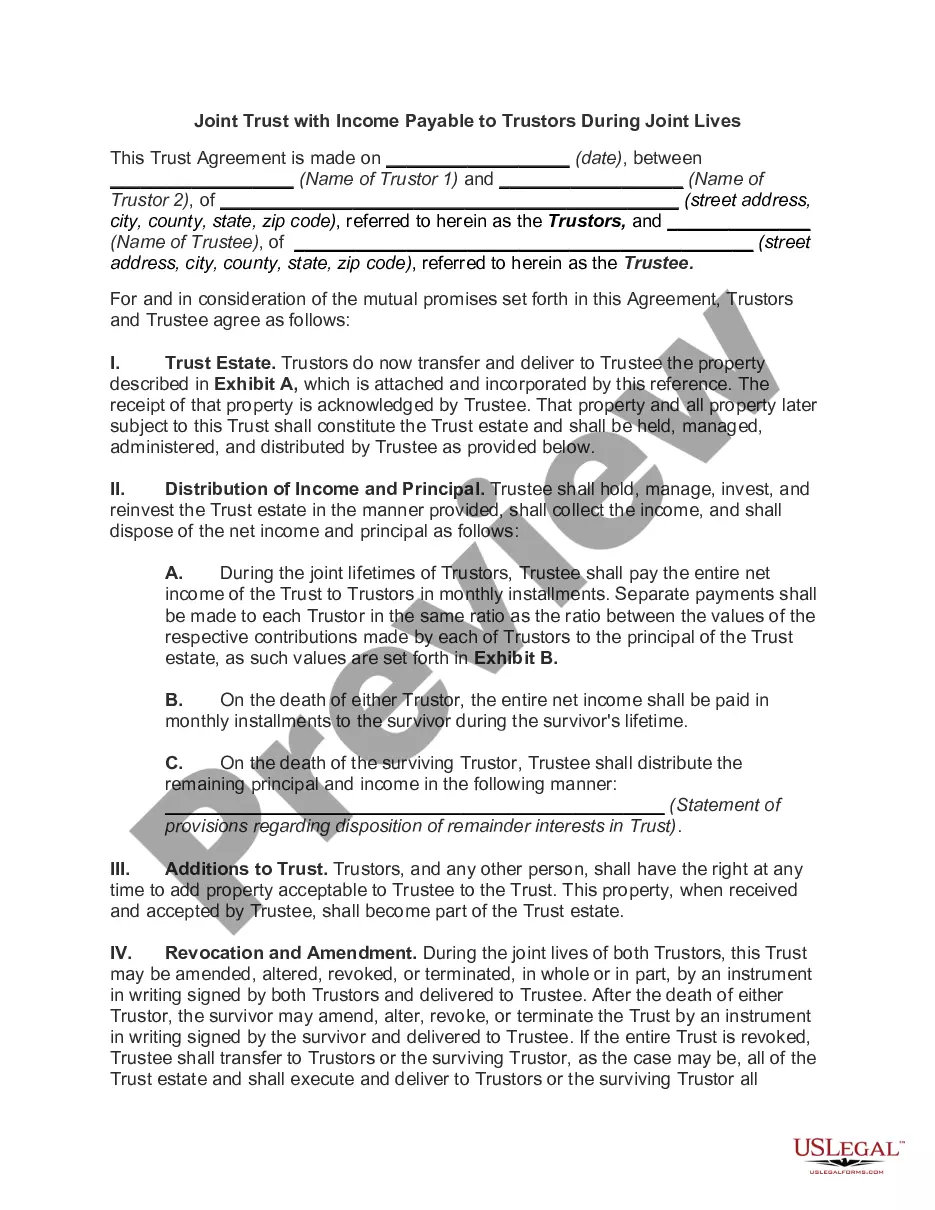
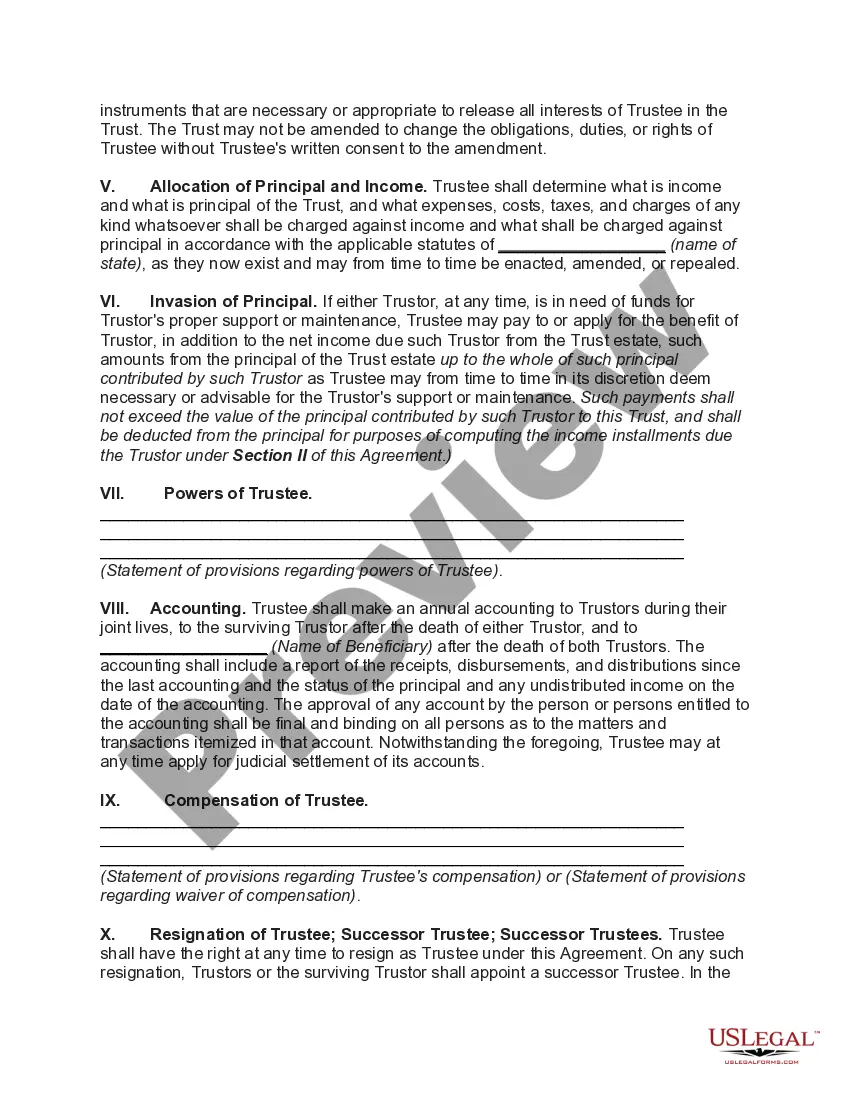
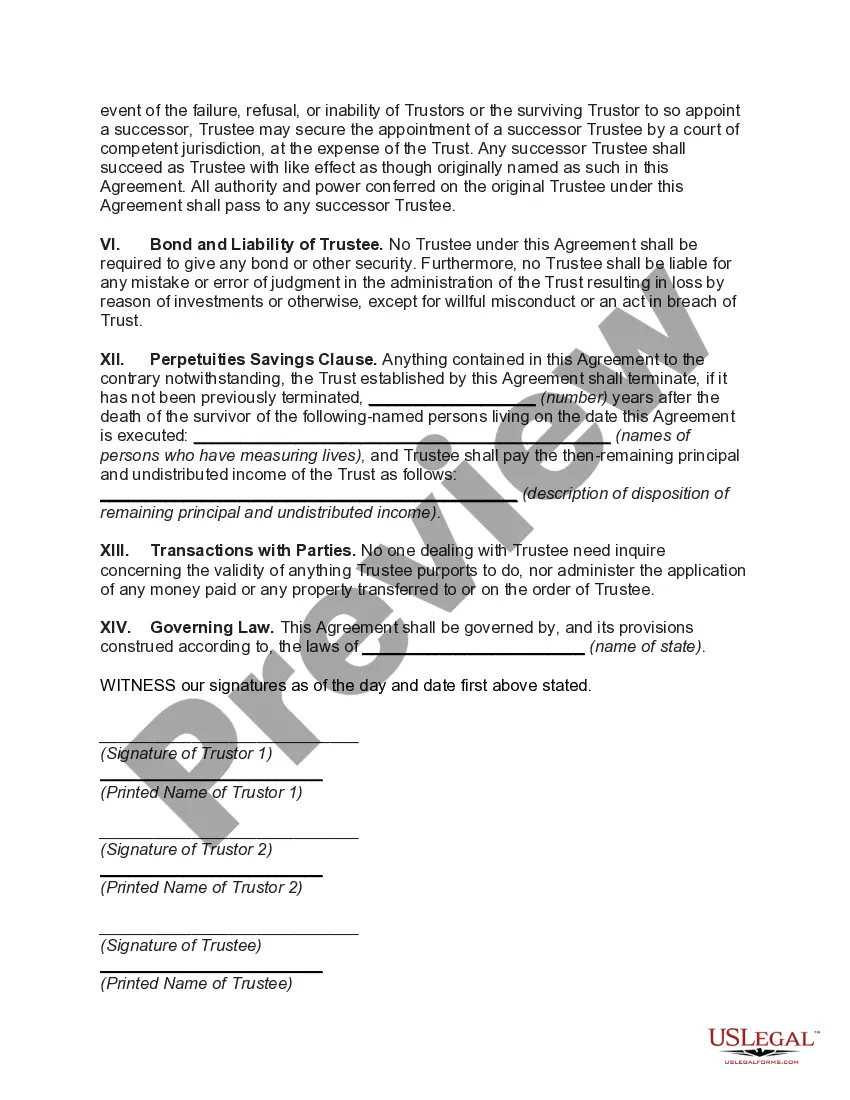

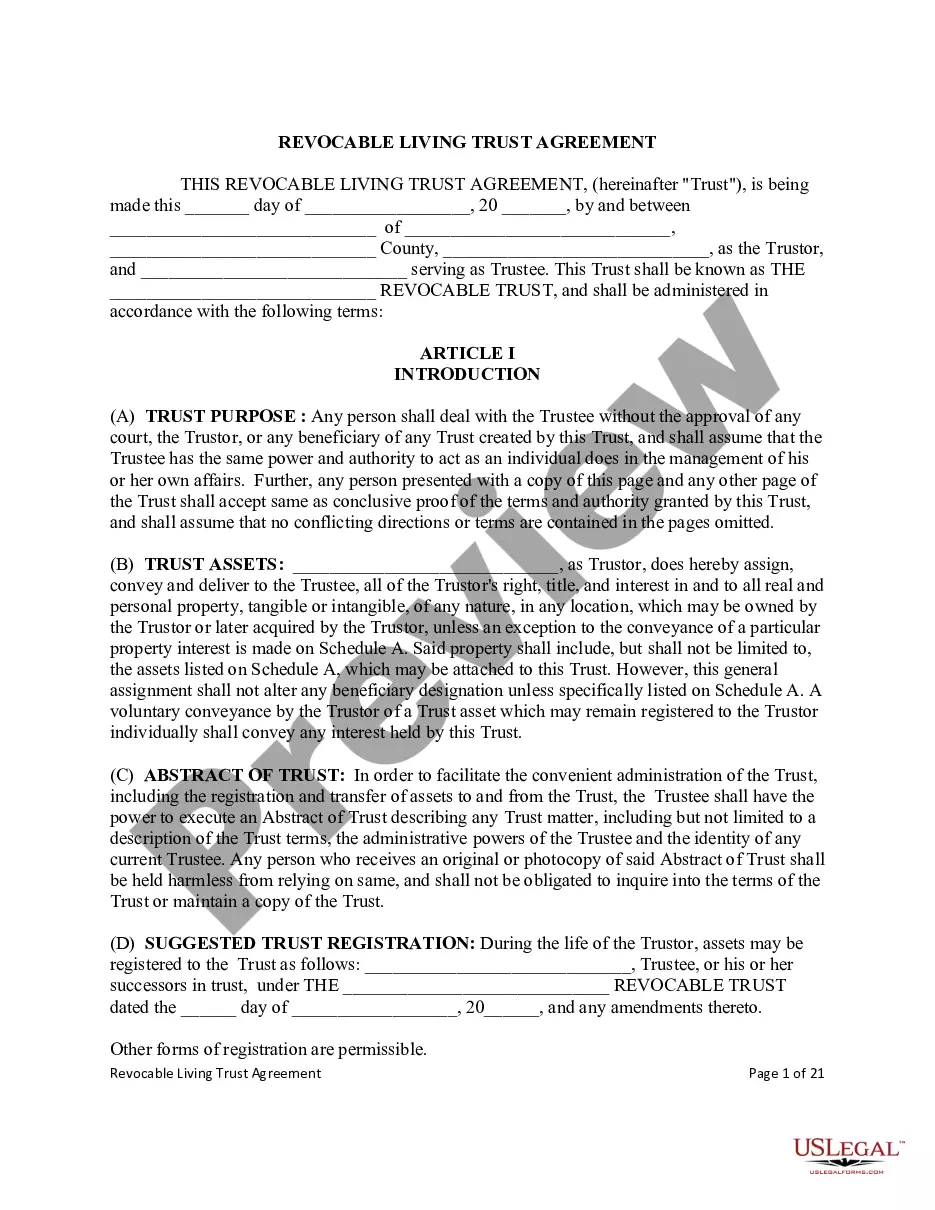
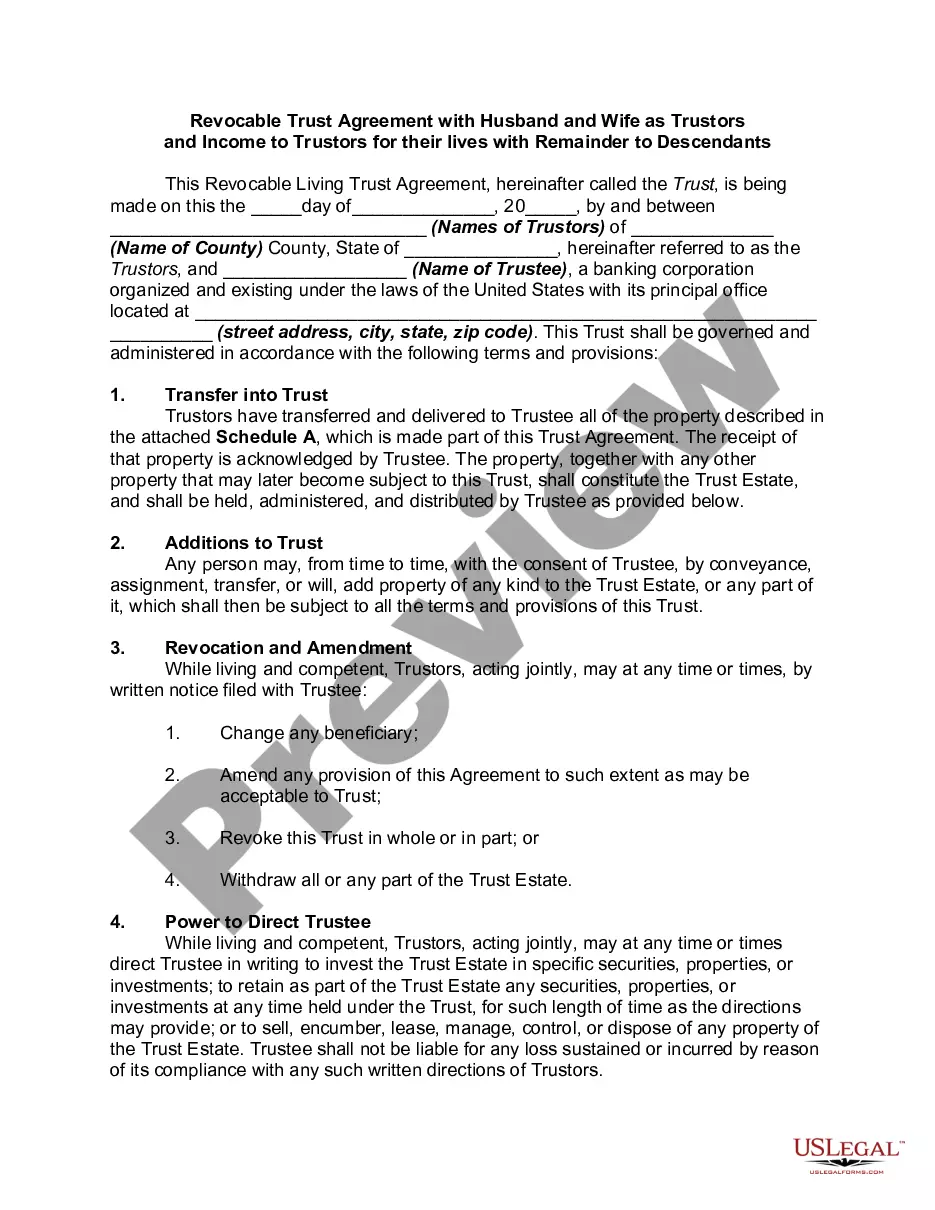
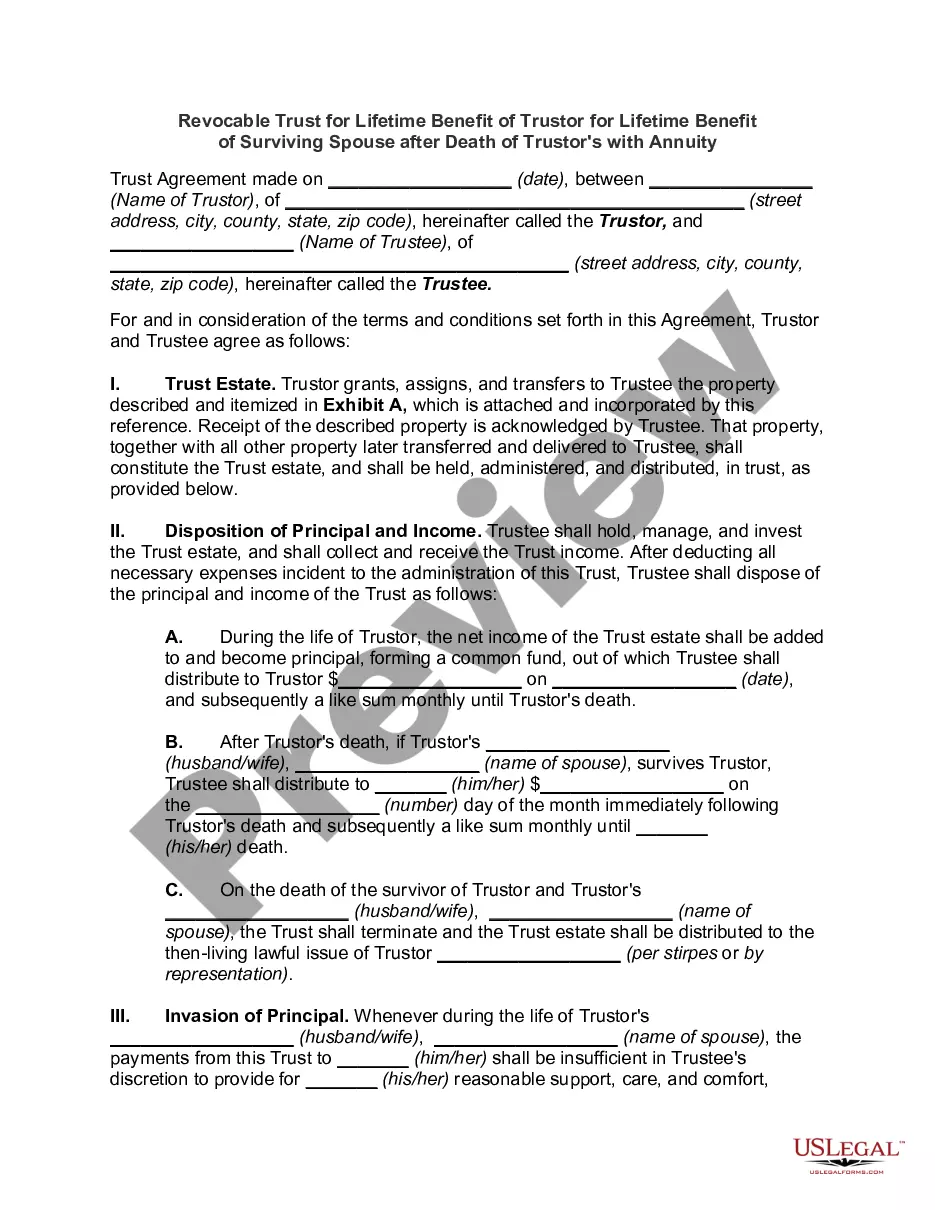
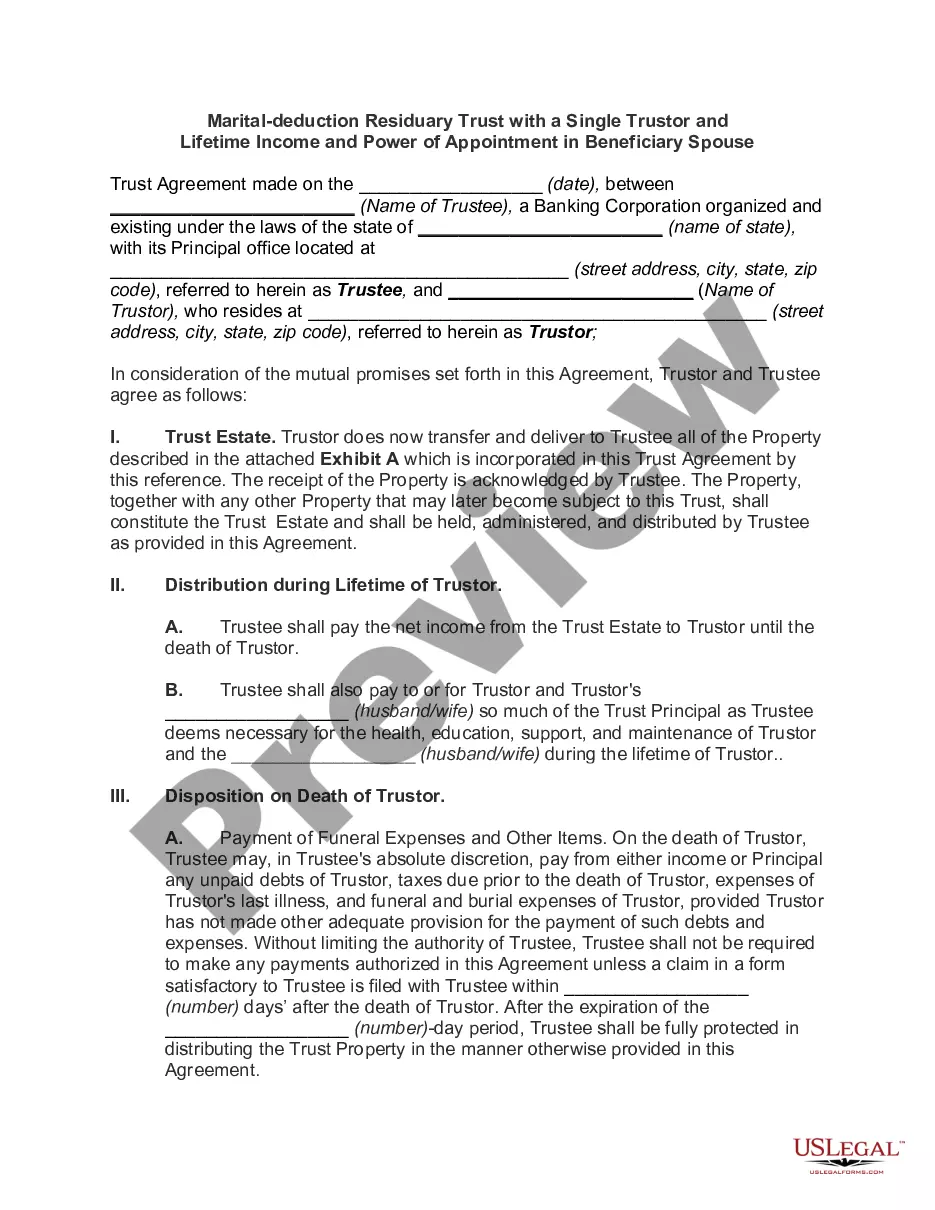
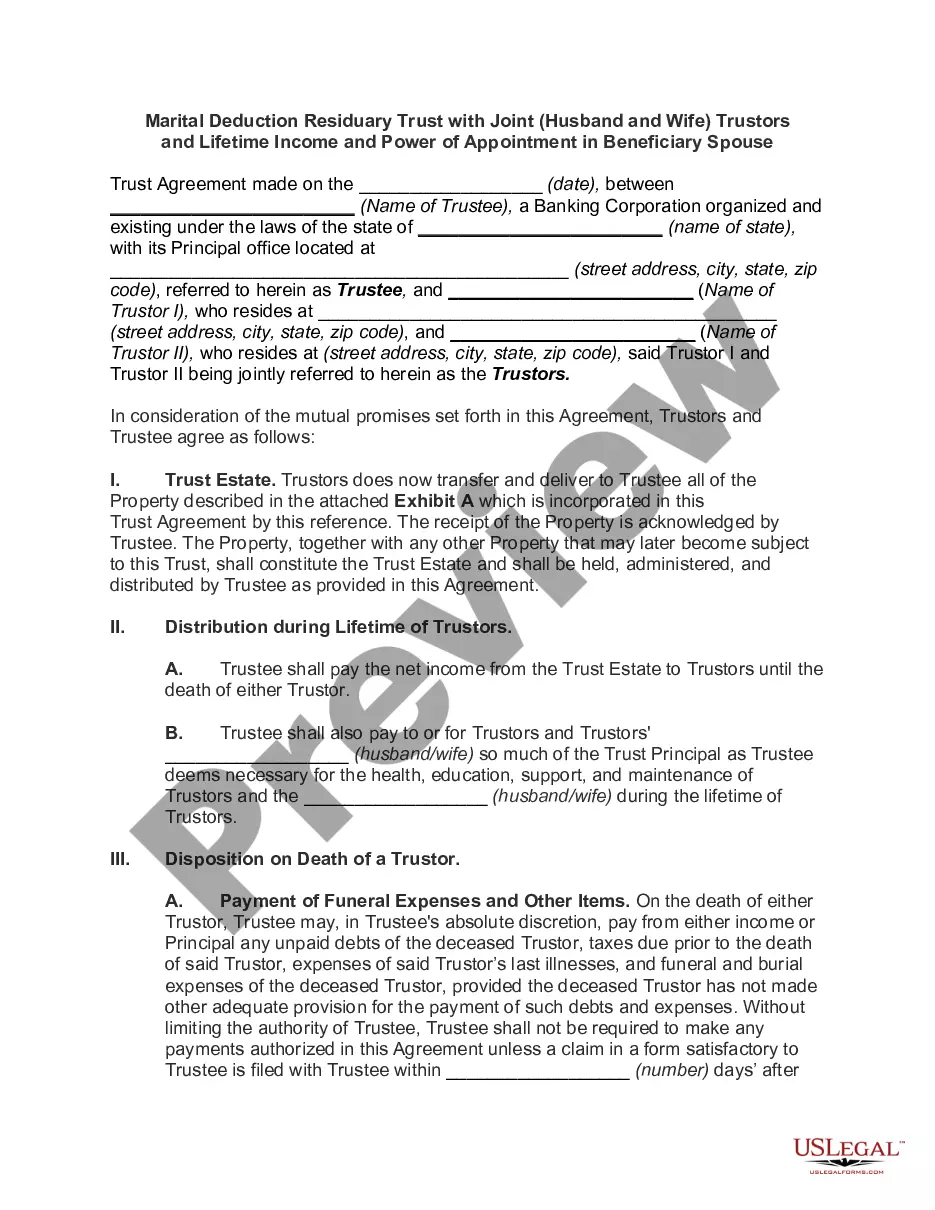




How to fill out Joint Trust With Income Payable To Trustors During Joint Lives?
Selecting the appropriate legal document format can be challenging. Of course, there are numerous templates accessible online, but how will you locate the legal design you need? Utilize the US Legal Forms website. The platform offers thousands of templates, including the Texas Joint Trust with Income Payable to Trustors During Joint Lives, which you can use for both business and personal purposes. All forms are reviewed by experts and comply with federal and state regulations.
If you are already registered, Log In to your account and then click the Obtain button to access the Texas Joint Trust with Income Payable to Trustors During Joint Lives. Use your account to browse through the legal forms you may have previously purchased. Visit the My documents section of your account to retrieve another copy of the document you need.
If you are a new user of US Legal Forms, here are simple steps you should follow: Initially, ensure that you have selected the correct form for your specific area/state. You can examine the form using the Preview option and review the form details to confirm it is suitable for you. If the form does not satisfy your requirements, use the Search field to find the right form. When you are confident that the form is appropriate, click on the Get now button to acquire the form. Choose the pricing package you want and enter the necessary information. Create your account and complete the purchase using your PayPal account or credit card. Select the file format and download the legal document format to your device. Complete, modify, print, and sign the obtained Texas Joint Trust with Income Payable to Trustors During Joint Lives.
- US Legal Forms is the largest collection of legal forms where you can find various document templates.
- Utilize the service to obtain properly crafted papers that adhere to state regulations.
Form popularity
FAQ
Under typical circumstances, the surviving spouse would become the sole trustee after the death of one spouse. The surviving spouse would control the shared property, and the personal property of the deceased spouse would be distributed to the beneficiaries.
So can a trustee also be a beneficiary? The short answer is yes, but the trustee will have to be exceedingly careful to never engage in any actions that would constitute a breach of trust, including placing their personal interests above those of the other beneficiaries.
Trustees have a duty to act jointly where more than one (and subject to the specific provisions of the Trust). Trustees have a duty to act gratuitously (subject to certain exceptions and the terms of the Trust, normally applying to professional Trustees).
While there's no limit to how many trustees one trust can have, it might be beneficial to keep the number low. Here are a few reasons why: Potential disagreements among trustees. The more trustees you name, the greater the chance they'll have different ideas about how your trust should be managed.
Joint trusts are also revocable living trusts, set up to hold all of the assets of a married couple and to provide access to the trust assets for both. Typically, at the first death, half of the assets receive a step-up in basis, but all of the assets stay in the trust.
Prop. Code § 111.004(18) (emphasis added). So, each co-trustee or additional trustee have common law duties. imperative or discretionary, personal or attached to the office, are held jointly.
What happens in this type of trust is that the trust is a joint revocable trust when both spouses are alive. When one of the spouses dies, the trust will then split into two trusts automatically. Each trust will have half the assets of the trust along with the separate property of the spouse.
After one spouse dies, the surviving spouse is free to amend the terms of the trust document that deal with his or her property, but can't change the parts that determine what happens to the deceased spouse's trust property.
A revocable living trust becomes irrevocable once the sole grantor or dies or becomes mentally incapacitated. If you have a joint trust for you and your spouse, then a portion of the joint trust can become irrevocable when the first spouse dies and will become irrevocable when the last spouse dies.
Trustees are jointly and severally liable for breach of trust to their beneficiaries where that breach has led to a loss to the trust fund. Common allegations of breach of trust include where a trustee: Distributes trust assets to a beneficiary who is not entitled to them under the terms of the trust document.