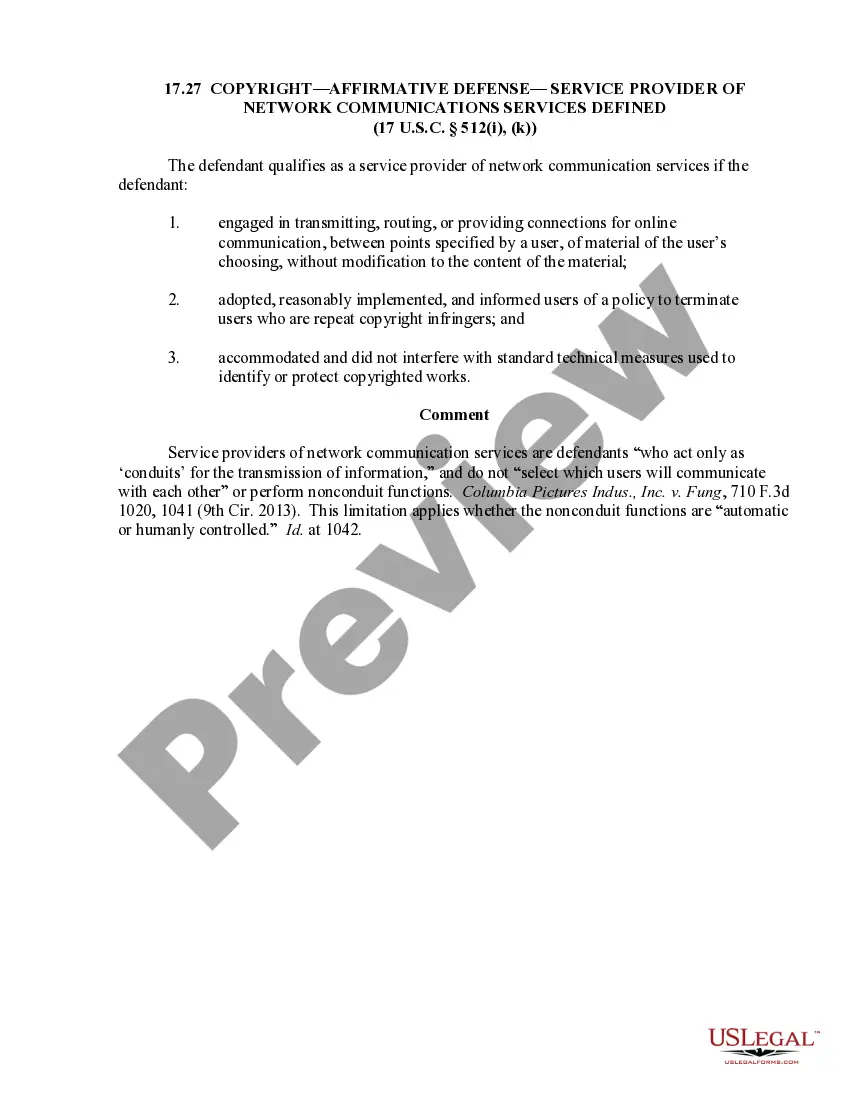
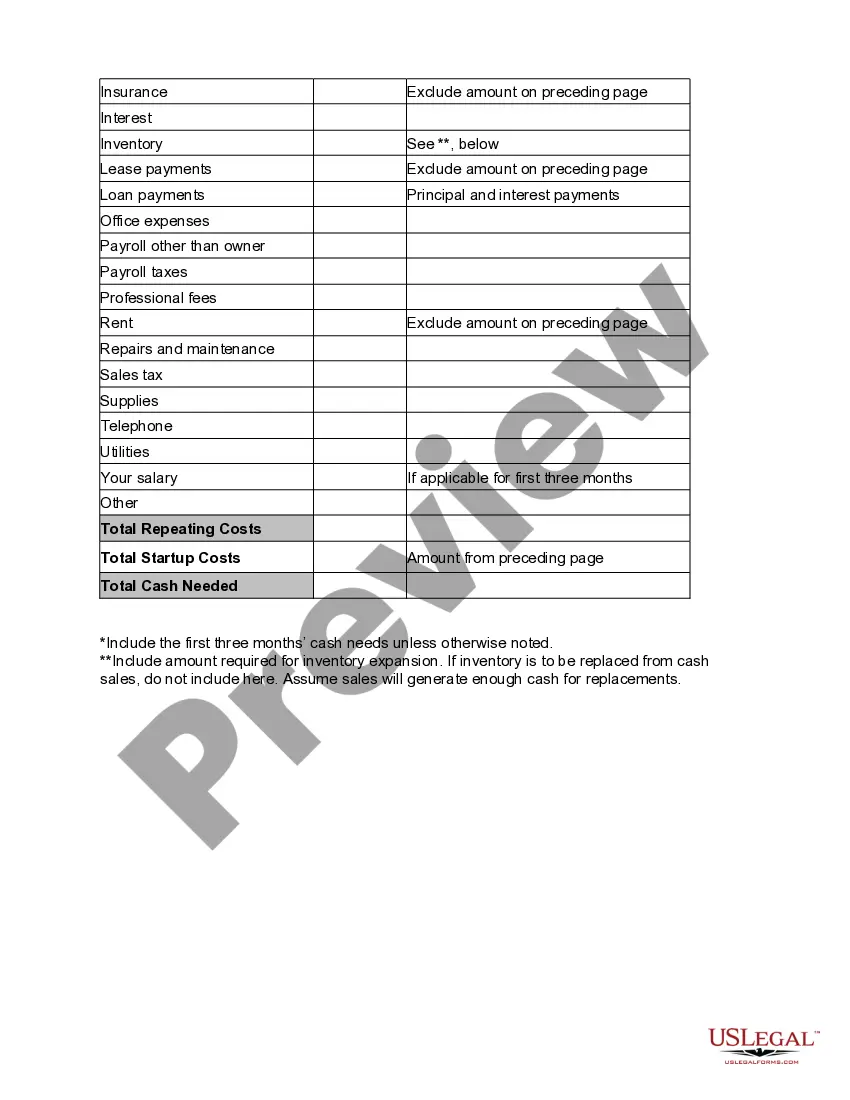
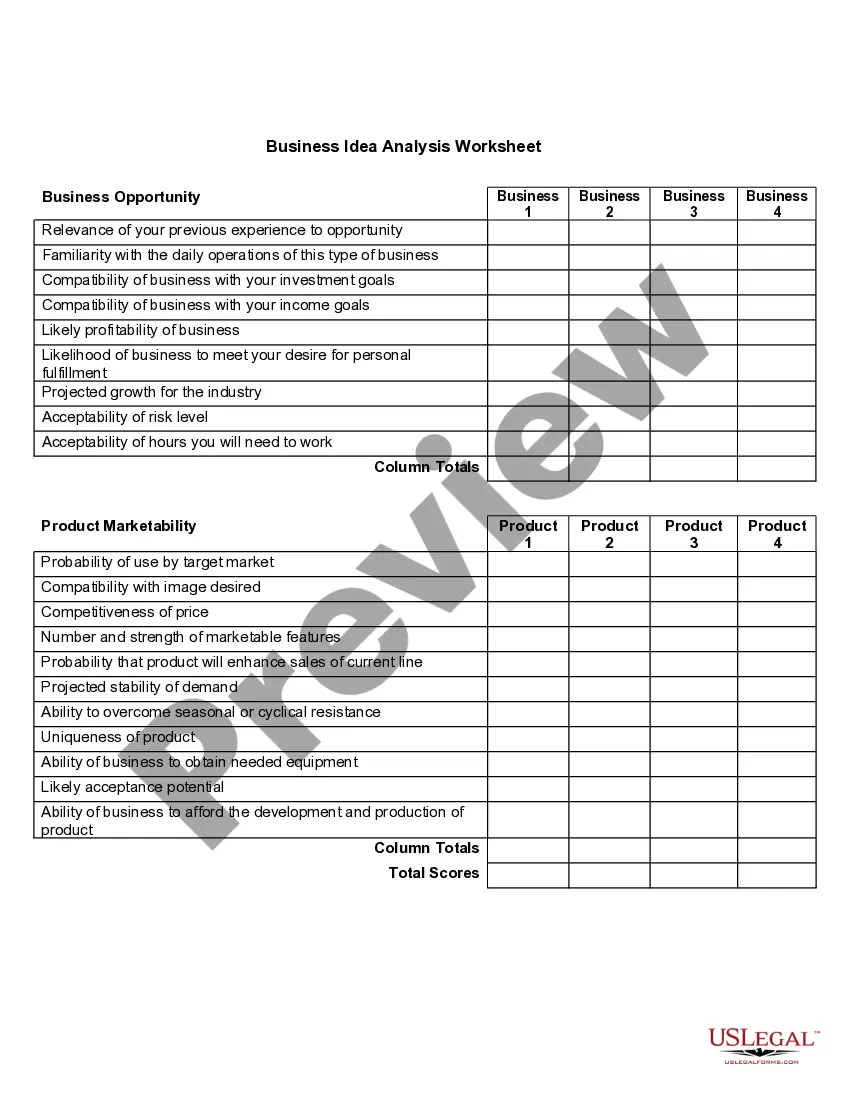
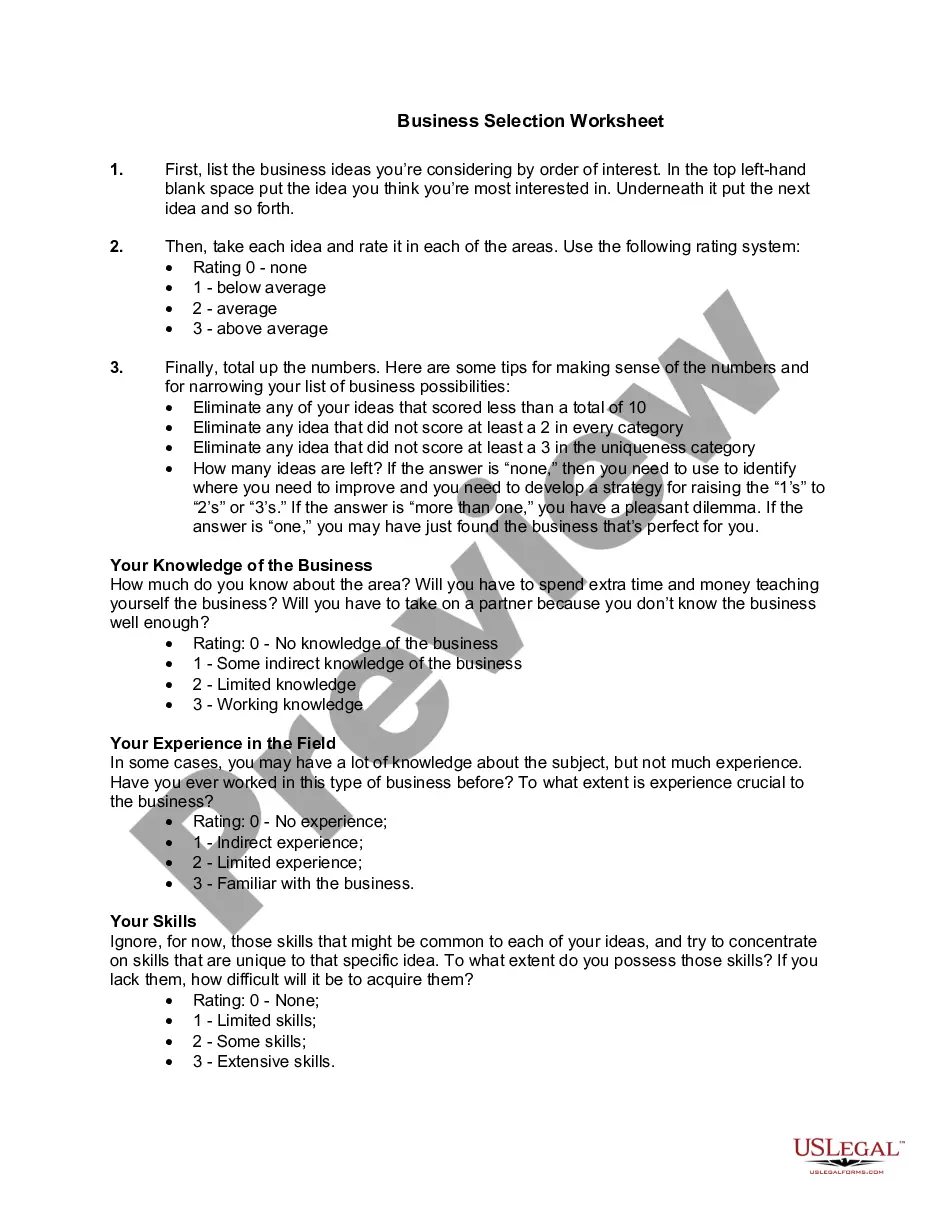
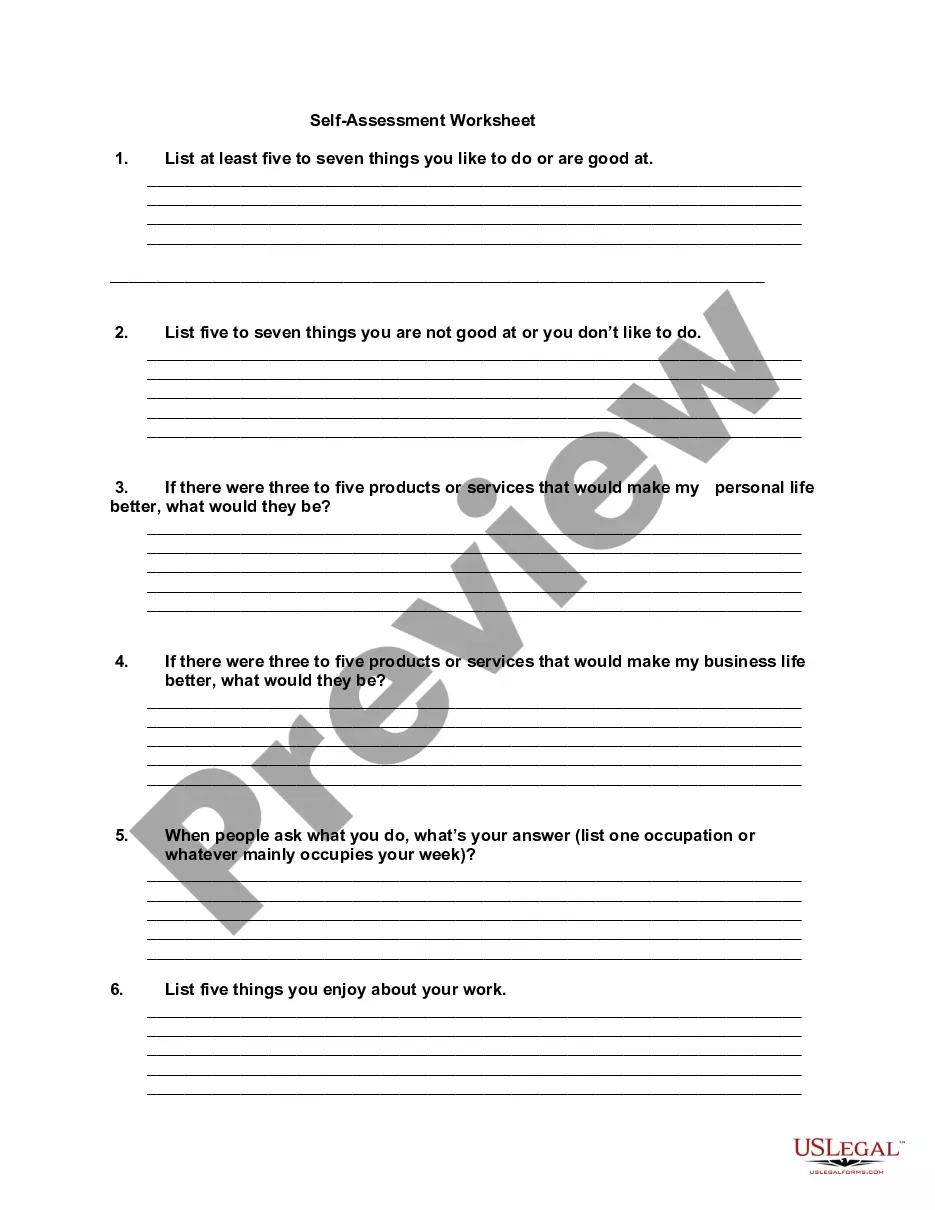
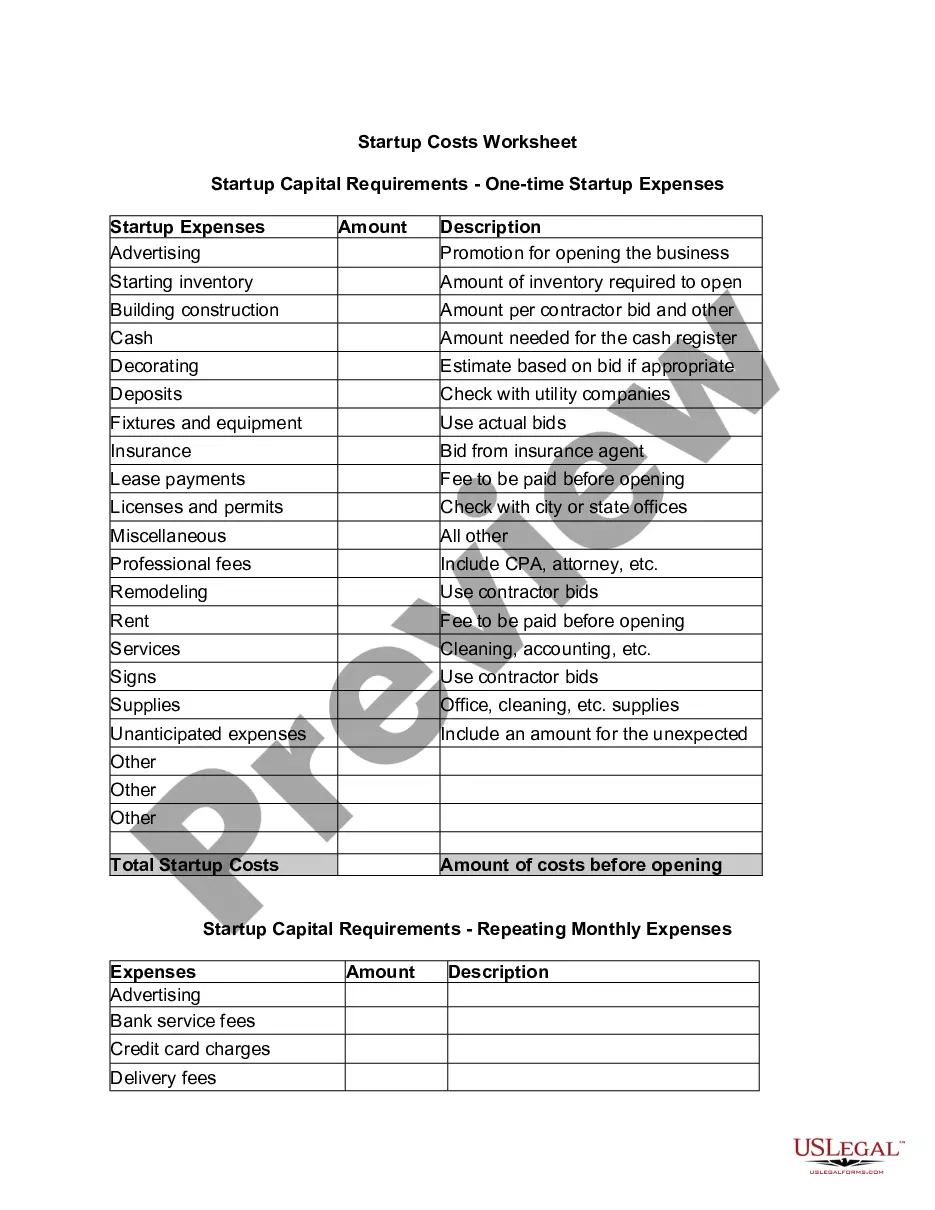
Texas Startup Costs Worksheet
Description
Get your form ready online
Our built-in tools help you complete, sign, share, and store your documents in one place.
Make edits, fill in missing information, and update formatting in US Legal Forms—just like you would in MS Word.
Download a copy, print it, send it by email, or mail it via USPS—whatever works best for your next step.
Sign and collect signatures with our SignNow integration. Send to multiple recipients, set reminders, and more. Go Premium to unlock E-Sign.
If this form requires notarization, complete it online through a secure video call—no need to meet a notary in person or wait for an appointment.
We protect your documents and personal data by following strict security and privacy standards.

Make edits, fill in missing information, and update formatting in US Legal Forms—just like you would in MS Word.

Download a copy, print it, send it by email, or mail it via USPS—whatever works best for your next step.

Sign and collect signatures with our SignNow integration. Send to multiple recipients, set reminders, and more. Go Premium to unlock E-Sign.

If this form requires notarization, complete it online through a secure video call—no need to meet a notary in person or wait for an appointment.

We protect your documents and personal data by following strict security and privacy standards.
Looking for another form?





How to fill out Startup Costs Worksheet?
Have you ever been in a situation where you require documents for either business or personal reasons almost every day? There are numerous legal document templates accessible online, but finding ones you can rely on isn't easy.
US Legal Forms offers thousands of template forms, such as the Texas Startup Costs Worksheet, which are designed to comply with state and federal regulations.
If you are already familiar with the US Legal Forms website and have an account, simply Log In. Then, you can download the Texas Startup Costs Worksheet template.
Choose a convenient file format and download your copy.
Access all the document templates you have purchased in the My documents section. You can obtain another copy of the Texas Startup Costs Worksheet at any time if necessary. Just select the form to download or print the document template.
Use US Legal Forms, the largest collection of legal forms, to save time and avoid mistakes. The service provides professionally produced legal document templates that you can utilize for various purposes. Create an account on US Legal Forms and start making your life a bit easier.
- If you do not have an account and wish to start using US Legal Forms, follow these steps.
- Locate the form you need and ensure it is for the correct jurisdiction/area.
- Utilize the Preview option to view the form.
- Read the description to confirm you have selected the appropriate form.
- If the form isn't what you're looking for, use the Search field to find the document that meets your needs and specifications.
- Once you find the right form, click Buy now.
- Select the pricing plan you prefer, complete the required information to create your account, and complete the purchase using your PayPal or credit card.
Form popularity
FAQ
Essentially, the accounting for startup activities is to expense them as incurred. While the guidance is simple enough, the key issue is not to assume that other costs similar to start-up costs should be treated in the same way.
Under Generally Accepted Accounting Principles, you report startup costs as expenses incurred at the time you spend the money. Some of your initial expenses, such as buying equipment, are not classified as startup costs under GAAP and have to be capitalized, not expensed.
Start-up expenses are the costs of getting your business up and running. These include buying or leasing space, marketing costs, equipment, licenses, salaries, and the cost of servicing loans. Start-up assets are items of value, such as cash on hand, equipment, land, buildings, inventory, etc.
Saving receipts, including all cash register receipts, sales slips and other receipts is a great way to track expenses. Keep all your receipts in one location for easy accessibility. Make sure you have receipts for every penny you spend, no matter how small the amount is.
The IRS allows you to deduct $5,000 in business startup costs and $5,000 in organizational costs, but only if your total startup costs are $50,000 or less. If your startup costs in either area exceed $50,000, the amount of your allowable deduction will be reduced by the overage.
It's a cost a business could deduct if they paid or incurred it to operate an existing active trade or business, in the same field as the one the business entered into. It's a cost a business pays or incurs before the day their active trade or business begins.
Under GAAP, you report organizational or startup costs as an expense when you incur them. If you spend $5,000 on employee training prior to opening, you'd record $5,000 as a startup expense and reduce your cash account by $5,000. When you make out your taxes, the accounting for startup costs is more complicated.
What are examples of startup costs? Examples of startup costs include licensing and permits, insurance, office supplies, payroll, marketing costs, research expenses, and utilities.
For those companies reporting under US GAAP, Financial Accounting Standards Codification 720 states that start up/organization costs should be expensed as incurred.
When you incur startup costs, you must accurately record the corresponding ledger entries in your accounting books. And, you must properly report them for tax purposes. Tax reporting and accounting for startup costs are handled differently, so it's important to have a basic understanding of both.