Texas Nondisclosure Agreement Regarding Purchase of Business
Description
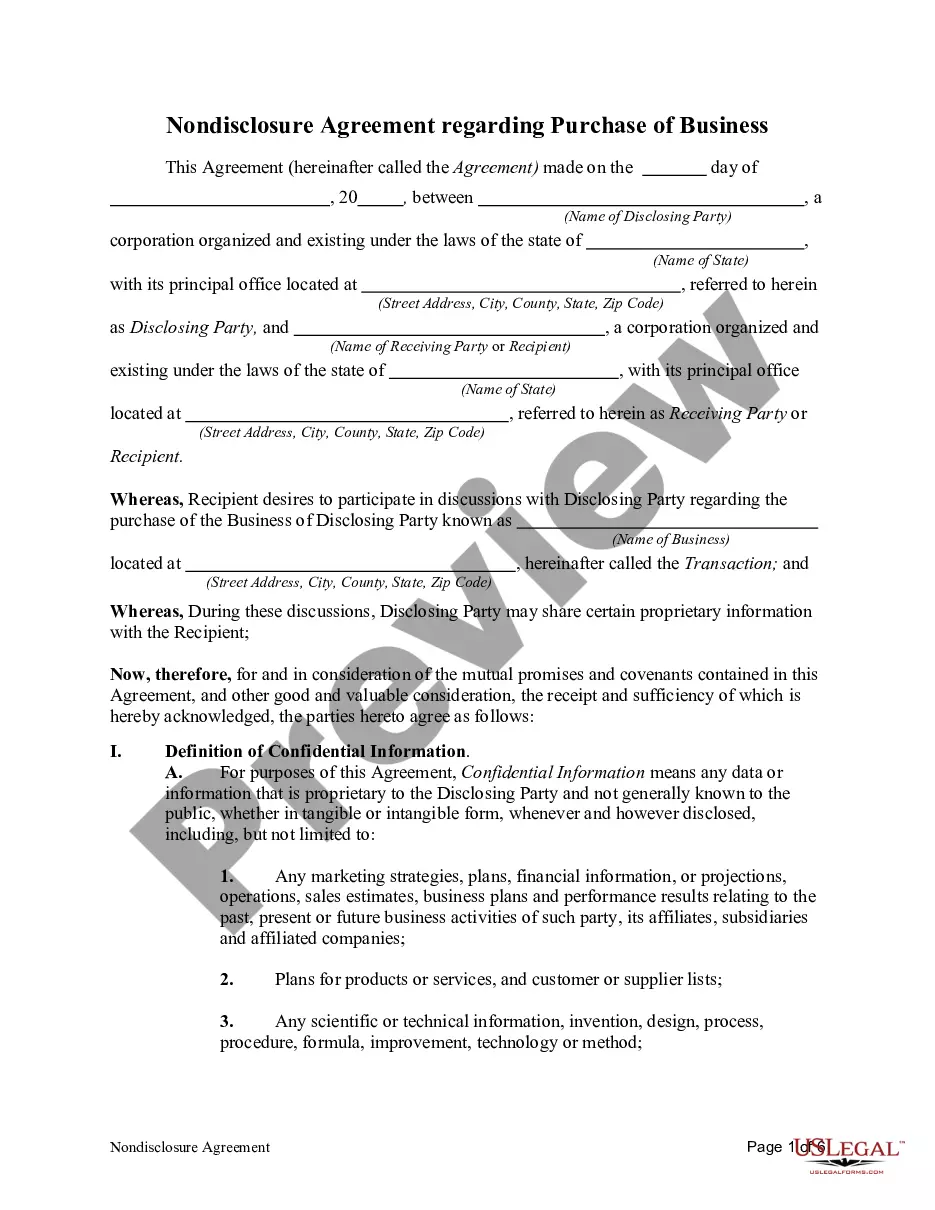
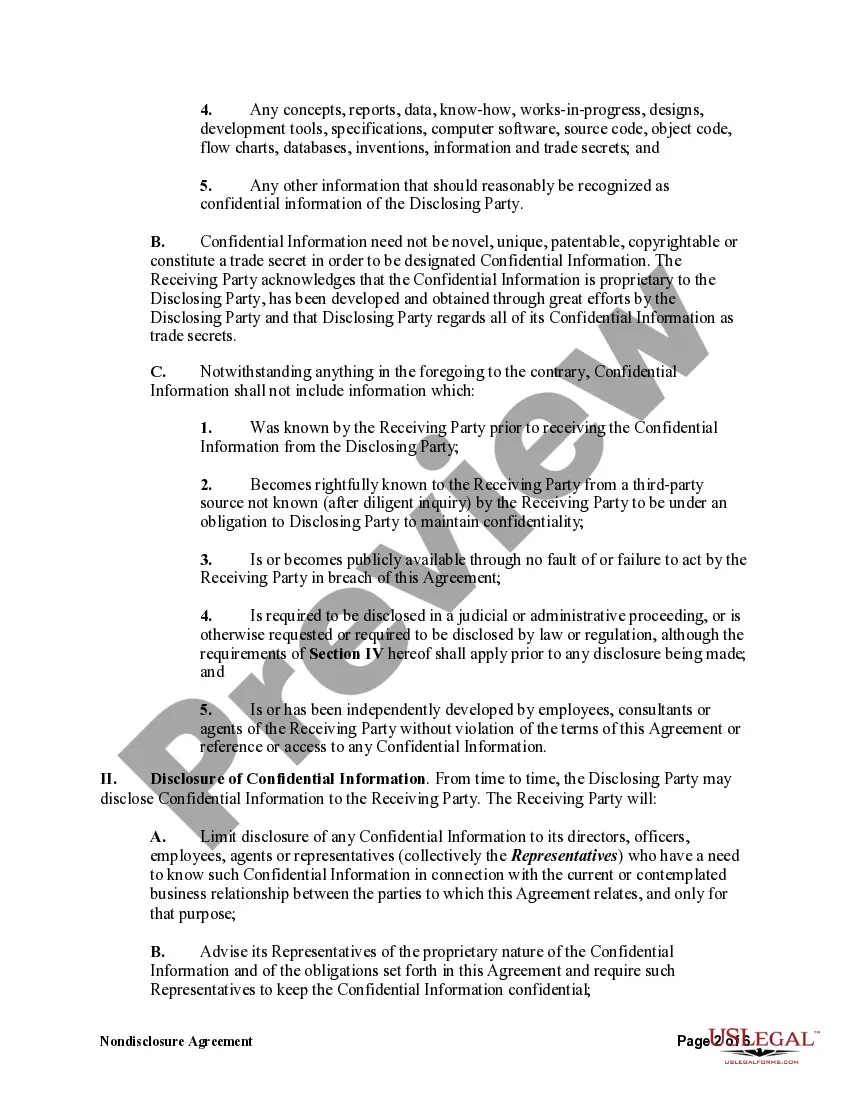
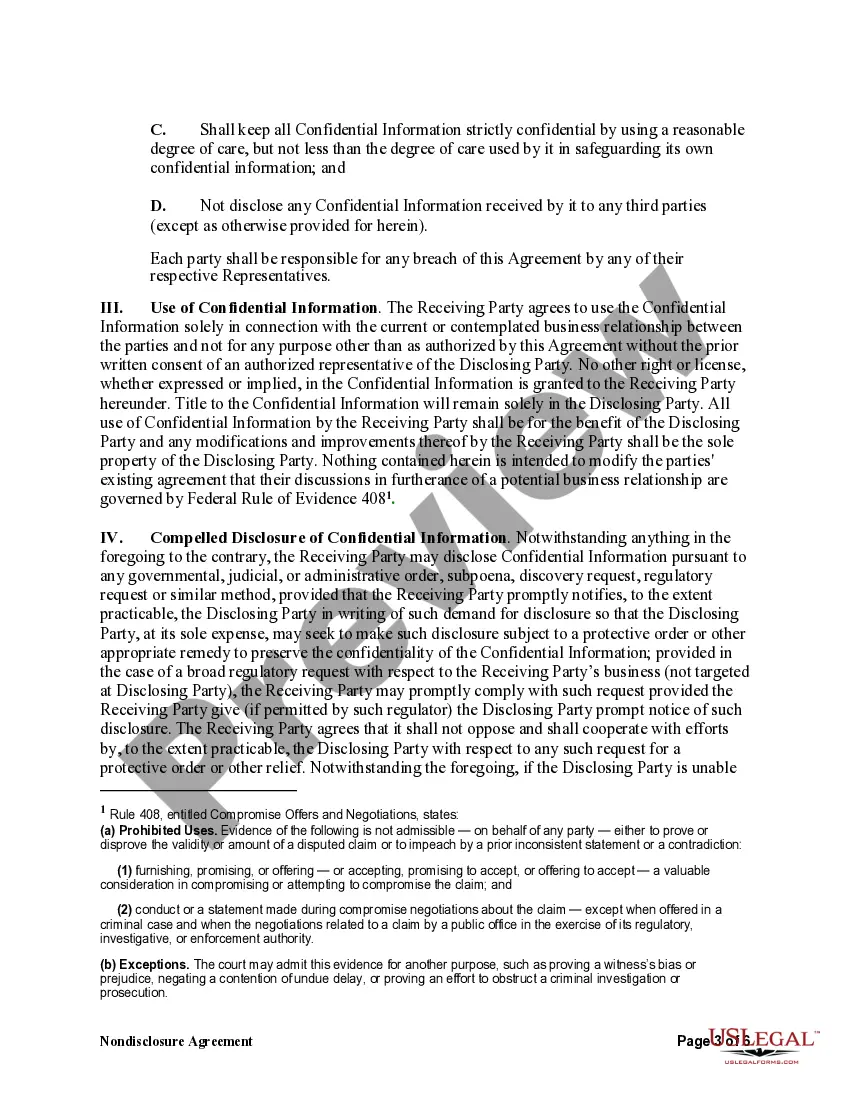
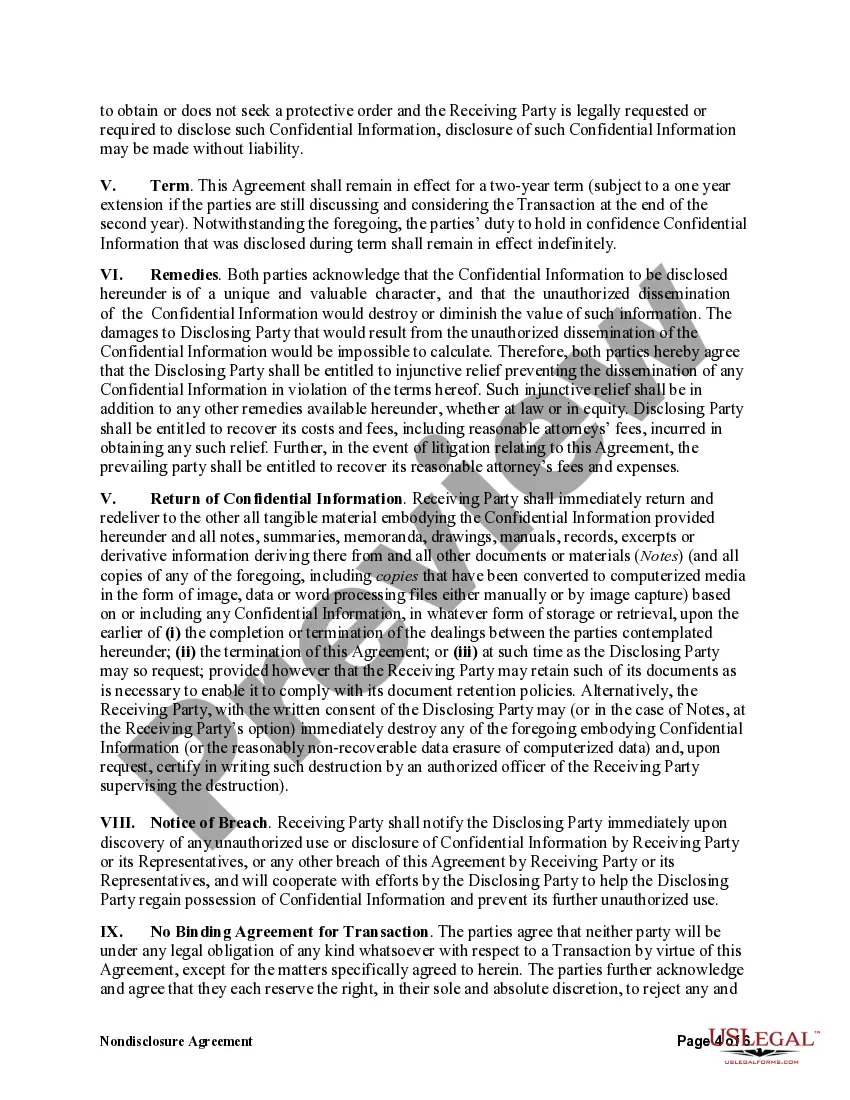
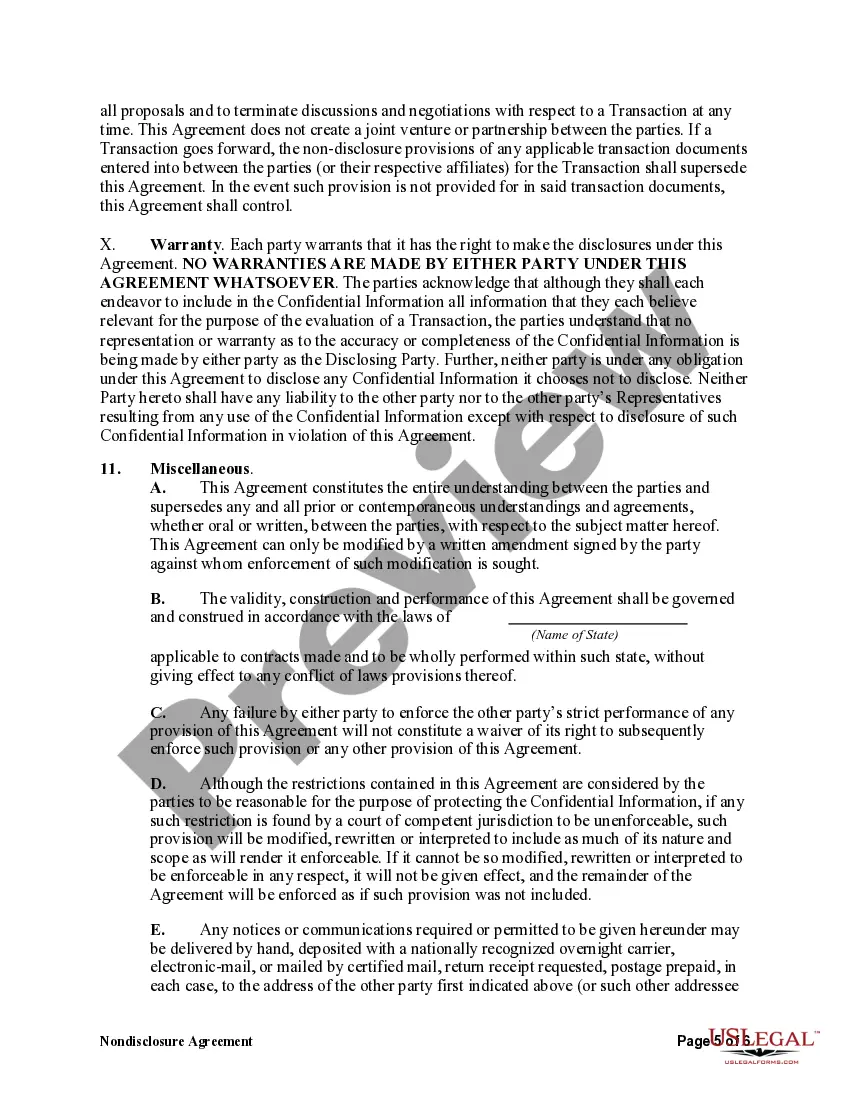
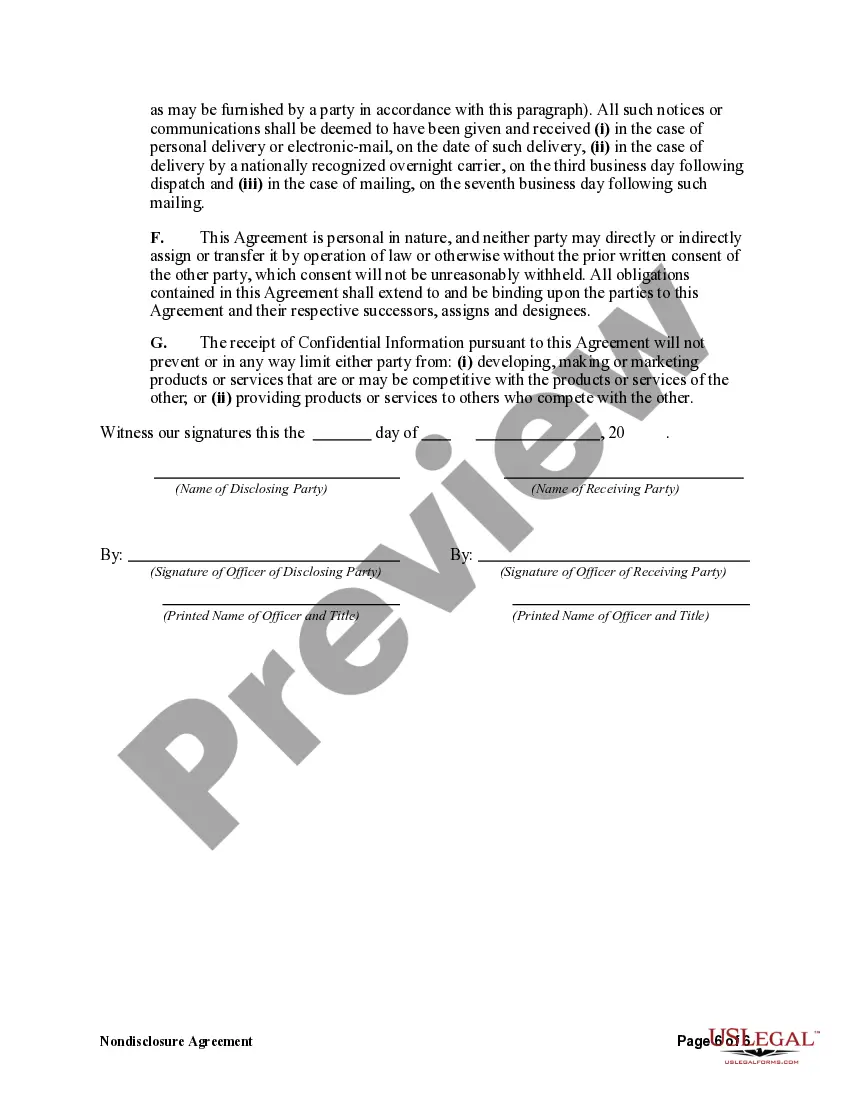

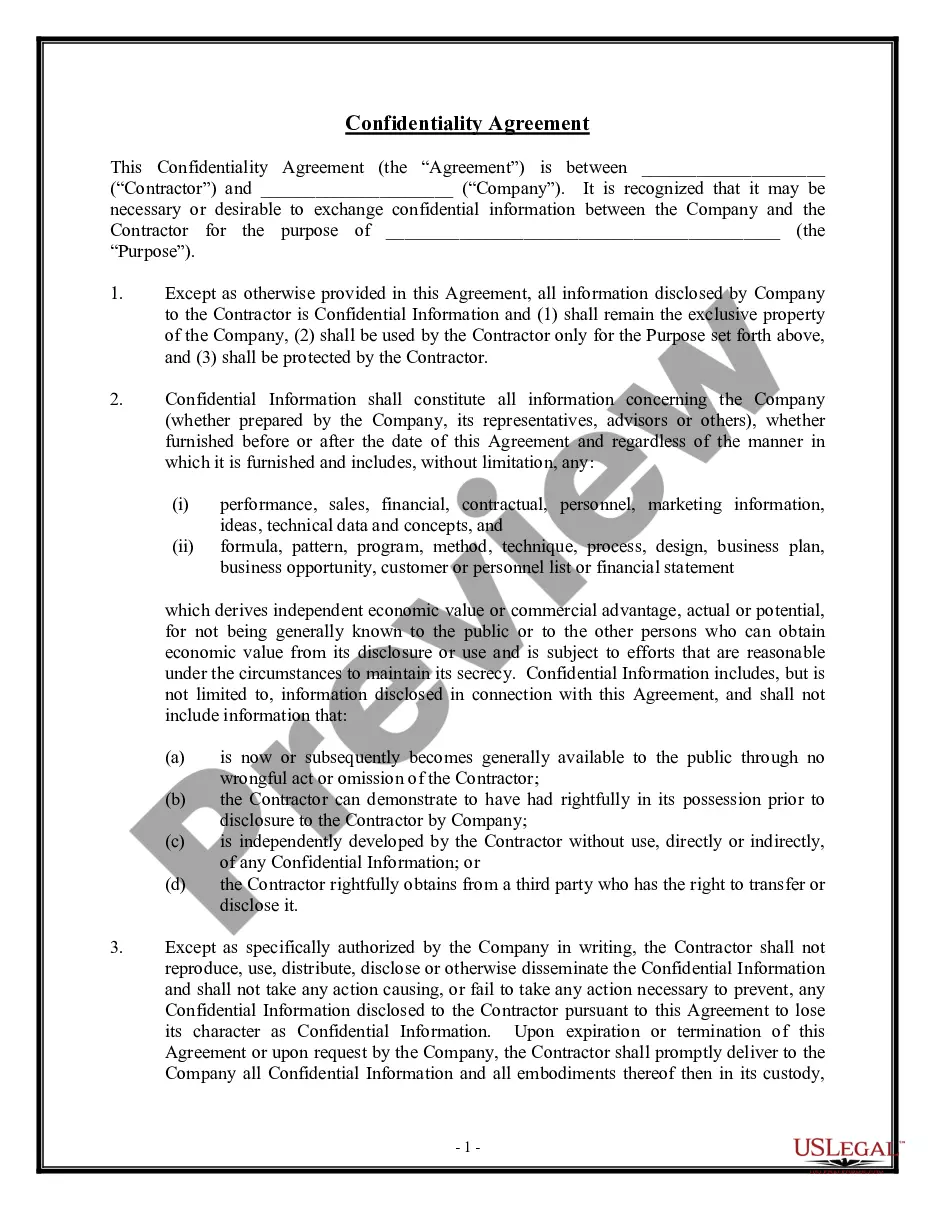
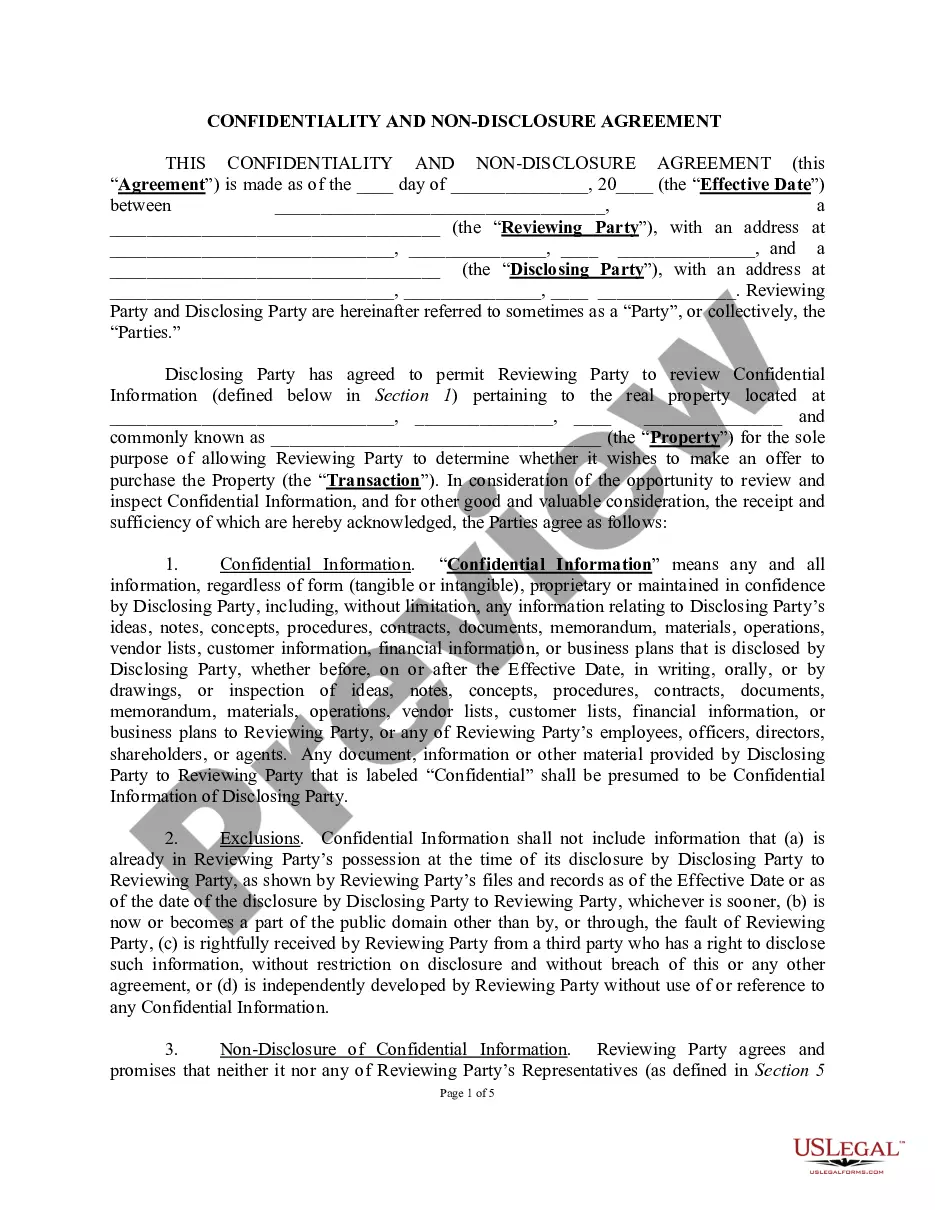
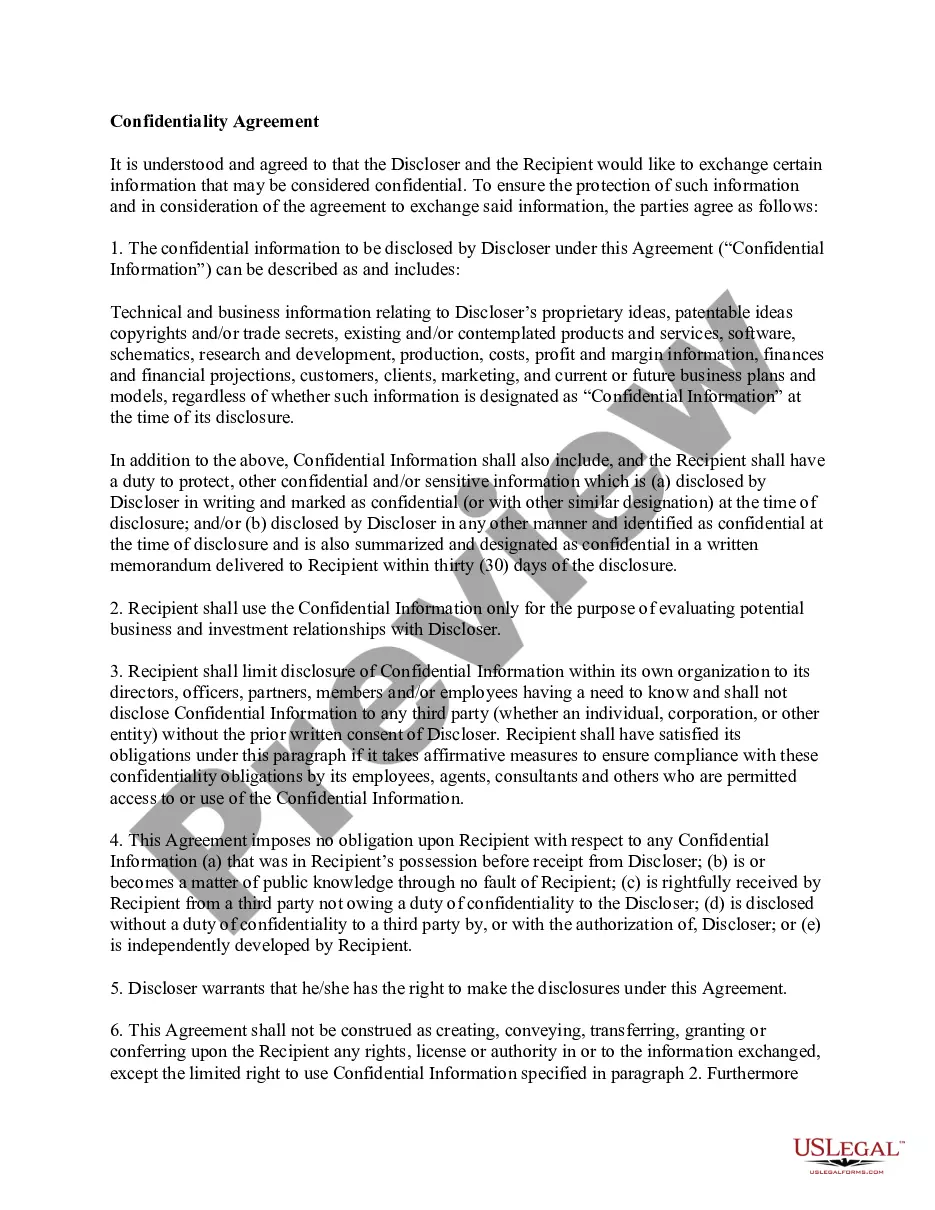
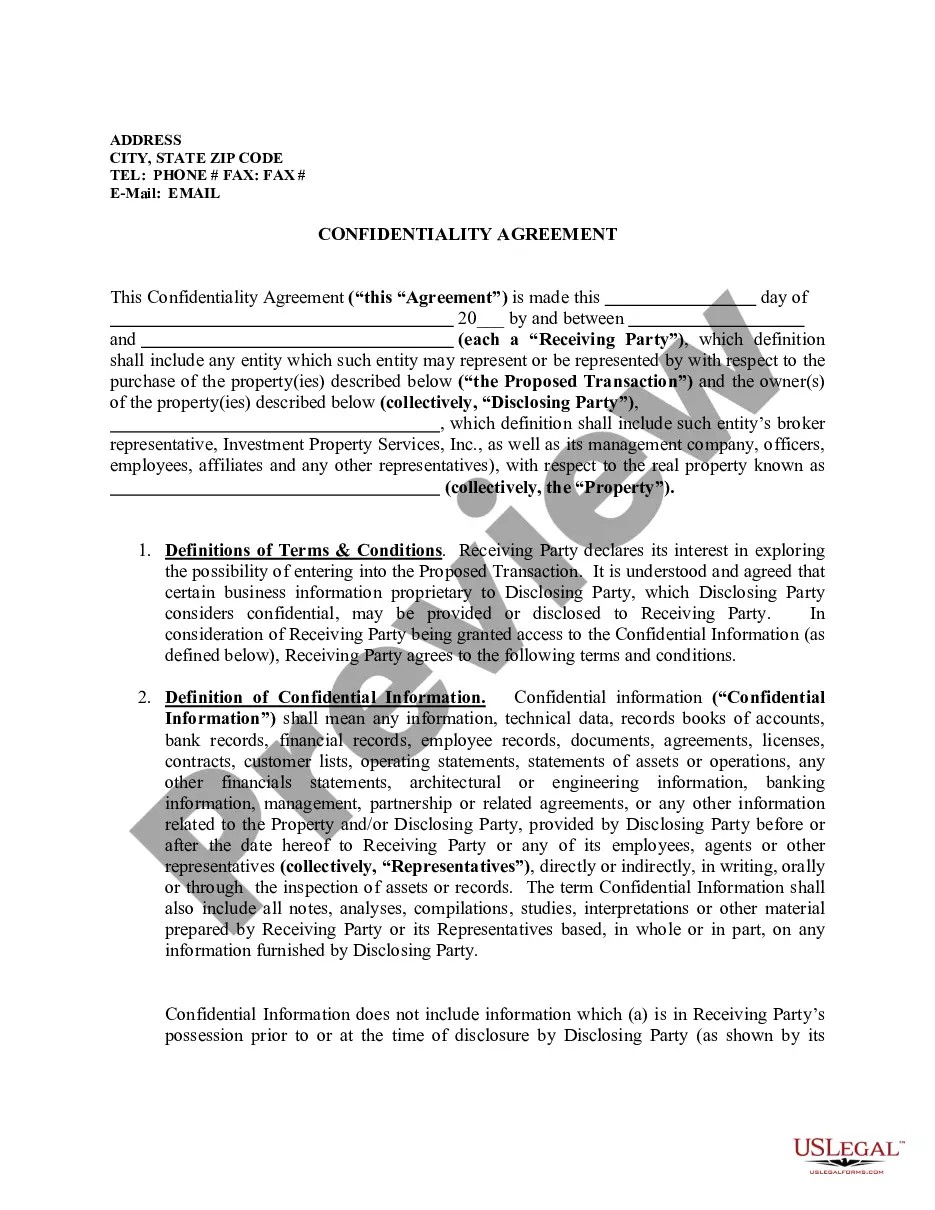



How to fill out Nondisclosure Agreement Regarding Purchase Of Business?
If you desire to aggregate, acquire, or print official document templates, utilize US Legal Forms, the largest collection of official forms, that is accessible online.
Leverage the site’s user-friendly and convenient search feature to find the documents you need.
A collection of templates for business and personal purposes are categorized by types and titles, or keywords.
Step 4. Once you have identified the form you need, click the Get now button. Select the pricing plan you prefer and input your information to register for an account.
Step 5. Proceed with the transaction. You may use your credit card or PayPal account to complete the transaction.
- Utilize US Legal Forms to obtain the Texas Nondisclosure Agreement Concerning Business Purchase in just a few clicks.
- If you are currently a US Legal Forms client, Log In to your account and press the Obtain button to get the Texas Nondisclosure Agreement Concerning Business Purchase.
- You can also access documents you previously acquired in the My documents section of your account.
- If you are utilizing US Legal Forms for the first time, consult the instructions below.
- Step 1. Ensure you have selected the form for the correct city/country.
- Step 2. Use the Preview option to inspect the form’s content. Don’t forget to read the summary.
- Step 3. If you are not satisfied with the form, use the Search bar at the top of the screen to find alternative versions of the official form template.
Form popularity
FAQ
The ownership clause of a NDA specifies that any information shared under the agreement remains the property of the disclosing party. This means that the receiving party must not use or disclose this information for personal gain or any unauthorized purpose. Understanding this clause is vital for maintaining the integrity of business operations during the acquisition process.
The NDA between a buyer and a seller outlines the terms under which confidential information can be shared during discussions about purchasing a business. It specifies what information is considered confidential and the obligations of both parties to maintain that confidentiality. This agreement is essential to safeguard business strategies, financial data, and proprietary processes.
The three main types of non-disclosure agreements include unilateral, bilateral, and multilateral NDAs. A unilateral NDA involves one party sharing confidential information, while a bilateral NDA involves both parties sharing. Multilateral NDAs are used when more than two parties are involved, ensuring that all sensitive information remains protected throughout the transaction.
In Texas, non-compete agreements can be enforceable if they meet specific criteria outlined by law. These agreements must be part of an enforceable agreement, protect legitimate business interests, and have reasonable restrictions in scope and time. Consulting a legal professional can help you understand how these elements apply to your situation.
A business sale non-disclosure agreement (NDA) is a legal contract or agreement formed by the seller and a possible buyer of a business that describes the confidential information a seller wants to disclose to that buyer with restrictions to third parties. NDA is also known as Confidentiality Agreement (CA).
Violating an NDA leaves you open to lawsuits from your employer, and you could be required to pay financial damages and possibly associated legal costs. It's illegal to reveal trade secrets or sensitive company information to a competitor.
The contractual consequences of a breach of a NDA could include a compensation claim or securing an injunction order to prevent further damage or loss arising from the breach of confidentiality.
Violating an NDA can have serious consequences NDAs are legally binding contracts. If an employee has violated an NDA, then the company may take legal action. The most common claims in NDA lawsuits include: Breach of the contract (such as the breach of NDA)
Terms within the NDA should be reasonable. If the NDA terms are too broad, courts may refuse to enforce all of them.
The primary use of NDAs is allowing businesses to maintain a competitive advantage in their industry. NDA can prevent proprietary information, such as design models, marketing strategies and customer lists, from being used by former employees, business partners, or competitors.