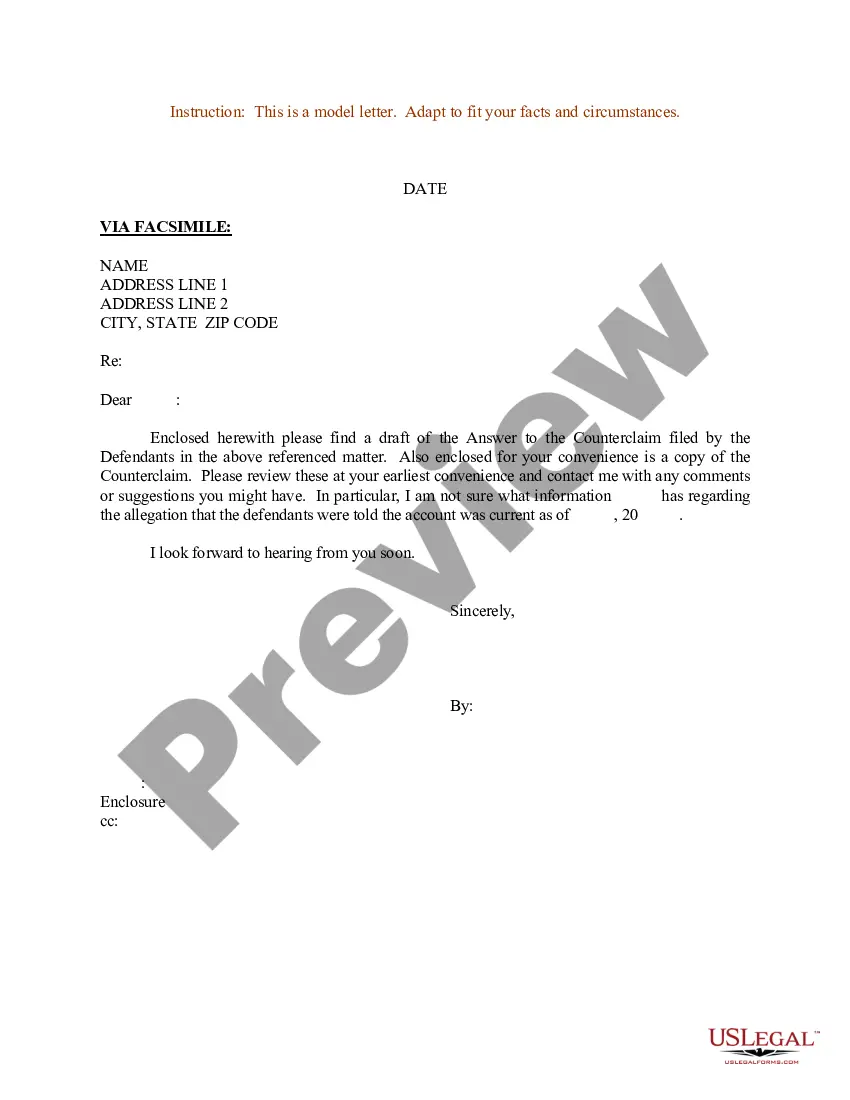
Texas Sample Letter regarding Answer to a Counterclaim
Description
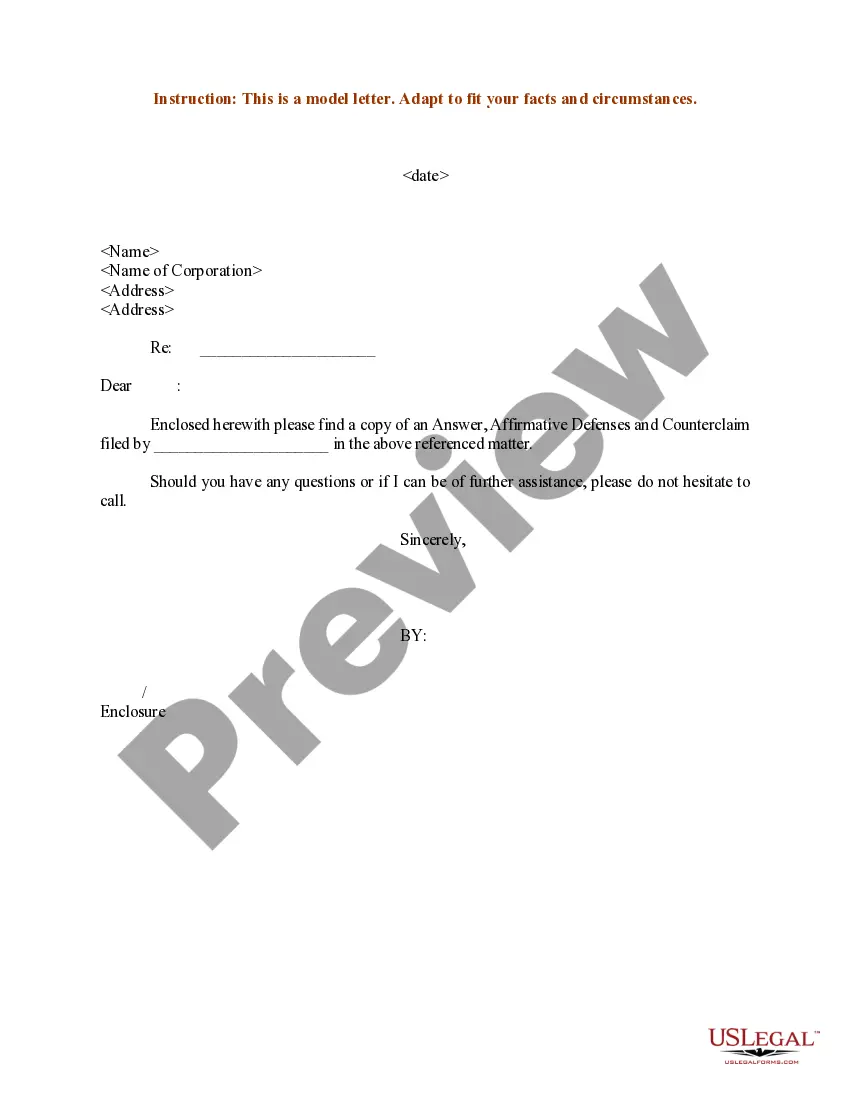
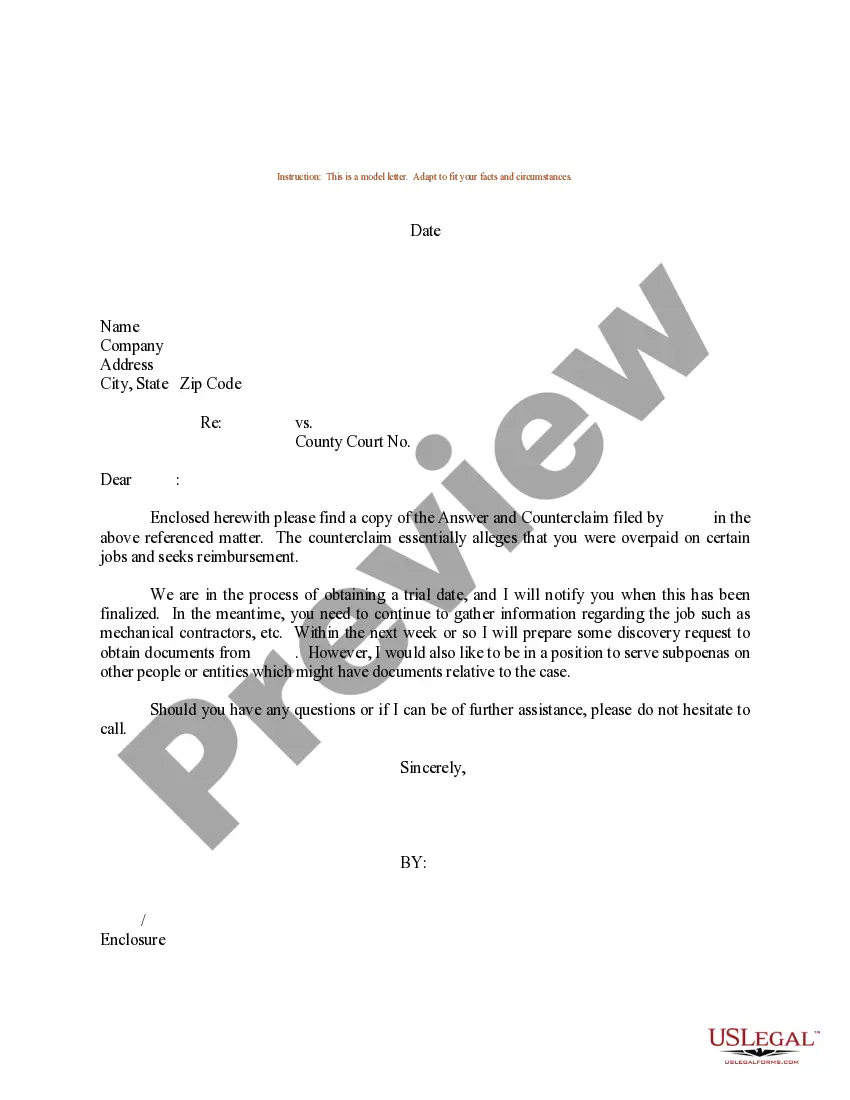
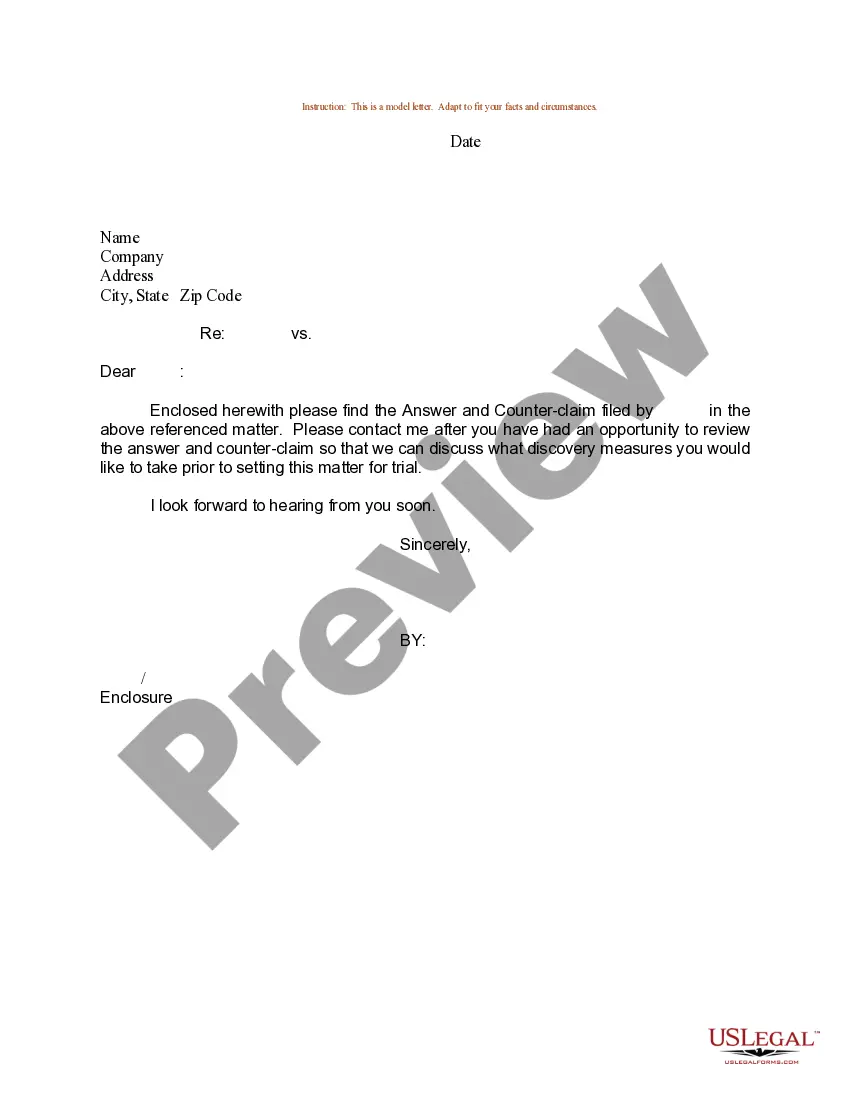

Get your form ready online
Our built-in tools help you complete, sign, share, and store your documents in one place.
Make edits, fill in missing information, and update formatting in US Legal Forms—just like you would in MS Word.
Download a copy, print it, send it by email, or mail it via USPS—whatever works best for your next step.
Sign and collect signatures with our SignNow integration. Send to multiple recipients, set reminders, and more. Go Premium to unlock E-Sign.
If this form requires notarization, complete it online through a secure video call—no need to meet a notary in person or wait for an appointment.
We protect your documents and personal data by following strict security and privacy standards.
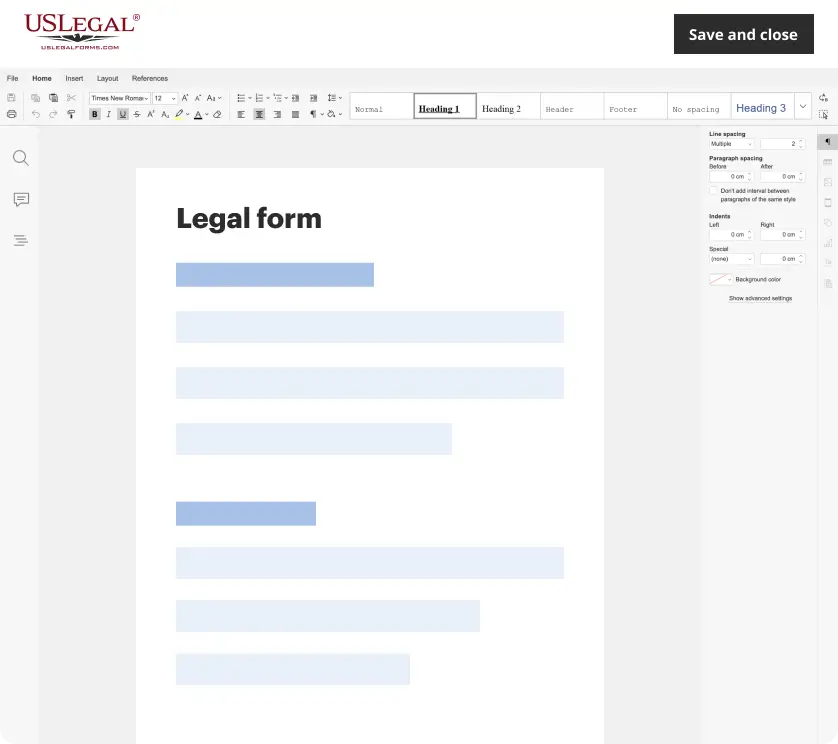
Make edits, fill in missing information, and update formatting in US Legal Forms—just like you would in MS Word.
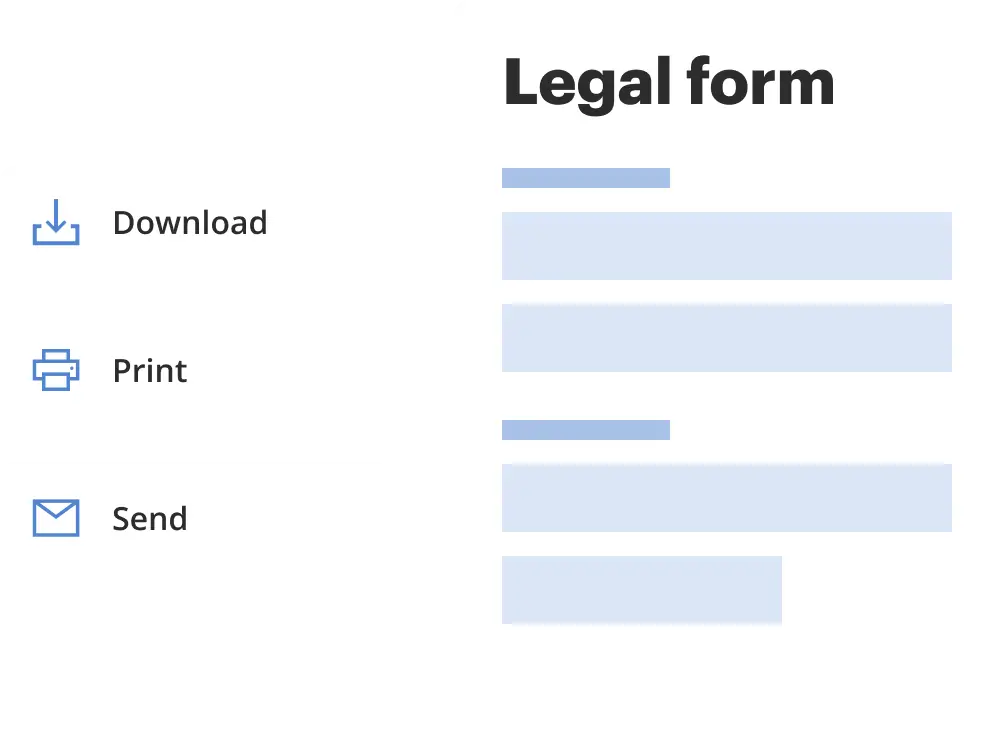
Download a copy, print it, send it by email, or mail it via USPS—whatever works best for your next step.
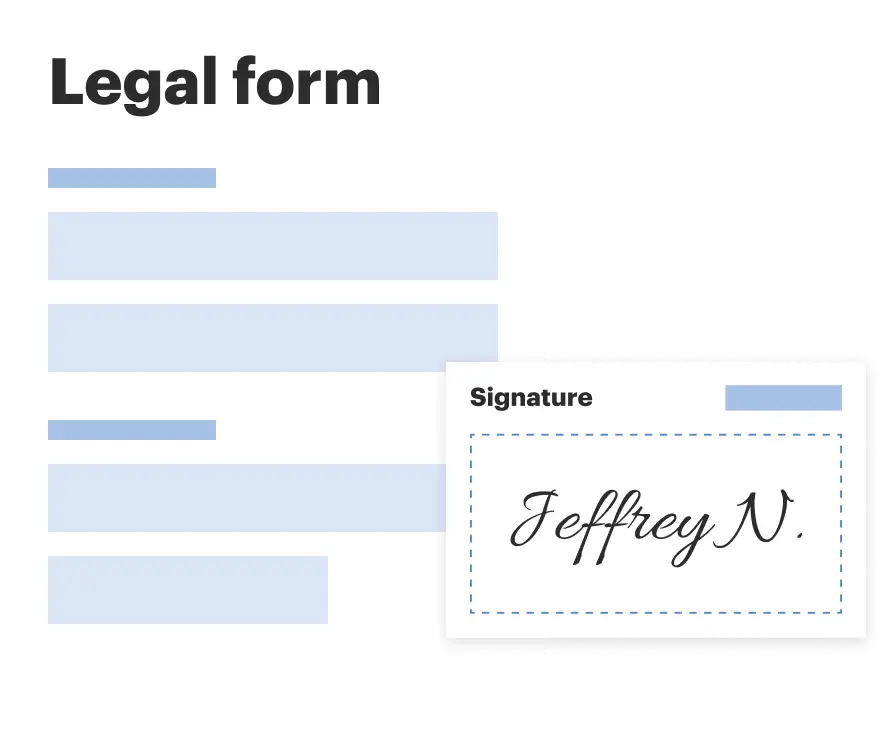
Sign and collect signatures with our SignNow integration. Send to multiple recipients, set reminders, and more. Go Premium to unlock E-Sign.
If this form requires notarization, complete it online through a secure video call—no need to meet a notary in person or wait for an appointment.
We protect your documents and personal data by following strict security and privacy standards.
Looking for another form?
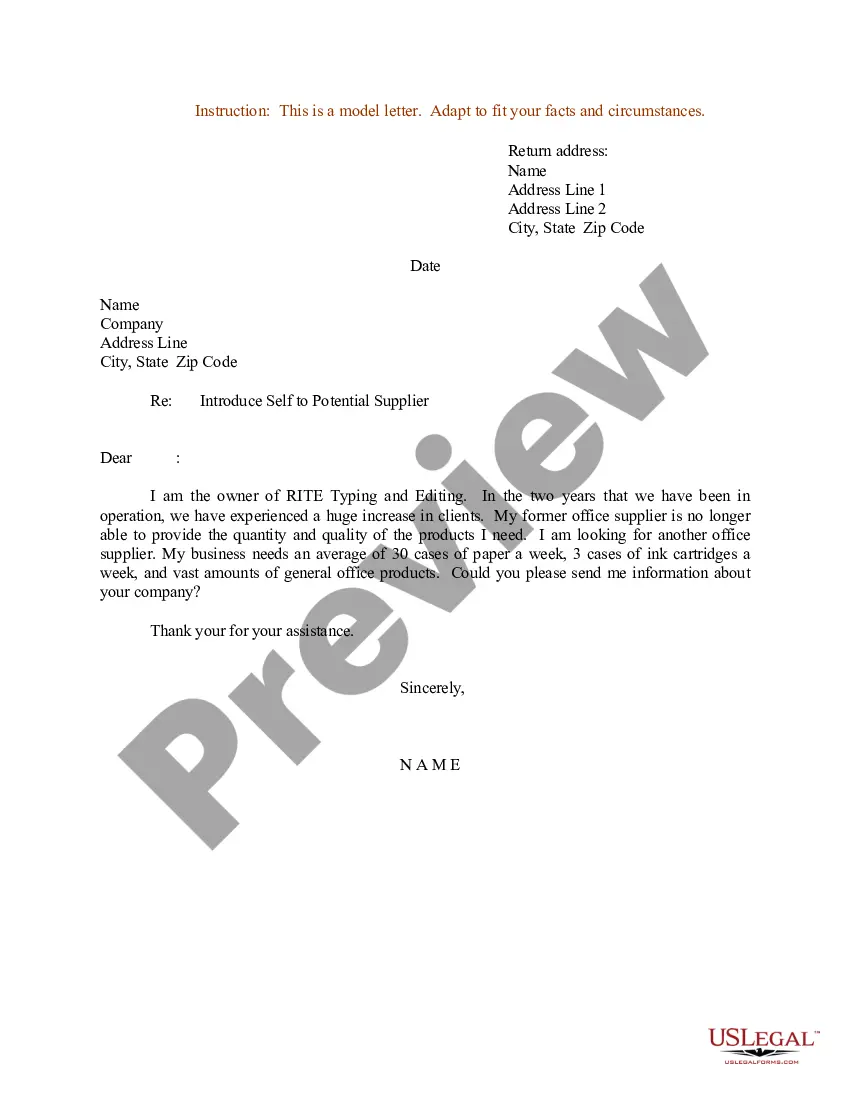
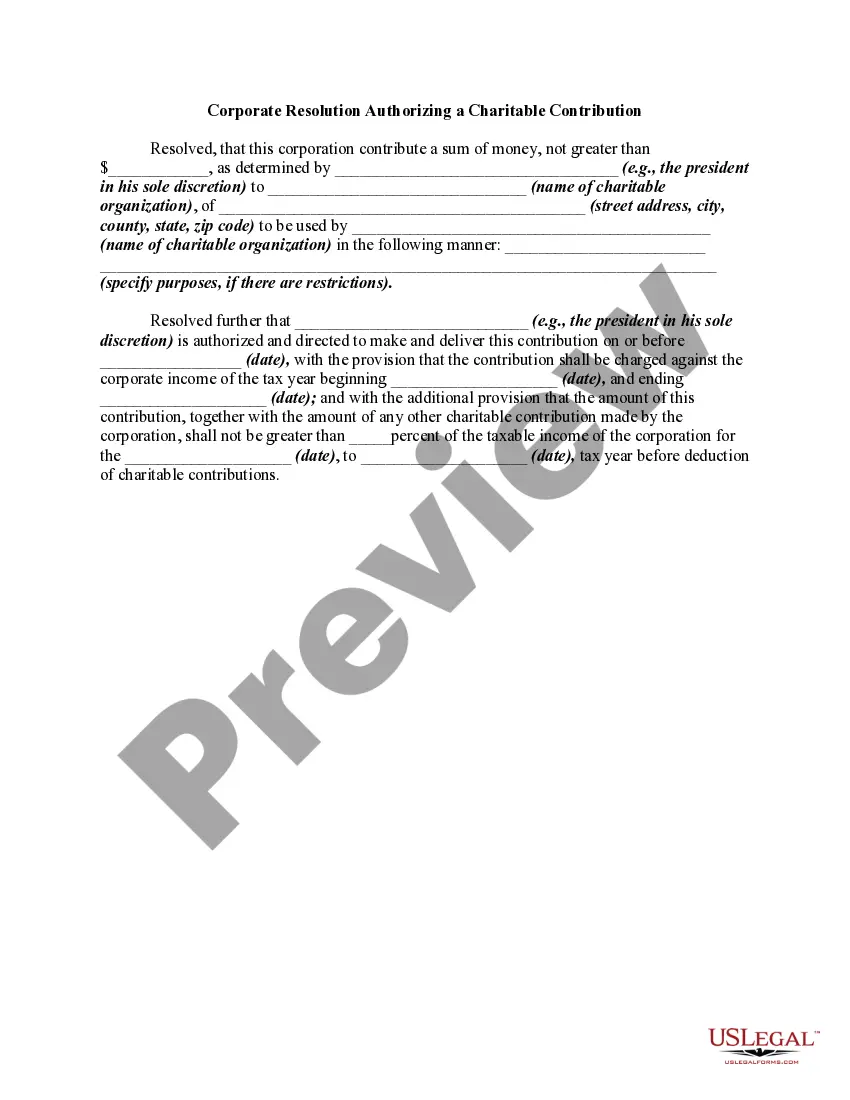






How to fill out Sample Letter Regarding Answer To A Counterclaim?
Are you currently in a situation where you need documents for either business or personal reasons almost every day.
There are numerous legal document templates accessible online, but finding forms you can trust is not simple.
US Legal Forms offers thousands of form templates, such as the Texas Sample Letter for Response to a Counterclaim, which are designed to comply with state and federal regulations.
Choose a suitable document format and download your copy.
Access all the document templates you have purchased in the My documents section. You can obtain another copy of the Texas Sample Letter for Response to a Counterclaim at any time, if needed. Just click on the required form to download or print the document template. Utilize US Legal Forms, the most extensive collection of legal forms, to save time and avoid errors. The service provides professionally crafted legal document templates that you can use for a variety of purposes. Create your account on US Legal Forms and start simplifying your life.
- If you are already acquainted with the US Legal Forms website and have an account, simply Log In.
- Then, you can download the Texas Sample Letter for Response to a Counterclaim template.
- If you do not have an account and wish to start using US Legal Forms, follow these steps.
- Locate the form you need and ensure it is for your specific city/county.
- Utilize the Review button to examine the form.
- Check the description to confirm you have selected the correct form.
- If the form is not what you’re seeking, use the Search field to find the form that fits your needs and requirements.
- Once you have the correct form, click Acquire now.
- Select the payment plan you prefer, provide the necessary information to create your account, and pay for the transaction using your PayPal or credit card.
Form popularity
FAQ
An answer to a counterclaim is a written response by a Plaintiff to a Defendant's counterclaim. The answer to counterclaim must also state defenses to each of the Defendant's counterclaims in short, plain statements.
After you file your counterclaim, a copy of the counterclaim must be delivered to each counterdefendant. This is called "service of process." The court applies the same rules to serving a counterclaim as it applies to serving the initial Small Claims Complaint.
If a counterclaim is filed, the plaintiff must be given the opportunity to respond by filing a reply.
The defendant must file a counterclaim petition as provided in Rule 502.2, and must pay a filing fee or provide a Statement of Inability to Afford Payment of Court Costs. The court need not generate a citation for a counterclaim and no answer to the counterclaim need be filed.
If you are served with a Counterclaim (Small Claims), one of your options is to simply pay the money that the counterclaimant is seeking. You can also try to negotiate with the counterclaimant to resolve the case.
You should respond to the counterclaim as though it were a Statement of Claim and you were drafting a Defence: respond to every paragraph ? you can do this paragraph by paragraph if necessary; deny any allegations of fact that you do not admit ? you will be deemed to admit facts that you forget to plead to; and.
After making your counterclaim, you need to finish by providing a rebuttal. This is when you provide evidence to show why the counterclaim is wrong, or at least why it doesn't make your argument wrong.
File (turn in) your completed answer form with the court. To file online, go to E-File Texas ( ) [11] and follow the instructions. To file in person, take your answer (and copies) to the district clerk's office in the county where the plaintiff filed the case.