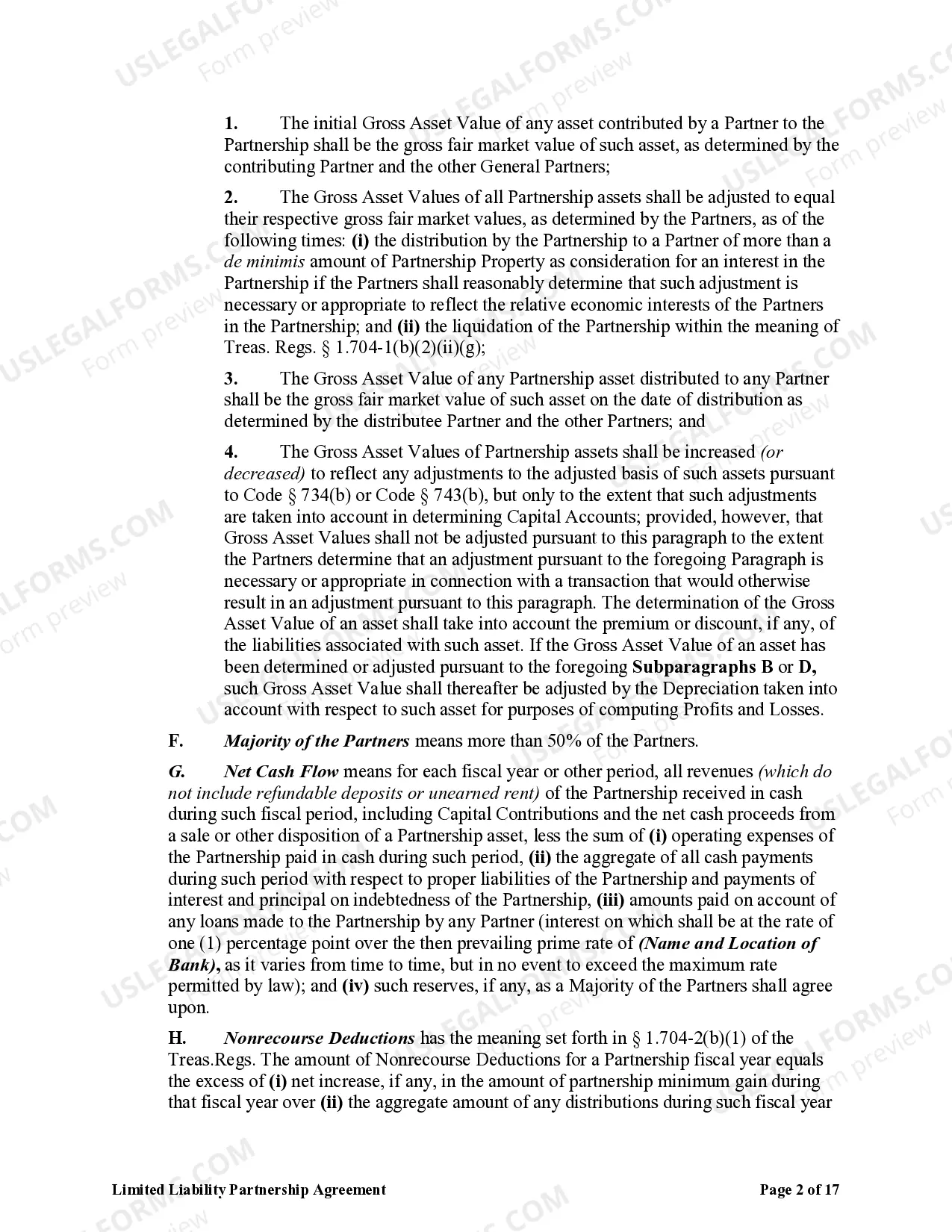
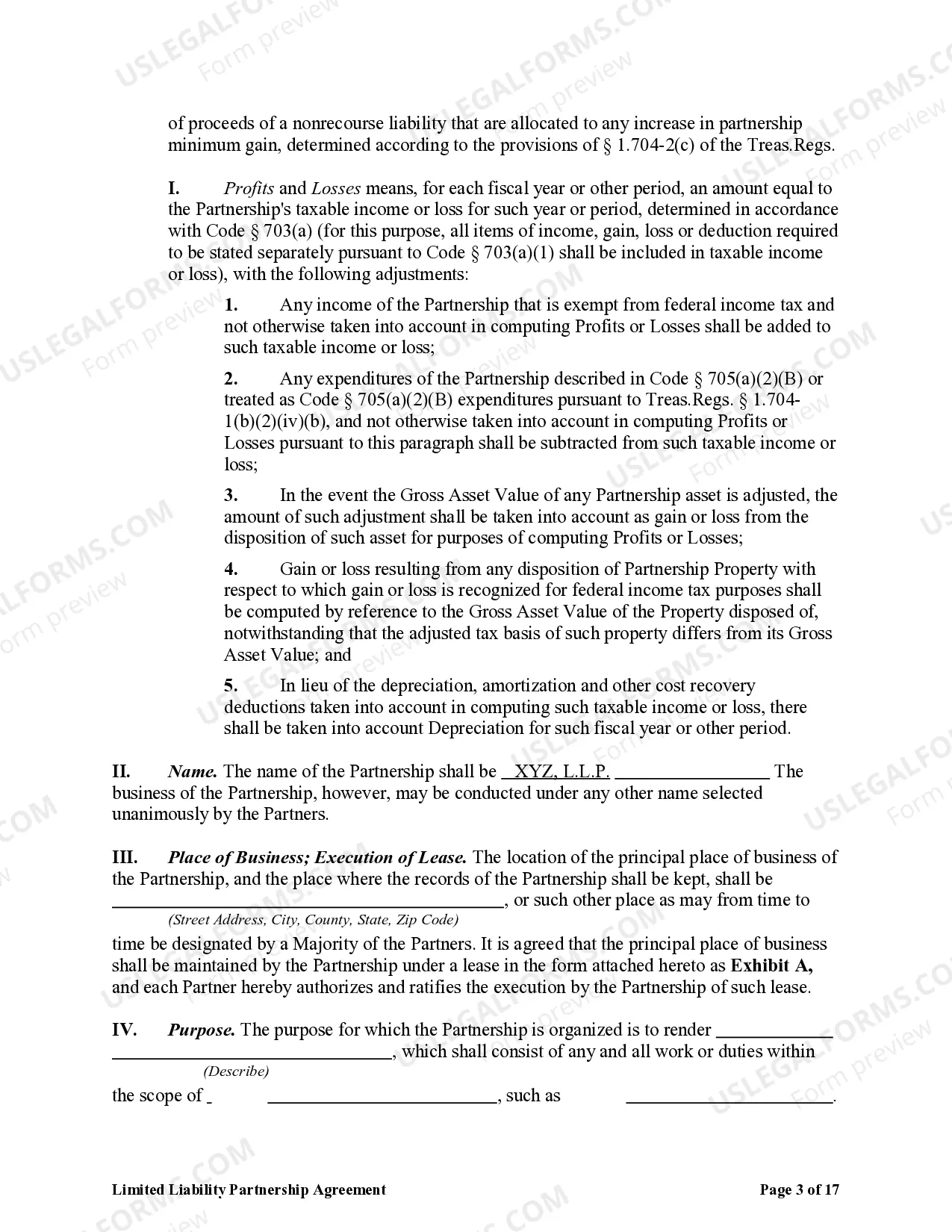
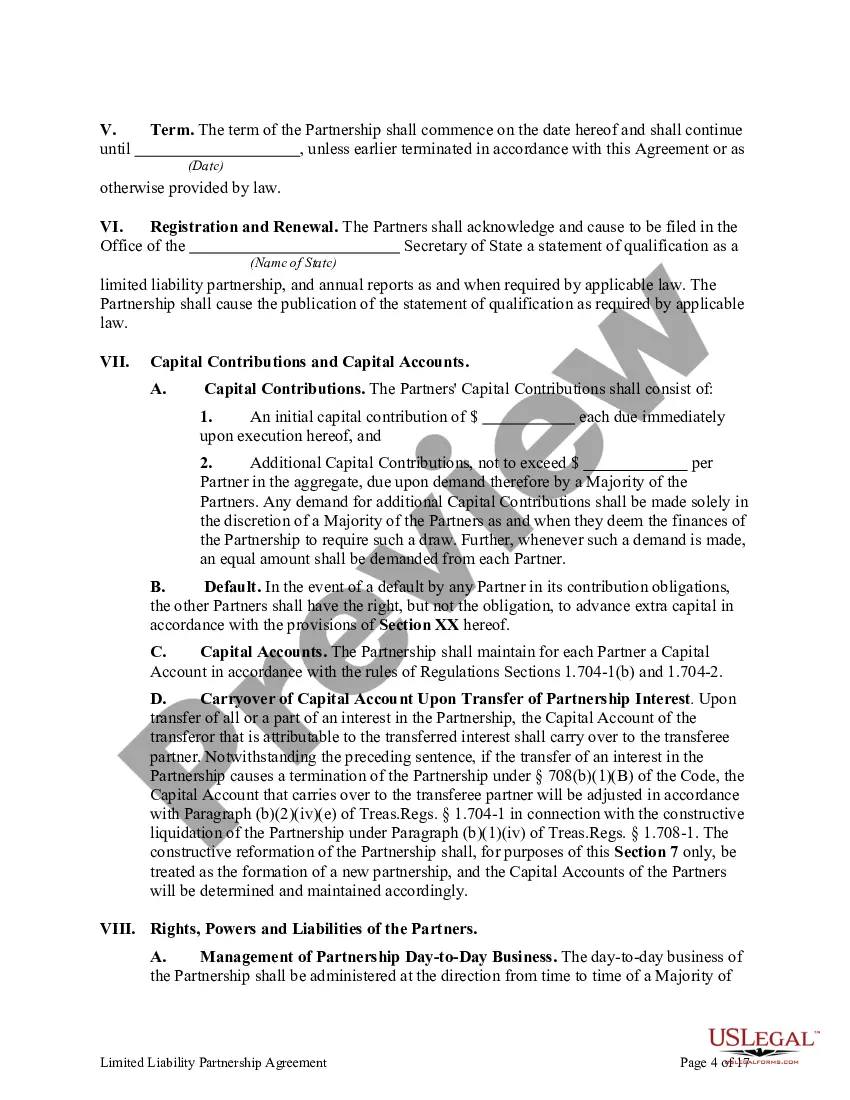
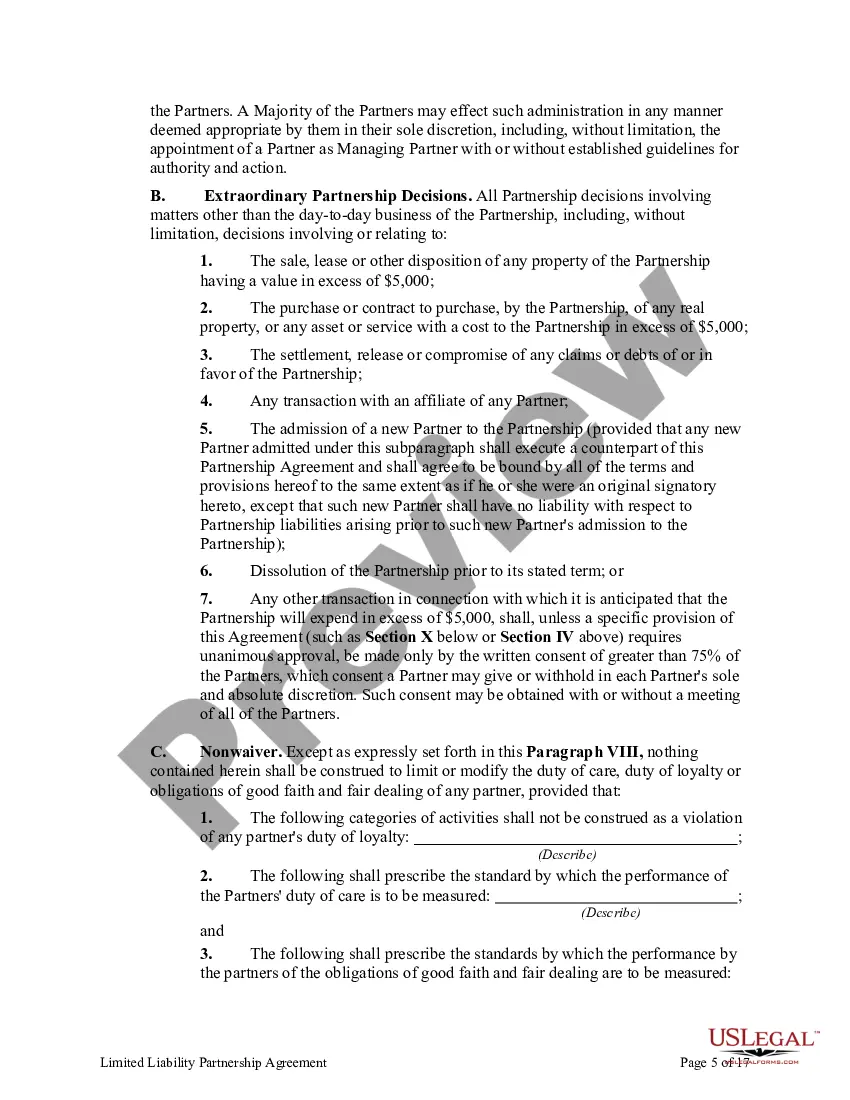
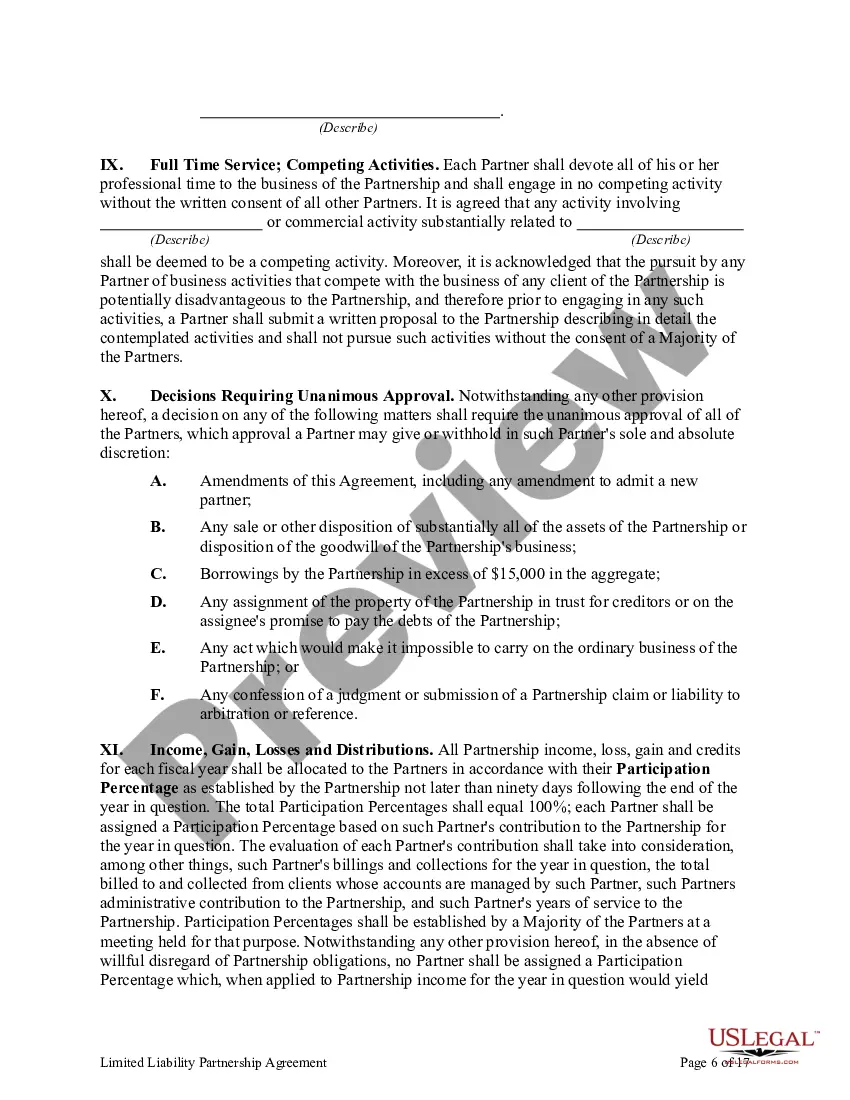
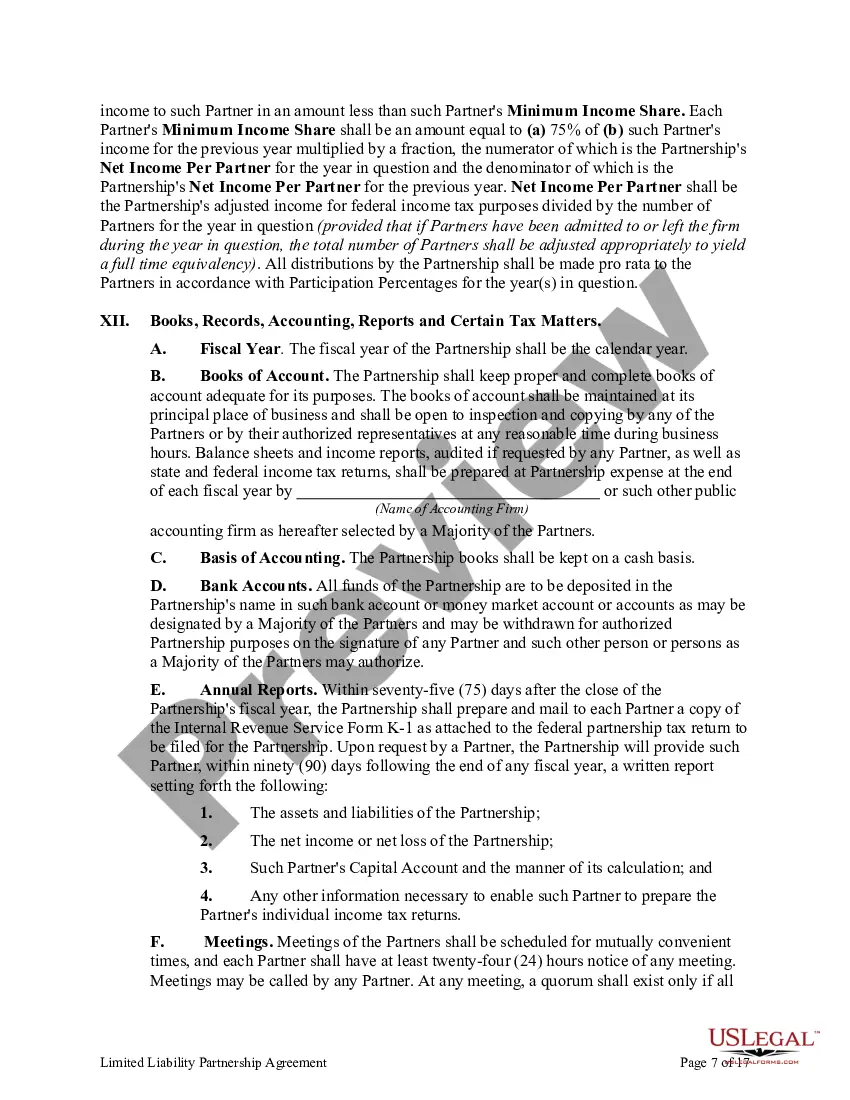
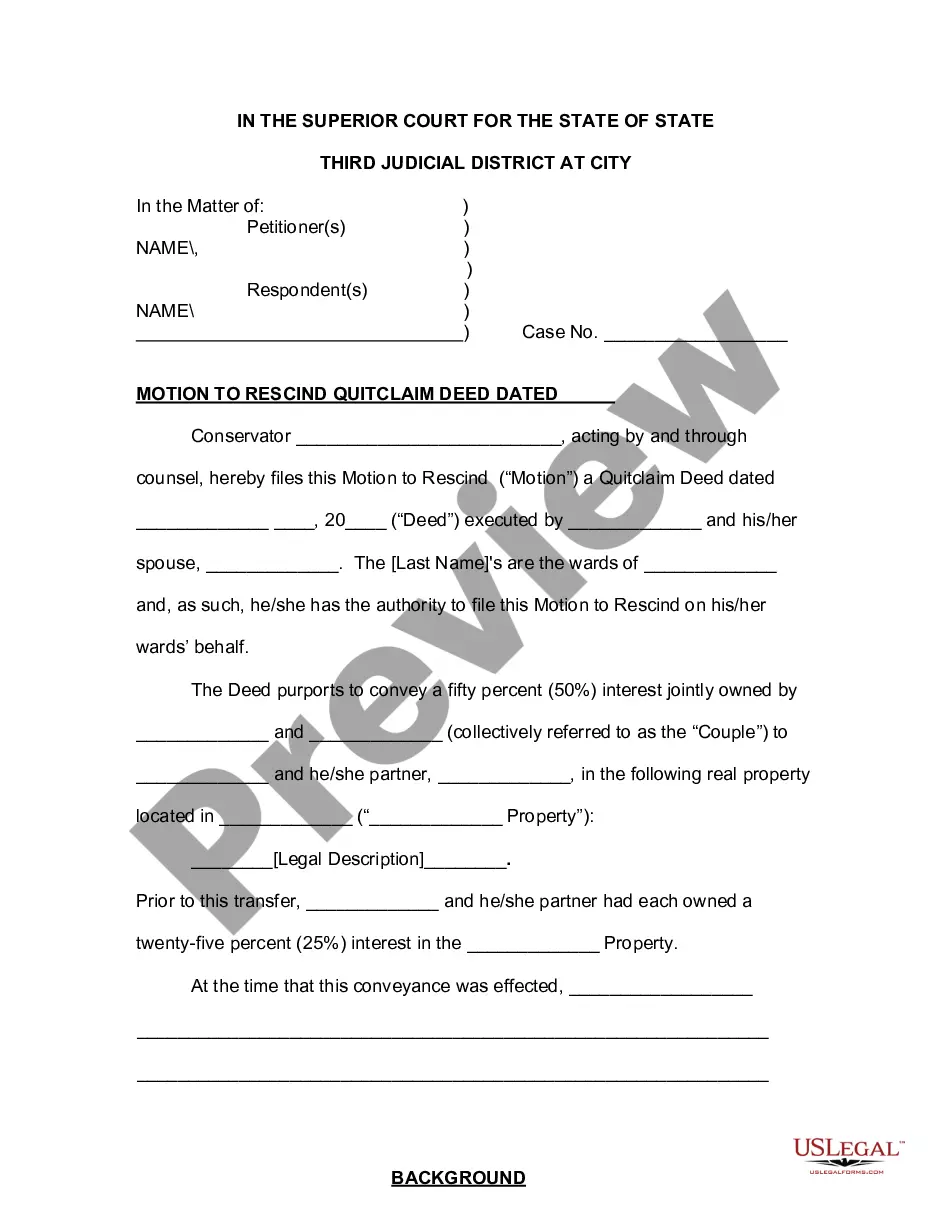
Texas Limited Liability Partnership Agreement
Description
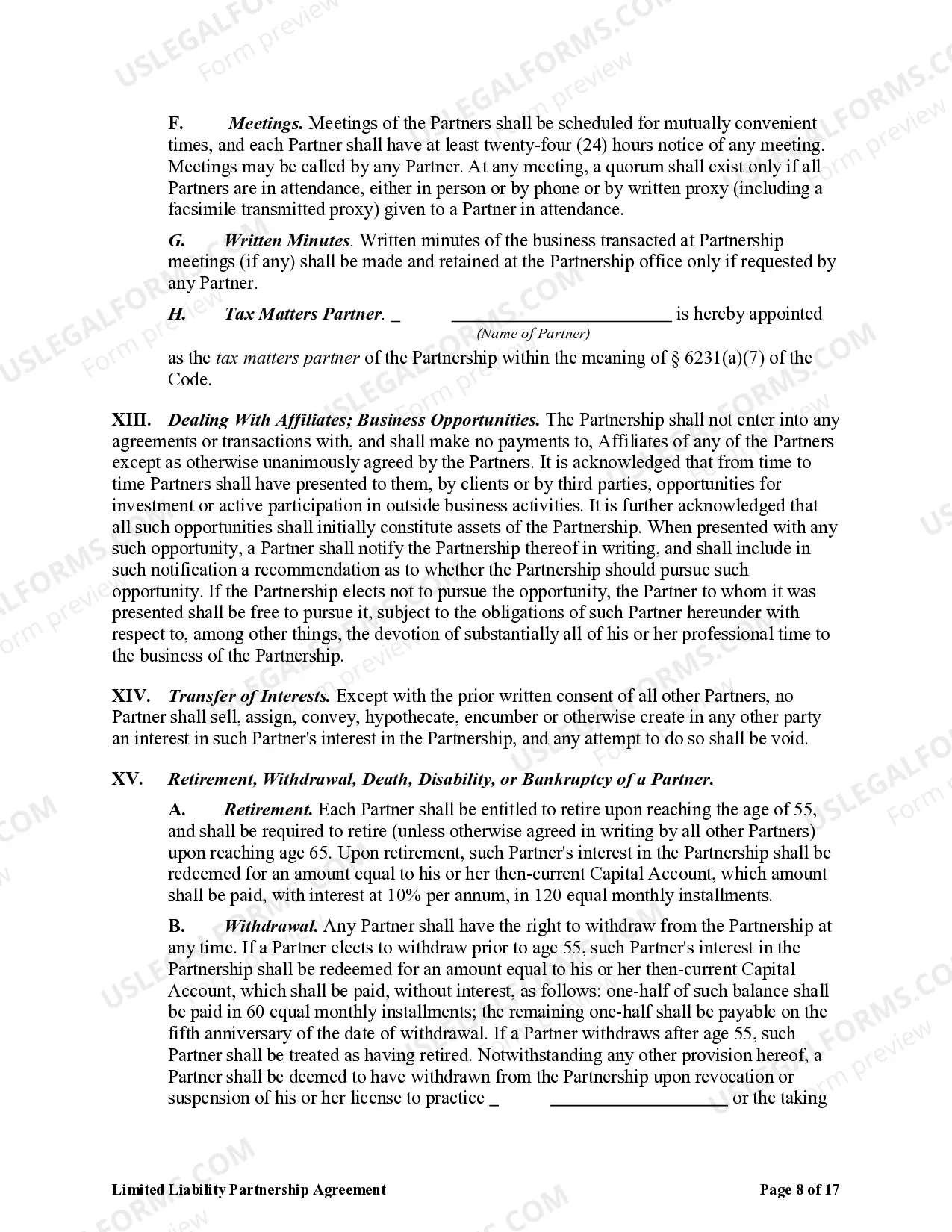
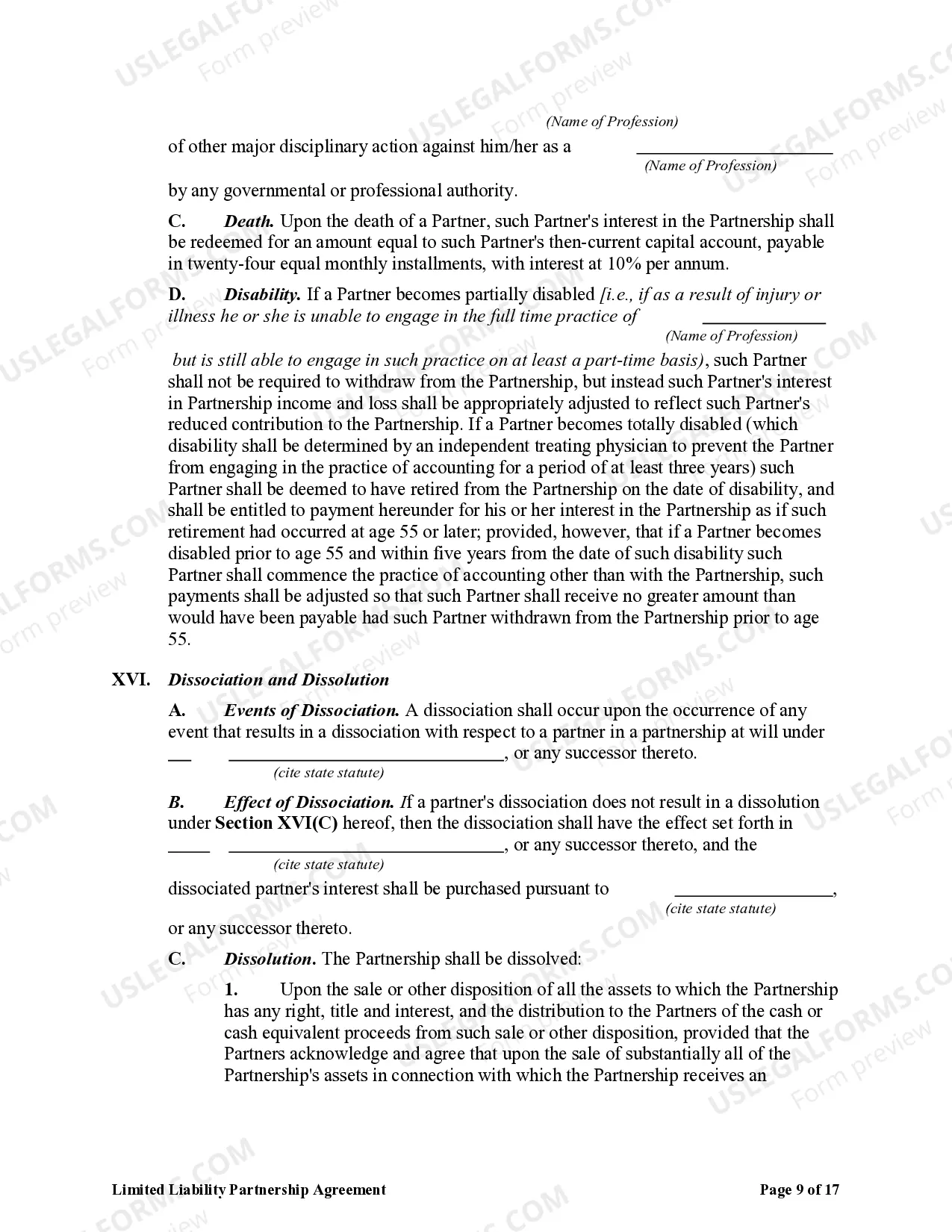
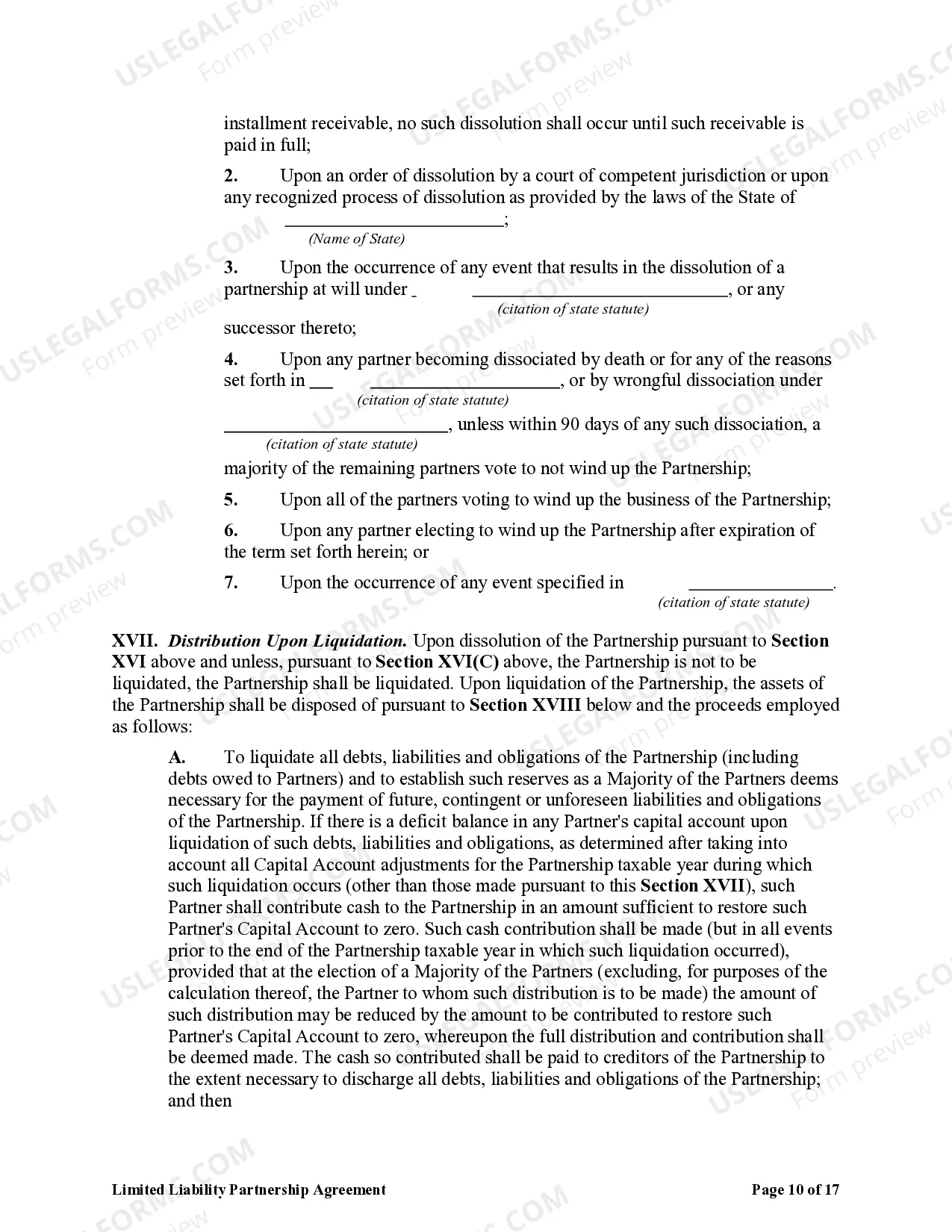

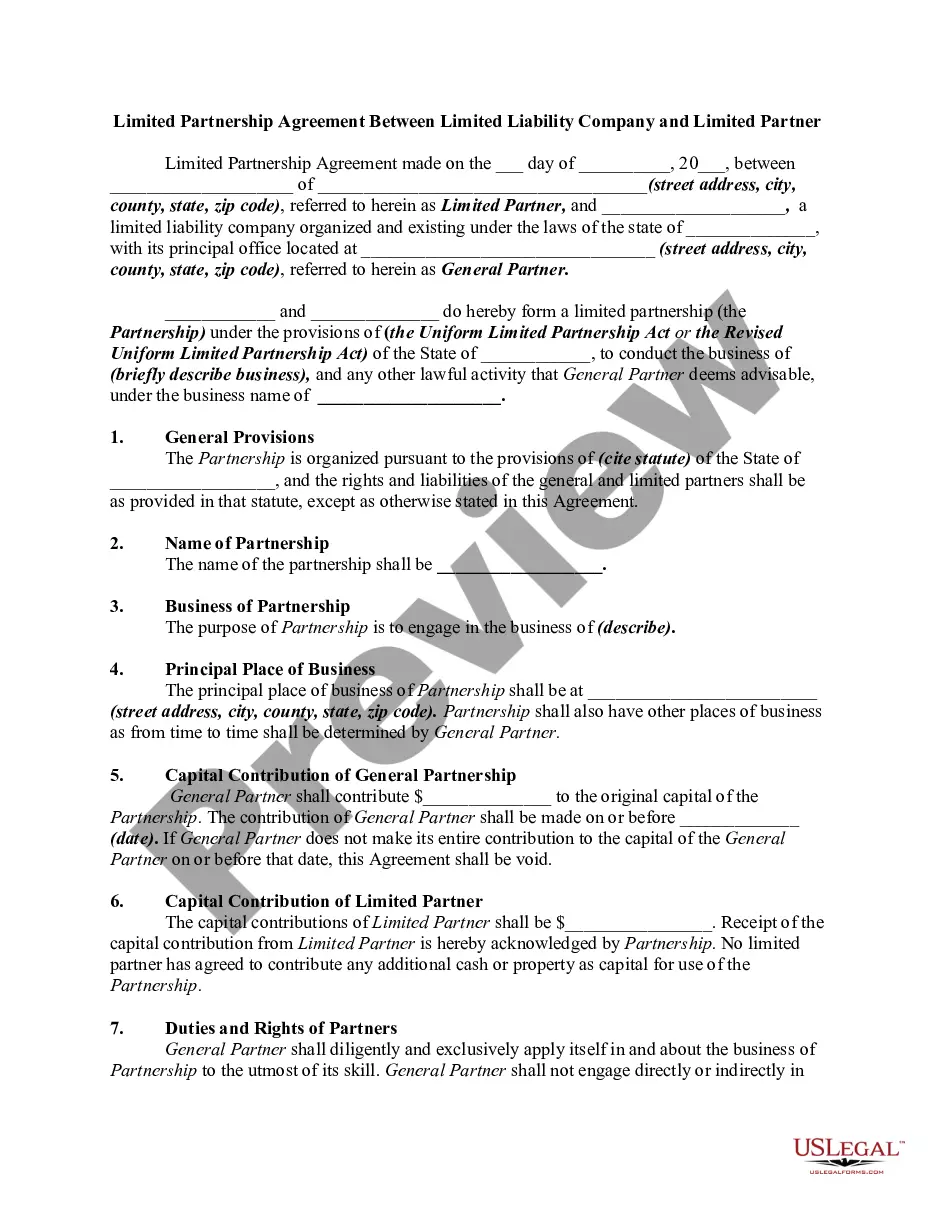
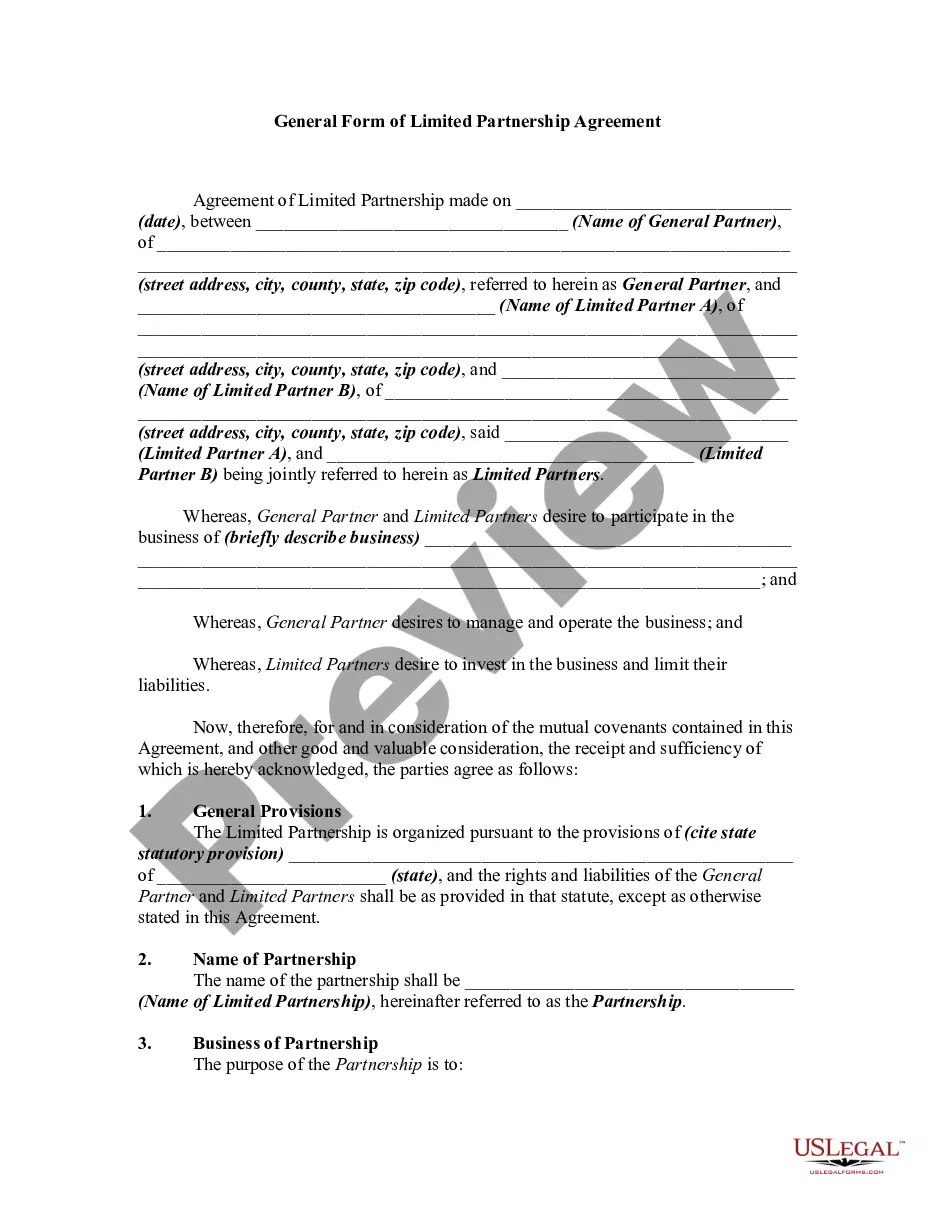
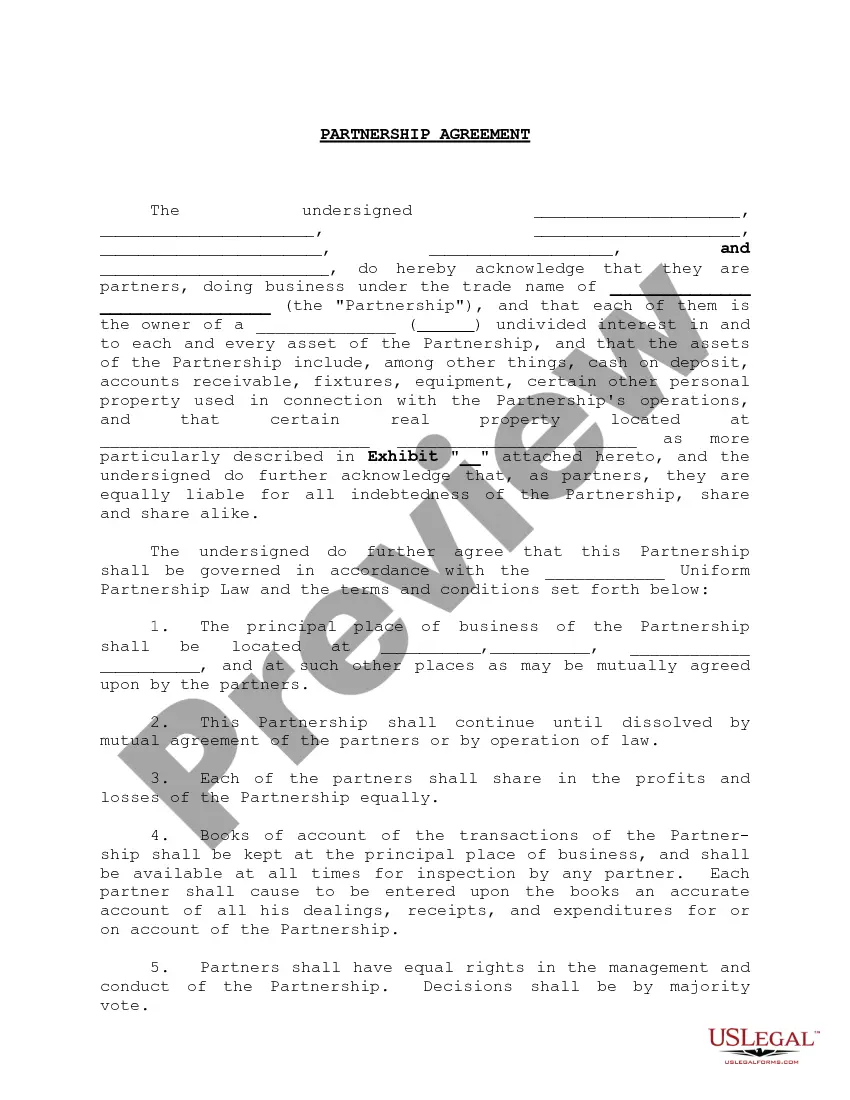
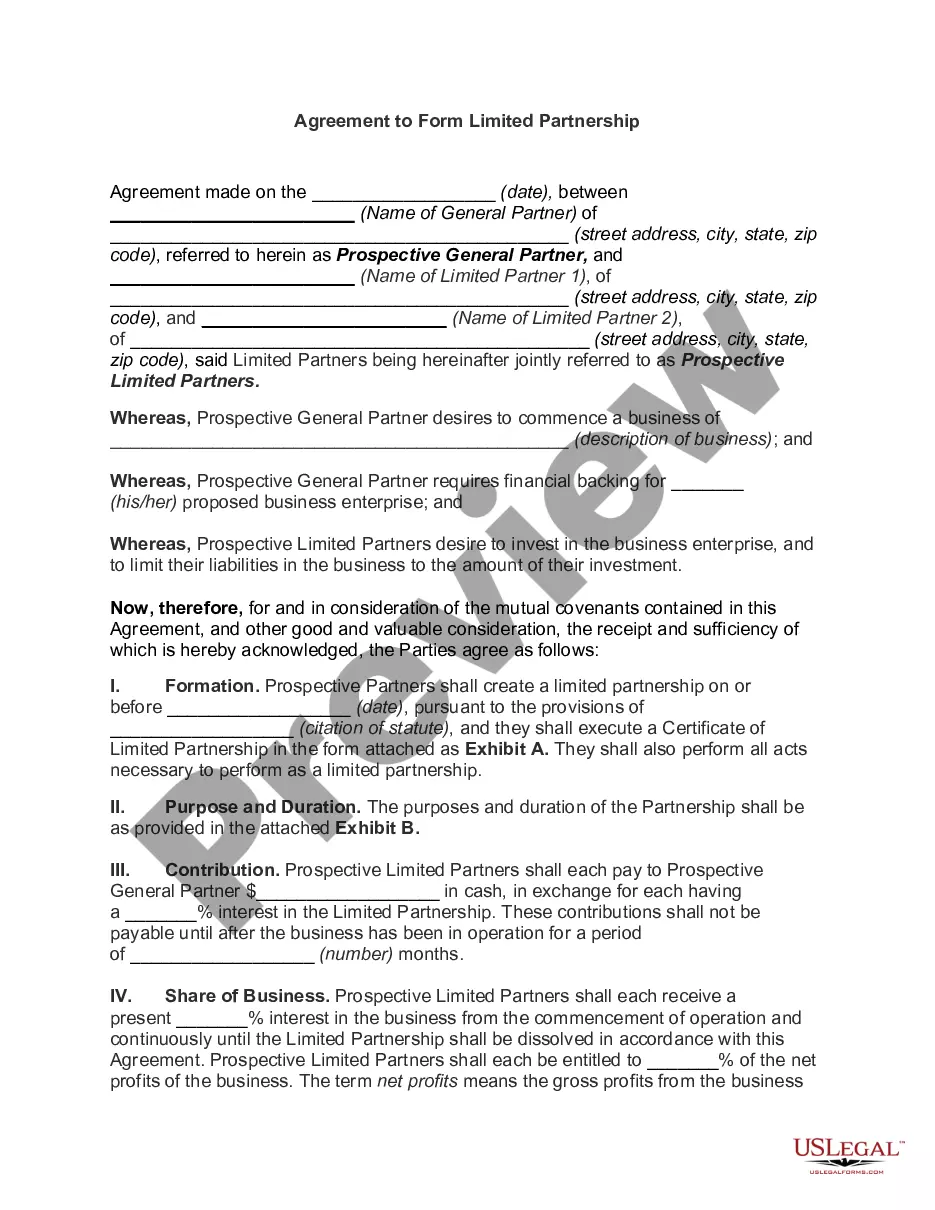
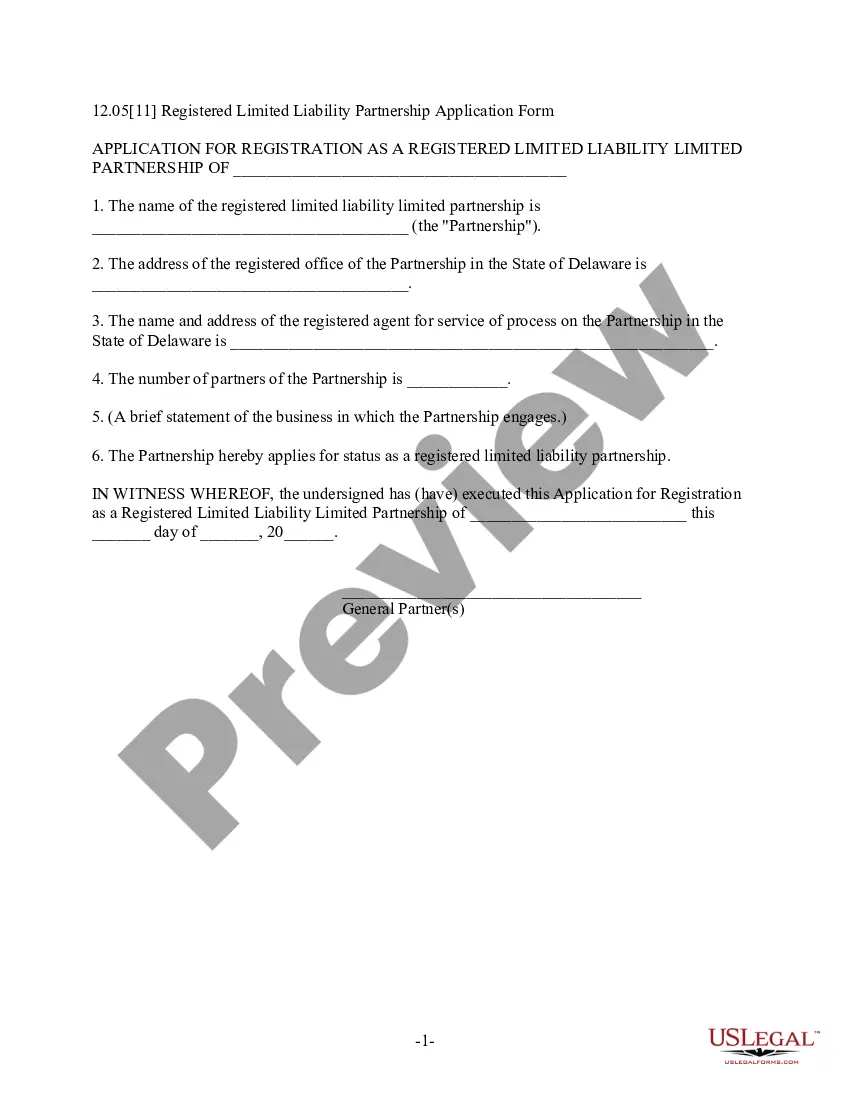
Get your form ready online
Our built-in tools help you complete, sign, share, and store your documents in one place.
Make edits, fill in missing information, and update formatting in US Legal Forms—just like you would in MS Word.
Download a copy, print it, send it by email, or mail it via USPS—whatever works best for your next step.
Sign and collect signatures with our SignNow integration. Send to multiple recipients, set reminders, and more. Go Premium to unlock E-Sign.
If this form requires notarization, complete it online through a secure video call—no need to meet a notary in person or wait for an appointment.
We protect your documents and personal data by following strict security and privacy standards.

Make edits, fill in missing information, and update formatting in US Legal Forms—just like you would in MS Word.

Download a copy, print it, send it by email, or mail it via USPS—whatever works best for your next step.

Sign and collect signatures with our SignNow integration. Send to multiple recipients, set reminders, and more. Go Premium to unlock E-Sign.

If this form requires notarization, complete it online through a secure video call—no need to meet a notary in person or wait for an appointment.

We protect your documents and personal data by following strict security and privacy standards.
Looking for another form?








How to fill out Limited Liability Partnership Agreement?
US Legal Forms - one of the largest collections of legal documents in the United States - offers an extensive selection of legal document templates that you can download or print.
On the website, you can obtain thousands of forms for business and personal purposes, sorted by categories, states, or keywords. You can find the latest forms like the Texas Limited Liability Partnership Agreement in moments.
If you already have an account, Log In to download the Texas Limited Liability Partnership Agreement from the US Legal Forms library. The Download button will appear on every form you access. You will have access to all previously acquired forms in the My documents tab of your account.
Complete the transaction. Use your credit card or PayPal account to finalize the transaction.
Choose the file format and download the form to your device. Edit. Fill, modify, print, and sign the downloaded Texas Limited Liability Partnership Agreement. Each template saved in your account has no expiration date and is yours permanently. Therefore, if you wish to download or print another copy, just go to the My documents section and click on the form you need.
- Ensure you have selected the correct form for your city/state.
- Click the Preview button to review the form's content.
- Check the form description to confirm you have chosen the right document.
- If the form doesn't meet your needs, use the Search box at the top of the page to find the one that does.
- Once you are satisfied with the form, affirm your choice by clicking the Get now button.
- Then, select your preferred payment plan and provide your credentials to register for an account.
Form popularity
FAQ
Writing a limited partnership agreement involves outlining the roles and responsibilities of each partner within the partnership. Start by detailing the partnership name, purpose, and contributions of each partner. It’s essential to include terms regarding profit sharing, decision-making processes, and exit strategies. Utilizing resources like US Legal Forms can simplify this process by providing structured templates specifically for a Texas Limited Liability Partnership Agreement.
Yes, an out-of-state LLC must register with the Texas Secretary of State if it wishes to conduct business in Texas. This ensures that your LLC complies with Texas laws and protects your business interests. Luckily, USLegalForms can assist you in understanding the necessary steps to ensure proper registration.
Filing an LLC in Texas involves submitting the Certificate of Formation to the Texas Secretary of State. You must include essential information about your LLC, such as its name and registered agent. Again, USLegalForms can support you with your filing needs, offering user-friendly resources to navigate the process.
Yes, limited partnerships must be registered in Texas. This formal registration helps delineate the roles of general and limited partners while providing legal protections. Proper registration ensures compliance with the Texas Limited Liability Partnership Agreement requirements.
To form a Texas Limited Liability Partnership, you must first choose a unique name that complies with state regulations. Next, file a Certificate of Formation with the Texas Secretary of State. Utilizing a platform like USLegalForms can simplify this process, providing templates and resources tailored for Texas partnerships.
Yes, all partnerships, including those operating as Texas Limited Liability Partnerships, must file with the state. This step is crucial for official recognition and to maintain liability protections. Filing not only conveys legitimacy but also provides essential protections under Texas law.
Yes, forming a Texas Limited Liability Partnership requires registration with the Texas Secretary of State. This registration solidifies your partnership's legal status and ensures compliance with state laws. By filing the necessary paperwork, you can enjoy the benefits of limited liability, protecting personal assets from business debts.
Yes, an LLC can function as a partnership in Texas. When it has multiple members, it operates similarly to a partnership, offering flexibility in management and limited liability protection for all members. This structure can provide various tax benefits as well. If you're considering this route, drafting a Texas Limited Liability Partnership Agreement can help clarify the roles and responsibilities of each member.
A general partnership in Texas involves two or more individuals who manage business operations and share profits and losses collectively, with unlimited personal liability. In contrast, a limited partnership includes both general partners, who manage the business and assume full liability, and limited partners, who have restricted liability and do not manage operations. Understanding these differences is crucial, especially when creating your Texas Limited Liability Partnership Agreement.
In Texas, an LLP must have at least two partners and must file a Certificate of Formation with the Secretary of State to register. Partners in an LLP enjoy liability protection from the debts or obligations of the partnership, provided they do not engage in wrongful actions. Additionally, an LLP must comply with state regulations, including annual reporting requirements. To ensure compliance, crafting a Texas Limited Liability Partnership Agreement is beneficial.