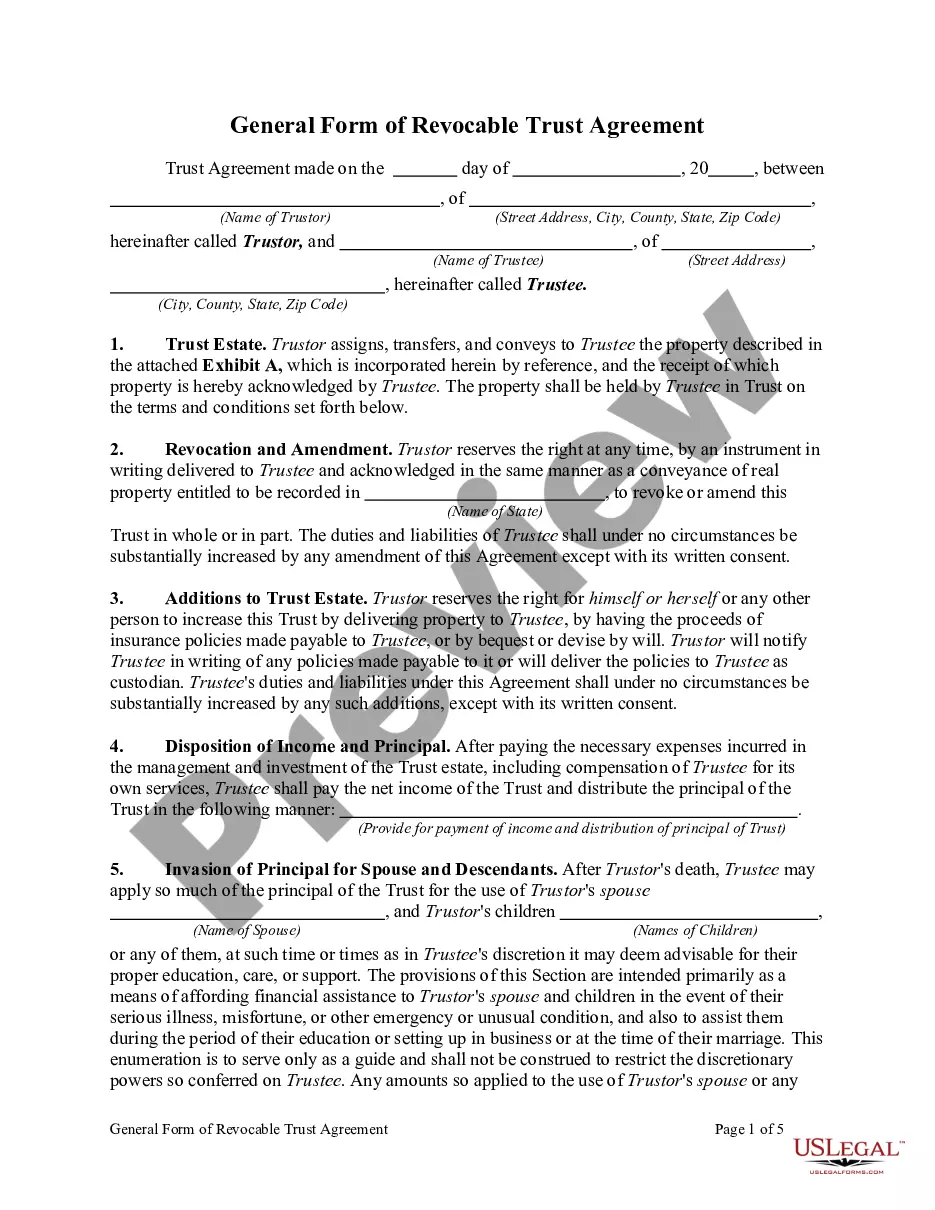
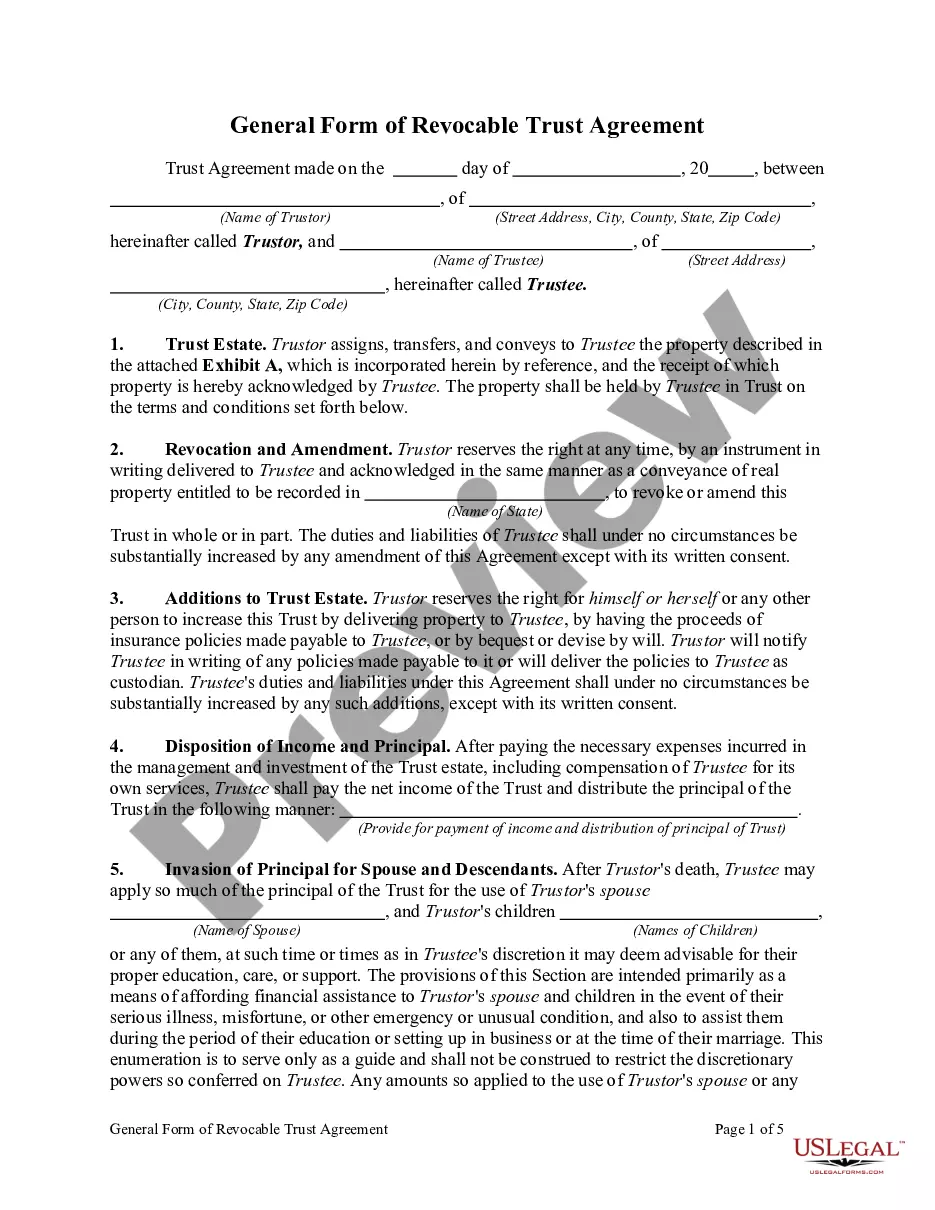
Texas Revocable Living Trust for House
Description
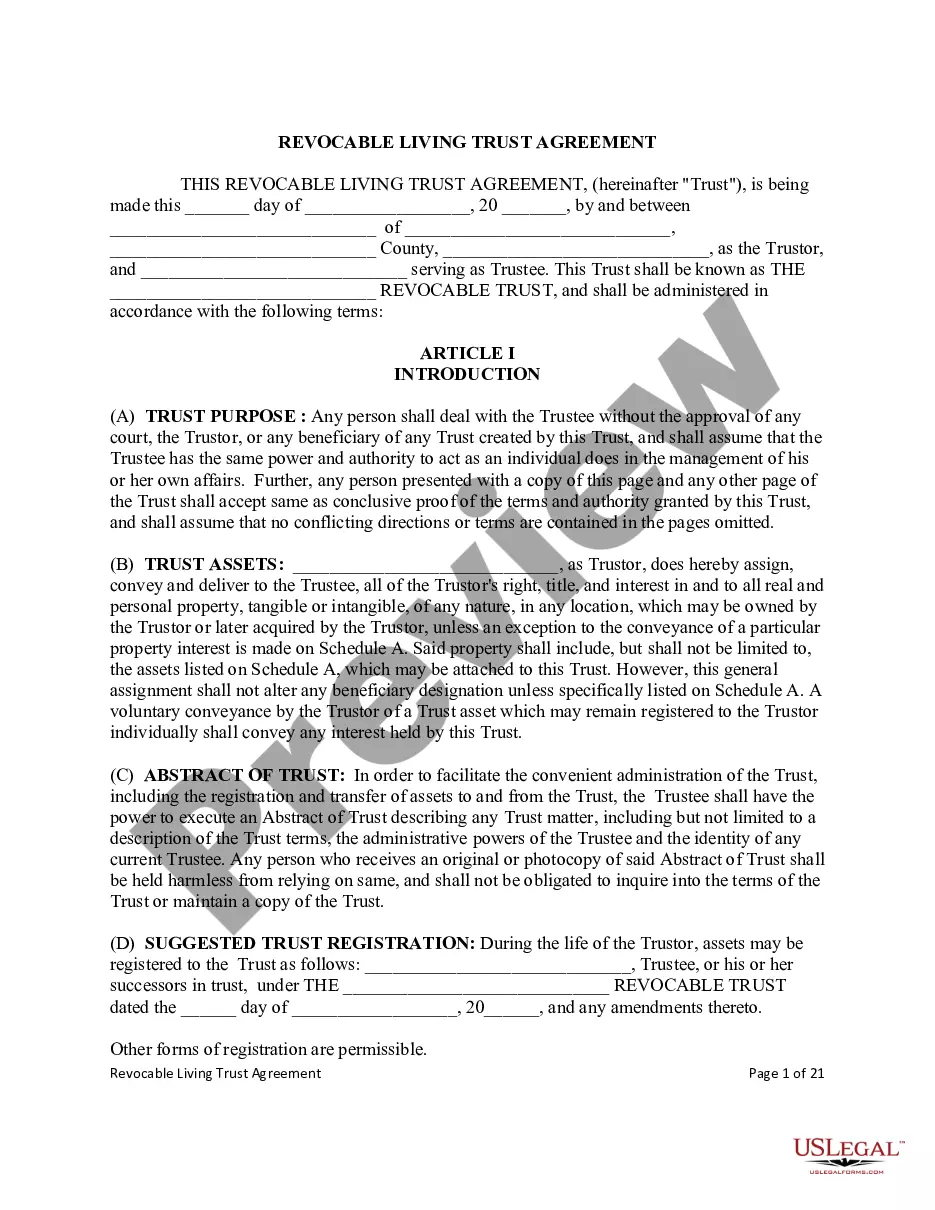
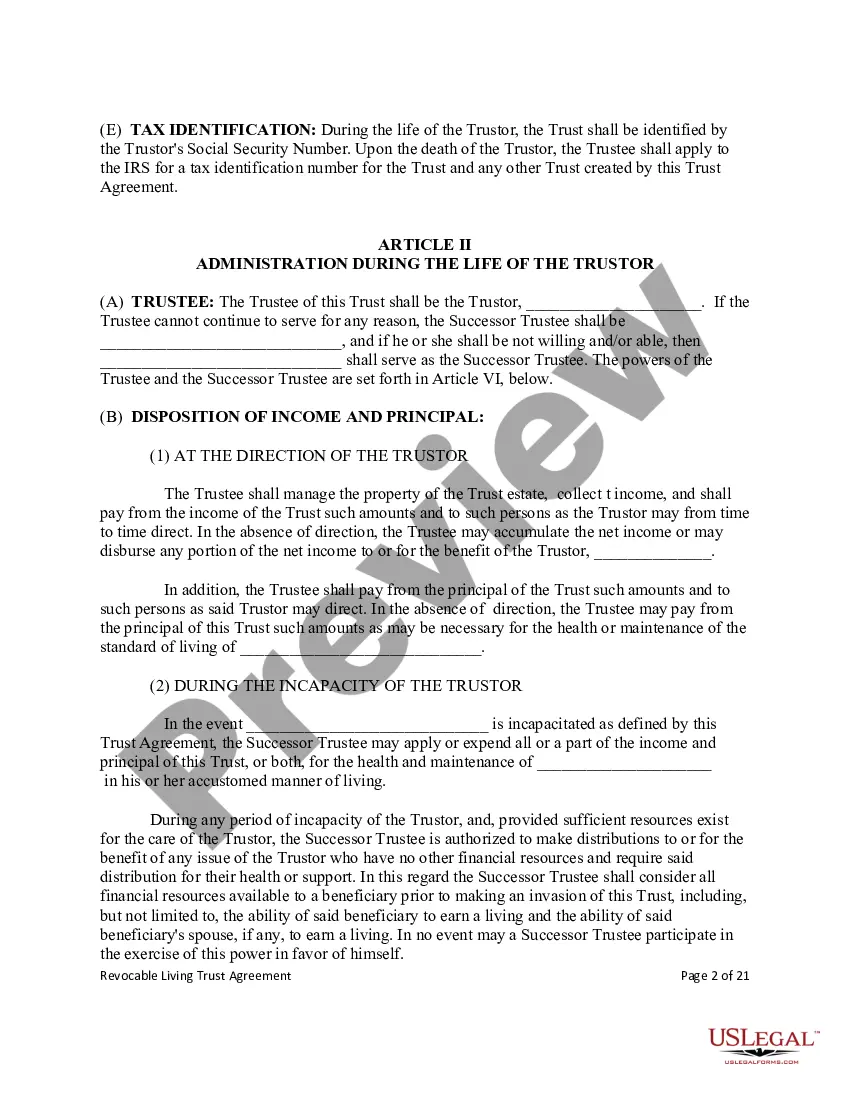
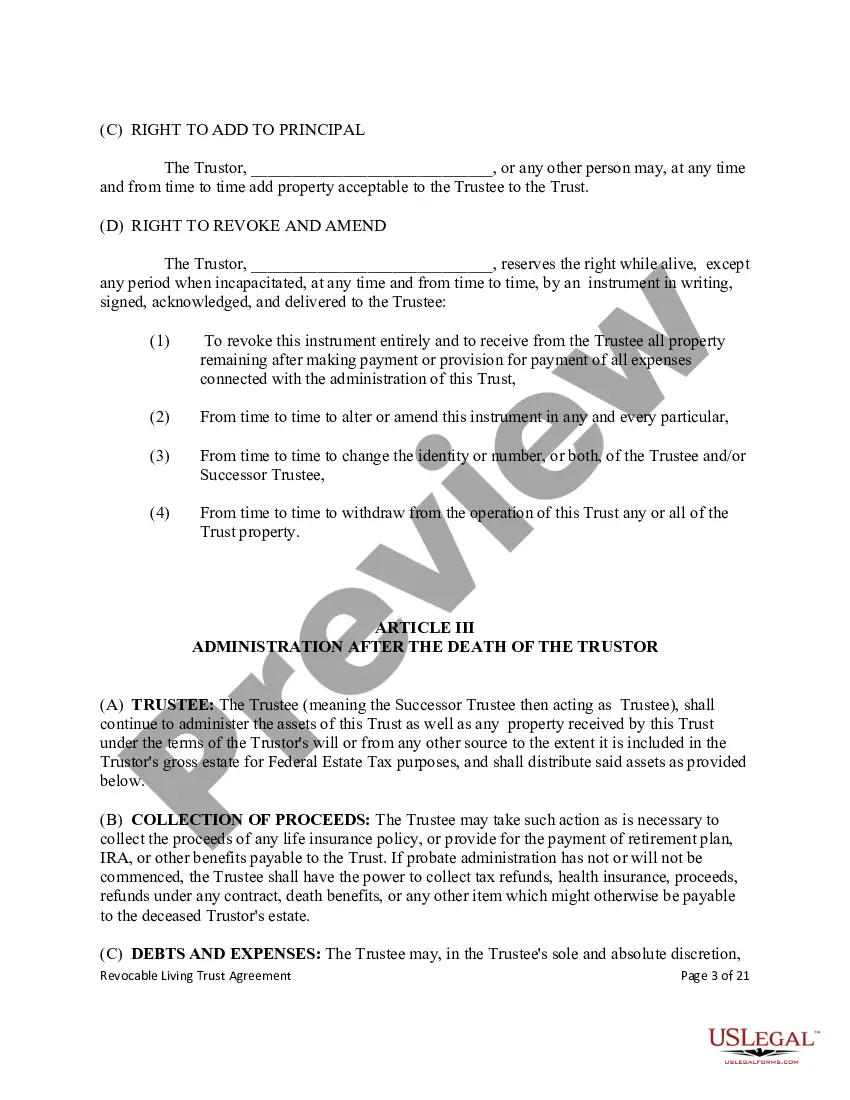
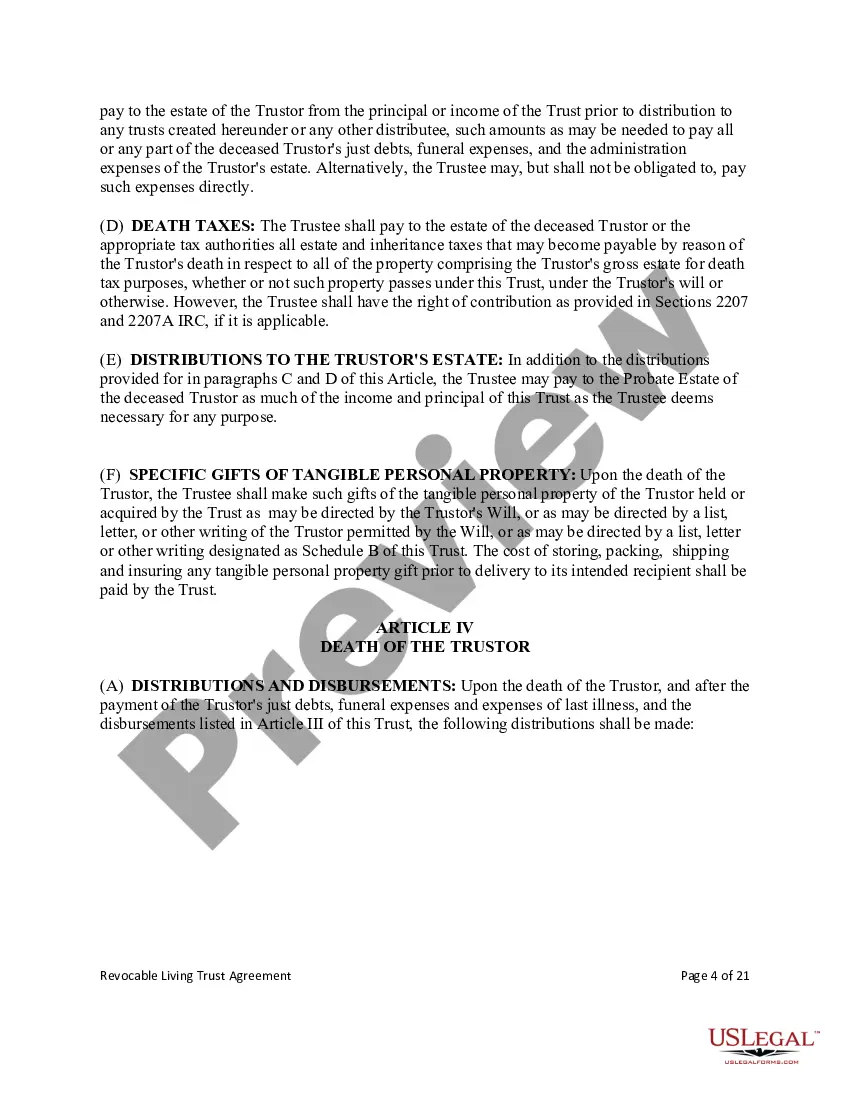
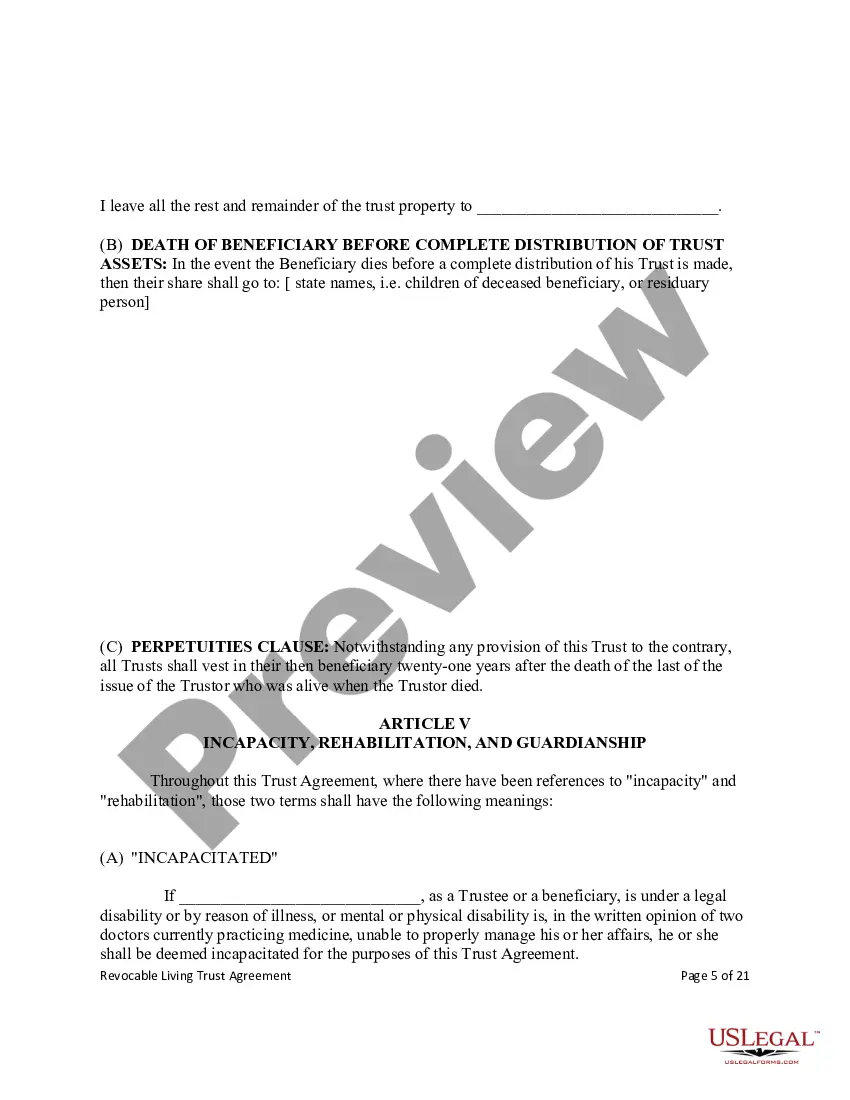
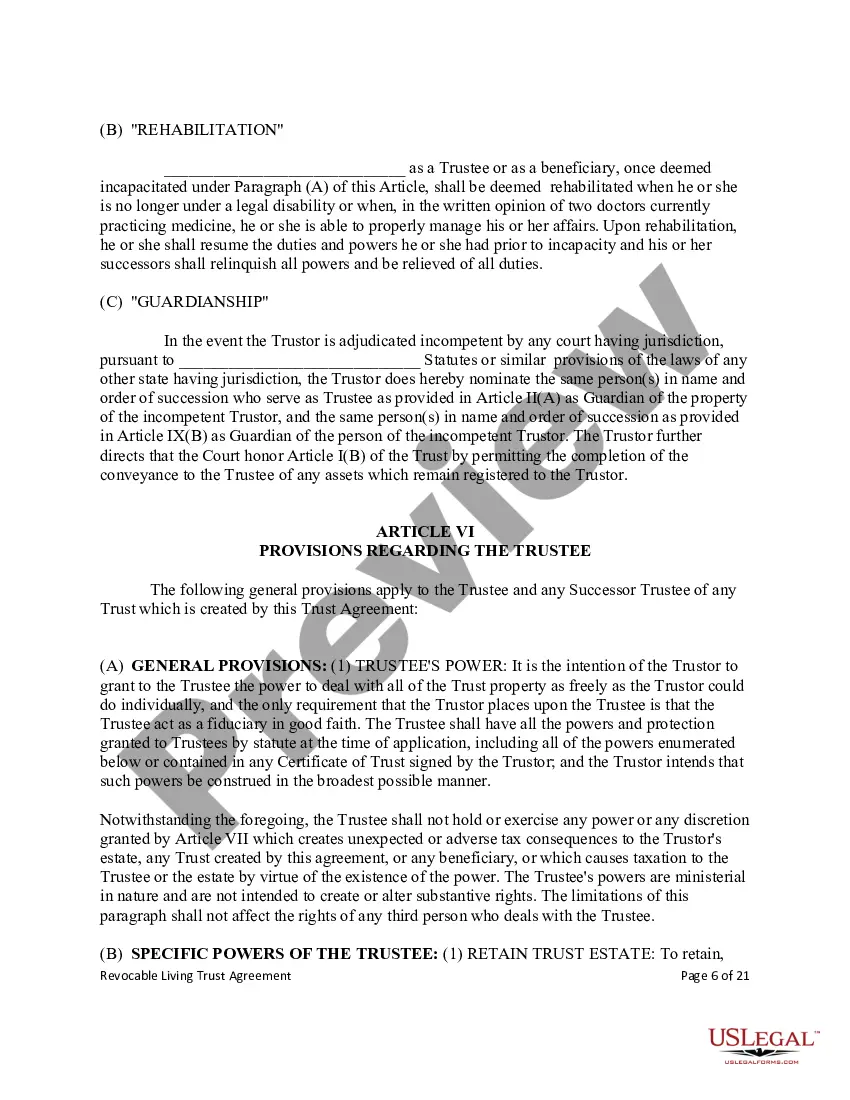
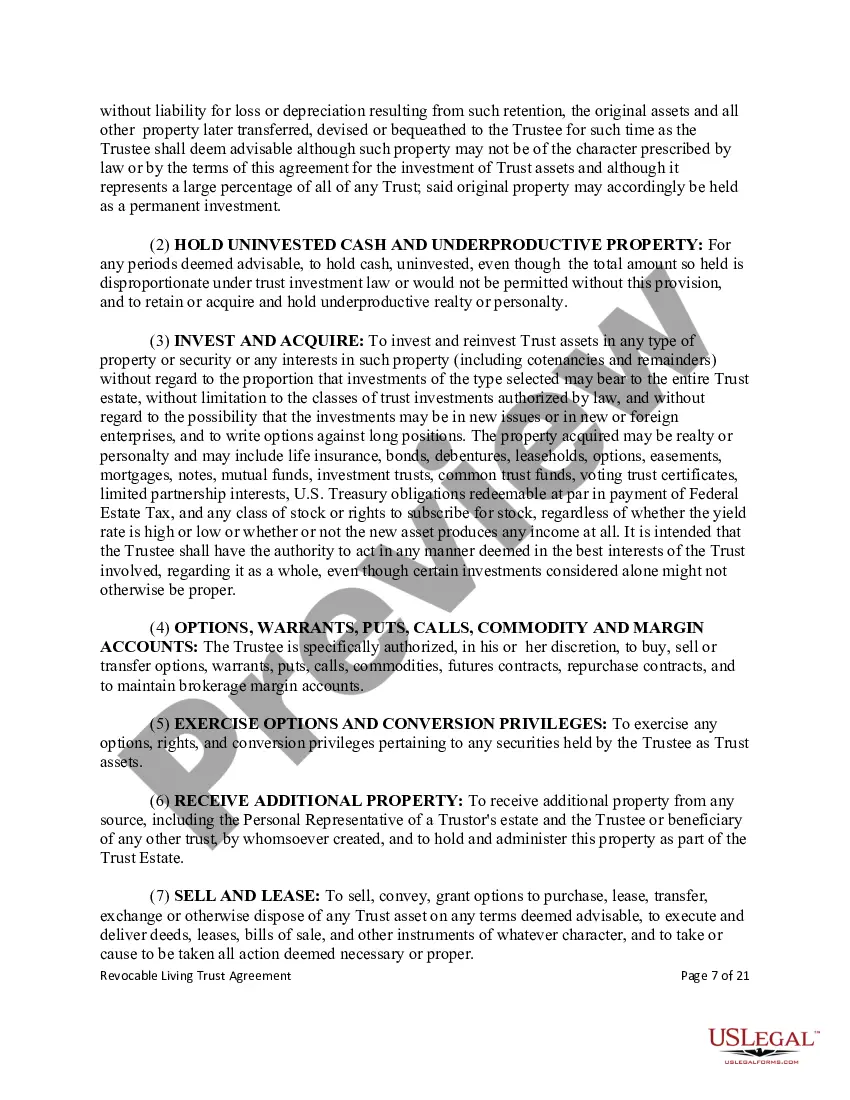
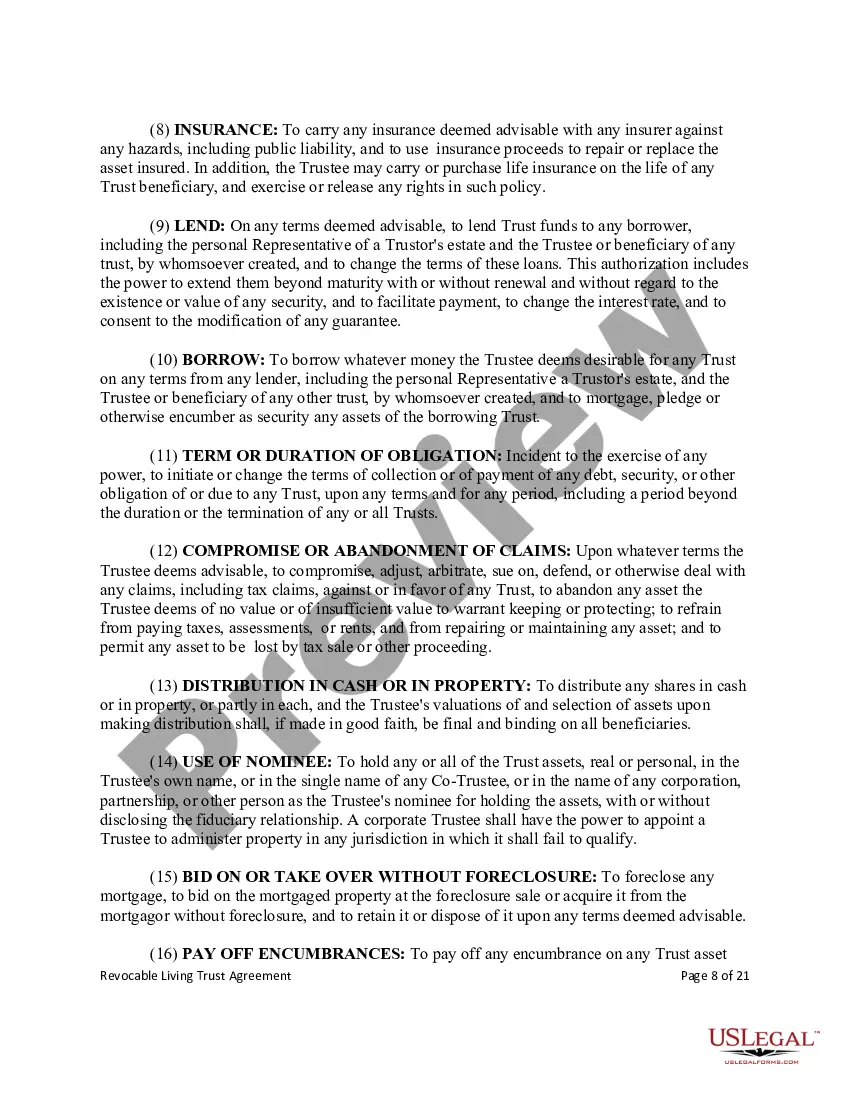
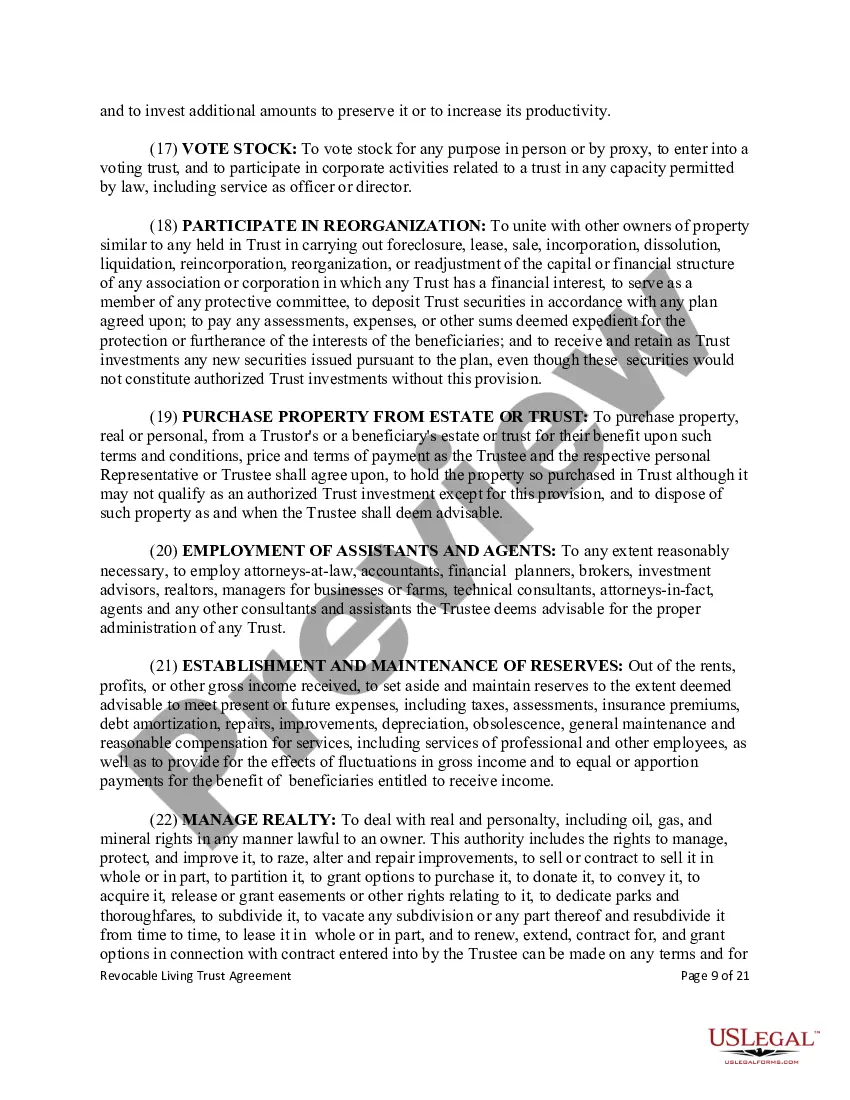
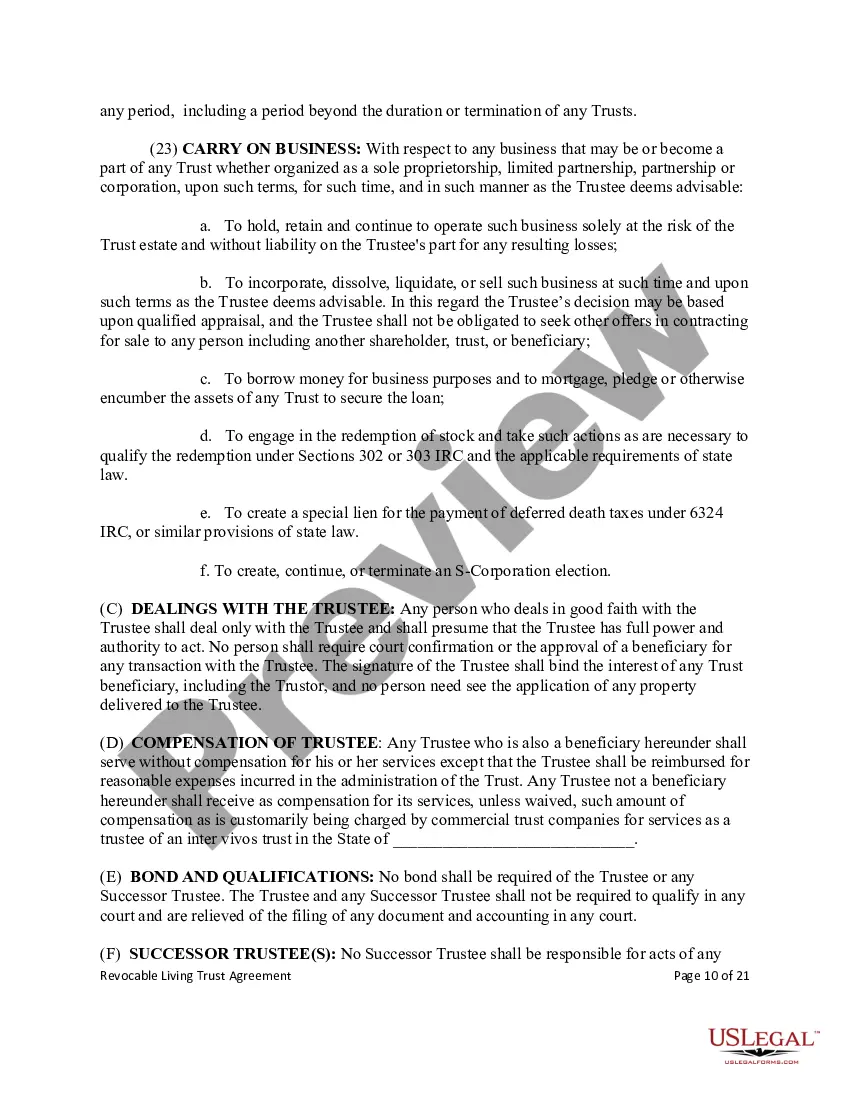

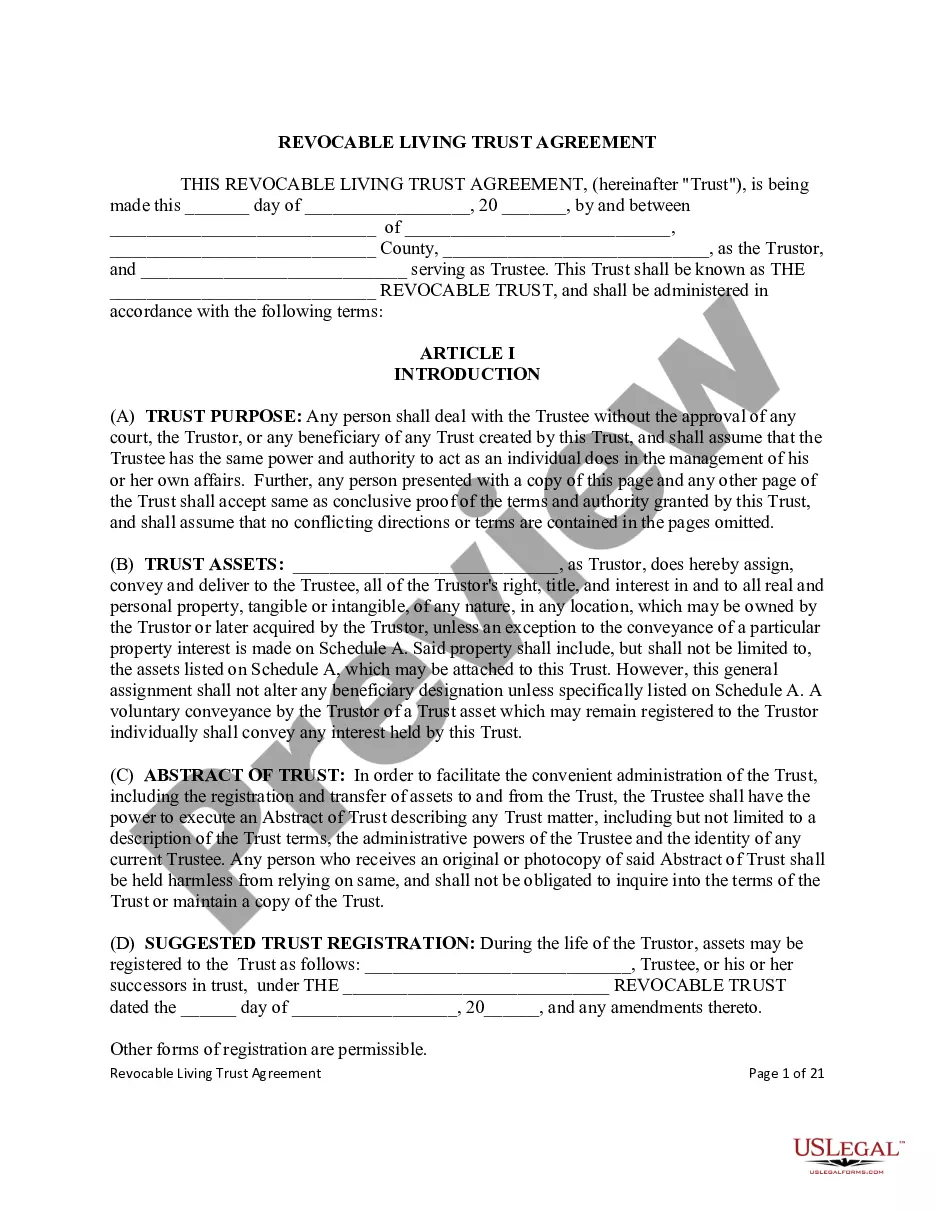
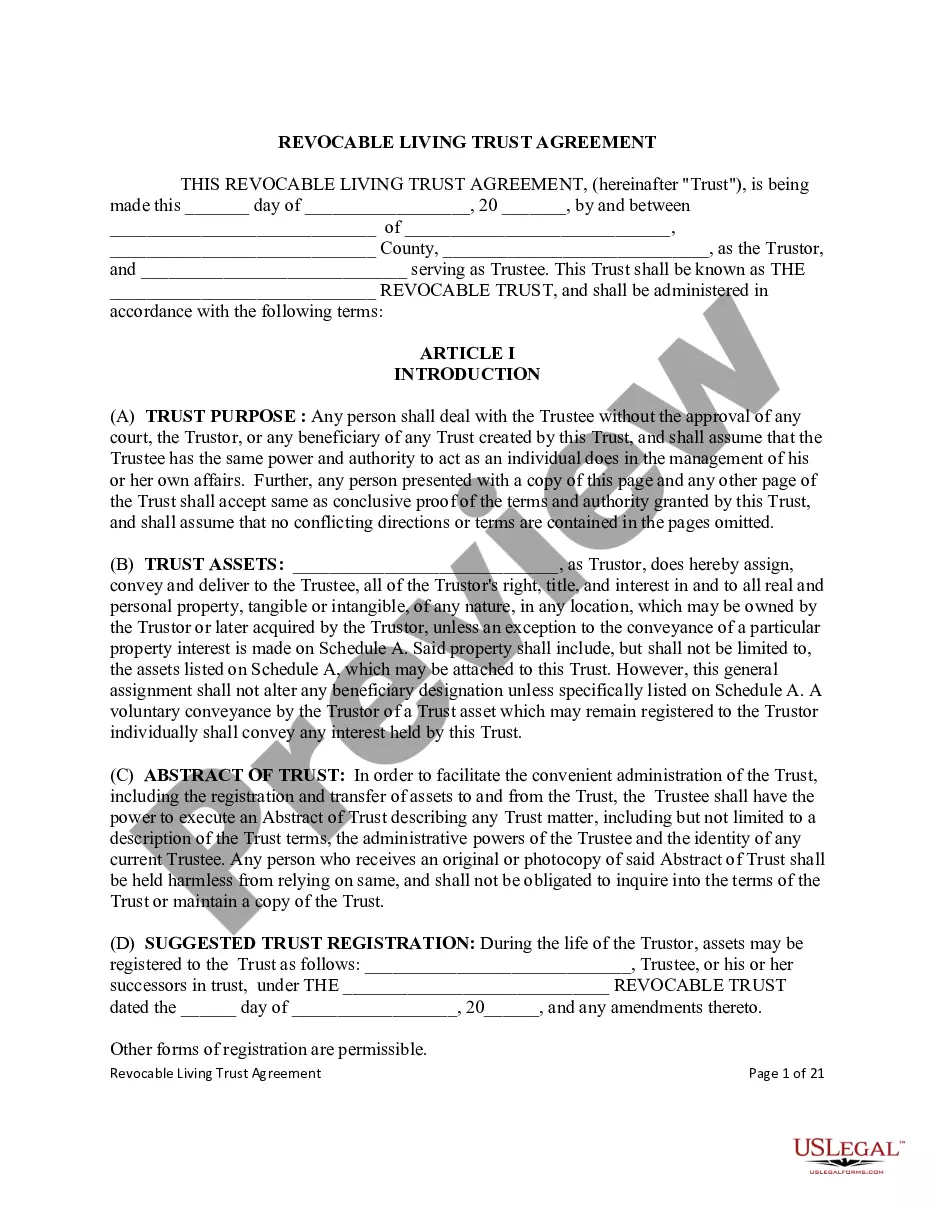
Get your form ready online
Our built-in tools help you complete, sign, share, and store your documents in one place.
Make edits, fill in missing information, and update formatting in US Legal Forms—just like you would in MS Word.
Download a copy, print it, send it by email, or mail it via USPS—whatever works best for your next step.
Sign and collect signatures with our SignNow integration. Send to multiple recipients, set reminders, and more. Go Premium to unlock E-Sign.
If this form requires notarization, complete it online through a secure video call—no need to meet a notary in person or wait for an appointment.
We protect your documents and personal data by following strict security and privacy standards.

Make edits, fill in missing information, and update formatting in US Legal Forms—just like you would in MS Word.

Download a copy, print it, send it by email, or mail it via USPS—whatever works best for your next step.

Sign and collect signatures with our SignNow integration. Send to multiple recipients, set reminders, and more. Go Premium to unlock E-Sign.

If this form requires notarization, complete it online through a secure video call—no need to meet a notary in person or wait for an appointment.

We protect your documents and personal data by following strict security and privacy standards.
Looking for another form?






How to fill out Revocable Living Trust For House?
US Legal Forms - one of the largest repositories of legal documents in the United States - offers a variety of legal paper templates that you can download or print.
By utilizing the website, you can access thousands of forms for business and personal purposes, organized by categories, states, or keywords.
You can find the latest versions of forms like the Texas Revocable Living Trust for Property in a matter of seconds.
Read the form details to confirm that you have picked the right document.
If the form does not meet your needs, utilize the Search field at the top of the page to find one that does.
- If you already have an account, Log In and download the Texas Revocable Living Trust for Property from your US Legal Forms collection.
- The Download button will appear on every form you view.
- You can access all previously downloaded forms in the My documents section of your account.
- If you are new to US Legal Forms, follow these simple steps to get started.
- Ensure you have selected the correct form for your city/county.
- Click on the Preview button to review the form's content.
Form popularity
FAQ
One disadvantage of a Texas Revocable Living Trust for House is that it may involve upfront costs and ongoing maintenance, such as transferring assets into the trust. Additionally, some people may find the process of managing the trust complex, especially if their financial situation changes. Unlike a will, a living trust does not provide the same level of control after death over untitled assets. Understanding these factors can help you determine if a living trust aligns with your estate planning goals.
While it is not required to hire an attorney to create a Texas Revocable Living Trust for House, doing so can help ensure your trust complies with Texas laws. An attorney can provide valuable guidance on asset transfer, tax implications, and overall estate planning. Utilizing a professional minimizes the risk of errors or overlooked details. However, if you feel confident navigating the process, there are resources available to assist you.
Placing your house in a Texas Revocable Living Trust for House offers several advantages. It ensures your property is managed according to your wishes, even if you become incapacitated. This setup can also streamline the distribution of your assets and help your beneficiaries avoid the delays and costs associated with probate. Ultimately, using a revocable trust provides peace of mind and clarity for your estate planning.
Yes, you can place your house in a Texas Revocable Living Trust for House. This legal arrangement allows you to retain control while simplifying the transfer of ownership upon your passing. By doing so, you can avoid probate and ensure that your home is passed on according to your wishes. Many individuals benefit from using a trust to protect their assets and streamline their estate planning.
Yes, you can write your own living trust in Texas, which includes creating a Texas Revocable Living Trust for House. To do this effectively, you need to be clear about your intentions and the beneficiaries of your assets. Using resources like USLegalForms can help simplify the process by providing templates that meet Texas requirements, ensuring your trust is valid and enforceable.
In Texas, a living trust does not need to be recorded with a court or local government. However, you should keep the trust document in a safe place, as it outlines your wishes regarding your assets, including your house. While the Texas Revocable Living Trust for House provides privacy and flexibility, it’s essential to ensure that all parties involved know how to access it when the time comes.
Deciding to place your home in a Texas Revocable Living Trust for House often depends on your estate planning goals. Trusts can provide security for your loved ones, avoiding probate and ensuring a smoother transition of assets. If you are unsure, consulting with a legal professional or using a resource like uslegalforms can help clarify your options and benefits.
Putting your house in a Texas Revocable Living Trust for House involves creating the trust document and transferring the house into it. You can work with an attorney or use a reliable platform like uslegalforms, which simplifies the process. After preparing the trust, ensure the deed is updated and recorded to reflect the trust as the owner.
To transfer your house into a Texas Revocable Living Trust for House, you must execute a new deed that transfers ownership from you to the trust. Make sure to include the proper legal description of the property. After signing the deed, you need to file it with the county clerk’s office to complete the transfer legally.
In a Texas Revocable Living Trust for House, you, as the grantor, maintain ownership of the property during your lifetime. You can manage the trust's assets and make changes as needed. Once you pass away, the trust ensures that the property transfers seamlessly to your beneficiaries without going through probate.