Texas Revocable Living Trust for Minors
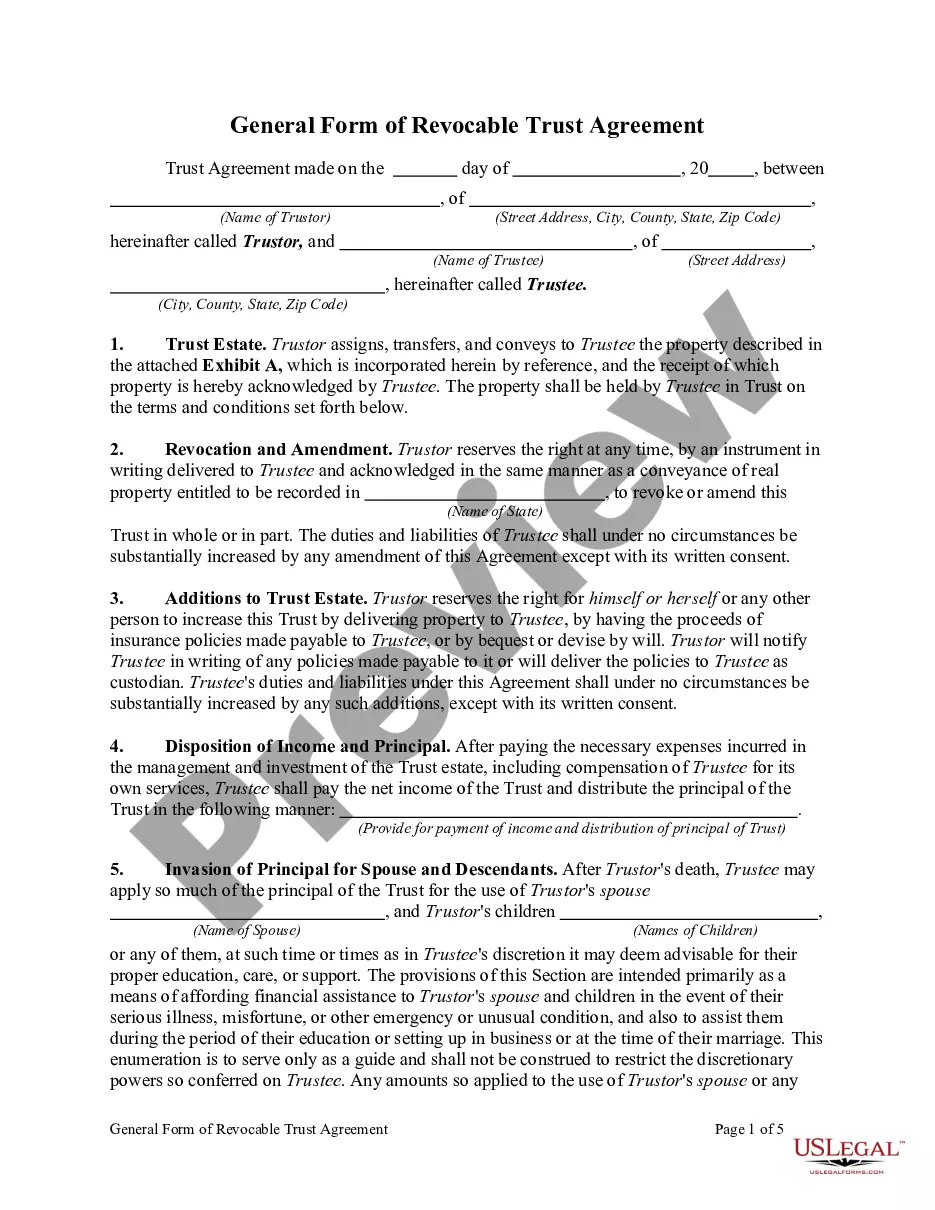
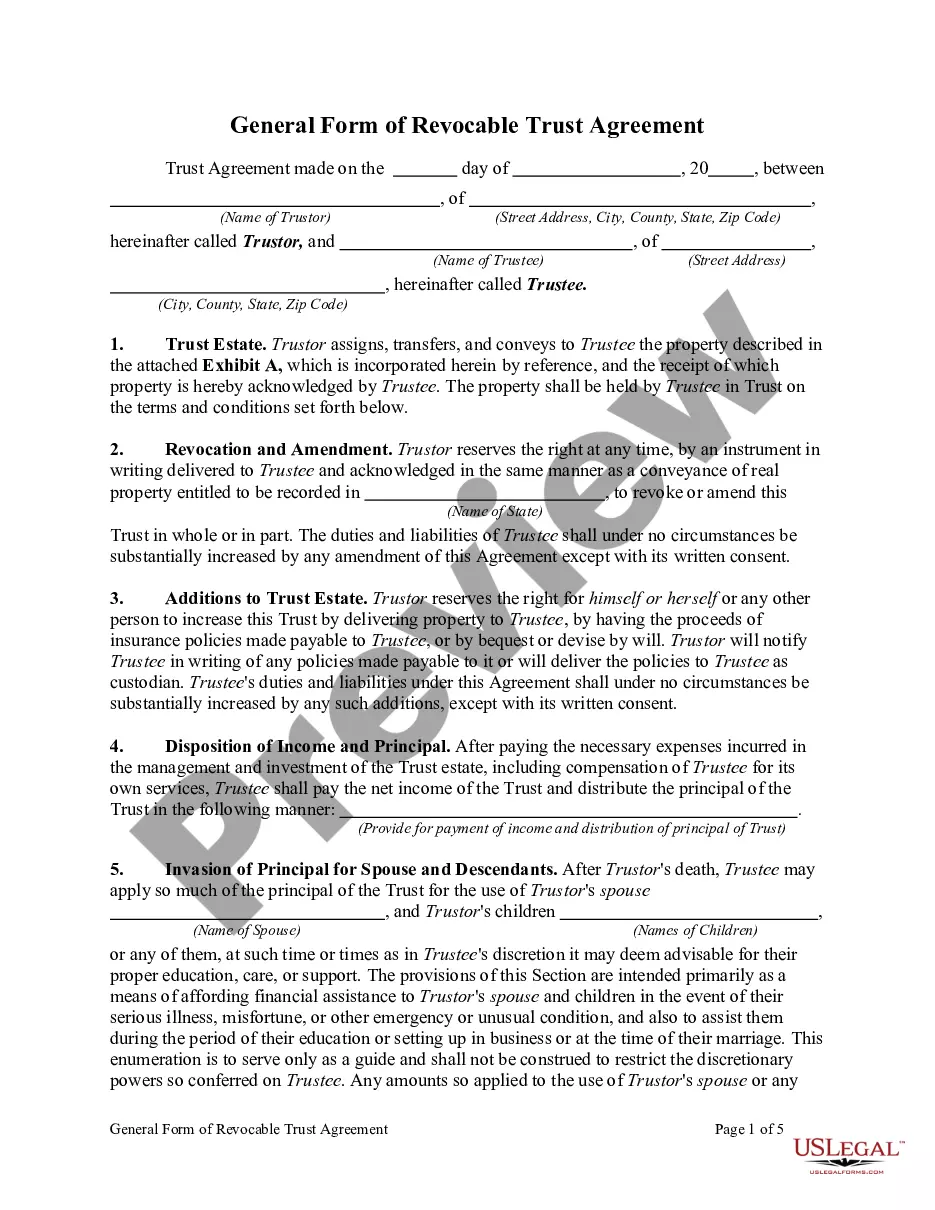
Description
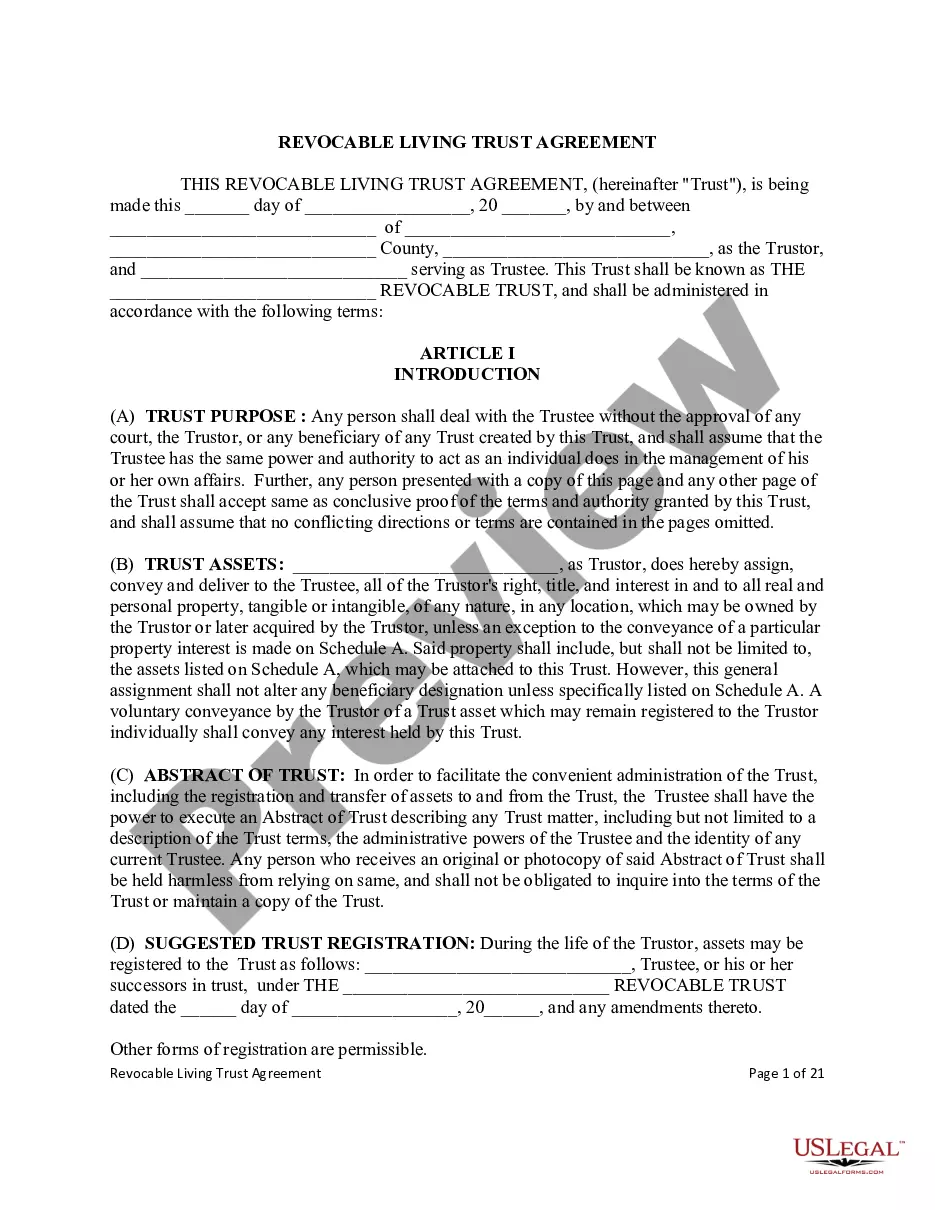
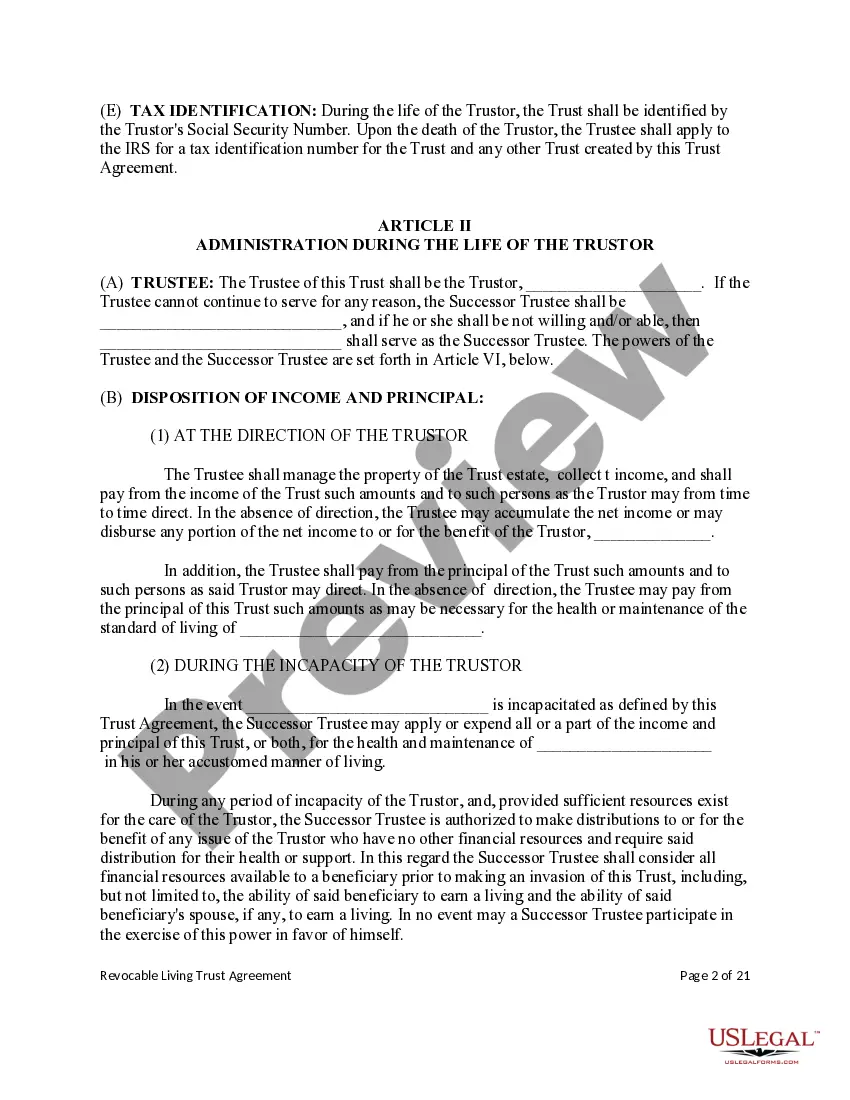
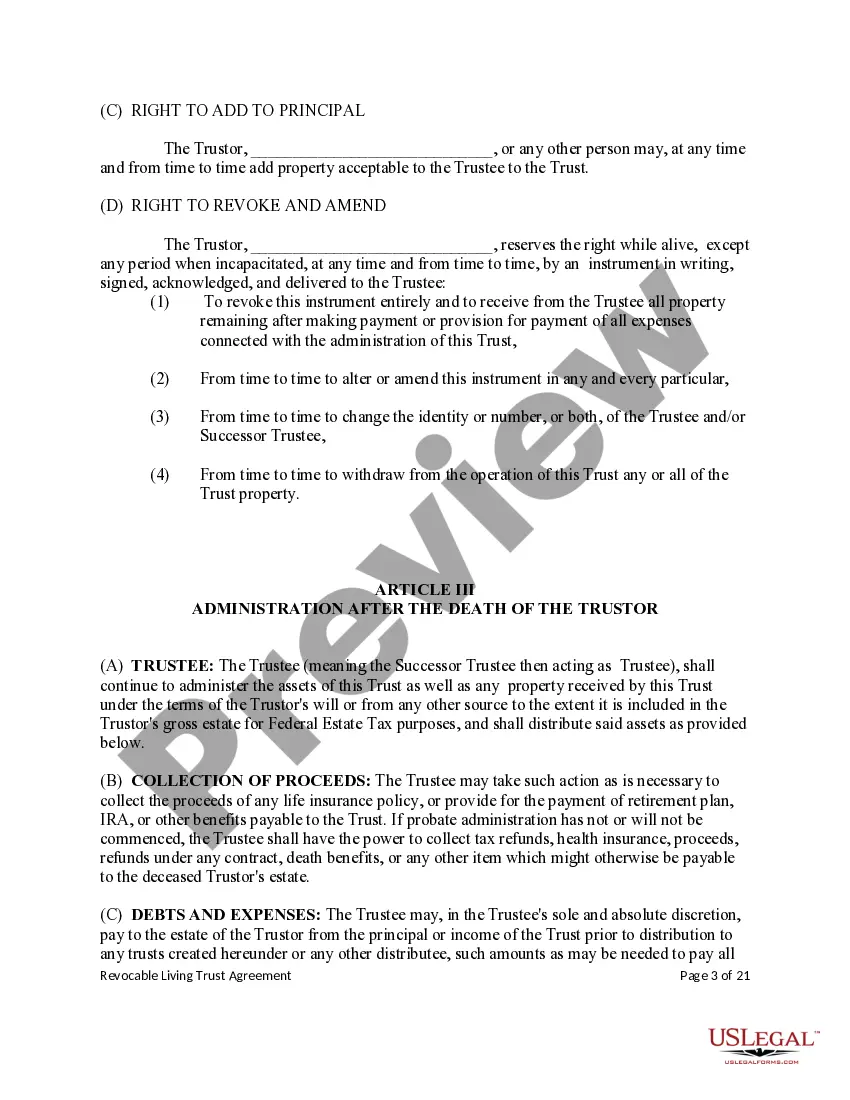
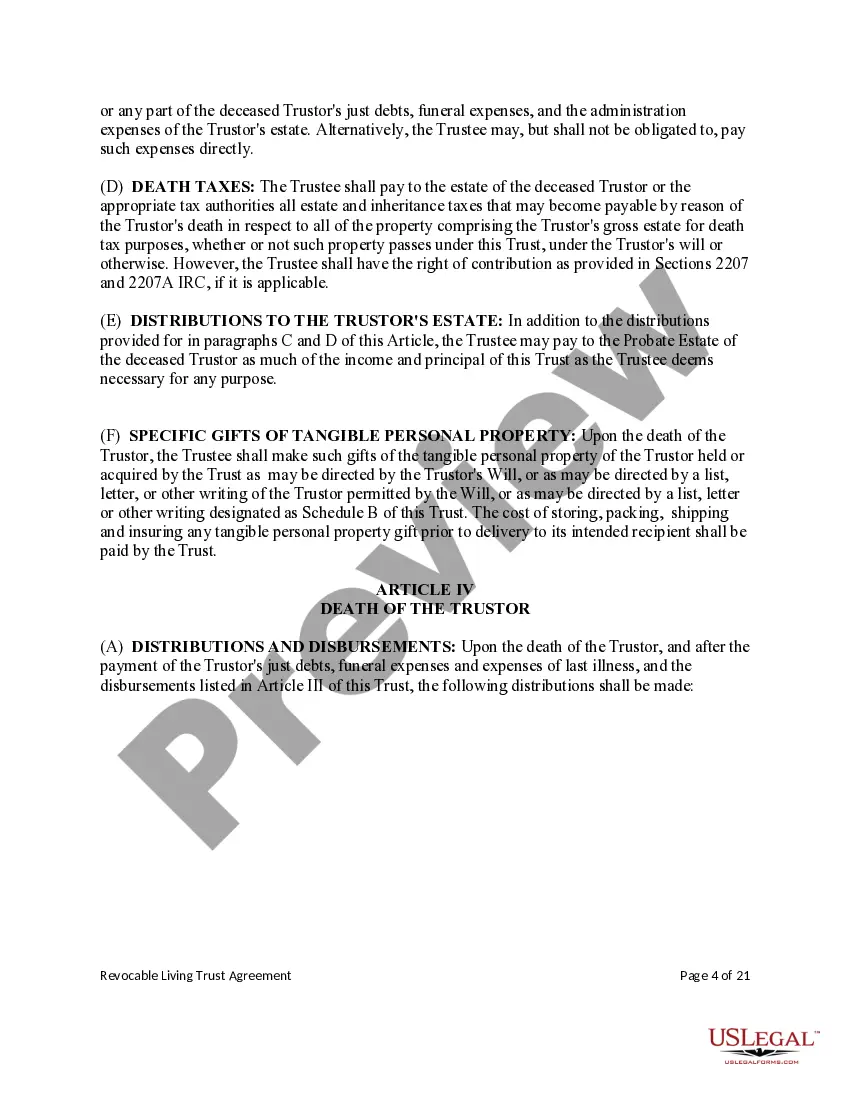
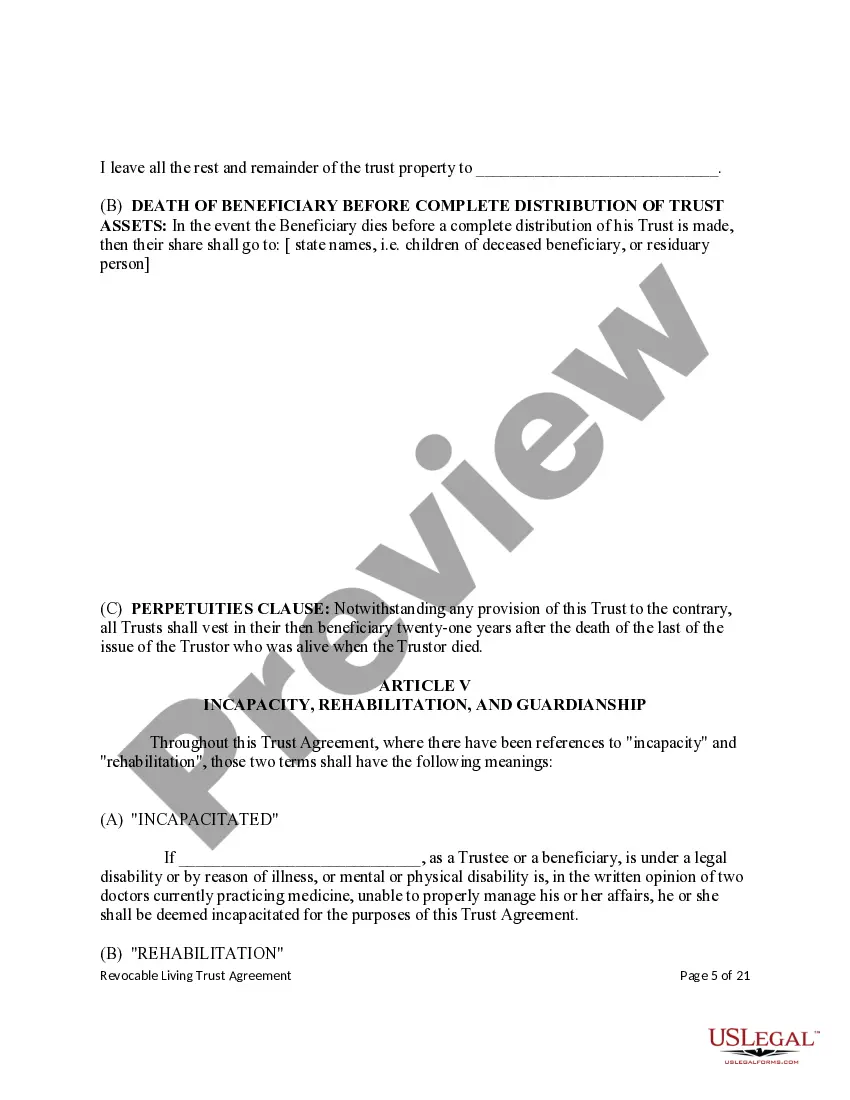
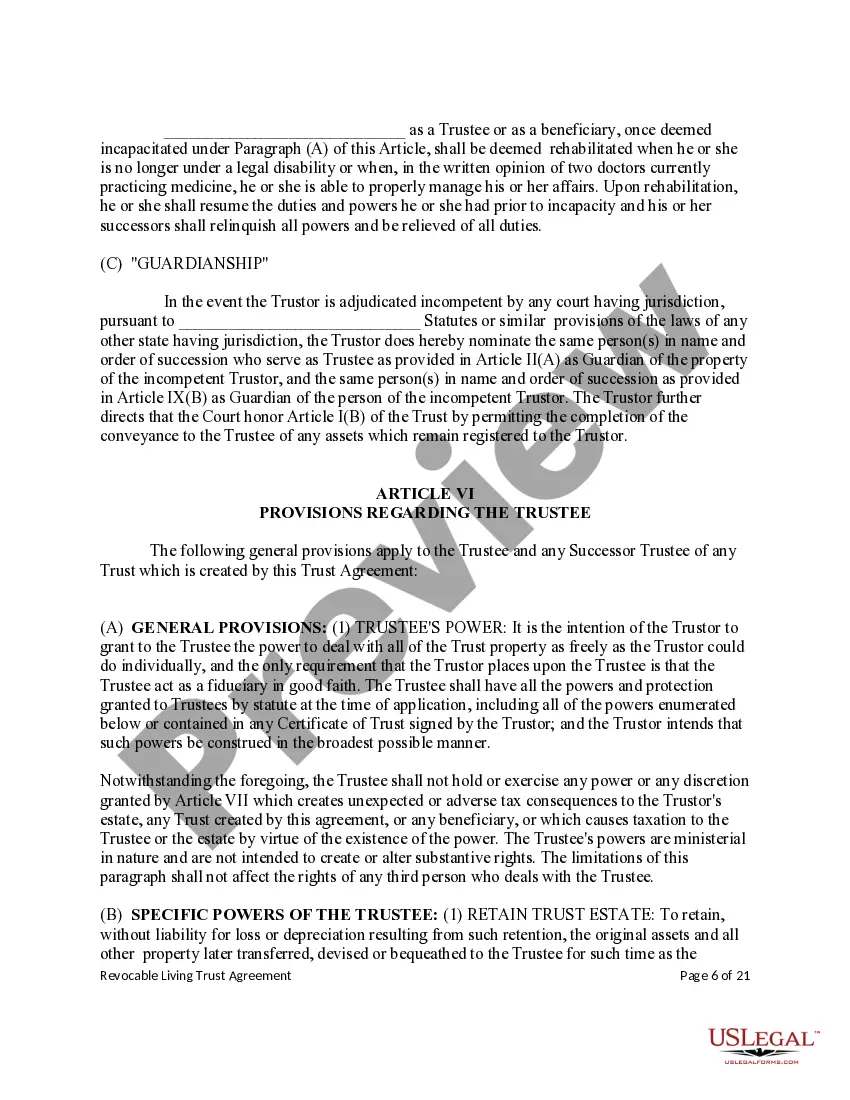
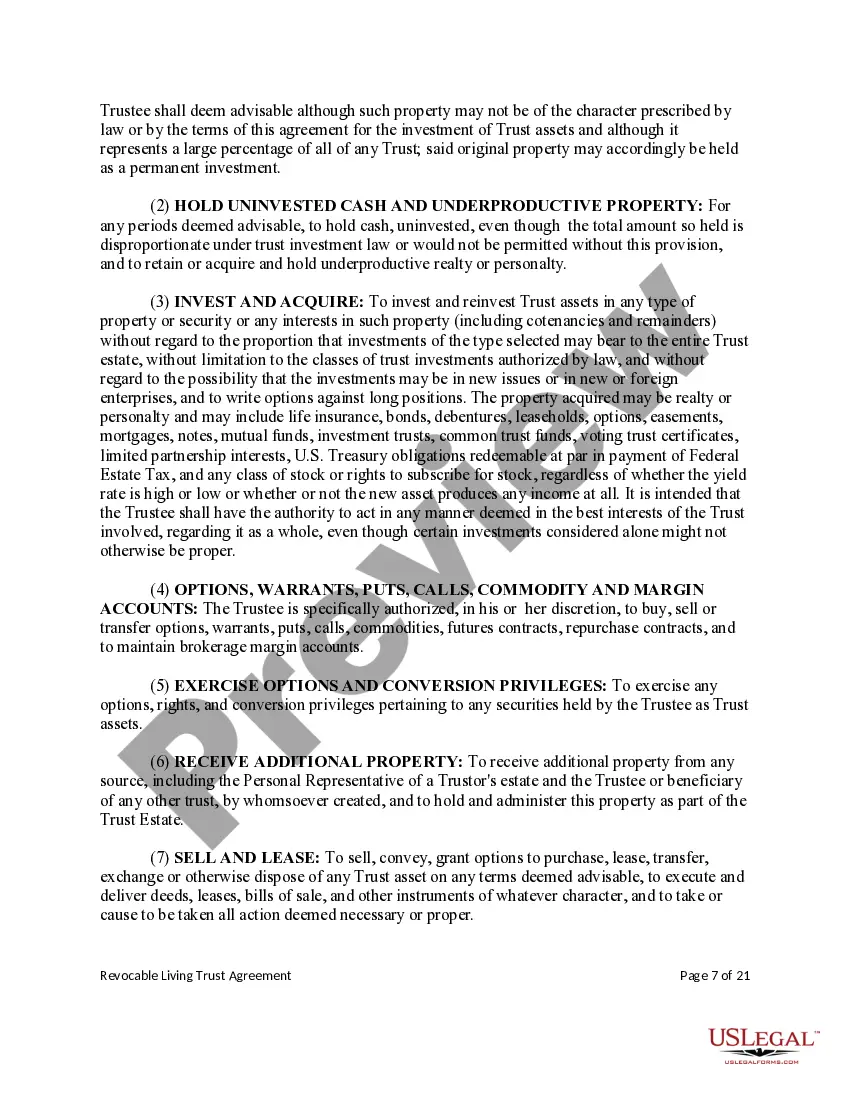
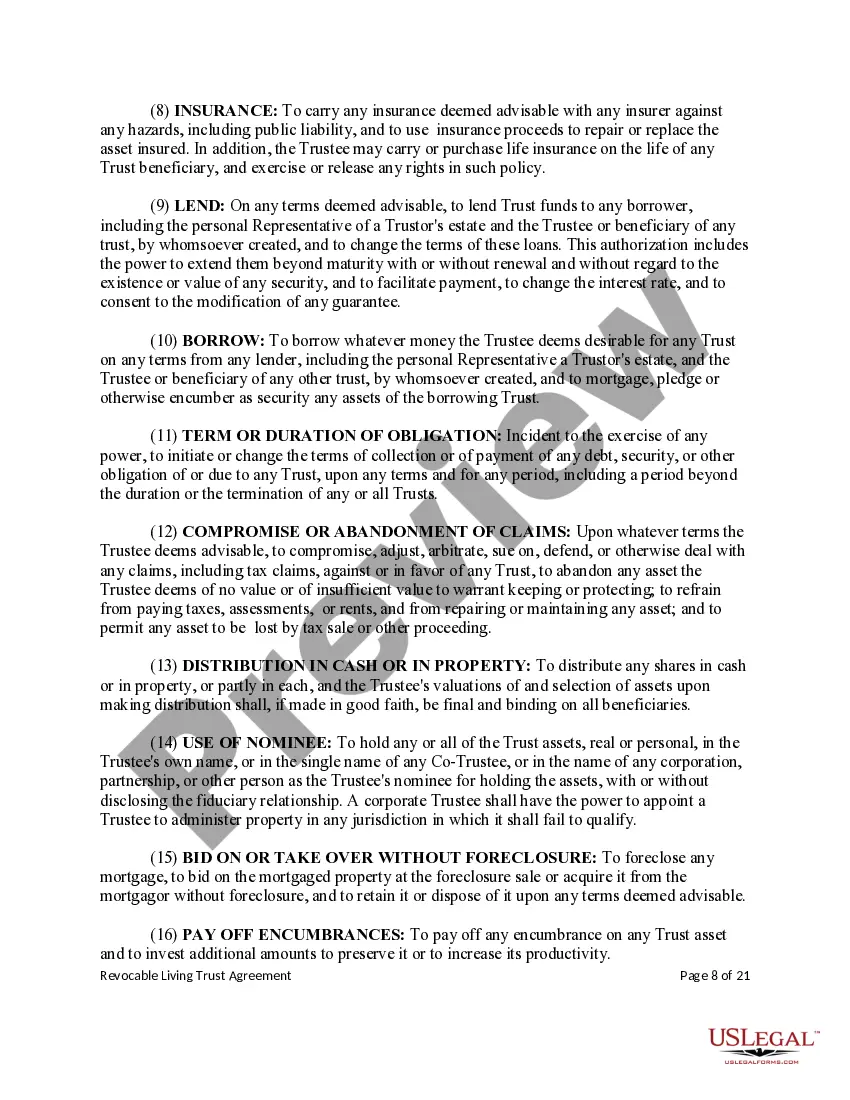
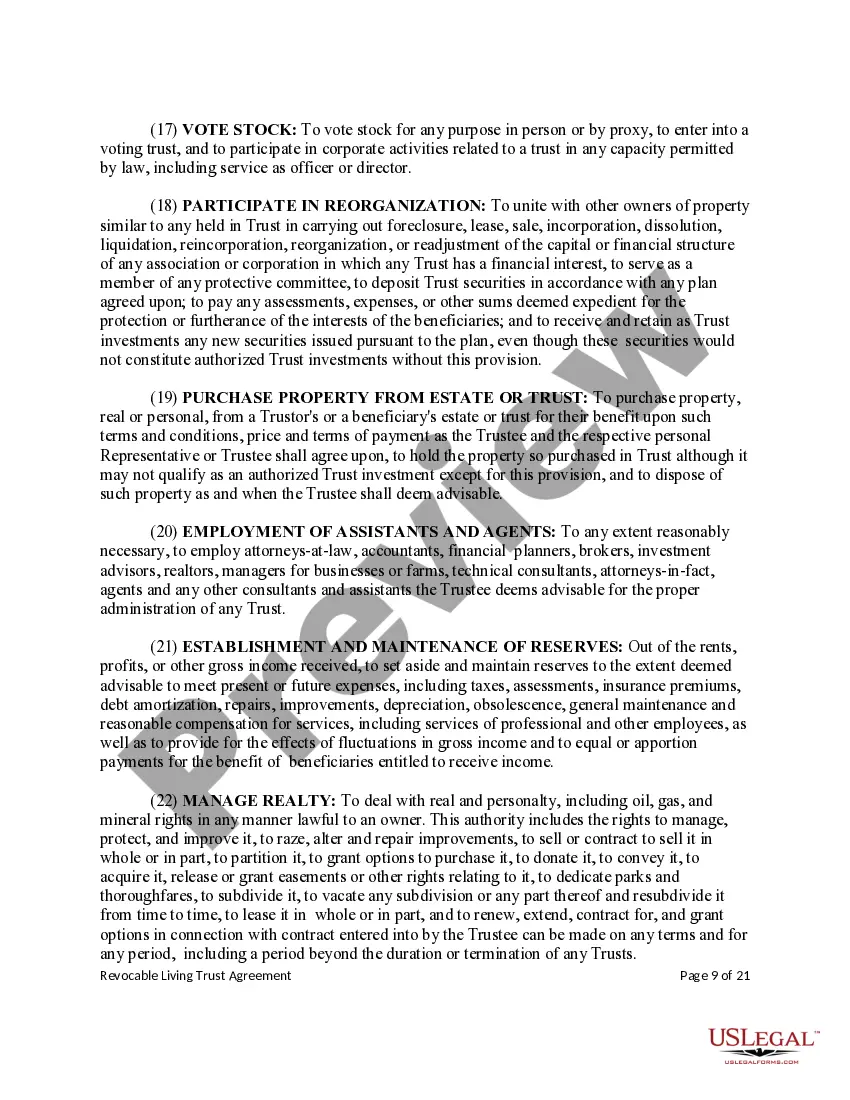
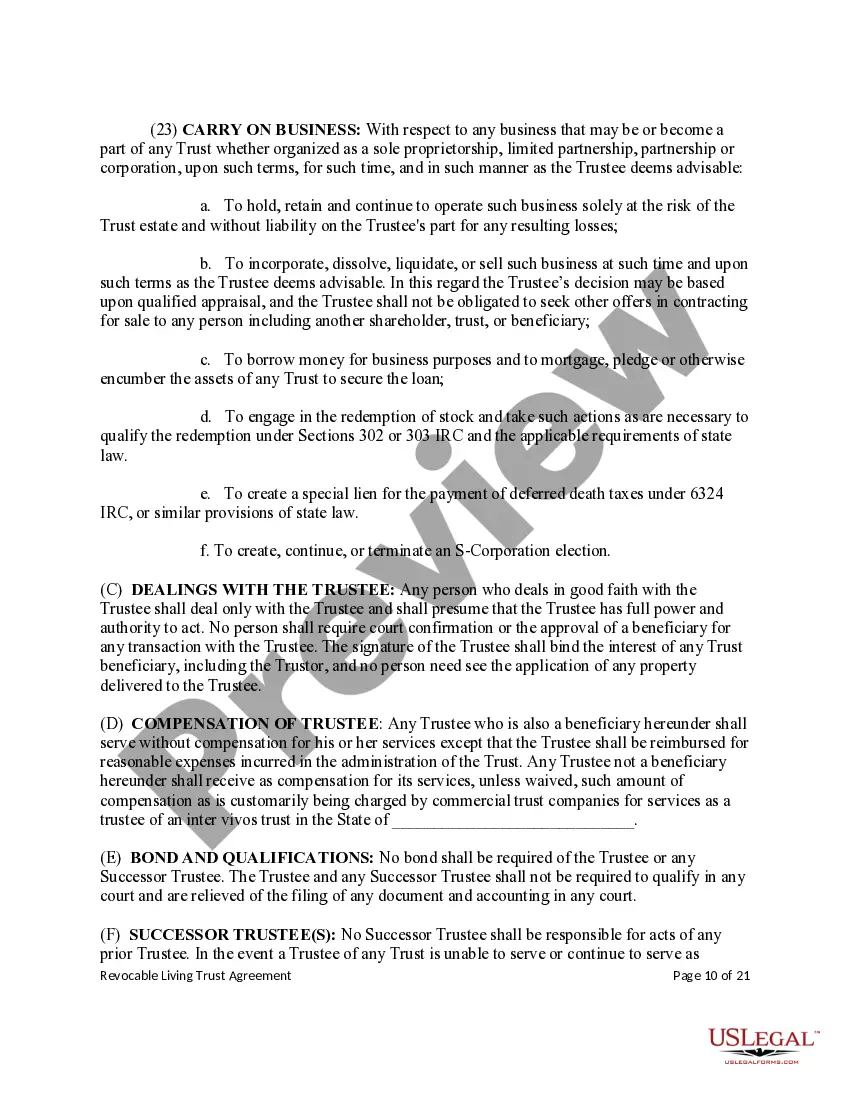

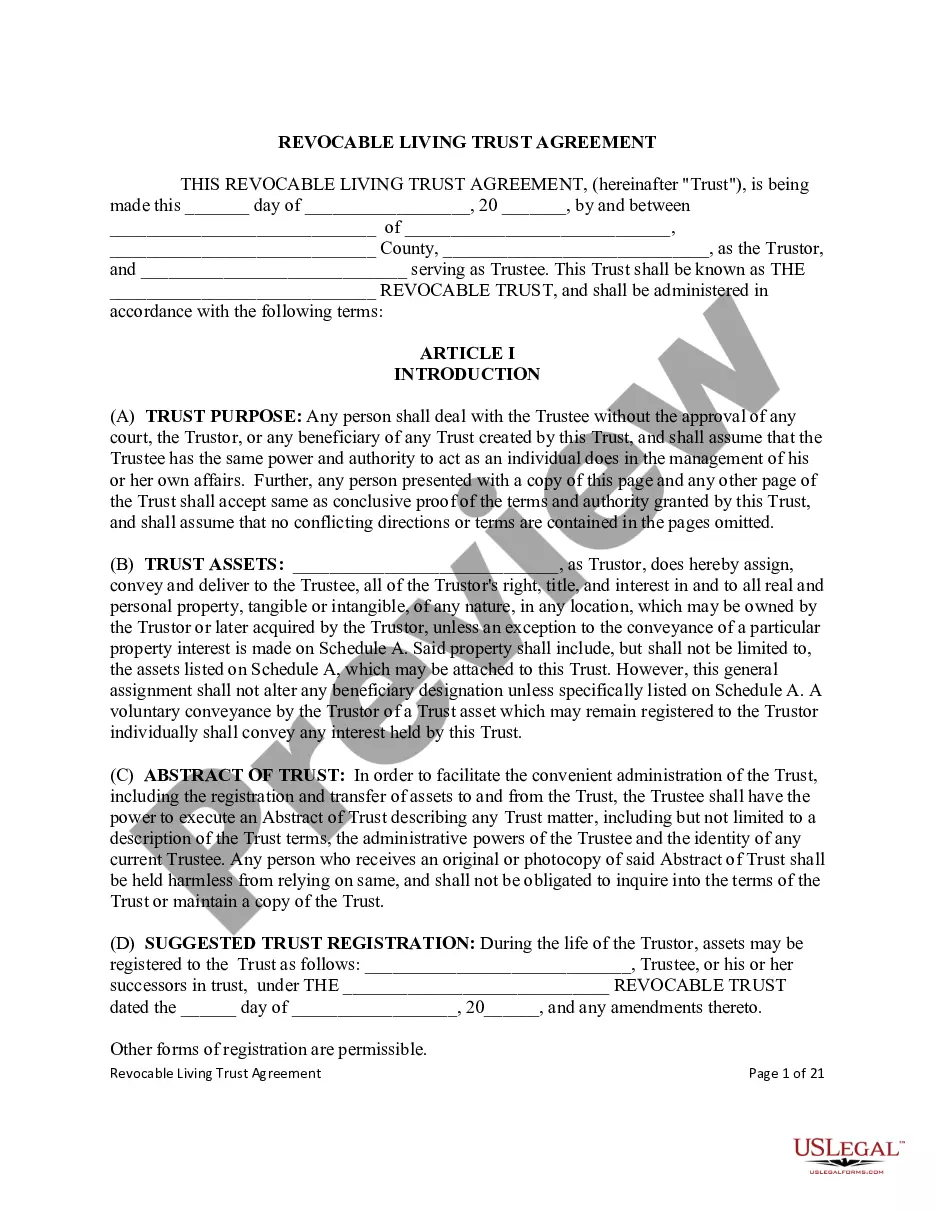
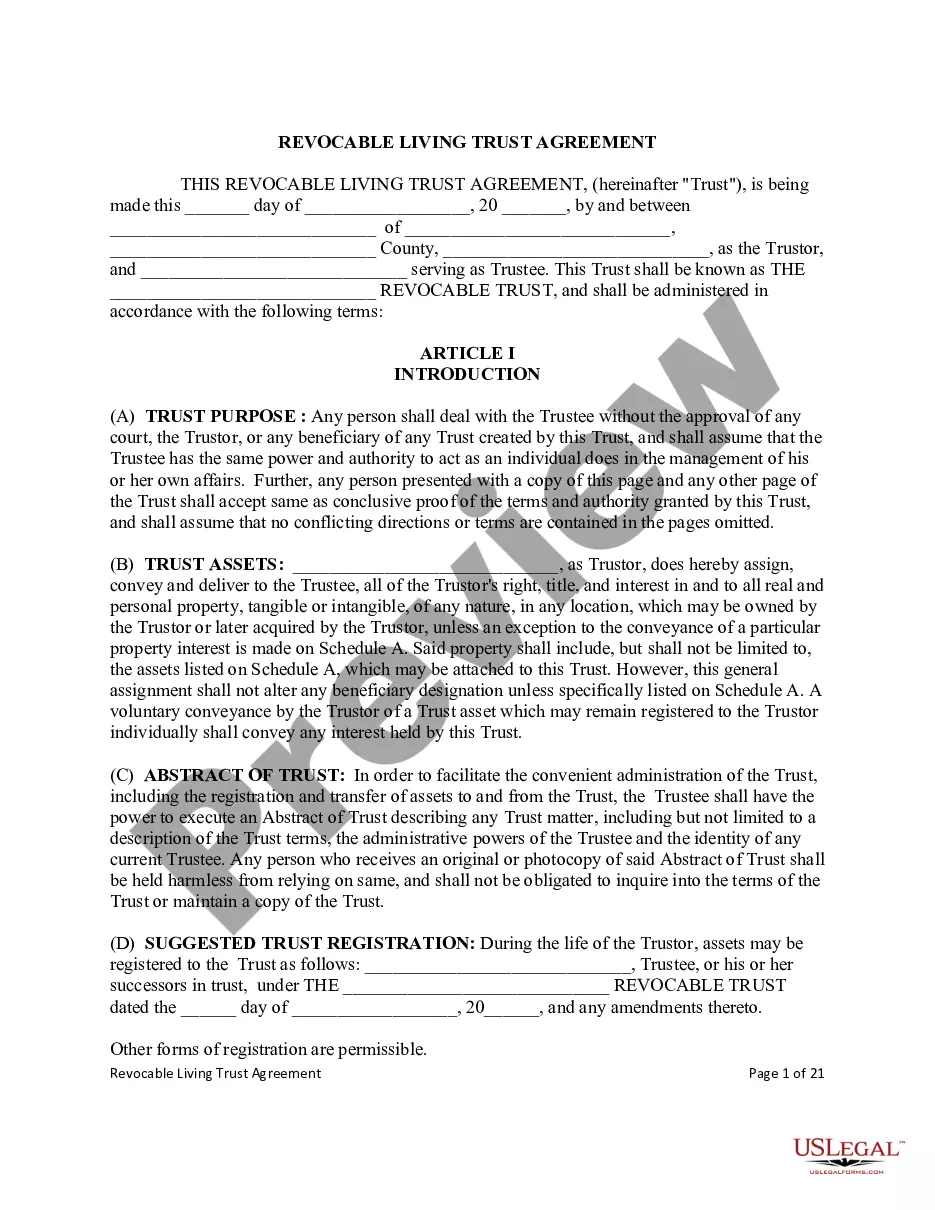
Get your form ready online
Our built-in tools help you complete, sign, share, and store your documents in one place.
Make edits, fill in missing information, and update formatting in US Legal Forms—just like you would in MS Word.
Download a copy, print it, send it by email, or mail it via USPS—whatever works best for your next step.
Sign and collect signatures with our SignNow integration. Send to multiple recipients, set reminders, and more. Go Premium to unlock E-Sign.
If this form requires notarization, complete it online through a secure video call—no need to meet a notary in person or wait for an appointment.
We protect your documents and personal data by following strict security and privacy standards.

Make edits, fill in missing information, and update formatting in US Legal Forms—just like you would in MS Word.

Download a copy, print it, send it by email, or mail it via USPS—whatever works best for your next step.

Sign and collect signatures with our SignNow integration. Send to multiple recipients, set reminders, and more. Go Premium to unlock E-Sign.

If this form requires notarization, complete it online through a secure video call—no need to meet a notary in person or wait for an appointment.

We protect your documents and personal data by following strict security and privacy standards.
Looking for another form?



How to fill out Revocable Living Trust For Minors?
If you require thorough, download, or print official document templates, utilize US Legal Forms, the largest assortment of legal forms available online.
Utilize the site's simple and user-friendly search feature to locate the documents you need.
Various templates for business and personal purposes are organized by types and states, or keywords.
Step 4. Once you have found the form you require, click the Buy now button. Select the payment plan you prefer and enter your details to sign up for an account.
Step 5. Process the transaction. You can use your credit card or PayPal account to complete the purchase.
- Utilize US Legal Forms to obtain the Texas Revocable Living Trust for Minors with just a few clicks.
- If you are already a US Legal Forms customer, Log In to your account and click the Acquire button to obtain the Texas Revocable Living Trust for Minors.
- You can also access forms you previously saved from the My documents tab in your account.
- If you are using US Legal Forms for the first time, follow the instructions below.
- Step 1. Ensure that you have selected the form for your appropriate city/state.
- Step 2. Utilize the Review feature to examine the form's details. Don't forget to check the explanation.
- Step 3. If you are not satisfied with the form, use the Search area at the top of the screen to find other variations of the legal form format.
Form popularity
FAQ
To open a trust account for a minor, you will first need to set up a Texas Revocable Living Trust for Minors. This involves selecting a trustee and drafting the necessary legal documents. After the trust is established, you can choose a bank or financial institution to open the account, providing the trust documentation as required. Utilizing platforms like uslegalforms can simplify the process, ensuring you have the proper forms and guidance every step of the way.
One key downside of a Texas Revocable Living Trust for Minors is that it does not offer asset protection from creditors. Additionally, since you maintain control over the trust, its assets may still be included in your estate for tax purposes. Furthermore, establishing and maintaining the trust may involve legal fees and administrative burdens. Understanding these factors can help you make informed decisions about your estate planning.
While an irrevocable trust can offer certain tax benefits and asset protection, it is essential to consider your family's specific needs. A Texas Revocable Living Trust for Minors may be a more flexible option, as it allows you to make changes if your circumstances change. It is important to evaluate your long-term financial goals and consult with an expert to determine the best approach for your child’s future wealth management. Trusts are not one-size-fits-all, so personalized advice is valuable.
A Texas Revocable Living Trust for Minors acts as a legal arrangement that holds assets for the benefit of your child until they reach a certain age. The trust is managed by a trustee, who is responsible for overseeing the assets and ensuring they are used in the best interest of the minor. This arrangement allows you to specify how and when your child can access the assets, providing peace of mind. Essentially, it protects your assets while maintaining control over their distribution.
A trust for minor children, such as a Texas Revocable Living Trust for Minors, provides a secure way to manage assets until your children reach adulthood. The trust can dictate how funds are accessed and used for their benefit, ensuring their needs are met during their formative years. The appointed trustee oversees the trust, making decisions based on the terms you've established. This arrangement helps safeguard assets and promotes responsible financial management for your children's future.
To place your house in a Texas Revocable Living Trust for Minors, start by drafting the trust document. You will need to transfer the title of your house to the trust, which typically involves completing a new deed with the trust as the owner. Consider consulting with a legal expert to ensure all steps meet state requirements. Utilizing the US Legal Forms platform can simplify this process and provide you with the necessary forms.
A minor trust, also known as a trust for minors, is a financial structure where assets are held and managed for the benefit of a child until they reach a certain age. A Texas Revocable Living Trust for Minors is an example of this type of trust, designed to provide both security and control over how the child's inheritance is used. This arrangement helps ensure that funds are allocated responsibly and according to your wishes.
The best type of trust to get can vary based on your financial situation, but a Texas Revocable Living Trust for Minors is an excellent choice if you have children. This trust allows you to manage assets for their benefit and offers flexibility for future changes. It is a practical solution to safeguarding their financial future, making it an attractive option for many families.
While it is not legally required to have an attorney to set up a living trust in Texas, consulting with one is highly advisable. An attorney can help you navigate the complexities of setting up a Texas Revocable Living Trust for Minors and ensure that your trust complies with Texas law. Using platforms like USLegalForms can simplify the process, providing accessible resources for those ready to create their trust.
Yes, a minor can have a revocable trust, such as a Texas Revocable Living Trust for Minors. While a minor cannot manage the trust themselves, a designated trustee can oversee the trust and its assets. This arrangement protects the child's inheritance and allows the trustee to manage funds until the child is old enough to take control.