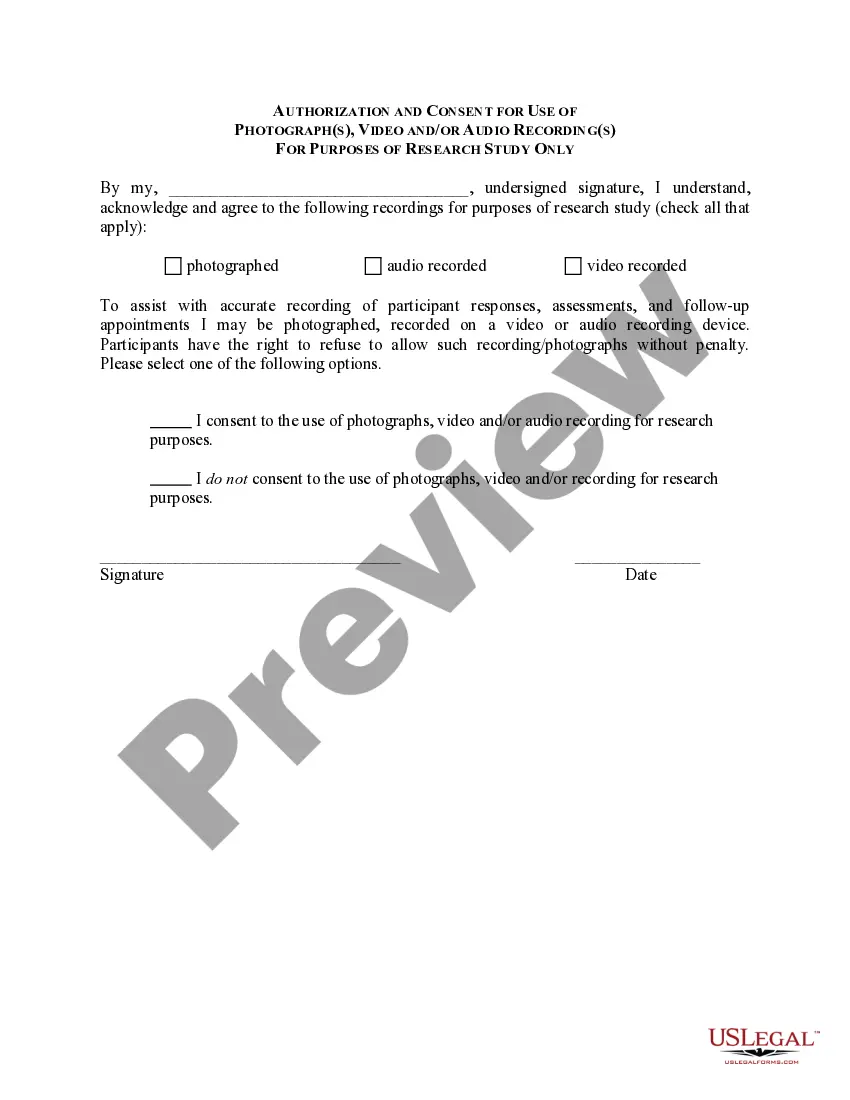
Texas Revocation of Statutory Declaration of Appointment of Guardian for my Child in the Event of my Death or Incapacity
Understanding this form
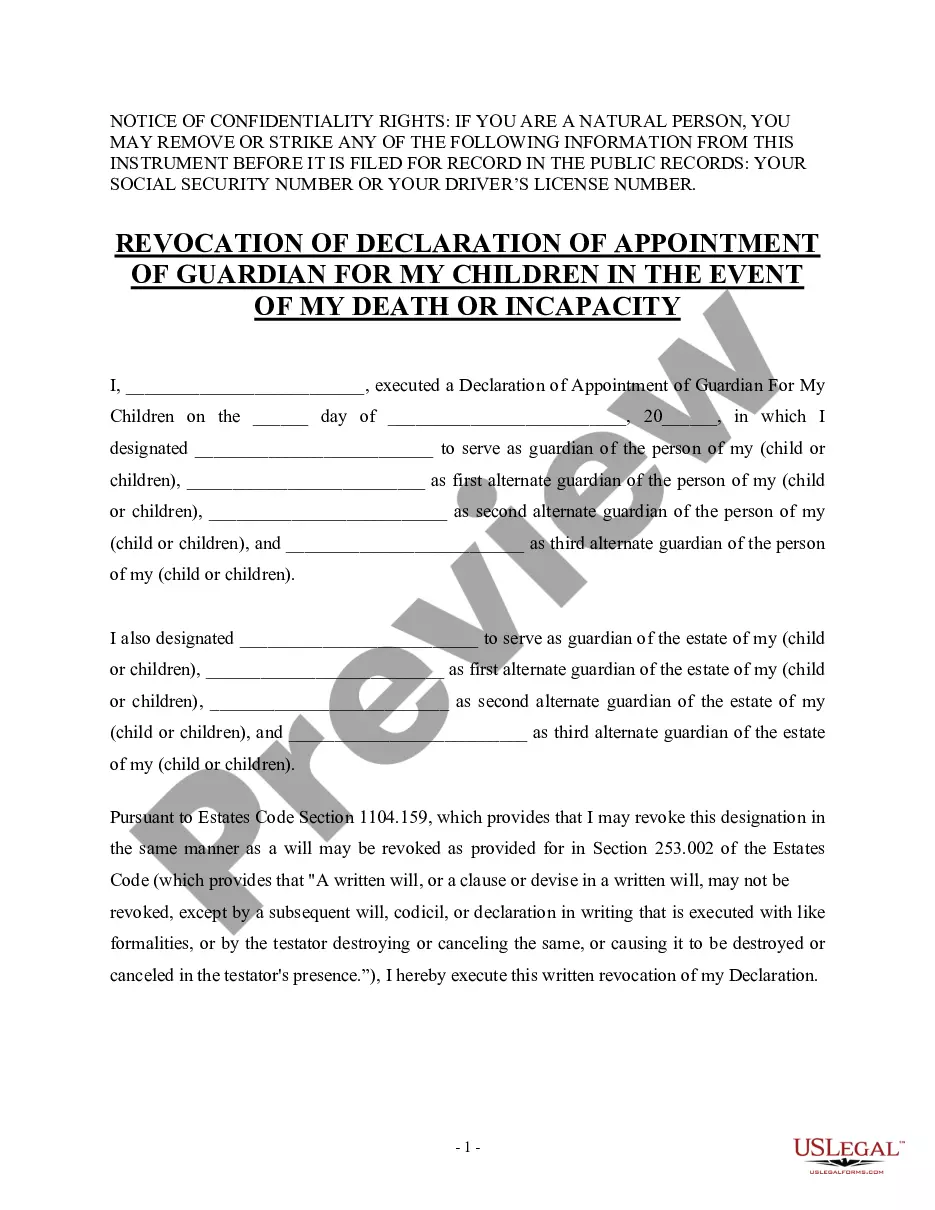
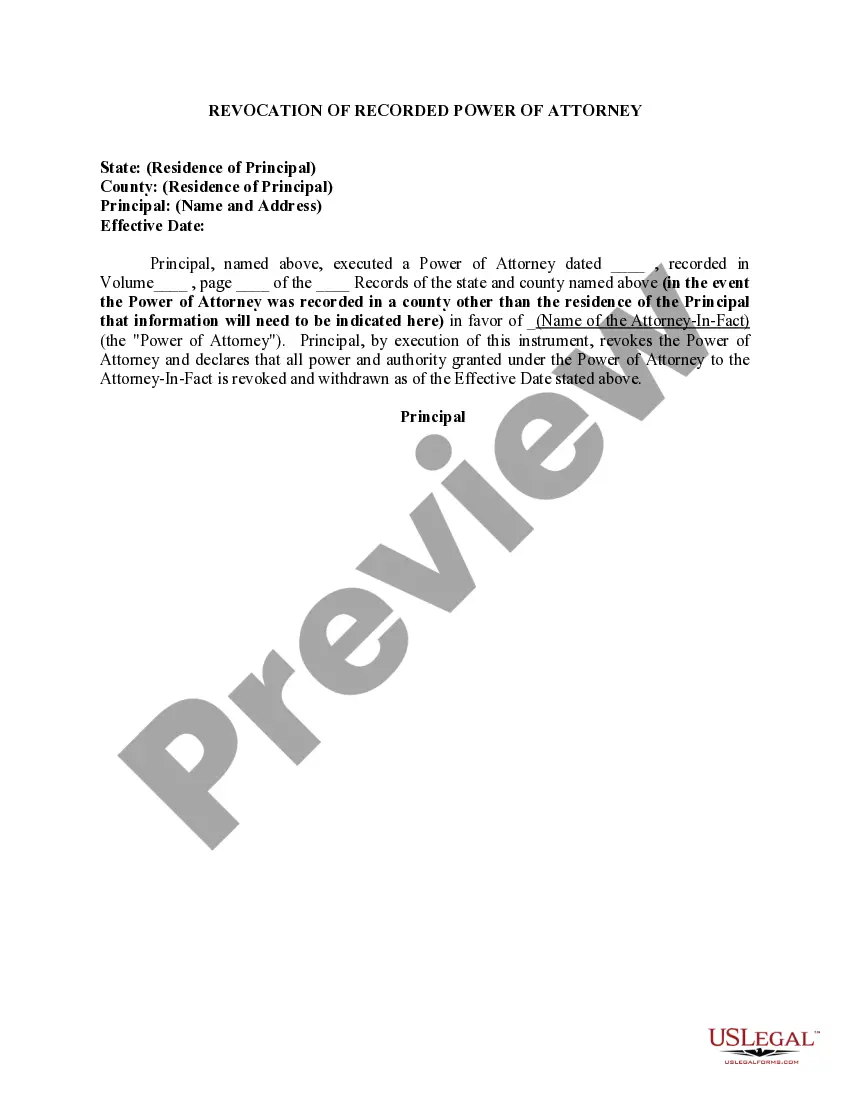
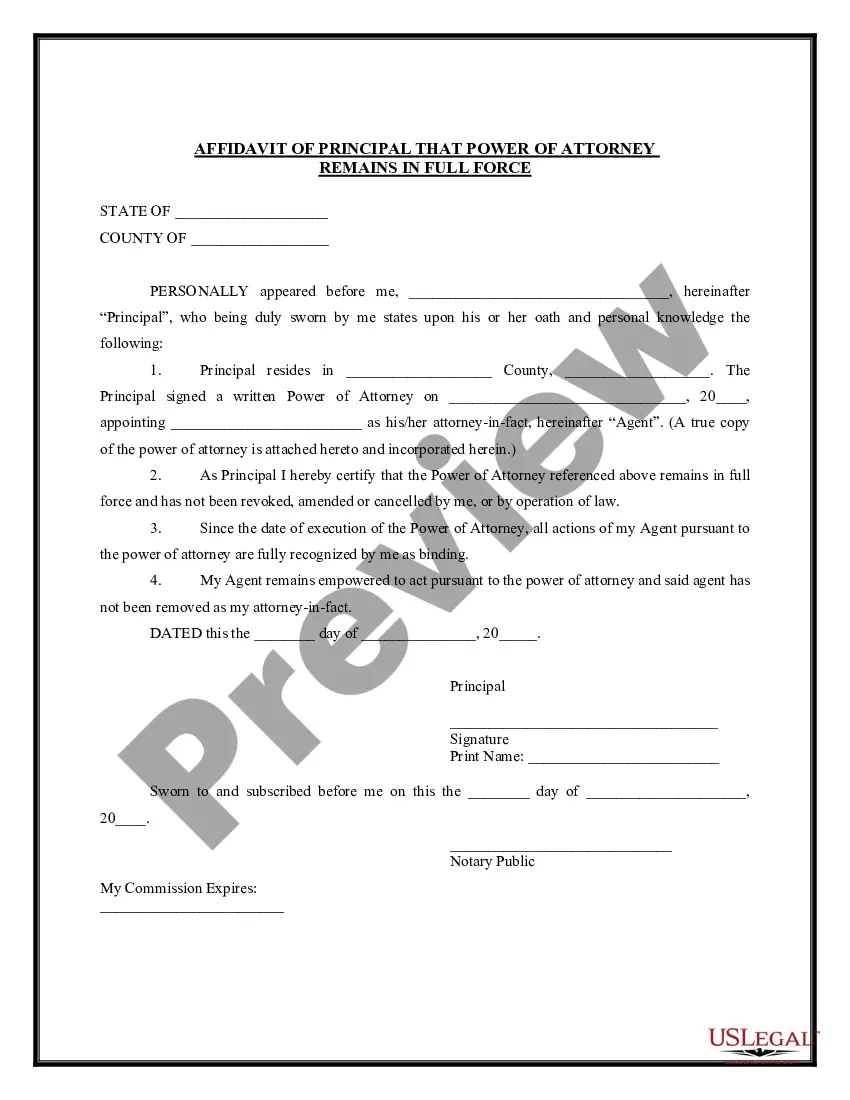
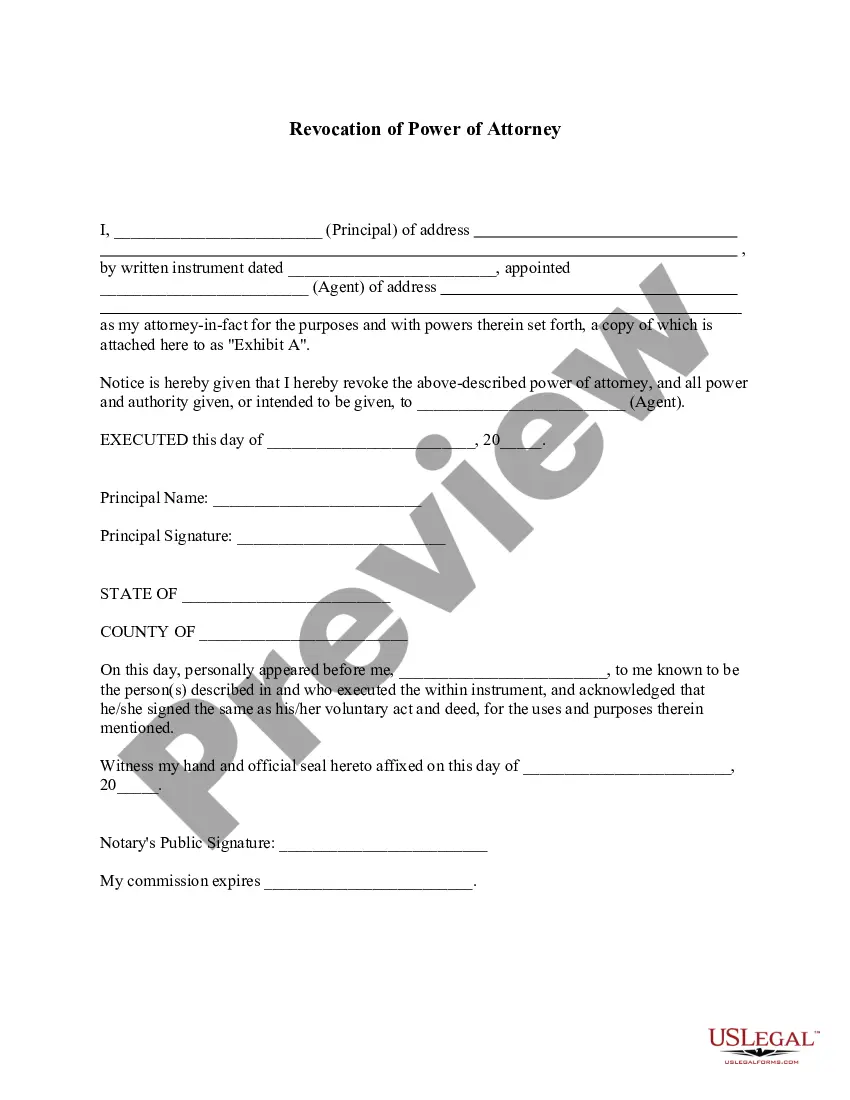
This Revocation of Statutory Declaration of Appointment of Guardian for my Child in the Event of my Death or Incapacity form is a legal document that allows a parent to officially revoke a previously signed declaration where they designated a guardian for their children in case of their death or incapacitation. This form ensures that any earlier appointments are nullified, providing clarity and peace of mind regarding the future care of your child or children.
Main sections of this form
- Declarant's information: Name of the parent revoking the appointment.
- Date of the original Declaration of Appointment of Guardian being revoked.
- Names of previously designated guardians for both the person and estate of the child or children.
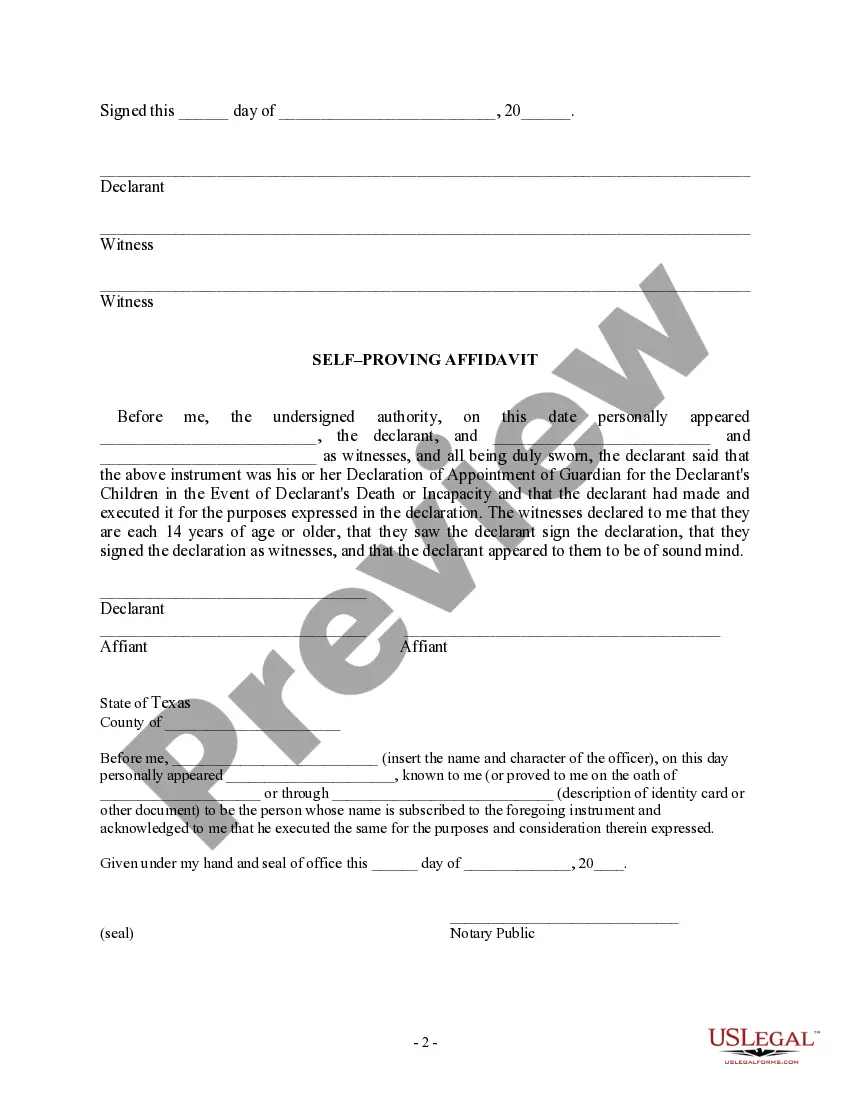
- Signatures of the declarant and witnesses to confirm the revocation.
- Notary section to authenticate the document.
Situations where this form applies
You should use this form when you want to cancel an existing declaration that appointed guardians for your children in case of your death or incapacity. This could be necessary if your circumstances change, such as moving to a different location, changes in your relationships, or if the originally designated guardians are no longer suitable.
Who this form is for
- Parents who have previously appointed a guardian for their children but wish to revoke that appointment.
- Guardians who have experienced changes in their ability or willingness to serve.
- Individuals involved in family law matters who need to update their guardianship decisions.
How to complete this form
- Identify yourself as the declarant by filling in your name and the date of revocation.
- Provide the date of the original declaration and the names of any previously appointed guardians.
- Sign the document in front of witnesses who can attest to the revocation.
- Have the witnesses also sign to confirm they observed the revocation.
- Complete the notary section to finalize the revocation, ensuring it's legally binding.
Notarization guidance
This form needs to be notarized to ensure legal validity. US Legal Forms provides secure online notarization powered by Notarize, allowing you to complete the process through a verified video call, available anytime.
Get your form ready online
Our built-in tools help you complete, sign, share, and store your documents in one place.
Make edits, fill in missing information, and update formatting in US Legal Forms—just like you would in MS Word.
Download a copy, print it, send it by email, or mail it via USPS—whatever works best for your next step.
Sign and collect signatures with our SignNow integration. Send to multiple recipients, set reminders, and more. Go Premium to unlock E-Sign.
If this form requires notarization, complete it online through a secure video call—no need to meet a notary in person or wait for an appointment.
We protect your documents and personal data by following strict security and privacy standards.

Make edits, fill in missing information, and update formatting in US Legal Forms—just like you would in MS Word.

Download a copy, print it, send it by email, or mail it via USPS—whatever works best for your next step.

Sign and collect signatures with our SignNow integration. Send to multiple recipients, set reminders, and more. Go Premium to unlock E-Sign.

If this form requires notarization, complete it online through a secure video call—no need to meet a notary in person or wait for an appointment.

We protect your documents and personal data by following strict security and privacy standards.
Common mistakes to avoid
- Failing to complete the notary section, which could invalidate the form.
- Not having the required witnesses present during the signing of the revocation.
- Omitting the names of previously designated guardians, resulting in ambiguity.
Why use this form online
- Convenience of accessing the form whenever you need it without appointments.
- Editable fields allow you to customize the document to suit your specific situation.
- Reliable templates created by licensed attorneys to ensure legal accuracy.
Summary of main points
- The form is essential for revoking previous guardianship appointments legally.
- Its proper completion ensures that your current wishes concerning guardianship are clearly expressed and recognized.
- Follow all steps carefully to avoid common errors that may invalidate the document.
Looking for another form?


Form popularity
FAQ
A Declaration of Guardian is a legal document where you tell the court who you want to serve as your guardian if there is ever a guardianship proceeding for you. There are two types of guardians: Guardian of your estate, and guardian of your person.
A guardian is also prohibited from making gifts from the ward's estate. Generally, a guardian cannot tie up the ward's money by purchasing real estate, but can lend the money to someone else buying real estate if the property is sufficient security for the loan.
Guardianship is a legal process used to protect individuals who are unable to care for their own well-being due to infancy, incapacity or disability. A court will appoint a legal guardian to care for an individual, known as a ward, who is in need of special protection.
There are two types of guardianships, a full guardianship and a limited guardianship.
A guardian is responsible for an elder or minor ward's personal care, providing them with a place to live, and with ensuring their medical needs are met. Guardians make sure that their ward has a place to live, such as the guardian's home, with a caretaker, or in an assisted living or full care facility.
The guardian is responsible for deciding where the ward's liquid assets will be held and who will be responsible for overseeing the investments. If the ward owns any real estate, the guardian is responsible for paying all of the bills for maintaining the property such as taxes, mortgages and insurance.
Usually, the appointment of a guardian won't take effect where there is a surviving parent, but where following divorce proceedings a residence order has been made in favour of the parent appointing the guardian, the appointment will take effect on that parent's death.
Under certain circumstances, a Guardian may be personally liable for improper distributions, and may be compelled by a Court to make a distribution at the Ward's or Interested Person's request.
A legal guardian is someone who has the legal authority to take care of a child should anything happen to the parents. Guardians are responsible for taking all parental decisions and can also be responsible for managing a child's property and inheritance.