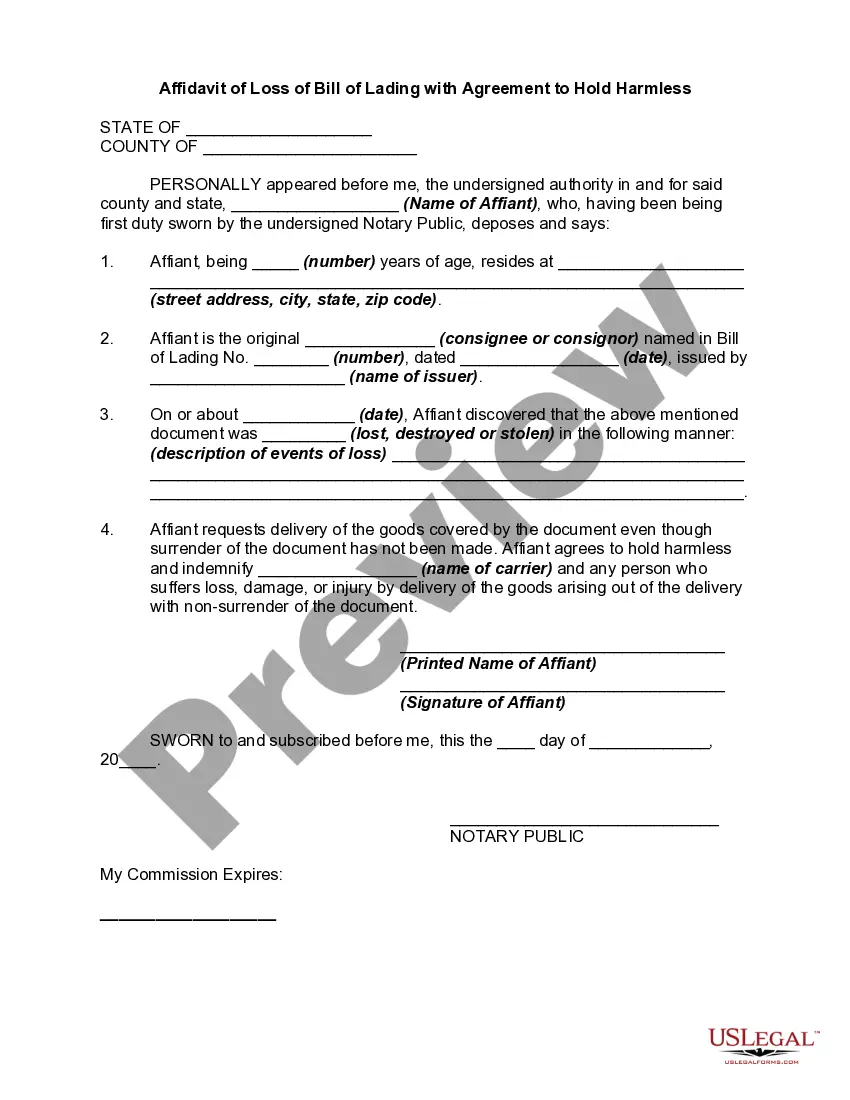
Texas Notice of Assignment to Living Trust
What is this form?
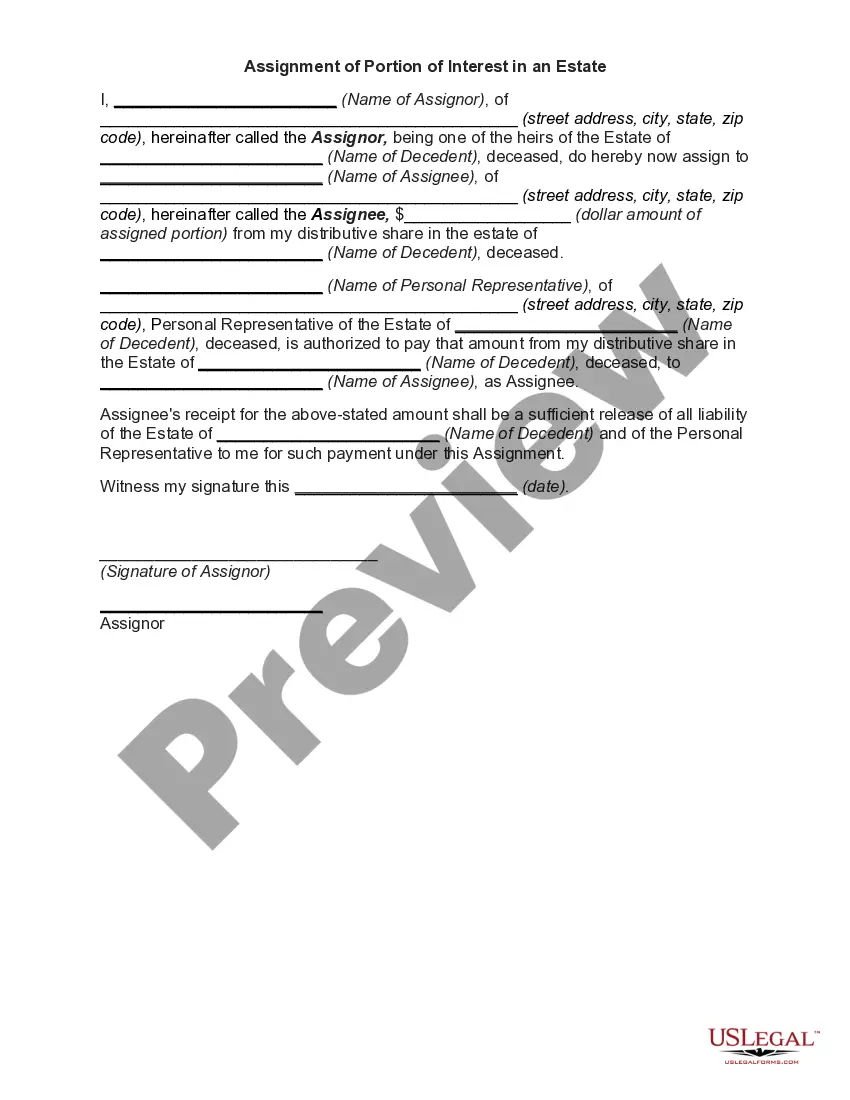
The Notice of Assignment to Living Trust is a legal document used to indicate that a trustor has transferred their rights, title, and interest in specific property to a living trust. This form is essential for estate planning as it helps clarify the ownership and management of assets held in the trust during the trustor's lifetime. It differs from other asset transfer forms by specifically addressing the mechanism of a living trust, which is revocable and allows for changes throughout the trustor's life.
Key components of this form
- Trustor signature lines to confirm the transfer of property ownership.
- Print name fields for each trustor, ensuring clear identification.
- Acknowledgment section for notarization confirming identity.
- State and county information to establish jurisdiction.
- Notary public section to verify the authenticity of signatures.

When this form is needed
This form should be used when a trustor decides to transfer specific assets into a living trust. This can occur during the creation of the trust, upon the acquisition of new assets, or when explicitly planning for the distribution of property after a trustor's death. It is important in situations where clear documentation of asset assignment is required to avoid legal disputes or confusion among beneficiaries.
Who needs this form
- Trustors who have established a living trust and wish to assign property to it.
- Individuals planning their estate and ensuring their assets are managed effectively.
- Any person who requires legal documentation of property transfer into a trust.
Instructions for completing this form
- Identify the trustor(s) by entering their names in the designated fields.
- Specify the property being transferred by providing a clear description.
- Have all trustor(s) sign the form in the designated areas.
- Provide date of acknowledgment in the specified section.
- Complete the notary public section to validate the signatures and transfer.
Does this form need to be notarized?
Yes, this form must be notarized to be legally valid. The notarization process ensures that the identities of the trustor(s) are verified, and the document is appropriately authenticated. US Legal Forms provides integrated online notarization services, allowing you to complete this step securely via video call, any time of the day.
Get your form ready online
Our built-in tools help you complete, sign, share, and store your documents in one place.
Make edits, fill in missing information, and update formatting in US Legal Forms—just like you would in MS Word.
Download a copy, print it, send it by email, or mail it via USPS—whatever works best for your next step.
Sign and collect signatures with our SignNow integration. Send to multiple recipients, set reminders, and more. Go Premium to unlock E-Sign.
If this form requires notarization, complete it online through a secure video call—no need to meet a notary in person or wait for an appointment.
We protect your documents and personal data by following strict security and privacy standards.

Make edits, fill in missing information, and update formatting in US Legal Forms—just like you would in MS Word.

Download a copy, print it, send it by email, or mail it via USPS—whatever works best for your next step.

Sign and collect signatures with our SignNow integration. Send to multiple recipients, set reminders, and more. Go Premium to unlock E-Sign.

If this form requires notarization, complete it online through a secure video call—no need to meet a notary in person or wait for an appointment.

We protect your documents and personal data by following strict security and privacy standards.
Typical mistakes to avoid
- Failing to provide complete property descriptions may lead to confusion.
- Leaving any signature lines blank can invalidate the document.
- Not including the date of acknowledgment can cause legal issues in the future.
Benefits of using this form online
- Convenience of accessing and completing the form from anywhere.
- Editable fields allow for easy customization based on specific assets.
- Reliable access to templates drafted by licensed attorneys ensures legal accuracy.
Quick recap
- The Notice of Assignment to Living Trust is essential for transferring assets into a living trust.
- Proper completion and notarization are crucial to validate the form.
- The form is tailored for use in Texas, ensuring compliance with state laws.
Looking for another form?

Form popularity
FAQ
A living trust in Texas allows you to use your assets during your lifetime and securely transfer them to your beneficiaries after your death. A revocable living trust (also called an inter vivos trust) offers a variety of benefits as an estate planning tool.
Paperwork. Setting up a living trust isn't difficult or expensive, but it requires some paperwork. Record Keeping. After a revocable living trust is created, little day-to-day record keeping is required. Transfer Taxes. Difficulty Refinancing Trust Property. No Cutoff of Creditors' Claims.
Obtain a California grant deed from a local office supply store or your county recorder's office. Complete the top line of the deed. Indicate the grantee on the second line. Enter the trustees' names and addresses.
A living trust is an important part of your estate plan. Most people can create a living trust without an attorney using software or an online service.
In general, a trust beneficiary has a right to get a copy of the trust document, receive accountings from the trustee, and expect that the trustee will perform all of its duties under the terms of the trust agreement and Texas law, but there are exceptions.
Qualified retirement accounts 401ks, IRAs, 403(b)s, qualified annuities. Health saving accounts (HSAs) Medical saving accounts (MSAs) Uniform Transfers to Minors (UTMAs) Uniform Gifts to Minors (UGMAs) Life insurance. Motor vehicles.
Although a typical will package costs $1,000 to $1,200, and a trust can run $2,500, a legal insurance plan like Texas Legal can save Texans hundreds or even thousands on their estate planning costs.
Choose whether to make an individual or shared trust. Decide what property to include in the trust. Choose a successor trustee. Decide who will be the trust's beneficiaries who will get the trust property. Create the trust document. Sign the document in front of a notary public.
To transfer assets such as investments, bank accounts, or stock to your real living trust, you will need to contact the institution and complete a form. You will likely need to provide a certificate of trust as well. You may want to keep your personal checking and savings account out of the trust for ease of use.