Texas Writ of Attachment
About this form
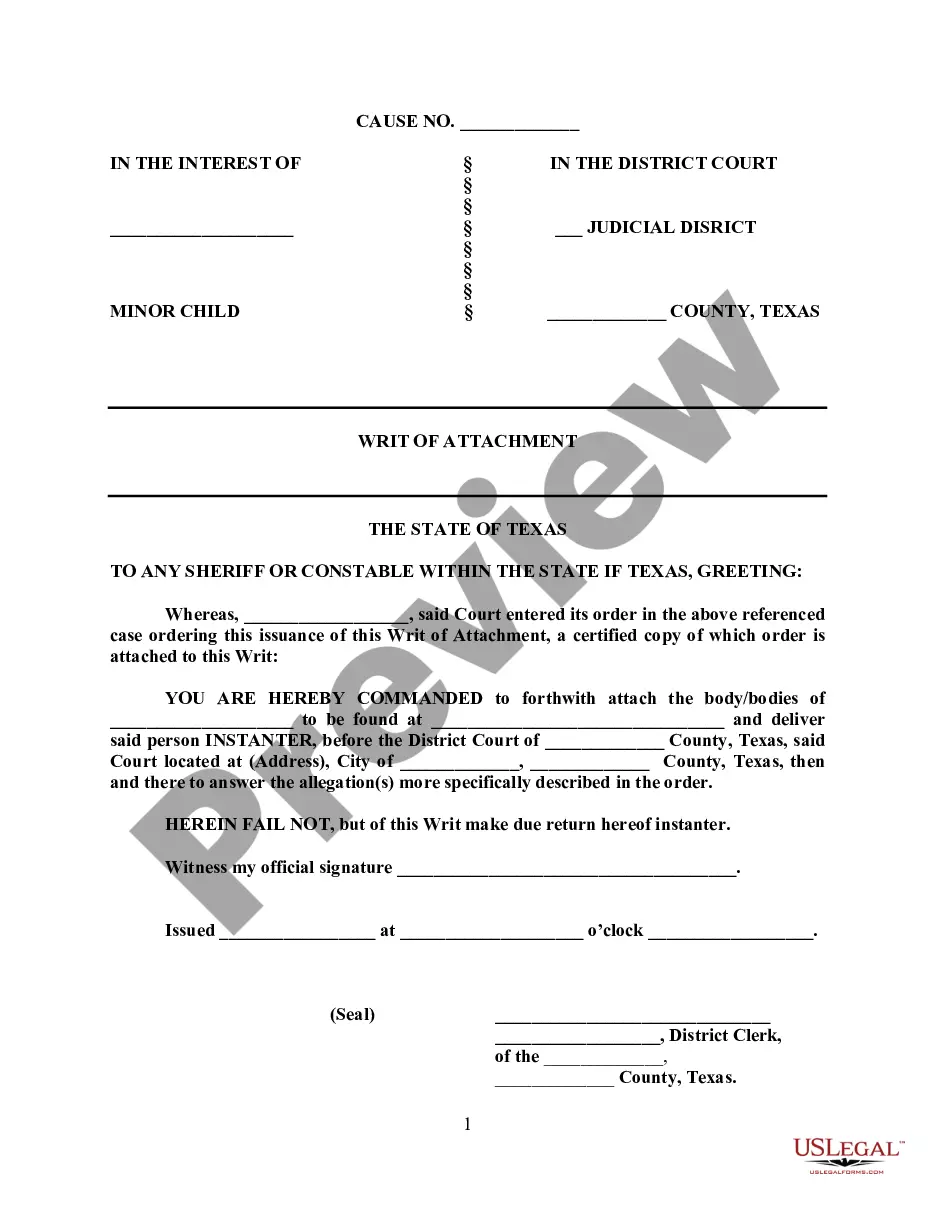
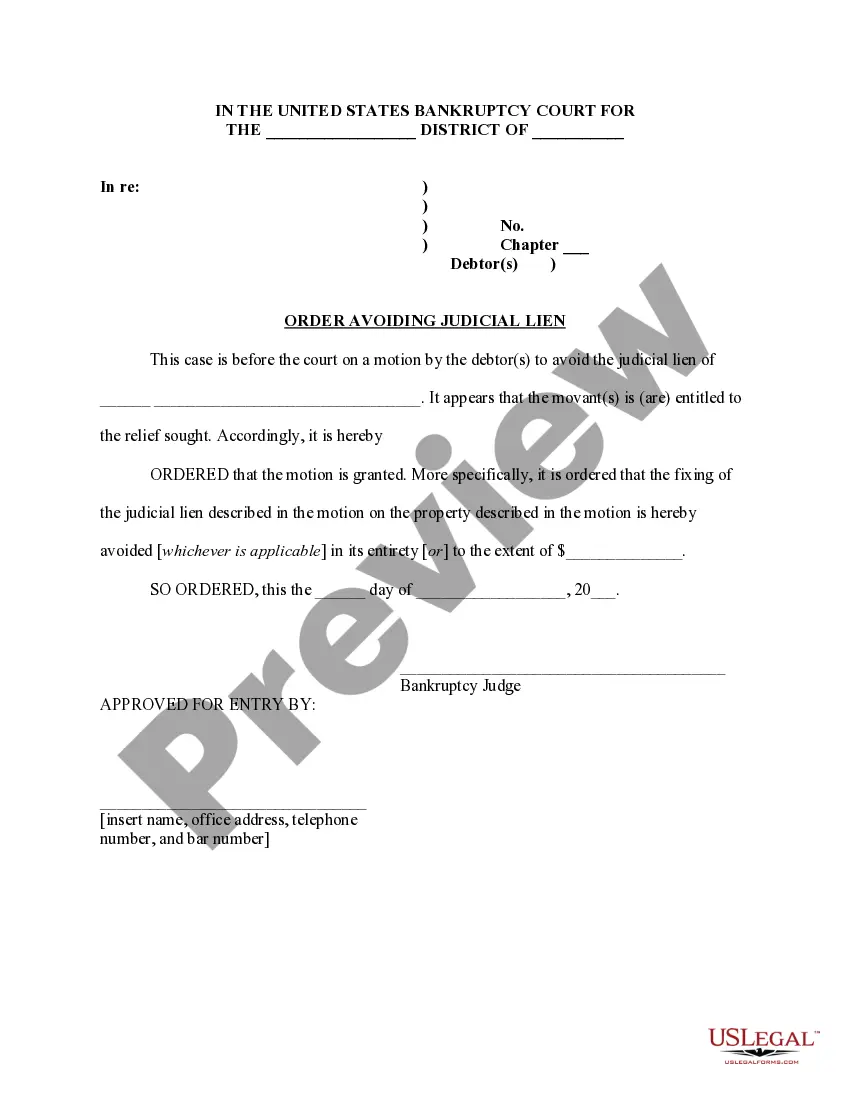
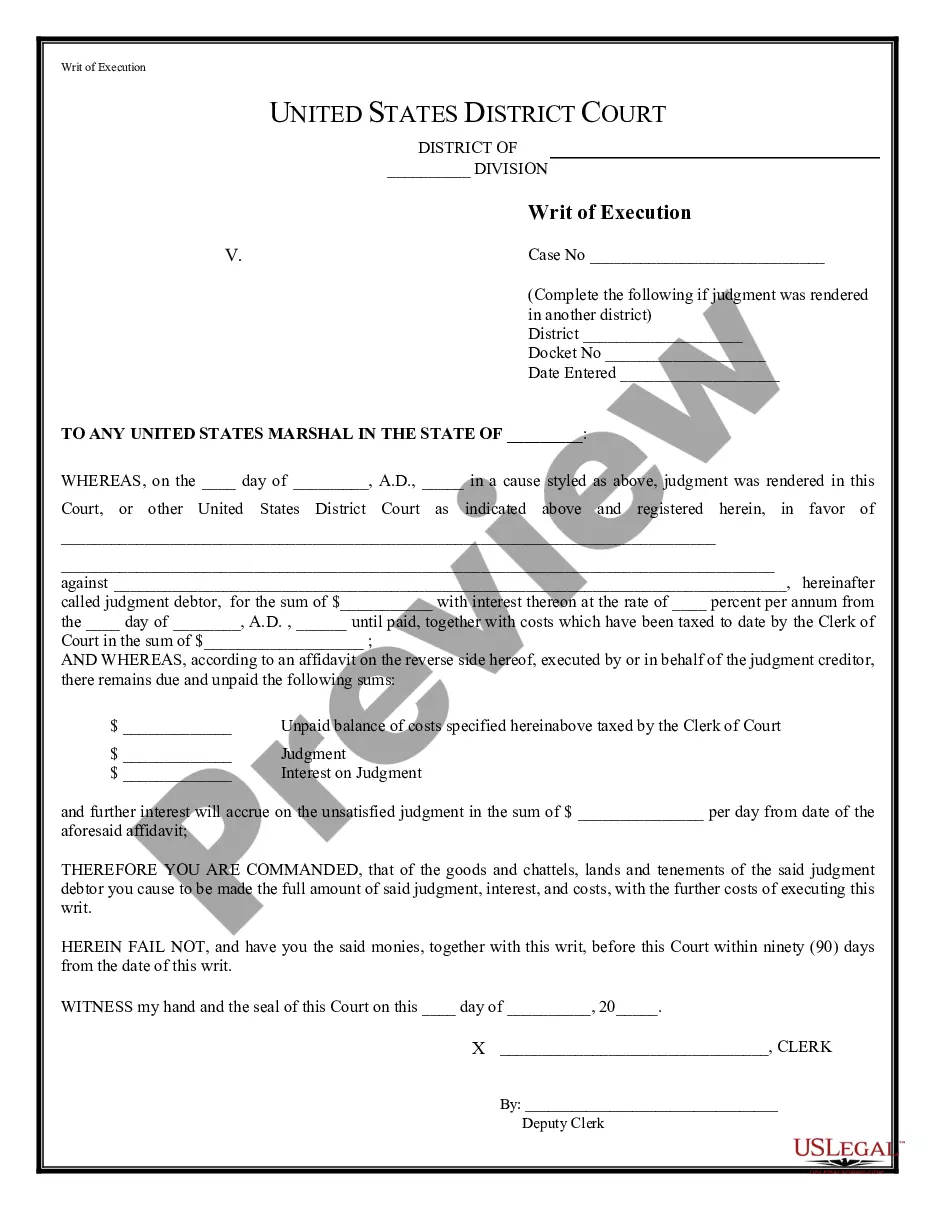
The Texas Writ of Attachment is a legal document issued by the court that directs a sheriff or constable to take custody of a person identified in the writ. Its purpose is to bring the individual before the court to answer specific allegations. This form is essential in cases where a person may not be complying with court orders or where their presence is required for judicial proceedings, differentiating it from other court orders or summons that may not involve physical custody of an individual.
What’s included in this form
- Case number and identification information
- Command directing the sheriff or constable to detain the individual
- Details of the court where the individual must appear
- Official signatures and date of issuance
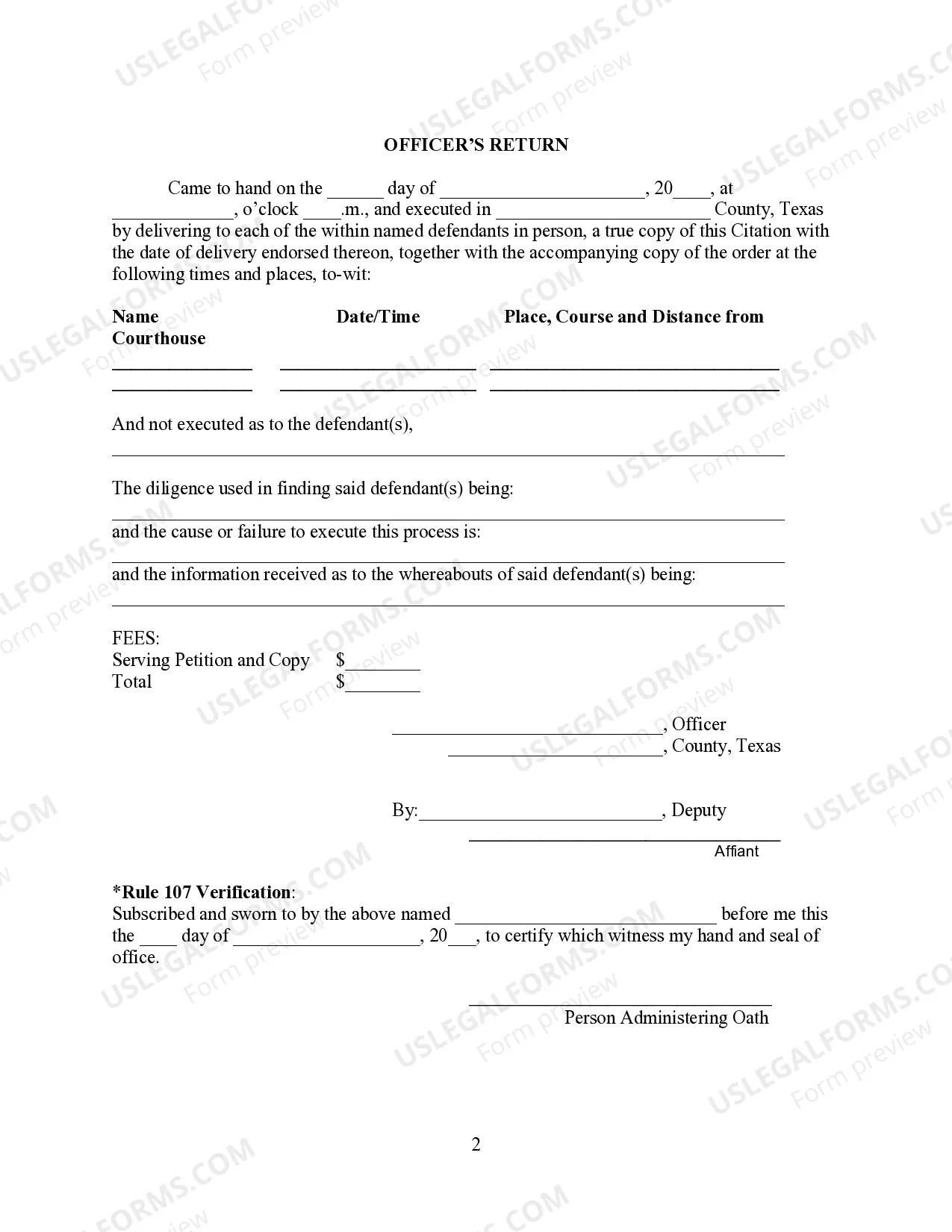
- Officer's return section for documenting execution of the writ

Common use cases
This form should be used when a court orders that an individual needs to be physically brought before it, often in cases involving legal disputes, custody hearings, or other serious matters where the court requires the presence of the individual to proceed with the case. It is particularly useful when there are concerns that the individual might evade legal obligations or process.
Who should use this form
This form is typically used by:
- Attorneys representing parties in legal proceedings
- Individuals seeking enforcement of a court order
- Court clerks or designated officials involved in processing court documents
How to complete this form
- Identify the correct case number in the designated field.
- Specify the name of the individual to be attached and their last known location.
- Fill out the court's name and address where the individual must appear.
- Provide the date and your signature in the appropriate sections.
- Have the form issued by the District Clerk and attach any required order.
Does this form need to be notarized?
This form does not typically require notarization unless specified by local law. However, ensure compliance with any additional requirements set by the court to ensure its validity.
Get your form ready online
Our built-in tools help you complete, sign, share, and store your documents in one place.
Make edits, fill in missing information, and update formatting in US Legal Forms—just like you would in MS Word.
Download a copy, print it, send it by email, or mail it via USPS—whatever works best for your next step.
Sign and collect signatures with our SignNow integration. Send to multiple recipients, set reminders, and more. Go Premium to unlock E-Sign.
If this form requires notarization, complete it online through a secure video call—no need to meet a notary in person or wait for an appointment.
We protect your documents and personal data by following strict security and privacy standards.

Make edits, fill in missing information, and update formatting in US Legal Forms—just like you would in MS Word.

Download a copy, print it, send it by email, or mail it via USPS—whatever works best for your next step.

Sign and collect signatures with our SignNow integration. Send to multiple recipients, set reminders, and more. Go Premium to unlock E-Sign.

If this form requires notarization, complete it online through a secure video call—no need to meet a notary in person or wait for an appointment.

We protect your documents and personal data by following strict security and privacy standards.
Common mistakes to avoid
- Not including the correct case number or court details.
- Omitting signatures required for validation.
- Failing to attach the court order that prompted the writ.
Benefits of completing this form online
- Convenience of downloading and printing the form anytime.
- Immediate access to accurate and legally compliant templates.
- Editable text fields allow customization to fit specific legal needs.
Looking for another form?
Form popularity
FAQ
Some examples of attachable property are the following: farm products, inventory, equipment, final money judgements arising out of defendant's conduct of trade, business or profession, homestead exemption, any interest in real property, accounts receivable arising out of conduct by defendant of trade, business, or
488.510. (a) Unless sooner released or discharged, any attachment shall cease to be of any force or effect, and the property levied upon shall be released from the operation of the attachment, at the expiration of three years from the date of issuance of the writ of attachment under which the levy was made.
Writ of attachment refers to court approved seizures of defendant property early in a case to ensure the plaintiff can receive adequate damages.
One way to defeat the writ of attachment proceeding in a breach of contract action is to demonstrate to the Court that the terms of the contract themselves are ambiguous, and can only be determined through discovery in a case, and possibly through a factual determination by a jury.
A writ of attachment demands the creditor's property prior to the outcome of a trial or judgment, whereas a writ of execution directs law enforcement to begin the transfer of property as the result of the conclusion of a legal judgment.
The most effective way to stop a writ of execution is to reach out to the judgment creditor and ask it to stop implementation. The sheriff will often cease efforts if the parties are working in good faith to resolve the judgment.
A body attachment is a type of arrest warrant. There is not much of a difference between an arrest warrant and a body attachment. Both are legal orders signed by a judge and require law enforcement officers to arrest you as soon as possible.