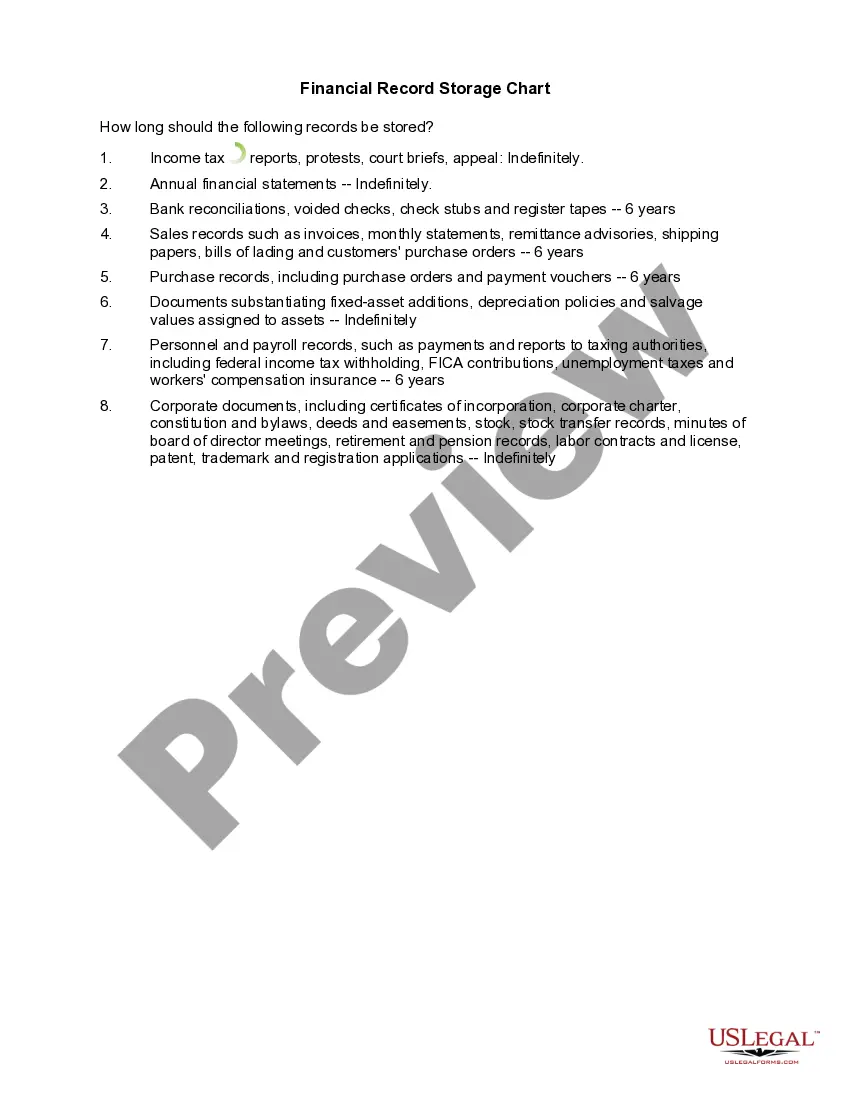
Tennessee Financial Record Storage Chart
Description
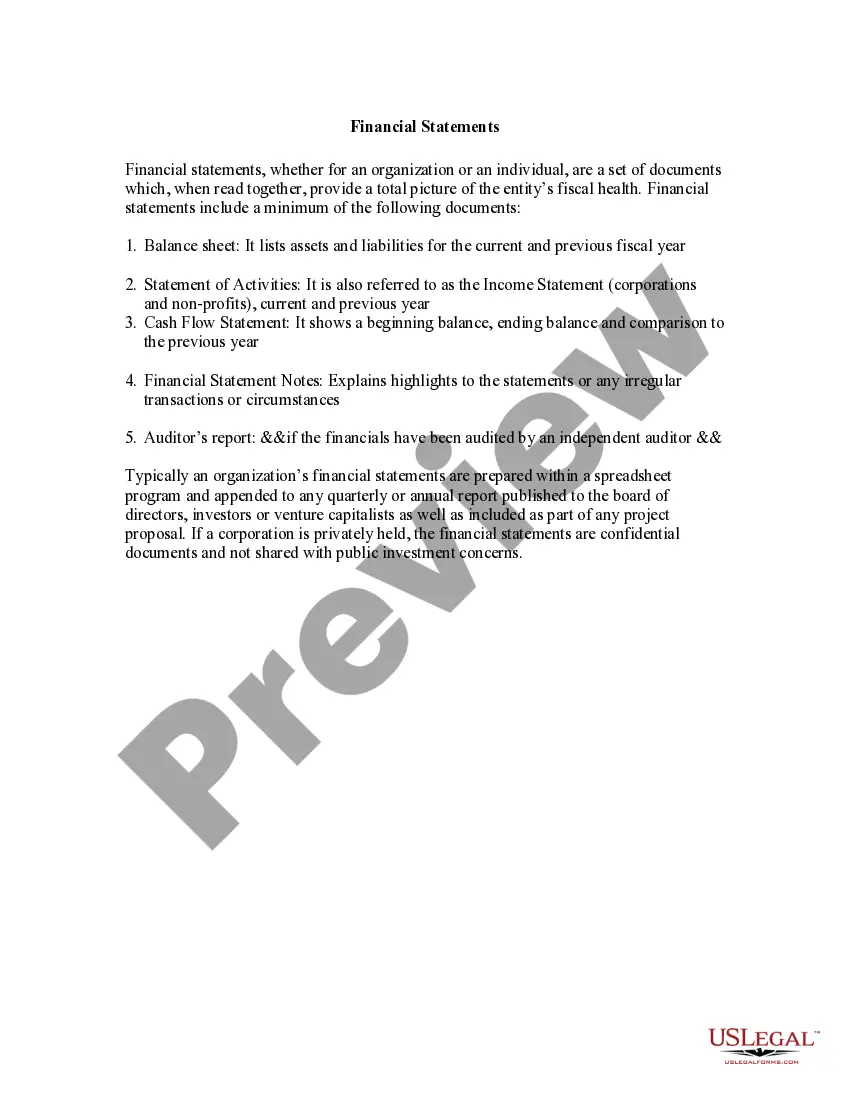
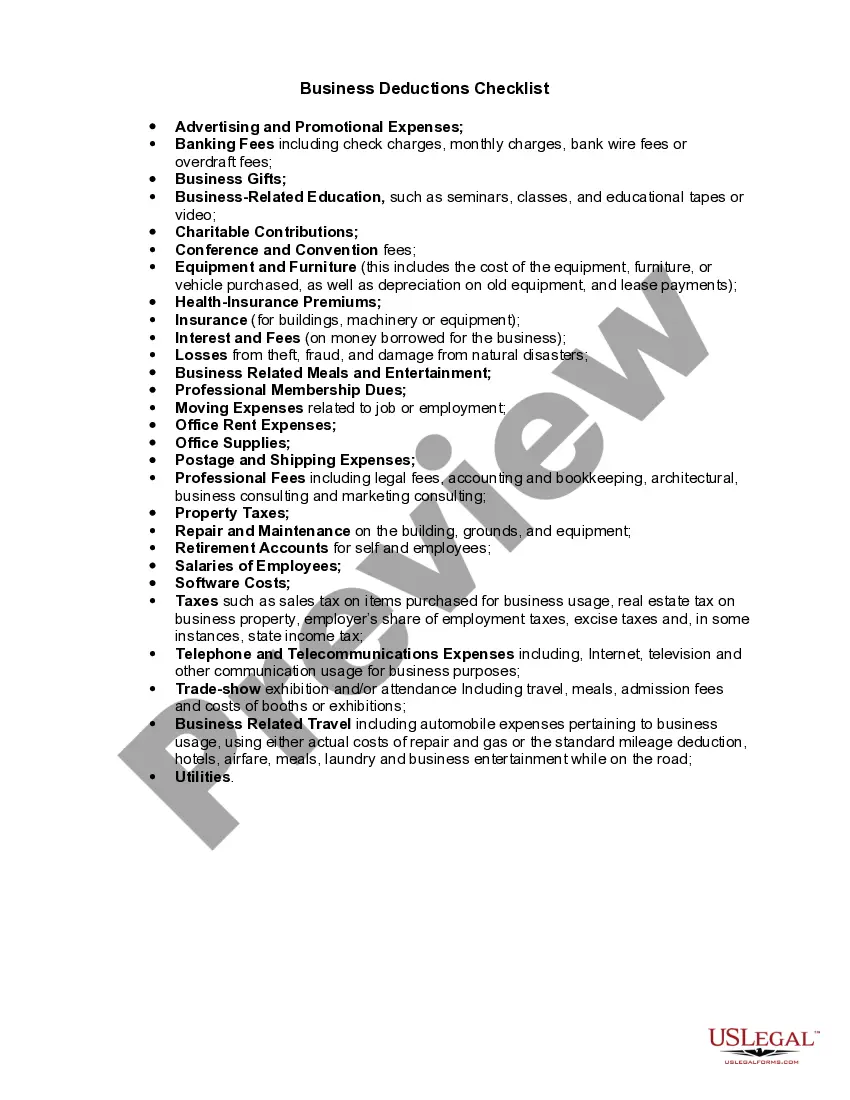
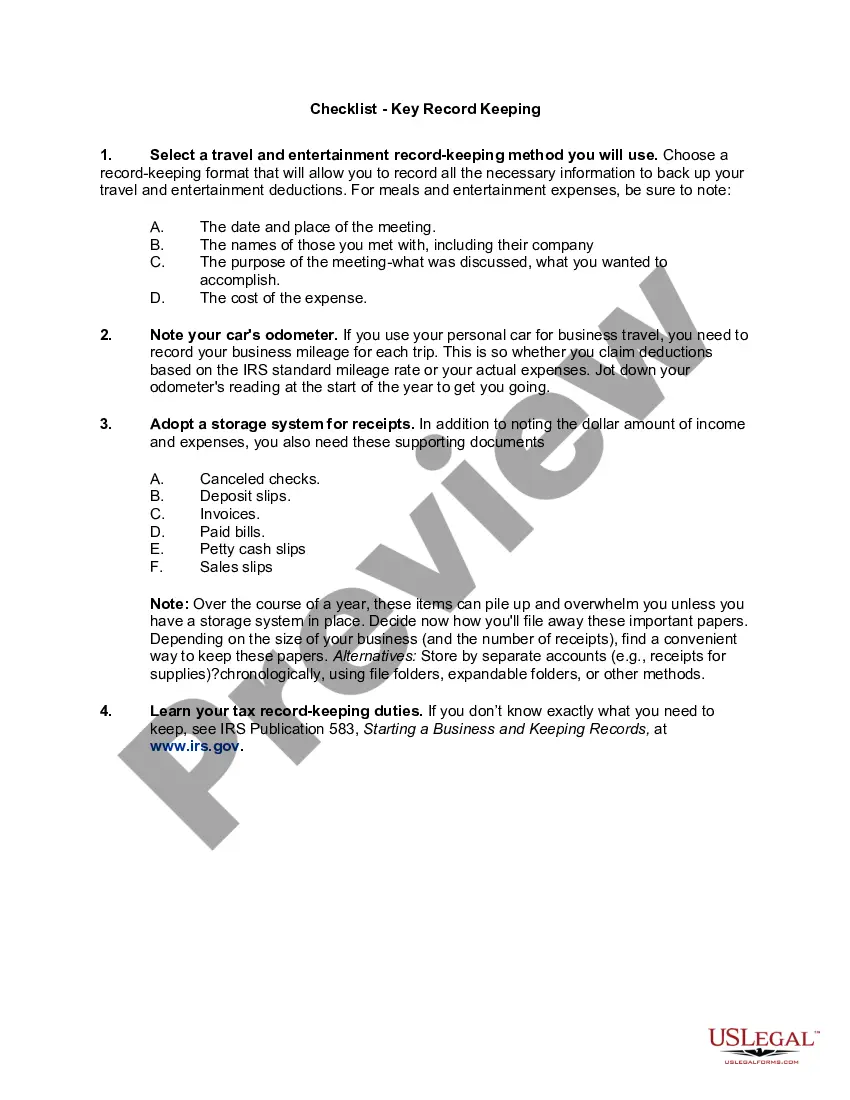
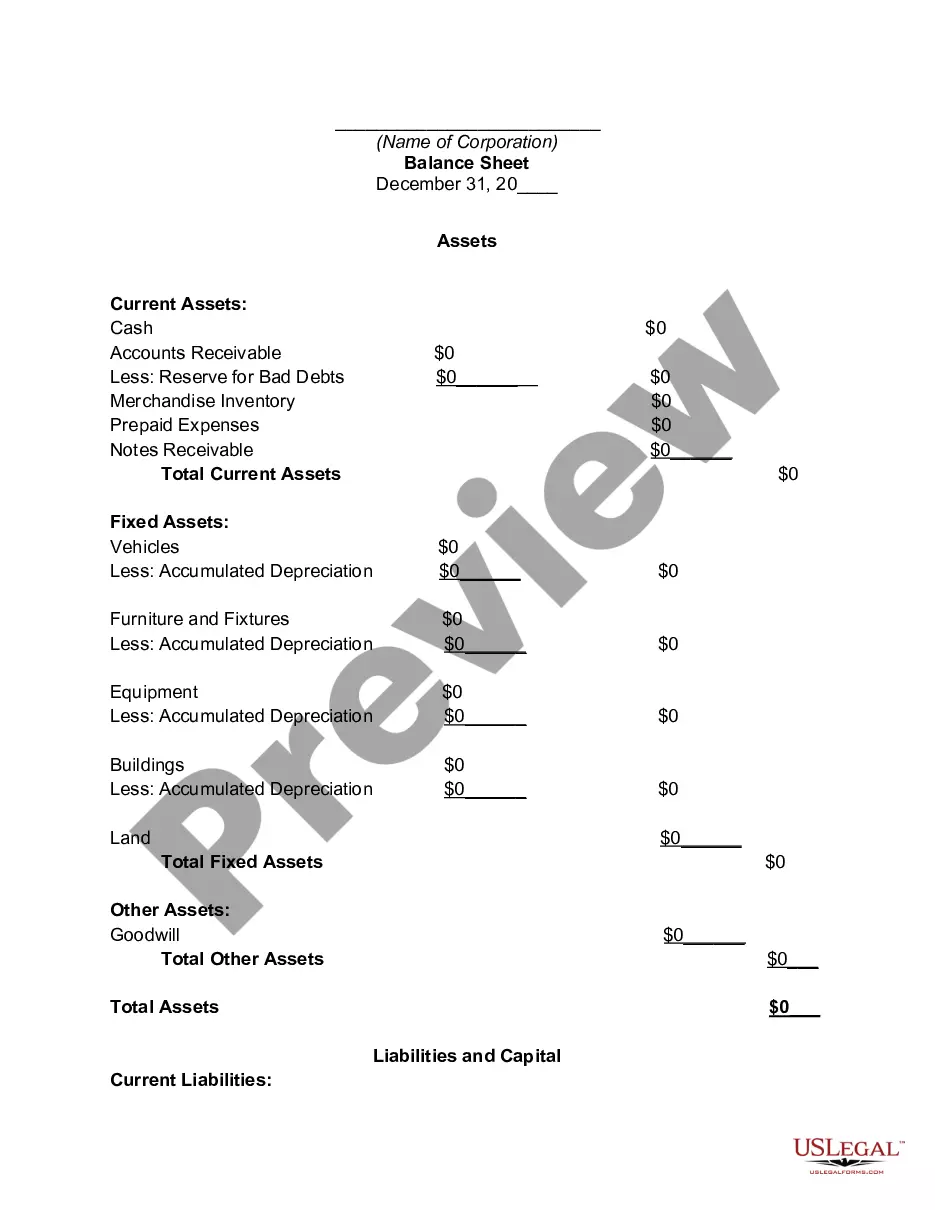
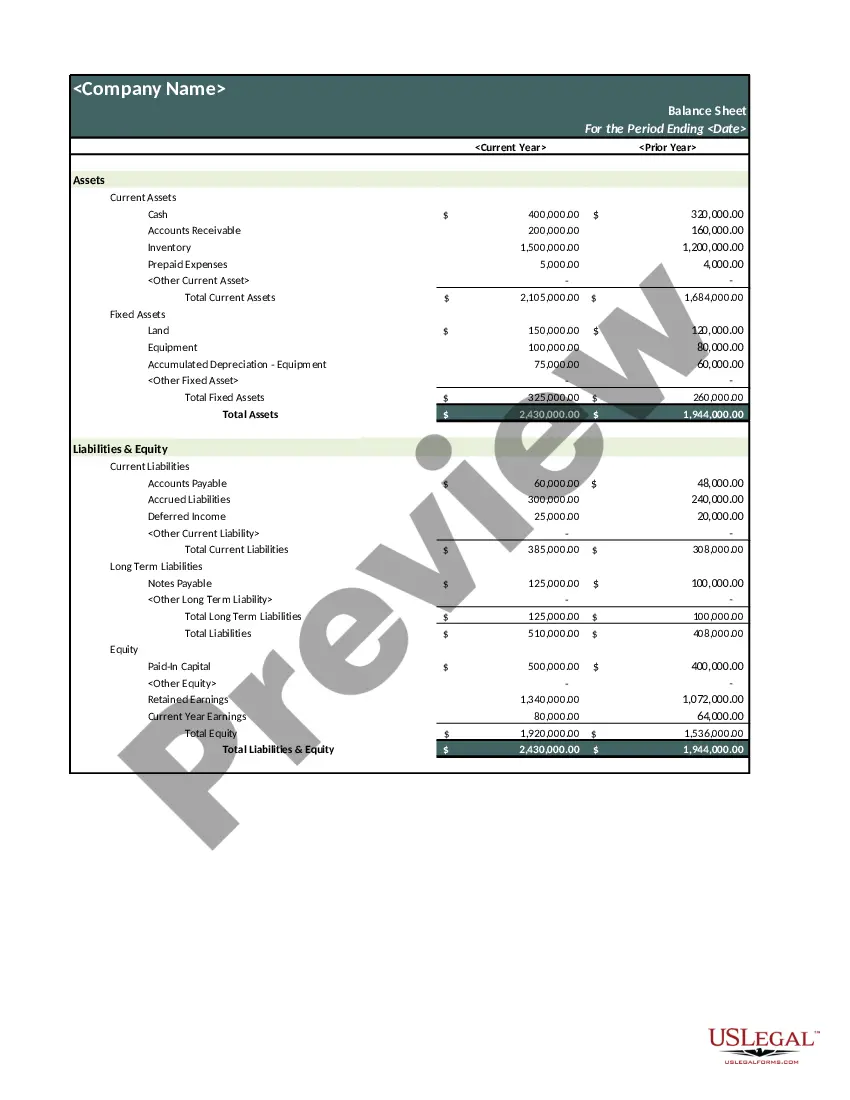
Get your form ready online
Our built-in tools help you complete, sign, share, and store your documents in one place.
Make edits, fill in missing information, and update formatting in US Legal Forms—just like you would in MS Word.
Download a copy, print it, send it by email, or mail it via USPS—whatever works best for your next step.
Sign and collect signatures with our SignNow integration. Send to multiple recipients, set reminders, and more. Go Premium to unlock E-Sign.
If this form requires notarization, complete it online through a secure video call—no need to meet a notary in person or wait for an appointment.
We protect your documents and personal data by following strict security and privacy standards.
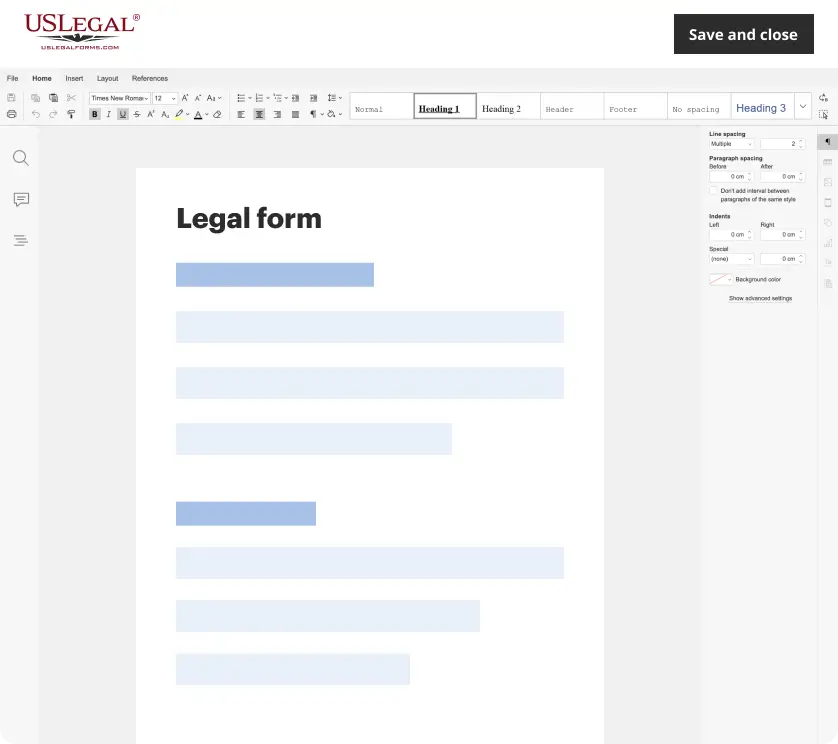
Make edits, fill in missing information, and update formatting in US Legal Forms—just like you would in MS Word.
Download a copy, print it, send it by email, or mail it via USPS—whatever works best for your next step.
Sign and collect signatures with our SignNow integration. Send to multiple recipients, set reminders, and more. Go Premium to unlock E-Sign.

If this form requires notarization, complete it online through a secure video call—no need to meet a notary in person or wait for an appointment.
We protect your documents and personal data by following strict security and privacy standards.
Looking for another form?





How to fill out Financial Record Storage Chart?
If you require thorough, procure, or print legal document templates, utilize US Legal Forms, the foremost repository of legal documents, available online.
Take advantage of the site's straightforward and user-friendly search feature to find the forms you need.
Various templates for business and personal use are organized by categories and states, or keywords.
Step 3. If you are dissatisfied with the form, use the Search field at the top of the screen to find other versions of the legal form template.
Step 4. Once you have located the form you need, click the Purchase now button. Select the payment plan you wish and enter your information to register for an account.
- Utilize US Legal Forms to retrieve the Tennessee Financial Record Storage Chart within just a few clicks.
- If you are already a US Legal Forms customer, Log In to your account and click the Download button to find the Tennessee Financial Record Storage Chart.
- You may also access forms you previously downloaded in the My documents section of your account.
- If you are using US Legal Forms for the first time, follow the instructions provided below.
- Step 1. Ensure you have selected the form for the appropriate city/state.
- Step 2. Utilize the Preview option to review the form’s details. Be sure to read the description carefully.
Form popularity
FAQ
Courts in Tennessee generally keep records indefinitely, but the availability may vary depending on the specific type of case and the court involved. Some records can be difficult to retrieve if they date back many years. Utilizing the Tennessee Financial Record Storage Chart can provide clarity on record retention policies, allowing you to access the information you need with ease.
In Tennessee, healthcare providers must keep medical records for at least seven years from the date of the last treatment. For minors, records must be retained until the patient turns 18, plus an additional seven years. Understanding these timelines is crucial for compliance, and using the Tennessee Financial Record Storage Chart can help you manage your records effectively and stay organized.
Yes, Tennessee court records are generally public. This means you can access various legal documents, including court filings, judgments, and other case information. However, certain records may be sealed, such as those involving minors or sensitive information. To help you navigate this aspect, the Tennessee Financial Record Storage Chart serves as an excellent resource.
Accessing public records in Tennessee can be done through various state and local government websites, many of which provide online databases. You can also visit local courthouses or government offices in person. For a comprehensive understanding, the Tennessee Financial Record Storage Chart can provide you guidance on how to access specific types of records. Having a clear understanding of where to find these records empowers you in your search.
Yes, property records in Tennessee are public and can be accessed by anyone interested. These records include information on ownership, transfers, and property taxes. By consulting the Tennessee Financial Record Storage Chart, you can find essential details regarding the accessibility of various public records. Being informed about property records can be beneficial for buyers, sellers, and real estate professionals.
Court records in Tennessee are generally retained for a specific period depending on the type of case. Criminal court records may be kept longer than civil records. The Tennessee Financial Record Storage Chart offers insights into the varying retention schedules for different types of legal records. Knowing these timelines is crucial for anyone needing access to court documents for personal or business purposes.
To make an open records request in Tennessee, you need to write a formal request and send it to the relevant governmental body. Be specific about the records you want, and include your contact details. Reference the Tennessee Financial Record Storage Chart to enhance your understanding of the records that are open to the public. By following these steps, you can enhance your chances of obtaining the information you need.
Filing an open records request in Tennessee involves submitting a written request to the appropriate agency that holds the records you seek. You can include specific details such as your name, contact information, and a clear description of the documents you’re requesting. Leveraging the Tennessee Financial Record Storage Chart can help you identify which records can be requested. Familiarity with the process helps ensure your request is processed smoothly.
In Tennessee, financial records must generally be kept for at least seven years, but this can vary based on the type of document. Some records, like tax returns, may require longer retention. Utilizing the Tennessee Financial Record Storage Chart can guide you in determining the proper retention periods for different financial documents. Properly managing these documents helps protect against audits and legal issues.
The 7 year retention rule in Tennessee suggests that financial records typically should be kept for a minimum of seven years. This rule is designed to help individuals and businesses manage their records effectively while ensuring compliance with tax laws. Referencing the Tennessee Financial Record Storage Chart can provide you with a clear understanding of which records fall under this rule. Remember, keeping organized records can simplify your financial management and tax preparation.