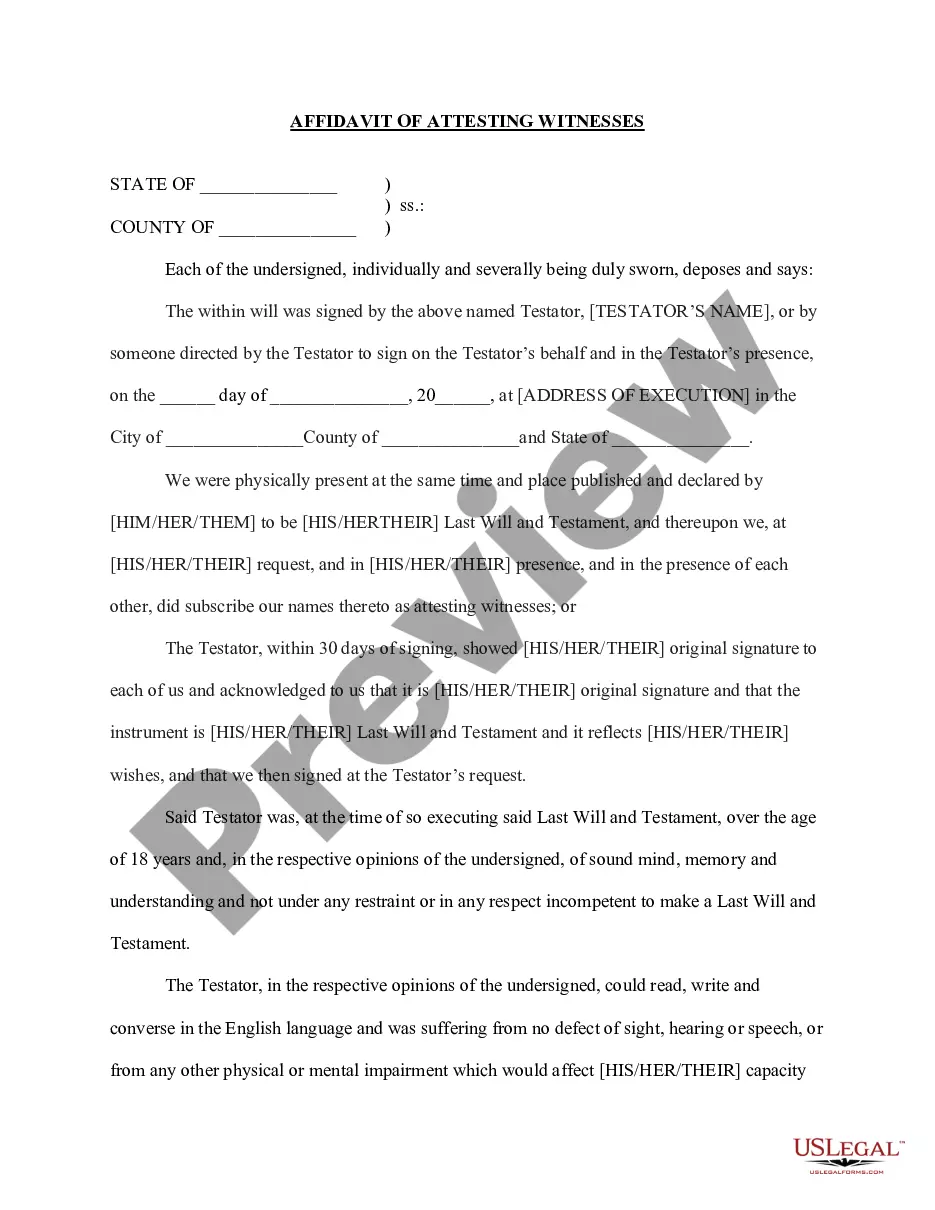
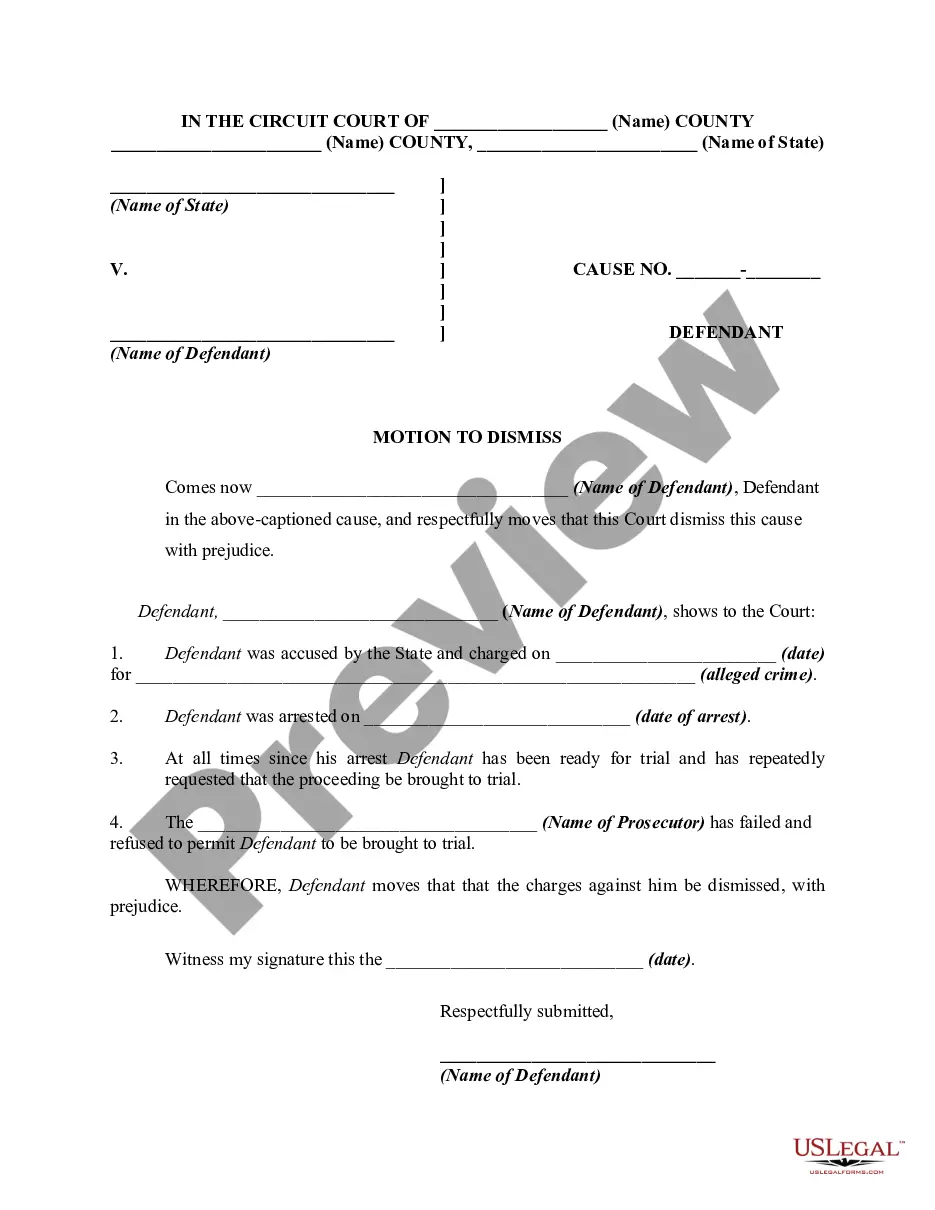
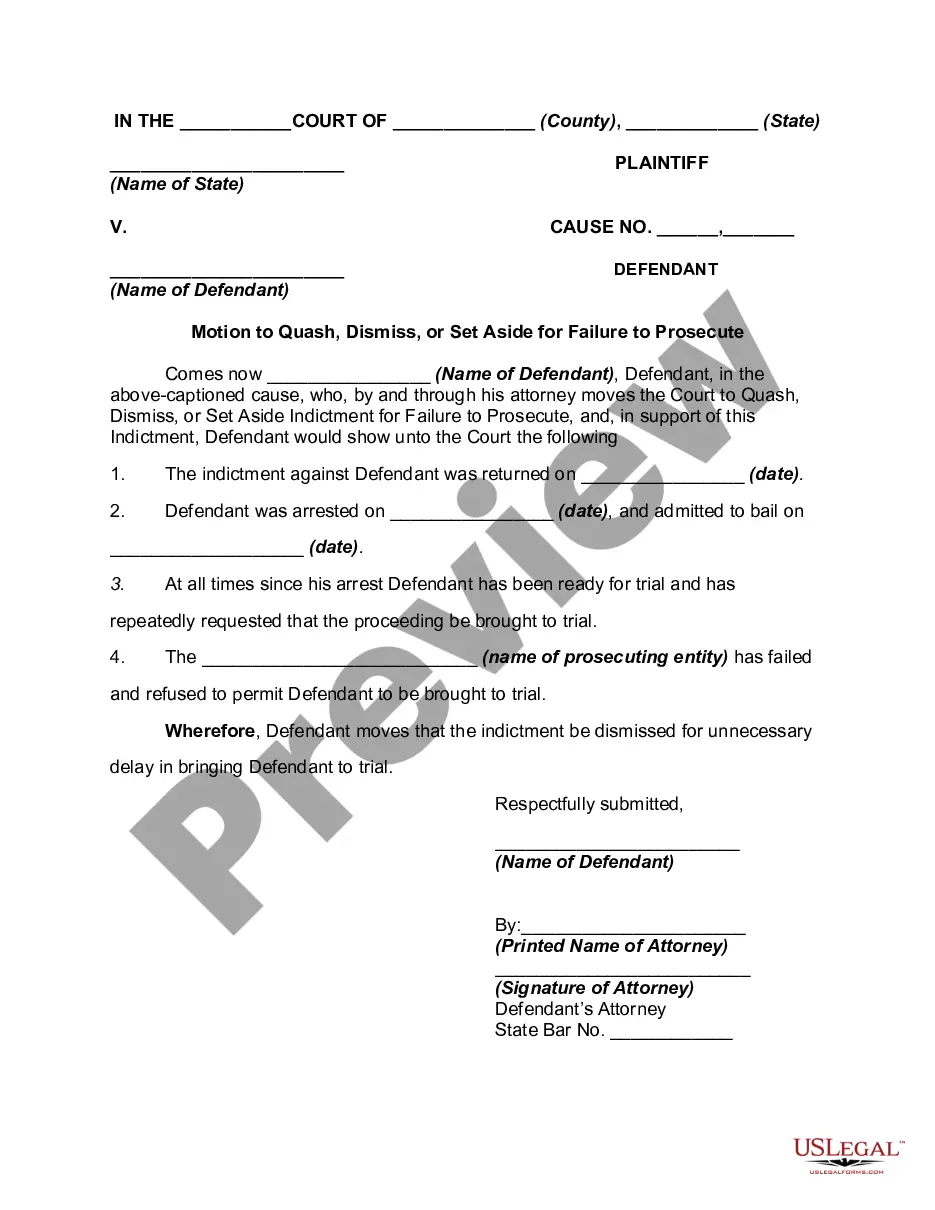
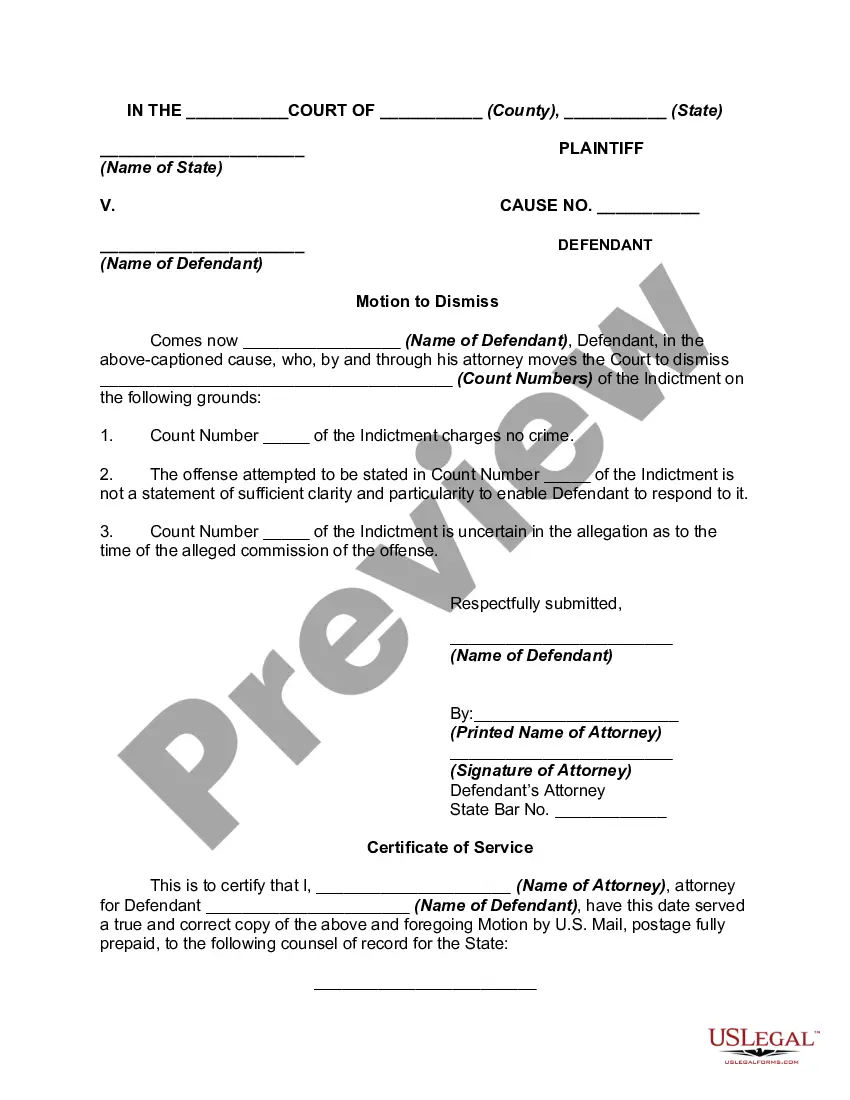
Defendant moves the court to quash the indictment against him/her. Defendant argues that the indictment fails to supply required information, and the indictment is also vague and ambiguous and does not apprise the defendant of the charge against him/her with sufficient specificity to permit adequate preparation of a defense.
Tennessee Motion to Quash Indictment
Instant download
Description
Free preview
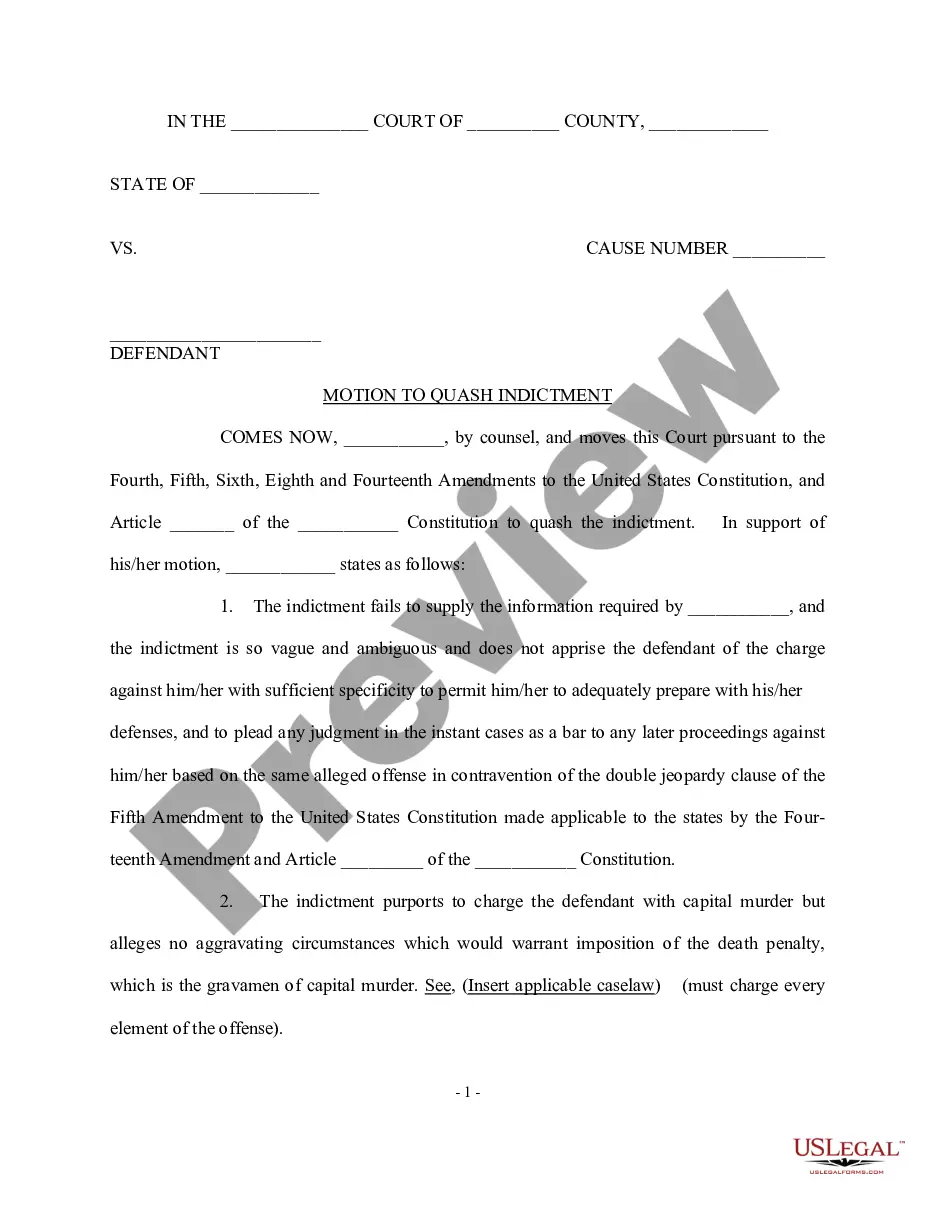
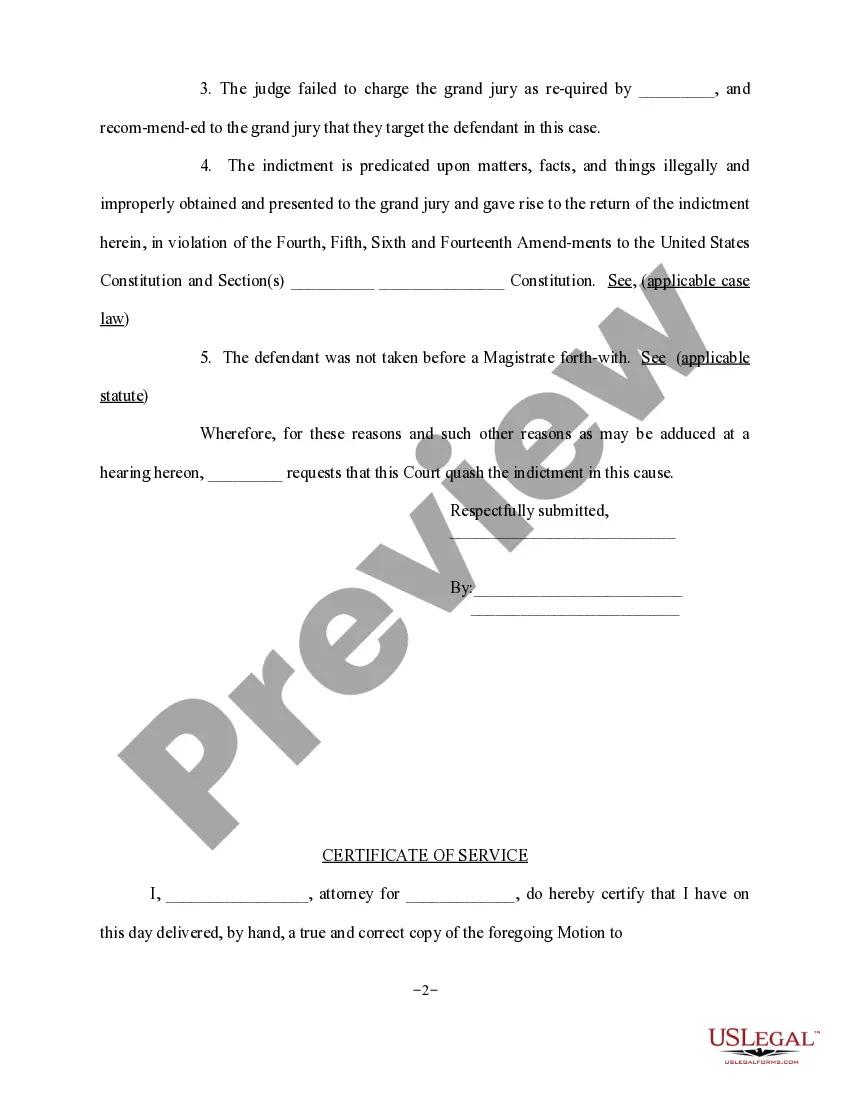
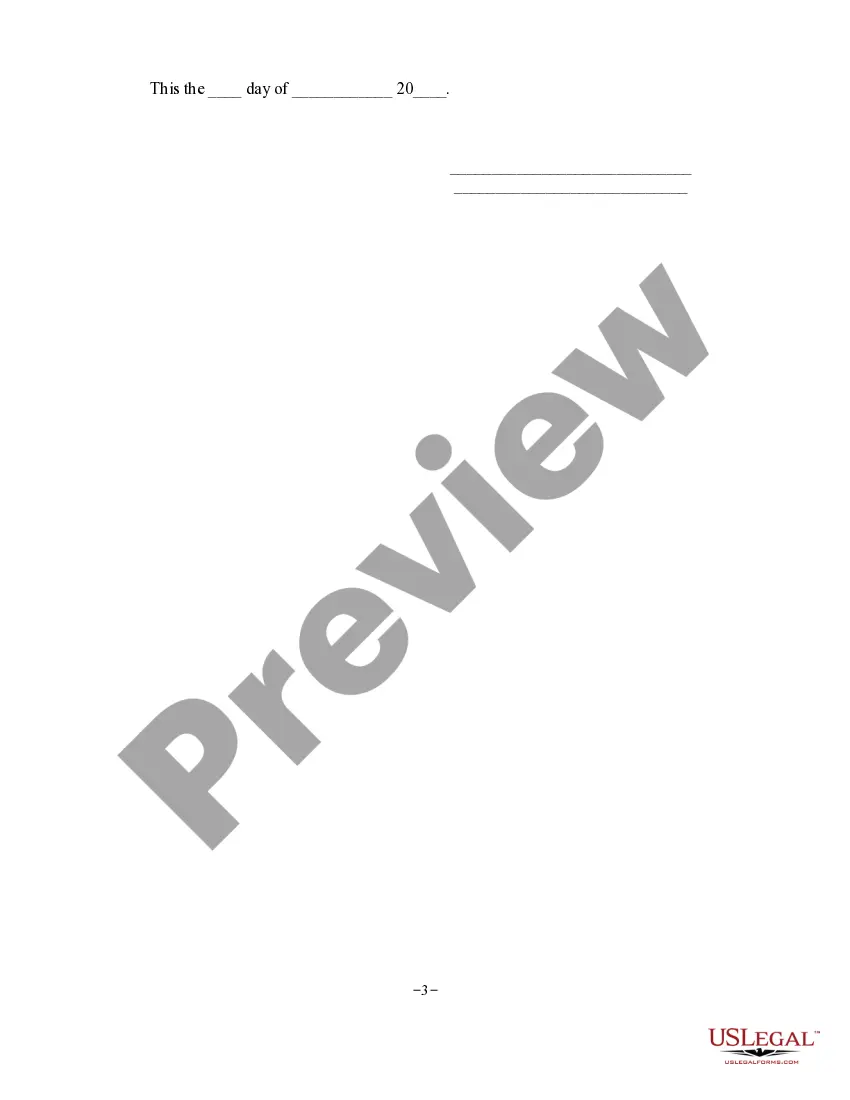
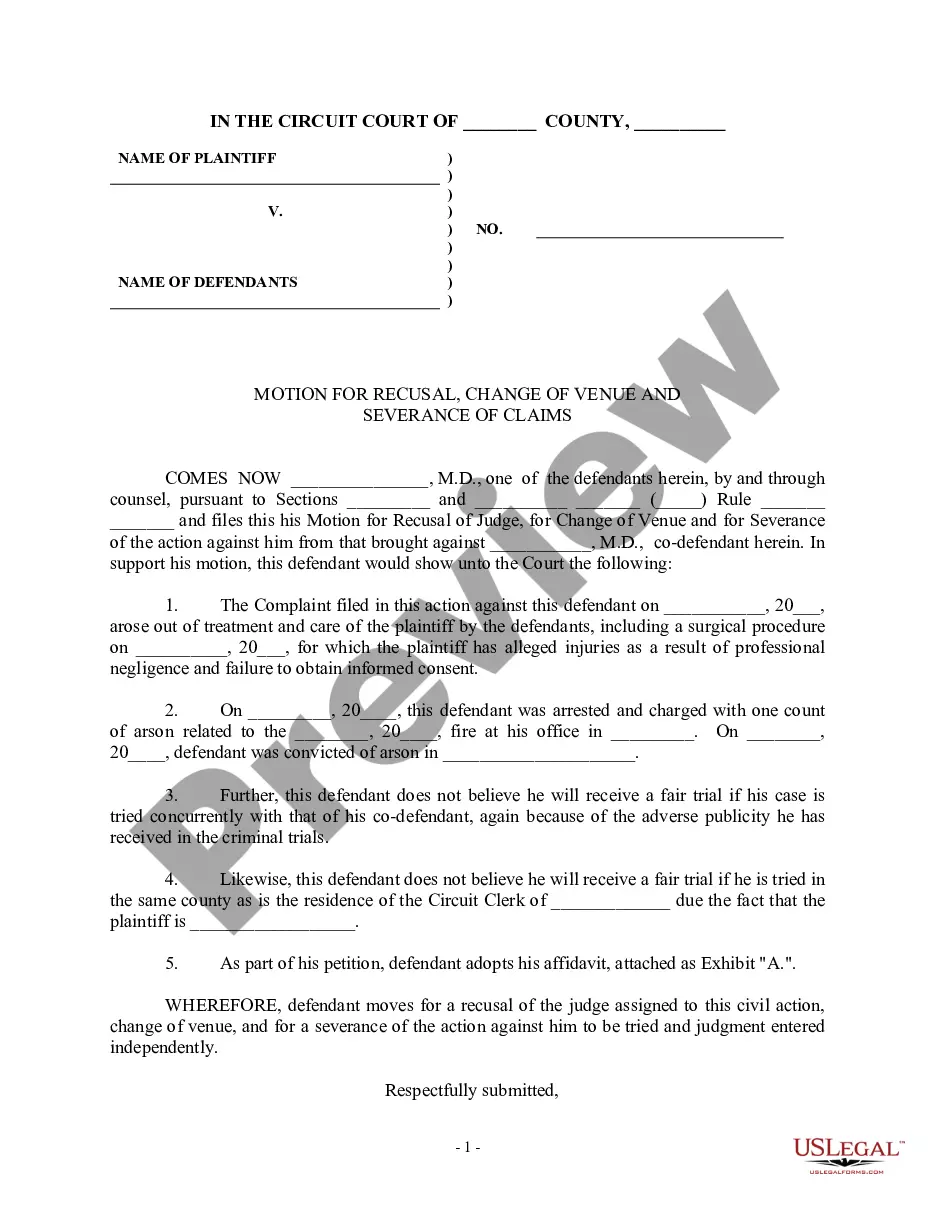
Get your form ready online
Our built-in tools help you complete, sign, share, and store your documents in one place.
Built-in online Word editor
Make edits, fill in missing information, and update formatting in US Legal Forms—just like you would in MS Word.
Export easily
Download a copy, print it, send it by email, or mail it via USPS—whatever works best for your next step.
E-sign your document
Sign and collect signatures with our SignNow integration. Send to multiple recipients, set reminders, and more. Go Premium to unlock E-Sign.
Notarize online 24/7
If this form requires notarization, complete it online through a secure video call—no need to meet a notary in person or wait for an appointment.
Store your document securely
We protect your documents and personal data by following strict security and privacy standards.

Make edits, fill in missing information, and update formatting in US Legal Forms—just like you would in MS Word.

Download a copy, print it, send it by email, or mail it via USPS—whatever works best for your next step.

Sign and collect signatures with our SignNow integration. Send to multiple recipients, set reminders, and more. Go Premium to unlock E-Sign.

If this form requires notarization, complete it online through a secure video call—no need to meet a notary in person or wait for an appointment.

We protect your documents and personal data by following strict security and privacy standards.
Looking for another form?
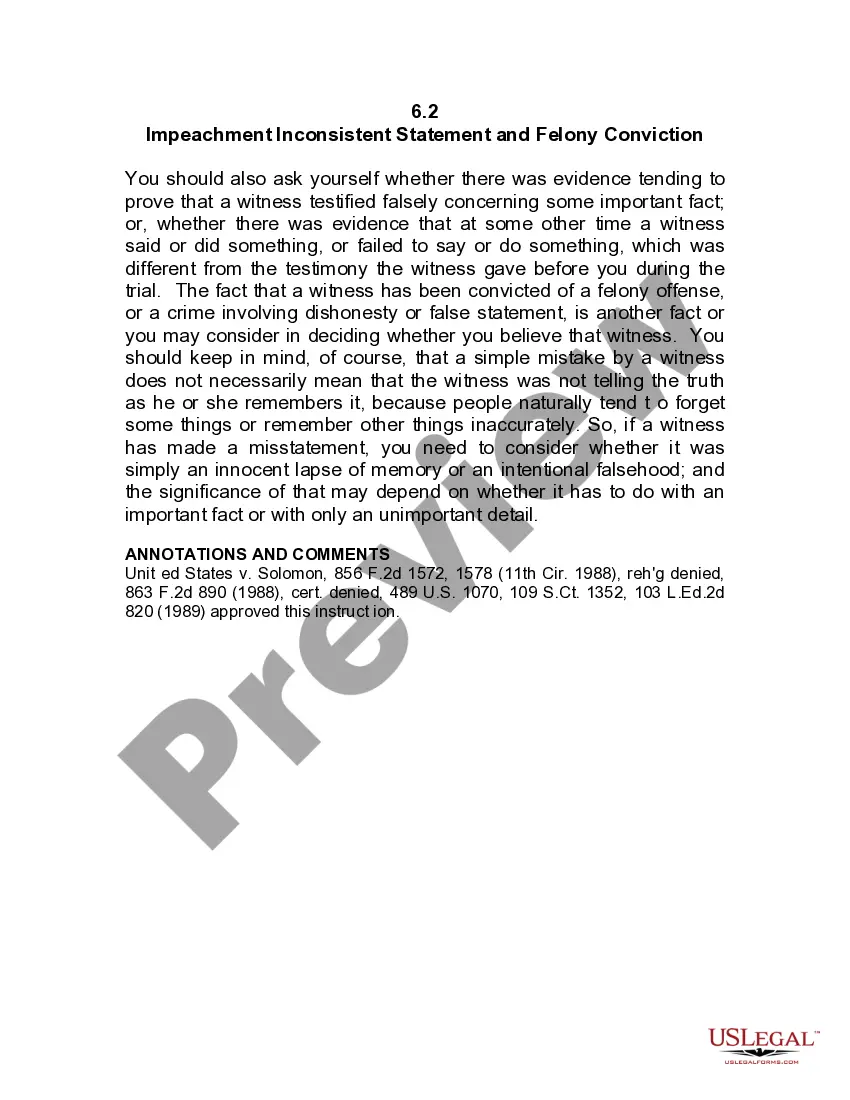



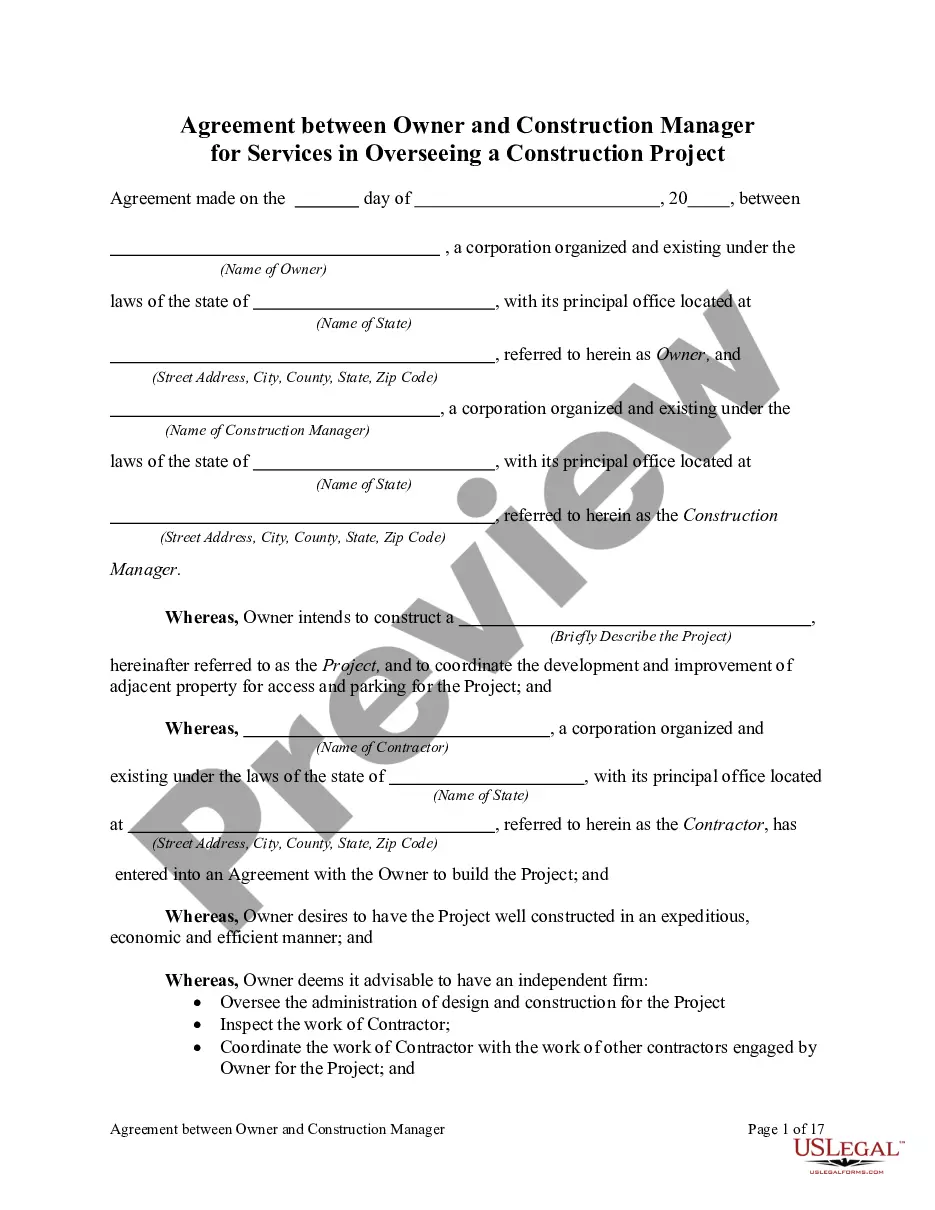
How to fill out Motion To Quash Indictment?
US Legal Forms - one of the most important collections of legal documents in the USA - provides a range of legal paper templates that you can download or print. By using the website, you can find thousands of forms for business and personal purposes, organized by categories, states, or keywords. You can discover the latest versions of forms such as the Tennessee Motion to Quash Indictment in moments.
If you already have a subscription, Log In and download the Tennessee Motion to Quash Indictment from the US Legal Forms library. The Download button will appear on each form you view. You have access to all previously saved forms in the My documents section of your account.
If you wish to use US Legal Forms for the first time, here are straightforward instructions to help you begin: Ensure you have selected the correct form for your city/county. Click on the Review button to examine the form's content. Read the form summary to confirm that you have selected the right form. If the form does not meet your needs, use the Search field at the top of the screen to find one that does.
Access the Tennessee Motion to Quash Indictment with US Legal Forms, the most extensive collection of legal document templates. Utilize thousands of professional and state-specific templates that meet your business or personal demands and requirements.
- If you are satisfied with the form, confirm your choice by clicking the Purchase now button.
- Then, select the pricing plan you prefer and provide your details to register for an account.
- Process the payment. Use your credit card or PayPal account to complete the transaction.
- Choose the format and download the form onto your device.
- Make modifications. Fill, edit, print, and sign the saved Tennessee Motion to Quash Indictment.
- Each template you added to your account does not have an expiration date and is yours indefinitely. Therefore, if you wish to download or print another copy, just go to the My documents section and click on the form you need.
Form popularity
FAQ
An indictment formally charges a person with a crime. During an indictment proceeding, a grand jury determines if there is adequate basis for bringing criminal charges against a suspected criminal actor.
The Uniform Commercial Code § 3-501 defines Presentment as: ?a demand made by or on behalf of a person entitled to enforce an instrument (i) to pay the instrument made to the drawee or a party obliged to pay the instrument or, in the case of a note or accepted draft payable at a bank, to the bank, or (ii) to accept a ...
The court shall decide each pretrial motion before trial unless it finds good cause to defer a ruling until trial or after a verdict. The court shall not defer ruling on a pretrial motion if the deferral will adversely affect a party's right to appeal.
The difference between being indicted and charged relies on who files the charges. ?Being charged? with a crime means the prosecutor filed charges. An indictment means the grand jury filed charges against the defendant.
With the court's permission, the state may terminate a prosecution by filing a dismissal of an indictment, presentment, information, or complaint. A dismissal may not be filed during the trial without the defendant's consent.
1. : the act of presenting to an authority a formal statement of a matter to be dealt with. specifically : the notice or accusation of an offense by a grand jury on the initiative of the jury members or on the basis of their own knowledge without a bill of indictment laid before them.
Jury members then vote whether to indict or decline to indict. If the grand jury returns a bill of indictment, you face a second arraignment where you will formally enter your plea.
A presentment is a charge the grand jury brings on its own initiative. In contrast, an indictment is almost always first drawn up by a prosecutor and then submitted to the grand jury for approval. In federal courts, a presentment cannot by itself initiate a prosecution.