Tennessee Checklist for Remedying Identity Theft of Deceased Persons
Description
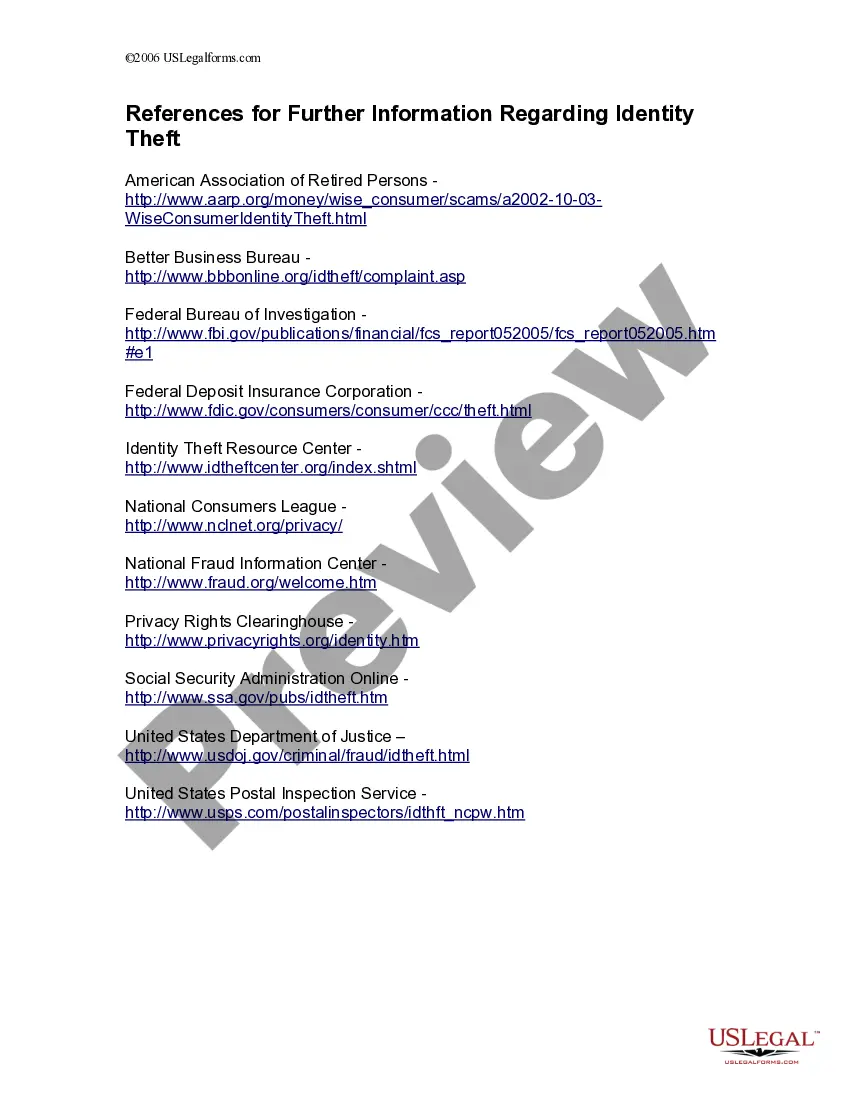
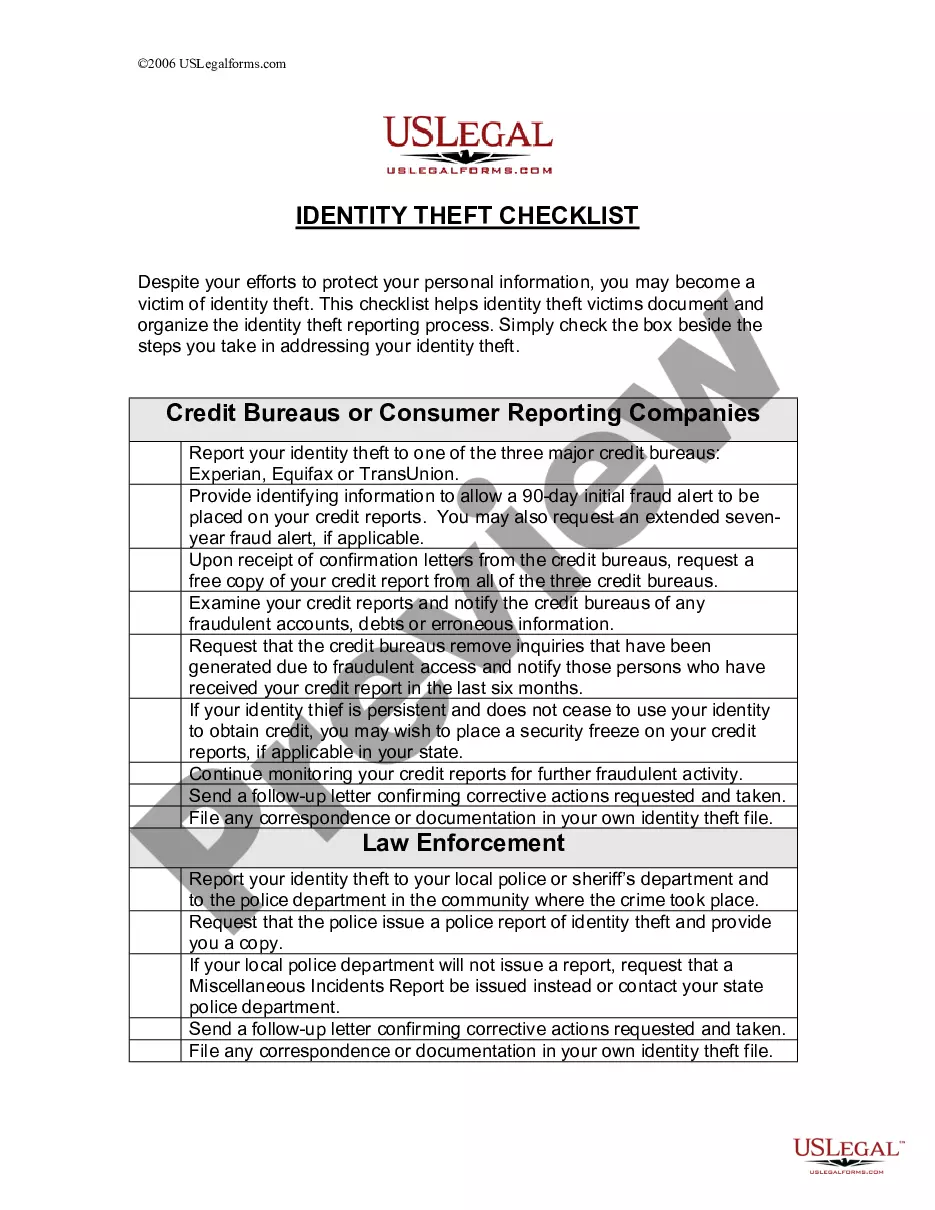
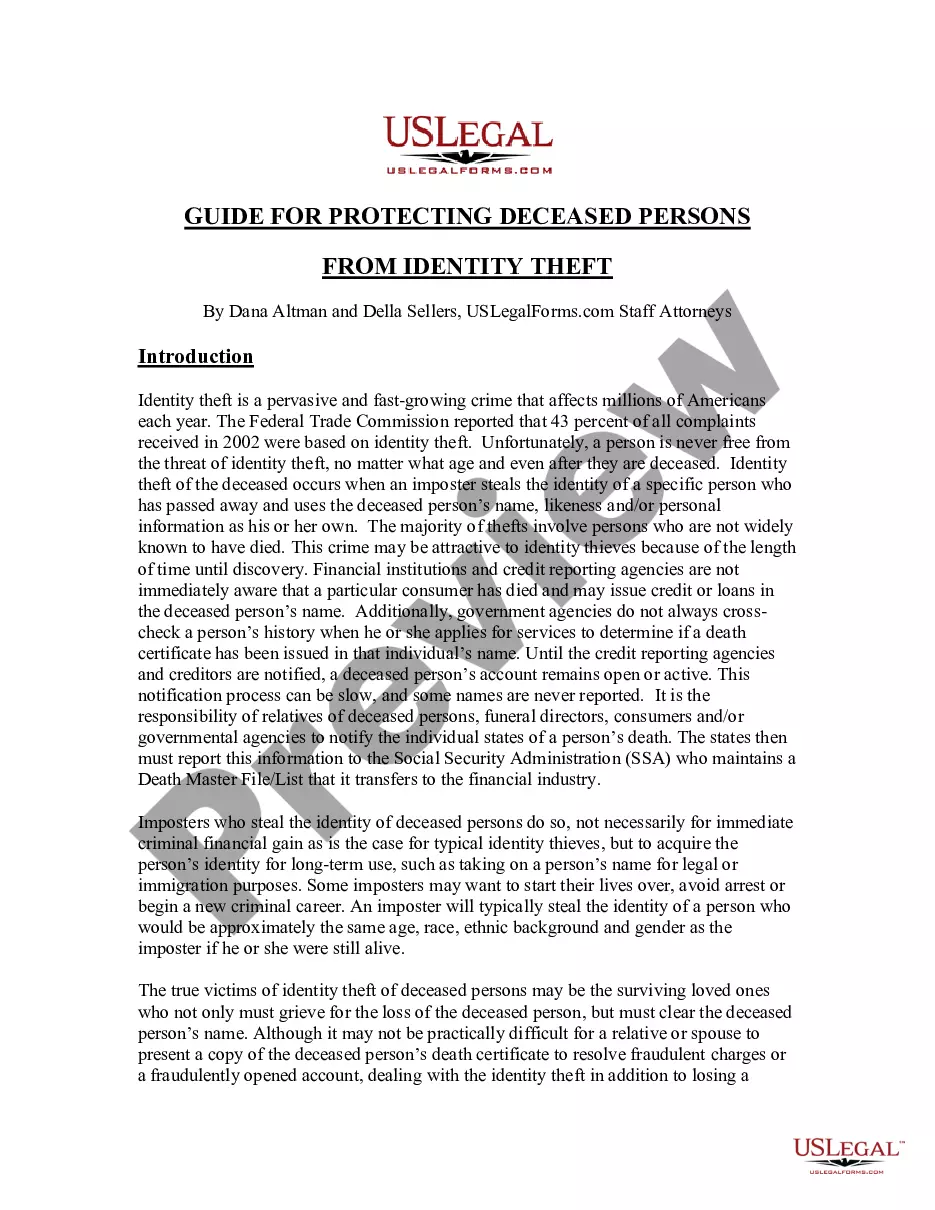
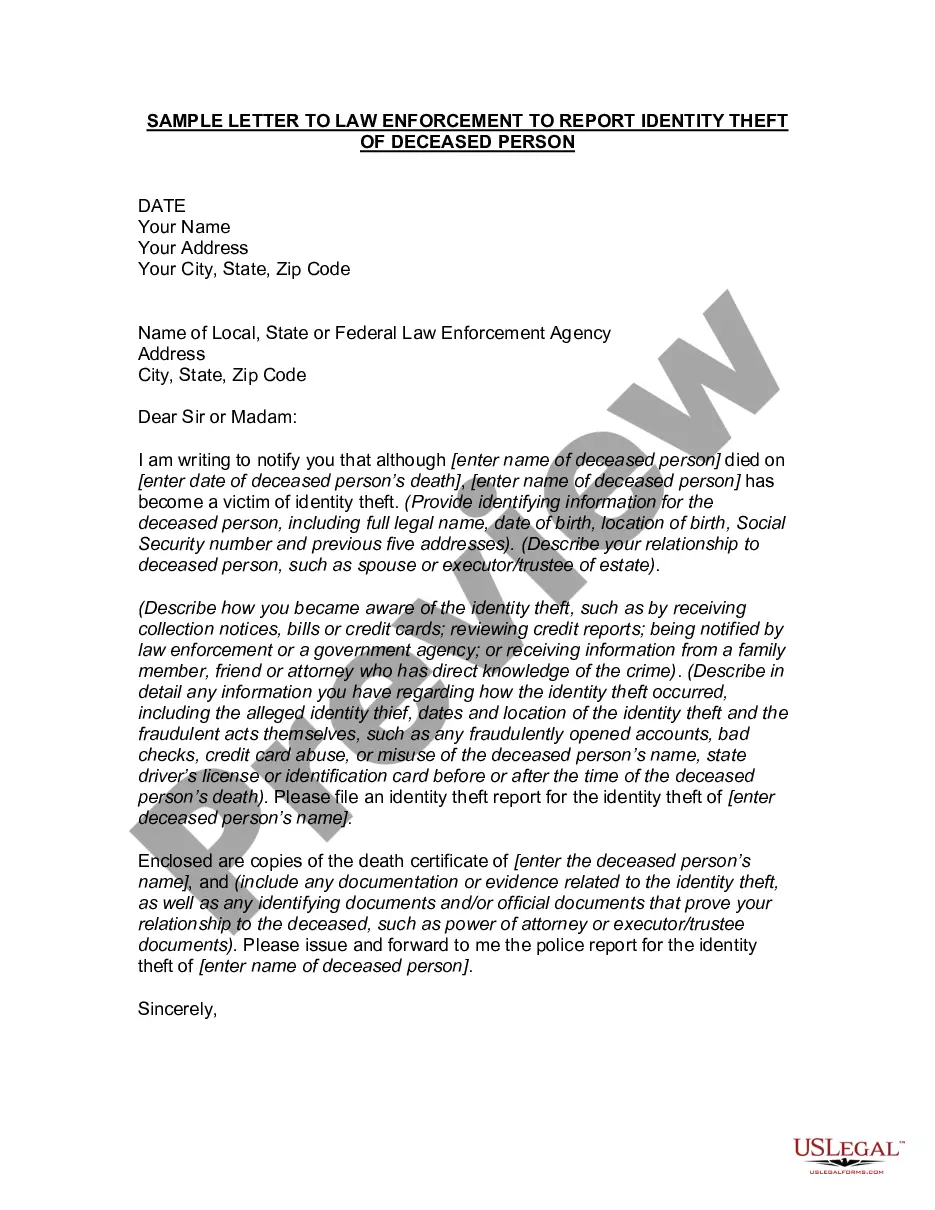
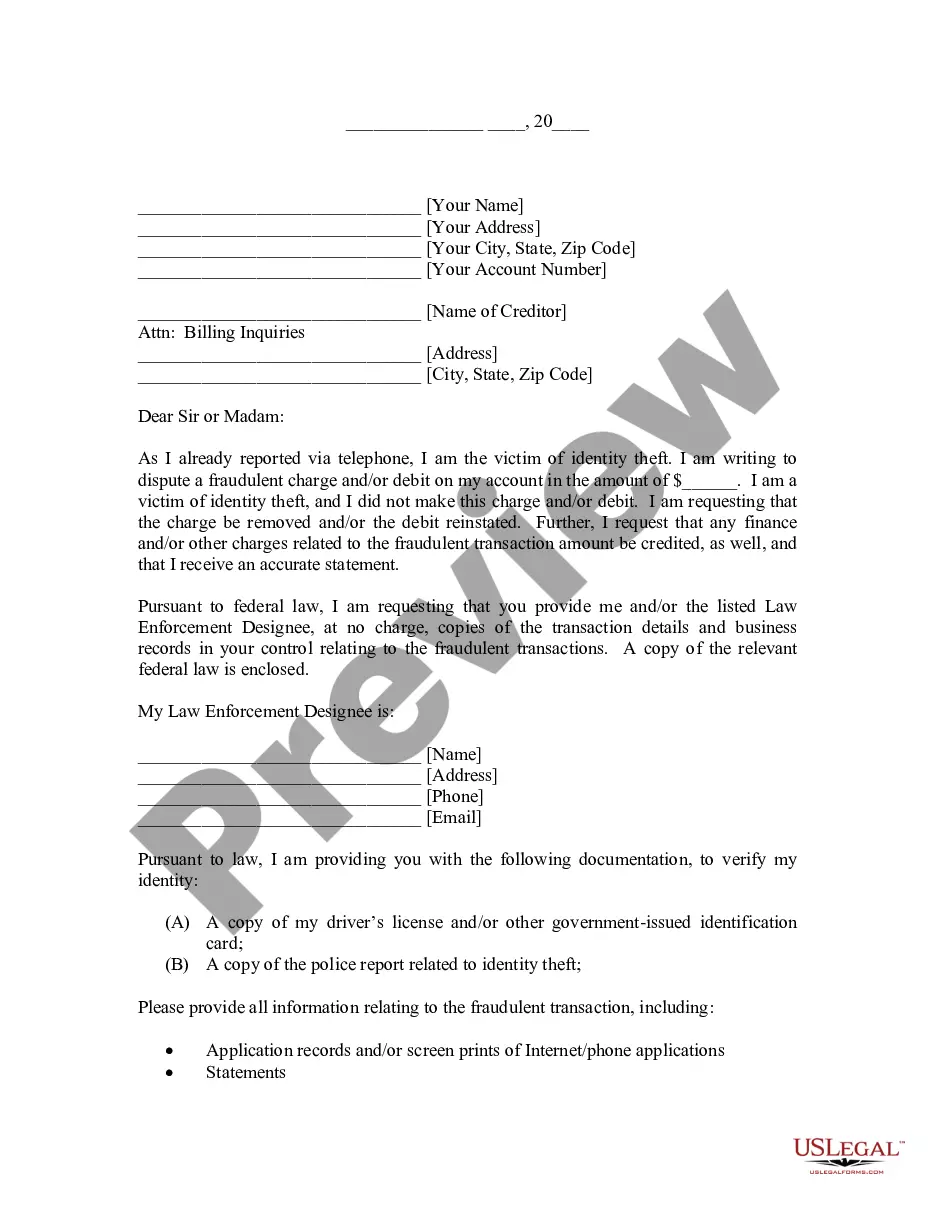
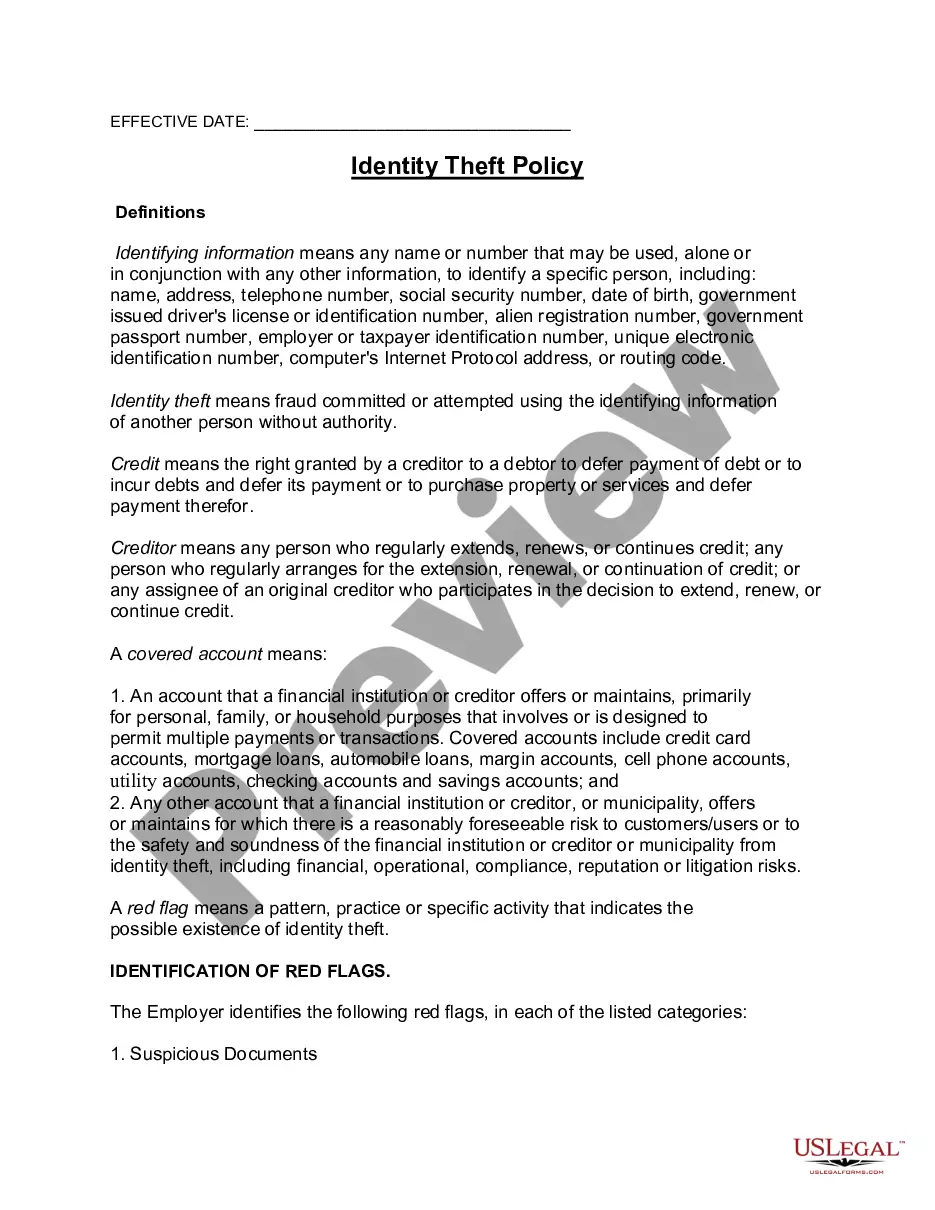


How to fill out Checklist For Remedying Identity Theft Of Deceased Persons?
US Legal Forms - one of the largest collections of legal documents in the United States - offers a broad array of legal form templates that you can download or print. By utilizing the website, you can discover thousands of forms for business and personal purposes, categorized by types, states, or keywords. You can find the most recent versions of forms such as the Tennessee Checklist for Addressing Identity Theft of Deceased Individuals in moments.
If you already possess a subscription, Log In and retrieve the Tennessee Checklist for Addressing Identity Theft of Deceased Individuals from your US Legal Forms repository. The Download button will appear on every form you view. You can access all previously downloaded forms within the My documents section of your account.
If you are using US Legal Forms for the first time, here are simple instructions to assist you: Ensure you have selected the correct form for your specific city/county. Click the Review button to examine the form’s content. Check the form details to confirm you have chosen the right form. If the form does not meet your needs, use the Search bar at the top of the screen to find the one that does.
Access the Tennessee Checklist for Addressing Identity Theft of Deceased Individuals with US Legal Forms, the most extensive collection of legal document templates. Utilize thousands of professional and state-specific templates that cater to your business or personal requirements.
- Once you are satisfied with the form, confirm your choice by clicking the Purchase now button.
- Then, select the payment plan you prefer and provide your information to register for an account.
- Process the payment. Utilize your credit card or PayPal account to complete the transaction.
- Choose the format and download the form to your device.
- Make modifications. Fill out, edit, print, and sign the downloaded Tennessee Checklist for Addressing Identity Theft of Deceased Individuals.
- Every template you added to your account has no expiration date and belongs to you indefinitely. Therefore, if you wish to download or print another copy, simply visit the My documents section and click on the form you need.
Form popularity
FAQ
Identity theft has profound consequences for its victims. They can have their bank accounts wiped out, credit histories ruined, and jobs and valuable possessions taken away. Some victims have even been arrested for crimes they did not commit.
Identity Theft Losses Losses from identity theft can take a staggering toll. While one in three (34%) respondents reported losses between $100-$500 while experiencing identity fraud, 15% reported financial losses greater than $1,000.
Change the passwords, pin numbers, and log in information for all of your potentially affected accounts, including your email accounts, and any accounts that use the same password, pin, or log in information. Contact your police department, report the crime and obtain a police report.
Inform your bank, building society and credit card company of any unusual transactions on your statement. Request a copy of your credit file to check for any suspicious credit applications. Report the theft of personal documents and suspicious credit applications to the police and ask for a crime reference number.
They may face denials of loans and mortgages, and be refused employment. They may also be unable to open a bank account, and may need to spend months or years attempting to resolve economic mistakes and issues. Identity theft can also have potentially life-threatening consequences.
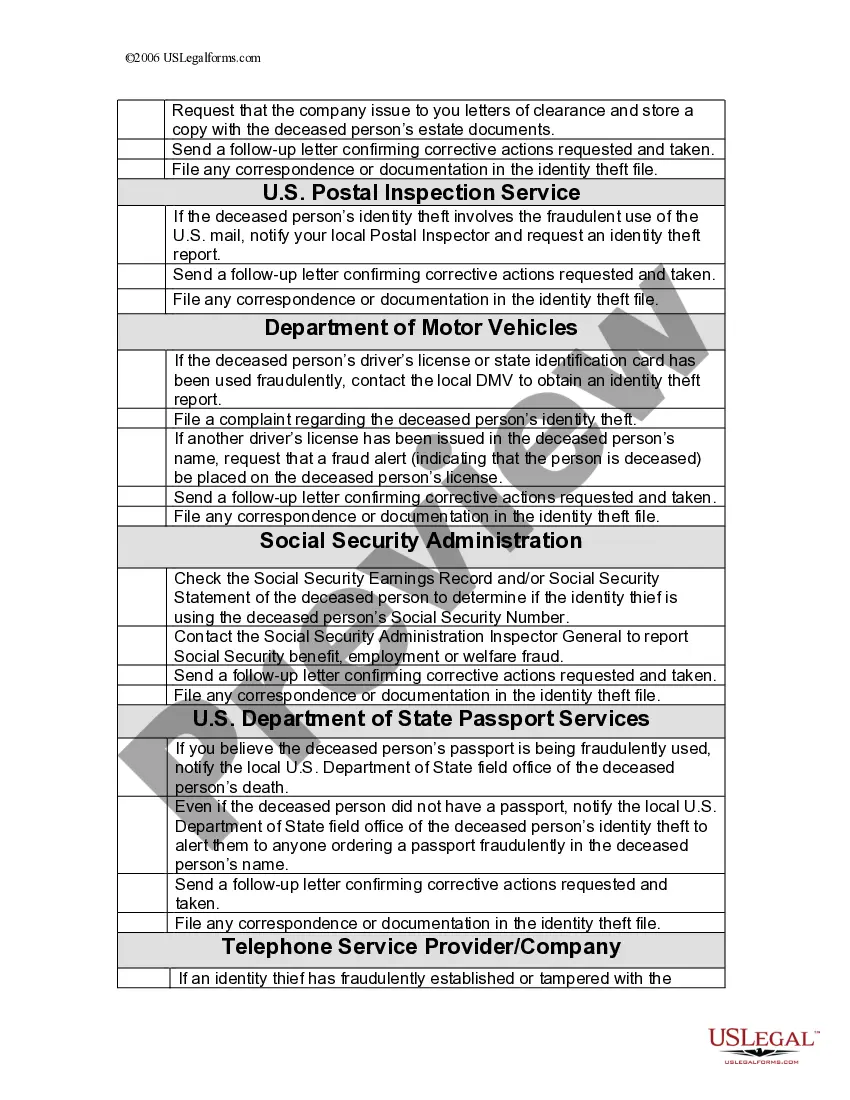
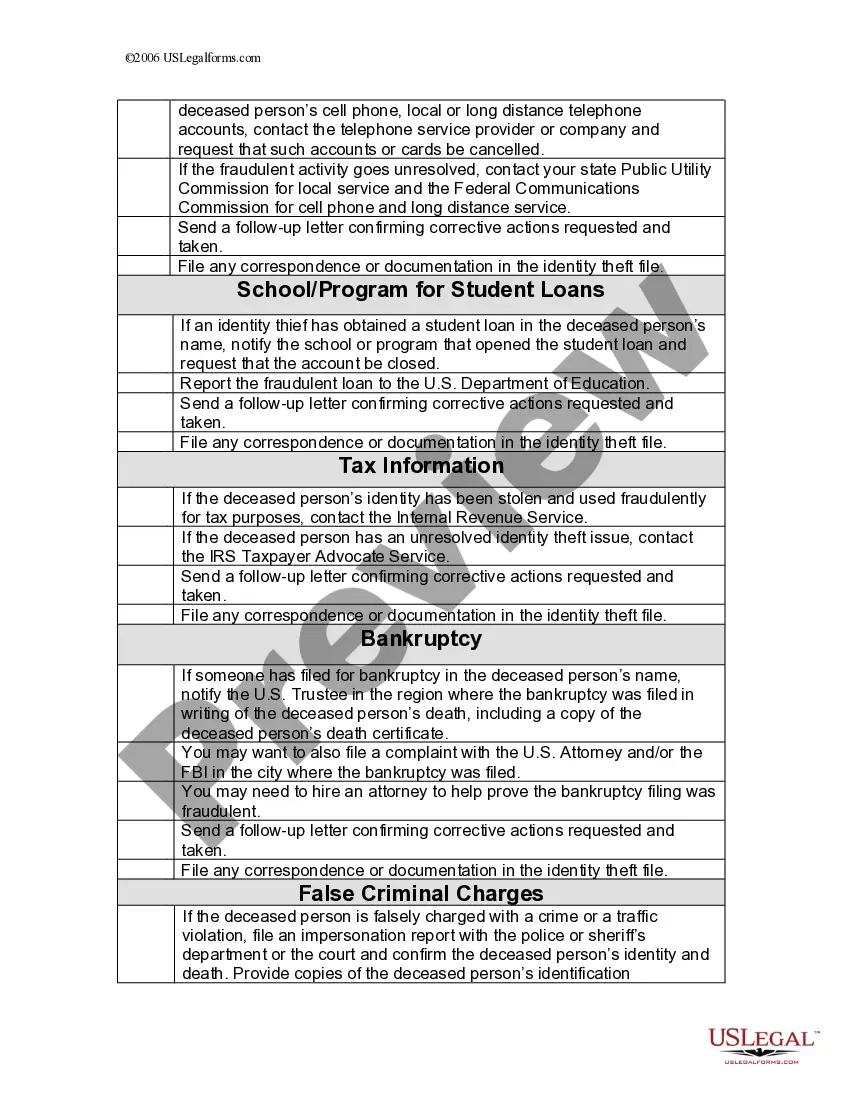
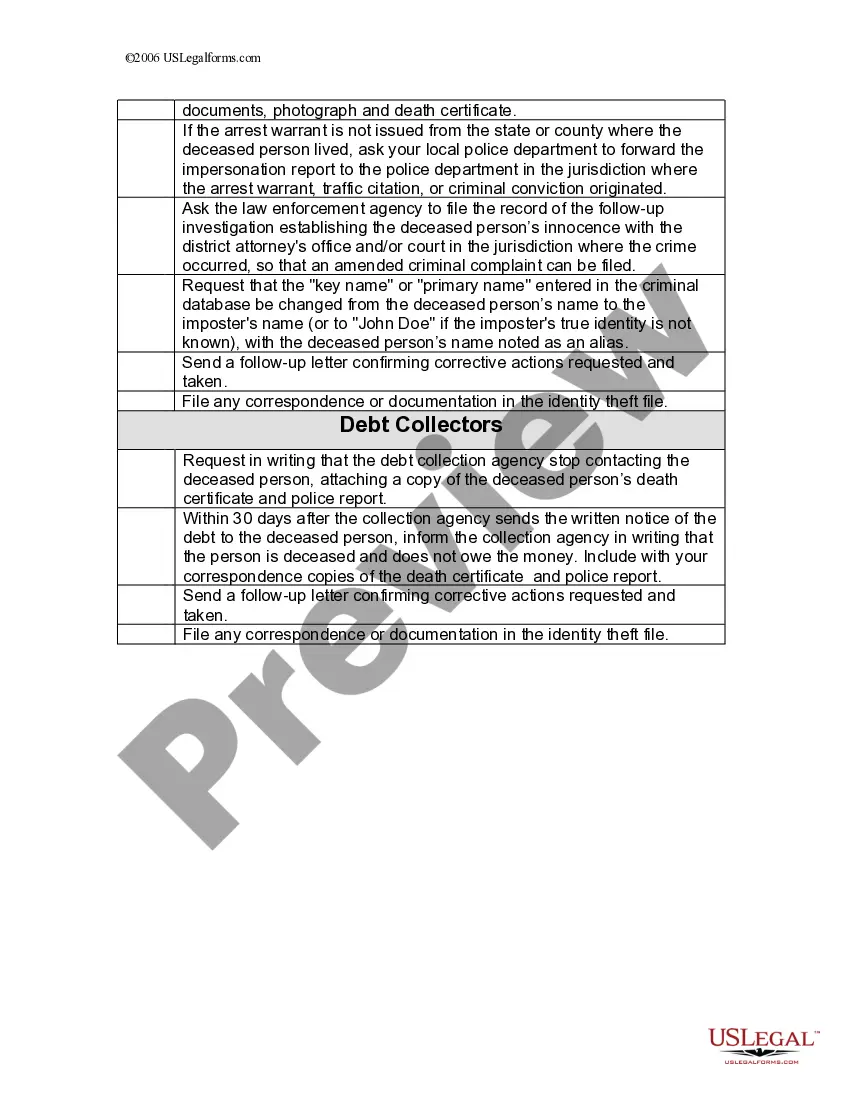
Identity theft can victimize the dead. An identity thief's use of a deceased person's Social Security number may create problems for family members. This type of identity theft also victimizes merchants, banks, and other businesses that provide goods and services to the thief.
Steps for Victims of Identity Theft or Fraud Place a fraud alert on your credit report. Close out accounts that have been tampered with or opened fraudulently. Report the identity theft to the Federal Trade Commission. File a report with your local police department.
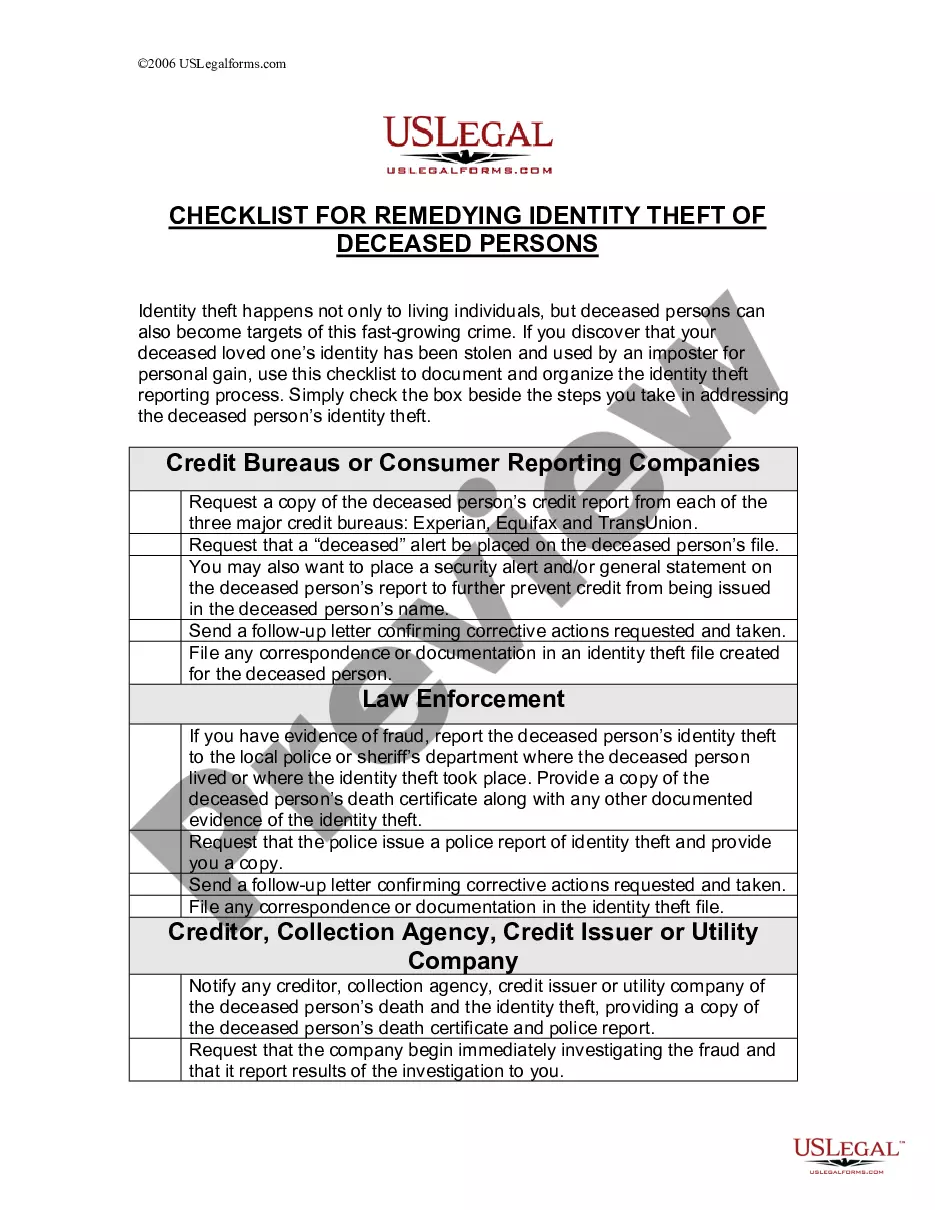
Follow these tips to reduce the risk of a deceased person from having their identity stolen: Send copies of the death certificate to each credit reporting bureau, asking them to put a ?deceased alert? on the credit reports. Review the deceased taxpayer's credit report for questionable credit card activity.