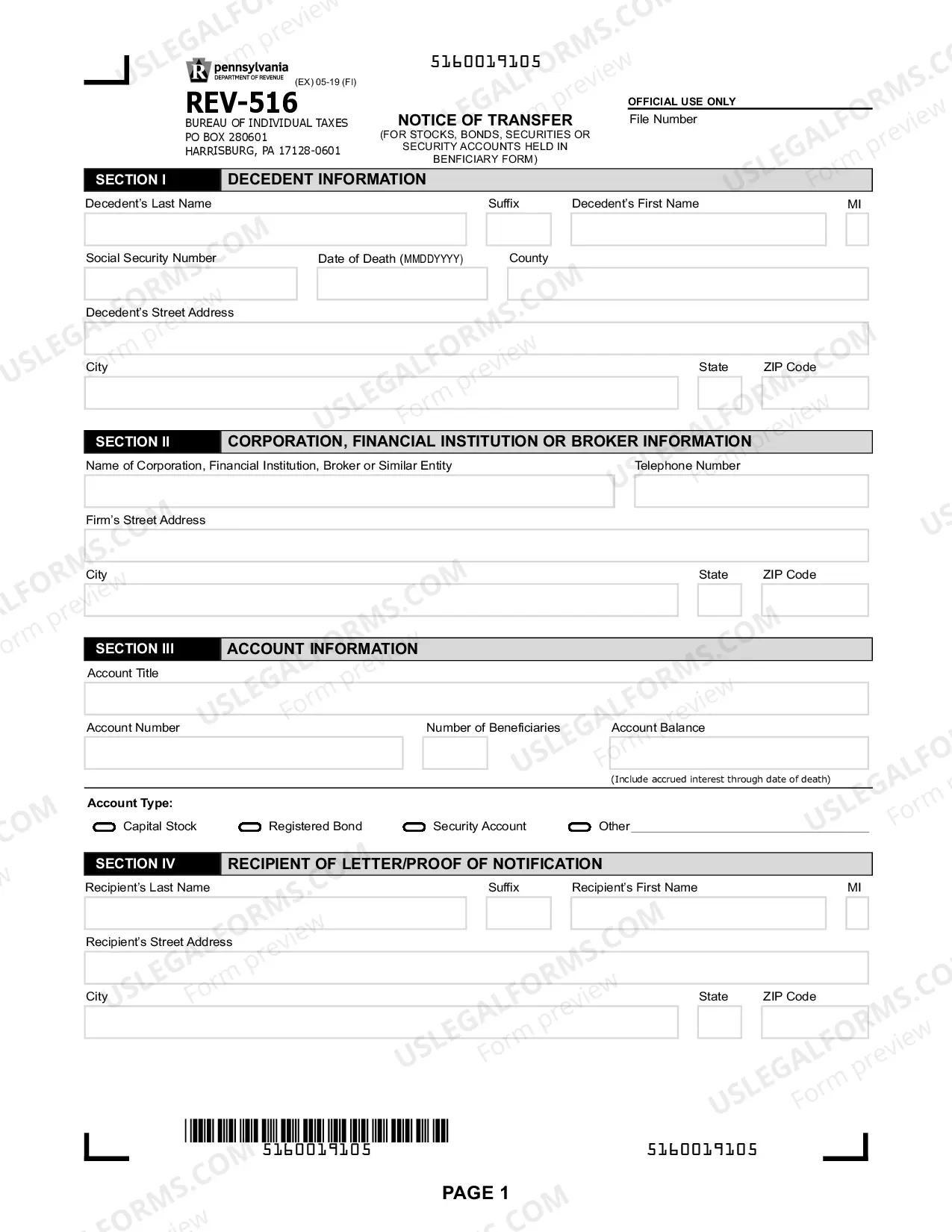
Tennessee Oil and Gas Acknowledgment
What is this form?
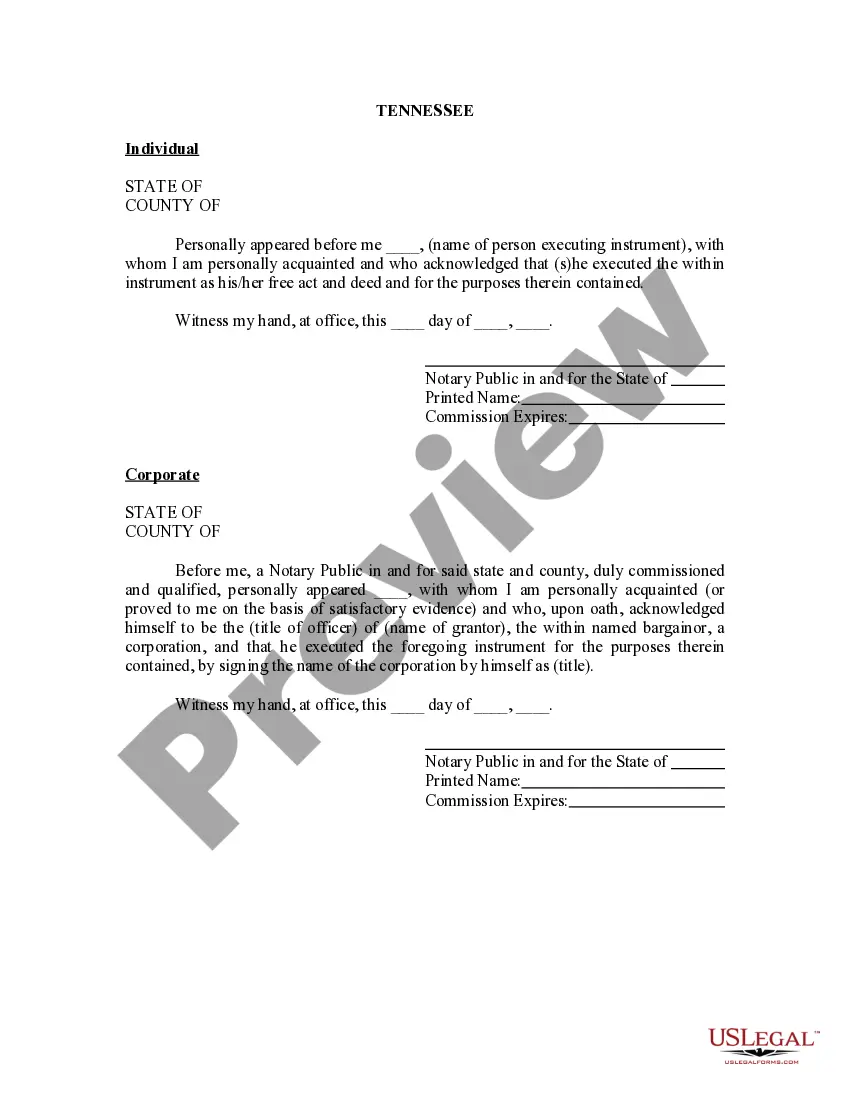
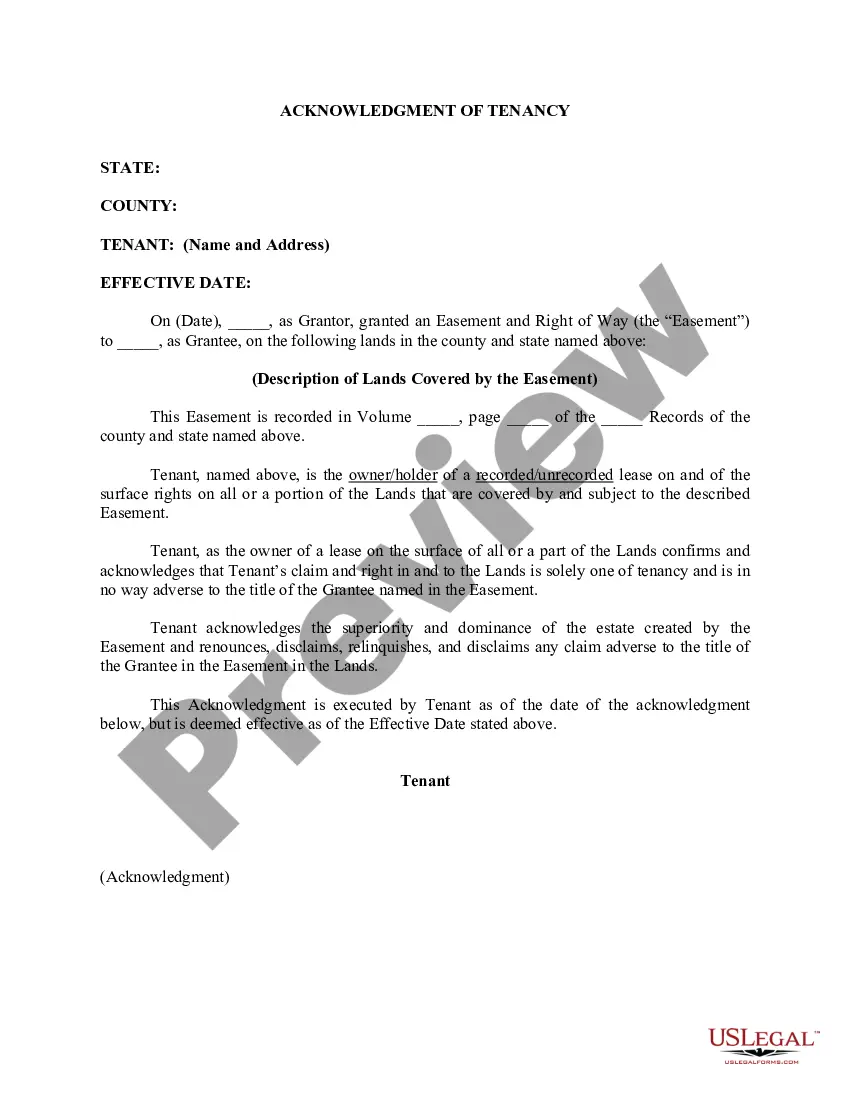
The Tennessee Oil and Gas Acknowledgment is a legal form designed to confirm the authenticity of a signerâs signature on a document related to oil and gas transactions. It ensures that an instrument can be recorded and establishes the validity of the signature. This form is crucial for verifying the execution of documents transferring any interest in real property, differentiating it from general acknowledgment forms by its specific tie to oil and gas matters.
Key parts of this document
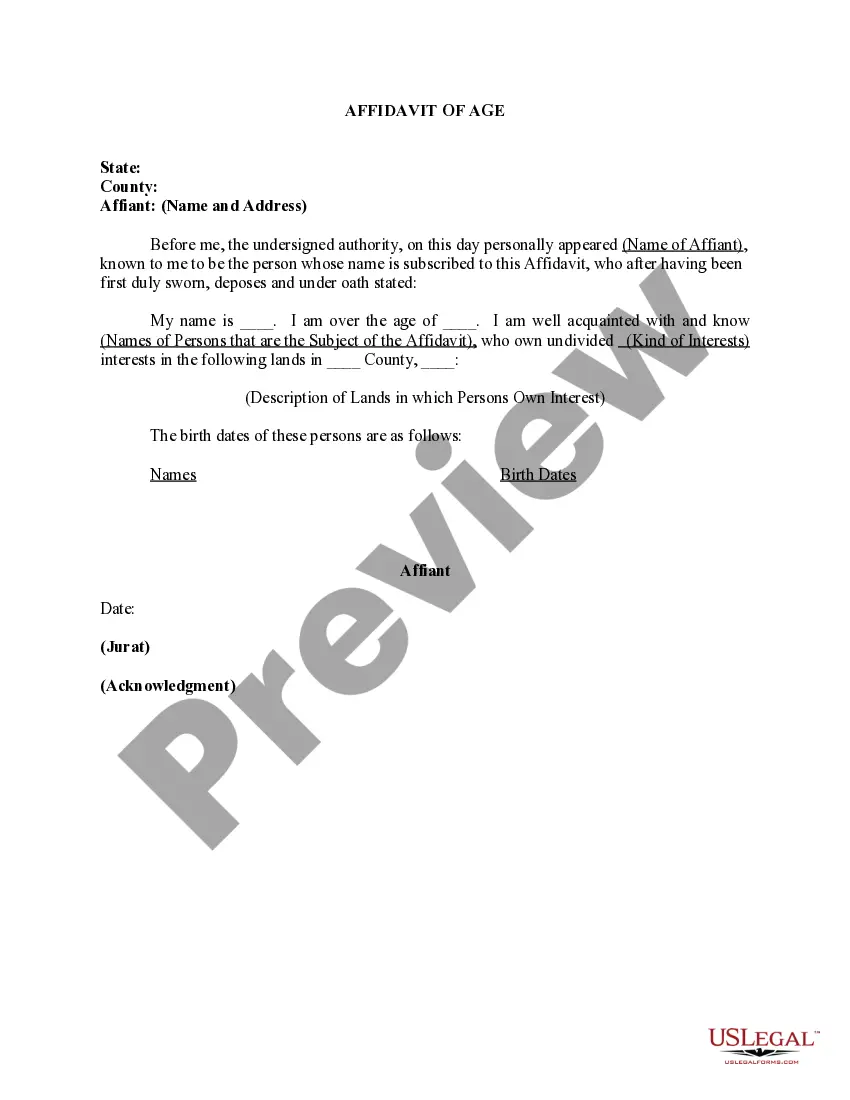
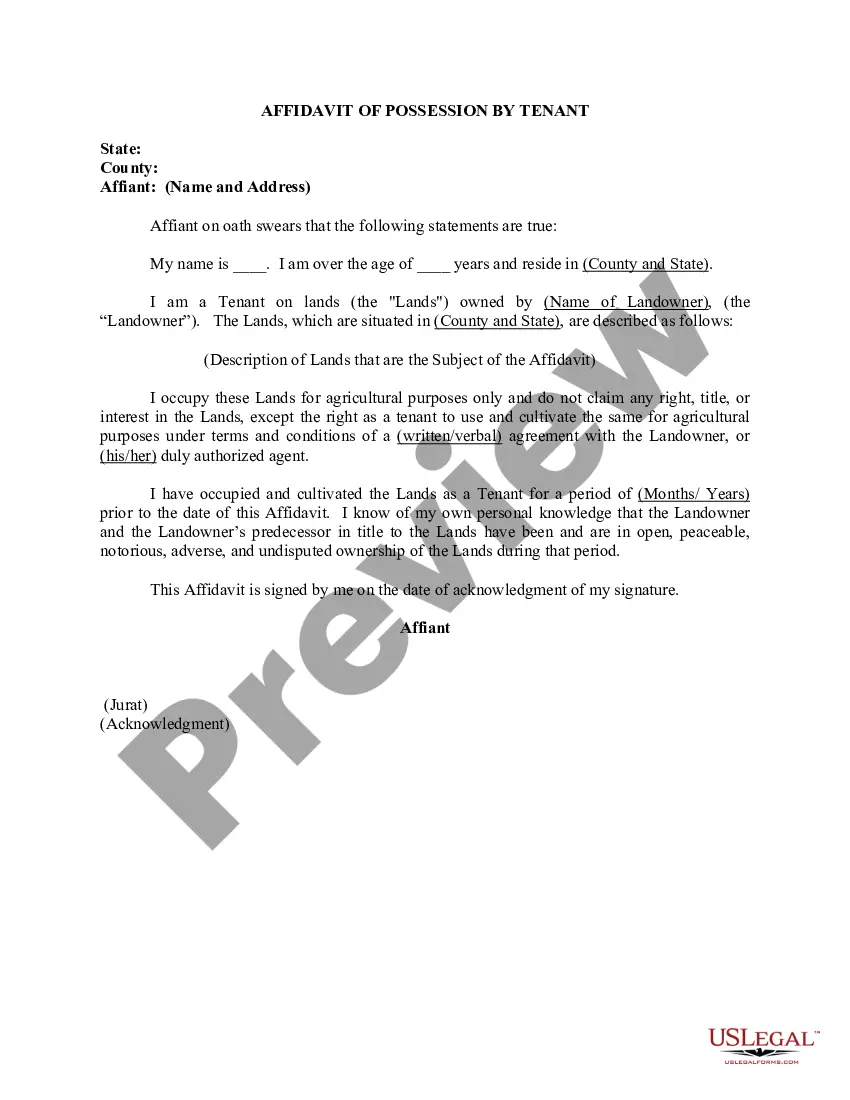
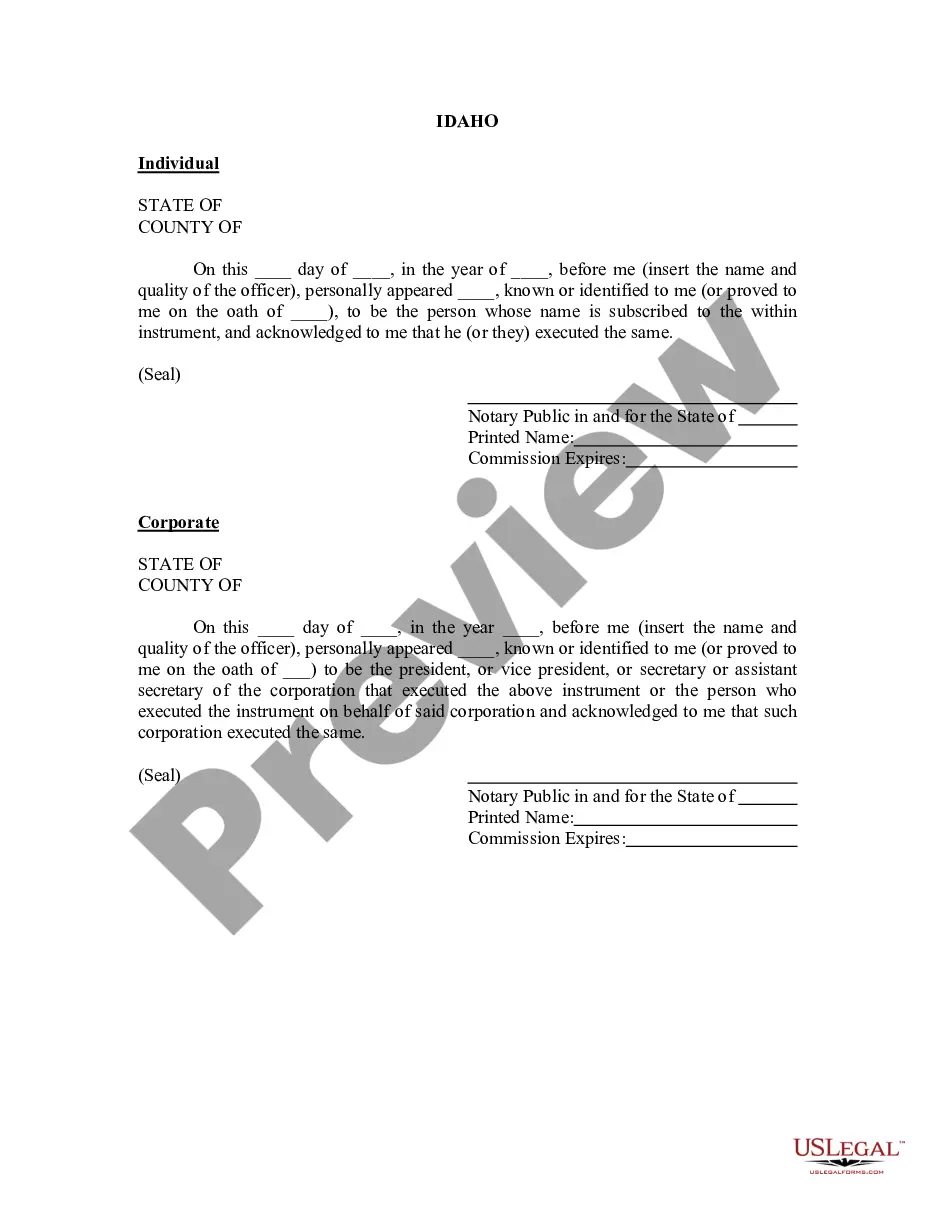
- Identification of the signer, including name and relation to the transaction.
- A statement declaring the signature was made voluntarily and for the purposes contained in the document.
- Space for the notary public to certify the acknowledgment.
- Presence of individual and corporate sections to accommodate various signers.
- Signature and commission expiration date for the notary public.
Common use cases
This form should be used in any situation where an individual or representative of a corporation needs to sign a document that relates to oil and gas interests in real property in Tennessee. It is particularly important when the signed document is required to be recorded with local county authorities, ensuring that the transaction is legally recognized.
Who this form is for
- Individuals involved in oil and gas transactions in Tennessee.
- Corporate representatives executing documents on behalf of a company.
- Notaries public certifying the acknowledgment of signatures.
- Legal professionals overseeing real estate and oil and gas dealings.
Completing this form step by step
- Fill in the appropriate state and county where the acknowledgment is taking place.
- Identify the person executing the instrument by entering their full name.
- Indicate whether the signer is an individual or a corporate officer.
- Provide the date of the acknowledgment and the notaryâs commission expiration date.
- Have the signer provide their signature in the designated area.
- Ensure the notary public completes their section and signs the document.
Notarization guidance
Yes, this form must be notarized to be legally valid. The acknowledgment requires a notary public to verify the identity of the signer and confirm that the signature was made voluntarily. US Legal Forms offers integrated online notarization services available 24/7, allowing you to complete this step securely via video call without the need to travel.
Get your form ready online
Our built-in tools help you complete, sign, share, and store your documents in one place.
Make edits, fill in missing information, and update formatting in US Legal Forms—just like you would in MS Word.
Download a copy, print it, send it by email, or mail it via USPS—whatever works best for your next step.
Sign and collect signatures with our SignNow integration. Send to multiple recipients, set reminders, and more. Go Premium to unlock E-Sign.
If this form requires notarization, complete it online through a secure video call—no need to meet a notary in person or wait for an appointment.
We protect your documents and personal data by following strict security and privacy standards.

Make edits, fill in missing information, and update formatting in US Legal Forms—just like you would in MS Word.

Download a copy, print it, send it by email, or mail it via USPS—whatever works best for your next step.

Sign and collect signatures with our SignNow integration. Send to multiple recipients, set reminders, and more. Go Premium to unlock E-Sign.

If this form requires notarization, complete it online through a secure video call—no need to meet a notary in person or wait for an appointment.

We protect your documents and personal data by following strict security and privacy standards.
Typical mistakes to avoid
- Failing to include the notaryâs signature or seal, which can invalidate the acknowledgment.
- Incorrectly filling out the name or title of a corporate officer.
- Omitting the date of signature or expiration of the notary's commission.
- Not ensuring the signer is personally acquainted with the notary.
Why complete this form online
- Convenience of downloading and completing the form at your own pace.
- Access to accurately drafted templates by licensed attorneys, ensuring legal compliance.
- Editability for customization based on specific transaction needs.
- Secure storage of completed forms in your documents for future reference.
Looking for another form?
Form popularity
FAQ
Ownership. In the United States, oil and gas rights to a particular parcel may be owned by private individuals, corporations, Indian tribes, or by local, state, or federal governments.Oil and gas rights offshore are owned by either the state or federal government and leased to oil companies for development.
Washington is a non-oil and gas state that had no fracking operations when the bill was passed.
Fracking is common in Tennessee too, but the Chattanooga Shale deposit which expands over most of the region is unusually shallow. Since the rocks are easy to reach, fracking can be done using compressed air which does not produce potentially hazardous waste water.
It is under the ownership of Ministry of Petroleum and Natural Gas , Government of India . It is the largest oil and gas exploration and production company in the country, and produces around 70% of India's crude oil (equivalent to around 57% of the country's total demand) and around 84% of its natural gas.
Arkansas. 6,496. 142,406. 2,025. California. 3,405. 1,034. 489. Colorado. 22,615. 68,663. 10,042. Louisiana. 2,883. 15,136. 2,045. New Mexico. 4,318. 70,798. 4,403. North Dakota. 8,224. 82,198. 88,168. Ohio. 1,594. 105,447. 1,942. Oklahoma. 7,421. 455,225. 17,147.
The richest energy billionaire remains India's Mukesh Ambani, who runs oil and gas conglomerate Reliance Industries. Oil remains king among the world's richest energy billionaires the fossil fuel contributed to the fortunes of six of the top 10, making it the most common source of wealth.
OPEC can influence world oil supplies and prices OPEC includes countries with some of the world's largest oil reserves. As of the end of 2018, OPEC members controlled about 72% of total world proved oil reserves, and in 2018, they accounted for 41% of total world crude oil production.
Although only about 15 percent of the state is actively producing oil or gas, geologists believe a much larger percentage of the state has the potential to produce crude oil and/or natural gas.
Natural gas (also called fossil gas; sometimes just gas) is a naturally occurring hydrocarbon gas mixture consisting primarily of methane, but commonly including varying amounts of other higher alkanes, and sometimes a small percentage of carbon dioxide, nitrogen, hydrogen sulfide, or helium.