Tennessee Assignment and Conveyance
What this document covers
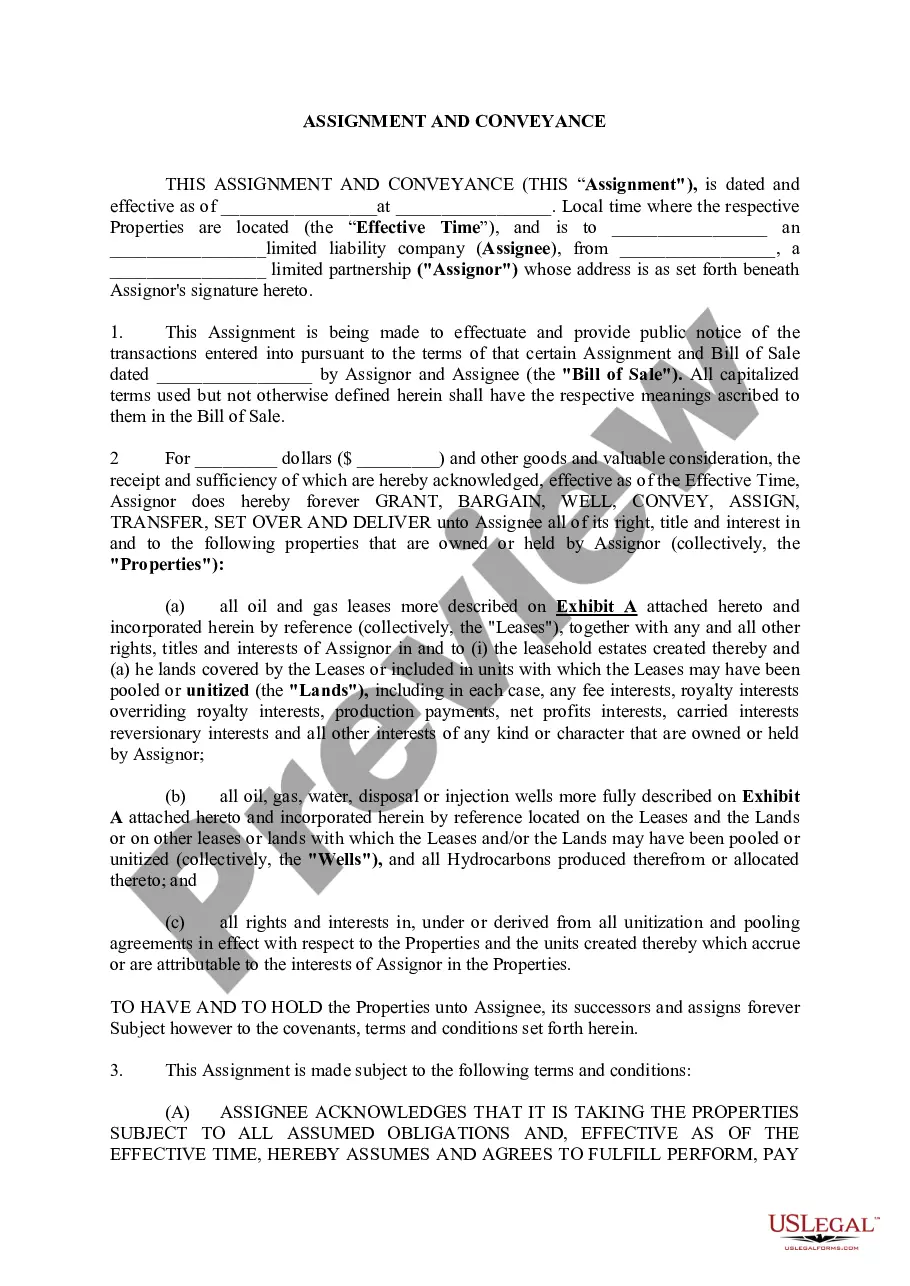
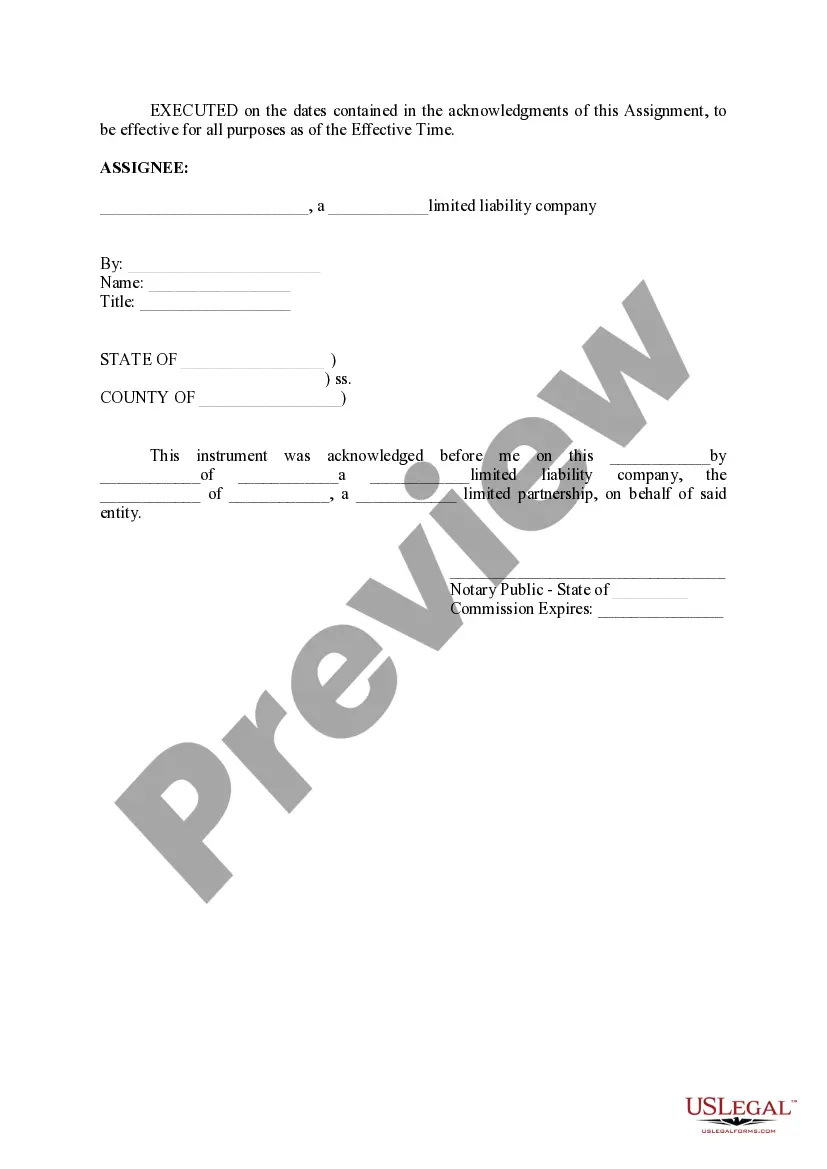
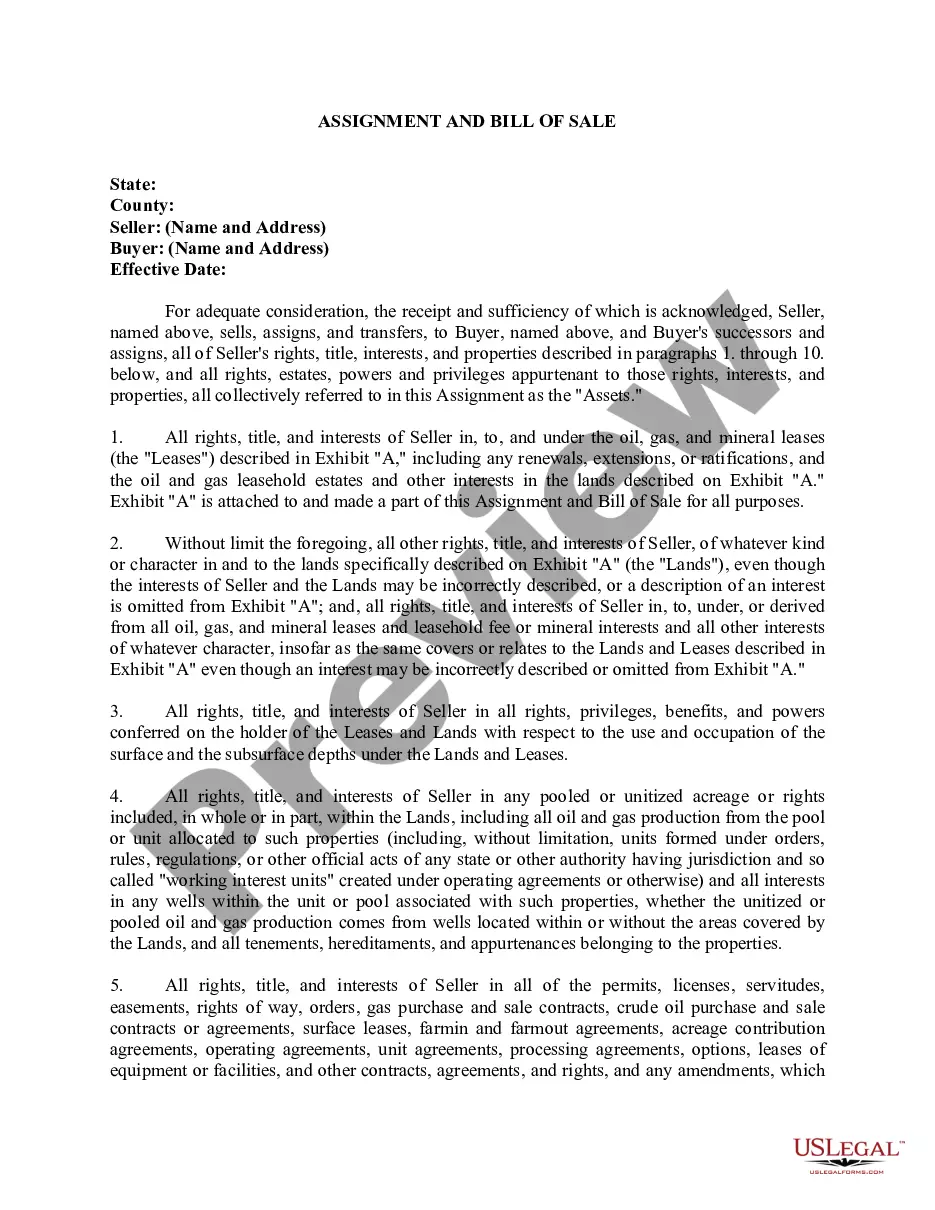
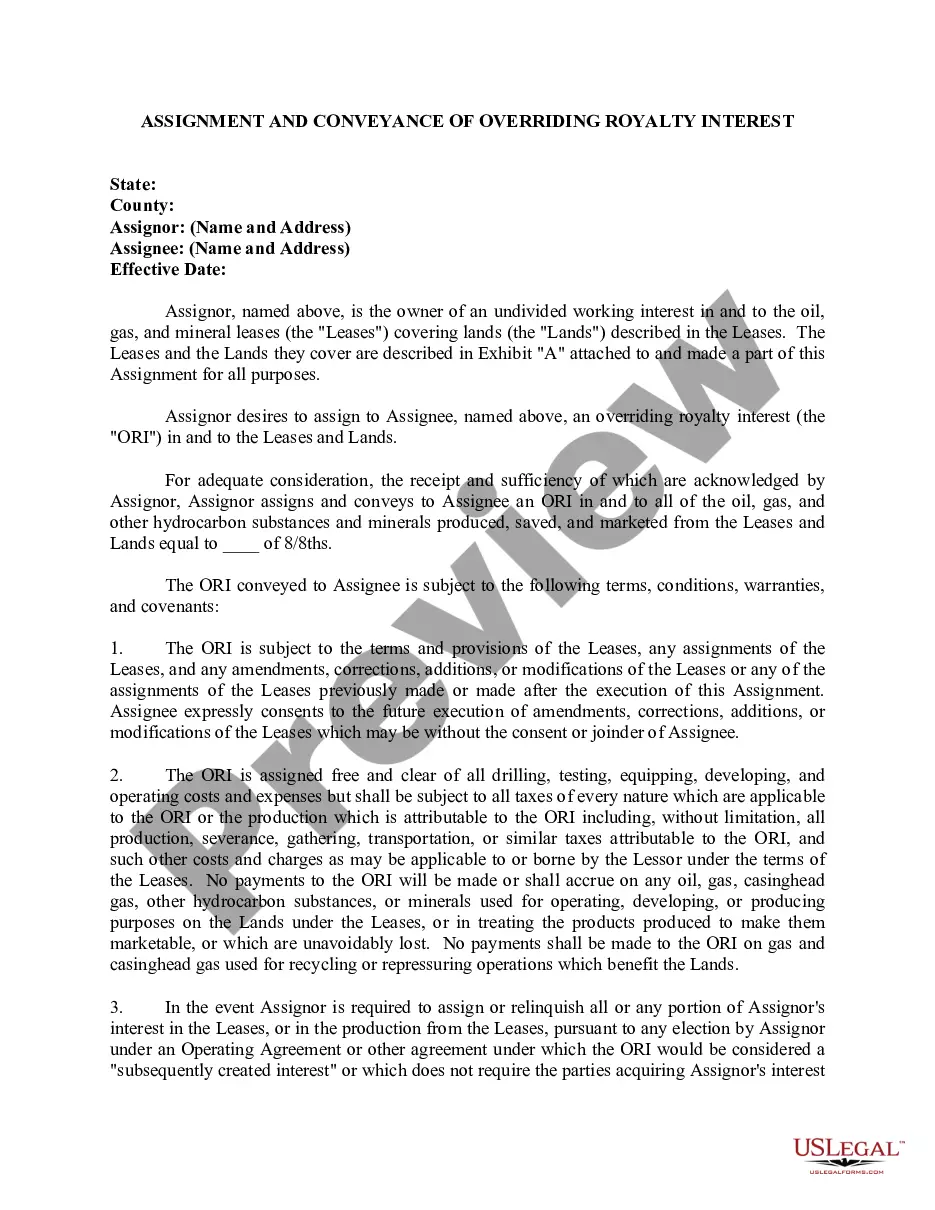
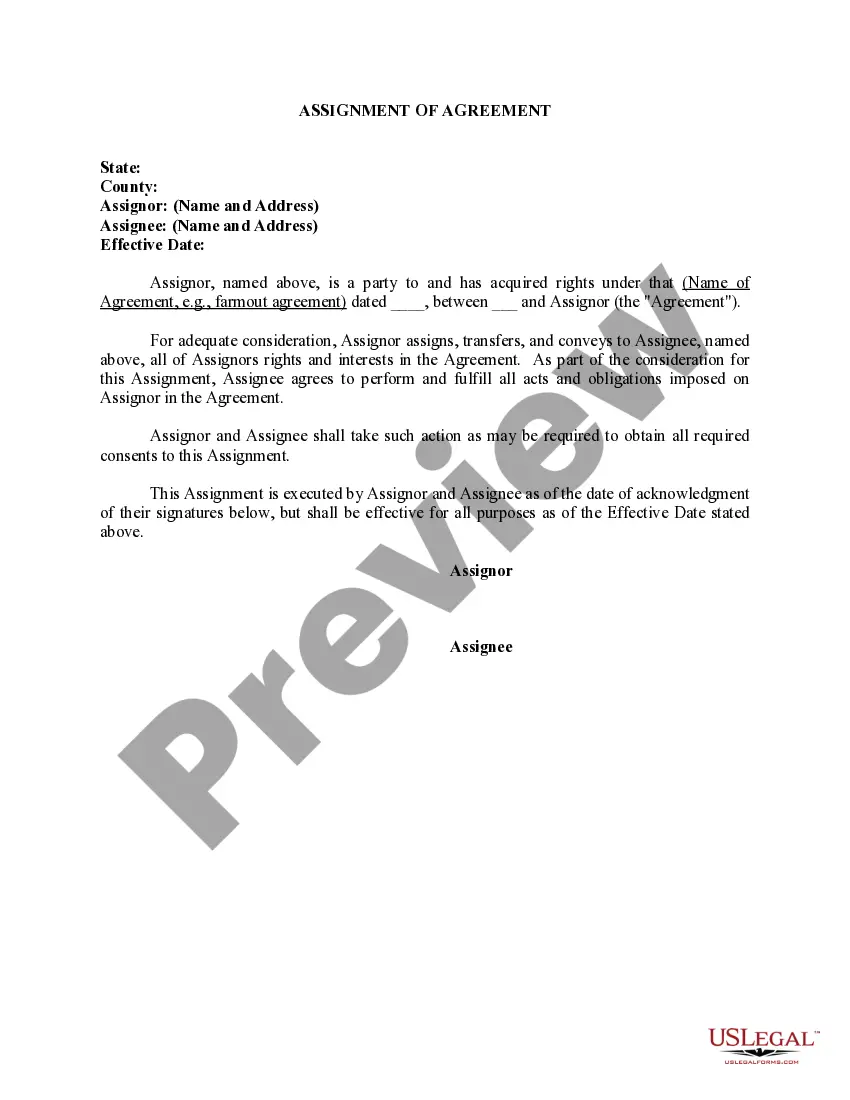
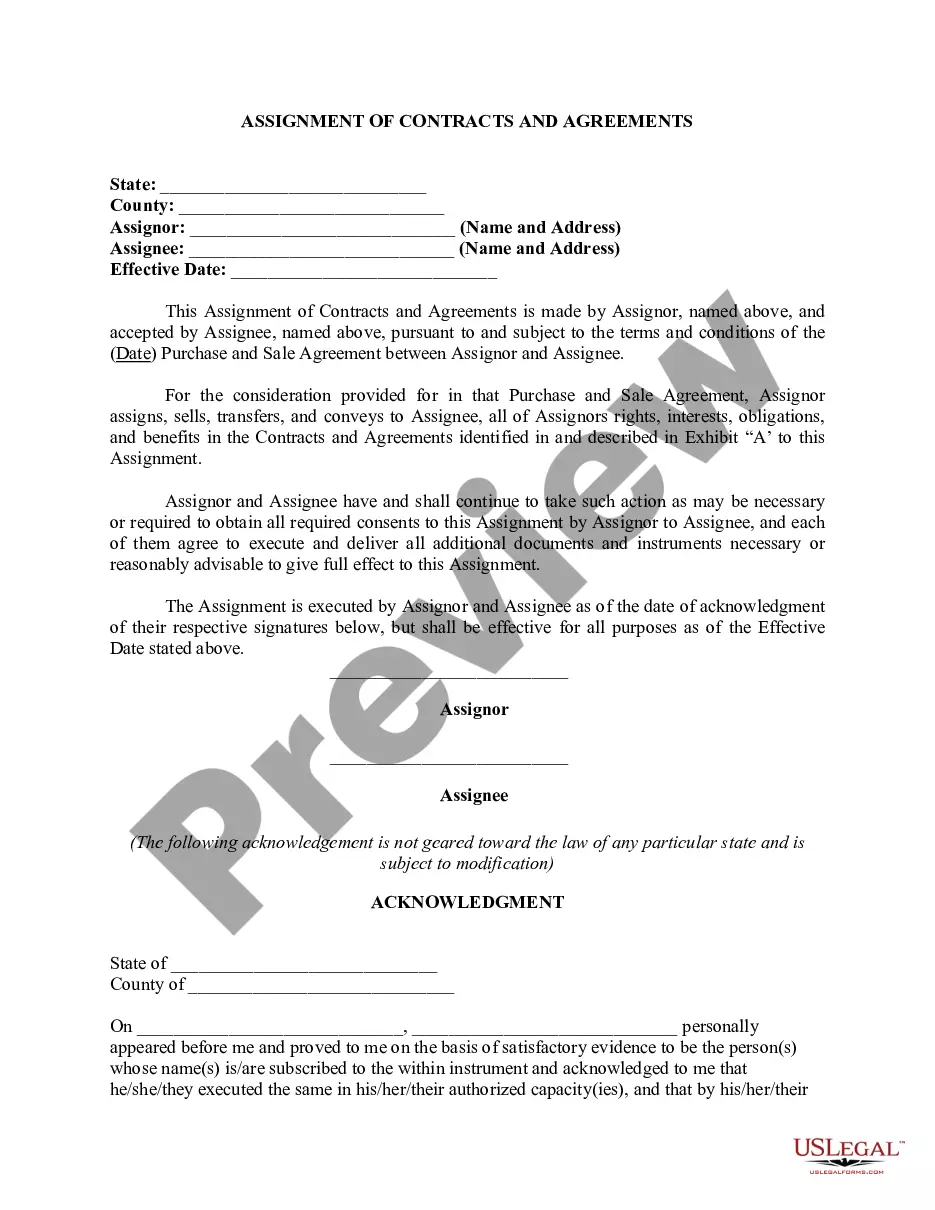
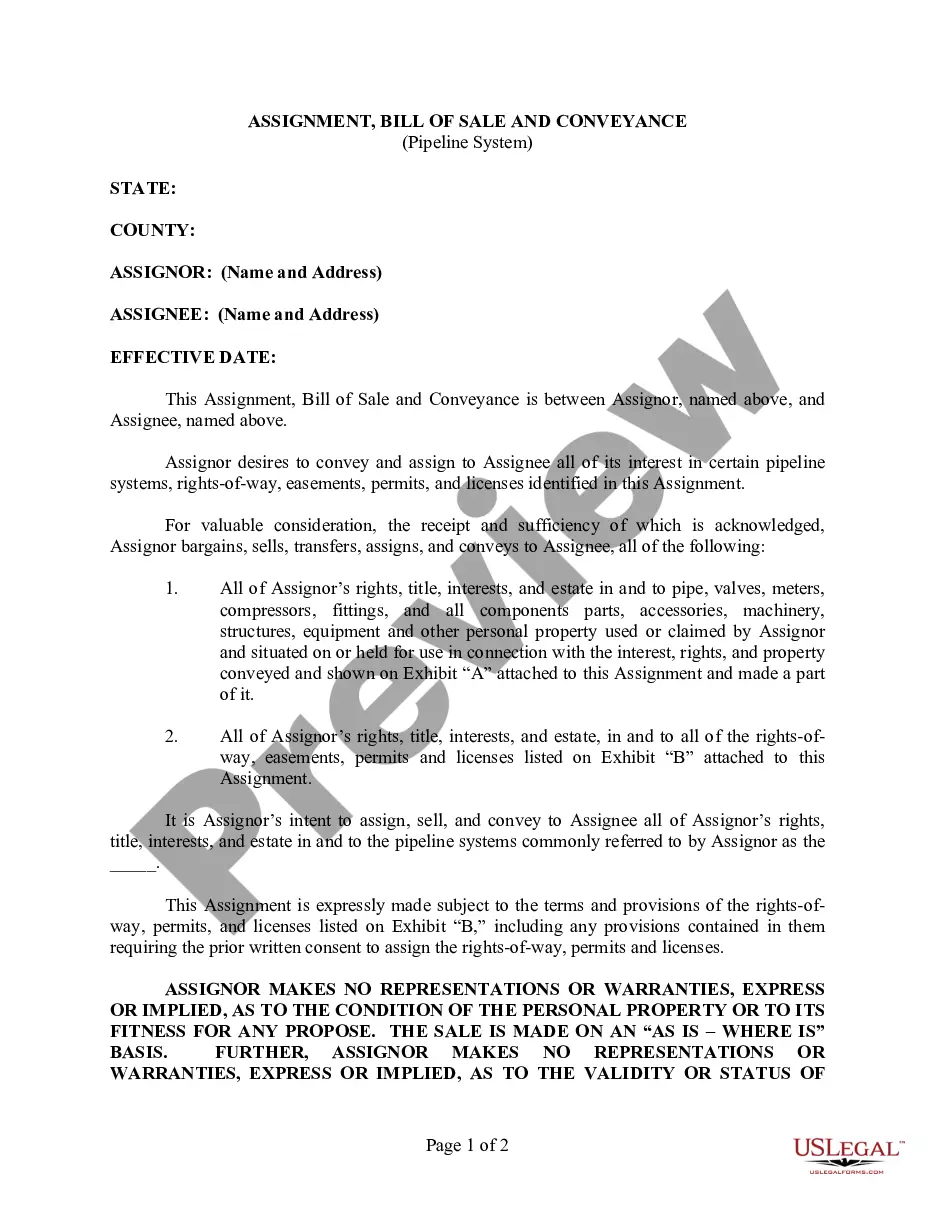
The Assignment and Conveyance form is a legal document that enables the Assignor to formally transfer their rights, title, and interest in specific property to the Assignee. This form is particularly used in real estate and oil and gas transactions, providing a clear record of the transfer. Unlike other legal forms, this document ensures public notice of the transaction in accordance with a Purchase and Sale Agreement.
Key parts of this document
- Date and effective time of the Assignment
- Identification of the Assignor and Assignee, including their business structure
- Description of the properties being conveyed
- Consideration amount and acknowledgment of receipt
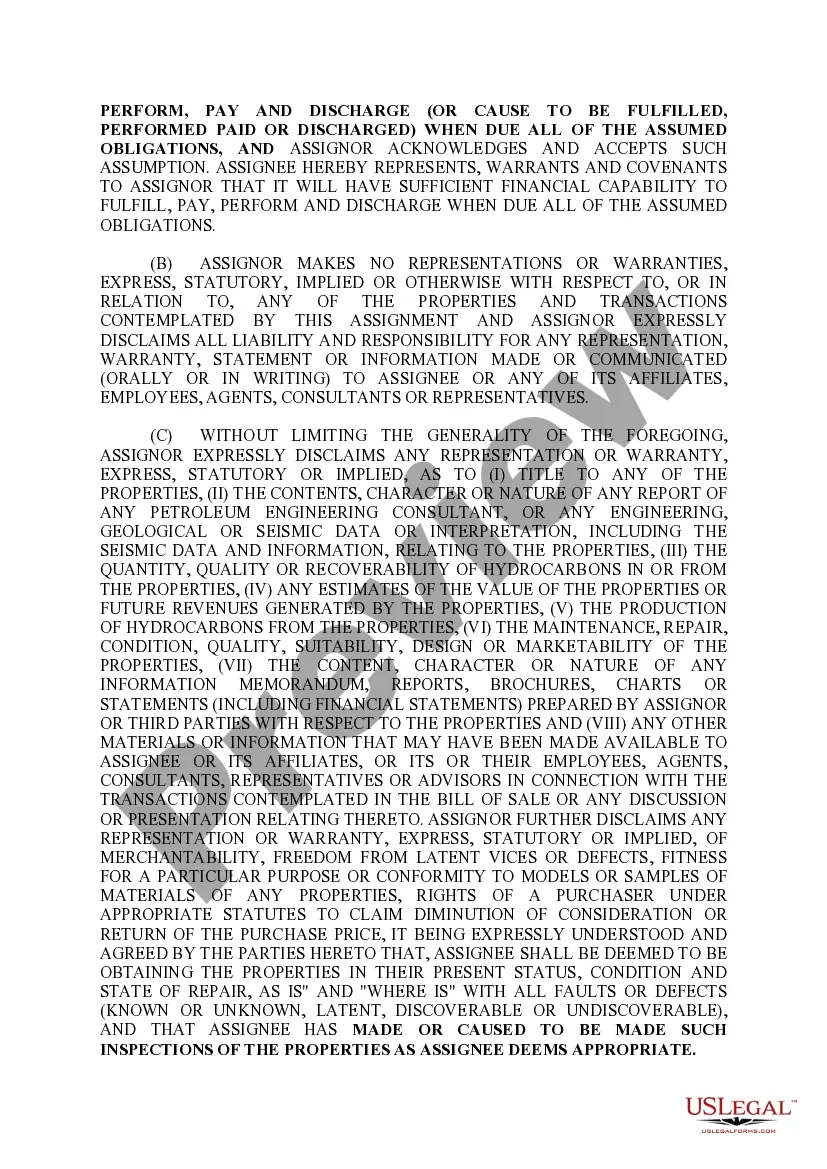
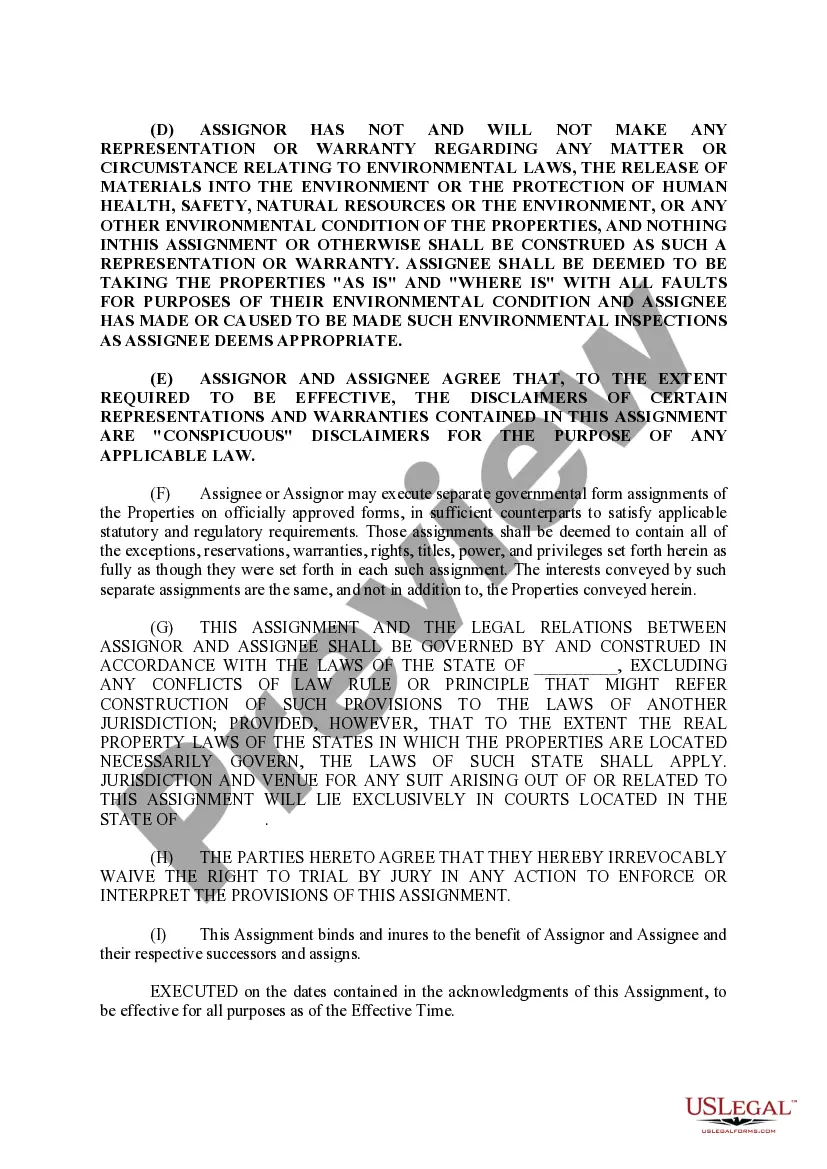
- Terms and conditions of the transfer, including assumptions of obligations
- Disclaimers of warranties by the Assignor
Common use cases
This form should be used when an individual or entity (the Assignor) is selling, assigning, or transferring their interest in real property, such as oil and gas leases, to another party (the Assignee). It is relevant in cases where the parties have entered into a Purchase and Sale Agreement or a Bill of Sale and need to document the assignment legally. This form provides clarity and public notice regarding the transfer of ownership.
Intended users of this form
- Individuals or businesses wanting to assign their property rights to another party
- Real estate investors or companies involved in oil and gas transactions
- Legal representatives drafting assignments for clients
- Anyone needing to record a property interest transfer for legal purposes
Steps to complete this form
- Identify and enter the date and effective time of the assignment.
- Provide the names and business structures of both the Assignor and Assignee.
- Clearly describe the properties being transferred in the appropriate section.
- Specify the consideration amount for the assignment in the designated field.
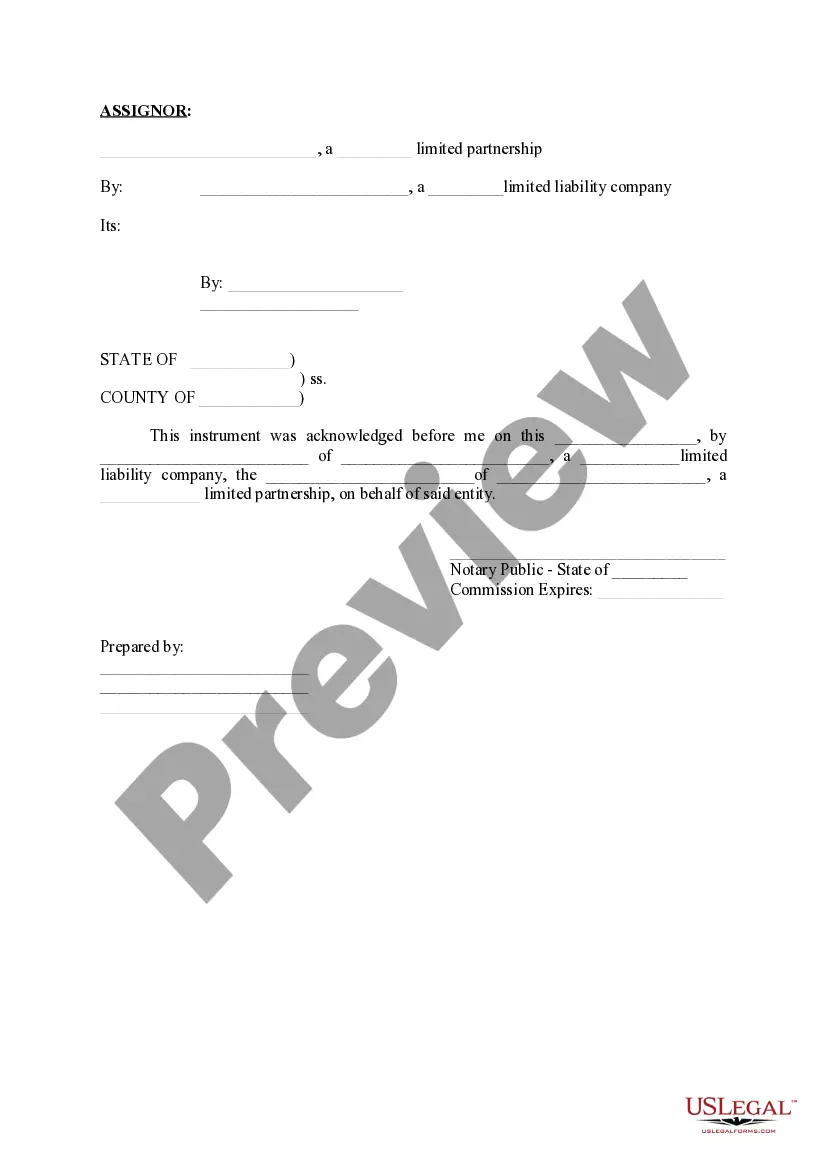
- Ensure both parties review, sign, and date the form, including notary acknowledgment if required.
Does this form need to be notarized?
Yes, this form must be notarized to be legally valid. Notarization helps ensure the authenticity of the signatures and protects against fraud. US Legal Forms offers integrated online notarization services available 24/7, allowing you to complete the process through a secure video call without the need for travel.
Get your form ready online
Our built-in tools help you complete, sign, share, and store your documents in one place.
Make edits, fill in missing information, and update formatting in US Legal Forms—just like you would in MS Word.
Download a copy, print it, send it by email, or mail it via USPS—whatever works best for your next step.
Sign and collect signatures with our SignNow integration. Send to multiple recipients, set reminders, and more. Go Premium to unlock E-Sign.
If this form requires notarization, complete it online through a secure video call—no need to meet a notary in person or wait for an appointment.
We protect your documents and personal data by following strict security and privacy standards.
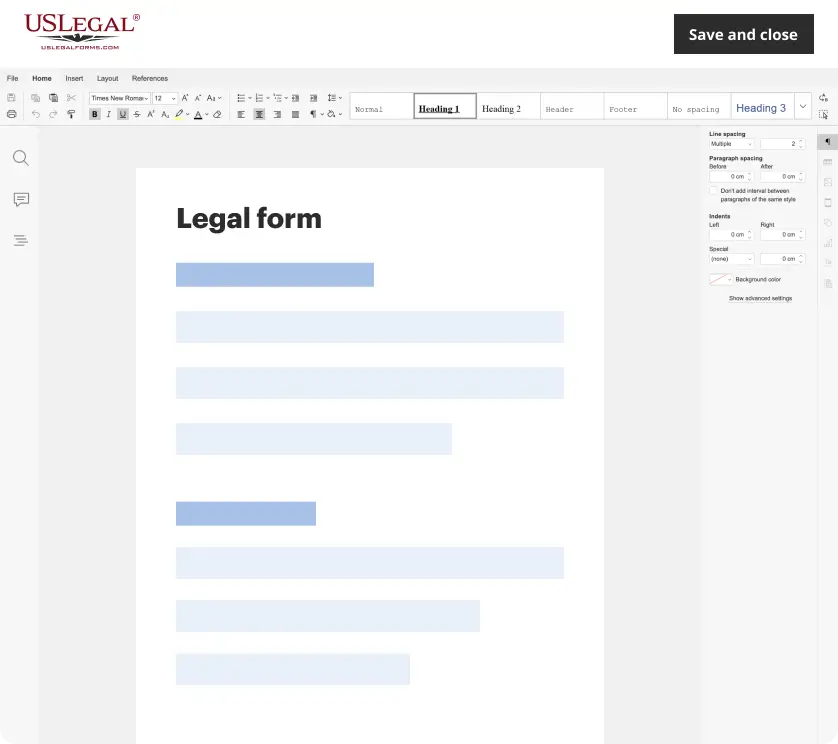
Make edits, fill in missing information, and update formatting in US Legal Forms—just like you would in MS Word.
Download a copy, print it, send it by email, or mail it via USPS—whatever works best for your next step.
Sign and collect signatures with our SignNow integration. Send to multiple recipients, set reminders, and more. Go Premium to unlock E-Sign.

If this form requires notarization, complete it online through a secure video call—no need to meet a notary in person or wait for an appointment.

We protect your documents and personal data by following strict security and privacy standards.
Avoid these common issues
- Failing to specify a clear description of the properties being assigned.
- Omitting the consideration amount, which is crucial for legal validity.
- Not having the document notarized when required by local law.
- Leaving fields blank or inaccurately naming the parties involved in the transaction.
Why use this form online
- Immediate access to a professionally drafted legal form.
- Customization options available to meet specific transaction needs.
- Convenient downloading and printing capabilities.
- Ability to store and retrieve documents swiftly whenever necessary.
Legal use & context
- The Assignment and Conveyance form serves as a legally binding contract once executed and notarized.
- It provides a public record of the property transfer, which can be critical in disputes.
- Parties should be aware of any local laws that may affect the transfer of property rights, especially in specialized sectors like oil and gas.
Looking for another form?
Form popularity
FAQ
A transfer on death deed allows you to retain full ownership during your lifetime and conveys your full interest to the Grantee upon your death.Ultimately, the decision between a life estate and transfer on death deed is dependent on why you want to transfer the property.
In order to convey any real property or an interest in property in Tennessee, the deed must be in writing, acknowledged by the grantor, and registered in the county where the property is located. The Annotated Code of Tennessee allows for the transfer of real property through the usage of a variety of deeds.
Tennessee does not allow real estate to be transferred with transfer-on-death deeds.
Retrieve your original deed. Get the appropriate deed form. Draft the deed. Sign the deed before a notary. Record the deed with the county recorder. Obtain the new original deed.
A Tennessee Quit Claim Deed may be filled out and filed with the Tennessee Register of Deeds of the same County the Property being transferred is in. Laws § 66-5-103(2) Recording (A§ 66-5-106) Submit the quit claim along with the filing fee to the Register's Office in your County.
Tennessee deed forms convey interest in property from one party (the Grantor) to another (the Grantee). The documents can be prepared by anyone as long as the required information is written in the deed as outlined in § 66-5-103.
File a petition in probate court. The first step to transferring the property to the rightful new owners is to open up a case in probate court. Petition the court for sale and convey the property to the purchaser. Next, you must petition the court to sell the property.
If you'd like to avoid having your property going through the probate process, it's a good idea to look into a transfer on death deed. A transfer on death deed allows you to select a beneficiary who will receive your property, but only when you've passed away.
In order to convey any real property or an interest in property in Tennessee, the deed must be in writing, acknowledged by the grantor, and registered in the county where the property is located. The Annotated Code of Tennessee allows for the transfer of real property through the usage of a variety of deeds.