South Dakota Right of Way Agreement
Description

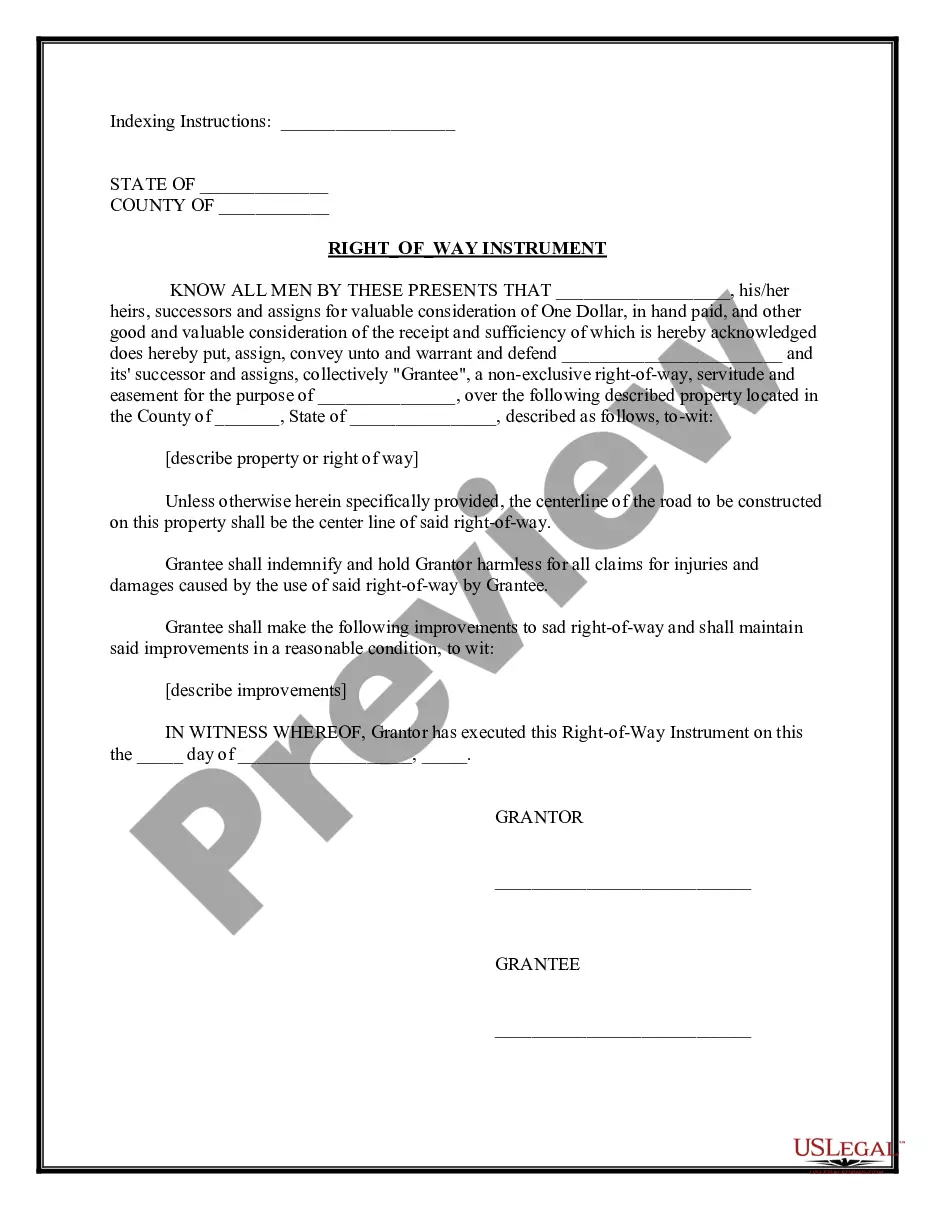
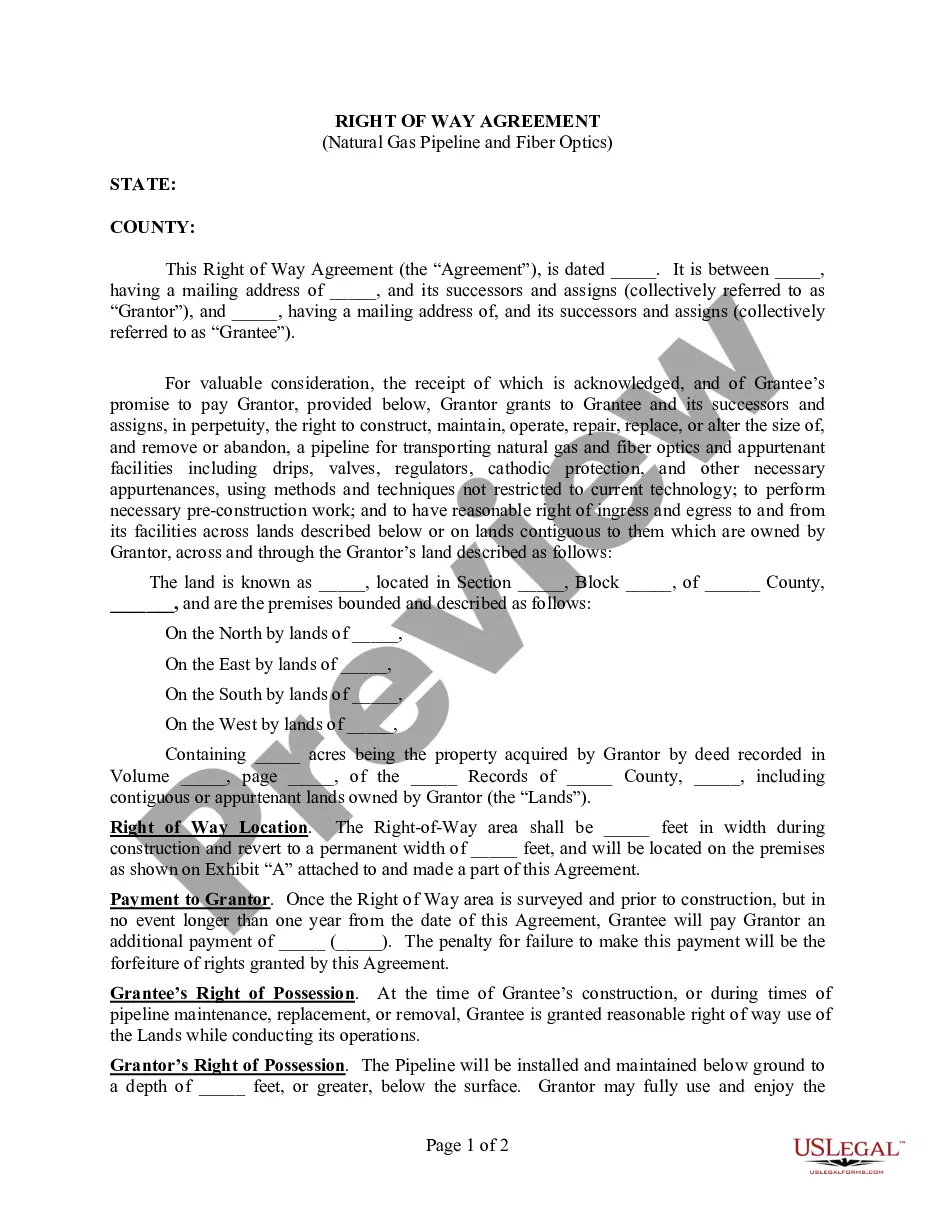
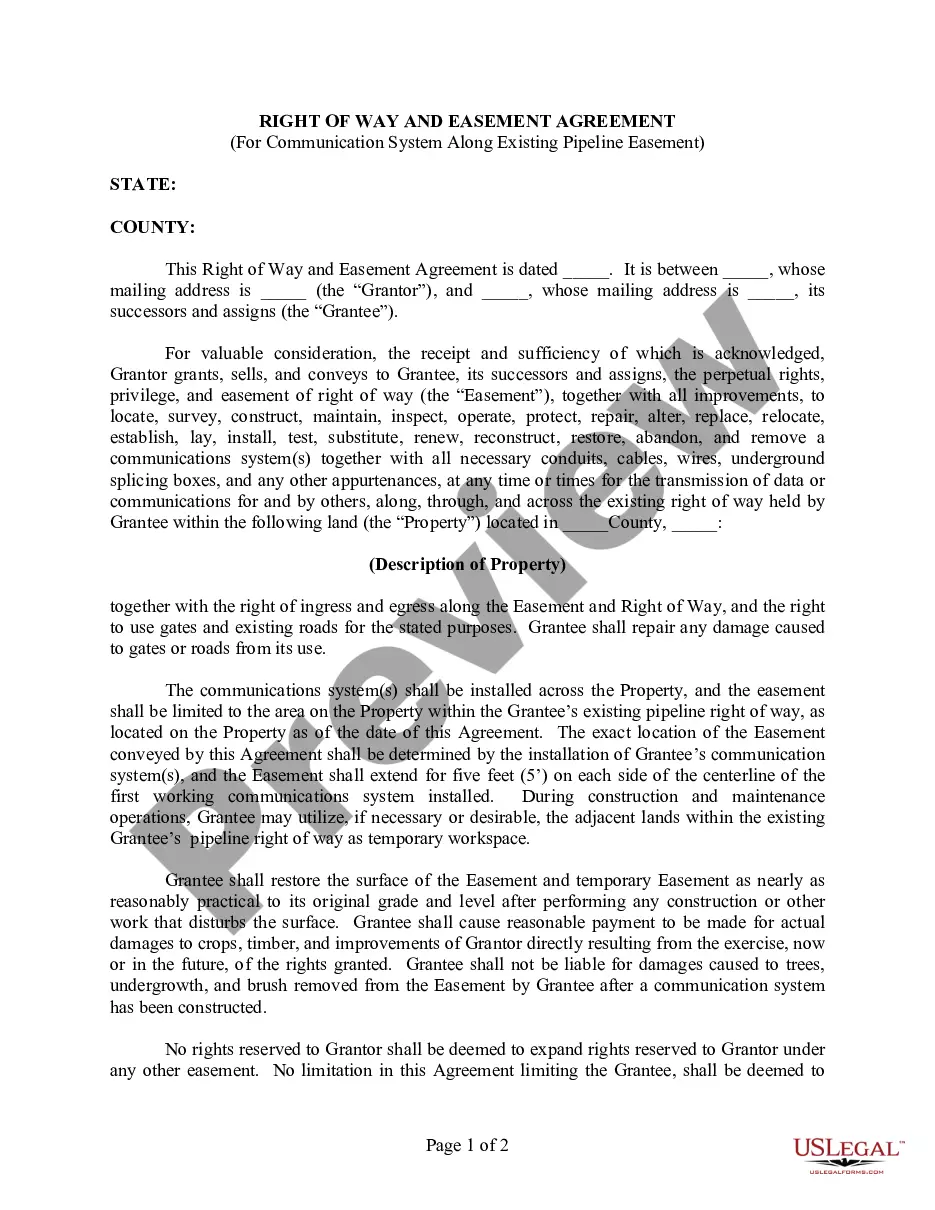
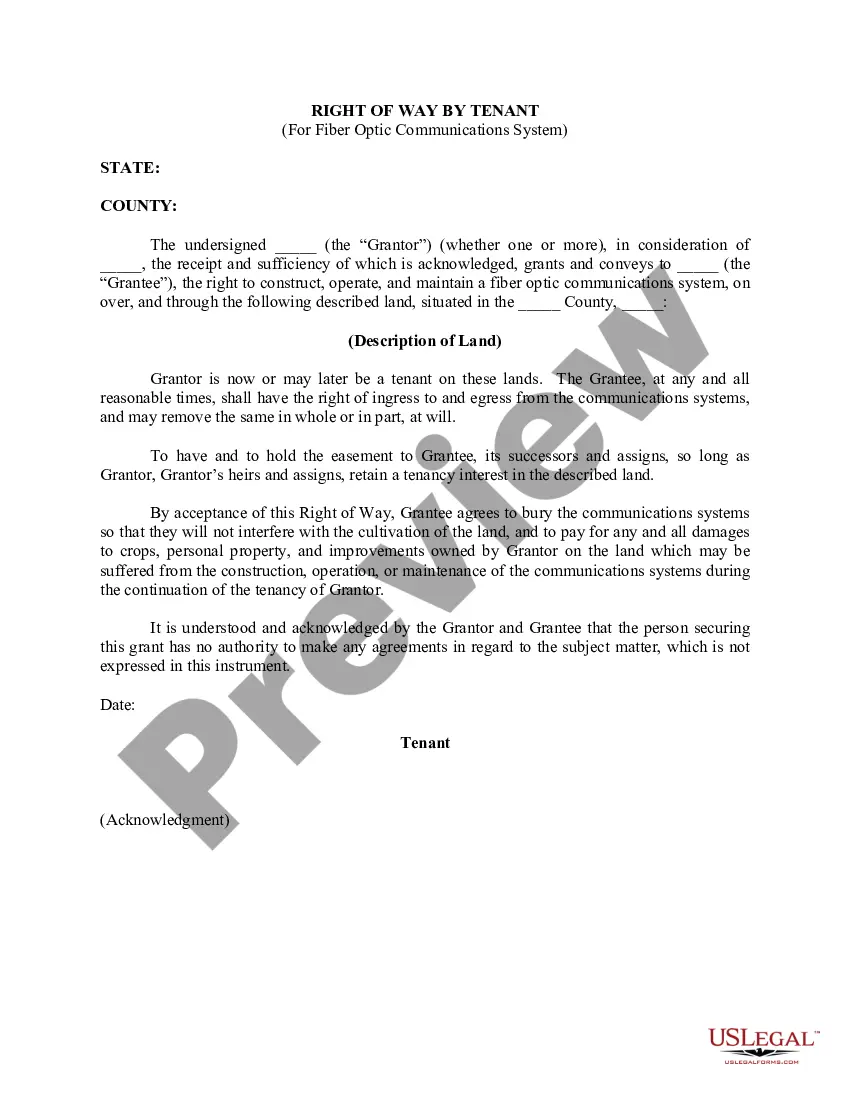
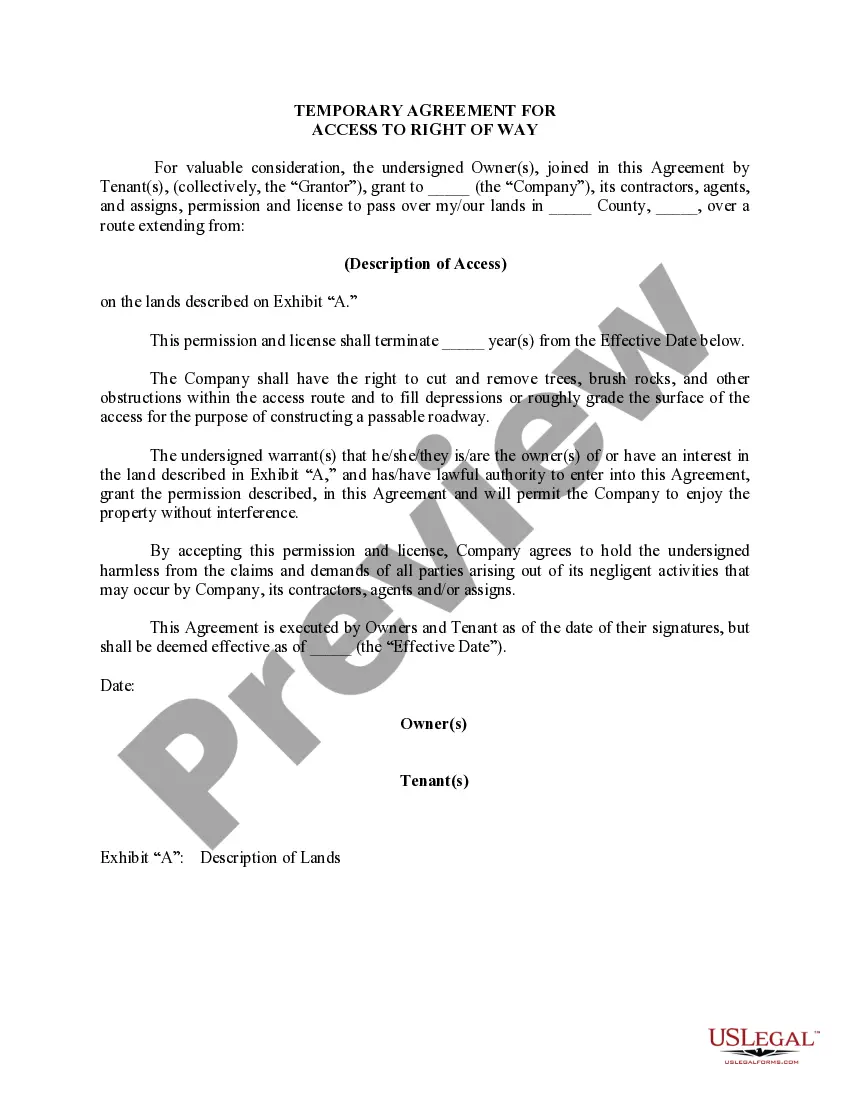
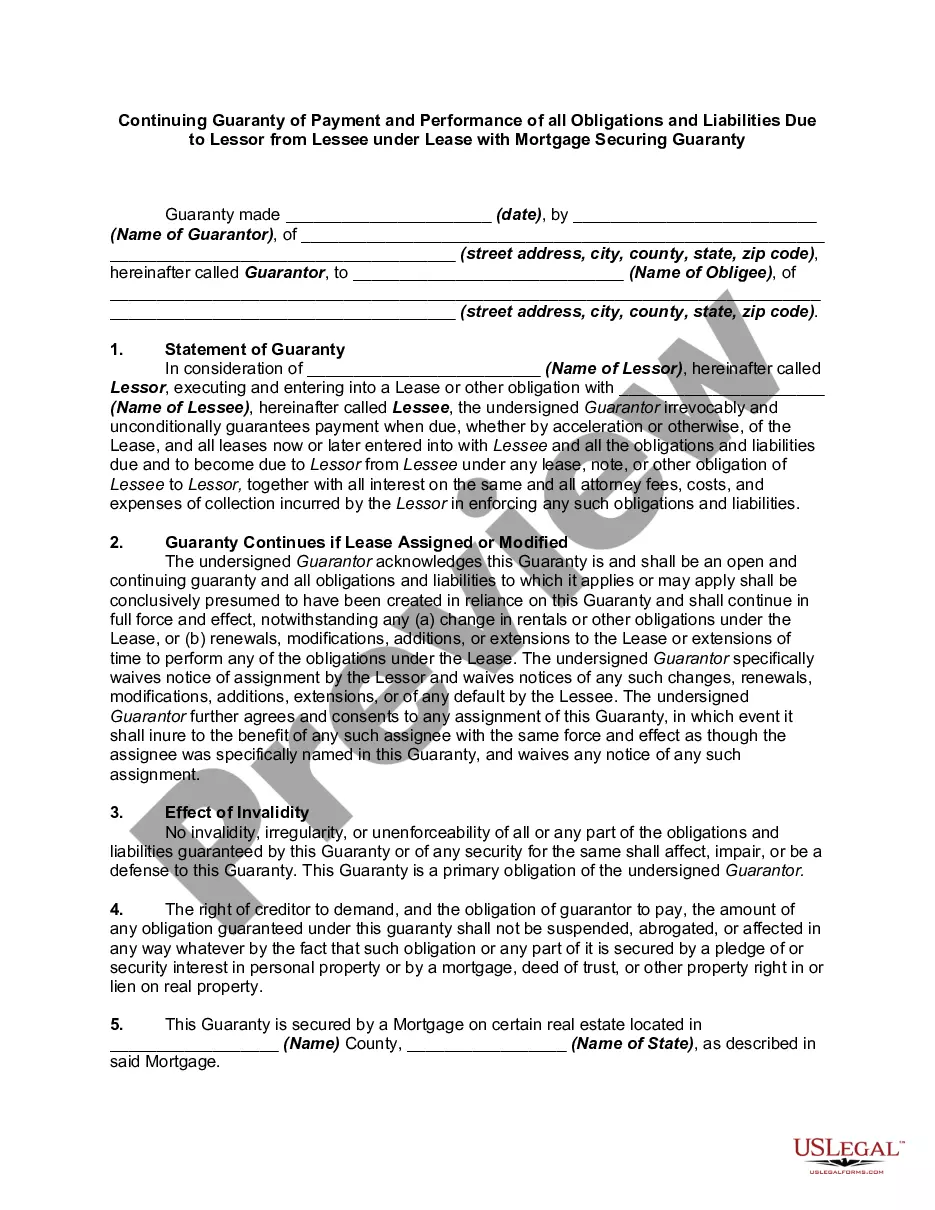
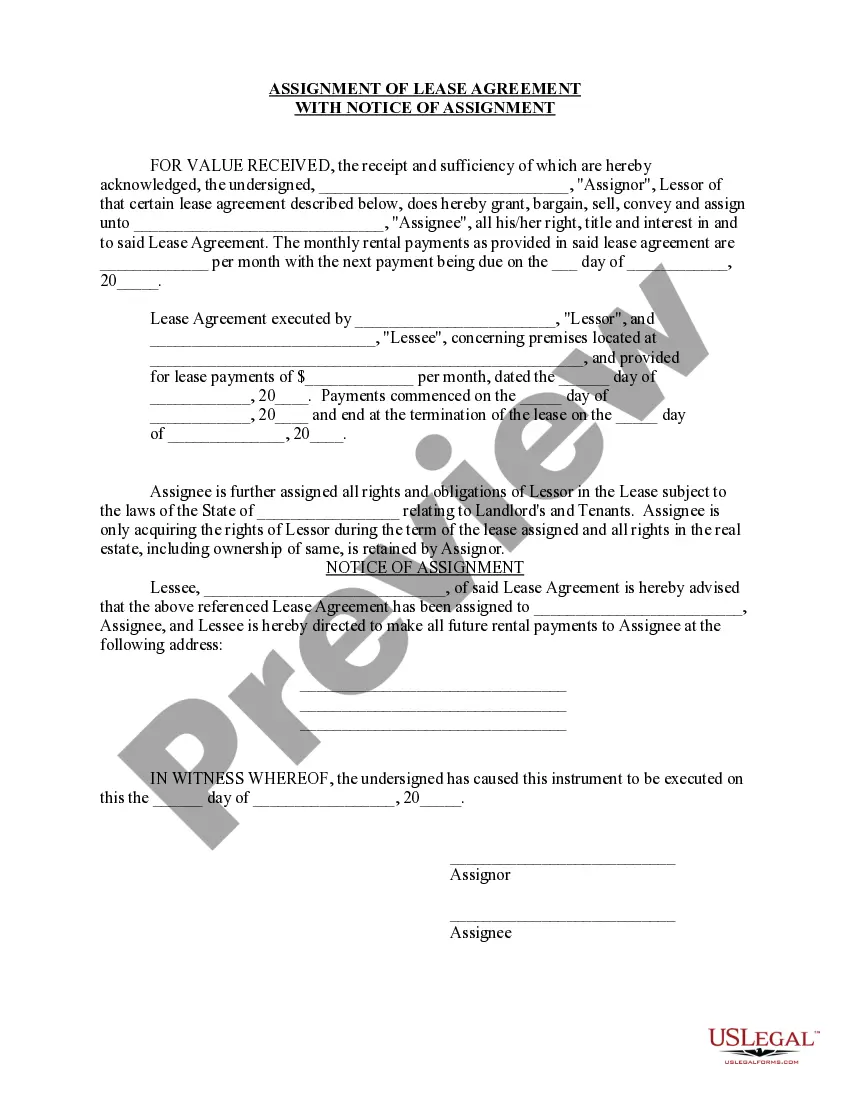
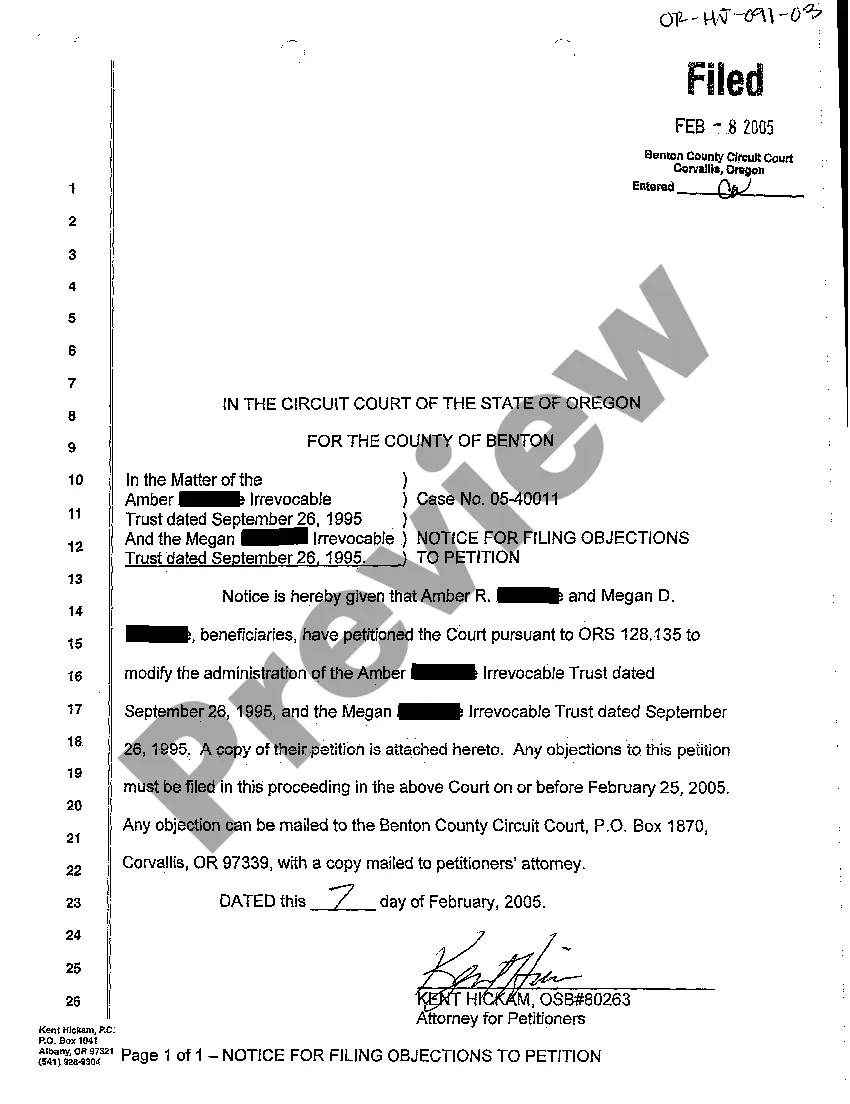


How to fill out Right Of Way Agreement?
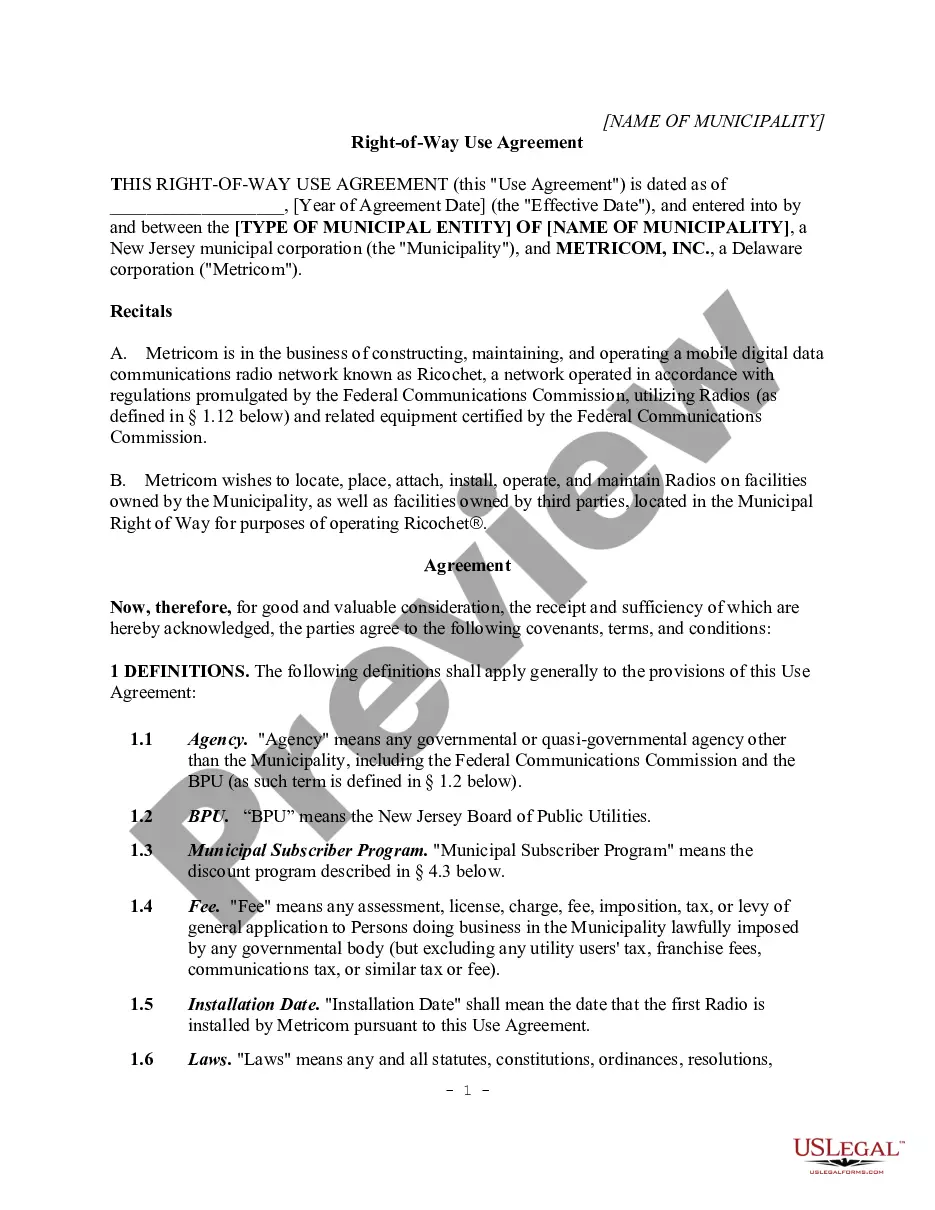
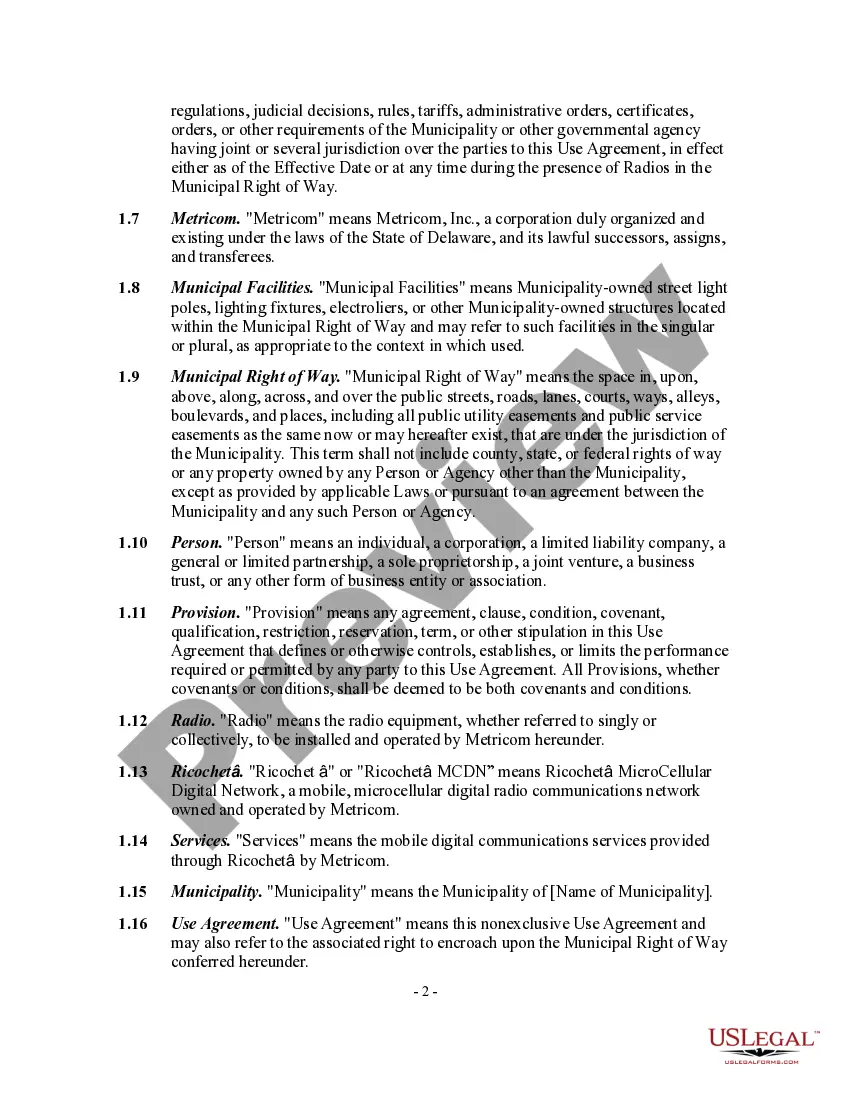
You can spend hours online searching for the legal document template that meets the federal and state requirements you need. US Legal Forms offers a vast collection of legal forms that are reviewed by experts. You can download or print the South Dakota Right of Way Agreement from the service.
If you already have a US Legal Forms account, you can Log In and select the Acquire option. After that, you can complete, modify, print, or sign the South Dakota Right of Way Agreement. Every legal document template you obtain is yours permanently. To get another copy of any purchased form, go to the My documents tab and click the corresponding option.
If you are using the US Legal Forms website for the first time, follow the simple steps below: First, ensure that you have chosen the correct document template for the area/city of your choice. Review the form description to ensure you have selected the right form. If available, make use of the Preview option to check the document template as well.
- If you wish to find another version of the form, utilize the Search field to locate the template that fits your needs and requirements.
- Once you have found the template you want, click Get now to proceed.
- Select the pricing plan you prefer, enter your information, and register for a free account on US Legal Forms.
- Complete the transaction. You can use your Visa or Mastercard or PayPal account to pay for the legal form.
- Choose the format of the document and download it to your device.
- Make adjustments to your document if necessary. You can complete, modify, and sign and print the South Dakota Right of Way Agreement.
- Obtain and print a vast array of document templates using the US Legal Forms website, which offers the largest selection of legal forms. Use professional and state-specific templates to address your business or personal needs.
Form popularity
FAQ
The right-of-way acquisition process in South Dakota typically involves several steps, starting with identifying the need for land. After this, the acquiring entity must appraise the property and negotiate with the landowner. The South Dakota Right of Way Agreement formalizes these negotiations, ensuring all parties understand their rights and responsibilities. Utilizing platforms like USLegalForms can simplify this process by providing templates and guidance tailored to the specific needs of South Dakota’s regulations.
The right-of-way law in South Dakota governs the use of land for public utilities, roads, and other infrastructure. Under this law, landowners must grant access to their property for these purposes, while also ensuring they receive proper compensation. Understanding the South Dakota Right of Way Agreement is crucial for both landowners and developers. This agreement outlines the terms of usage, compensation, and any obligations of both parties involved.
Home rule in South Dakota refers to the authority granted to local governments to govern their own affairs without interference from the state. This allows cities and counties to enact ordinances and regulations, including those related to South Dakota Right of Way Agreements. Home rule empowers local entities to address specific needs and challenges within their jurisdictions. Familiarizing yourself with these local regulations can enhance your understanding of land use and property rights.
An easement document is a legal agreement that allows specific use of one property by another property owner. In the context of a South Dakota Right of Way Agreement, it permits access or use of land for roads, utilities, or other public infrastructure. This document outlines the rights and responsibilities of both parties involved, ensuring clarity and legal protection. Utilizing a reliable platform like US Legal Forms can help you create and manage these documents effectively.
In South Dakota, the ownership of the road right of way typically belongs to the state or local government, depending on the road's classification. Property owners retain ownership of the land but grant easements through South Dakota Right of Way Agreements. This means that while you own the land, the government has the right to use a portion of it for public roads or utilities. Understanding this distinction is crucial for landowners to protect their interests.
The right of way law in South Dakota governs the use of land for public utilities, roads, and other infrastructure. This law ensures that property owners understand their rights in relation to South Dakota Right of Way Agreements. Essentially, these agreements allow for the use of private land for public benefit while safeguarding property rights. Understanding these laws can help you navigate any issues related to land use.
By Practical Law Property. This deed releases an existing right of way and grants a new (alternative) right of way in return for a payment made by the grantee to the grantor. It assumes that neither property is subject to any leases.
A right of way is a legal right to travel over land belonging to someone else in order to get from a defined point to a defined point, typically from a point on the public highway to some other point, over a defined route. The right may be a right of way on foot only or it might be a right on foot or with vehicles.
A right of way can be claimed on the basis of user evidence (i.e. that the public has established a right of way by using a defined route over a period of time), or documentary evidence (i.e. based on historical documents such as Enclosure Awards or other old maps), or a combination of the two.
An easement is a real right on another's property, corporeal and immovable, whereby the owner of the latter must refrain from doing or allowing somebody else to do or something to be done on his property, for the benefit of another person or tenement Unisource Commercial and Development Corporation vs.