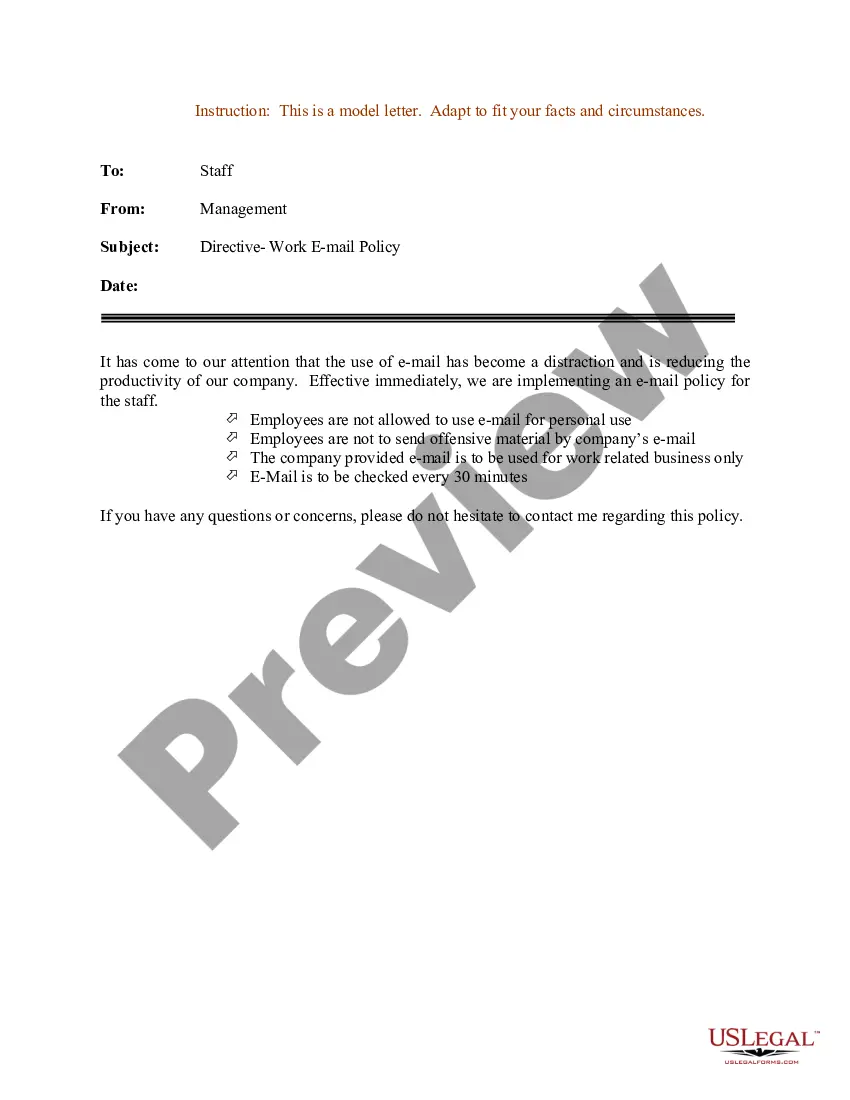
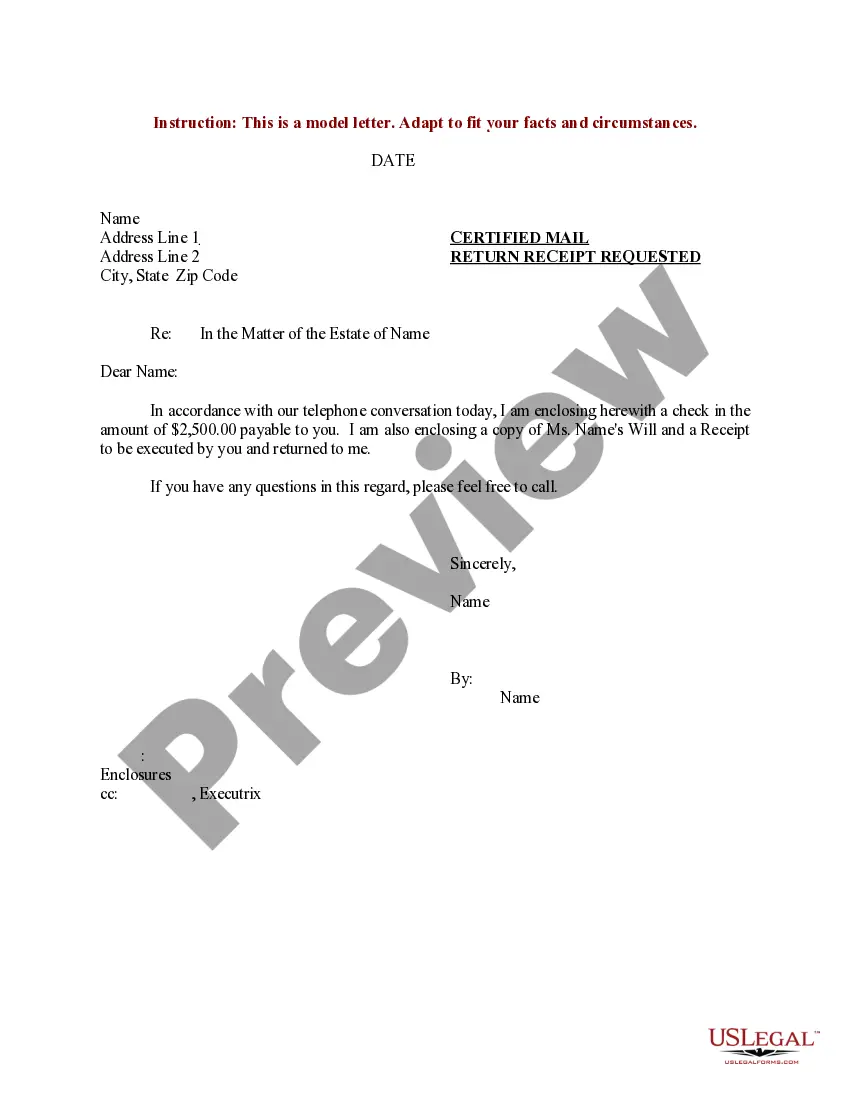
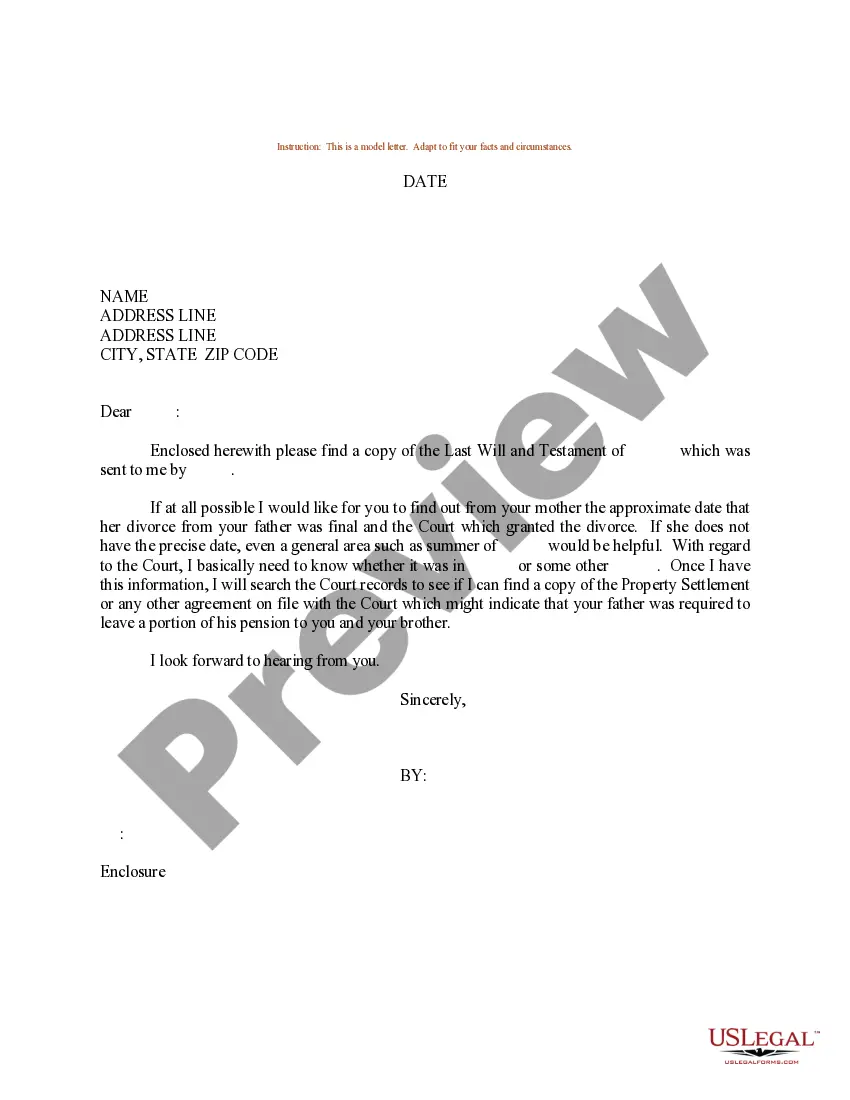
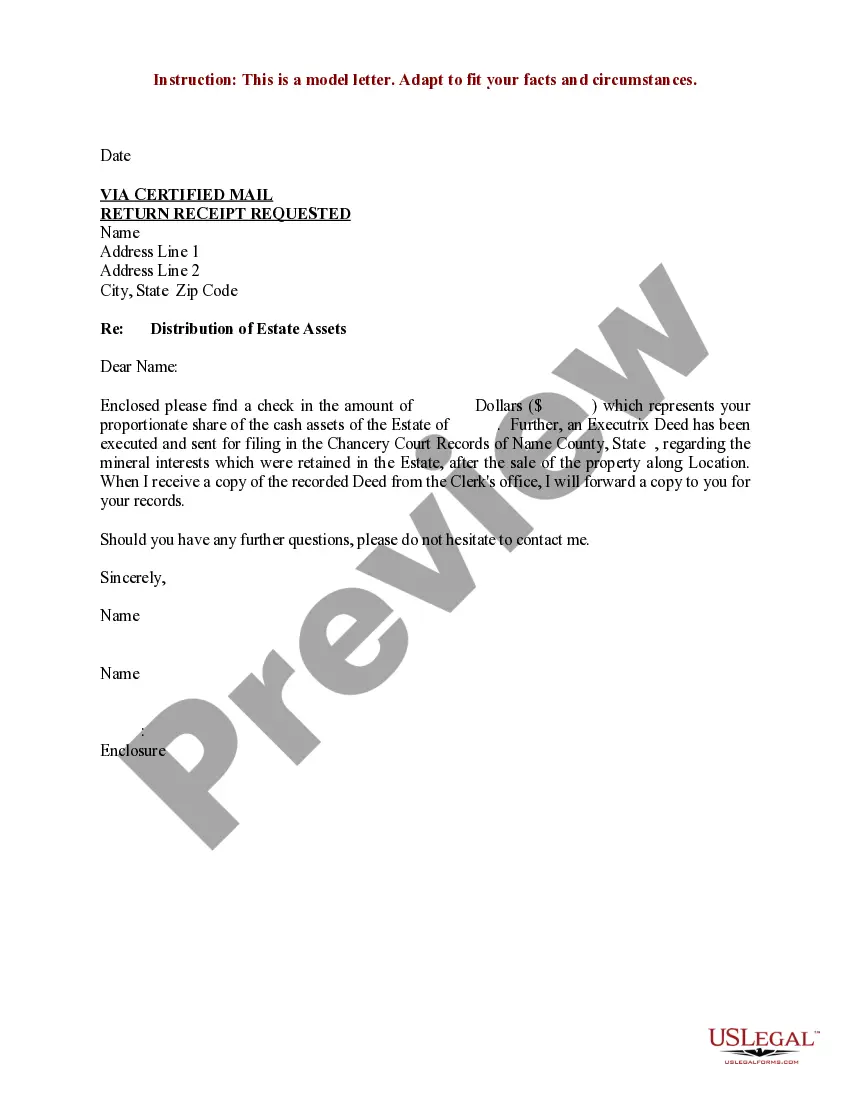
South Dakota Sample Letter for Execution - Distribution of Will to Individual
Description
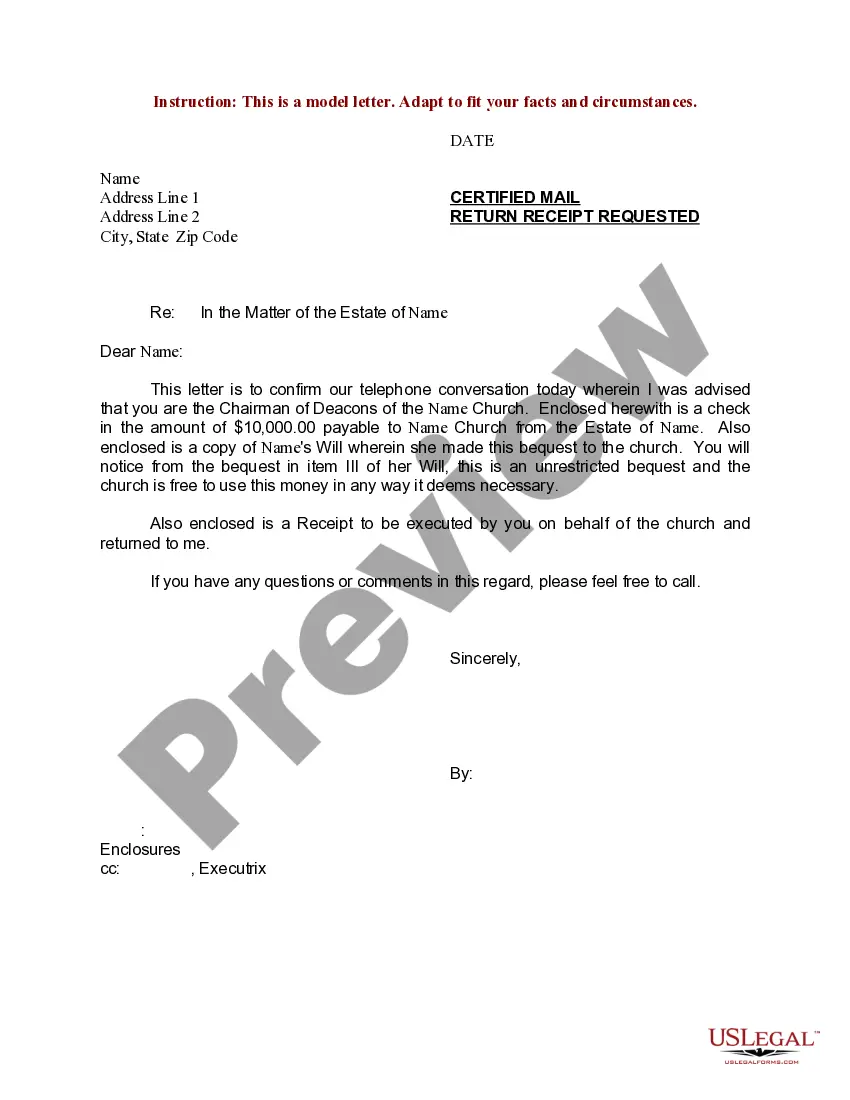
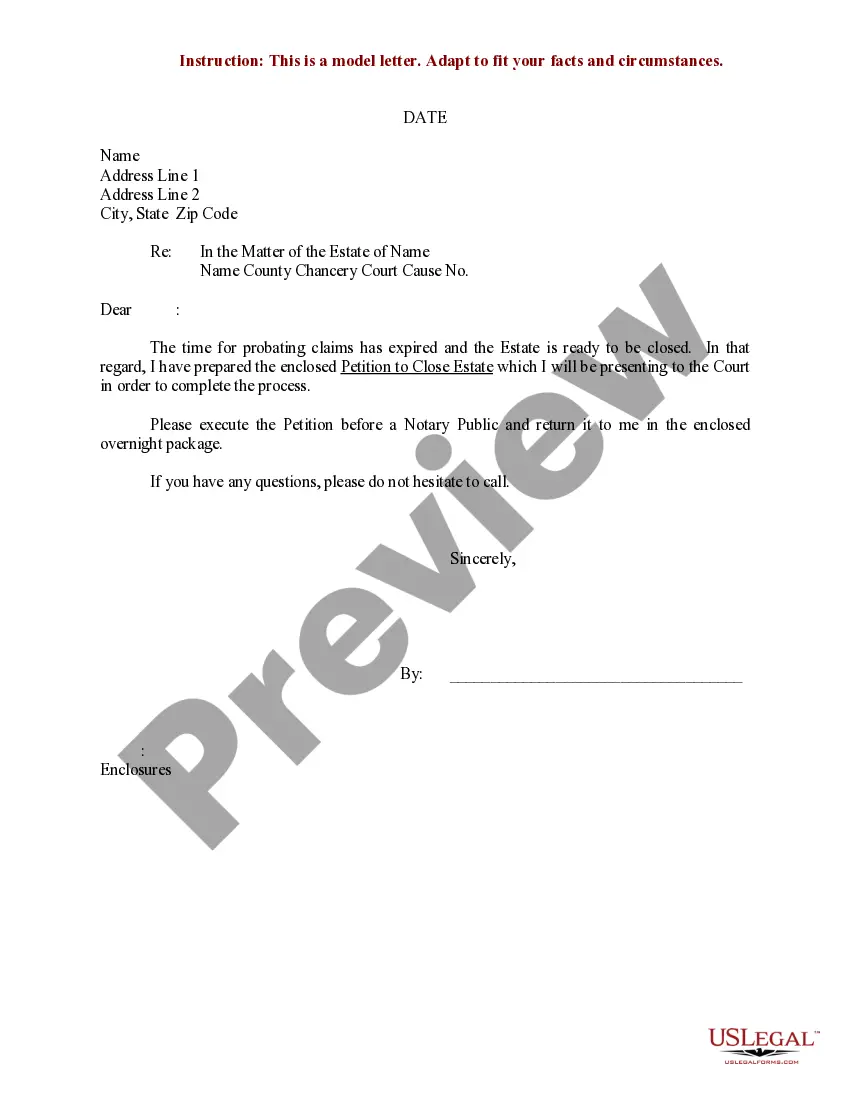
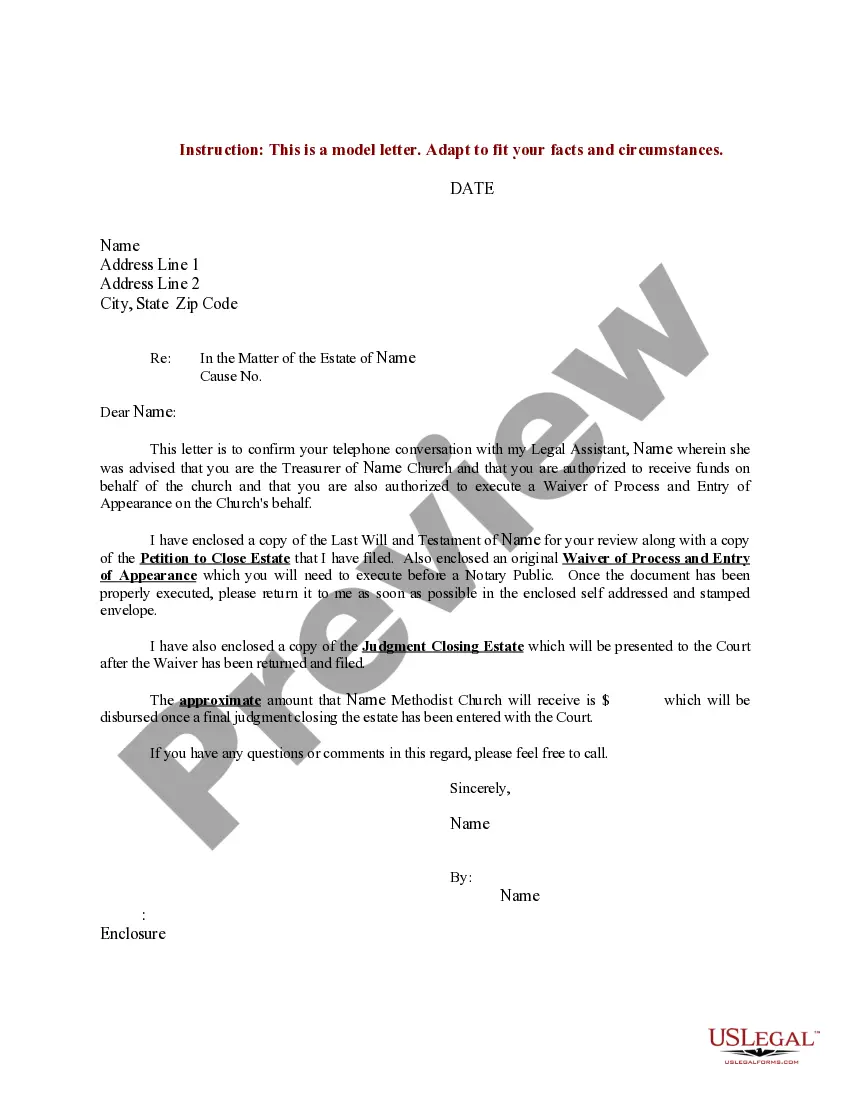
Get your form ready online
Our built-in tools help you complete, sign, share, and store your documents in one place.
Make edits, fill in missing information, and update formatting in US Legal Forms—just like you would in MS Word.
Download a copy, print it, send it by email, or mail it via USPS—whatever works best for your next step.
Sign and collect signatures with our SignNow integration. Send to multiple recipients, set reminders, and more. Go Premium to unlock E-Sign.
If this form requires notarization, complete it online through a secure video call—no need to meet a notary in person or wait for an appointment.
We protect your documents and personal data by following strict security and privacy standards.

Make edits, fill in missing information, and update formatting in US Legal Forms—just like you would in MS Word.

Download a copy, print it, send it by email, or mail it via USPS—whatever works best for your next step.

Sign and collect signatures with our SignNow integration. Send to multiple recipients, set reminders, and more. Go Premium to unlock E-Sign.

If this form requires notarization, complete it online through a secure video call—no need to meet a notary in person or wait for an appointment.

We protect your documents and personal data by following strict security and privacy standards.
Looking for another form?


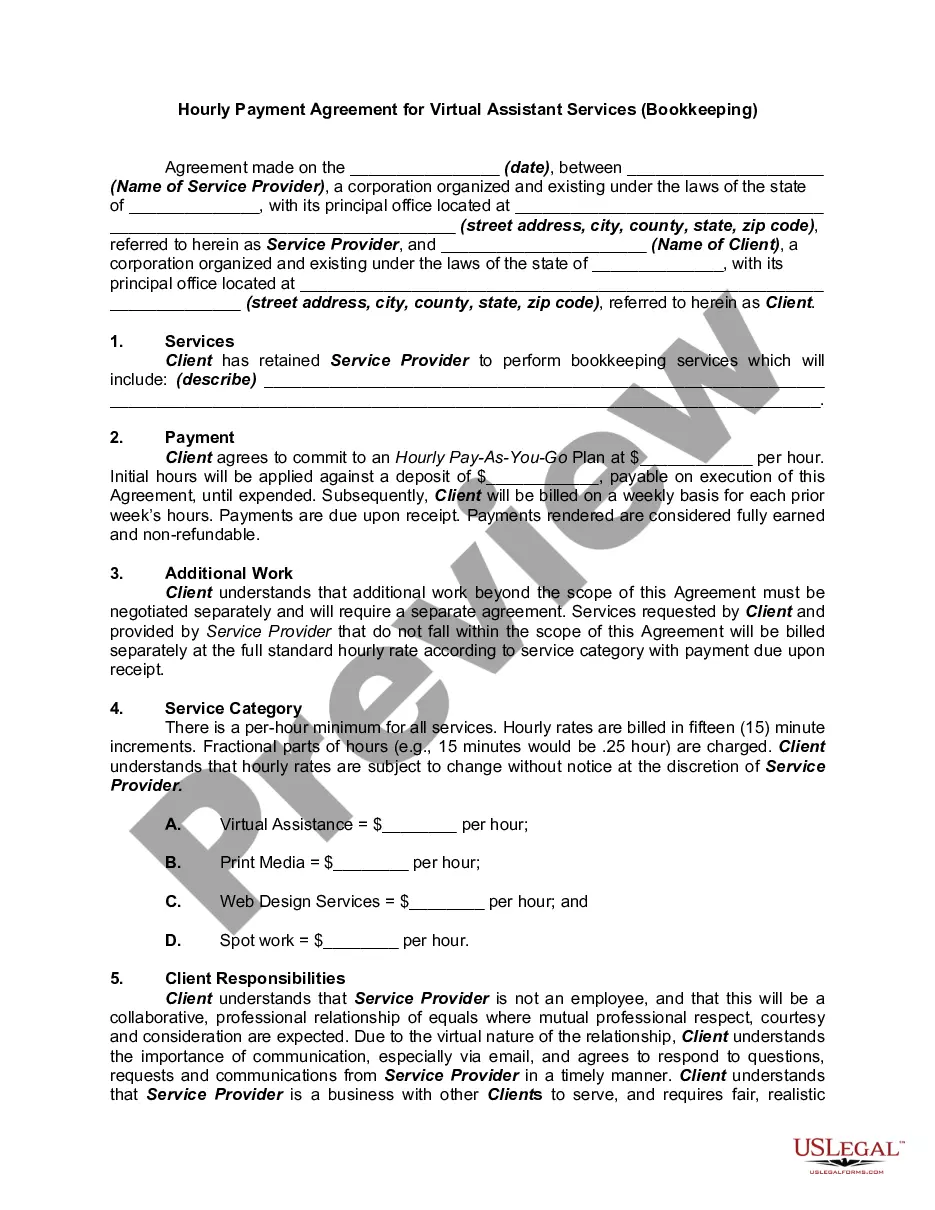
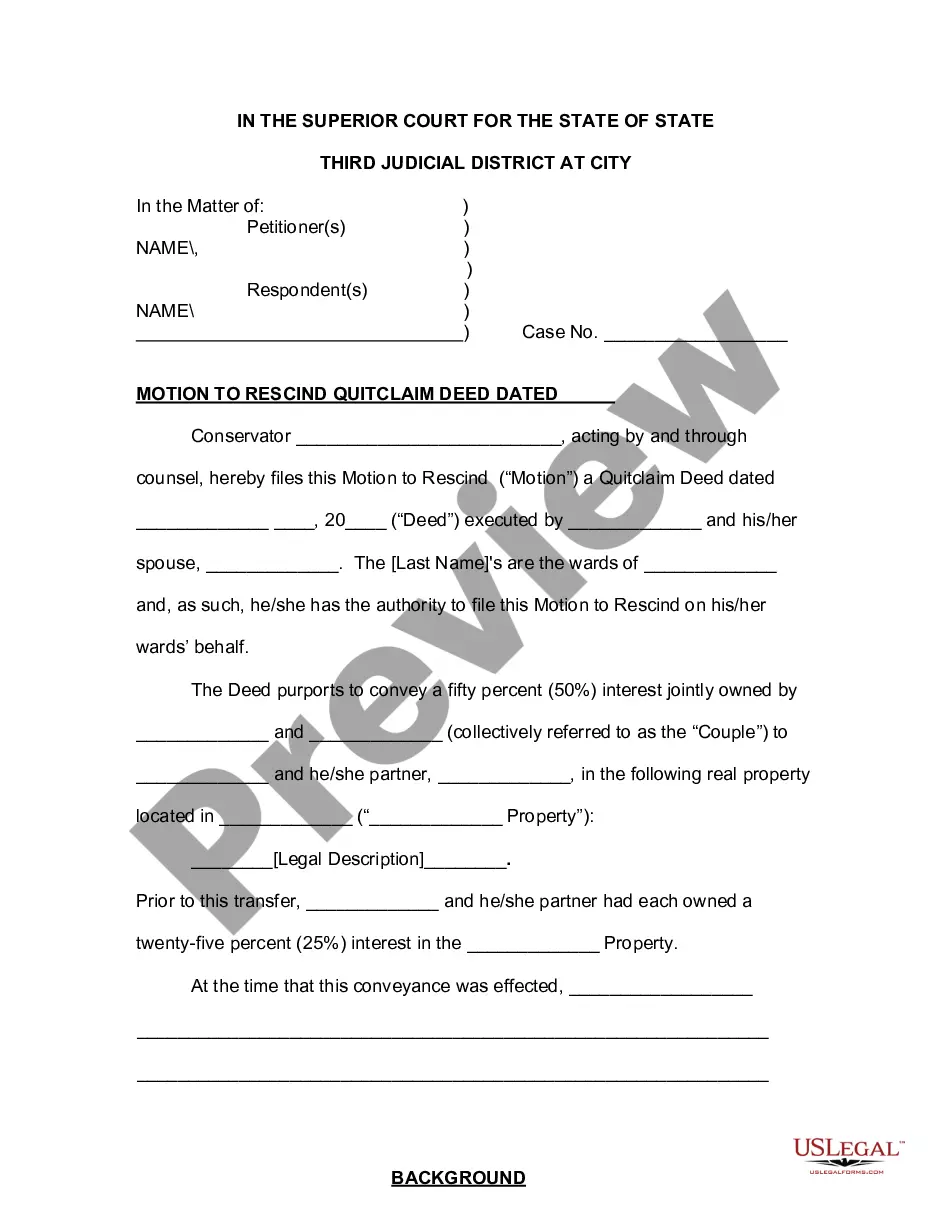
How to fill out Sample Letter For Execution - Distribution Of Will To Individual?
It is possible to spend hrs online searching for the lawful record template which fits the state and federal needs you need. US Legal Forms offers a huge number of lawful kinds which are reviewed by specialists. You can easily down load or printing the South Dakota Sample Letter for Execution - Distribution of Will to Individual from my assistance.
If you currently have a US Legal Forms accounts, it is possible to log in and then click the Obtain switch. Afterward, it is possible to full, edit, printing, or signal the South Dakota Sample Letter for Execution - Distribution of Will to Individual. Every single lawful record template you purchase is your own property eternally. To have one more version of the obtained type, proceed to the My Forms tab and then click the corresponding switch.
Should you use the US Legal Forms site the first time, adhere to the easy directions under:
- Very first, be sure that you have chosen the best record template to the region/area that you pick. Read the type outline to ensure you have selected the proper type. If accessible, make use of the Review switch to search from the record template as well.
- If you wish to discover one more version of your type, make use of the Lookup area to get the template that suits you and needs.
- After you have identified the template you would like, click on Acquire now to continue.
- Pick the rates prepare you would like, enter your references, and sign up for a merchant account on US Legal Forms.
- Full the deal. You should use your credit card or PayPal accounts to purchase the lawful type.
- Pick the format of your record and down load it to your device.
- Make adjustments to your record if needed. It is possible to full, edit and signal and printing South Dakota Sample Letter for Execution - Distribution of Will to Individual.
Obtain and printing a huge number of record themes using the US Legal Forms web site, that offers the largest variety of lawful kinds. Use specialist and state-distinct themes to take on your company or personal demands.
Form popularity
FAQ
A will is a legal document that sets forth your wishes regarding the distribution of your property and the care of any minor children. If you die without a will, those wishes may not be carried out.
A Will is a written document outlining your choices about who will receive your property you own only in your name and how it will be divided when you die. If you have children under the age of 18, you can also name someone to be their guardian in your Will.
A Will, also known as a Last Will and Testament, is a legally prepared and bound document that states your intentions for the distribution of your assets and wealth after your death. In the event you have children, a valid Will also allows you to designate who will care for them.
A will is a legal document that sets forth your wishes regarding the distribution of your property and the care of any minor children. If you die without a will, those wishes may not be carried out.
You must sign the deed and get your signature notarized, and then record (file) the deed with the county register of deeds office before your death. Otherwise, it won't be valid. You can make a South Dakota transfer on death deed with WillMaker.
Probate is when the court supervises the processes that transfer legal title of property from the estate of the person who has died (the "decedent") to his or her beneficiaries.
In South Dakota, every person over the age of eighteen (18) years, who is of sound mind, may execute a will. The will should be in writing, signed by the testator in the presence of two (2) witnesses. The two (2) witnesses must write their names on the will.
Some assets will need to go through a legal probate process to determine who will inherit them, while a non-probate asset with a named beneficiary can be transferred directly to its new owner. The executor (or administrator) of your loved one's estate is responsible for the distribution of probate assets.