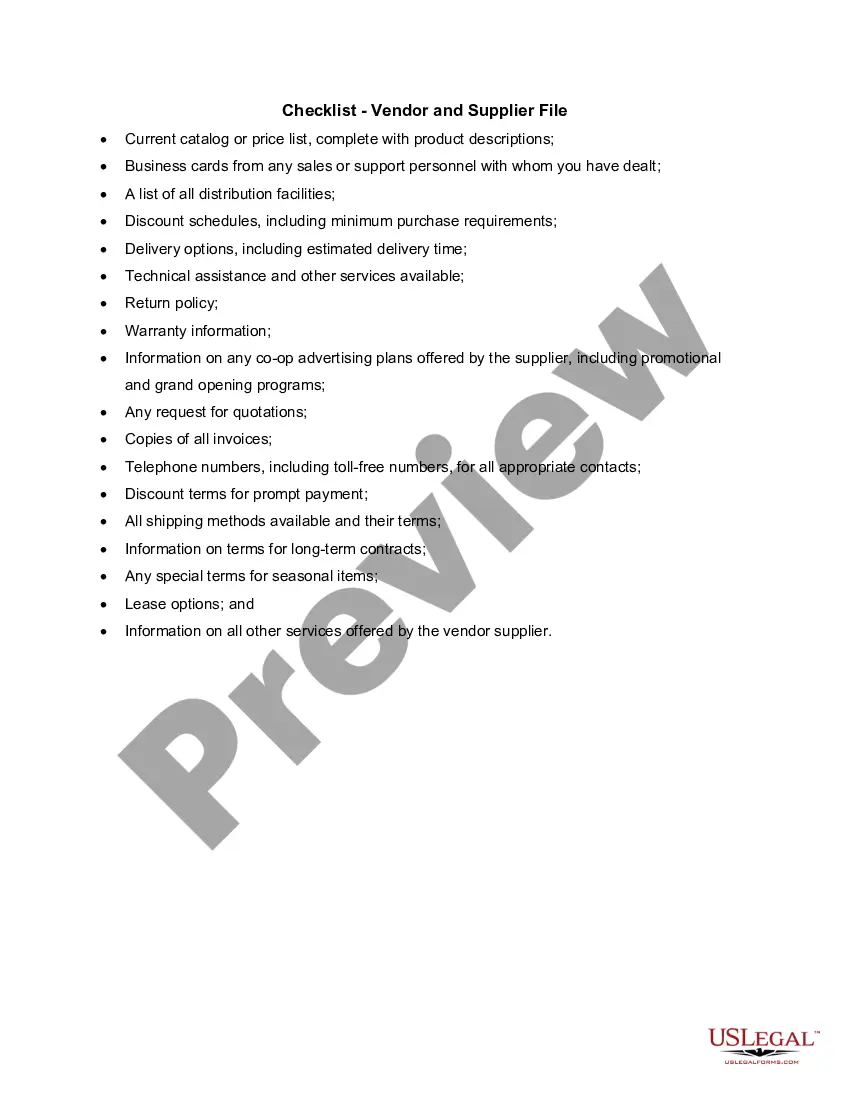
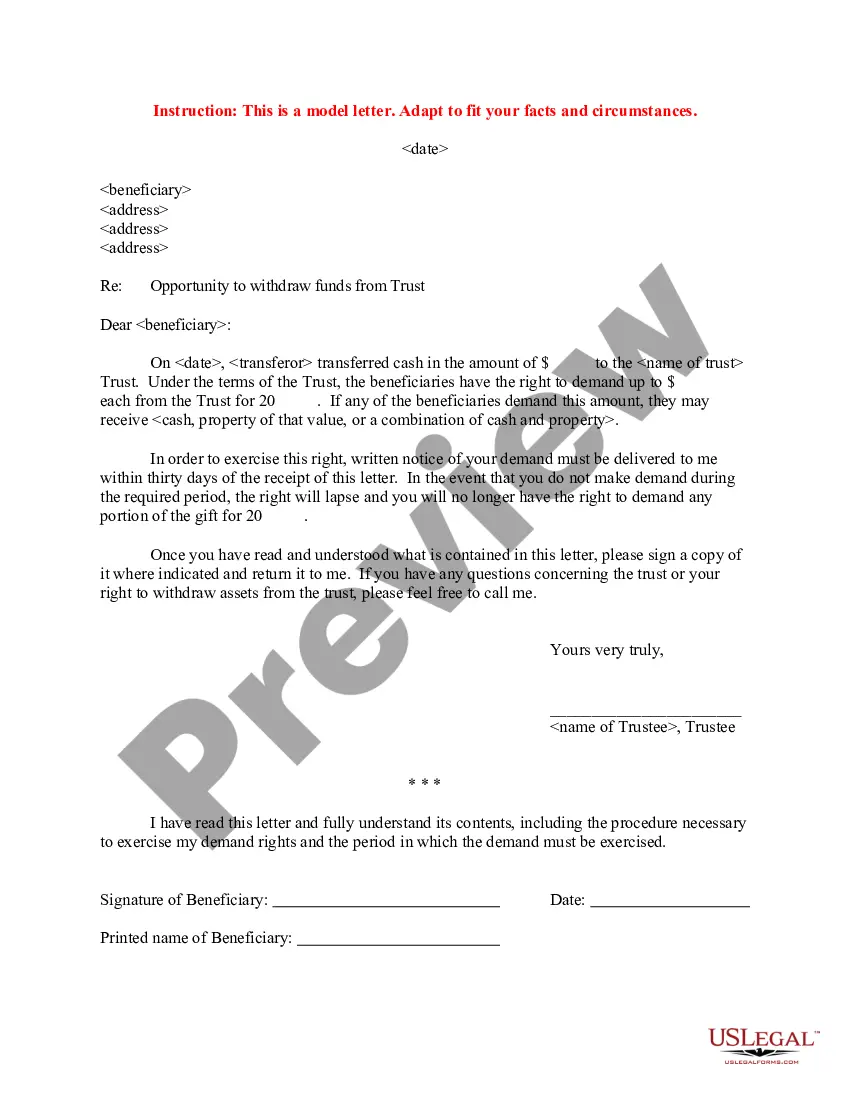
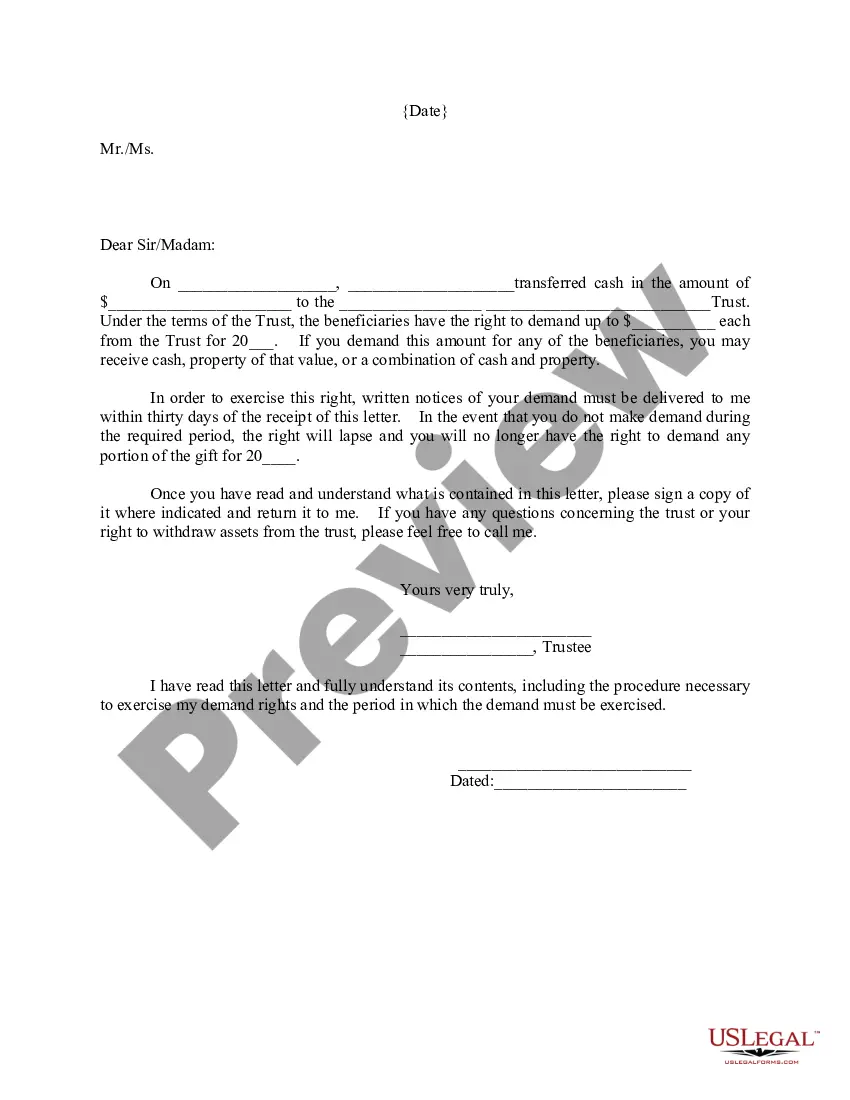
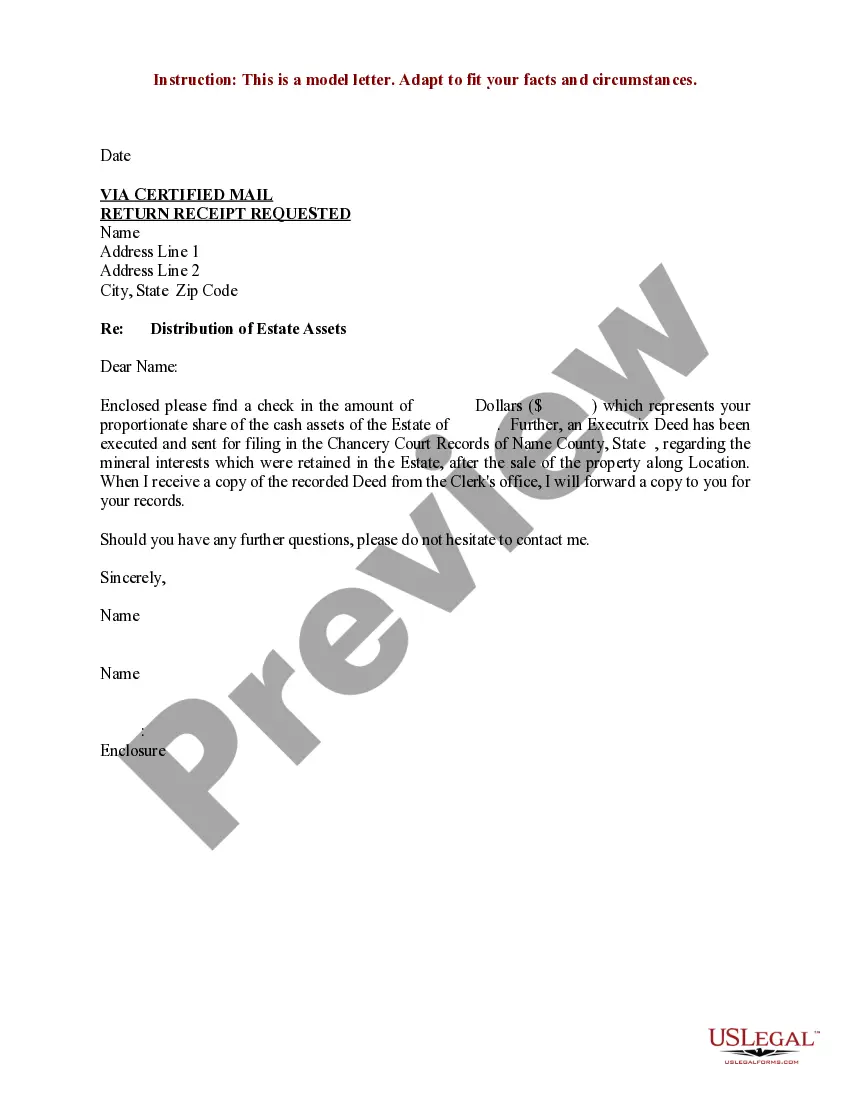
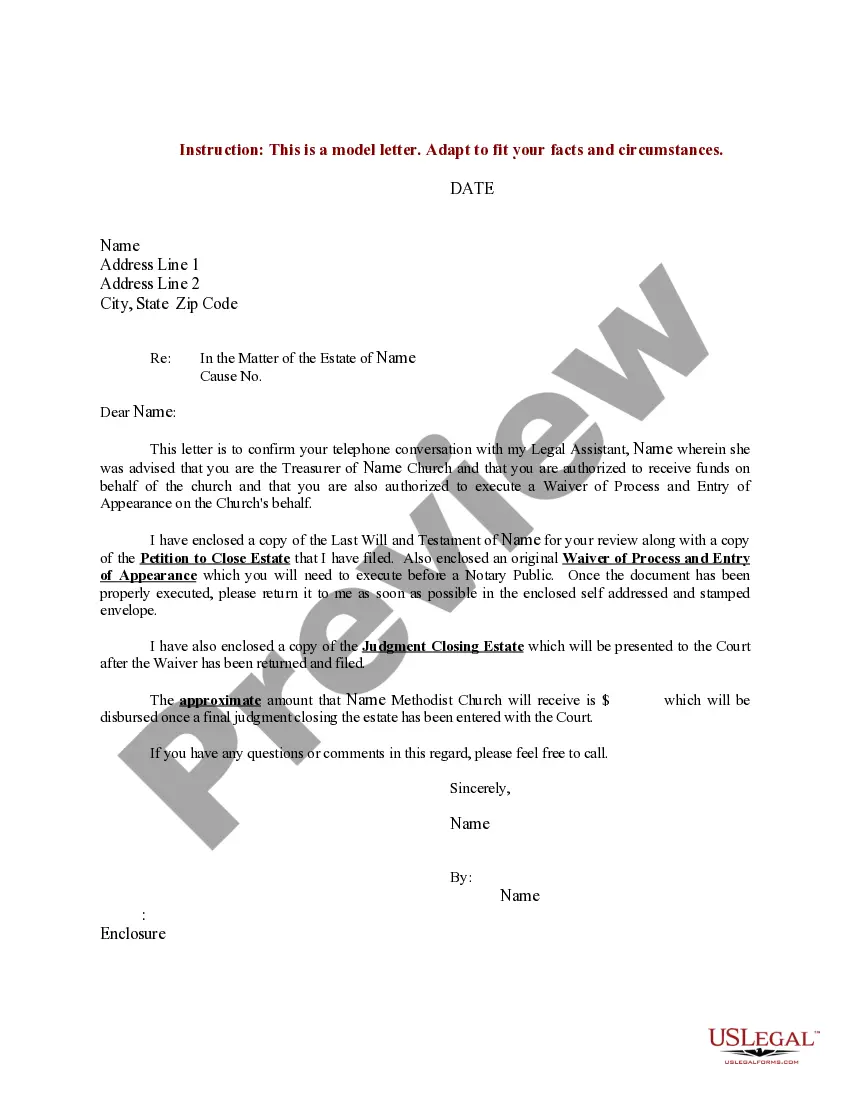
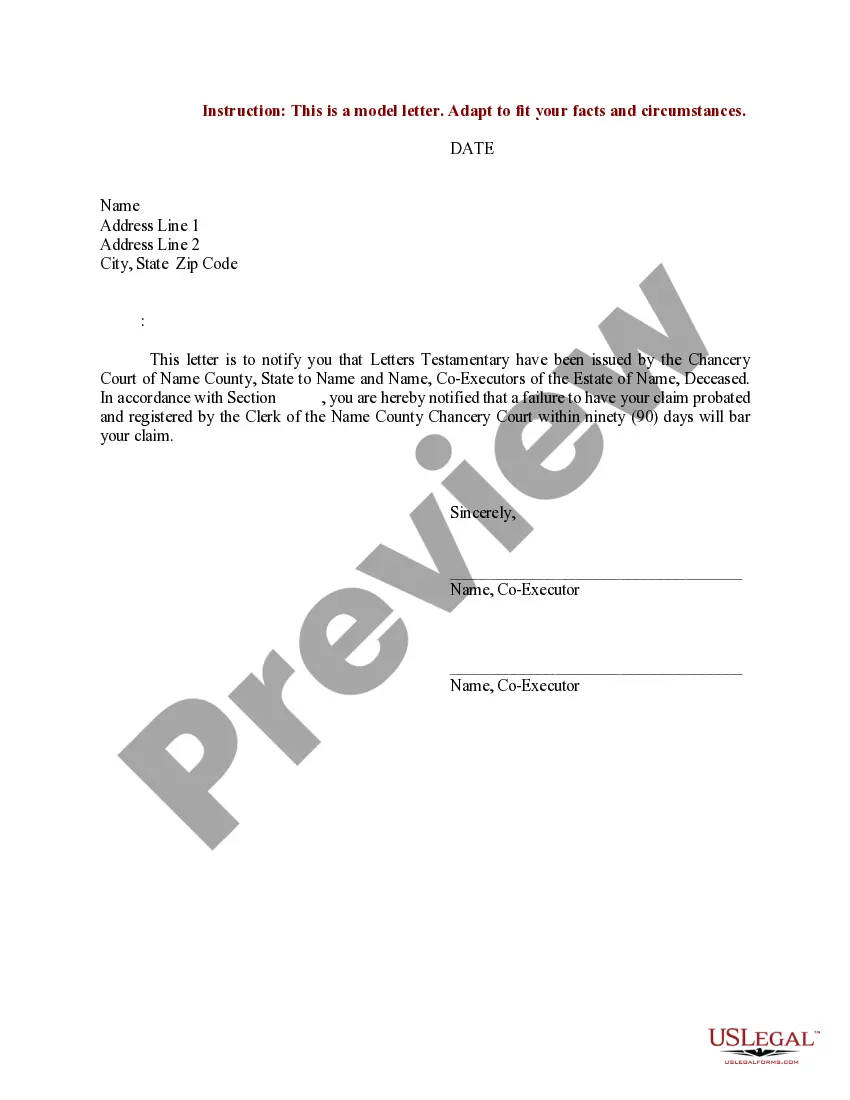
South Dakota Sample Letter to Beneficiaries regarding Trust Money
Description
Get your form ready online
Our built-in tools help you complete, sign, share, and store your documents in one place.
Make edits, fill in missing information, and update formatting in US Legal Forms—just like you would in MS Word.
Download a copy, print it, send it by email, or mail it via USPS—whatever works best for your next step.
Sign and collect signatures with our SignNow integration. Send to multiple recipients, set reminders, and more. Go Premium to unlock E-Sign.
If this form requires notarization, complete it online through a secure video call—no need to meet a notary in person or wait for an appointment.
We protect your documents and personal data by following strict security and privacy standards.

Make edits, fill in missing information, and update formatting in US Legal Forms—just like you would in MS Word.

Download a copy, print it, send it by email, or mail it via USPS—whatever works best for your next step.

Sign and collect signatures with our SignNow integration. Send to multiple recipients, set reminders, and more. Go Premium to unlock E-Sign.

If this form requires notarization, complete it online through a secure video call—no need to meet a notary in person or wait for an appointment.

We protect your documents and personal data by following strict security and privacy standards.
Looking for another form?
How to fill out Sample Letter To Beneficiaries Regarding Trust Money?
Discovering the right authorized file template can be a have difficulties. Obviously, there are a lot of templates accessible on the Internet, but how can you discover the authorized type you will need? Utilize the US Legal Forms web site. The support gives 1000s of templates, including the South Dakota Sample Letter to Beneficiaries regarding Trust Money, that you can use for organization and personal requires. All of the types are examined by professionals and satisfy state and federal requirements.
If you are currently registered, log in for your profile and click on the Obtain switch to get the South Dakota Sample Letter to Beneficiaries regarding Trust Money. Make use of profile to appear with the authorized types you have purchased previously. Proceed to the My Forms tab of your respective profile and obtain an additional version from the file you will need.
If you are a fresh customer of US Legal Forms, allow me to share basic recommendations for you to adhere to:
- Very first, make certain you have selected the correct type for the area/state. You are able to examine the shape utilizing the Preview switch and browse the shape explanation to ensure this is basically the best for you.
- In the event the type fails to satisfy your preferences, take advantage of the Seach industry to get the appropriate type.
- When you are certain that the shape is proper, click on the Get now switch to get the type.
- Pick the costs prepare you want and type in the required info. Design your profile and purchase your order utilizing your PayPal profile or Visa or Mastercard.
- Pick the data file formatting and download the authorized file template for your device.
- Comprehensive, revise and print and indicator the attained South Dakota Sample Letter to Beneficiaries regarding Trust Money.
US Legal Forms is the most significant library of authorized types in which you can find a variety of file templates. Utilize the company to download skillfully-manufactured papers that adhere to status requirements.
Form popularity
FAQ
When a trust beneficiary receives a distribution from the trust's principal balance, he does not have to pay taxes on it, the reason being the Internal Revenue Service (IRS) assumes this money was already taxed before it was placed into the trust.
A good first step for the beneficiary is to meet with the trustee who is tasked with executing the terms of the trust. It may be an individual, such as a CPA or lawyer, family member, or potentially a corporate trustee such as Wells Fargo Bank.
The grantor can set up the trust, so the money distributes directly to the beneficiaries free and clear of limitations. The trustee can transfer real estate to the beneficiary by having a new deed written up or selling the property and giving them the money, writing them a check or giving them cash.
Typically, beneficiaries of a standard revocable trust can anticipate their inheritance distribution within a 12 to 18-month window. However, this duration can vary based on the trust's intricacies and any potential challenges faced during administration.
Asset Protection Trusts South Dakota was the first state to enact a discretionary trust statute designed to protect trust assets from creditors. This statutory protection also applies to self-settled trusts, these being trusts settled by a transferor of which the transferor is a beneficiary.
The trust can pay out a lump sum or percentage of the funds, make incremental payments throughout the years, or even make distributions based on the trustee's assessments. Whatever the grantor decides, their distribution method must be included in the trust agreement drawn up when they first set up the trust.
Bank accounts, retirement accounts, and life insurance will automatically transfer an inheritance if beneficiaries are designated. Listing beneficiaries on these accounts can be the easiest and quickest way to transfer those assets outside probate court.
The grantor can opt to have the beneficiaries receive trust property directly without any restrictions. The trustee can write the beneficiary a check, give them cash, and transfer real estate by drawing up a new deed or selling the house and giving them the proceeds.