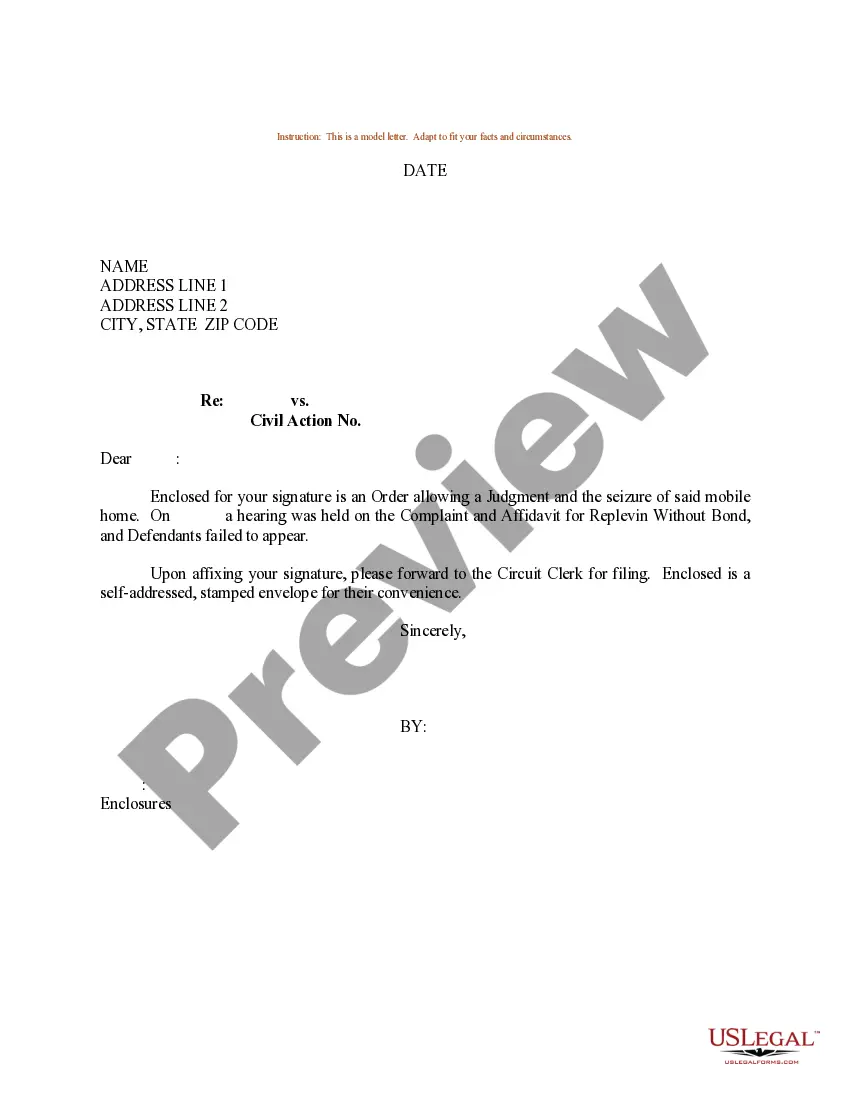
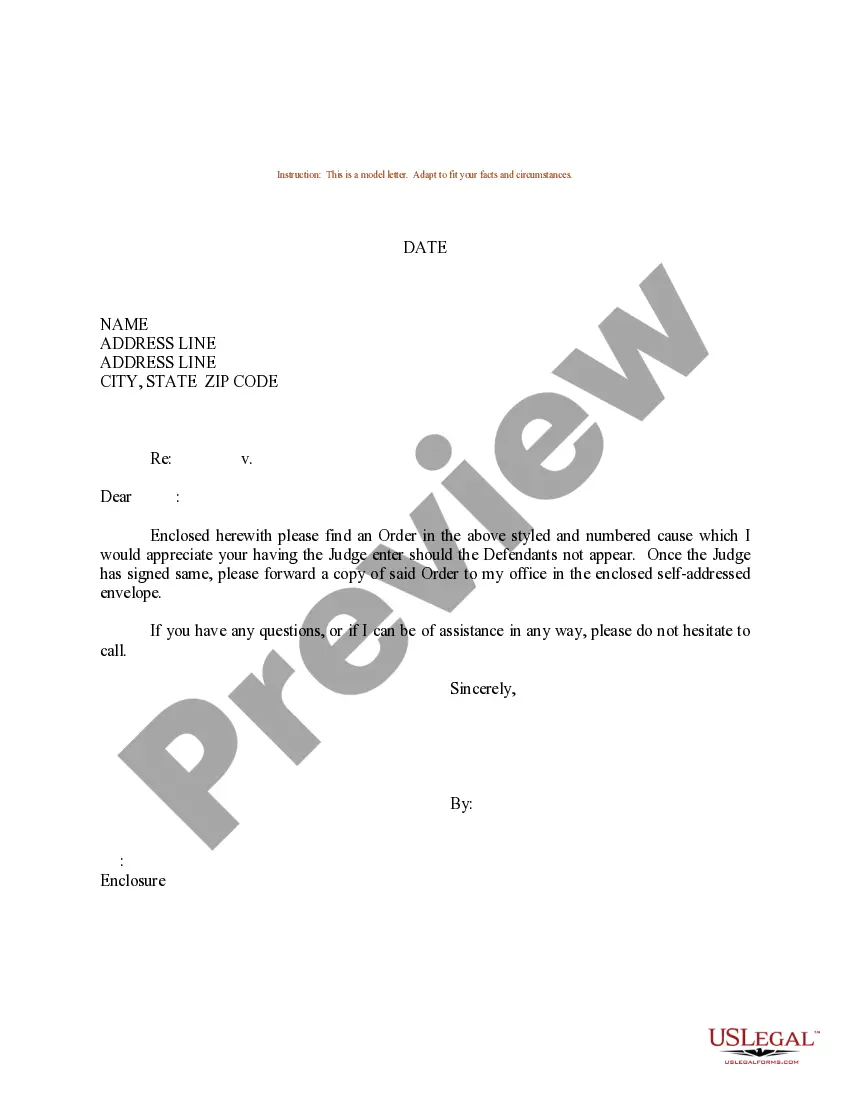
South Dakota Sample Letter to Judge concerning Order for Seizure of a Mobile
Description


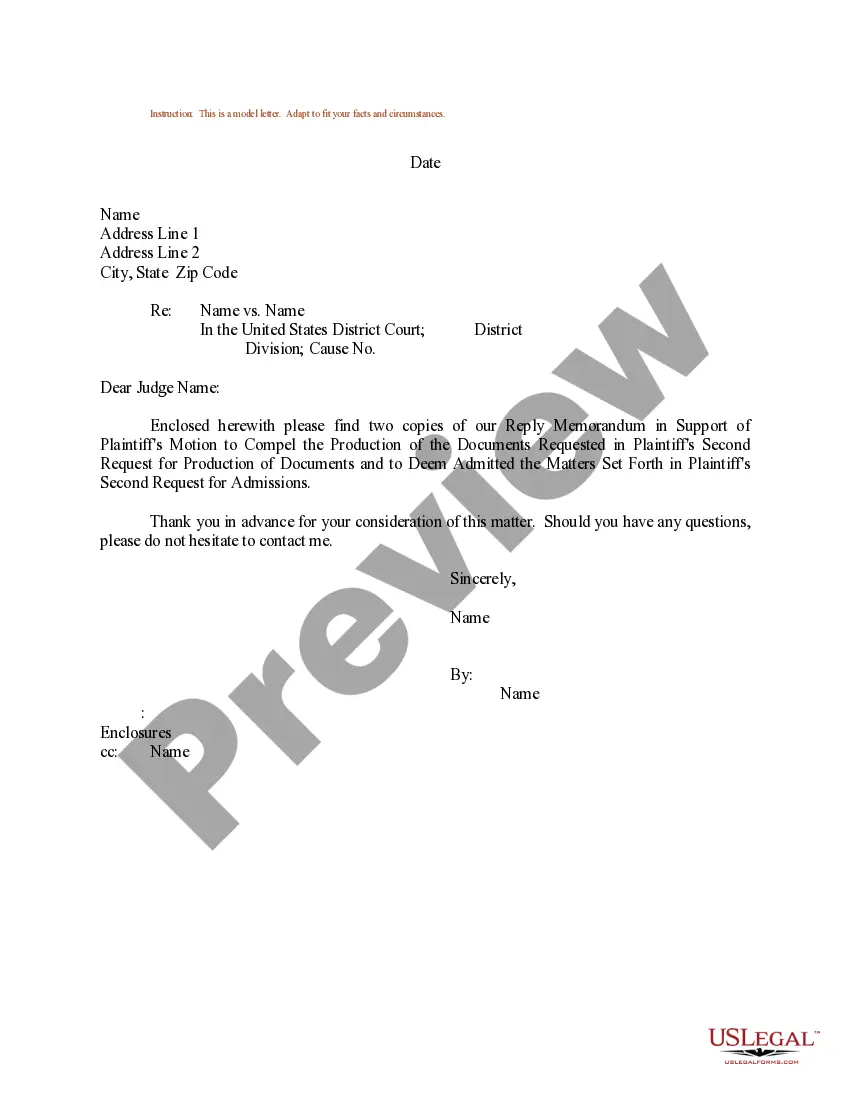
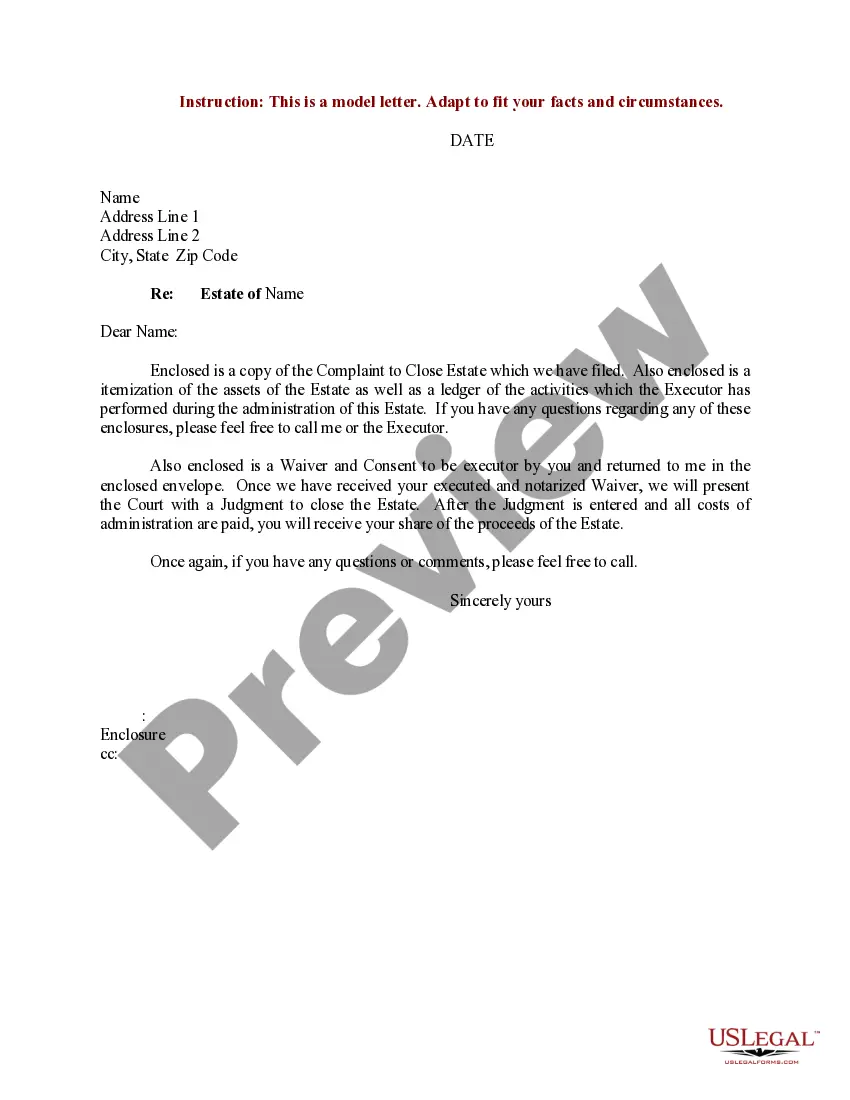
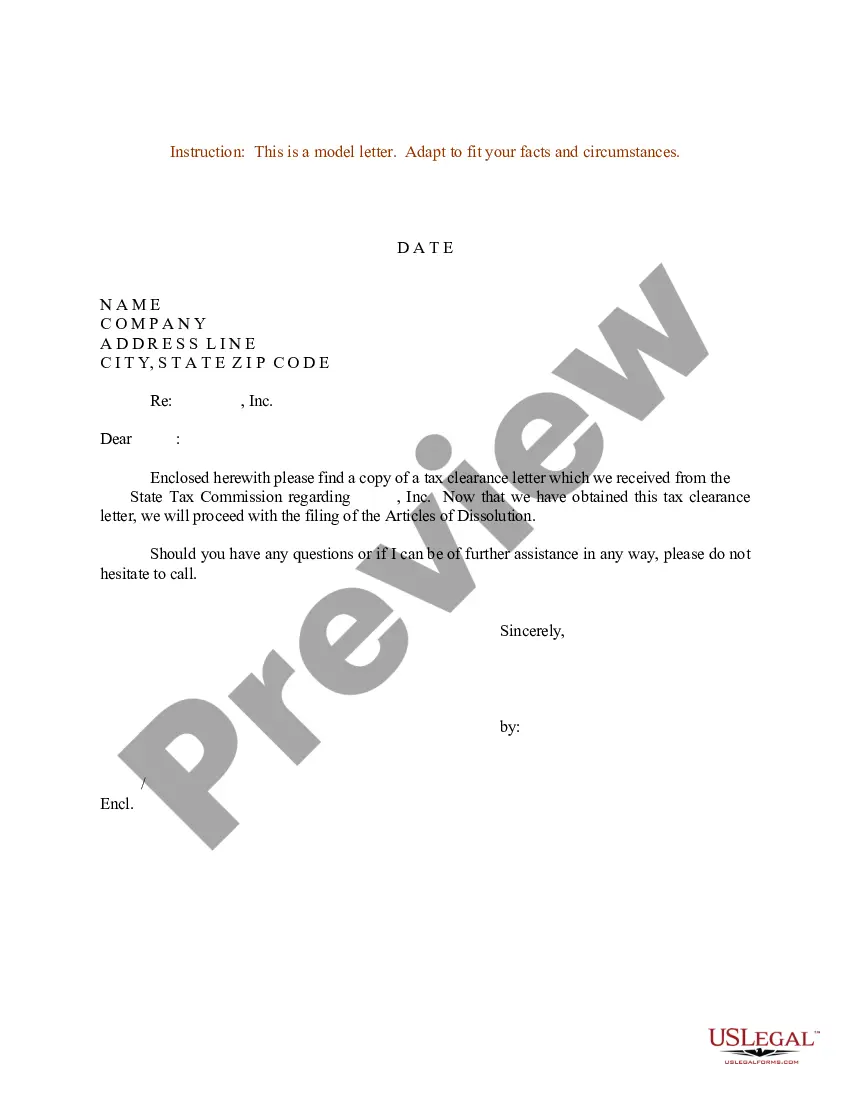


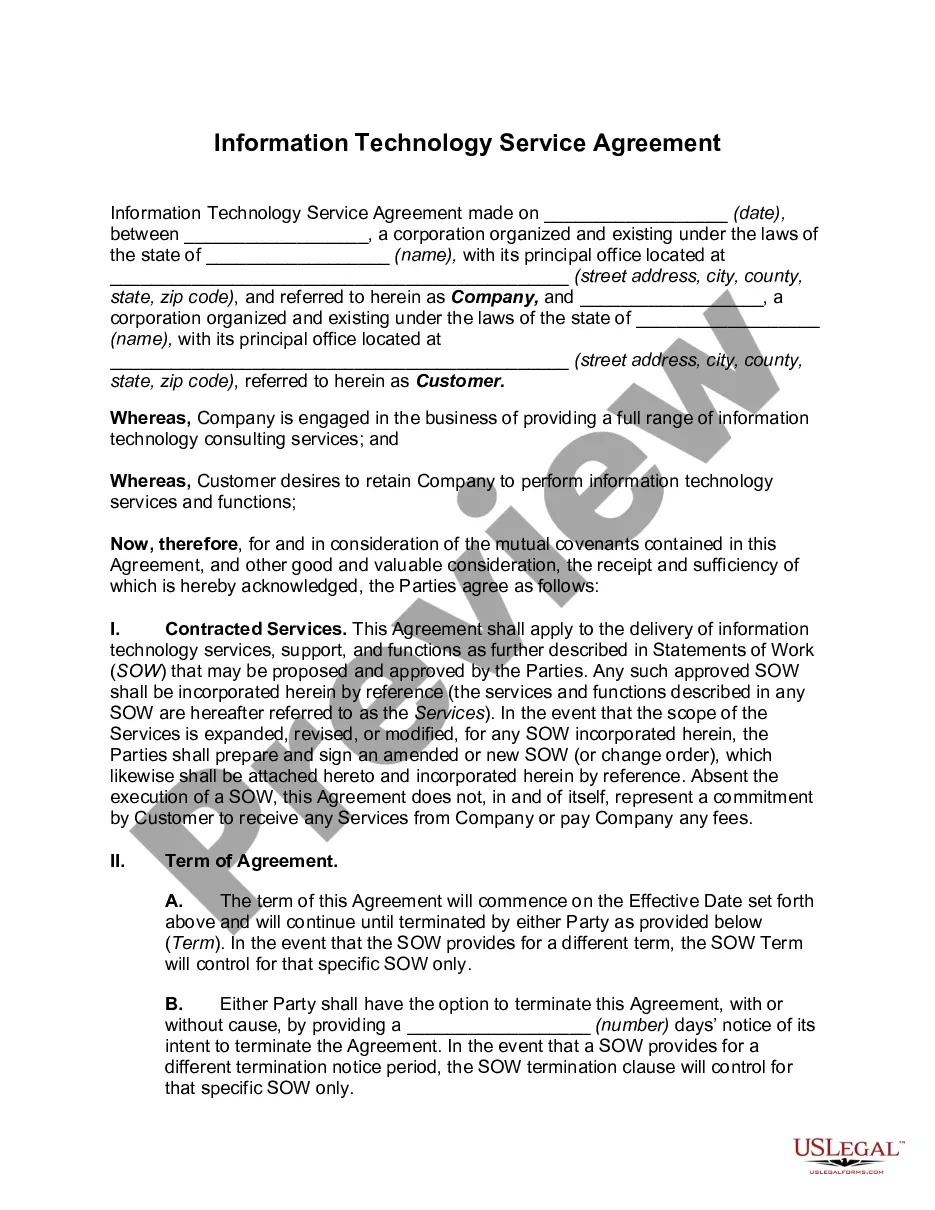
How to fill out Sample Letter To Judge Concerning Order For Seizure Of A Mobile?
Are you currently in a position where you require documents for either business or personal purposes almost every day.
There are numerous legal document templates available online, but obtaining ones you can rely on isn’t easy.
US Legal Forms provides a vast array of form templates, such as the South Dakota Sample Letter to Judge regarding Order for Seizure of a Mobile, that are designed to comply with federal and state regulations.
Once you find the correct form, click Buy now.
Select the pricing plan you want, fill in the necessary information to create your account, and complete the transaction with your PayPal or credit card. Choose a convenient document format and download your copy. Access all the document templates you have purchased in the My documents section. You can obtain an additional copy of the South Dakota Sample Letter to Judge regarding Order for Seizure of a Mobile at any time if needed. Simply click on the desired form to download or print the document template. Utilize US Legal Forms, the most extensive collection of legal forms, to save time and prevent errors. The service offers properly crafted legal document templates that can be utilized for various purposes. Create your account on US Legal Forms and begin simplifying your life.
- If you are already acquainted with the US Legal Forms website and have an account, simply Log In.
- Then, you can download the South Dakota Sample Letter to Judge regarding Order for Seizure of a Mobile template.
- If you do not have an account and wish to start using US Legal Forms, follow these steps.
- Find the form you need and ensure it is for the correct city/county.
- Use the Preview button to examine the form.
- Review the description to confirm that you have selected the right form.
- If the form isn’t what you’re looking for, use the Search field to find the form that fits your needs and requirements.
Form popularity
FAQ
If the court finds merit to your Motion, it may issue an Order to Show Cause demanding that the other party appear before the court to answer your allegations. This proceeding can be used in most non-criminal cases to help enforce a court order.
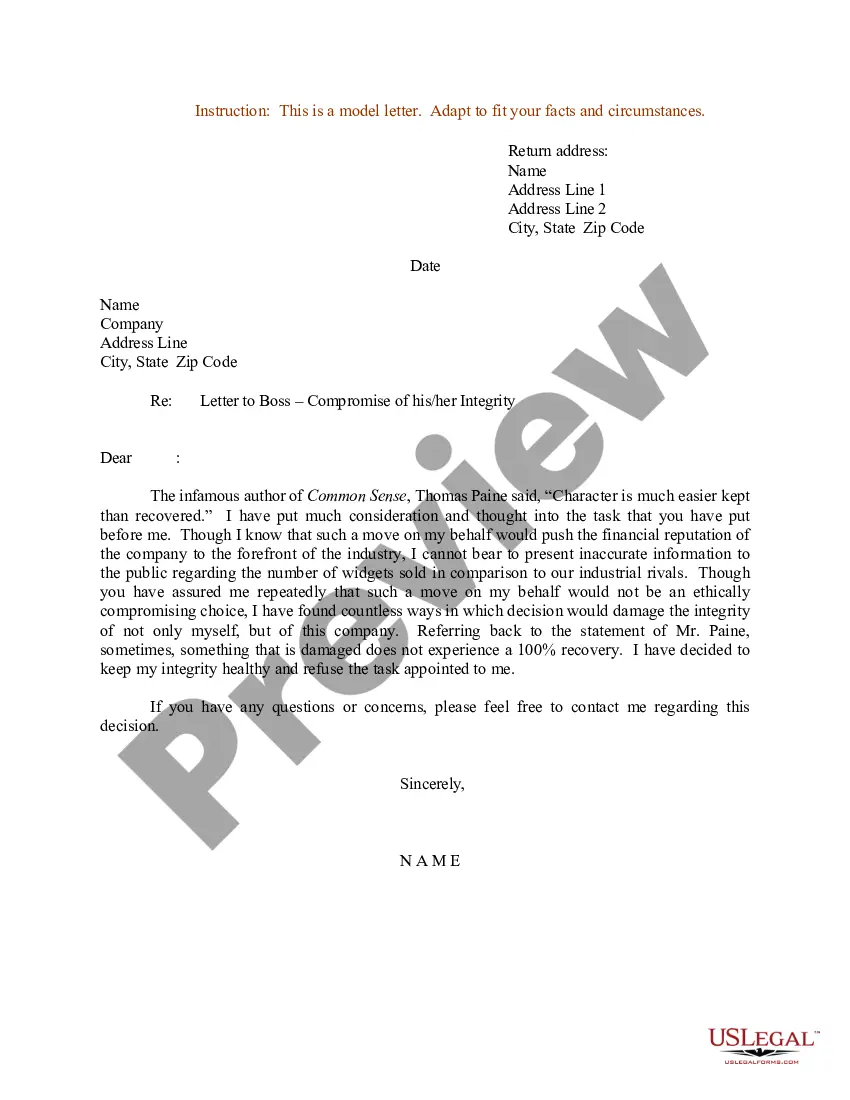
You should start your letter by addressing it to the court (for example, ?Dear Judge Jones?). Rather than use the generic term ?Sentencing Judge,? try to find the specific name of the judge that is sentencing the defendant. If you cannot find the name, address the letter to ?Honorable Judge.?
These letters can be a very important part of the sentencing process because they help the judge get to know the person they are sentencing in ways other than just the facts of the offense: The letter should be addressed to the Judge, but mailed to the defendant's attorney.
The 5 most common tips in writing an effective leniency letter to a judge include: write a clear introduction, introduce yourself and establish credibility, provide reasons for leniency, tell a story, and. provide contact information.
You should not attempt to elicit sympathy from the judge. The judge will not feel sorry for you for committing the crime, he or she will feel sympathy for the victim (in the case that there was one). Playing the pity card will simply come across as a ploy to get off easy. If you can help yourself, don't cry.
Introduce yourself to the Court. Explain how you know (and how long you have known) the defendant. Make it personal when describing the defendant's characteristics. Can you think of examples of good deeds done by the defendant (hard work, dedication to family/church/community, generosity, etc).
Remember that judges read hundreds of letters. The easier you make it for the judge to read, the most likely the judge will be able to focus on the message you are trying to convey. For most people, a typed letter is more legible than a handwritten one.