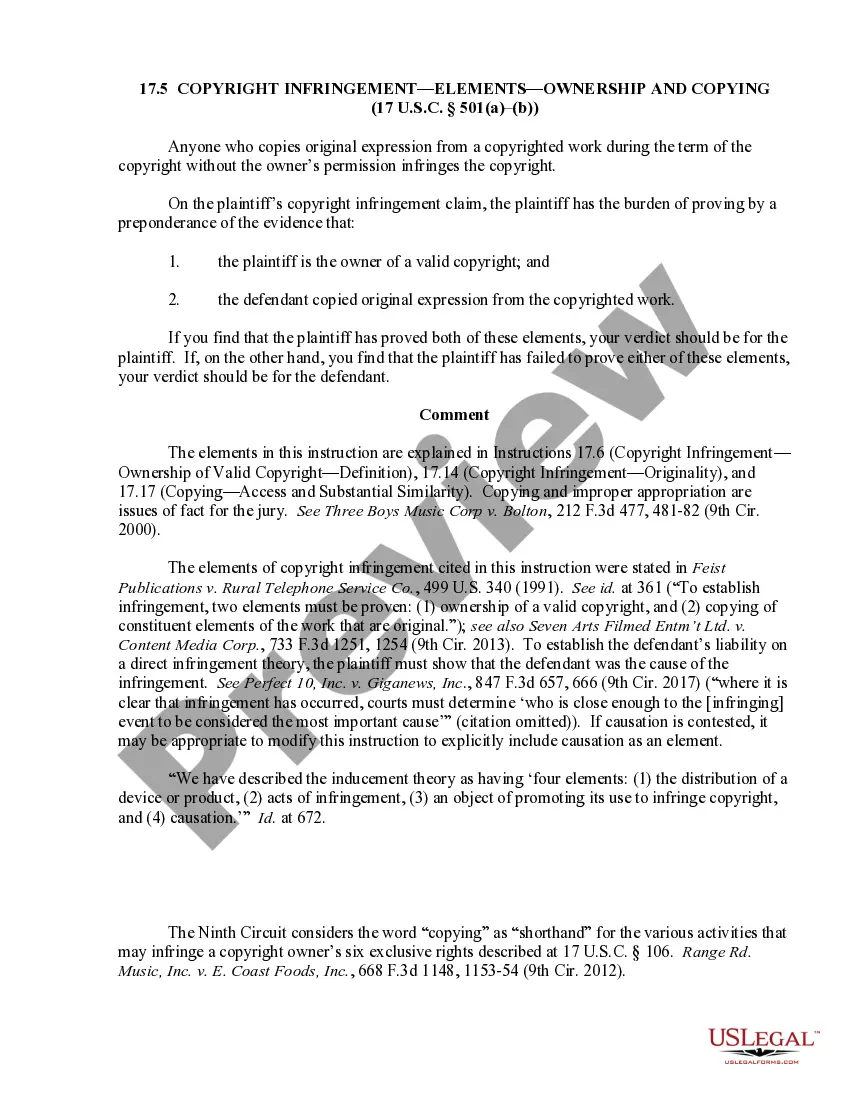
This is a multi-state form covering the subject matter of the title.
South Dakota Complaint to Contest Will
Instant download
Description
Free preview
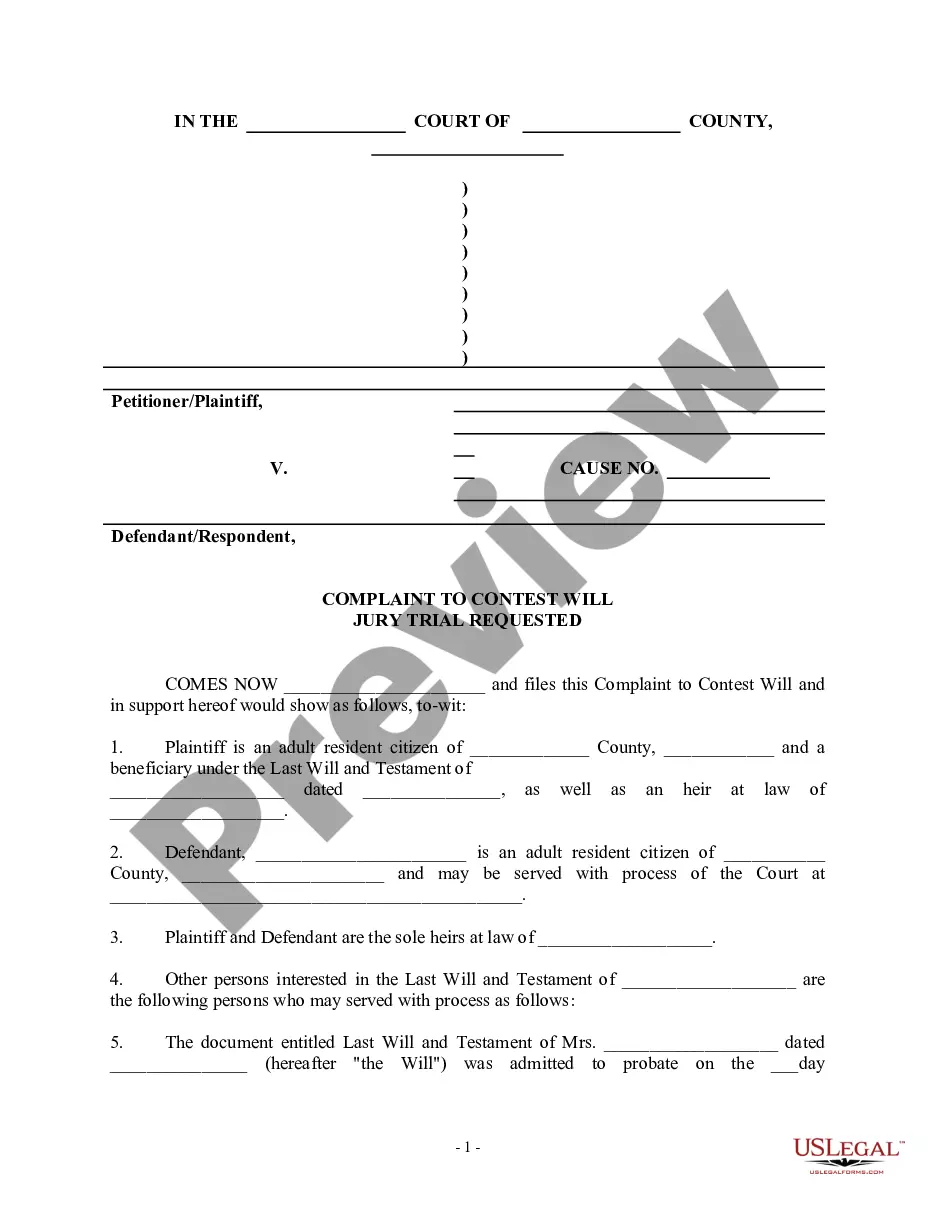
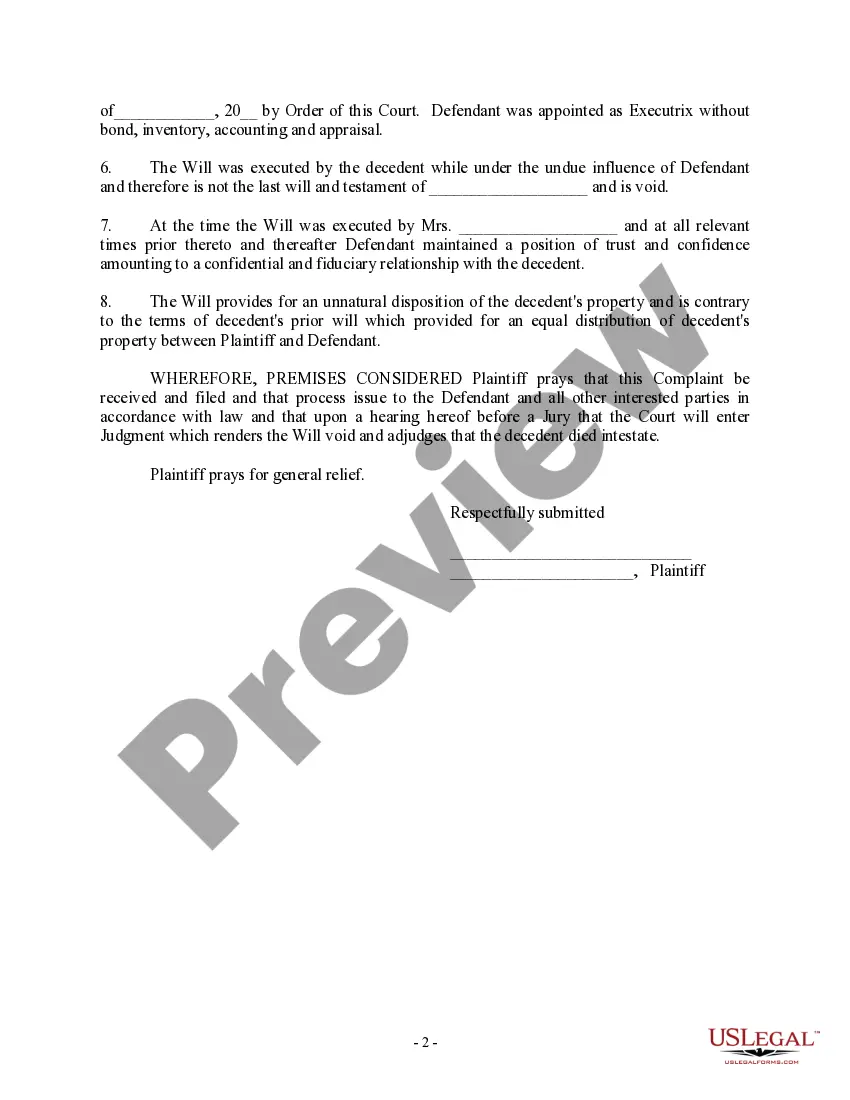
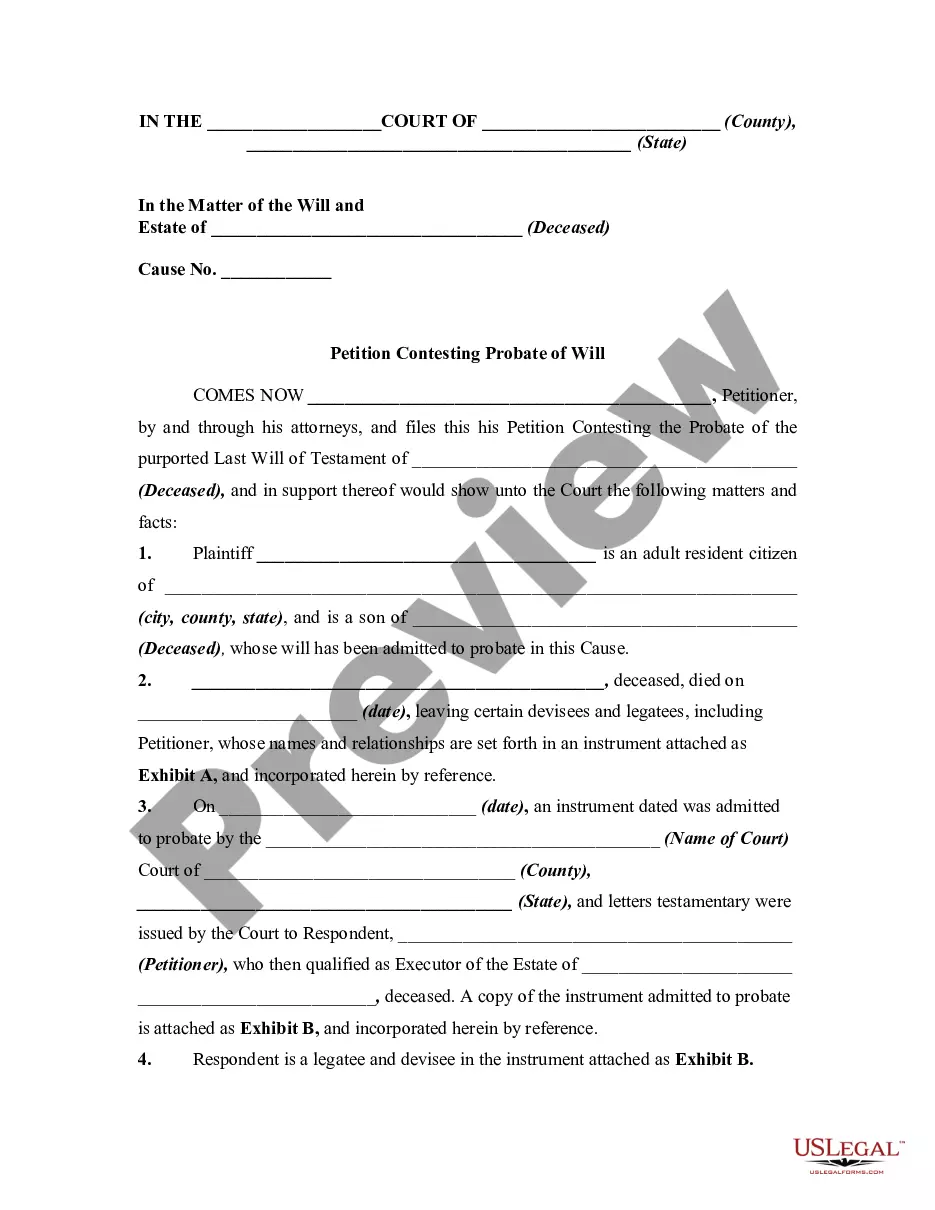
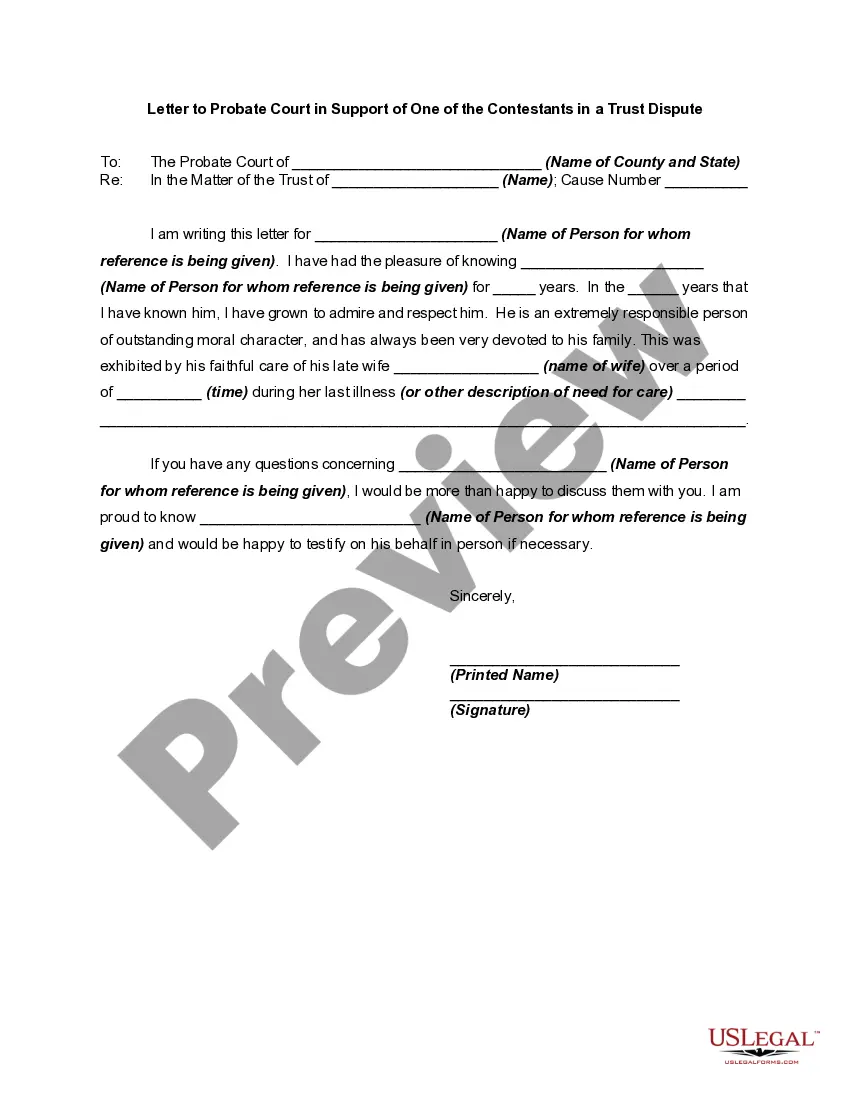
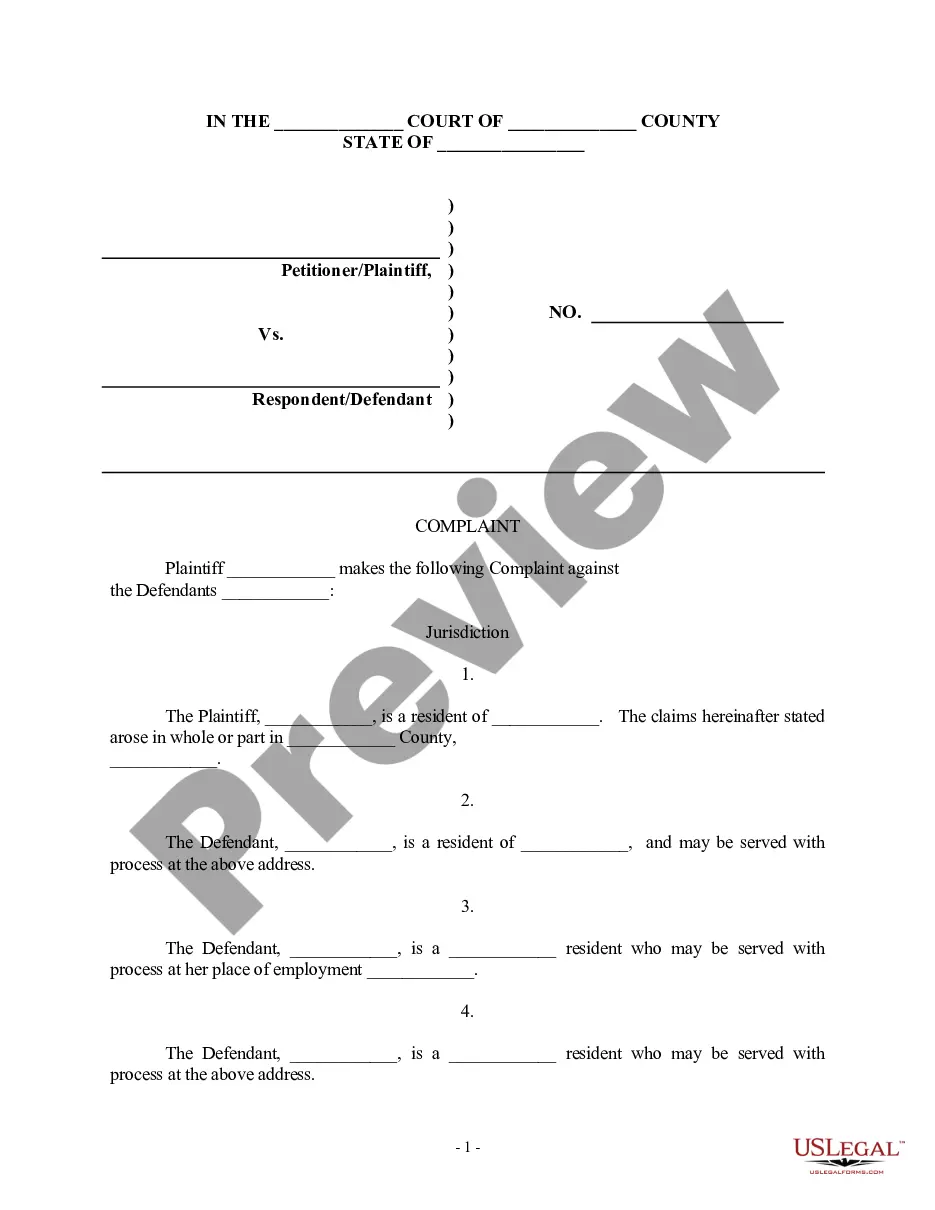

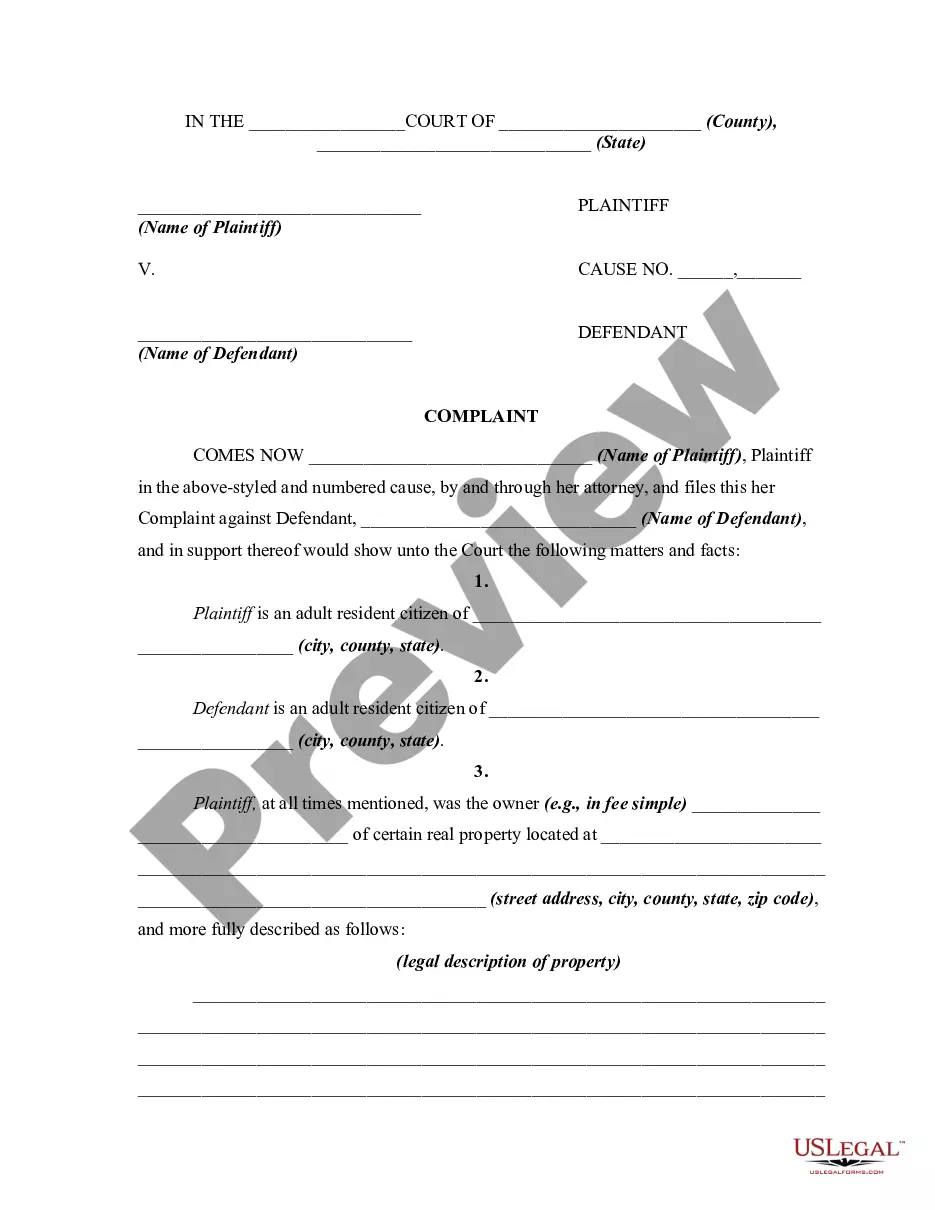

How to fill out Complaint To Contest Will?
Are you presently in a location where you need documents for either organizational or personal purposes almost every day.
There are numerous legal document templates accessible online, but finding ones you can trust is not easy.
US Legal Forms provides a vast array of form templates, including the South Dakota Complaint to Contest Will, that are designed to meet federal and state requirements.
If you locate the correct form, click on Purchase now.
Choose the payment plan you want, fill in the required details to create your account, and complete your order using your PayPal or credit card.
- If you are currently familiar with the US Legal Forms website and have your account, simply Log In.
- After that, you can download the South Dakota Complaint to Contest Will template.
- If you do not have an account and wish to start using US Legal Forms, follow these steps.
- Obtain the form you need and ensure it is for the correct city/county.
- Use the Preview button to examine the document.
- Check the description to confirm that you have selected the correct form.
- If the form isn’t what you are looking for, utilize the Search field to find the form that meets your needs.
Form popularity
FAQ
In a criminal proceeding, a defendant may enter a plea of nolo contendere, in which the defendant does not accept or deny responsibility for the charges but waives the right to a trial and agrees to accept the penalty.
21-5-3. Limitation of actions. Every action for wrongful death shall be commenced within three years after the death of such deceased person.
There are legal requirements which must be met for a will to be valid in South Dakota. The law requires that the maker of the will be at least 18 years old and of sound mind. The will must be written, signed, and witnessed by two or more individuals.
To contest a will successfully, you have to prove one or more of the following things to the court: The deceased person was not of sound mind when writing the will. The will was forged. The signatures of the deceased and/or witnesses are missing or invalid. Whoever drafted the will made legal or clerical errors.
Statute of Limitations for Contesting a Will South Dakota's statute of limitations for probate litigation ranges from three to 20 years from the testator's death, depending on the aspect of the will being contested.
55-4-57 Time for commencing judicial proceeding to contest validity of trust--Distribution of trust property--Recovery of improper distribution--Notice. 55-4-58 Presentation of claims against property of trust revocable at settlor's death.
In order to prevent a will contest, a testator can include in the will a no-contest clause (NCC), which generally states that a beneficiary who contests the will forfeits the right to inherit anything from the deceased. The primary reasons for including an NCC are: To be sure the will is executed as written.
? This means that the no contest clause will be triggered only when there is an absence of ?probable cause? in the direct will or trust context. Probable cause is a low standard designed to protect an objector's right to assert arguable legal claims.