South Dakota Motion for New Trial
Description
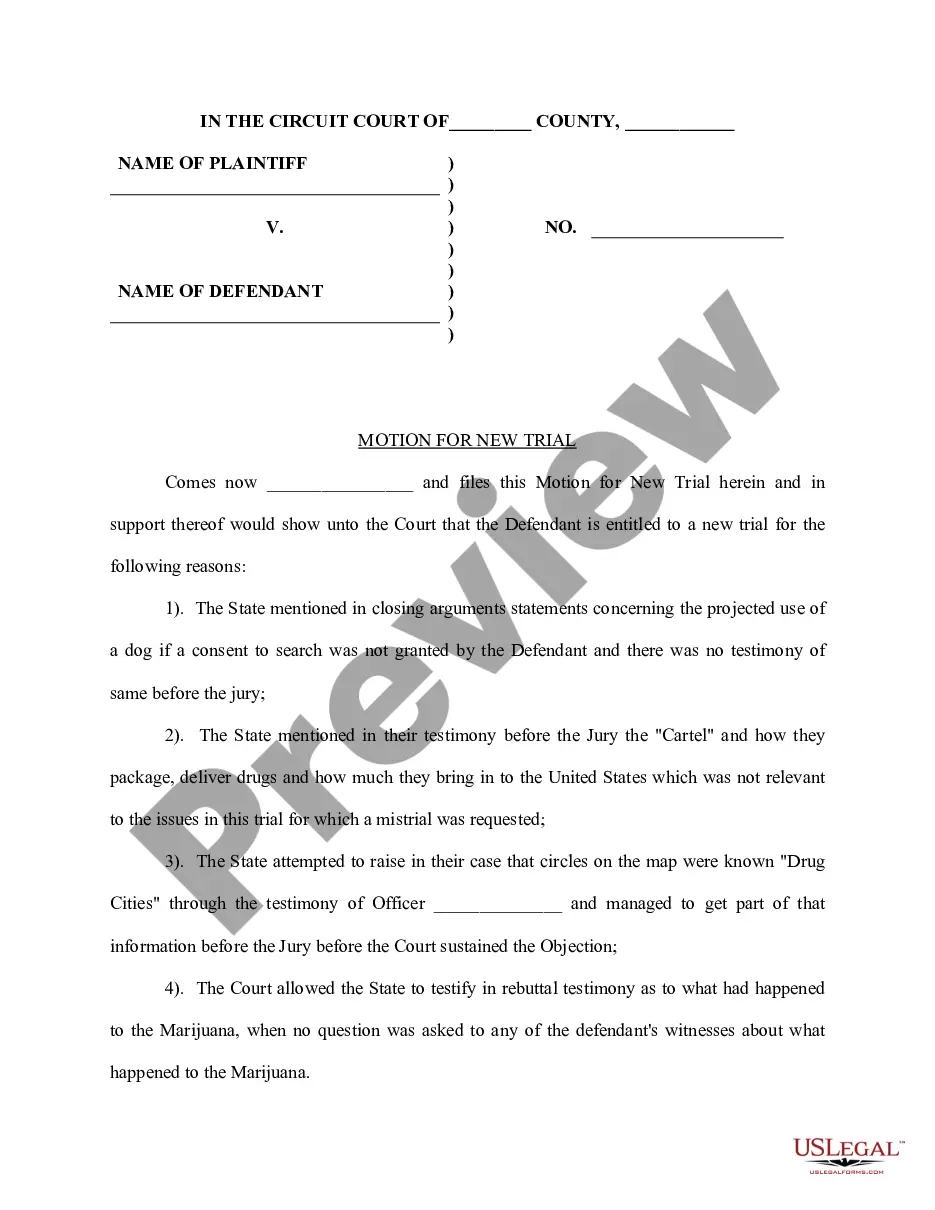
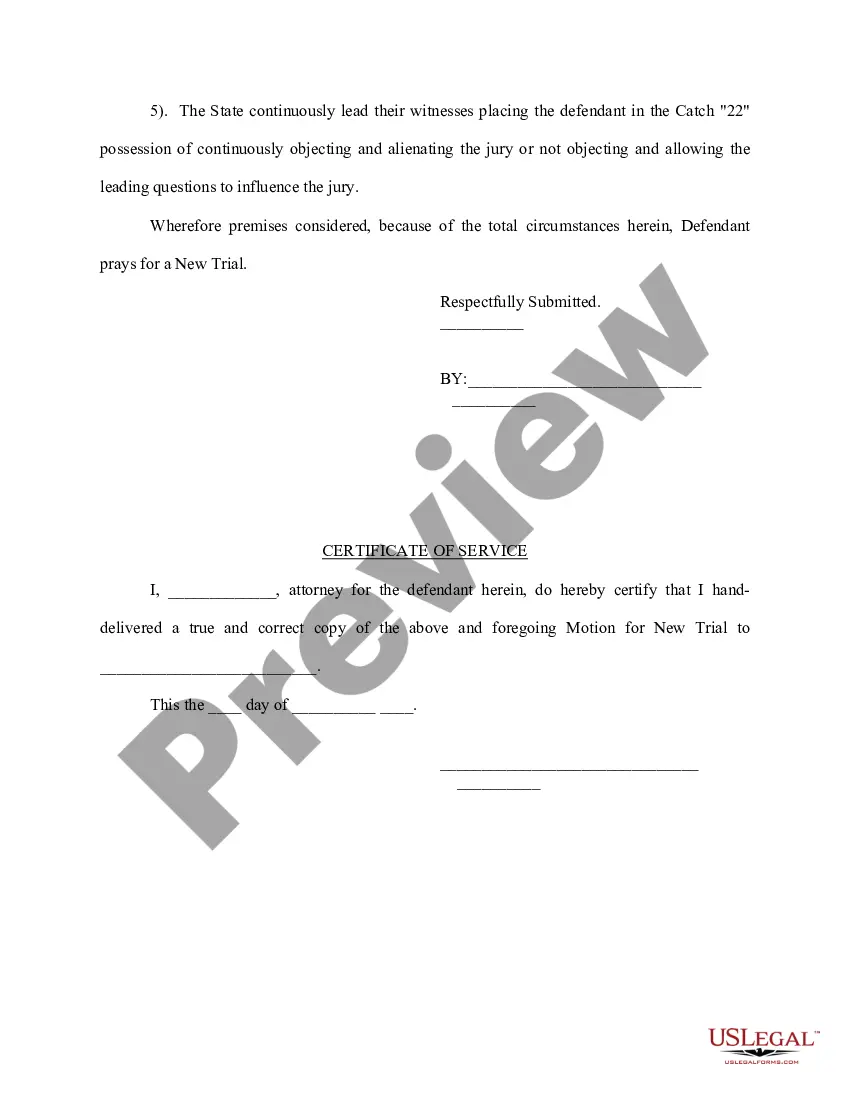
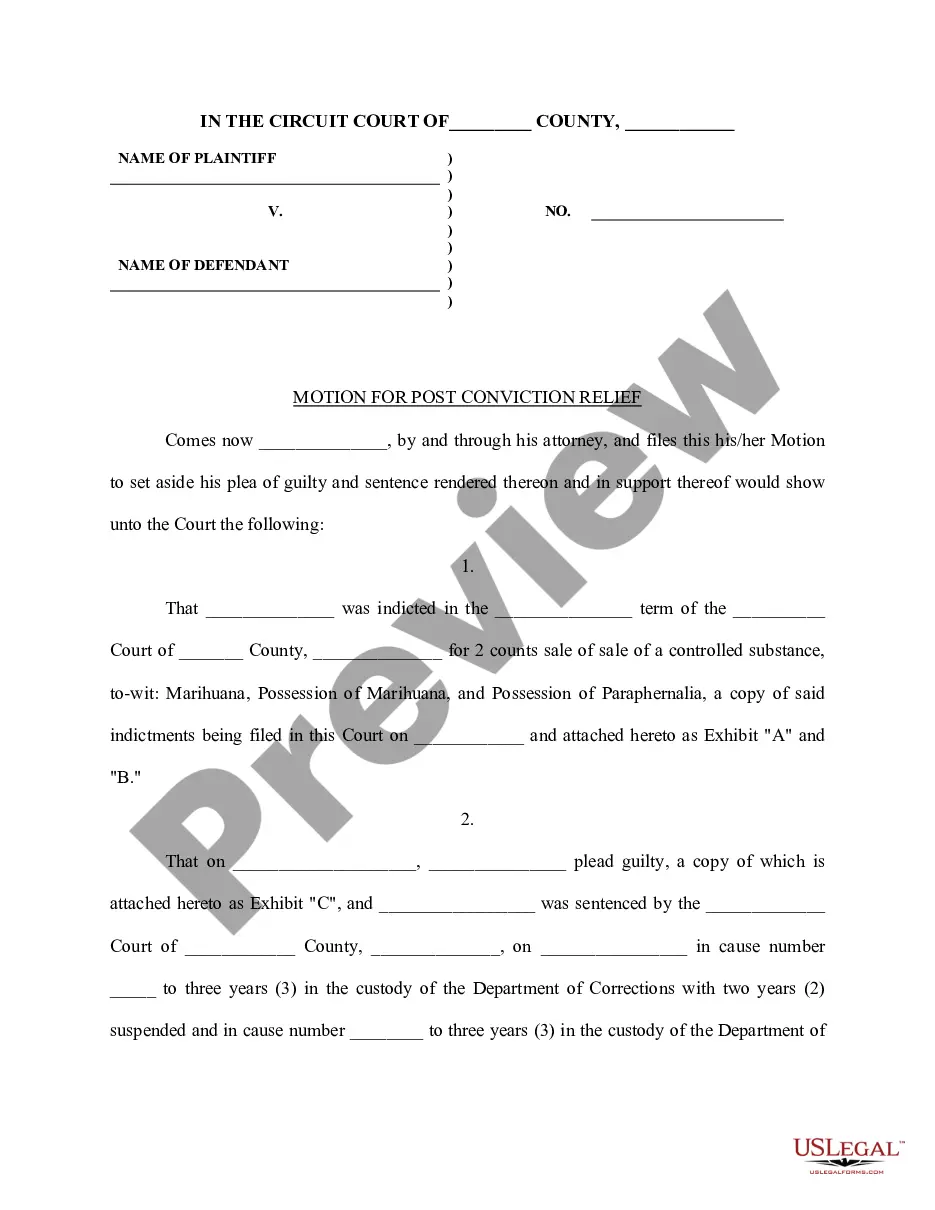
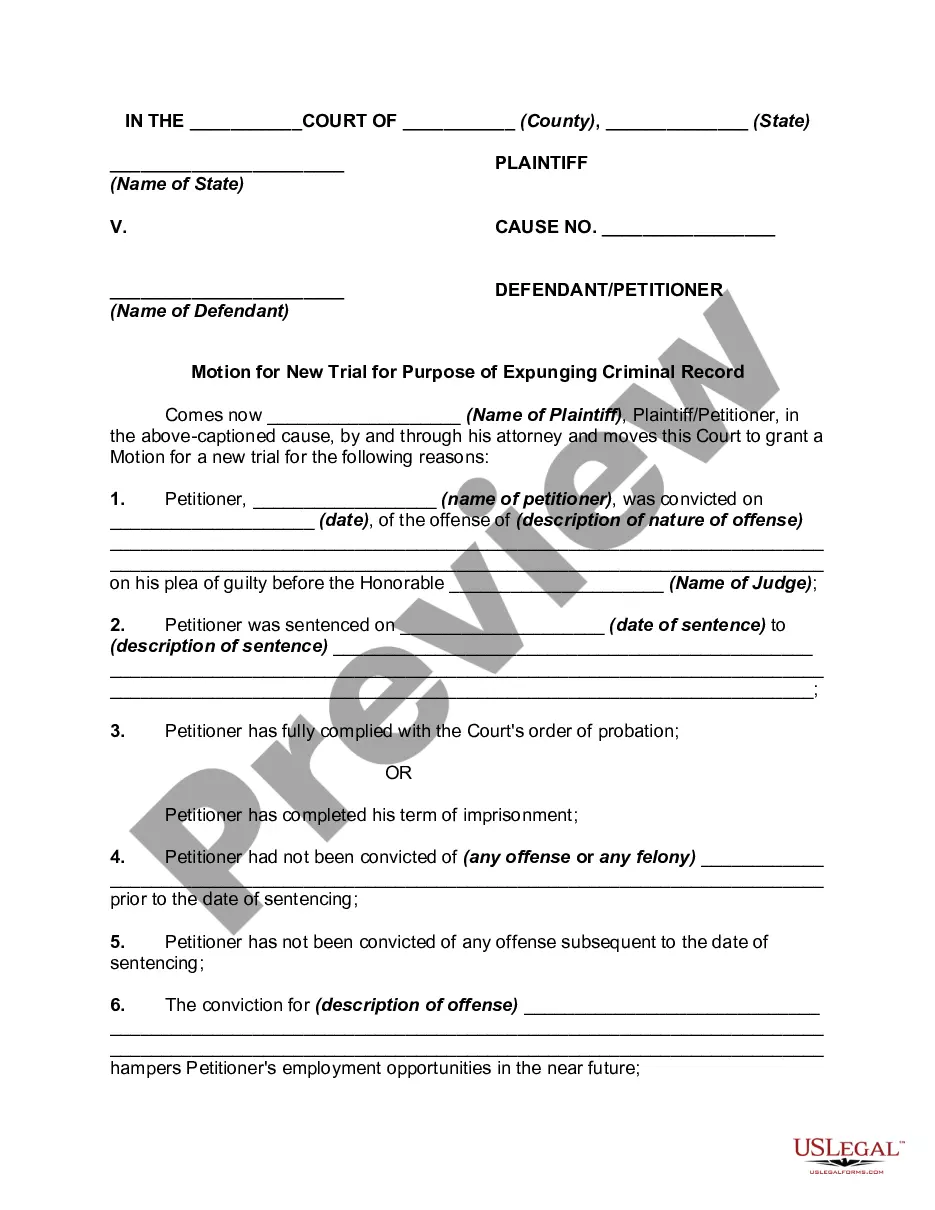
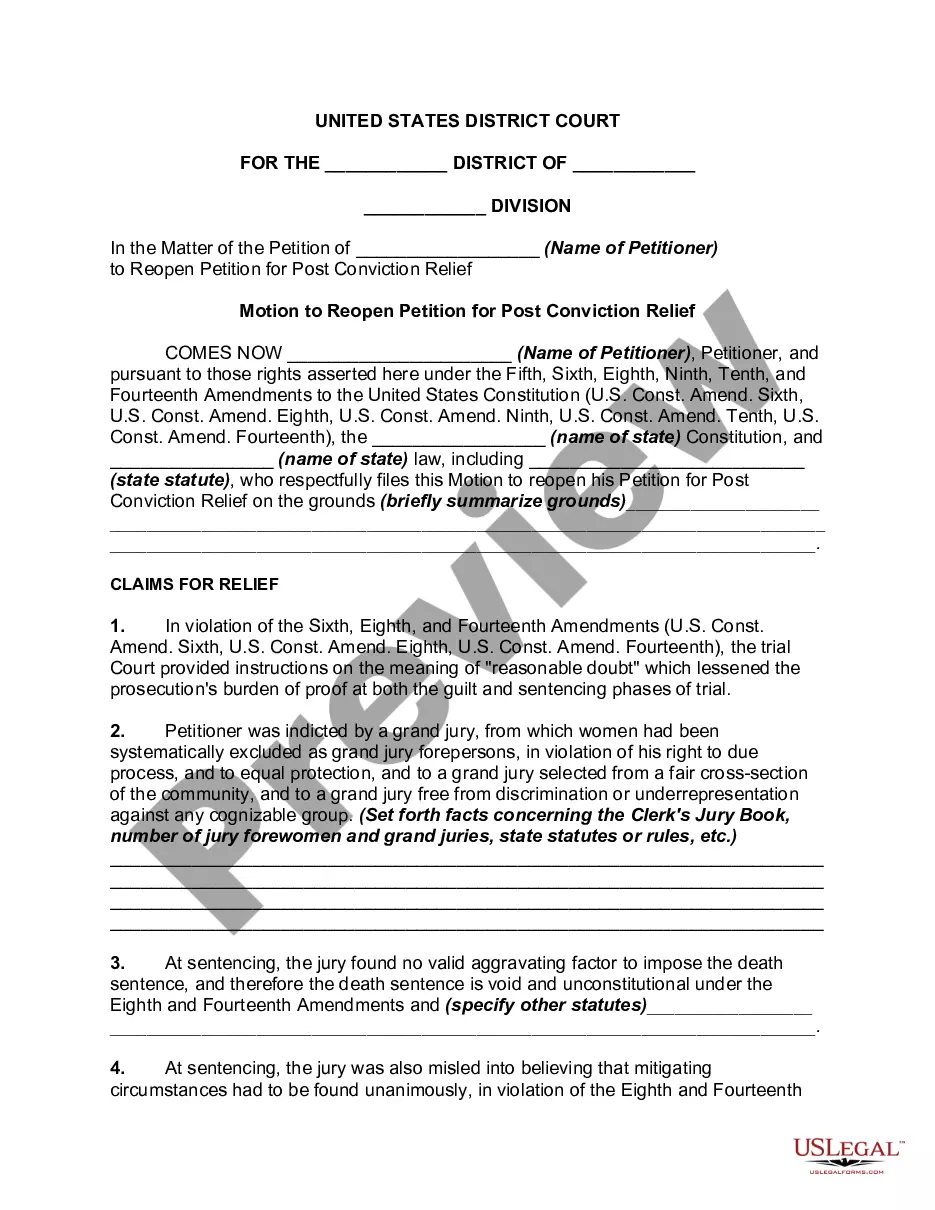
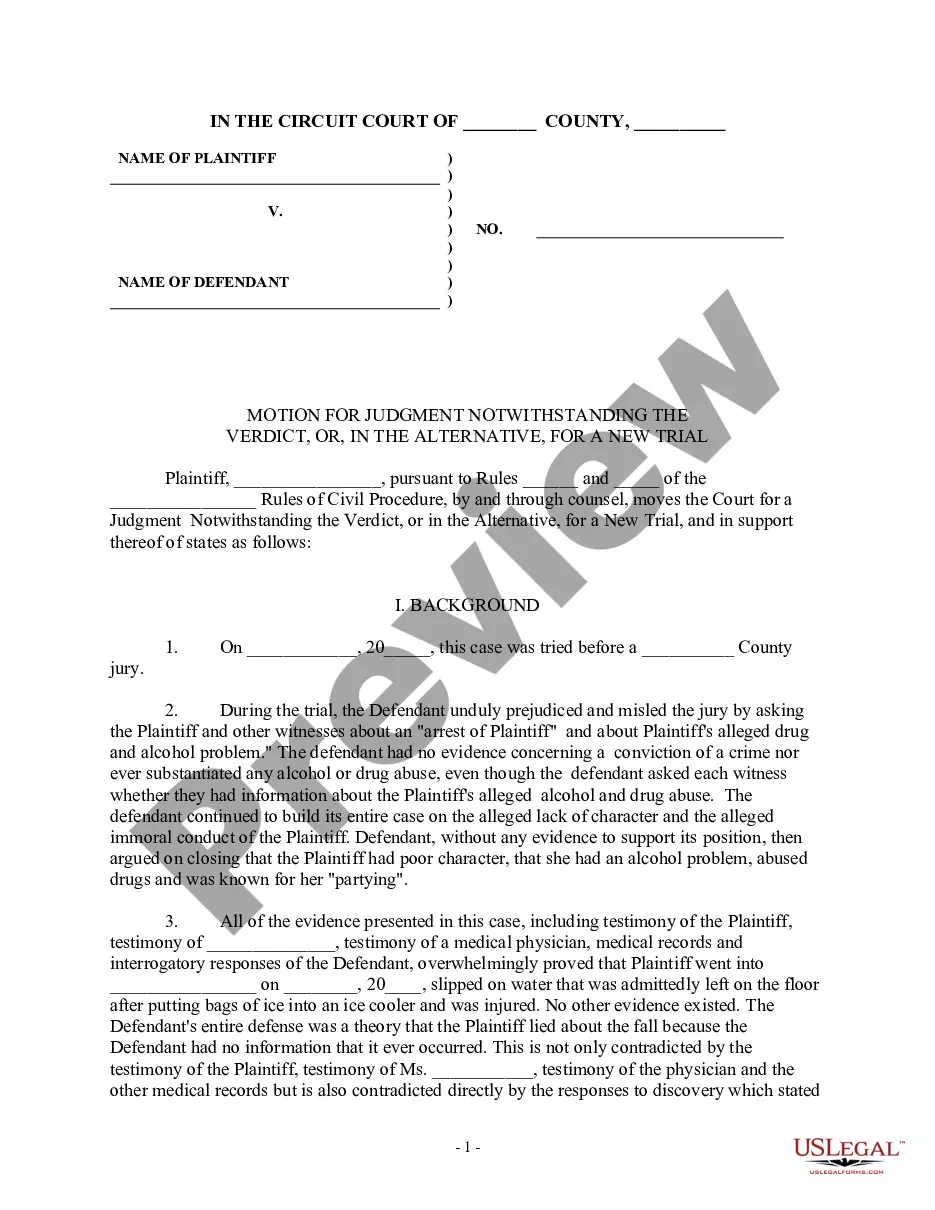
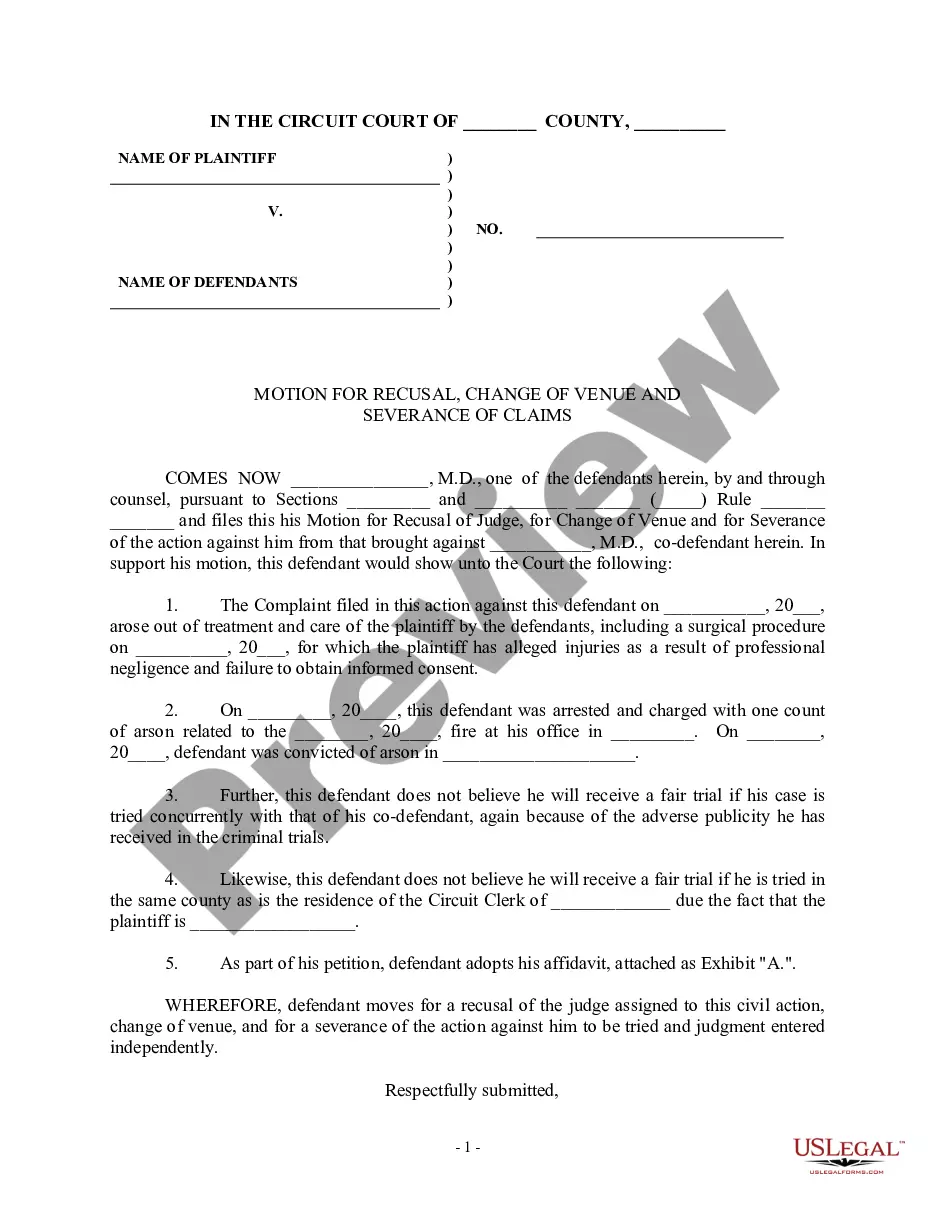
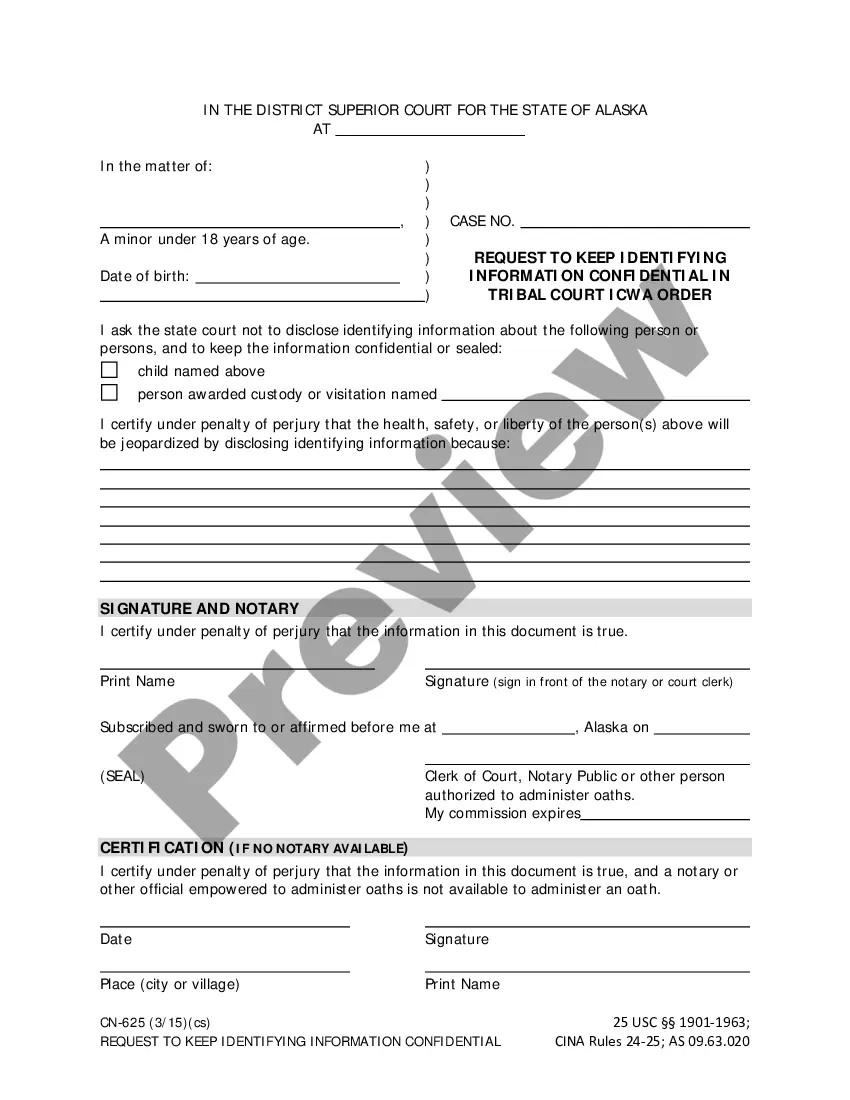
Get your form ready online
Our built-in tools help you complete, sign, share, and store your documents in one place.
Make edits, fill in missing information, and update formatting in US Legal Forms—just like you would in MS Word.
Download a copy, print it, send it by email, or mail it via USPS—whatever works best for your next step.
Sign and collect signatures with our SignNow integration. Send to multiple recipients, set reminders, and more. Go Premium to unlock E-Sign.
If this form requires notarization, complete it online through a secure video call—no need to meet a notary in person or wait for an appointment.
We protect your documents and personal data by following strict security and privacy standards.

Make edits, fill in missing information, and update formatting in US Legal Forms—just like you would in MS Word.

Download a copy, print it, send it by email, or mail it via USPS—whatever works best for your next step.

Sign and collect signatures with our SignNow integration. Send to multiple recipients, set reminders, and more. Go Premium to unlock E-Sign.

If this form requires notarization, complete it online through a secure video call—no need to meet a notary in person or wait for an appointment.

We protect your documents and personal data by following strict security and privacy standards.
Looking for another form?




How to fill out Motion For New Trial?
US Legal Forms - one of the largest collections of legal documents in the USA - provides a variety of legal document templates you can download or print.
By using the site, you can find thousands of forms for commercial and personal purposes, organized by categories, states, or keywords. You can discover the latest versions of forms like the South Dakota Motion for New Trial in moments.
If you already have a monthly subscription, Log In and download the South Dakota Motion for New Trial from the US Legal Forms library. The Download button will appear on every form you view. You have access to all previously saved forms from the My documents tab of your account.
Process the transaction. Use your credit card or PayPal account to complete the transaction.
Select the format and download the form on the product. Make adjustments. Fill out, edit, and print and sign the saved South Dakota Motion for New Trial. Each format you upload to your account has no expiration date and is yours permanently. Therefore, if you wish to download or print another copy, simply go to the My documents section and click on the form you need. Access the South Dakota Motion for New Trial with US Legal Forms, one of the most extensive libraries of legal document templates. Use thousands of professional and state-specific templates that meet your business or personal needs and requirements.
- If you are using US Legal Forms for the first time, here are simple instructions to get started.
- Ensure you have selected the correct form for your city/state. Click on the Preview button to review the form's content.
- Check the form summary to ensure that you have chosen the right form.
- If the form does not meet your needs, use the Search area at the top of the screen to find the one that does.
- If you are satisfied with the form, confirm your choice by clicking the Buy now button.
- Then, select your preferred payment option and provide your details to create an account.
Form popularity
FAQ
A party files a motion for a new trial, and a court may grant a retrial if there was a significant error of law, a verdict going against the weight of the evidence, irregularity in the court proceeding, jury or prosecutorial misconduct, newly discovered material evidence, or improper damages.
23A-16-3. (Rule 18) Right to speedy trial by impartial jury--Venue in county where offense committed. The accused has the right to a speedy public trial by an impartial jury of the county in which the offense is alleged to have been committed.
In South Dakota, all misdemeanors carry a lengthy seven-year statute of limitations. Most felonies also have a seven-year statute of limitations. Class A, B, and C felonies do not have any statute of limitations.
The most common post-trial motions include: Motion to set aside the verdict. Motion for a new trial. Motion to dismiss.
Motion for a New Trial ? The court can vacate the judgment and allow for a new trial. This is rarely granted, but may be done ?if the interest of justice so requires.? Motion for Judgment of Acquittal ? Court may set aside the jury's verdict and allow the defendant to go free.
If the liability of one party to another has been determined by verdict or order or judgment, but the amount or extent of the liability remains to be determined by further proceedings, the party adjudged liable may make an offer of judgment, which shall have the same effect as an offer made before trial if it is served ...
In law, a retrial is a new trial for a case that's already been tried, or that's had its trial halted because of a hung jury or another disqualifying reason.
A new trial may be granted on motion of the defendant if the defendant produces clear and convincing evidence not previously considered that undermines in a material way the State's theory of guilt, or that directly contradicts the evidence used to convict, and which produces a reasonable likelihood of a different ...