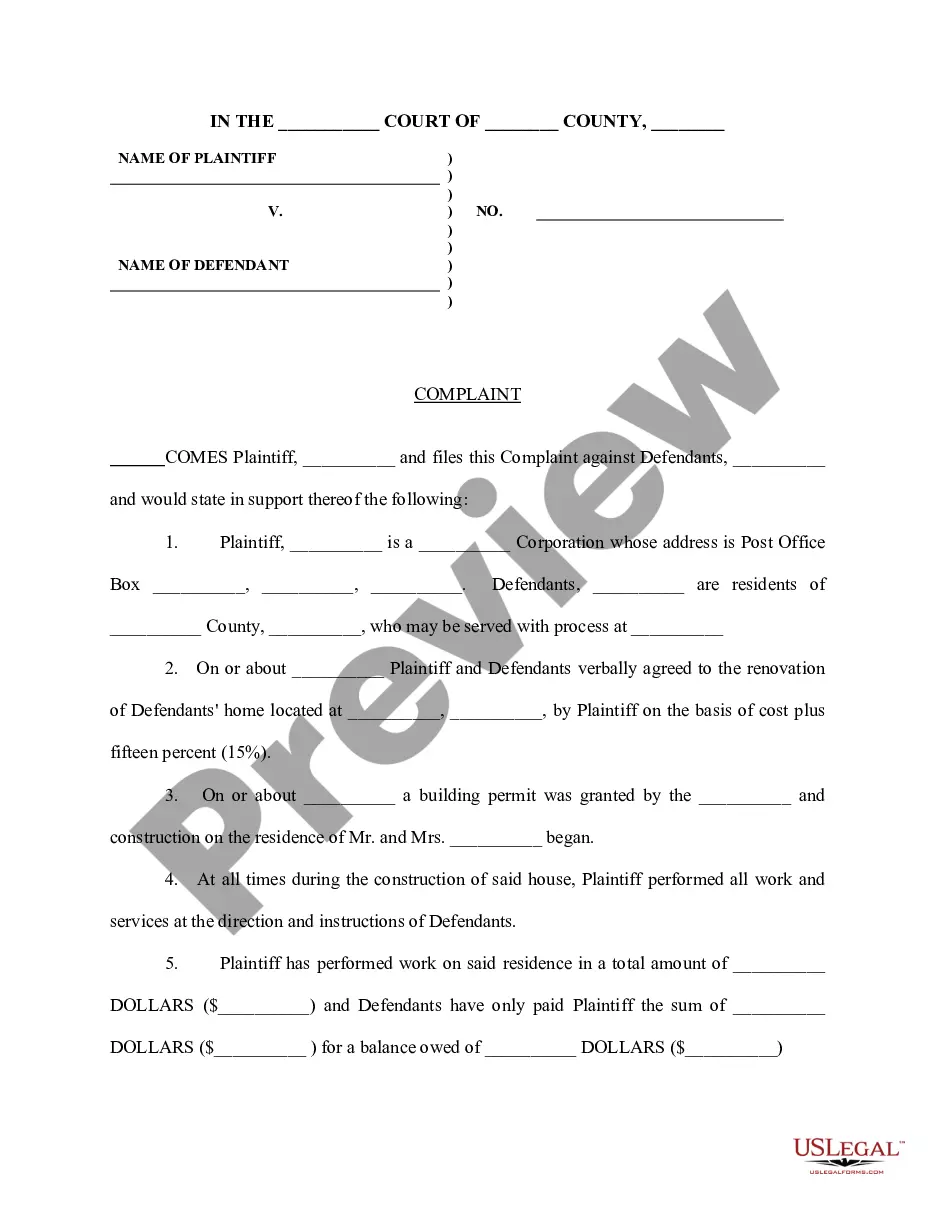
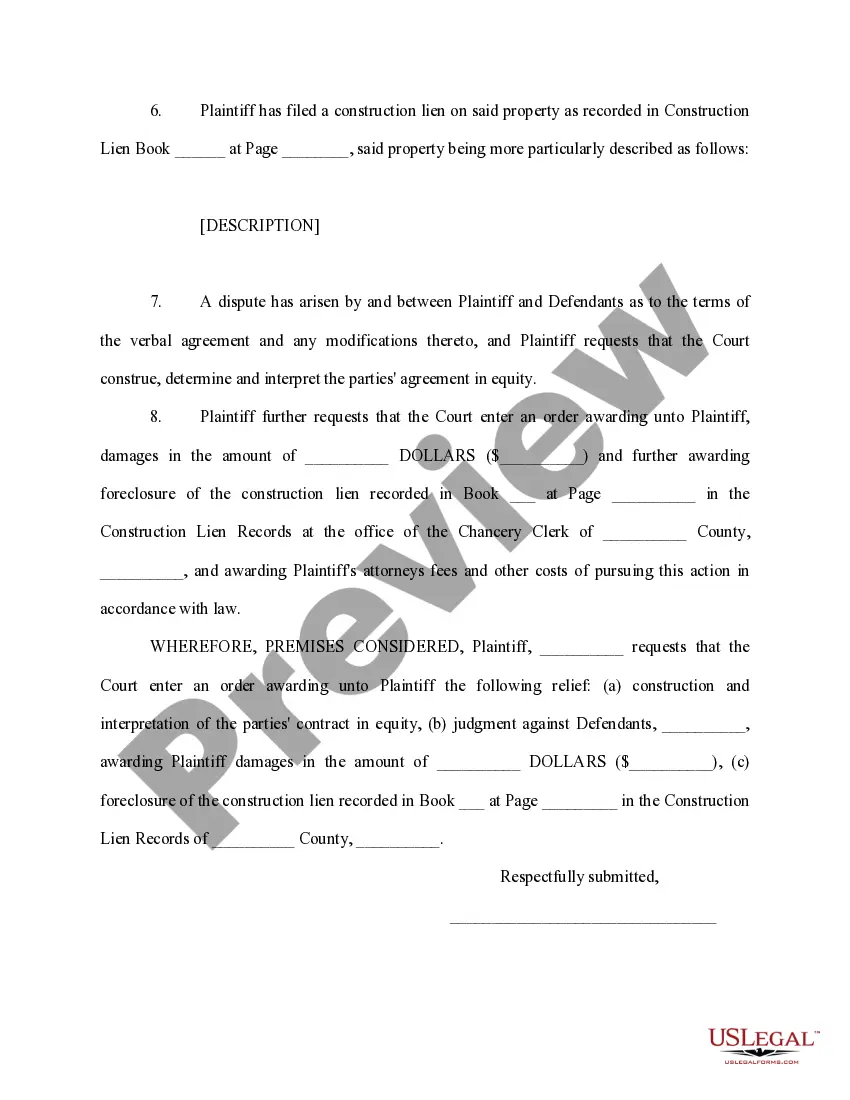
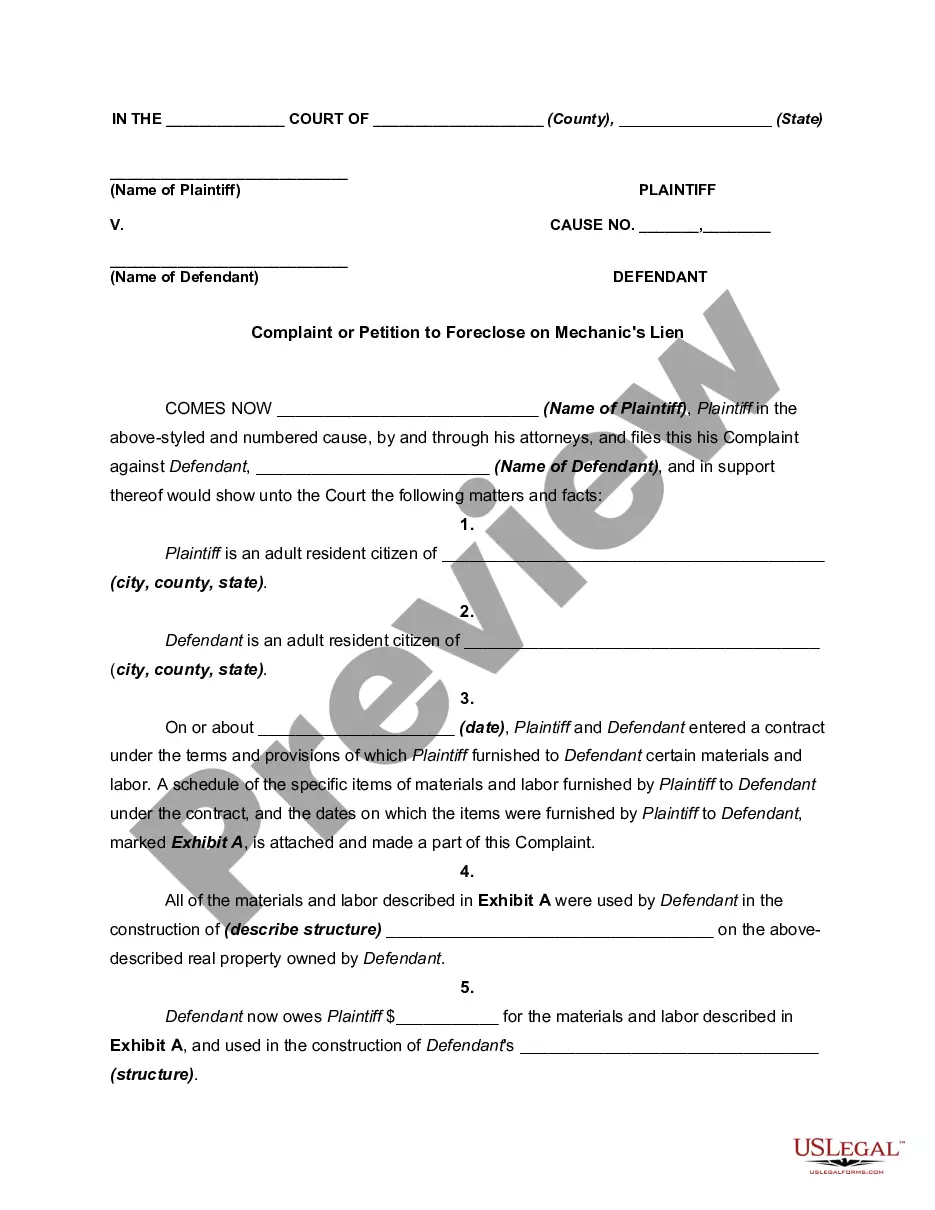
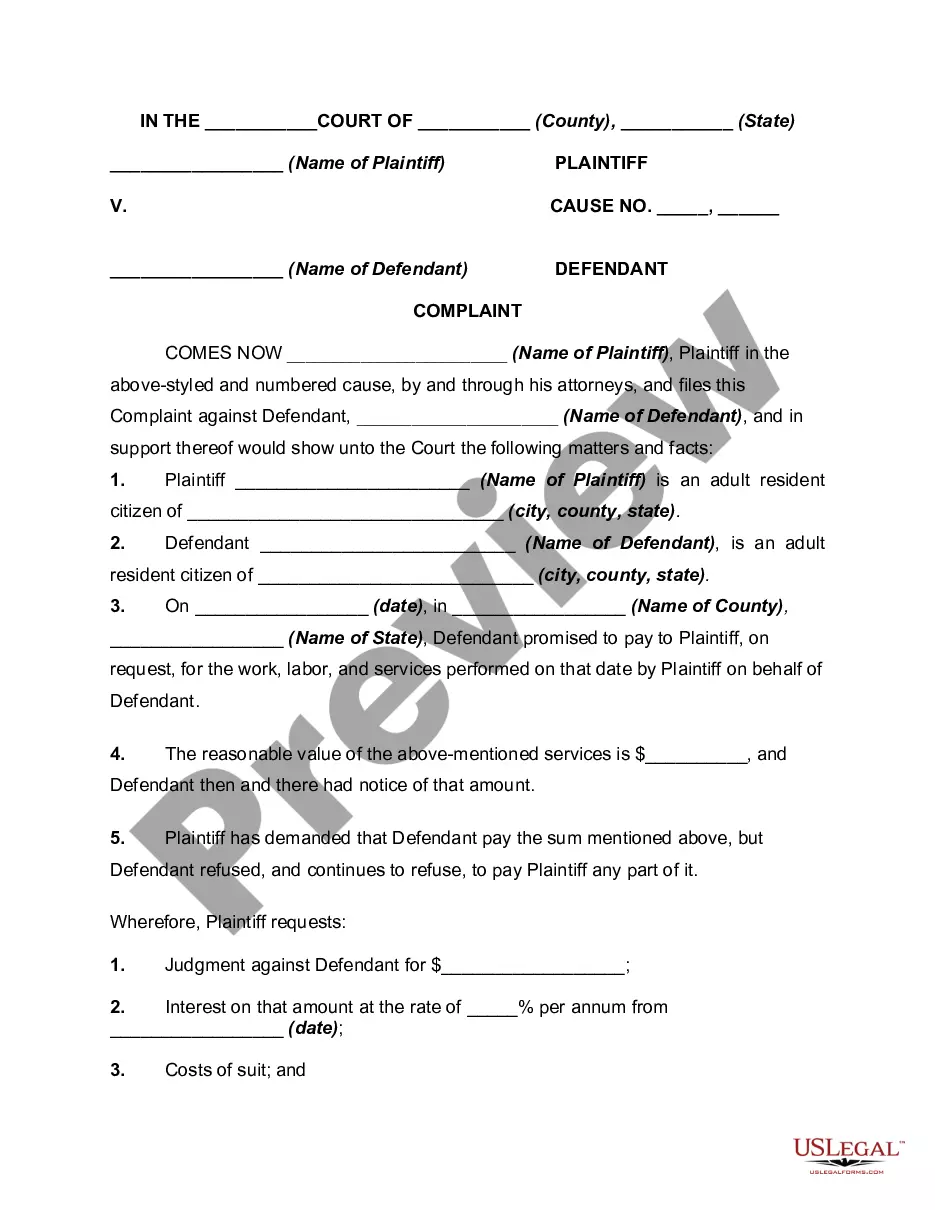
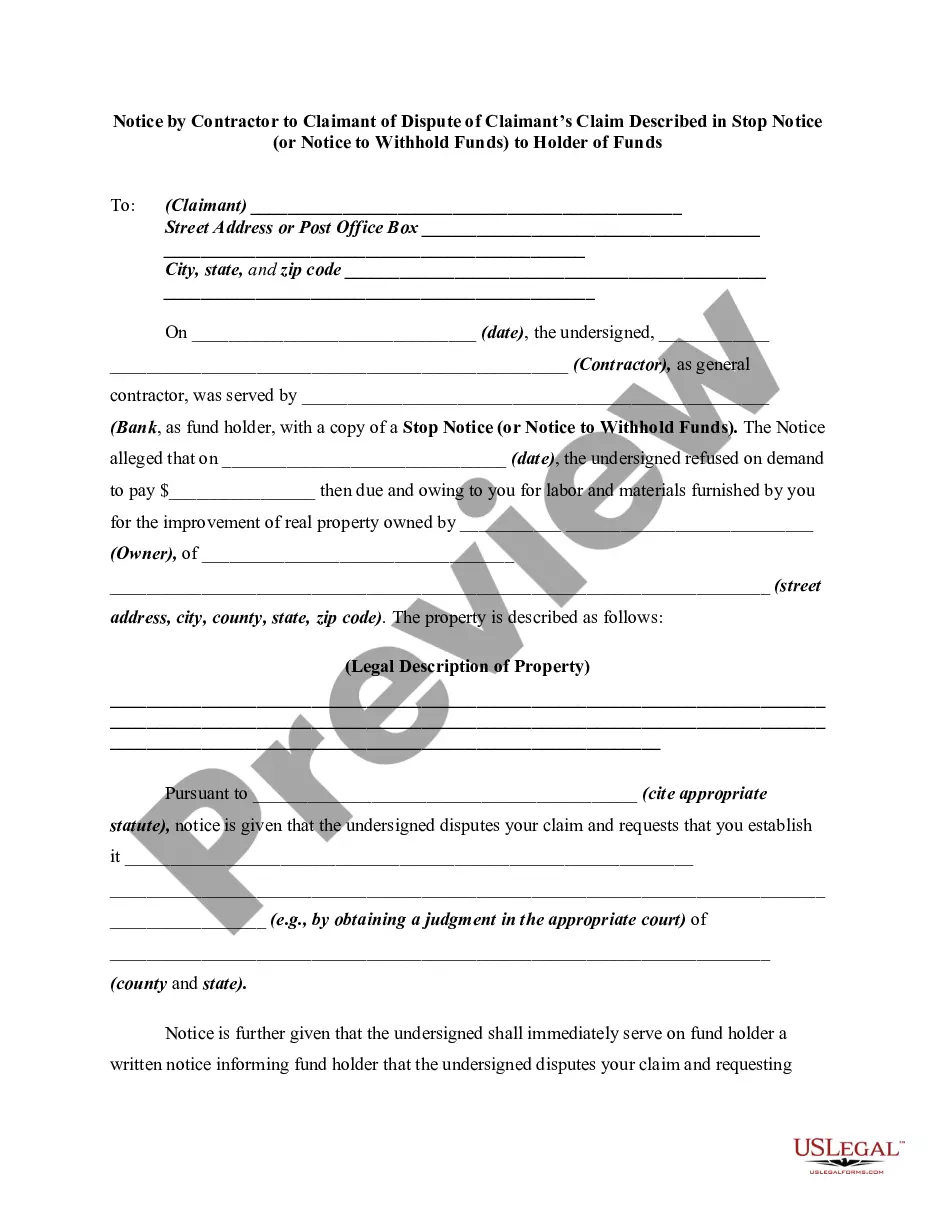
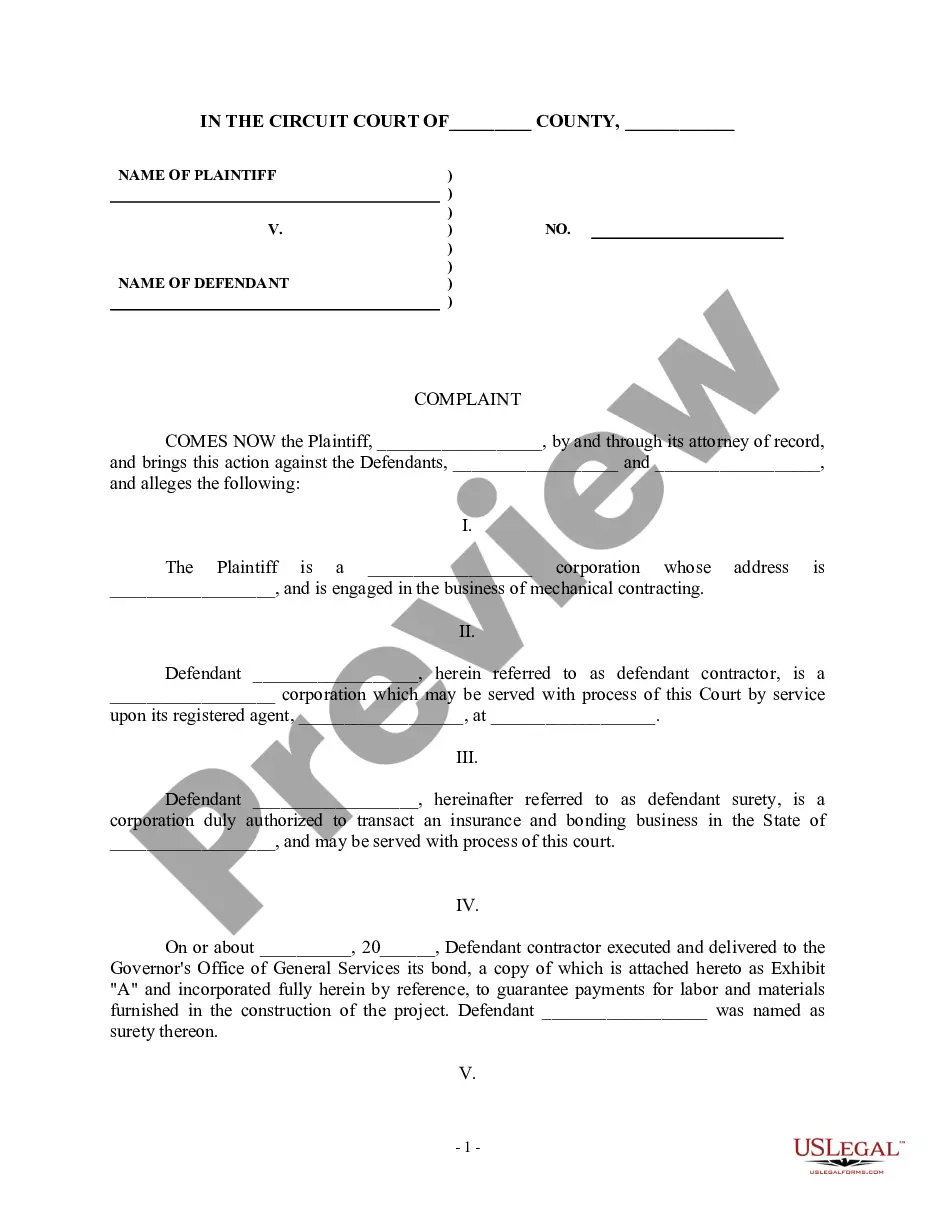
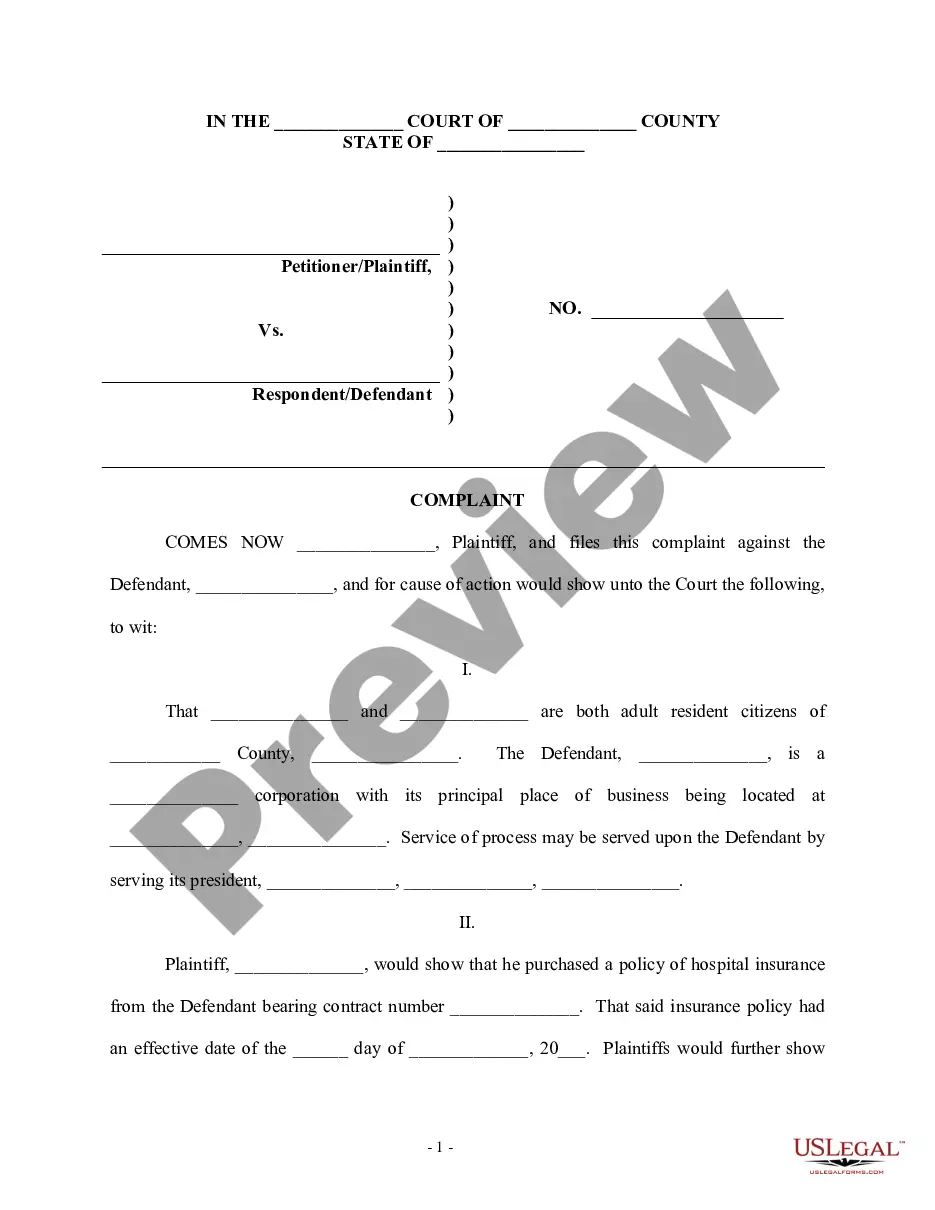
South Dakota Sample Complaint by Contractor for Amount Due
Description
Get your form ready online
Our built-in tools help you complete, sign, share, and store your documents in one place.
Make edits, fill in missing information, and update formatting in US Legal Forms—just like you would in MS Word.
Download a copy, print it, send it by email, or mail it via USPS—whatever works best for your next step.
Sign and collect signatures with our SignNow integration. Send to multiple recipients, set reminders, and more. Go Premium to unlock E-Sign.
If this form requires notarization, complete it online through a secure video call—no need to meet a notary in person or wait for an appointment.
We protect your documents and personal data by following strict security and privacy standards.

Make edits, fill in missing information, and update formatting in US Legal Forms—just like you would in MS Word.

Download a copy, print it, send it by email, or mail it via USPS—whatever works best for your next step.

Sign and collect signatures with our SignNow integration. Send to multiple recipients, set reminders, and more. Go Premium to unlock E-Sign.

If this form requires notarization, complete it online through a secure video call—no need to meet a notary in person or wait for an appointment.

We protect your documents and personal data by following strict security and privacy standards.
Looking for another form?


How to fill out Sample Complaint By Contractor For Amount Due?
Locating the appropriate legal document template may pose a challenge. Of course, there exists a multitude of designs available online, but how can you obtain the legal document you require? Utilize the US Legal Forms website. The platform offers a vast array of templates, such as the South Dakota Sample Complaint by Contractor for Amount Due, which can be utilized for both business and personal purposes. All forms are reviewed by professionals and comply with federal and state regulations.
If you are already registered, Log In to your account and click the Obtain button to access the South Dakota Sample Complaint by Contractor for Amount Due. Use your account to review the legal templates you may have purchased previously. Navigate to the My documents section of your account and retrieve another copy of the document you require.
If you are a new user of US Legal Forms, here are straightforward steps you can follow: First, ensure you have selected the correct form for your city/region. You can preview the form using the Preview button and review the form details to confirm it is suitable for you. If the form does not meet your requirements, utilize the Search field to find the appropriate form. Once you are confident that the form is suitable, click the Acquire now button to obtain the form. Choose the pricing plan you desire and enter the required information. Create your account and complete the purchase using your PayPal account or credit card. Select the file format and download the legal document template to your device. Complete, modify, print, and sign the acquired South Dakota Sample Complaint by Contractor for Amount Due.
With US Legal Forms, you have access to a comprehensive collection of legal templates that can simplify your document preparation process.
- US Legal Forms is the largest repository of legal documents where you can find various document templates.
- Utilize the service to download professionally created papers that adhere to state regulations.
- Make sure to have all necessary details ready before starting the form selection process.
- Check for any updates or changes in legal requirements that may affect your document.
- Consider consulting with a legal professional if you have any doubts regarding the form.
- Always review your downloaded documents to ensure accuracy and compliance.
Form popularity
FAQ
With the following tips, you'll be able to compose business emails that will get you quick and clear responses. Start with a professional greeting. ... Be direct. ... Add contact details. ... Add an Appropriate Subject Line. ... Address the Person By Their Name. ... Double Check the Mail for Errors and Mistakes.
Contractor recommendation letters typically include the following: Professional information. ... Details about the contractor. ... Clear recommendation. ... Your contact information. ... Use an official format. ... Explain your relationship with the contractor. ... Share what you like about them. ... Be concise with your conclusion.
You should start a professional email with a greeting and the name and title of the recipient (e.g., ?Dear Mr. Walken?). Then, you should include an introductory line like I hope this email finds you well, followed by the body of the email.
Information To Include in Your Letter Give the basics. Tell your story. Tell the company how you want to resolve the problem. Be reasonable. File your complaint. Your Address. Your City, State, Zip Code. [Your email address, if sending by email] Date.
South Dakota does not have licensing requirements for contractors on the state level. You can file a complaint against a contractor with the South Dakota Attorney General. Online: To file a complaint online, visit the complaint form and fill out the requested information. Once completed, you can submit the form.
Just the same as a full-time or part-time employee, a company can legally assign a company email address to an independent contractor. If you assign an independent contractor an email address, it's natural to have concerns about misclassification.
With the following tips, you'll be able to compose business emails that will get you quick and clear responses. Start with a professional greeting. ... Be direct. ... Add contact details. ... Add an Appropriate Subject Line. ... Address the Person By Their Name. ... Double Check the Mail for Errors and Mistakes.
What are the basic steps in filing a lawsuit? File the Summons and Complaint. The person starting the case is called the Petitioner or Plaintiff. ... File the Answer. The person being sued is either called the Defendant or the Respondent. ... Prepare the case. ... The judge holds a hearing. ... The judge makes a decision.