South Carolina Right of Way Agreement
Description
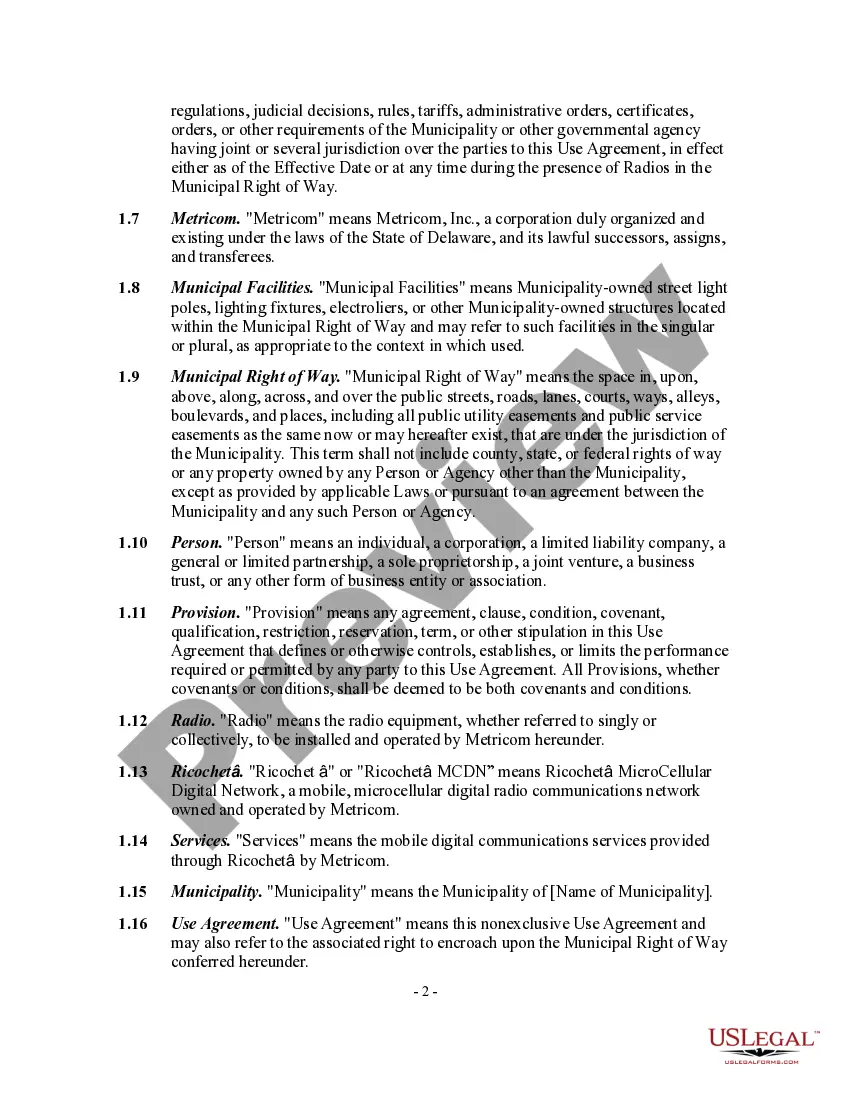
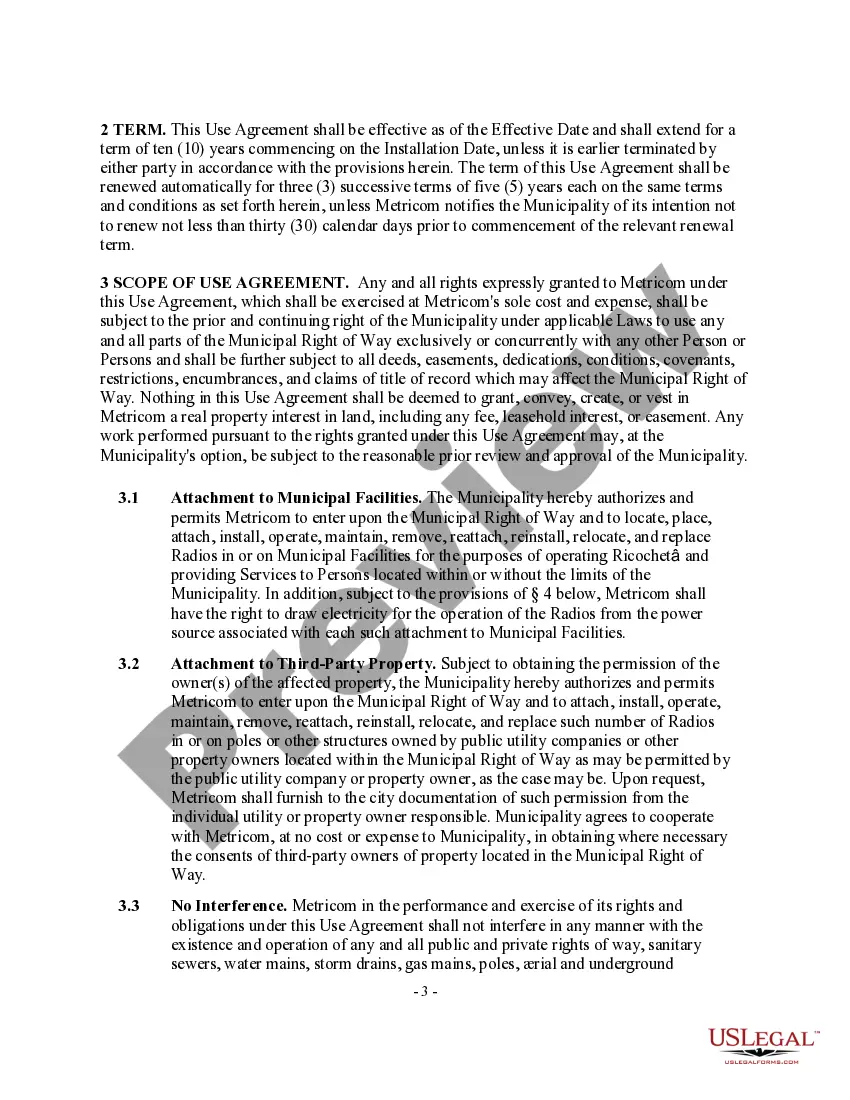
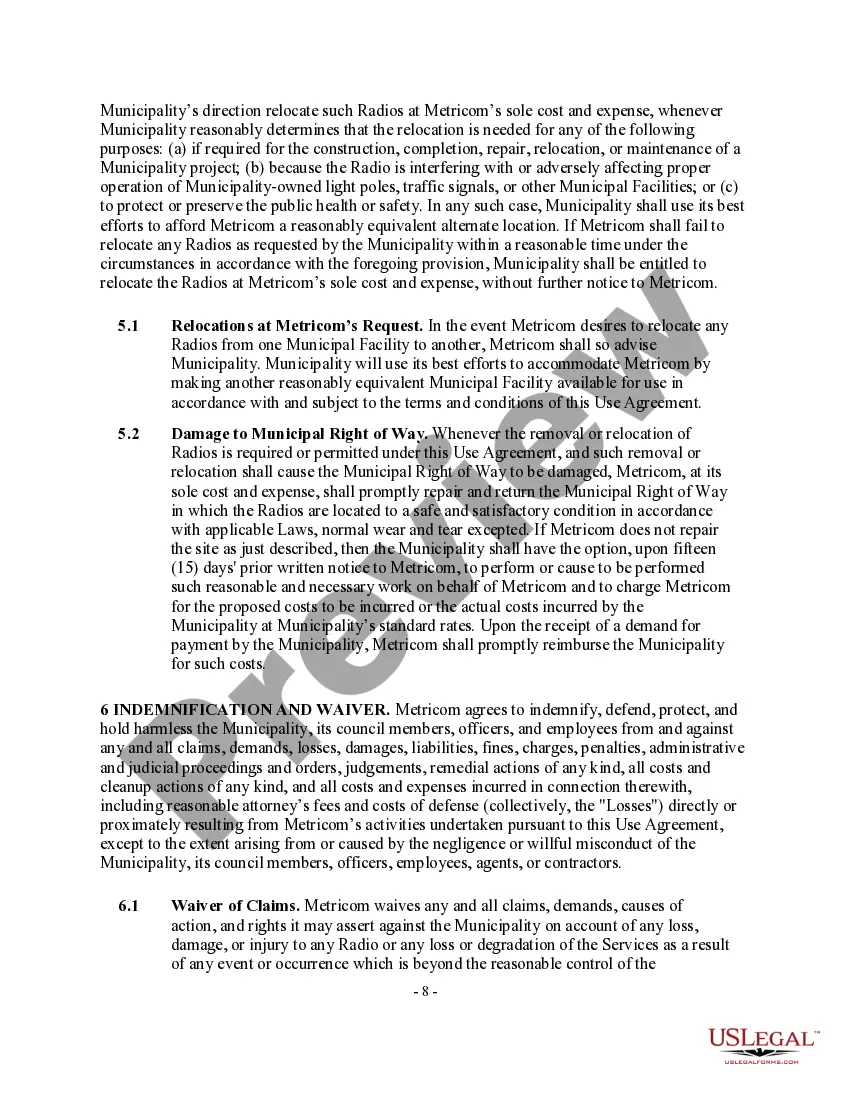
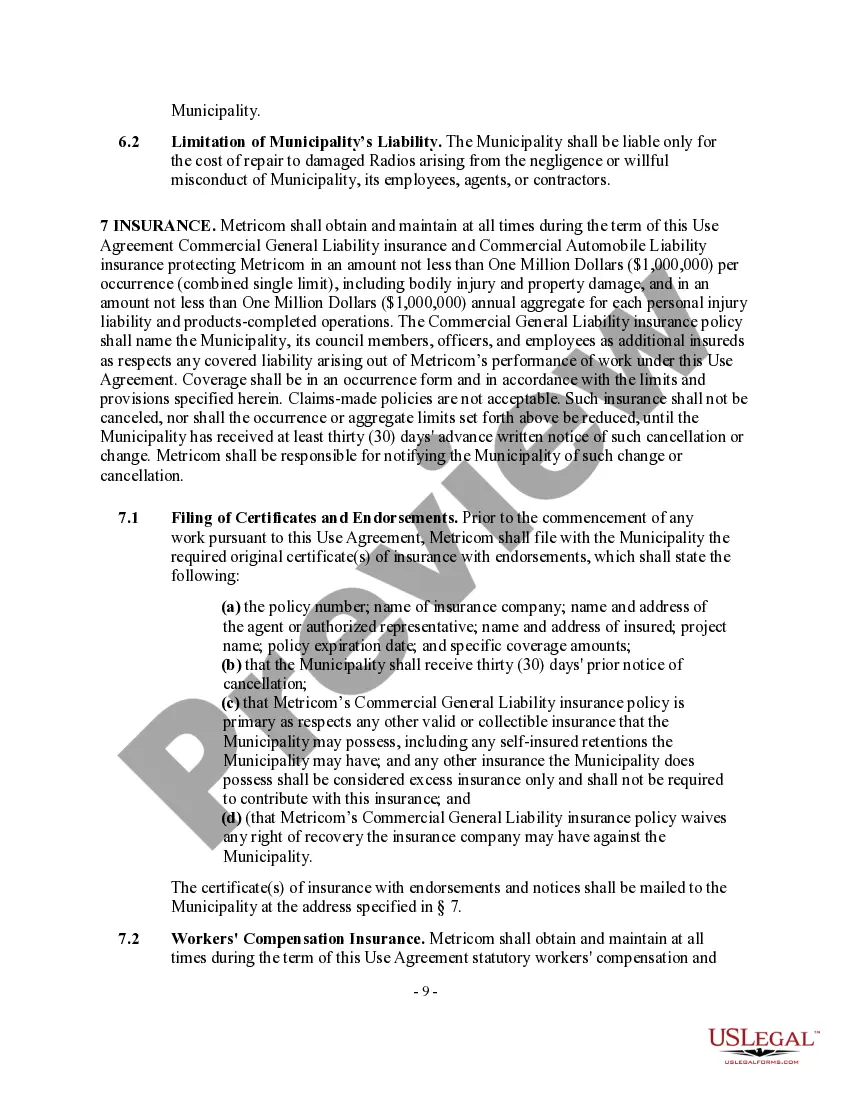
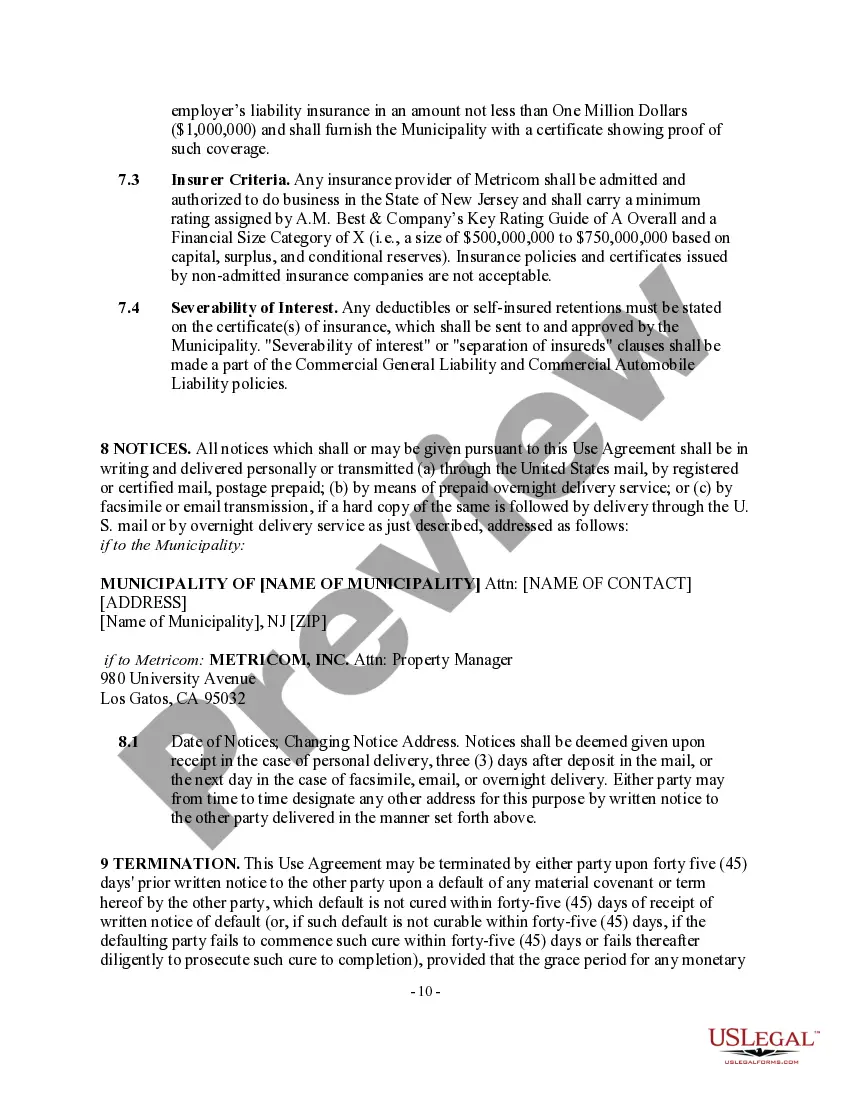

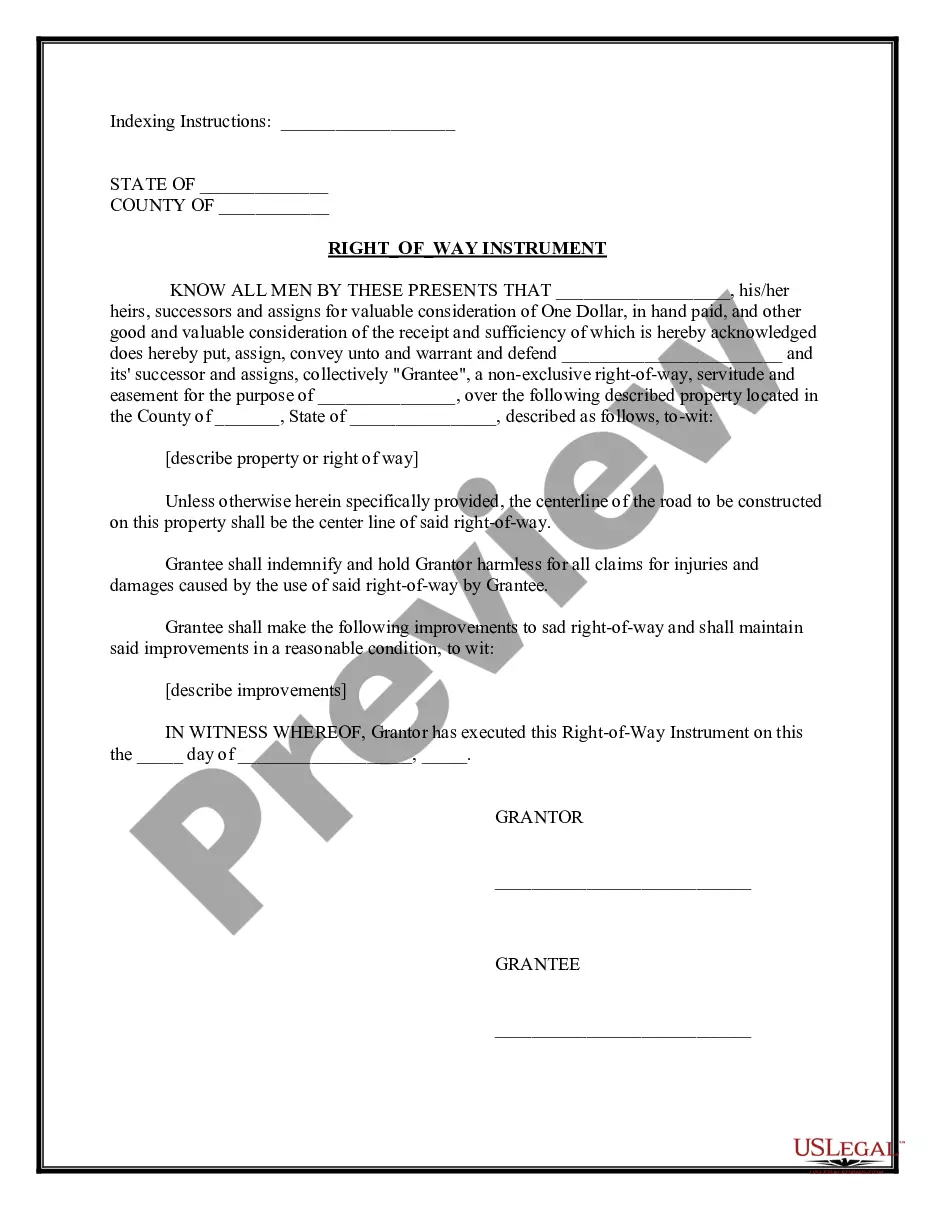
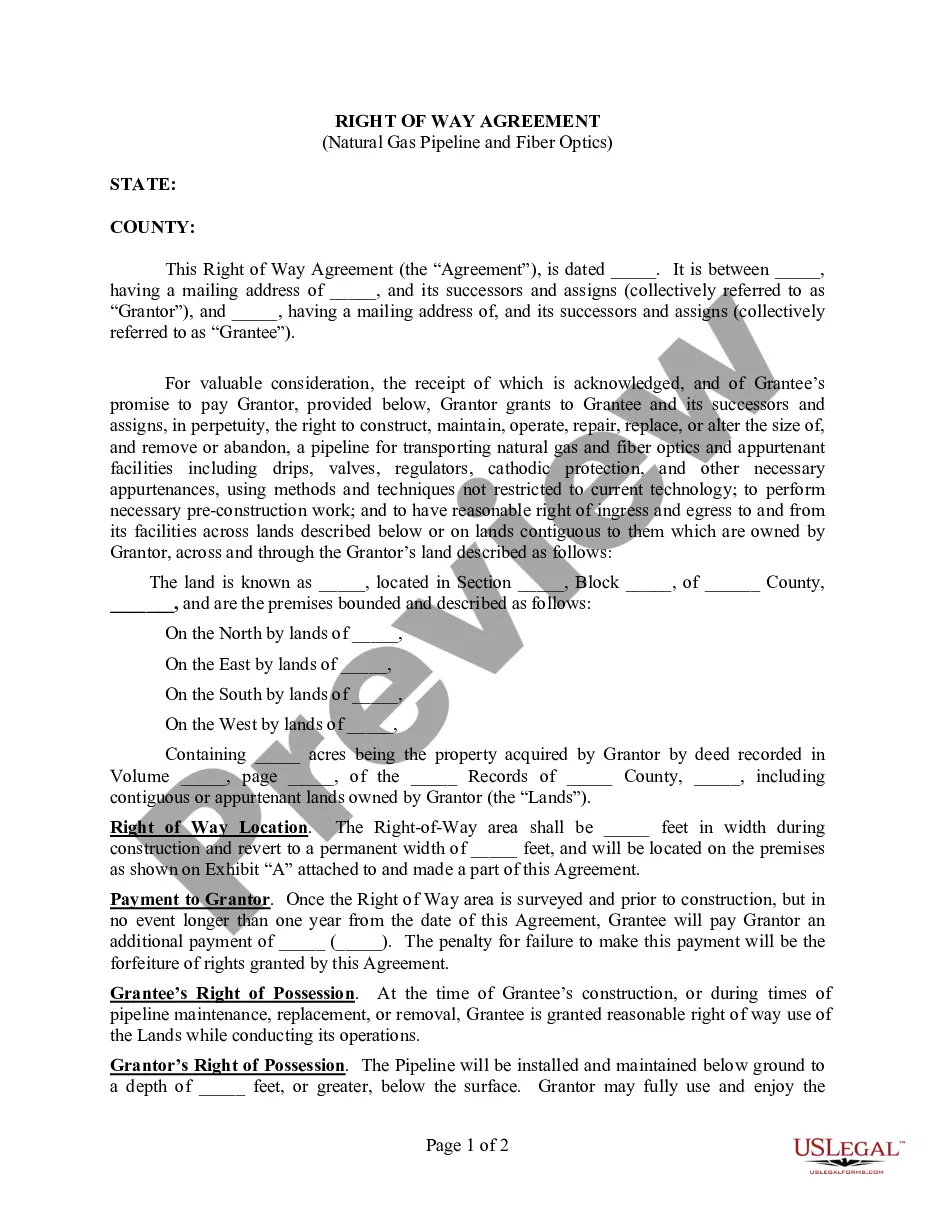
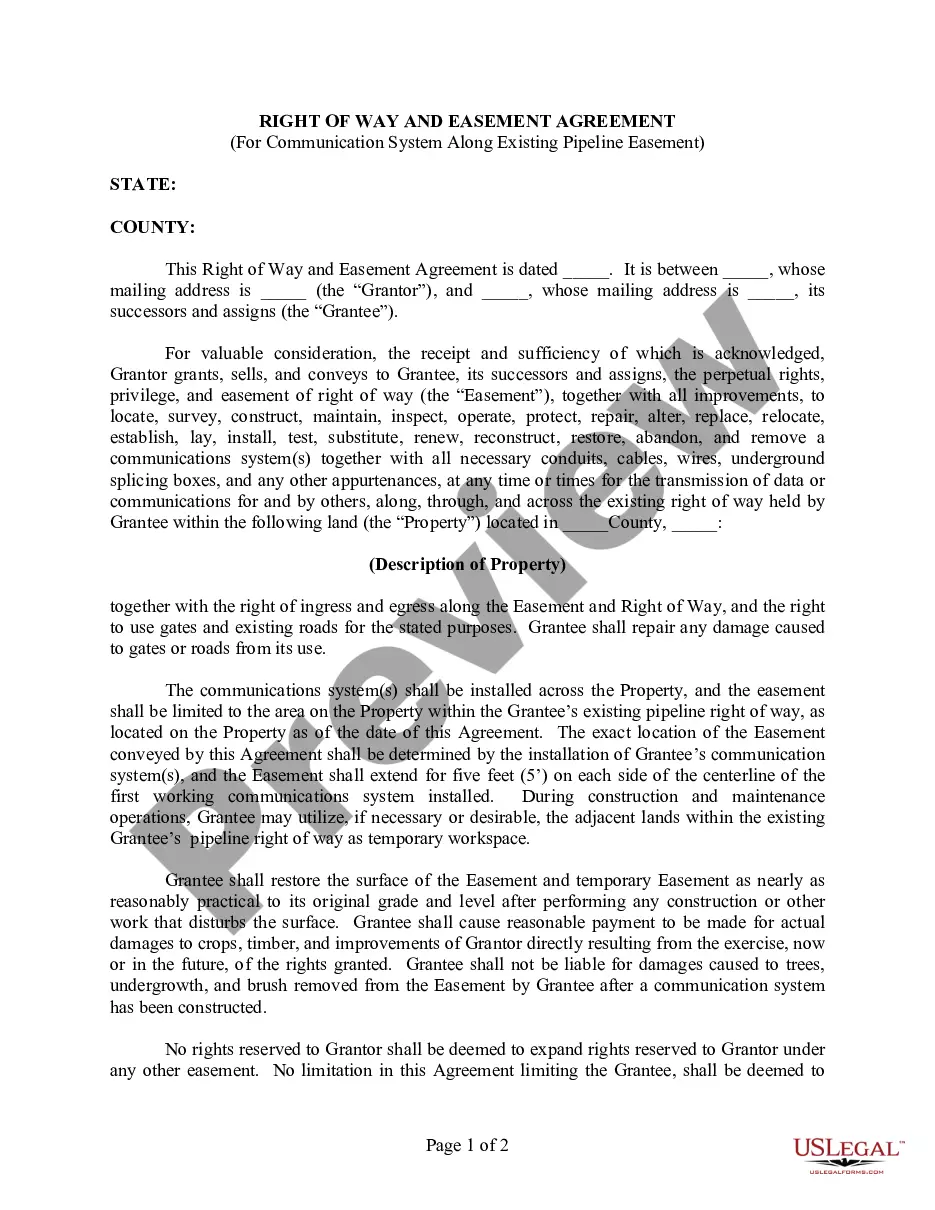
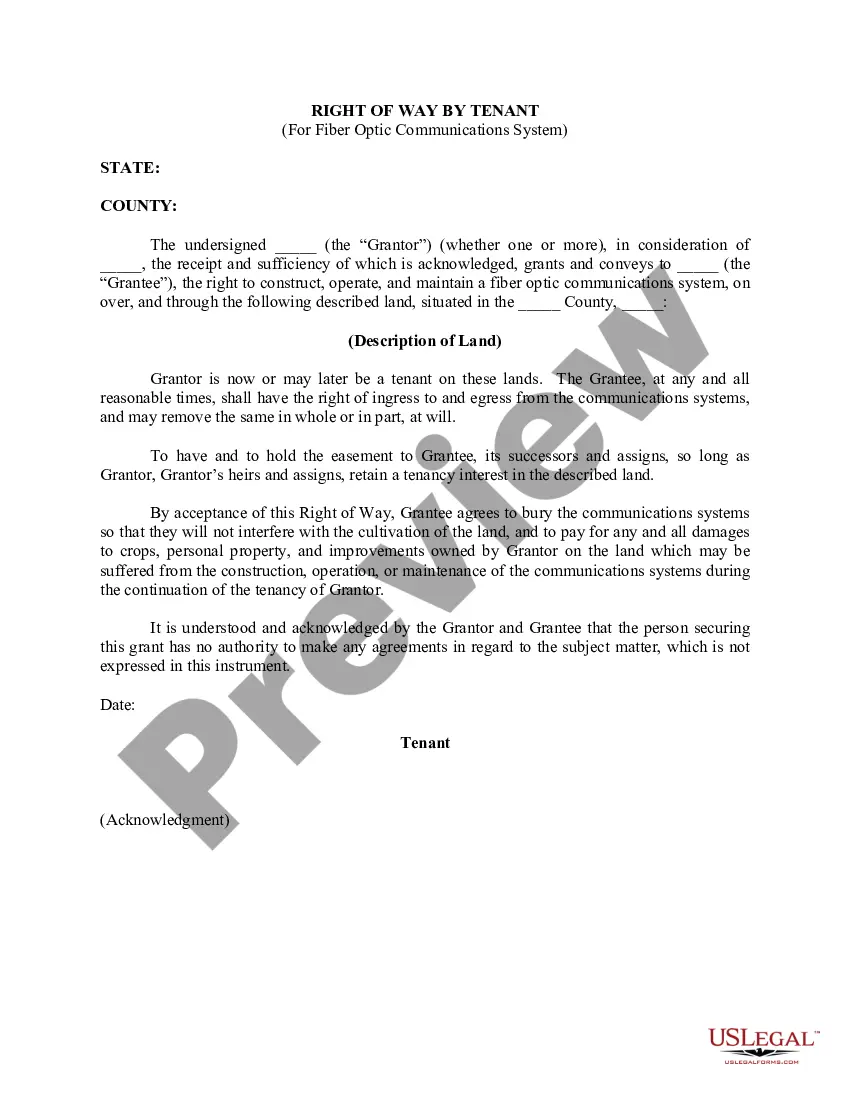
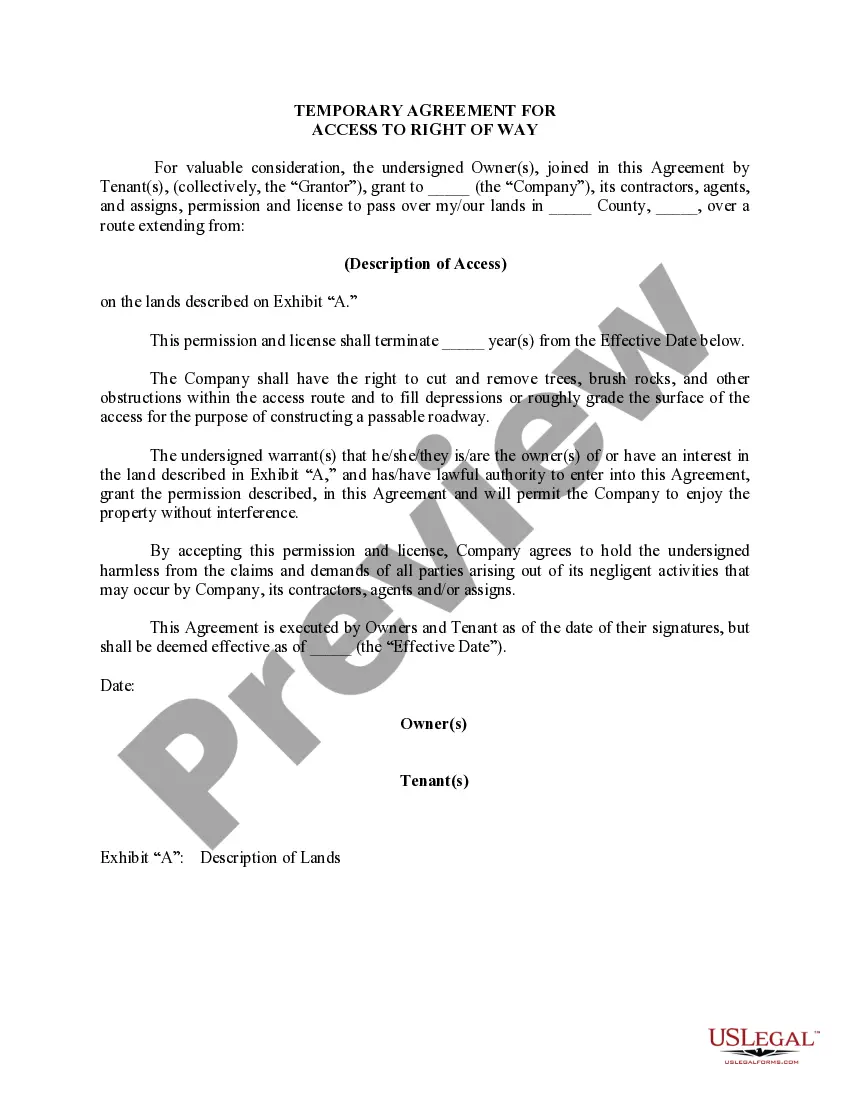
How to fill out Right Of Way Agreement?
You might spend many hours online looking for the legal document template that meets the state and federal requirements you will need.
US Legal Forms offers thousands of legal documents that can be evaluated by professionals.
You can actually download or print the South Carolina Right of Way Agreement from my services.
Check the form details to confirm you have chosen the right form. If available, use the Review option to browse through the document template as well.
- If you already have a US Legal Forms account, you can Log In and click the Acquire option.
- Then, you can complete, modify, print, or sign the South Carolina Right of Way Agreement.
- Every legal document template you obtain is yours forever.
- To get another copy of the obtained document, go to the My documents tab and click the corresponding option.
- If you are using the US Legal Forms website for the first time, follow the simple instructions below.
- First, ensure that you have selected the correct document template for your area/region of choice.
Form popularity
FAQ
In South Carolina, a property owner generally cannot block an easement that has been legally established through a South Carolina Right of Way Agreement. Blocking access may violate the terms of the agreement and could lead to legal disputes. It is important for property owners to understand their obligations and rights concerning easements. If you are unsure about your situation, consider consulting with experts on USLegalForms to navigate these complexities effectively.
Yes, a right-of-way can be owned by individuals or entities, depending on the specific agreement. In South Carolina, a right-of-way typically exists when a property owner permits access to another party through a South Carolina Right of Way Agreement. This legally binding document ensures that the rights of both parties are protected. Therefore, it is essential to consult with legal professionals when establishing or disputing a right of way.
The ownership of a right-of-way often lies with the property owner who grants the easement. However, the rights to use that easement are held by the party specified in the South Carolina Right of Way Agreement. This means that while the landowner maintains ownership, the easement holder has the legal right to access the designated area. Understanding this arrangement is essential for both parties involved.
In general, a right-of-way is a legal right to pass through someone else's property. The ownership of a right-of-way can vary depending on the terms outlined in a South Carolina Right of Way Agreement. Typically, the property owner retains ownership of the land, while the easement grants specific rights to another party. This distinction is crucial, as it defines the extent of use and maintenance responsibilities.
The three basic right of way rules include yielding to traffic on the main road, understanding that pedestrians generally have the right of way at crosswalks, and knowing that emergency vehicles always have priority. Following these rules ensures safety and smooth traffic flow. For more detailed guidance on right of way agreements, consider exploring resources available through platforms like uslegalforms, which can help you navigate these regulations effectively.
Determining who has the right of way often depends on the specific terms laid out in a South Carolina Right of Way Agreement or local traffic laws. This information is typically recorded in property deeds or easements, which clarify usage rights. Consulting these documents can provide clarity and help resolve any confusion over access rights.
The right of way law in South Carolina governs how landowners can use and access paths across private property. This law ensures that individuals or companies with a South Carolina Right of Way Agreement can legally use the specified areas without facing legal challenges. Familiarizing yourself with these laws can help you navigate property disputes and protect your access rights.
Your rights on a right of way include the ability to access and use the designated path for travel and utility purposes. Typically, these rights are outlined in a South Carolina Right of Way Agreement, which specifies the terms and conditions of usage. It is essential to understand these rights to prevent disputes and ensure that you can utilize the right of way without interference.
The new trespassing law in South Carolina strengthens property rights and provides clearer guidelines on what constitutes unauthorized entry. This law makes it easier for property owners to protect their rights, particularly concerning access roads and right of way agreements. Understanding these laws is crucial for anyone navigating land use in South Carolina, especially when it comes to a South Carolina Right of Way Agreement.
The standard width for a right-of-way in South Carolina typically ranges from 30 to 50 feet, but this can vary depending on local regulations and specific agreements. It is essential to refer to the particular South Carolina Right of Way Agreement that pertains to your property. For clarity and guidance, consider utilizing resources from USLegalForms, where you can find templates and information tailored to your needs.