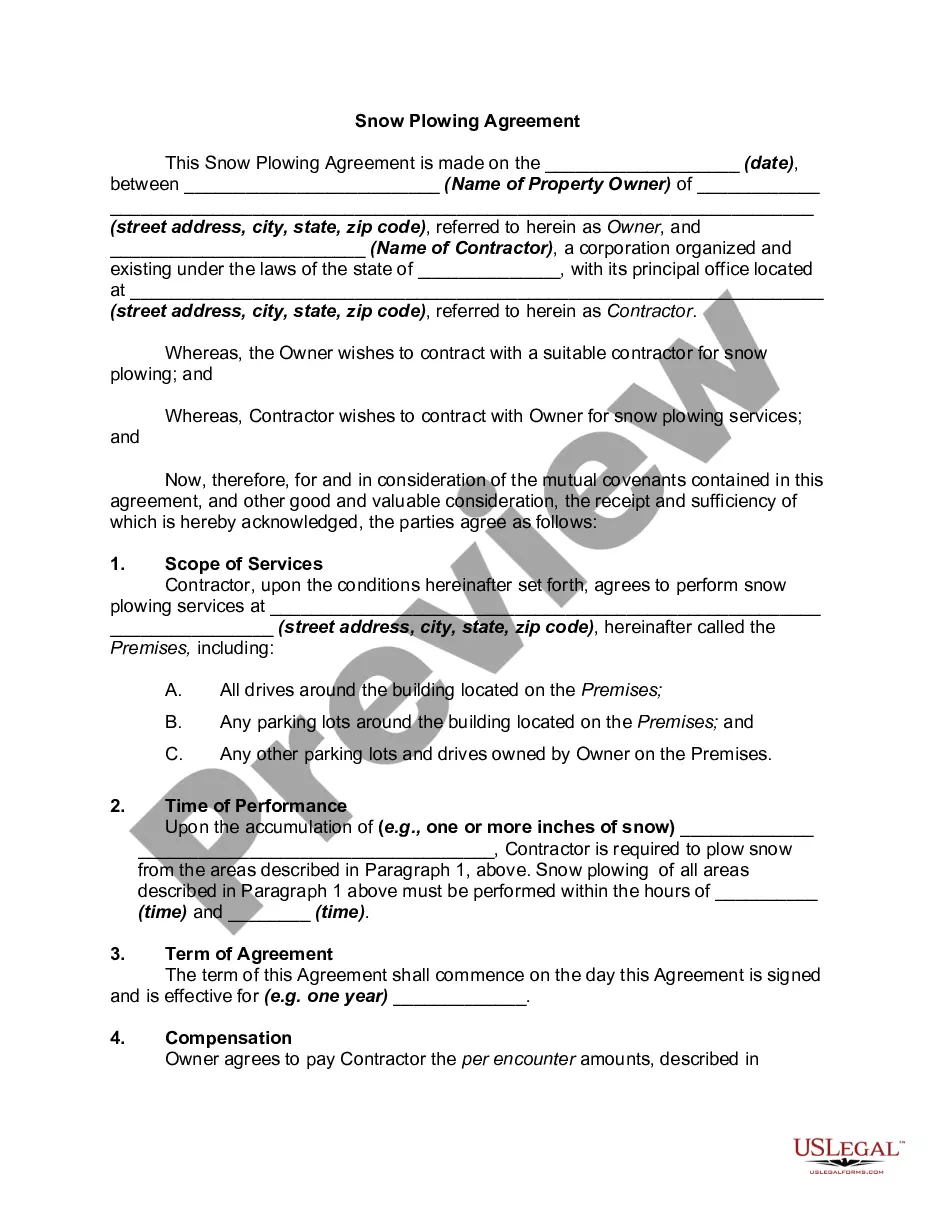
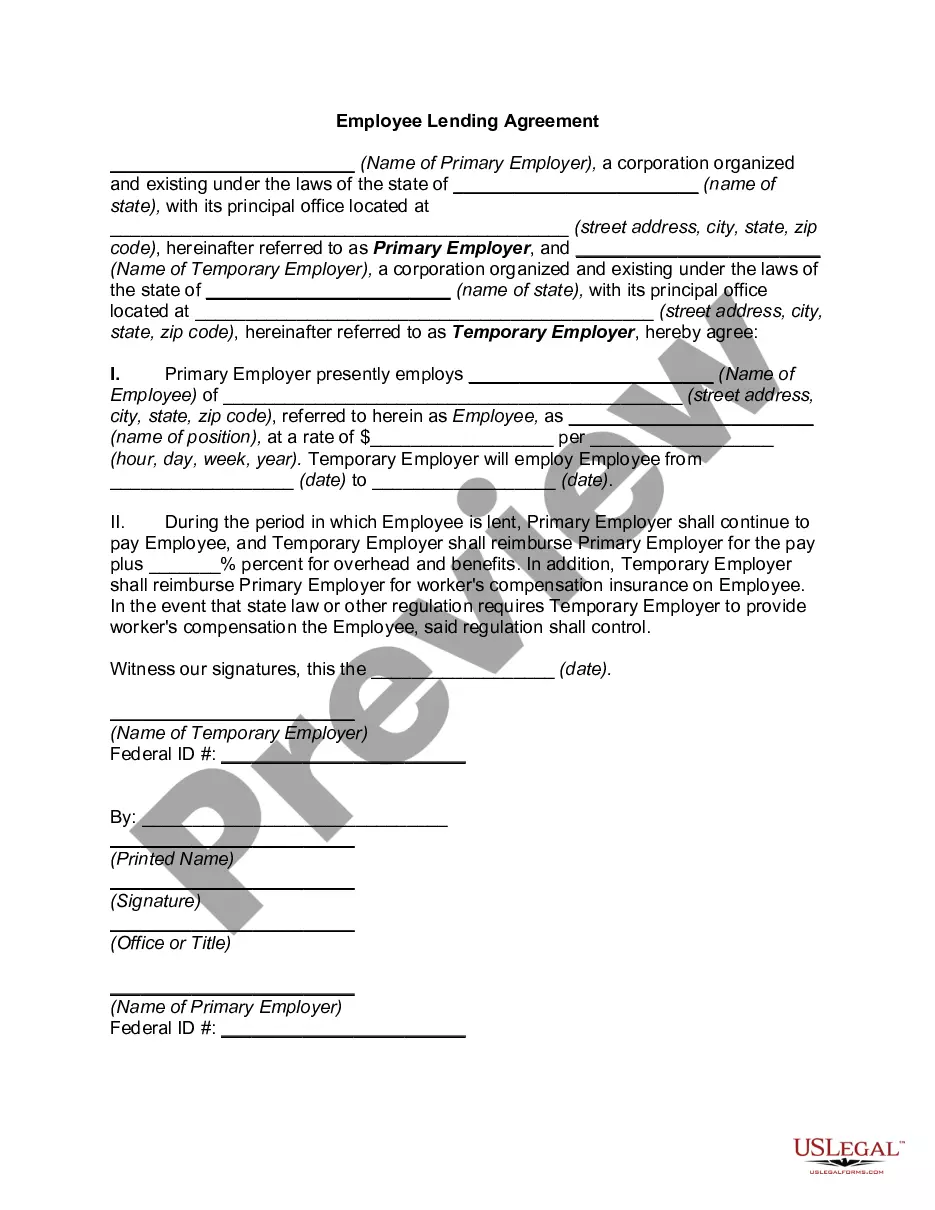
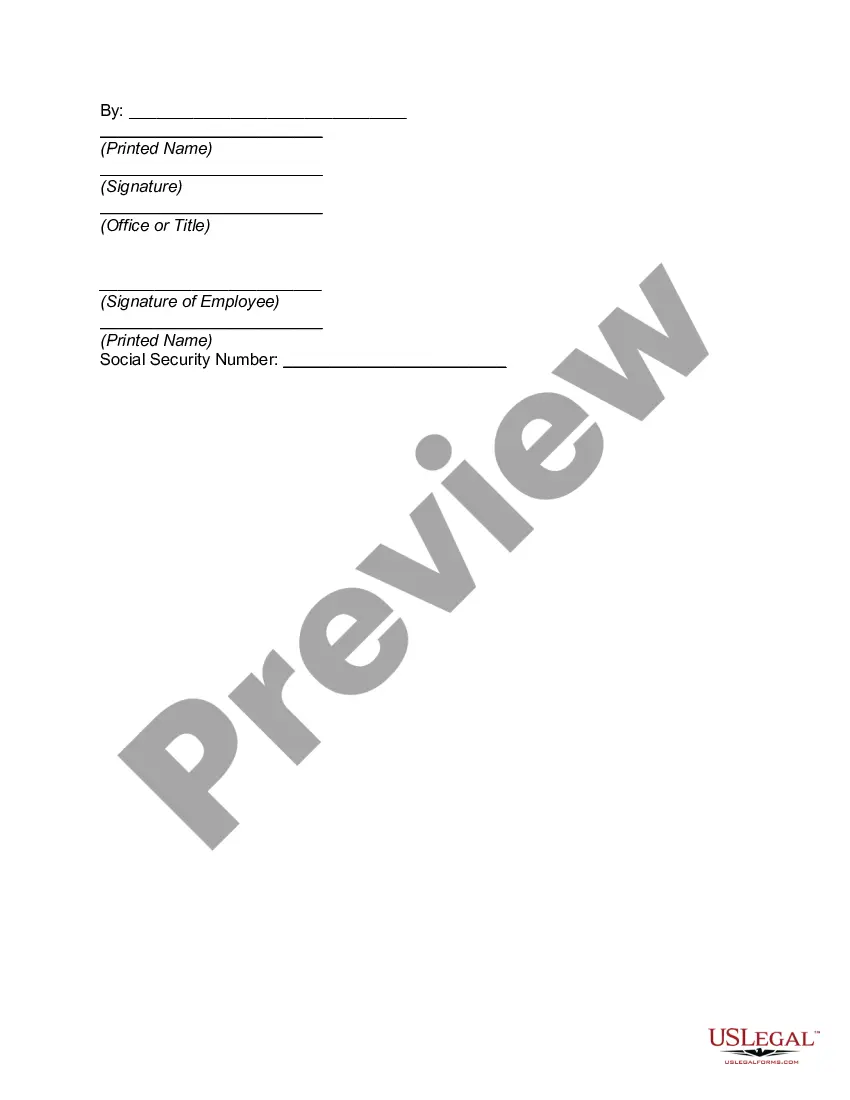
South Carolina Employee Lending Agreement
Description

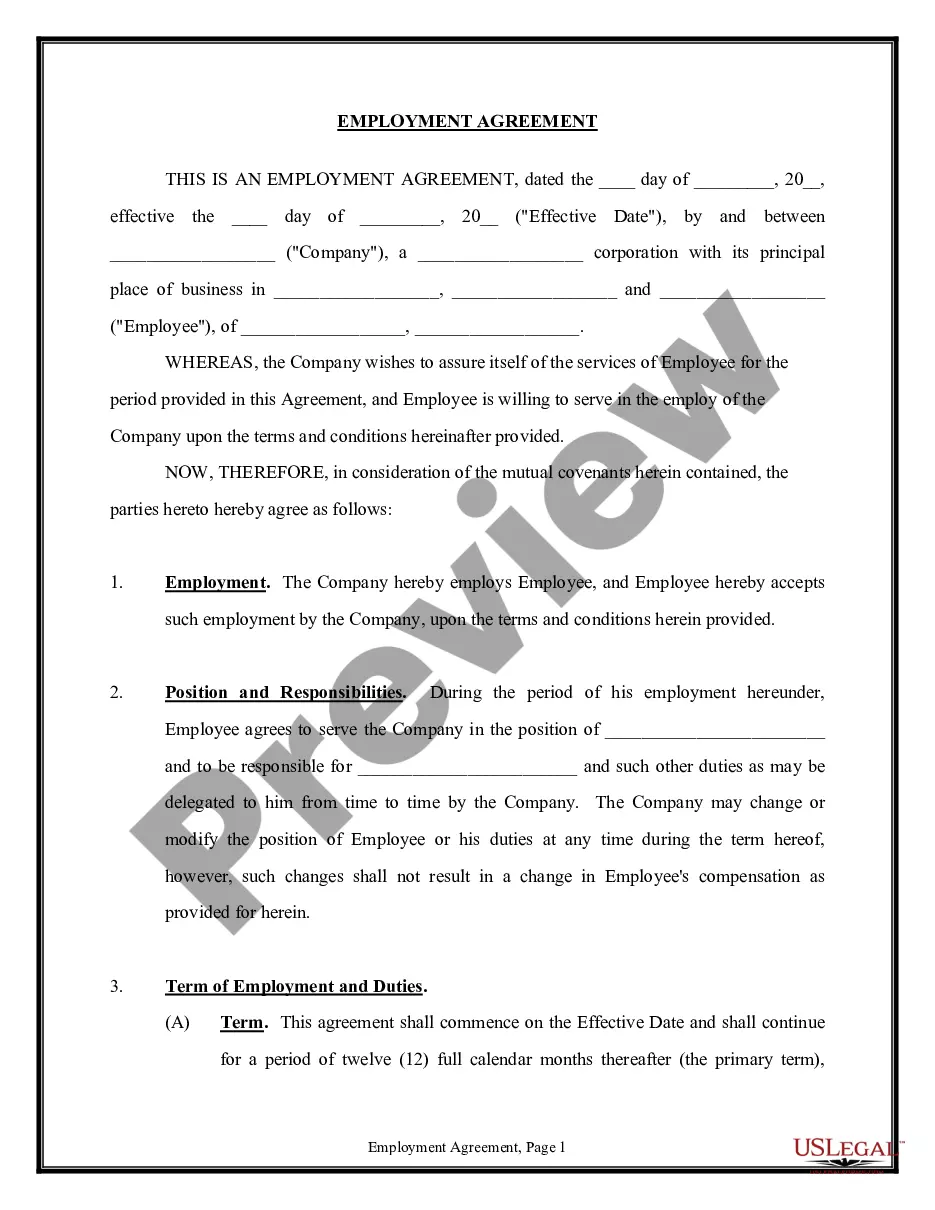
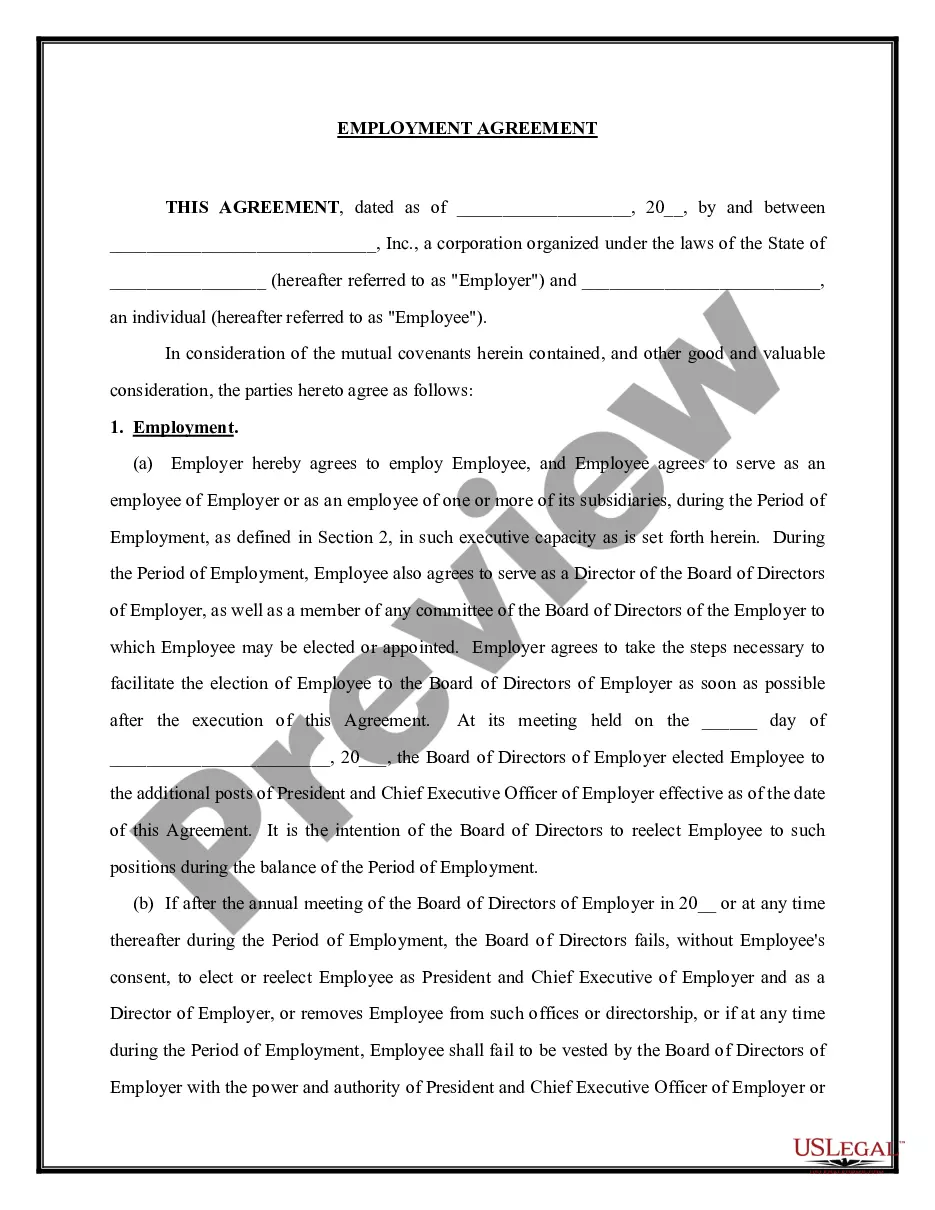
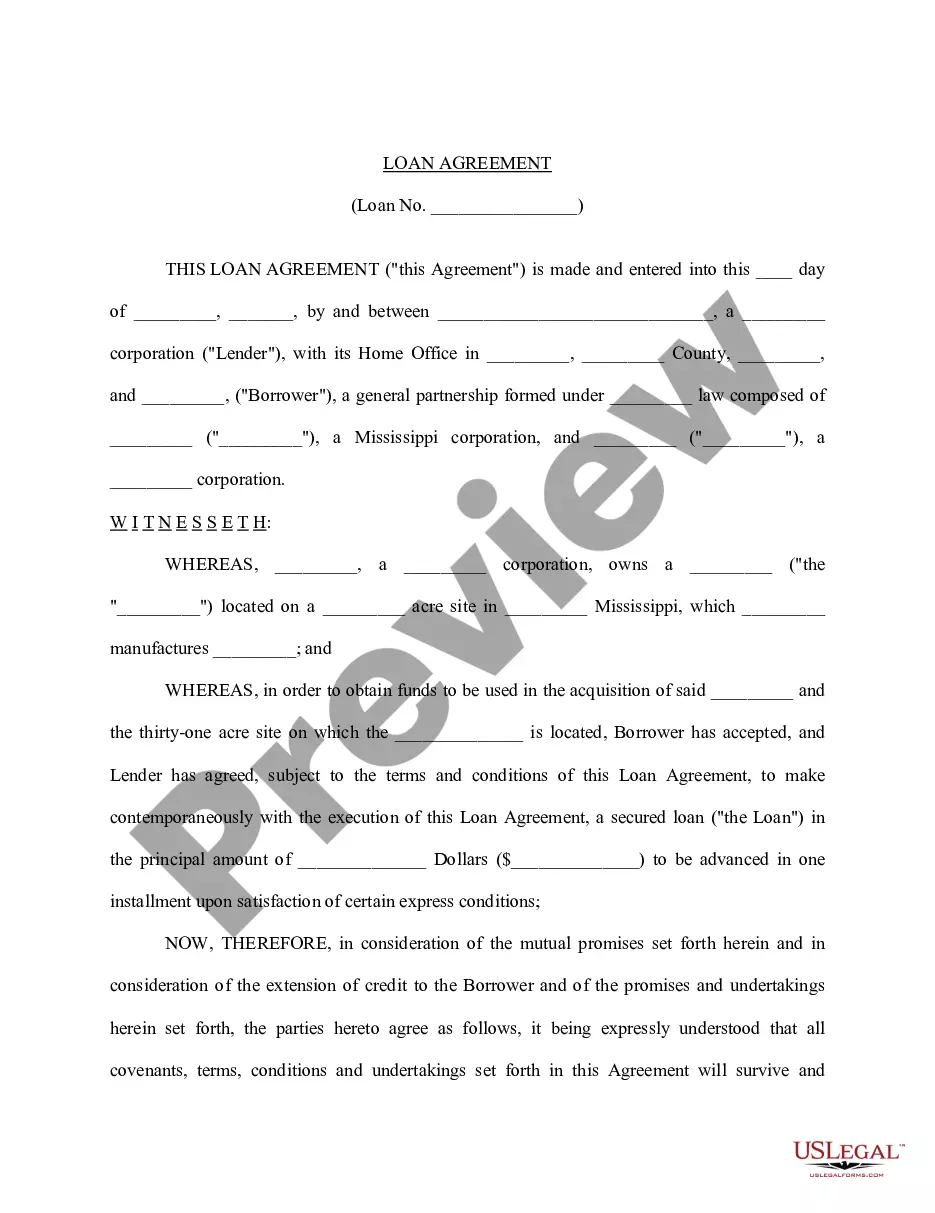
Get your form ready online
Our built-in tools help you complete, sign, share, and store your documents in one place.
Make edits, fill in missing information, and update formatting in US Legal Forms—just like you would in MS Word.
Download a copy, print it, send it by email, or mail it via USPS—whatever works best for your next step.
Sign and collect signatures with our SignNow integration. Send to multiple recipients, set reminders, and more. Go Premium to unlock E-Sign.
If this form requires notarization, complete it online through a secure video call—no need to meet a notary in person or wait for an appointment.
We protect your documents and personal data by following strict security and privacy standards.

Make edits, fill in missing information, and update formatting in US Legal Forms—just like you would in MS Word.

Download a copy, print it, send it by email, or mail it via USPS—whatever works best for your next step.

Sign and collect signatures with our SignNow integration. Send to multiple recipients, set reminders, and more. Go Premium to unlock E-Sign.

If this form requires notarization, complete it online through a secure video call—no need to meet a notary in person or wait for an appointment.

We protect your documents and personal data by following strict security and privacy standards.
Looking for another form?

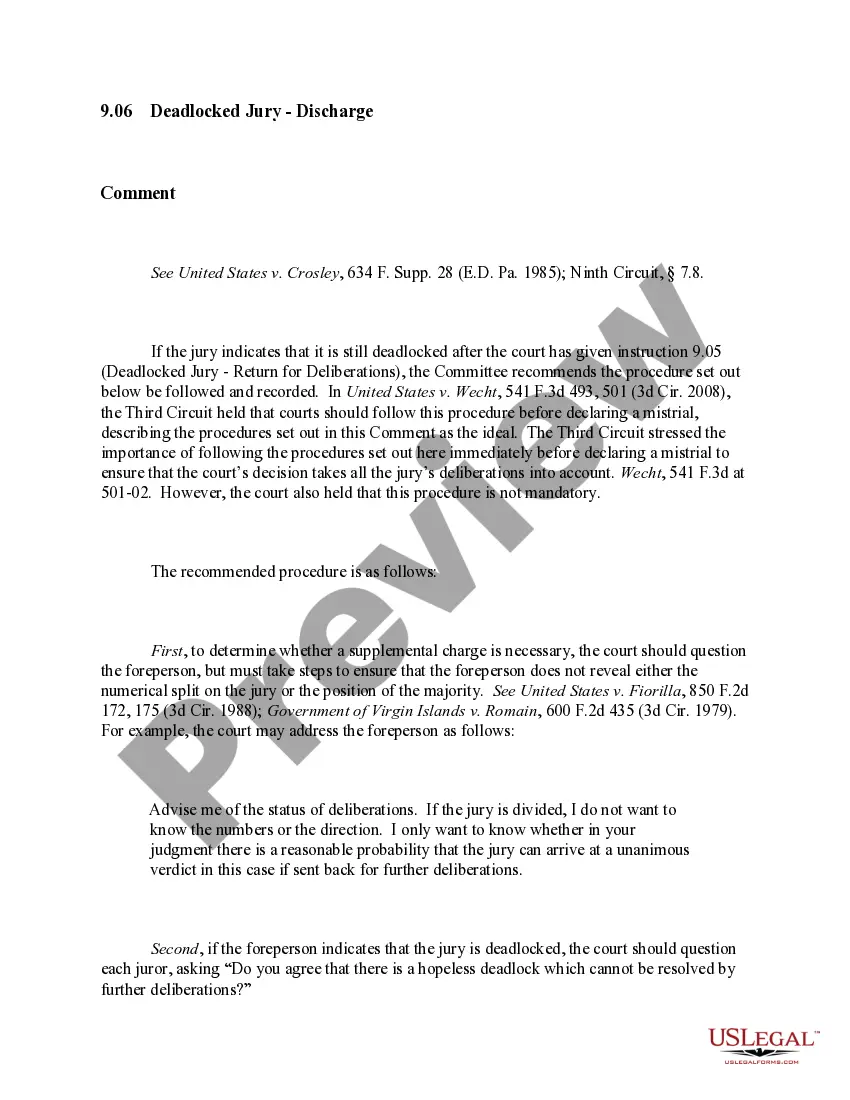
How to fill out Employee Lending Agreement?
If you want to total, retrieve, or print valid document templates, utilize US Legal Forms, the largest collection of legal forms, that can be found online.
Take advantage of the website`s straightforward and convenient search to find the documents you require.
Numerous templates for business and personal purposes are categorized by types and states, or keywords. Use US Legal Forms to obtain the South Carolina Employee Lending Agreement in just a few clicks.
Every legal document format you purchase is yours permanently. You can access every form you downloaded within your account. Go to the My documents section and select a form to print or download again.
Complete and download, and print the South Carolina Employee Lending Agreement with US Legal Forms. There are millions of professional and state-specific forms you can utilize for your business or personal needs.
- If you are a current US Legal Forms user, Log In to your account and click on the Obtain button to get the South Carolina Employee Lending Agreement.
- You can also access forms you previously downloaded within the My documents tab of your account.
- If you are using US Legal Forms for the first time, follow the instructions below.
- Step 1. Ensure you have chosen the form for the correct region/country.
- Step 2. Utilize the Review option to examine the form’s content. Don’t forget to read the summary.
- Step 3. If you are dissatisfied with the form, use the Search field at the top of the screen to find other versions of the legal form template.
- Step 4. Once you have located the form you need, click on the Get now button. Select your preferred payment plan and enter your credentials to register for the account.
- Step 5. Complete the transaction. You may use your credit card or PayPal account to finish the transaction.
- Step 6. Choose the format of your legal form and download it to your device.
- Step 7. Complete, modify and print or sign the South Carolina Employee Lending Agreement.
Form popularity
FAQ
Gavin Newsom signed a law on Thursday to cap rates at 36 percent. Assembly Bill 539 ends a decades-long practice of charging borrowers who take out loans between $2,500 and $10,000 with interest that can exceed 200 percent.
All loans consist of three components: The interest rate, security component and term.
10 Essential Loan Agreement ProvisionsIdentity of the Parties. The names of the lender and borrower need to be stated.Date of the Agreement.Interest Rate.Repayment Terms.Default provisions.Signatures.Choice of Law.Severability.
Mention the relationship between the Lender and Borrower. Write the amount of loan that has been lent to the Borrower. Mention the purpose of the loan like conducting wedding, hospital charges, investing in a business or any other purposes. Give the duration or tenure of the loan and the termination date.
This article will go through eight key terms in a loan agreement and what you should consider about each of them.Interest.Default Interest.Prepayment.Events of Default.Committed or Uncommitted Loan Agreement.Repayment On Demand or Fixed Term.Secured or Unsecured.Bilateral or Syndicated.
Your loan agreement should clearly outline the interest rate that you will pay, allow you to repay the loan early, detail what will occur in the event of default and specify whether the loan is secured or unsecured.
There is no federal regulation on the maximum interest rate that your issuer can charge you, though each state has its own approach to limiting interest rates. There are state usury laws that dictate the highest interest rate on loans but these often don't apply to credit card loans.
Yet Article 15 of the California Constitution declares that no more than 10% a year in interest can be charged for any loan or forbearance of any money, goods or things in action, if the money, goods or things in action are for use primarily for personal, family or household purposes.
Nearly every state has its own interest rate laws that place a cap on the amount of interest creditors can charge their customers. At the moment, the legal maximum for credit debt in South Carolina is 8.75%.
The Truth in Lending Act (TILA) protects you against inaccurate and unfair credit billing and credit card practices. It requires lenders to provide you with loan cost information so that you can comparison shop for certain types of loans.