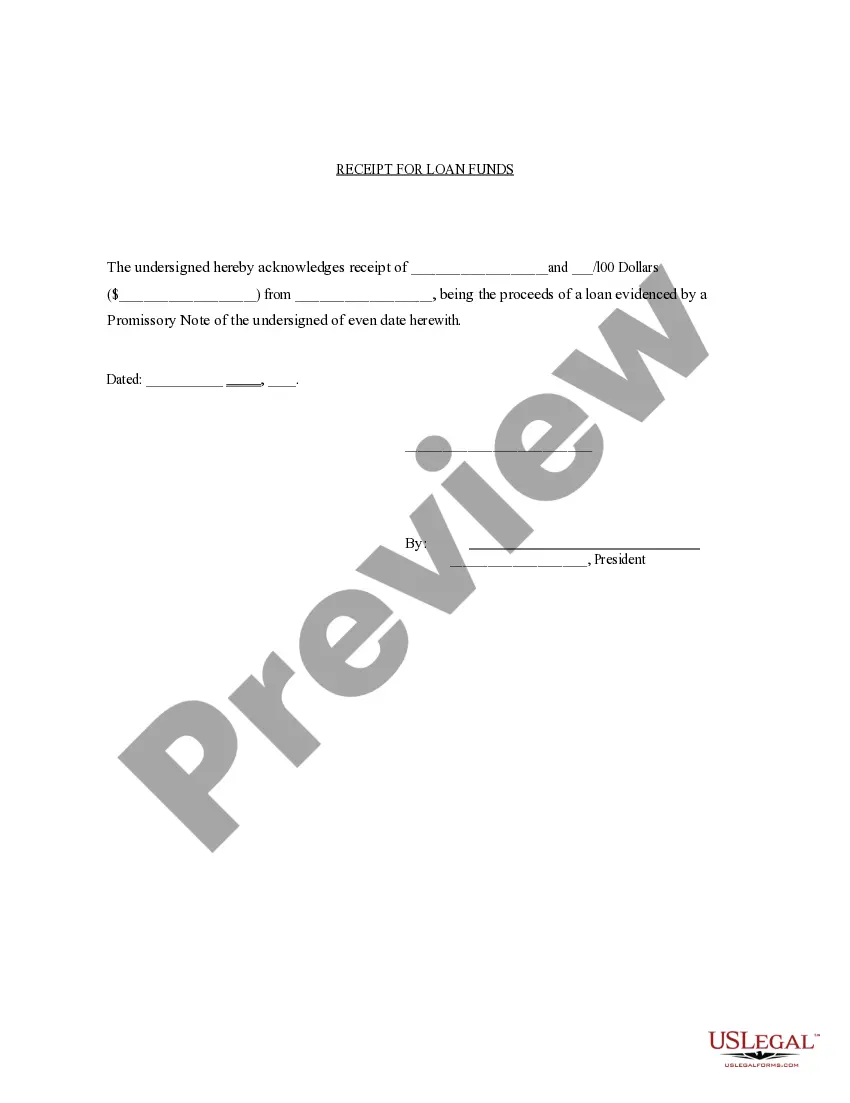
South Carolina Receipt for loan Funds
Description
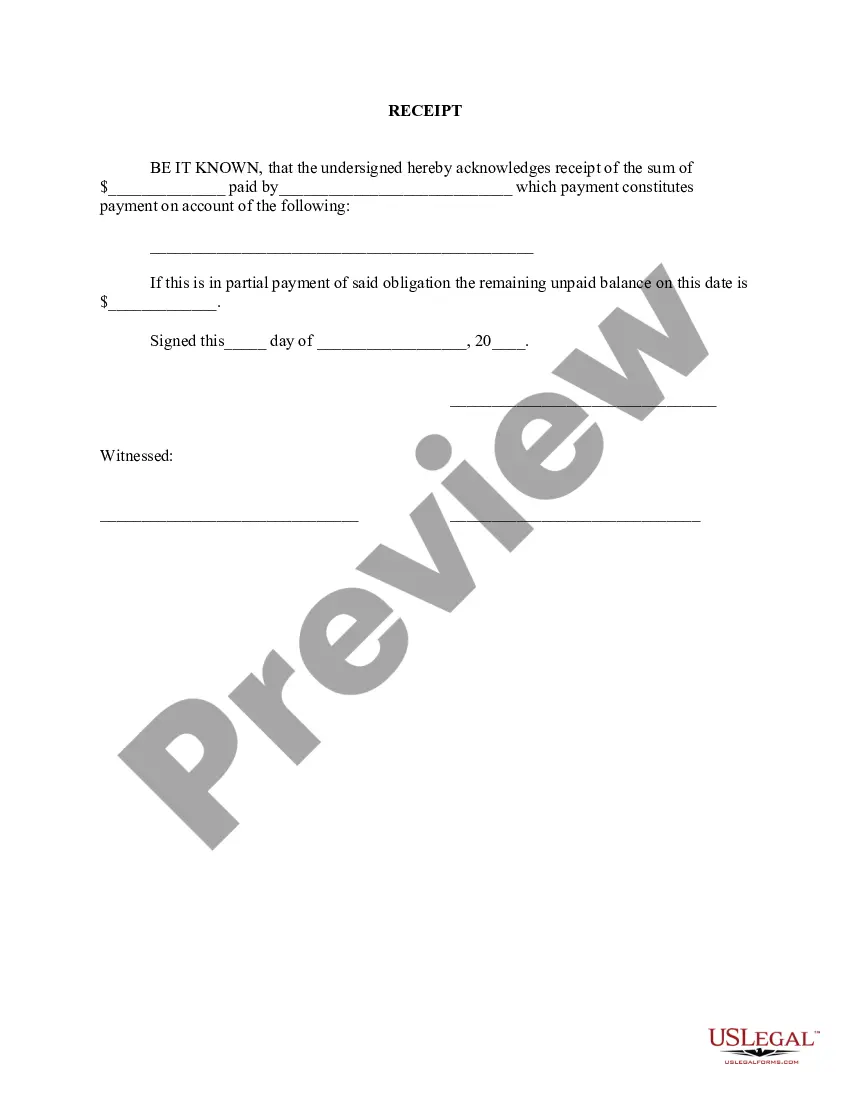
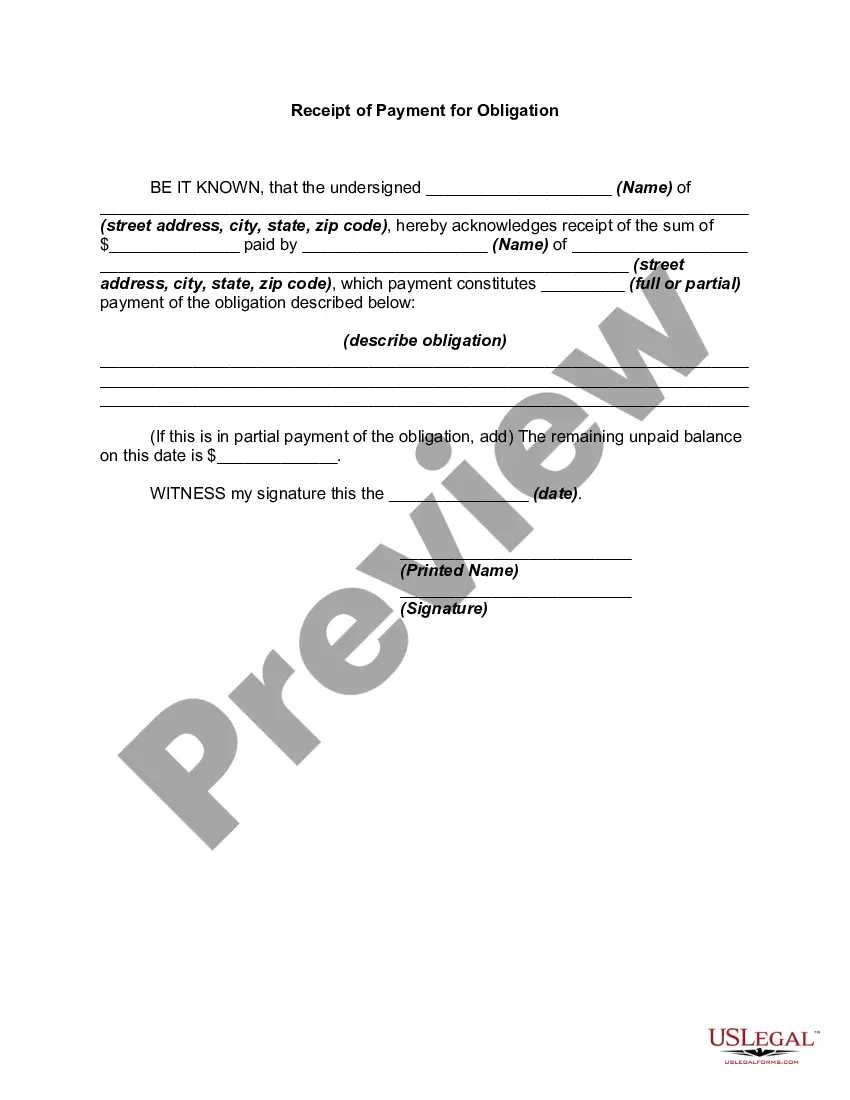
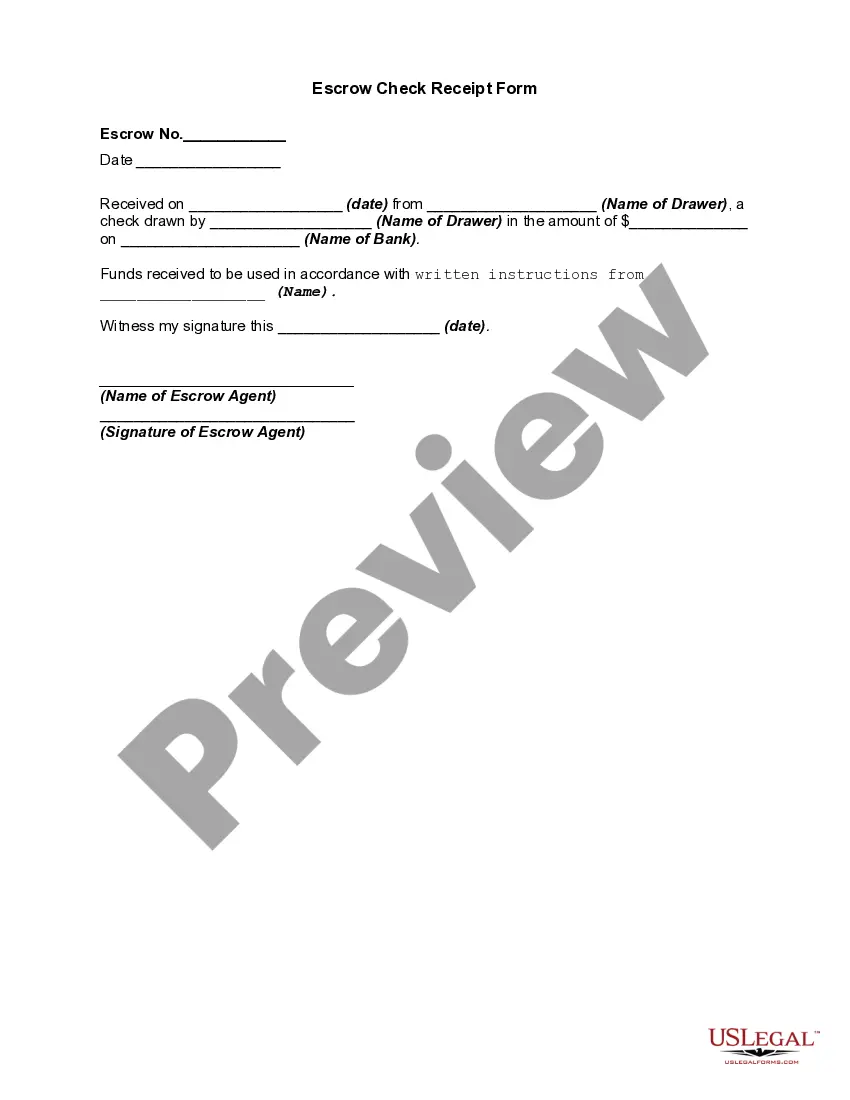


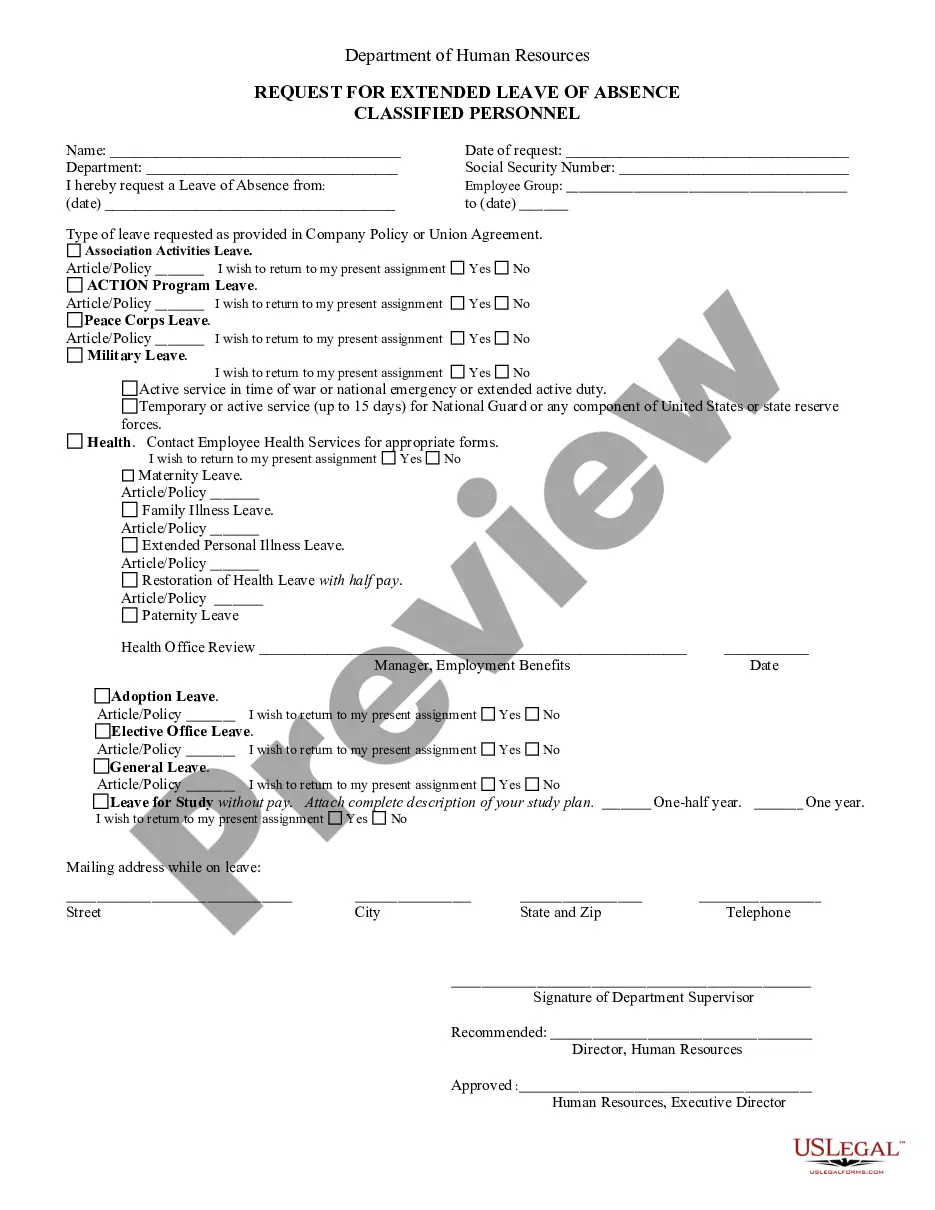
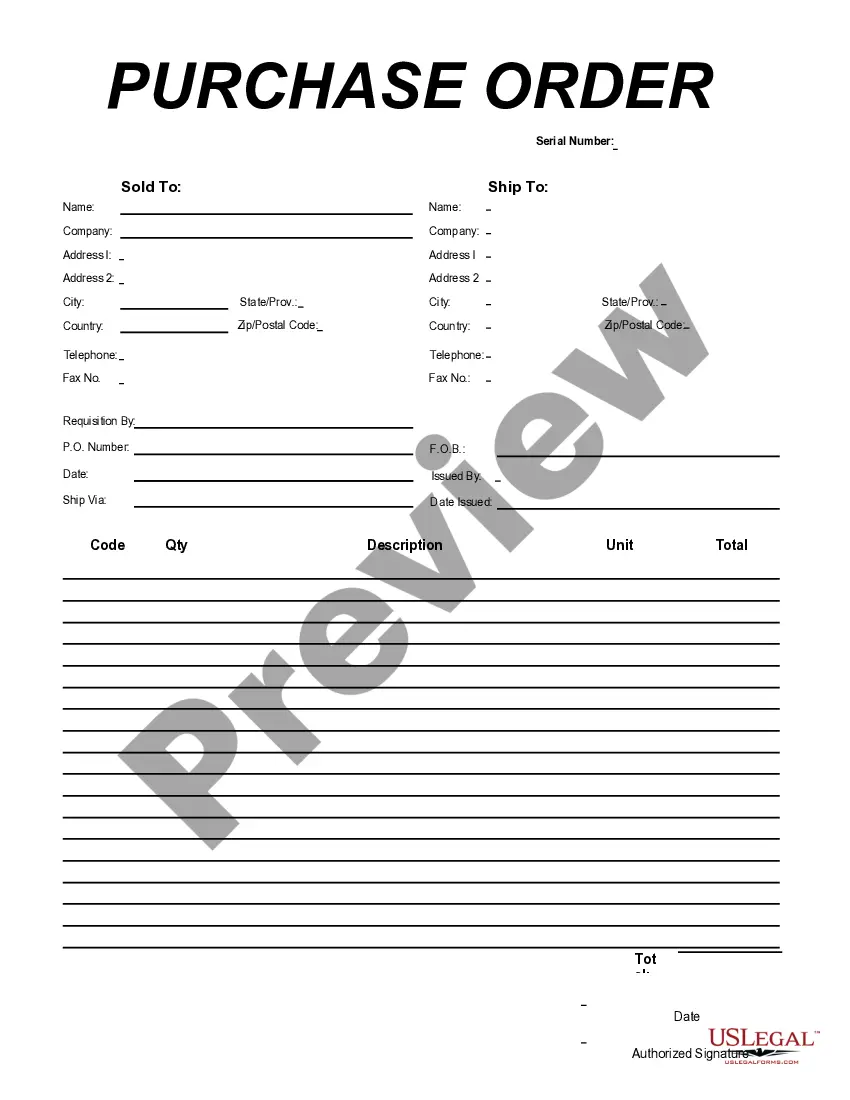
How to fill out Receipt For Loan Funds?
US Legal Forms - among the largest libraries of legal types in America - gives a wide array of legal record themes you are able to obtain or printing. While using site, you may get 1000s of types for enterprise and specific reasons, categorized by classes, states, or keywords and phrases.You can get the most recent models of types like the South Carolina Receipt for loan Funds within minutes.
If you have a membership, log in and obtain South Carolina Receipt for loan Funds from the US Legal Forms collection. The Acquire button will appear on every develop you perspective. You have access to all previously delivered electronically types in the My Forms tab of your accounts.
If you want to use US Legal Forms initially, here are simple directions to obtain started out:
- Make sure you have chosen the right develop for your area/region. Go through the Preview button to check the form`s articles. See the develop description to actually have chosen the appropriate develop.
- In case the develop does not fit your demands, use the Look for field at the top of the monitor to obtain the one who does.
- In case you are content with the shape, confirm your choice by visiting the Purchase now button. Then, opt for the prices program you favor and provide your accreditations to register for the accounts.
- Approach the deal. Make use of your credit card or PayPal accounts to finish the deal.
- Select the formatting and obtain the shape on the system.
- Make changes. Load, revise and printing and sign the delivered electronically South Carolina Receipt for loan Funds.
Each and every template you put into your bank account does not have an expiration particular date and it is the one you have permanently. So, in order to obtain or printing yet another backup, just go to the My Forms section and click on the develop you require.
Get access to the South Carolina Receipt for loan Funds with US Legal Forms, probably the most substantial collection of legal record themes. Use 1000s of expert and status-certain themes that satisfy your company or specific demands and demands.
Form popularity
FAQ
Each state has different laws when it comes to the statute of limitations on debt. In South Carolina mortgage debt has a statute of limitations of 20 years. This is quite long compared to consumer debt such as credit card debt, which has a statute of limitations of 3 years.
Can a Debt Collector Collect After 10 Years? In most cases, the statute of limitations for a debt will have passed after 10 years. This means a debt collector may still attempt to pursue it (and you technically do still owe it), but they can't typically take legal action against you.
SECTION 37-3-104. "Consumer loan" defined. (d) either the principal does not exceed twenty-five thousand dollars or the debt is secured by an interest in land.
Statutes of limitations exist for many different legal issues, including consumer and business debt. Under South Carolina law (S.C. Code § 15-3-530), the statute of limitations for most types of consumer and business debt is three (3) years.
In South Carolina, an original creditor ? or a debt buyer ? has three years from your last payment to sue. If they don't sue in that time, you have an absolute defense. A few warnings about the statute of limitations, though. First, it runs from the date you last paid on the debt.
SECTION 37-22-120. Licensing requirements. (2) circulate or use advertising, including electronic means, make a representation or give information to a person which indicates or reasonably implies activity within the scope of this chapter.
South Carolina law permits creditors to execute bank levies against debtors, but exempts certain types of accounts and monies from seizure. The procedure in South Carolina to obtain funds in an account is usually via a supplemental hearing in state Equity Courts to enforce a civil judgment against a debtor.
Although the debt won't be factored into your credit score after 7 years, there are still consequences. When you stop paying your debt, the creditor will start charging late fees and interest will continue to accumulate, increasing the balance you owe.