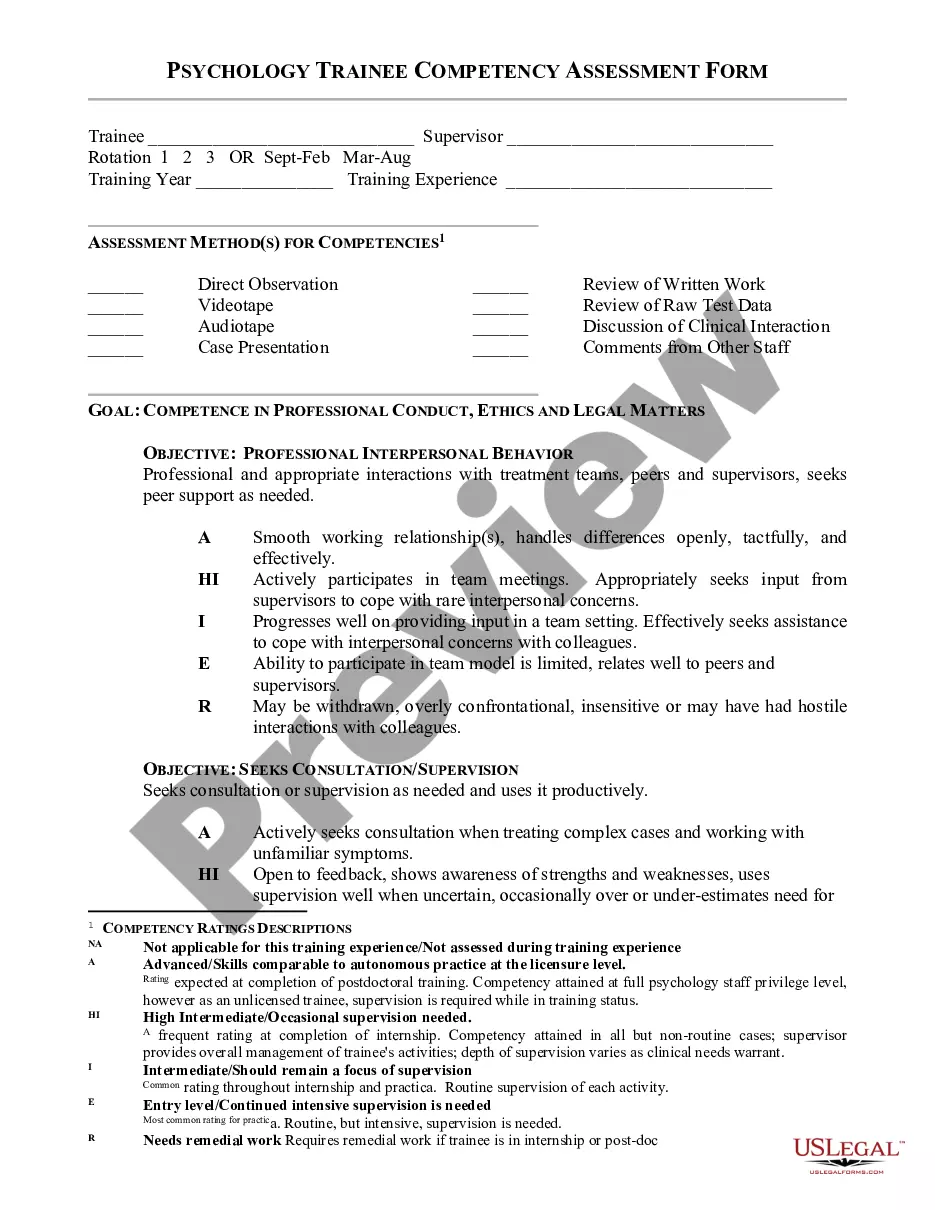
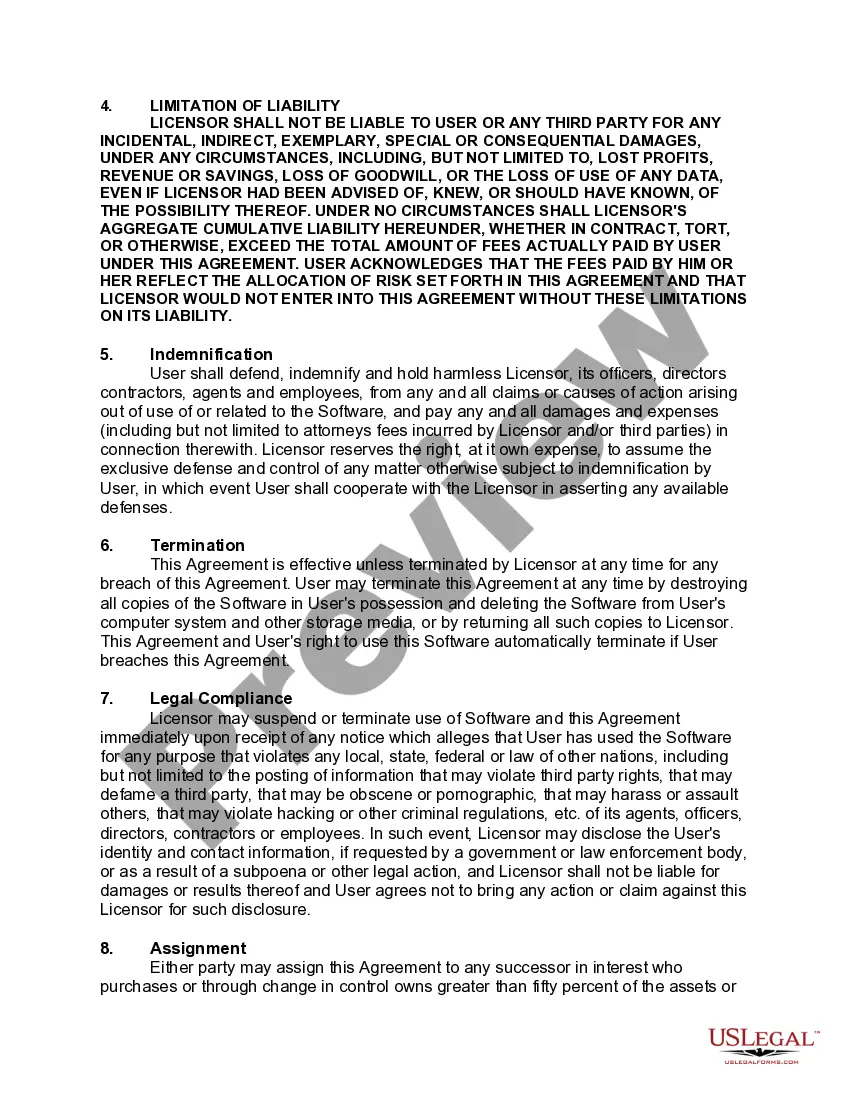
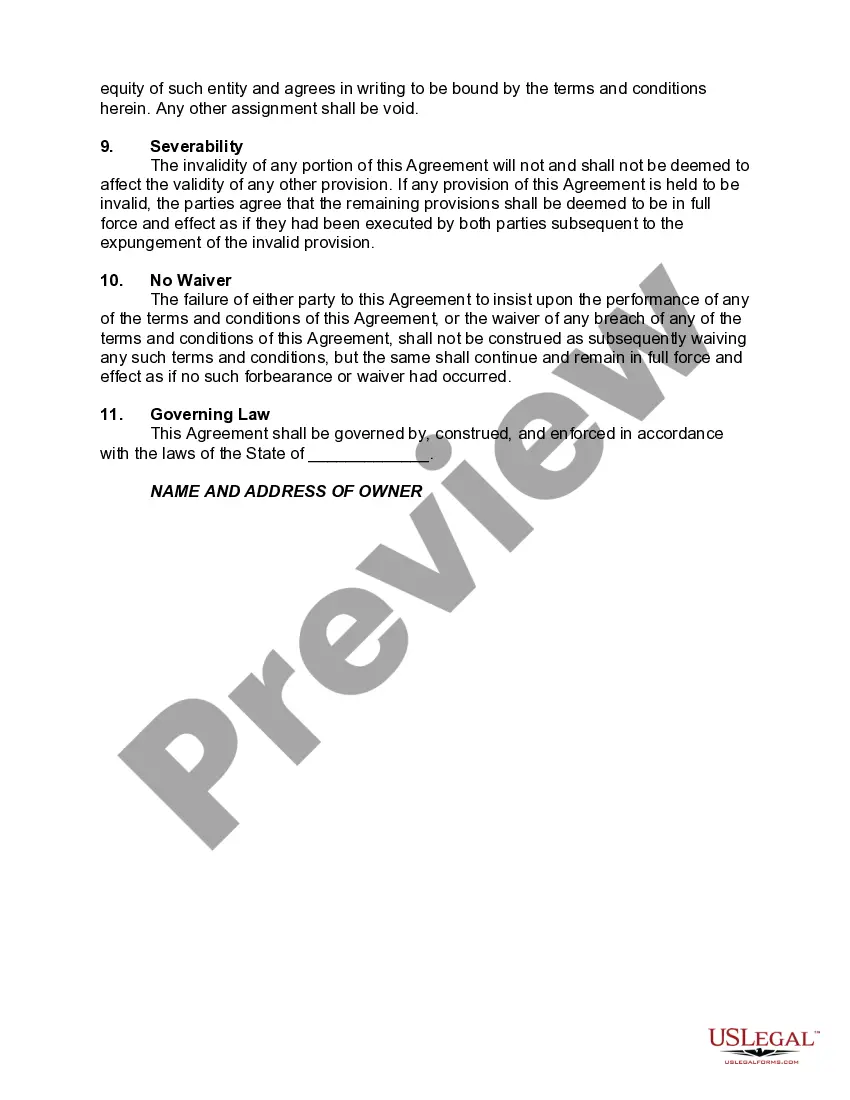
South Carolina Freeware License Agreement
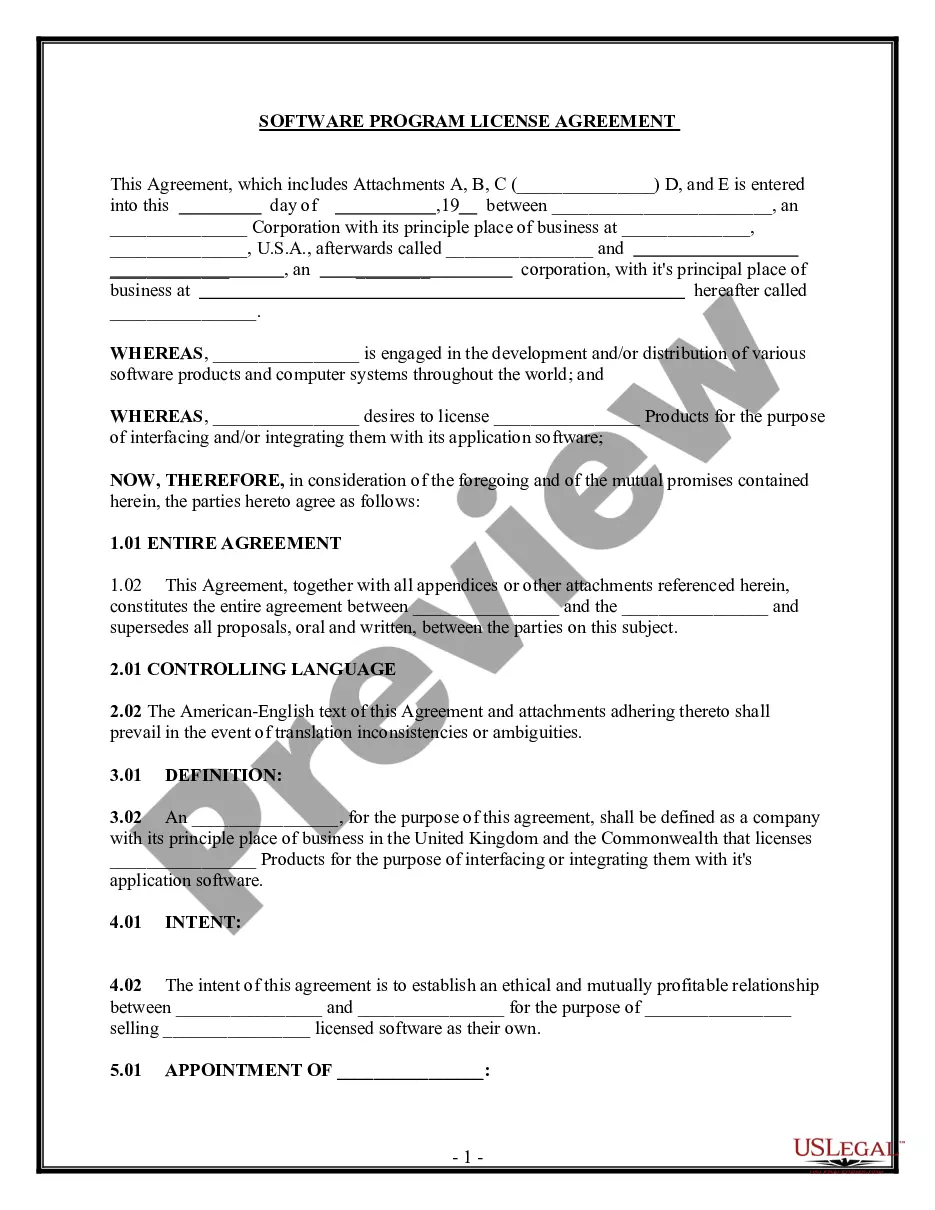
Description
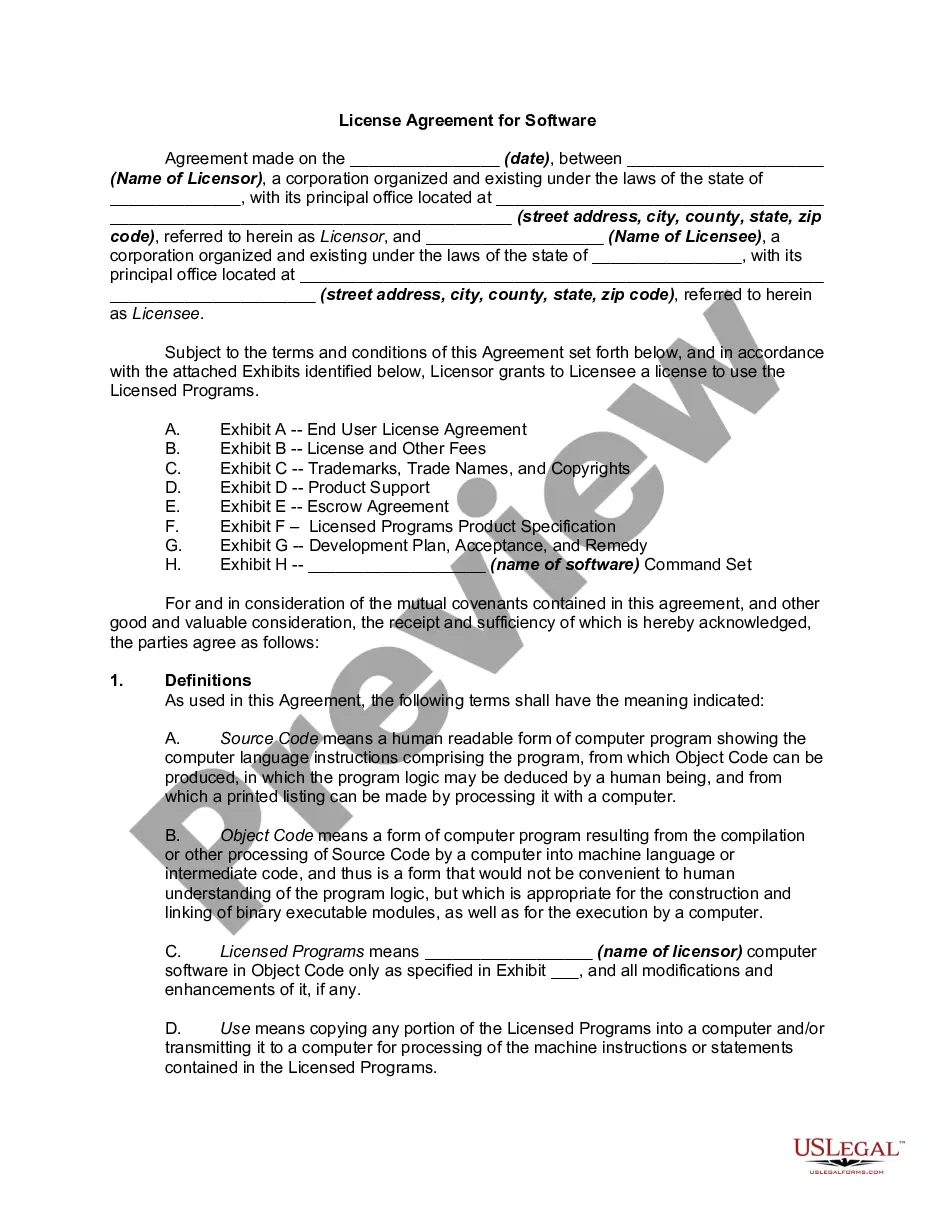
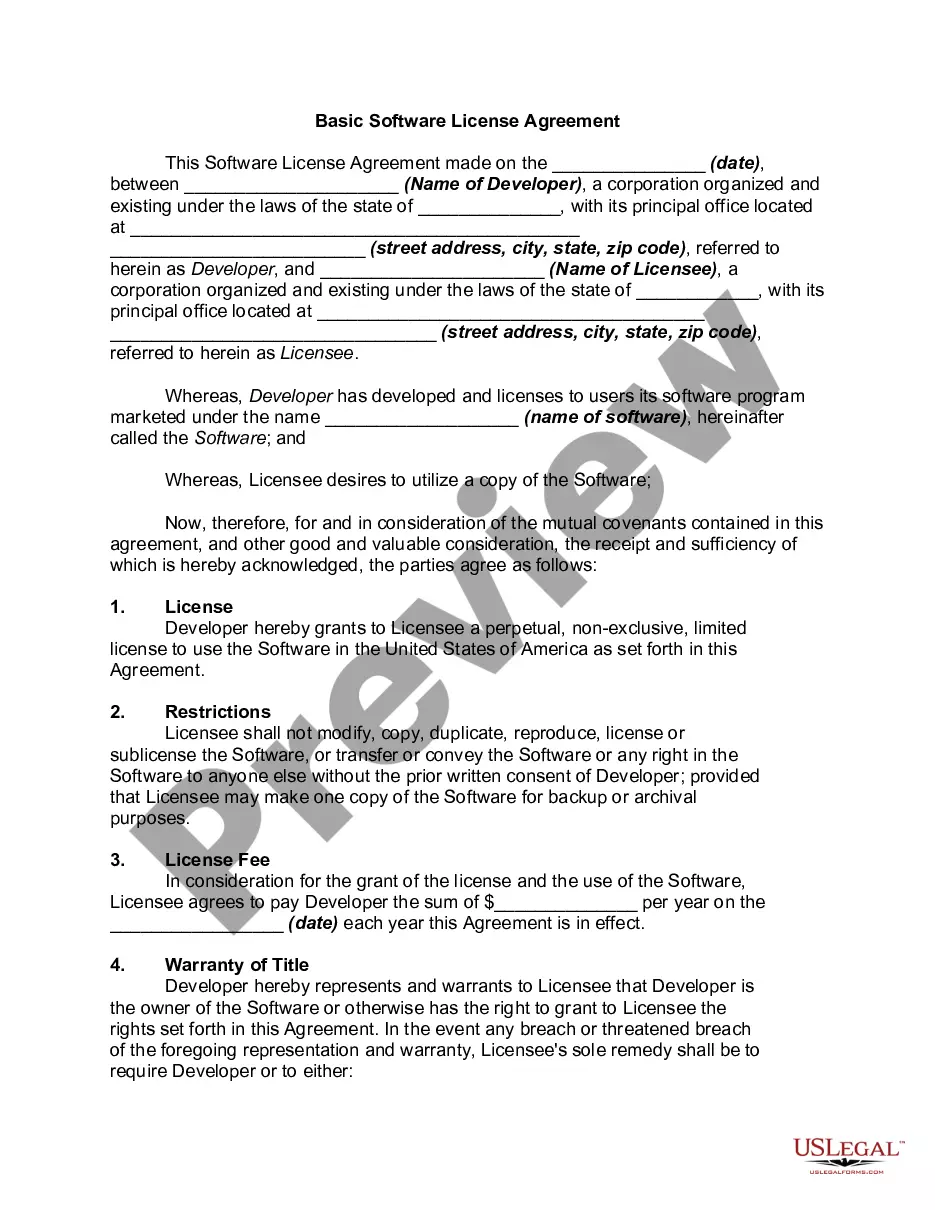
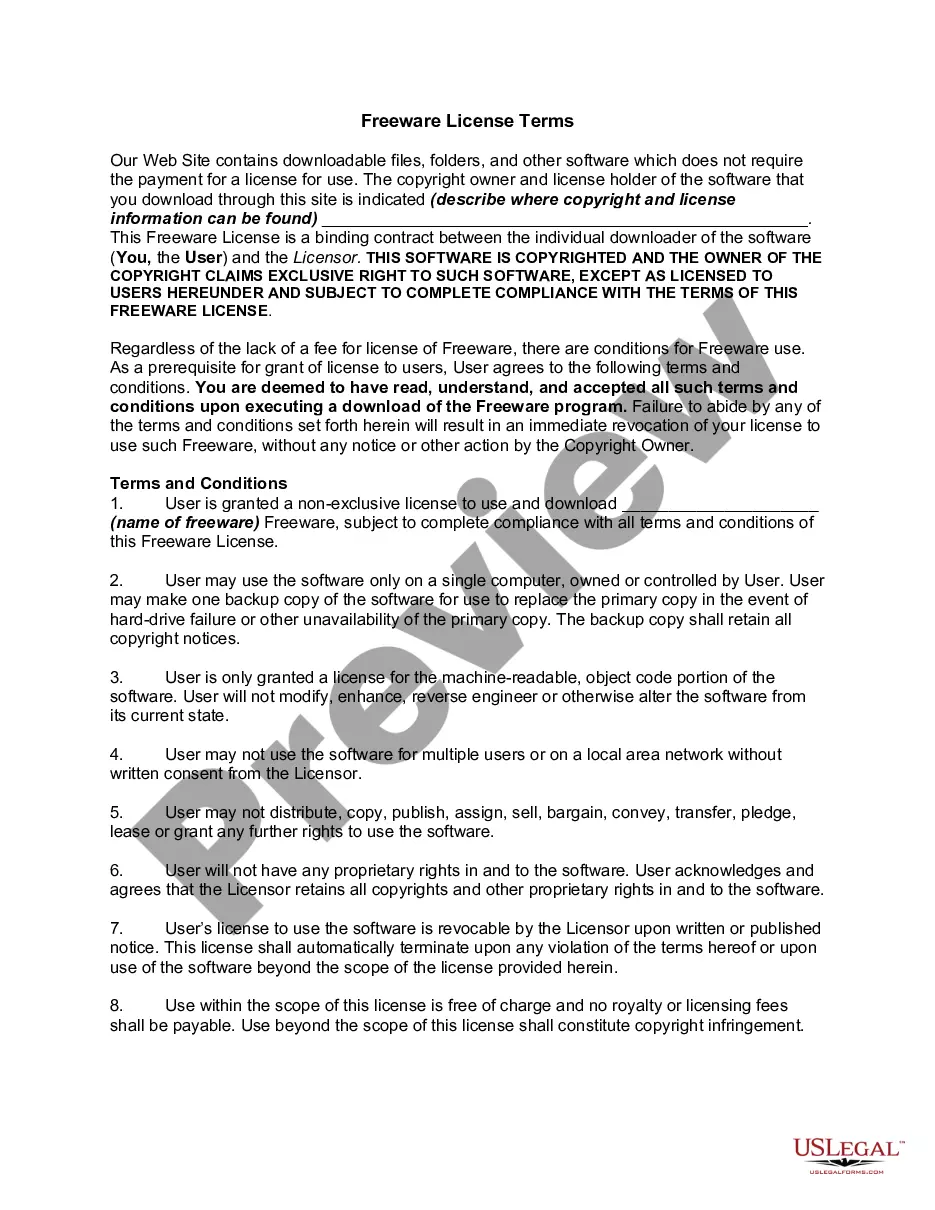
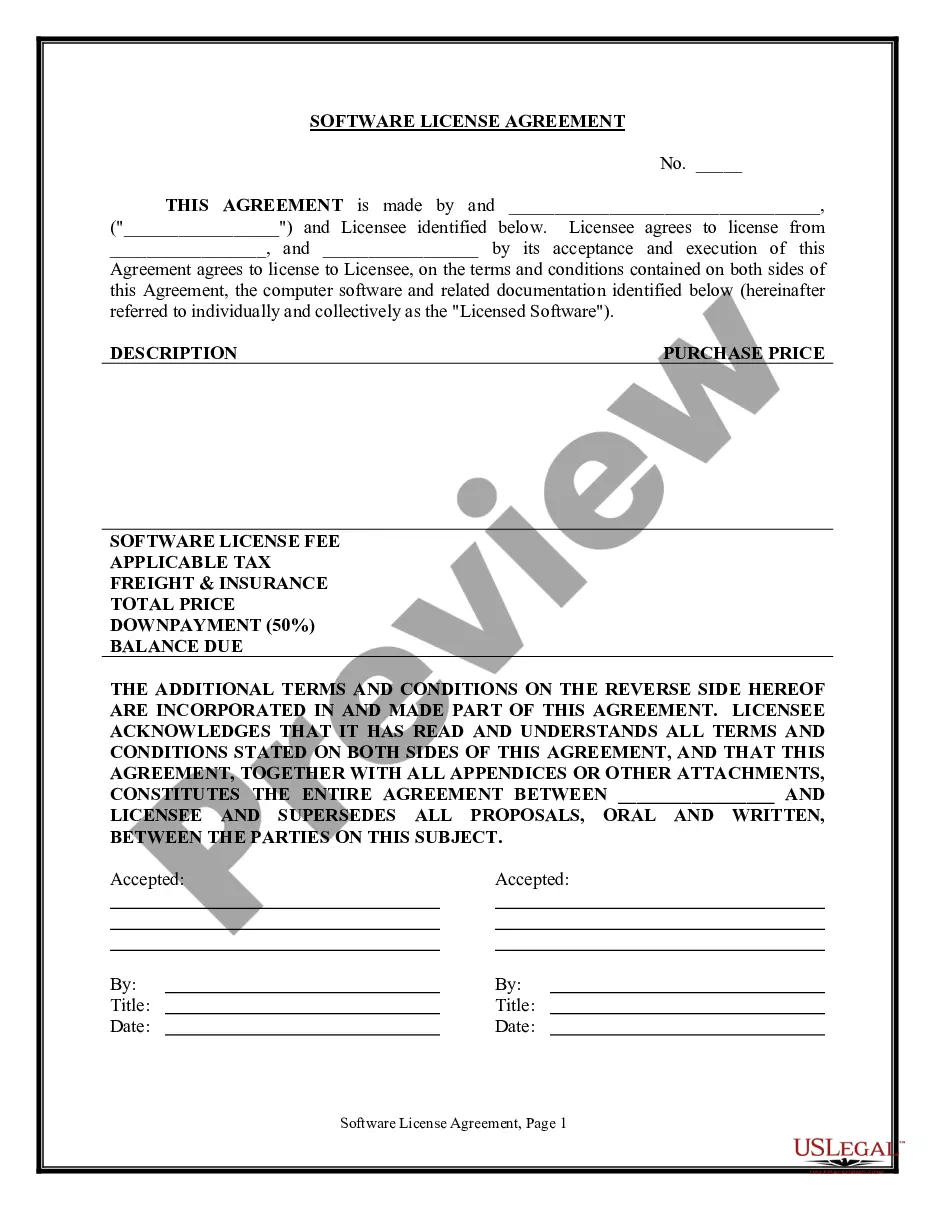
Get your form ready online
Our built-in tools help you complete, sign, share, and store your documents in one place.
Make edits, fill in missing information, and update formatting in US Legal Forms—just like you would in MS Word.
Download a copy, print it, send it by email, or mail it via USPS—whatever works best for your next step.
Sign and collect signatures with our SignNow integration. Send to multiple recipients, set reminders, and more. Go Premium to unlock E-Sign.
If this form requires notarization, complete it online through a secure video call—no need to meet a notary in person or wait for an appointment.
We protect your documents and personal data by following strict security and privacy standards.

Make edits, fill in missing information, and update formatting in US Legal Forms—just like you would in MS Word.

Download a copy, print it, send it by email, or mail it via USPS—whatever works best for your next step.

Sign and collect signatures with our SignNow integration. Send to multiple recipients, set reminders, and more. Go Premium to unlock E-Sign.

If this form requires notarization, complete it online through a secure video call—no need to meet a notary in person or wait for an appointment.

We protect your documents and personal data by following strict security and privacy standards.
Looking for another form?
How to fill out Freeware License Agreement?
Have you found yourself in a situation where you often require documents for either business or personal matters almost every day? There are numerous authentic document templates accessible online, but locating trustworthy ones is challenging.
US Legal Forms offers thousands of form templates, including the South Carolina Freeware License Agreement, designed to comply with both state and federal regulations.
If you are already familiar with the US Legal Forms website and possess an account, simply Log In. Afterward, you can download the South Carolina Freeware License Agreement template.
- Select the form you require and ensure it is appropriate for your state/area.
- Utilize the Preview feature to view the form.
- Check the summary to confirm you have chosen the correct document.
- If the form isn’t what you need, utilize the Search feature to find the document that suits your needs and preferences.
- Once you locate the correct form, click Acquire now.
- Choose the pricing plan you prefer, complete the necessary information to create your account, and pay for your order using your PayPal or credit card.
- Select a convenient file format and download your copy.
Form popularity
FAQ
To obtain a licensing agreement, you first need to identify the intellectual property you wish to license and the appropriate licensing terms you desire. Next, draft the licensing agreement, ensuring that all critical details are included. It’s advisable to consult a legal professional to finalize the agreement. For those looking for a reliable platform, uslegalforms offers customizable templates, including the South Carolina Freeware License Agreement, to make this process easier for you.
To get a pest control license in South Carolina, you must complete a training program and pass an exam administered by the South Carolina Department of Pesticide Regulation. Once you pass the exam, you can submit your application along with the necessary fees and documentation. Having a valid pest control license is essential for ensuring that you comply with state regulations. For your legal documents, consider using a South Carolina Freeware License Agreement template from uslegalforms to streamline your business processes.
The two primary types of licensing agreements are exclusive and non-exclusive agreements. An exclusive agreement allows only the licensee to use the intellectual property, while a non-exclusive agreement permits multiple licensees to use the same rights. Understanding these types is crucial for anyone seeking a South Carolina Freeware License Agreement, as they dictate the terms and scope of usage. Choosing the right type can significantly impact your business strategy and legal compliance.
To draft an EULA, start by researching common clauses and stipulations used in similar agreements. Focus on aspects such as intellectual property rights, usage limitations, and liability disclaimers. A South Carolina Freeware License Agreement template can guide you in creating an effective document. Remember to review the final draft with a legal professional to confirm that it meets legal standards.
Accepting a EULA can be safe, but always read the terms carefully. A South Carolina Freeware License Agreement should provide clear information about your rights and obligations as a user. If the terms seem overly restrictive or unclear, it’s wise to seek clarification or reconsider acceptance. Your understanding of the agreement protects you from potential disputes later.
Yes, you can write your own EULA. However, it’s essential to understand the legal implications involved. A South Carolina Freeware License Agreement should clearly outline your rights and the responsibilities of users. If you're unsure, consider using a platform like uslegalforms to create a comprehensive and legally sound agreement.
To write an End User License Agreement, start by clearly defining your terms and conditions. Include details about usage rights, restrictions, and liabilities, ensuring users understand their obligations. Using a template can simplify the process, and a South Carolina Freeware License Agreement can serve as a solid foundation. Always consult with a legal expert to ensure compliance with applicable laws.
The structure of an End User License Agreement (EULA) typically includes several key sections. It starts with definitions, followed by rights granted to the user, restrictions, and liability clauses. A well-drafted South Carolina Freeware License Agreement will also outline termination conditions and dispute resolution processes. This structure helps protect your software and clarify the terms for users.
A licensing agreement example is a legal contract between a licensor and a licensee. For instance, in the context of software, a South Carolina Freeware License Agreement allows the licensee to use the software while the licensor retains ownership. This arrangement ensures both parties understand their rights and responsibilities. Such agreements can vary greatly, tailored to each software's specific needs.
A license agreement specifically allows for the use of intellectual property under set conditions, while a service agreement details the terms under which services are provided. This distinction is essential for clarity, especially in contractual agreements like a South Carolina Freeware License Agreement, where rights and responsibilities need to be clearly defined.