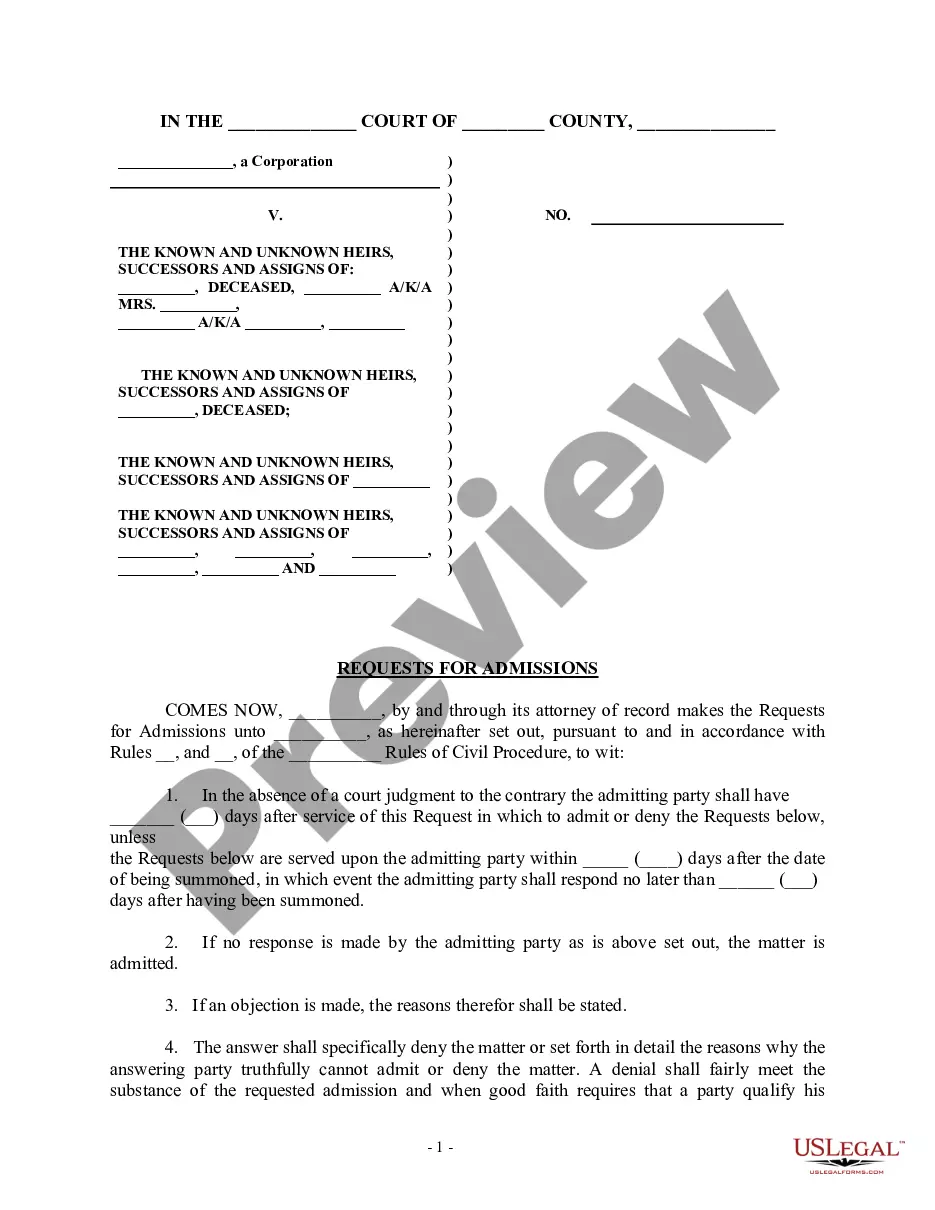
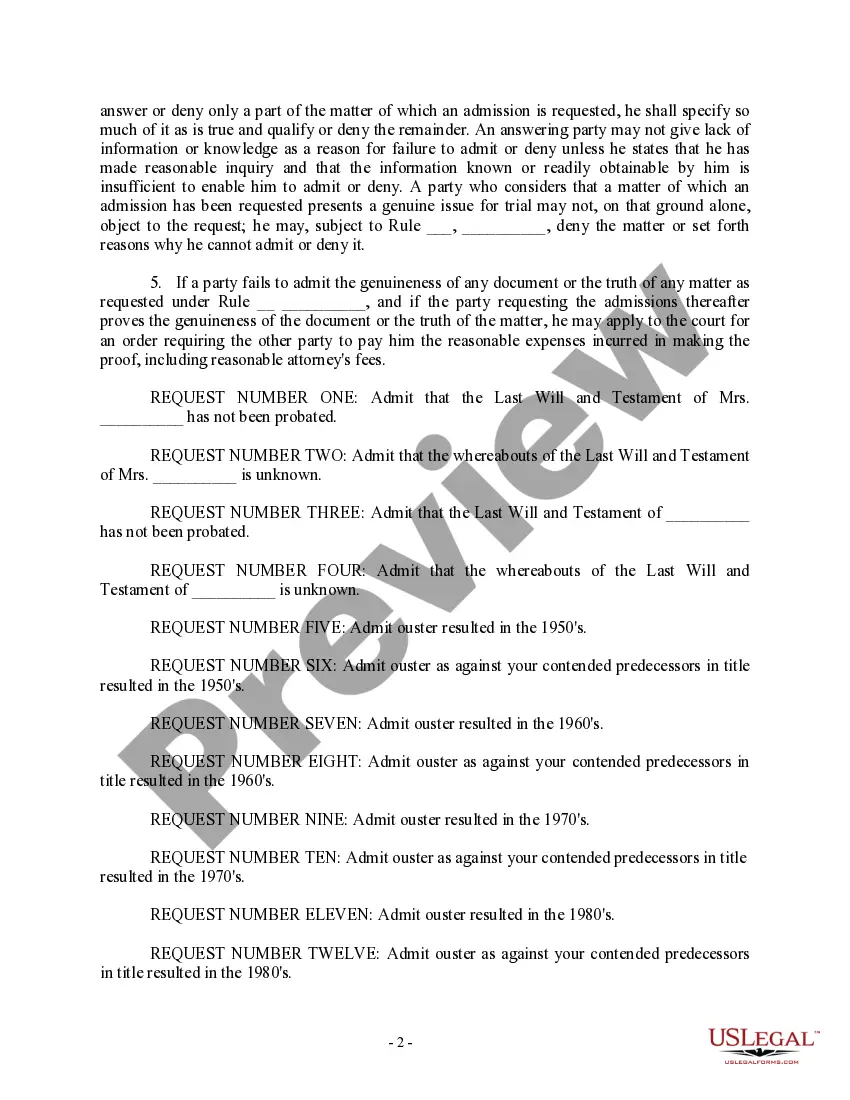
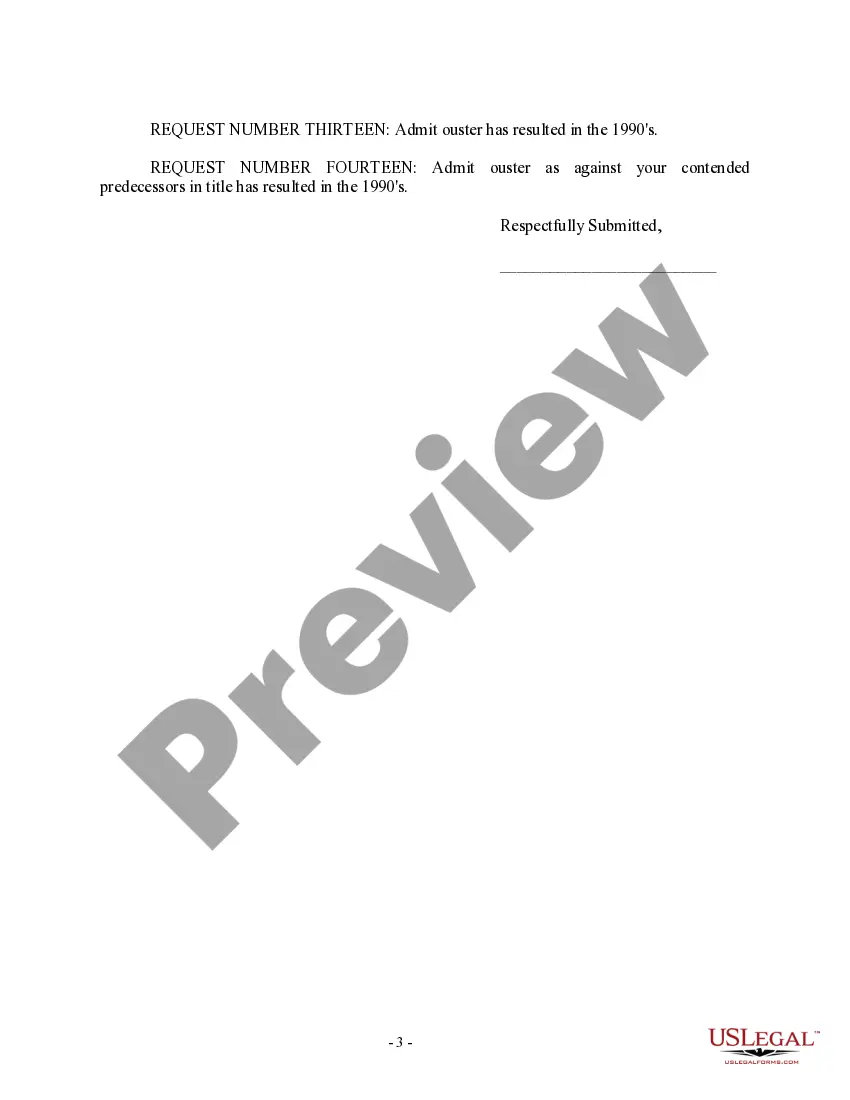
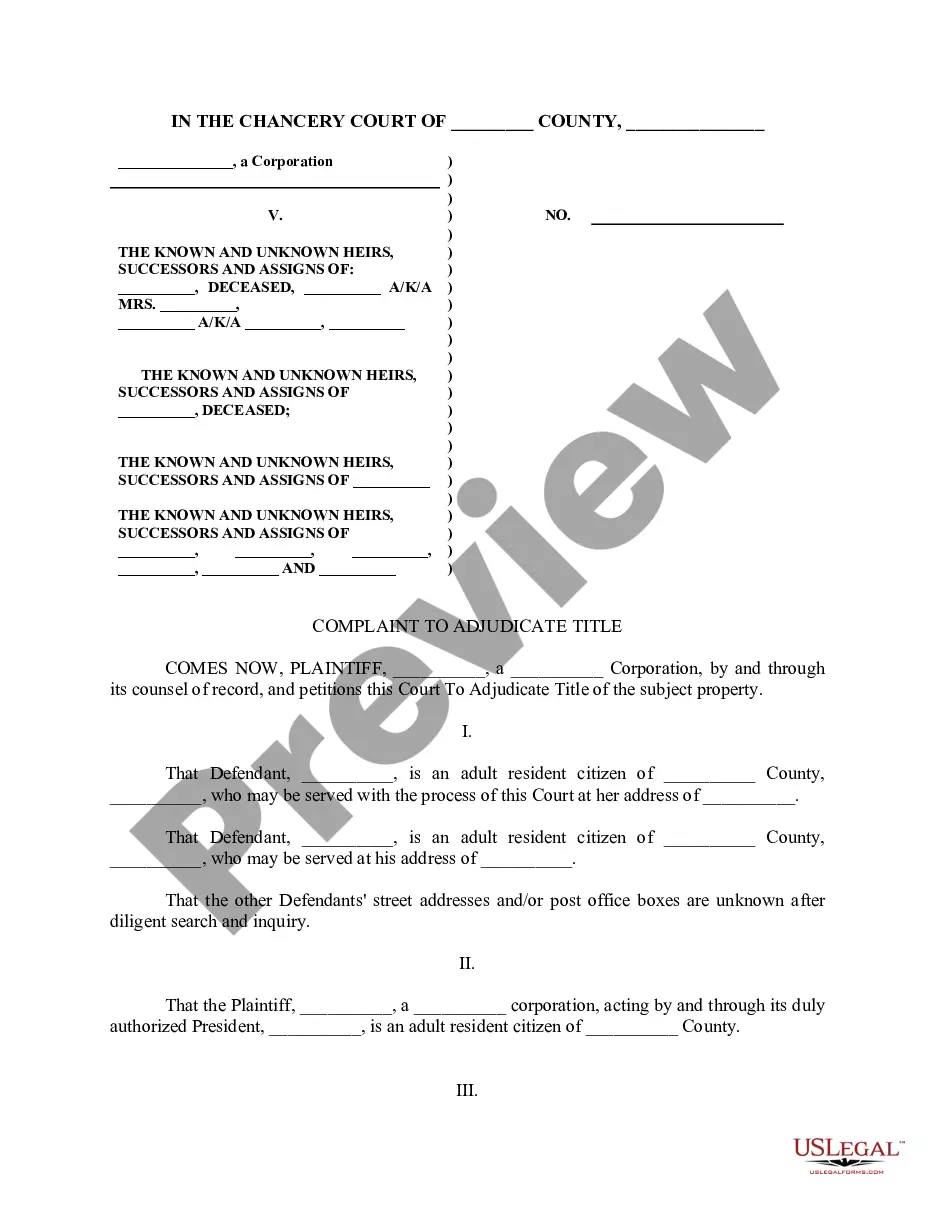
South Carolina Requests for Admissions
Description
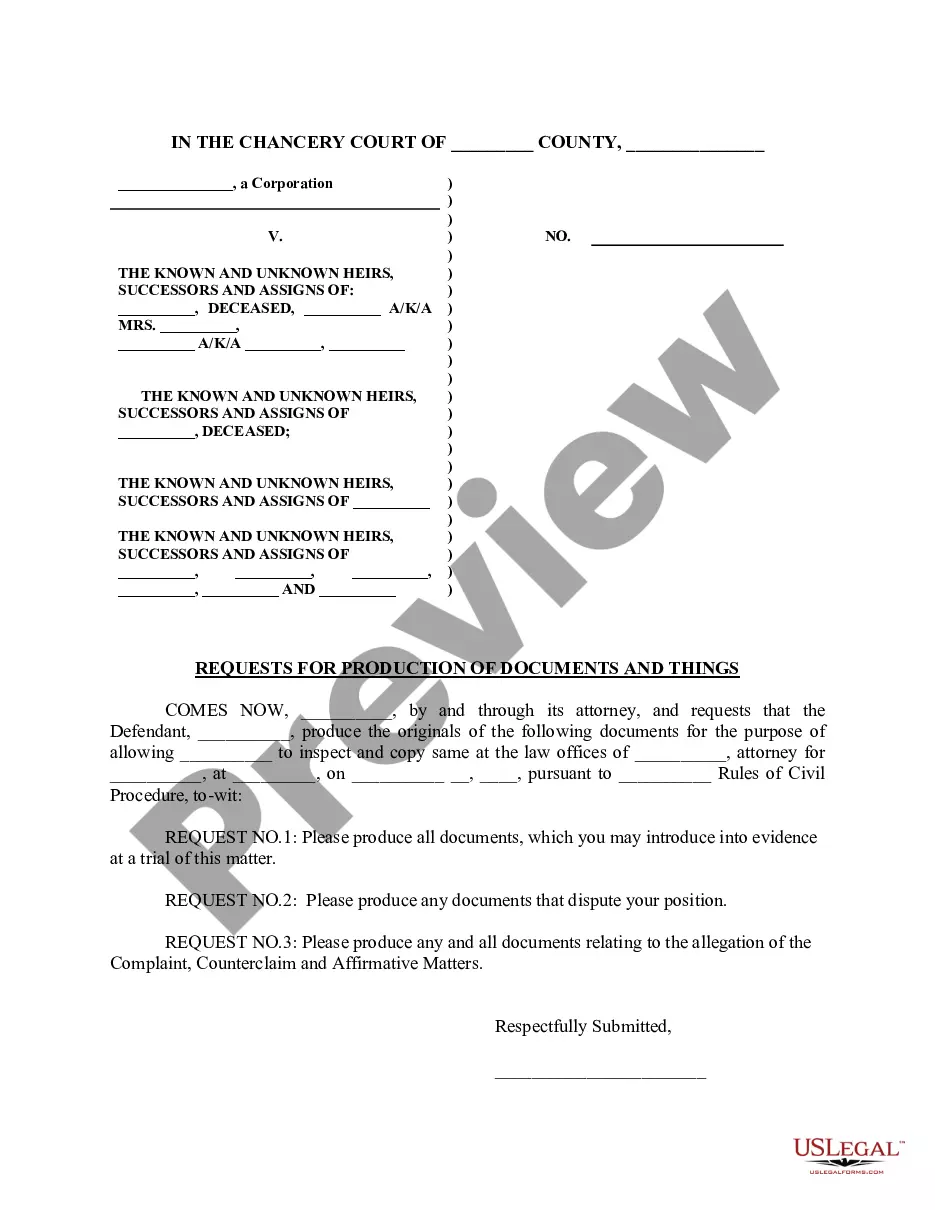
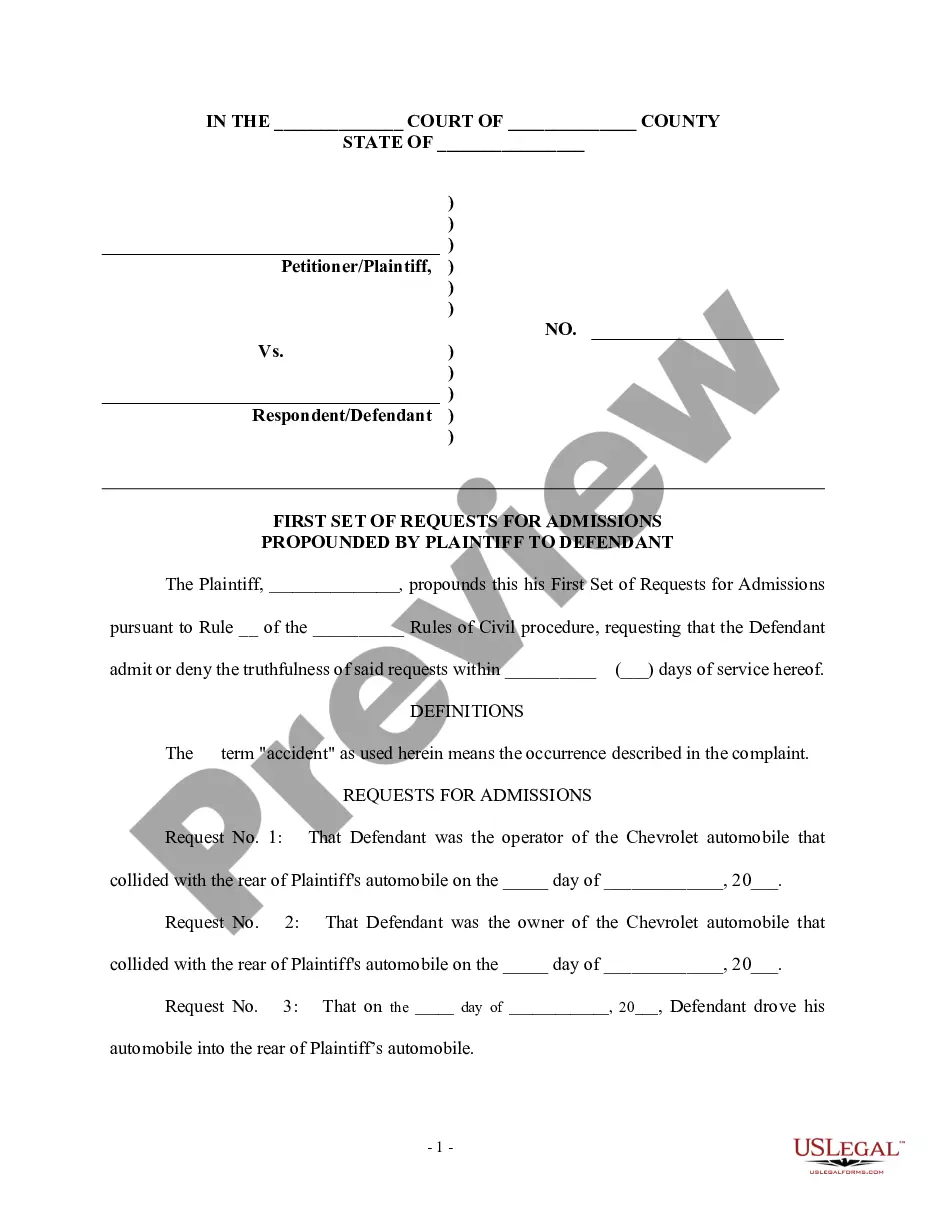
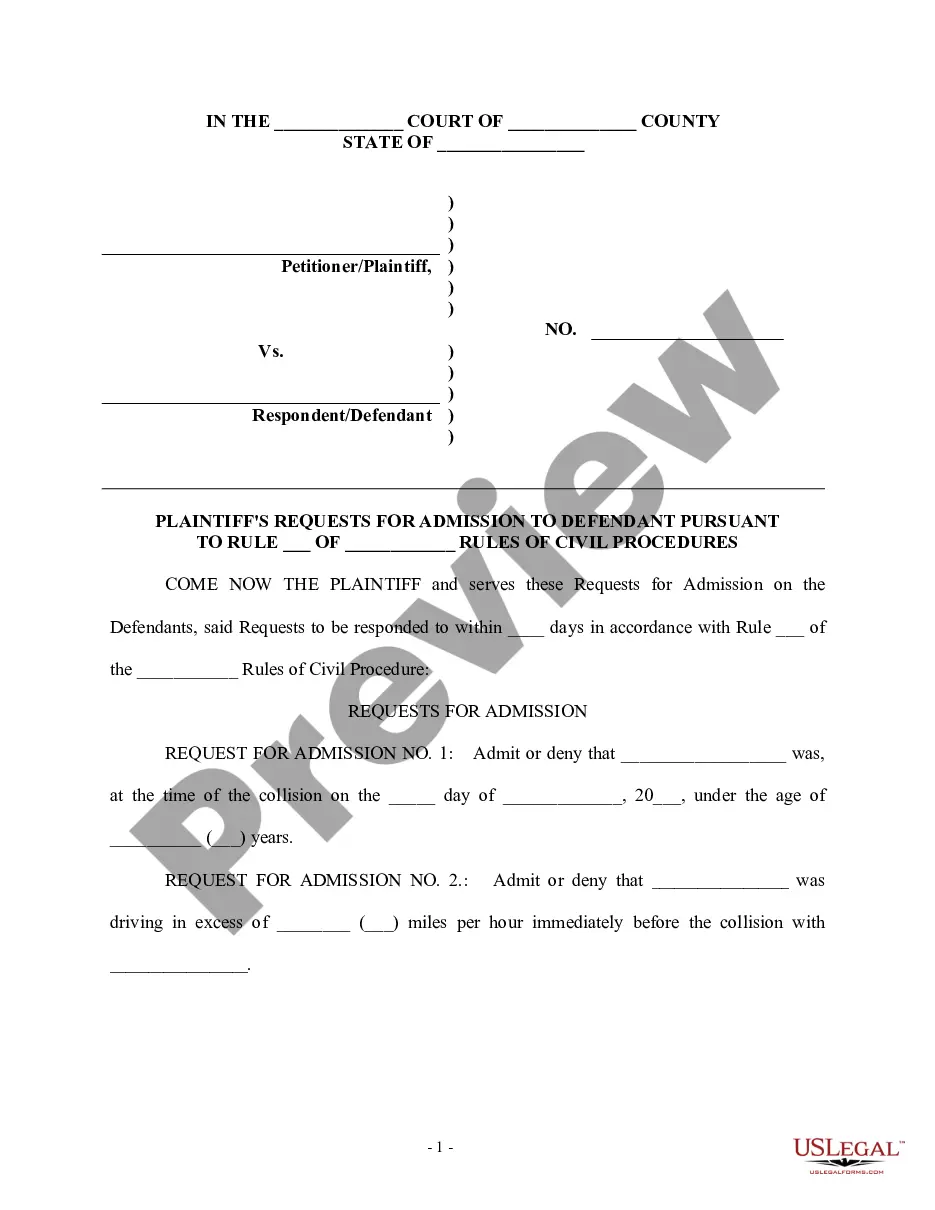
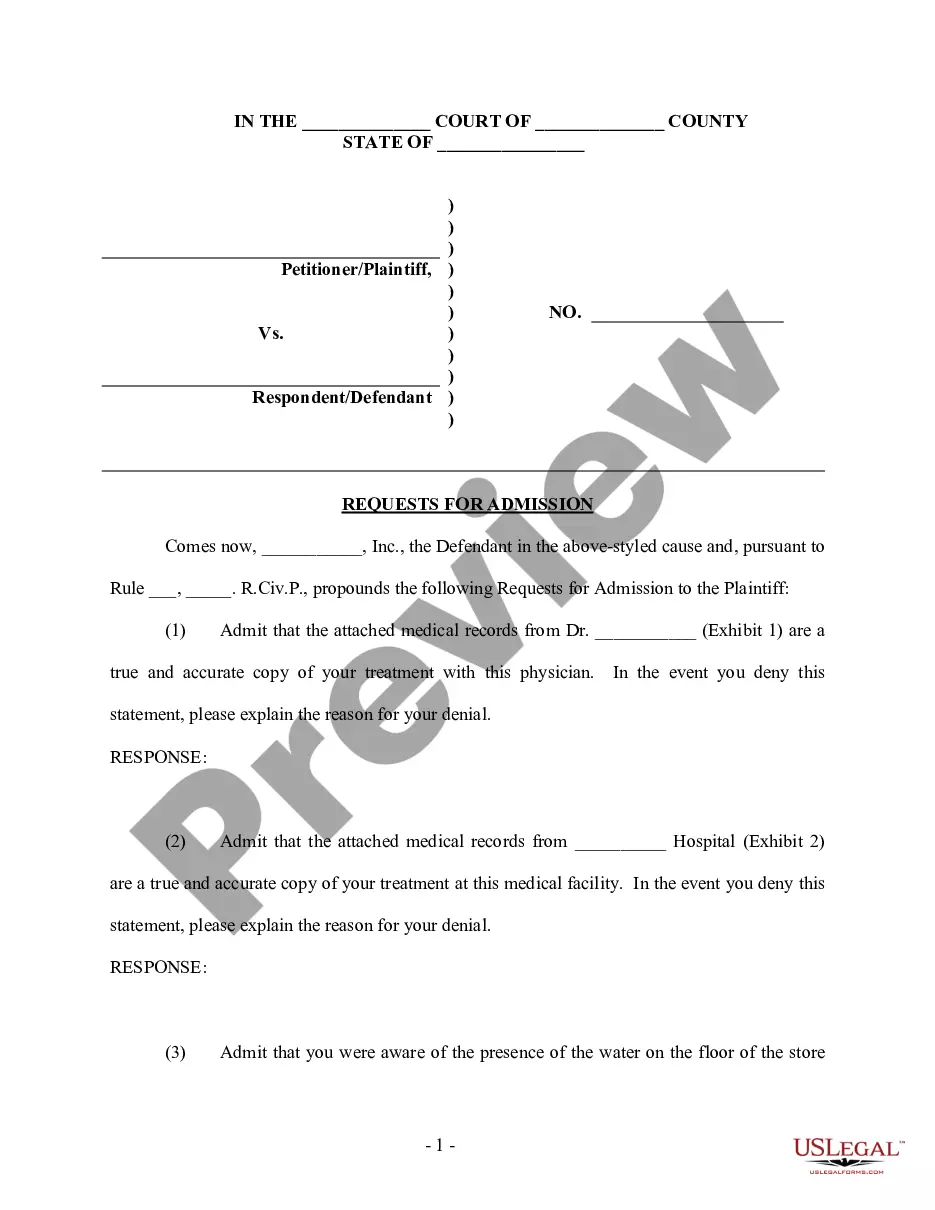
Get your form ready online
Our built-in tools help you complete, sign, share, and store your documents in one place.
Make edits, fill in missing information, and update formatting in US Legal Forms—just like you would in MS Word.
Download a copy, print it, send it by email, or mail it via USPS—whatever works best for your next step.
Sign and collect signatures with our SignNow integration. Send to multiple recipients, set reminders, and more. Go Premium to unlock E-Sign.
If this form requires notarization, complete it online through a secure video call—no need to meet a notary in person or wait for an appointment.
We protect your documents and personal data by following strict security and privacy standards.

Make edits, fill in missing information, and update formatting in US Legal Forms—just like you would in MS Word.

Download a copy, print it, send it by email, or mail it via USPS—whatever works best for your next step.

Sign and collect signatures with our SignNow integration. Send to multiple recipients, set reminders, and more. Go Premium to unlock E-Sign.

If this form requires notarization, complete it online through a secure video call—no need to meet a notary in person or wait for an appointment.

We protect your documents and personal data by following strict security and privacy standards.
Looking for another form?
How to fill out Requests For Admissions?
Are you currently in a situation where you need documents for either professional or personal use almost every day? There are numerous legal document templates accessible online, but finding reliable ones is not easy. US Legal Forms provides a vast array of template forms, including the South Carolina Requests for Admissions, designed to comply with state and federal regulations.
If you are already familiar with the US Legal Forms website and have an account, simply Log In. After that, you can download the South Carolina Requests for Admissions template.
If you do not have an account and wish to start using US Legal Forms, follow these steps: Find the form you need and ensure it is for the correct area/county. Use the Preview button to review the form. Read the description to ensure you have selected the right form. If the form isn’t what you are looking for, use the Search section to find the form that fits your needs and requirements. Once you find the correct form, click on Buy now. Choose the pricing plan you want, fill in the required information to create your account, and pay for the transaction using your PayPal or credit card. Select a convenient file format and download your copy. Access all the document templates you have purchased in the My documents section. You can obtain an additional copy of South Carolina Requests for Admissions at any time, if needed. Just click the necessary form to download or print the document template.
- Utilize US Legal Forms, which offers one of the most extensive collections of legal forms, to save time and avoid mistakes.
- The service provides properly crafted legal document templates that can be used for various purposes.
- Create an account on US Legal Forms and start simplifying your life.
Form popularity
FAQ
A. Any party may serve upon any other party written interrogatories. However, the total number of general interrogatories to any one party may not exceed fifty (50) questions including subparts, except by permission of the adjudicator for good cause shown.
Discovery Rule specifics in South Carolina The South Carolina Supreme Court phrased it this way: ?The statute [of limitations] runs from the date the injured party either knows or should have known by the exercise of reasonable diligence that a cause of action arises from the wrongful conduct.?
Discovery Rule specifics in South Carolina As noted, the discovery rule provides that any statute of limitations does not begin to run until the victim learns of his or her injury/injuries OR until he or she reasonably should have learned of the injury.
Objections that state that the discovery request is "vague, overly broad, or unduly burdensome" are, standing alone, meaningless and will be found meritless by the court. A party objecting must explain the specific and particular way in which a given request is vague, overly broad, or unduly 1 Page 2 burdensome.
Specifically, Rule 5 of the South Carolina Rules of Criminal Procedure provides that, upon request by you, the prosecution has to provide you with or let you inspect any statements you've made, your prior criminal history, any books, papers, documents, photographs, tangible objects, buildings or places, which are under ...
What is the discovery rule? The discovery rule prevents the statute of limitations from running until the plaintiff discovers, or has reason to discover, the cause of action. The discovery rule applies when the plaintiff did not discover ? and a reasonable person would not have discovered ? that they had suffered harm.
Unless all parties agree, or the court grants leave for good cause shown, no party shall serve upon any other party, at any one time or cumulatively, more than 30 requests for admission, including all parts and subparts, that do not relate to the genuineness of documents.
Rule 402 prescribes that an applicant should be at least twenty-one (21) years of age in order to be admitted to practice of law in South Carolina. An applicant should have a J.D. or LL. B degree from an American Bar Association approved law school. All applicants are required to pass the Bar exam.