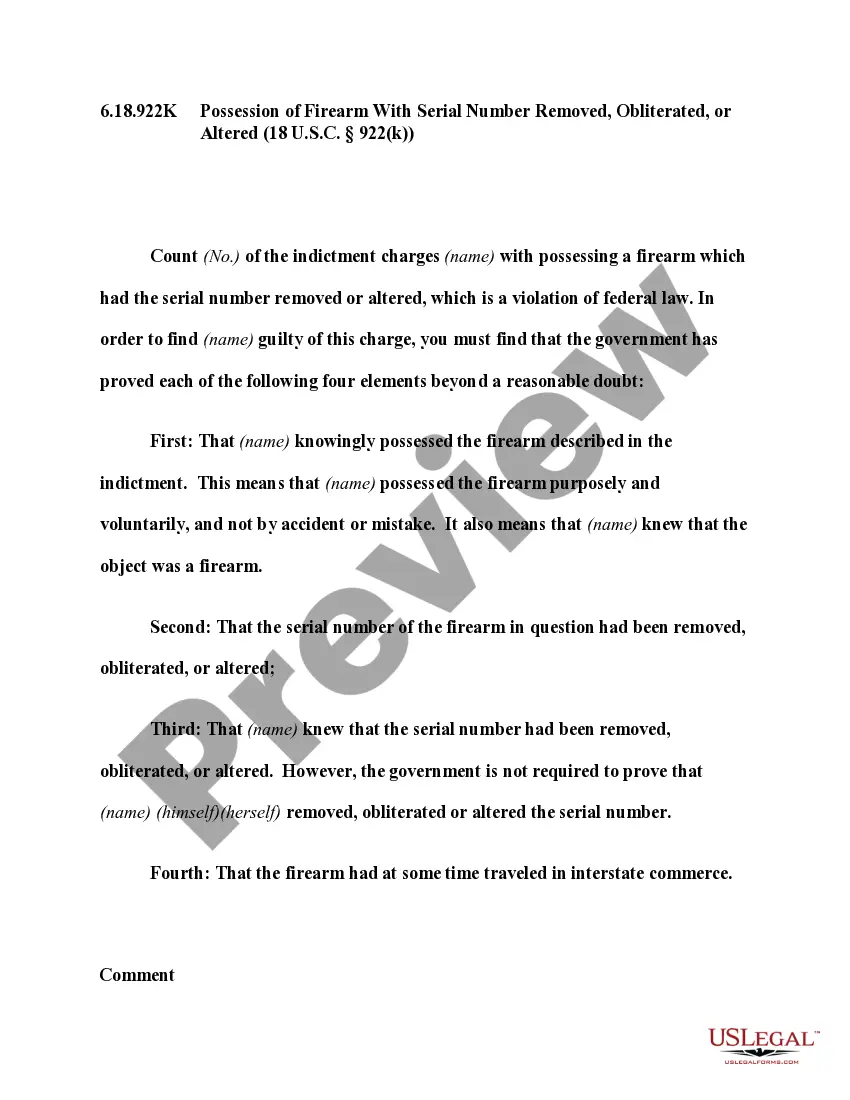
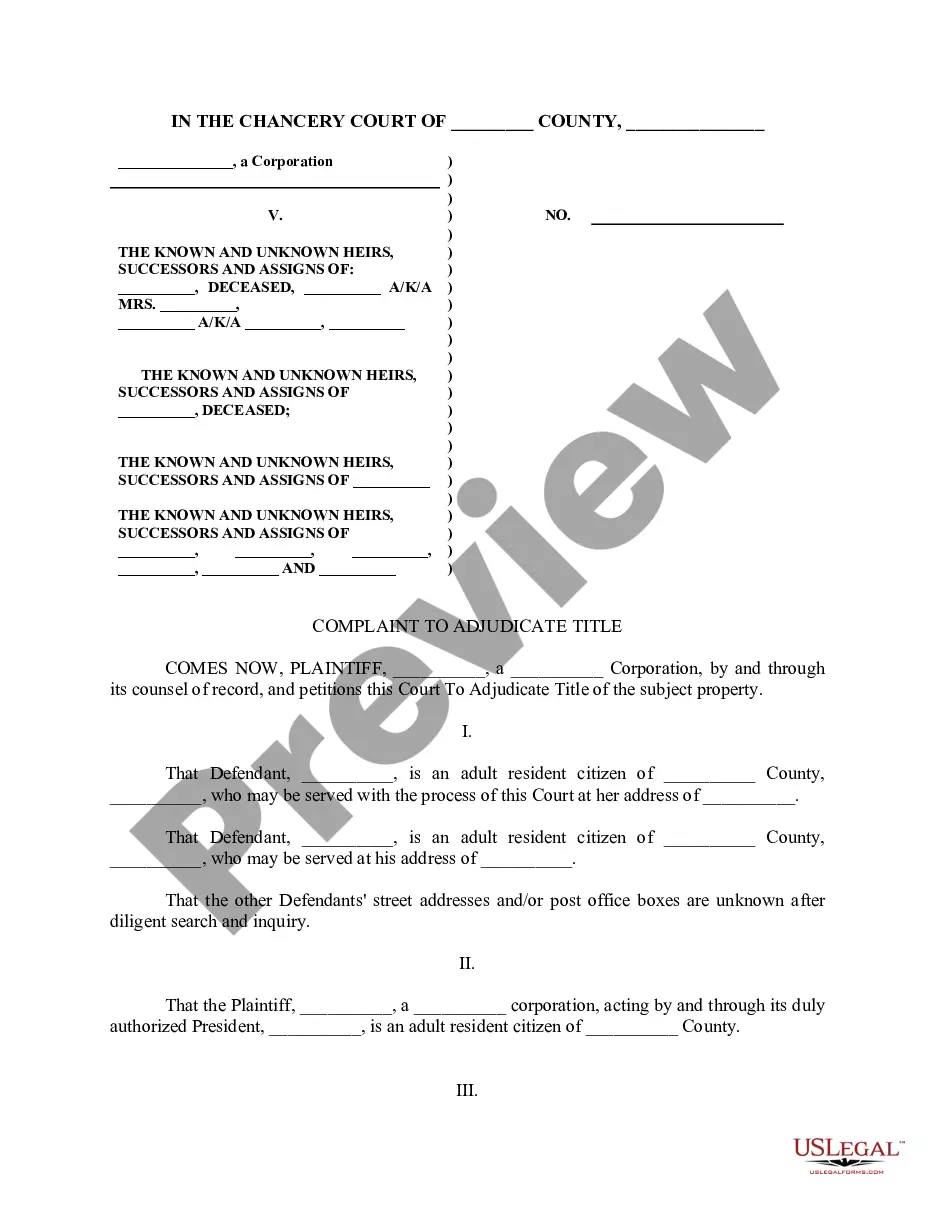
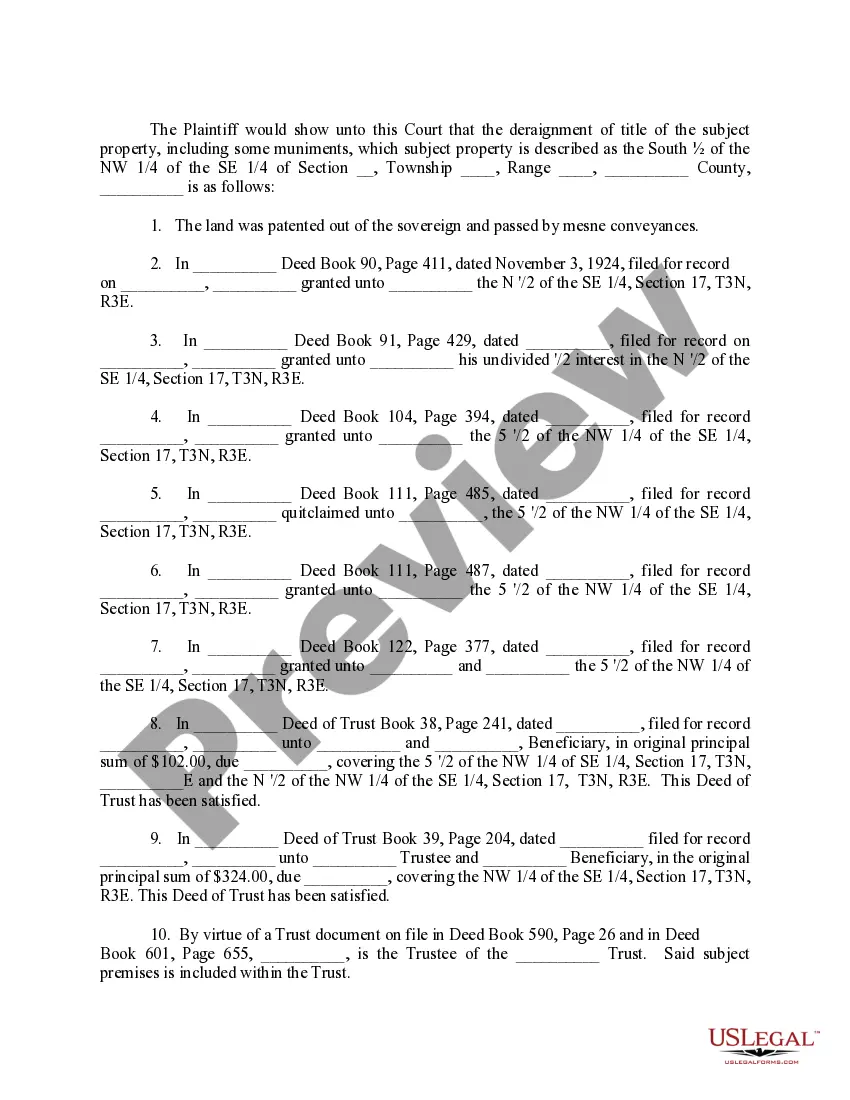
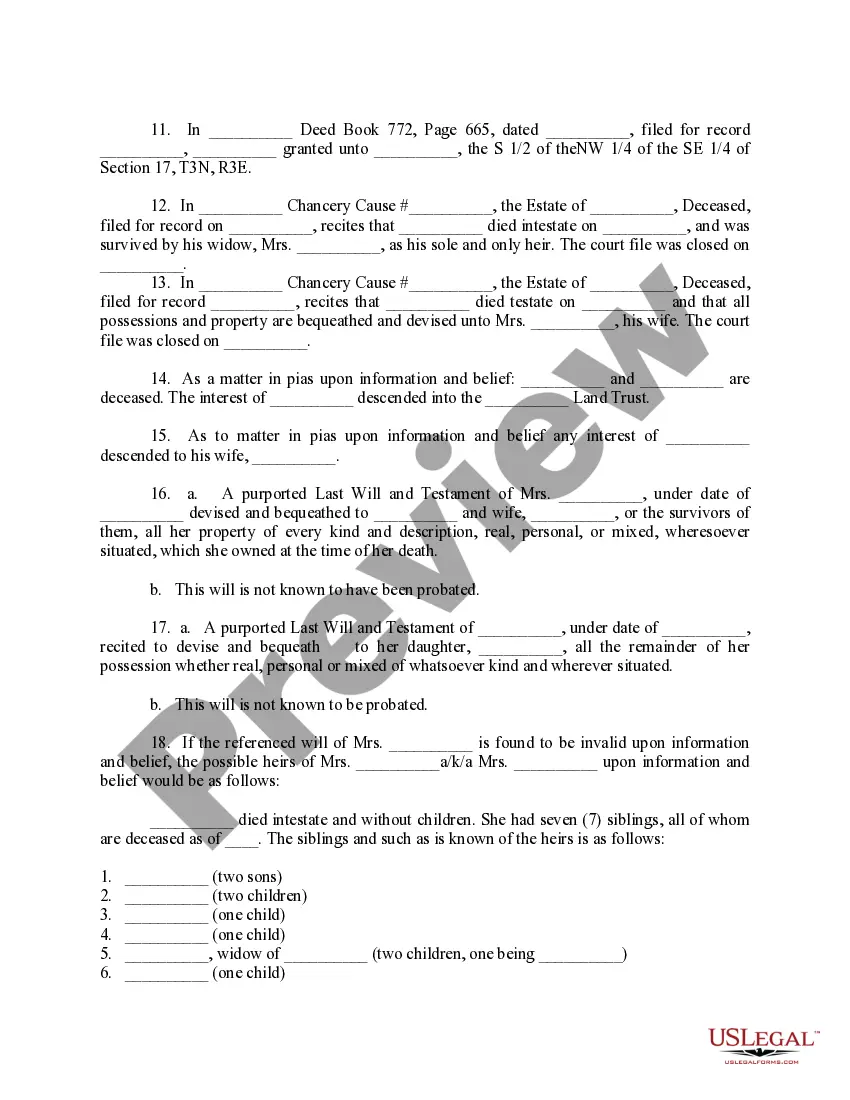
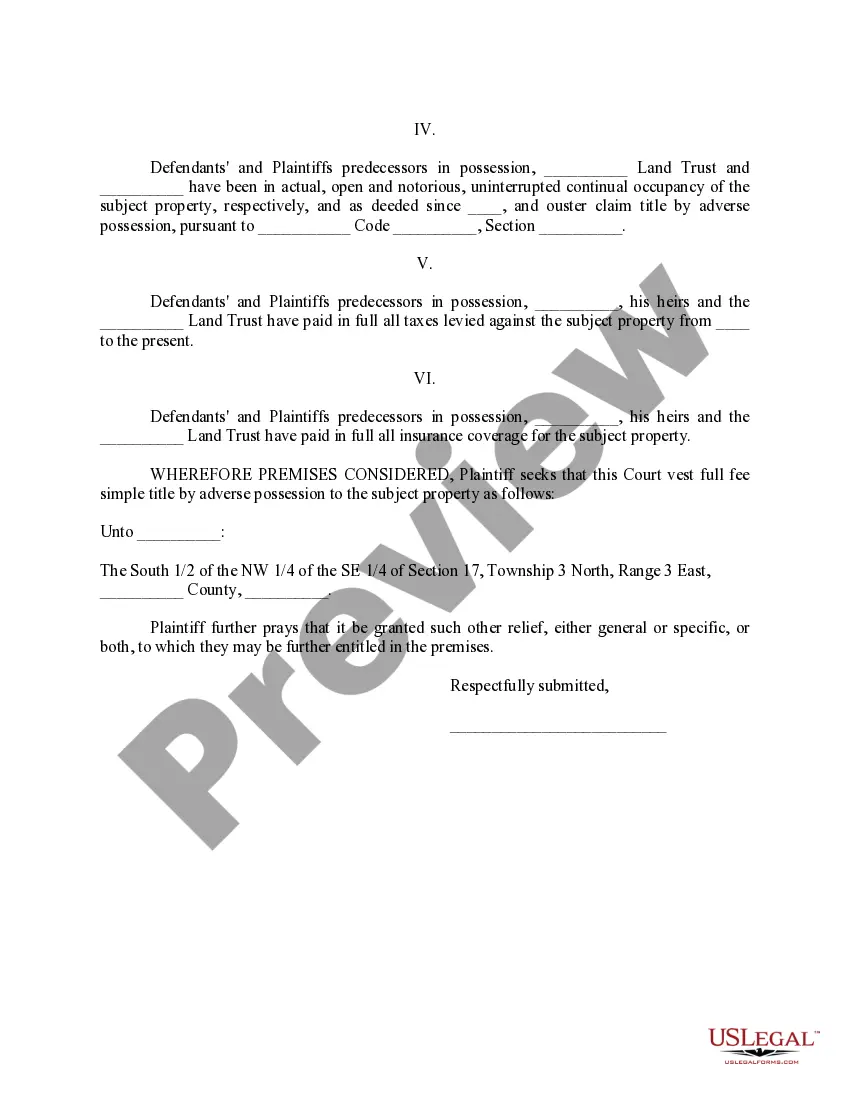
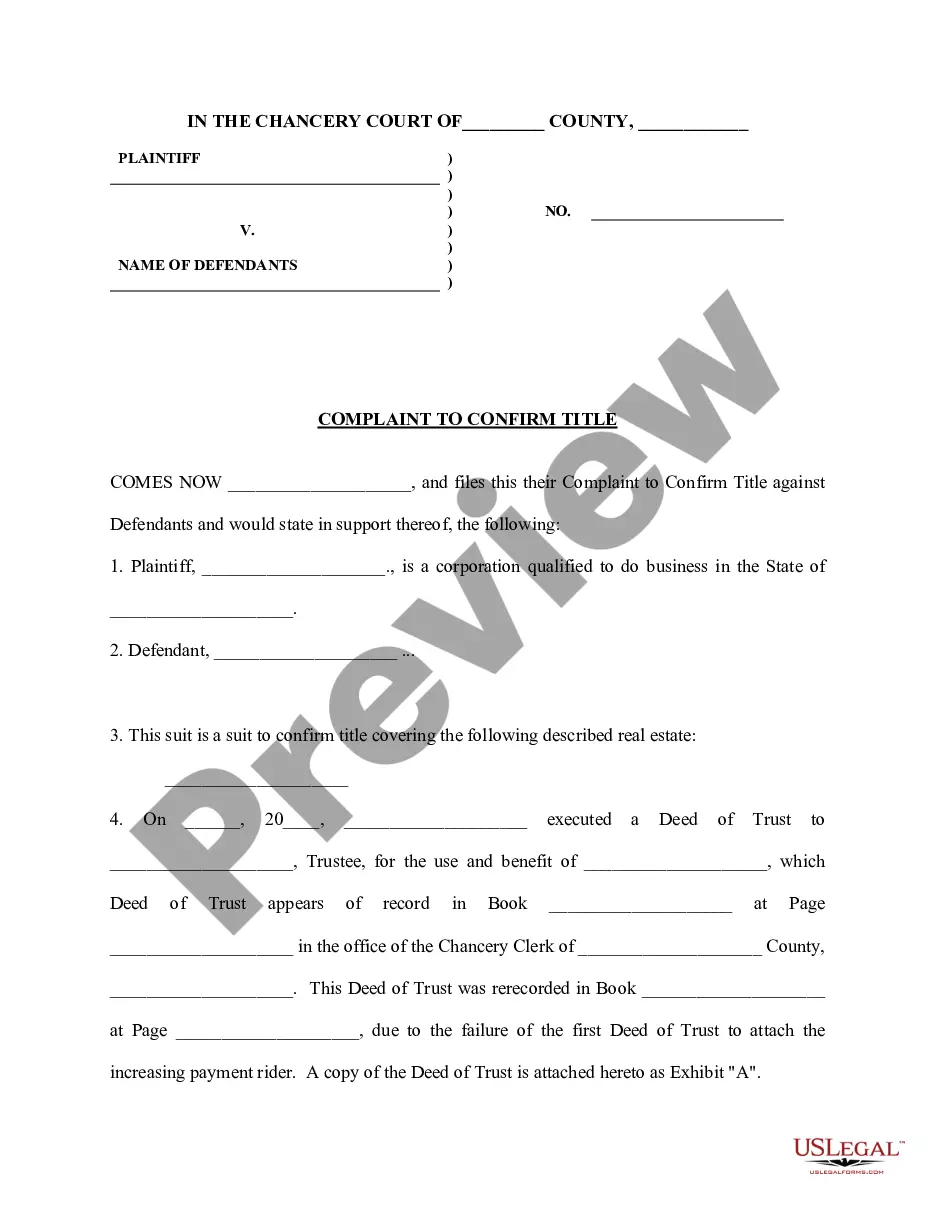
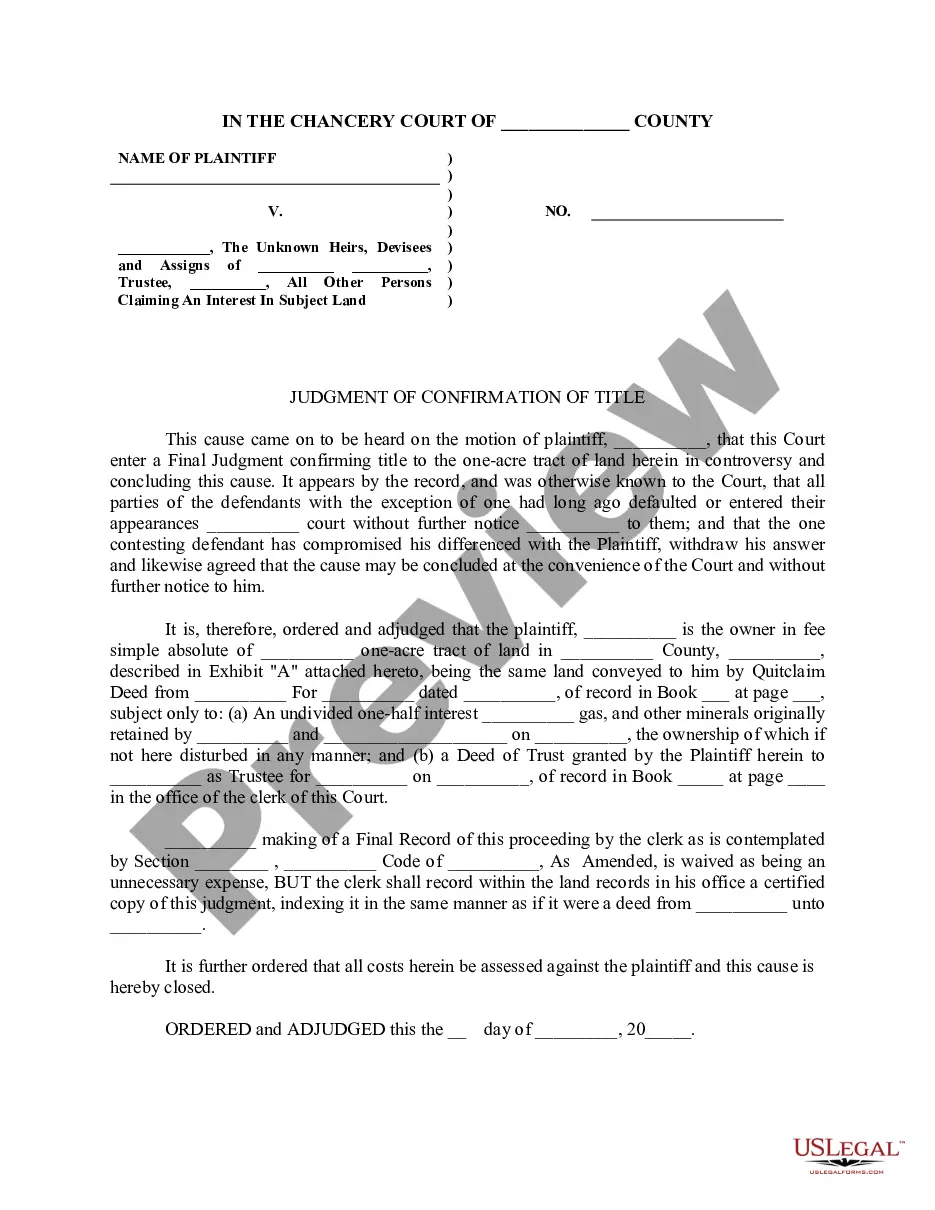
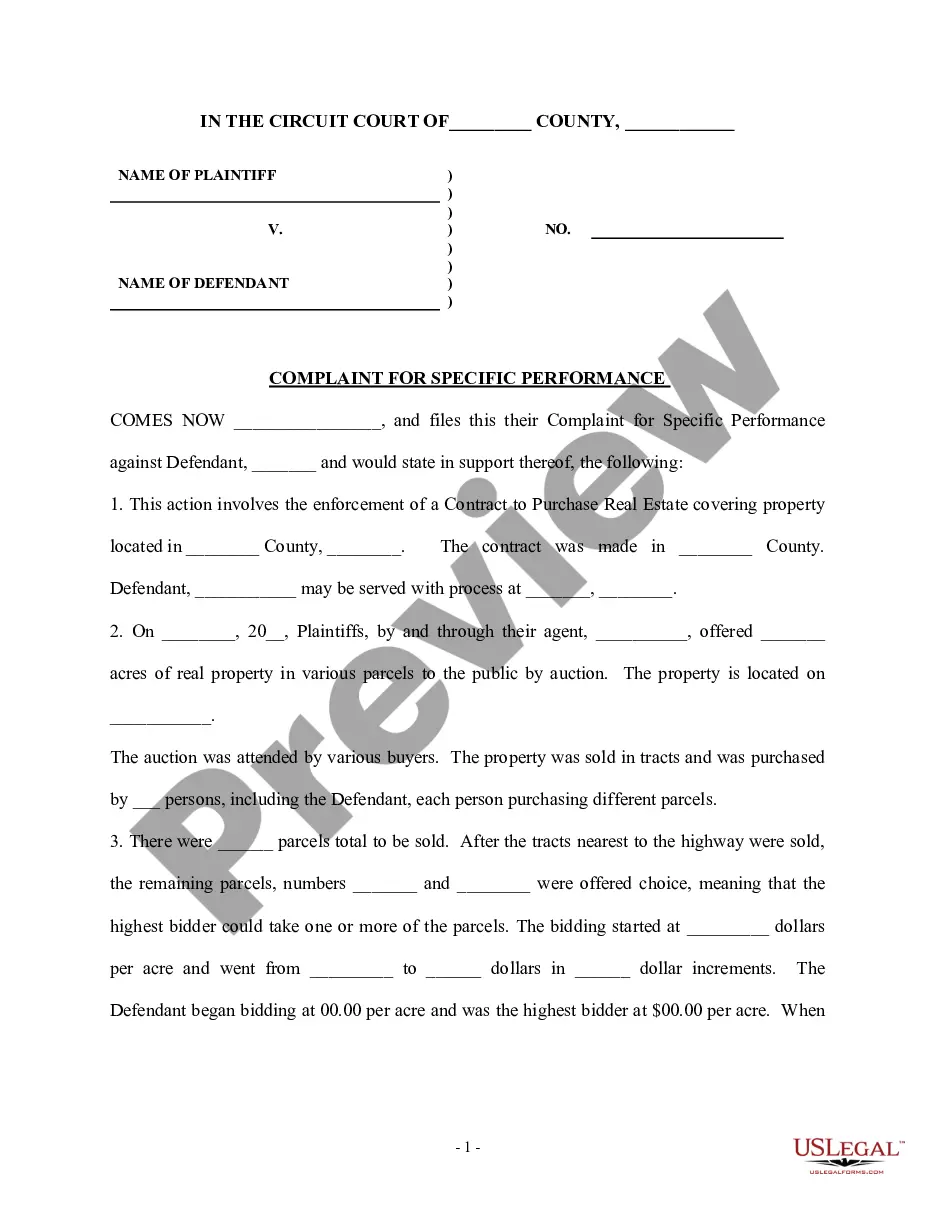
South Carolina Complaint to Adjudicate Title
Description


Get your form ready online
Our built-in tools help you complete, sign, share, and store your documents in one place.
Make edits, fill in missing information, and update formatting in US Legal Forms—just like you would in MS Word.
Download a copy, print it, send it by email, or mail it via USPS—whatever works best for your next step.
Sign and collect signatures with our SignNow integration. Send to multiple recipients, set reminders, and more. Go Premium to unlock E-Sign.
If this form requires notarization, complete it online through a secure video call—no need to meet a notary in person or wait for an appointment.
We protect your documents and personal data by following strict security and privacy standards.

Make edits, fill in missing information, and update formatting in US Legal Forms—just like you would in MS Word.

Download a copy, print it, send it by email, or mail it via USPS—whatever works best for your next step.

Sign and collect signatures with our SignNow integration. Send to multiple recipients, set reminders, and more. Go Premium to unlock E-Sign.

If this form requires notarization, complete it online through a secure video call—no need to meet a notary in person or wait for an appointment.

We protect your documents and personal data by following strict security and privacy standards.
Looking for another form?




How to fill out Complaint To Adjudicate Title?
US Legal Forms - one of the largest collections of legal documents in the United States - provides a vast array of legal document templates that you can purchase or print. By using the website, you can discover thousands of forms for business and personal purposes, organized by categories, states, or keywords. You can find the latest versions of forms such as the South Carolina Complaint to Adjudicate Title in moments.
If you have a membership, Log In and obtain the South Carolina Complaint to Adjudicate Title from your US Legal Forms library. The Download button will appear on every form you view. You can access all previously obtained forms in the My documents section of your account.
If you are using US Legal Forms for the first time, here are straightforward instructions to help you get started: Make sure you have selected the correct form for your city/region. Click on the Review button to examine the form’s content. Check the form description to ensure that you have chosen the right one. If the form does not fit your needs, use the Search area at the top of the screen to find one that does. If you are satisfied with the form, confirm your choice by selecting the Buy now button. Then, choose the pricing plan you prefer and provide your details to register for an account. Process the transaction. Use your Visa or Mastercard or PayPal account to complete the transaction. Select the format and download the form to your device. Make adjustments. Fill out, modify, print, and sign the downloaded South Carolina Complaint to Adjudicate Title.
- Each template you added to your account has no expiration date and is yours indefinitely.
- So, if you wish to download or print another copy, simply visit the My documents section and click on the form you need.
- Access the South Carolina Complaint to Adjudicate Title with US Legal Forms, one of the most extensive collections of legal document templates.
- Utilize a multitude of professional and state-specific templates that meet your business or personal needs and requirements.
Form popularity
FAQ
A defendant shall serve his answer within 30 days after the service of the complaint upon him, unless the Court directs otherwise when service of process is made pursuant to Rule 4(e), and provided further that the State of South Carolina shall answer or otherwise respond to an application for post-conviction relief ...
When there is a defect in title, a person or entity can bring a ?quiet title action? to cure such defects by requiring a court to eliminate any other interest claimed by other persons or entities. Such defects in record title can arise out of missing or deceased parties with rights to the property.
The need to ?quiet title? to real property often arises when someone has recently purchased property without the benefit of a title search; for example, when purchasing property at tax sale, in a foreclosure auction, or at an estate sale.
Quiet Title Lawsuits in California Quiet title action represents a legal proceeding whereby an entity or person claims title to a portion or all of a specific real property. The Plaintiff asks the Court for a ruling that their title is superior to any other interest claimed by the Defendant.
Why would a property owner file a quiet title suit? A buyer has signed a contract to purchase a property but is uncertain of the condition of the title.
Deed signed by mistake (grantor did not know what was signed) Deed executed under falsified power of attorney. Deed executed under expired power of attorney (death, disability, or insanity of principal) Deed apparently valid, but actually delivered after death of grantor or grantee, or without consent of grantor.
General Information 1-803-734-3970. Constituent Services 1-803-737-3953. Victim Advocacy 1-800-213-5652. Violence Against Women Program (VAWA) 1-803-734-3717. Sexually Violent Predator 1-803-734-3243. Securities 1-803-734-9916. Money Services 1-803-734-1221. National Human Trafficking Hotline 1-888-373-7888.
SCRFC Rule 14 outlines the procedural requirements of a Rule to Show Cause. A petition for a Rule to Show Cause must identify the Order that has been violated and the specific acts performed/not performed by the respondent that violate the Order.