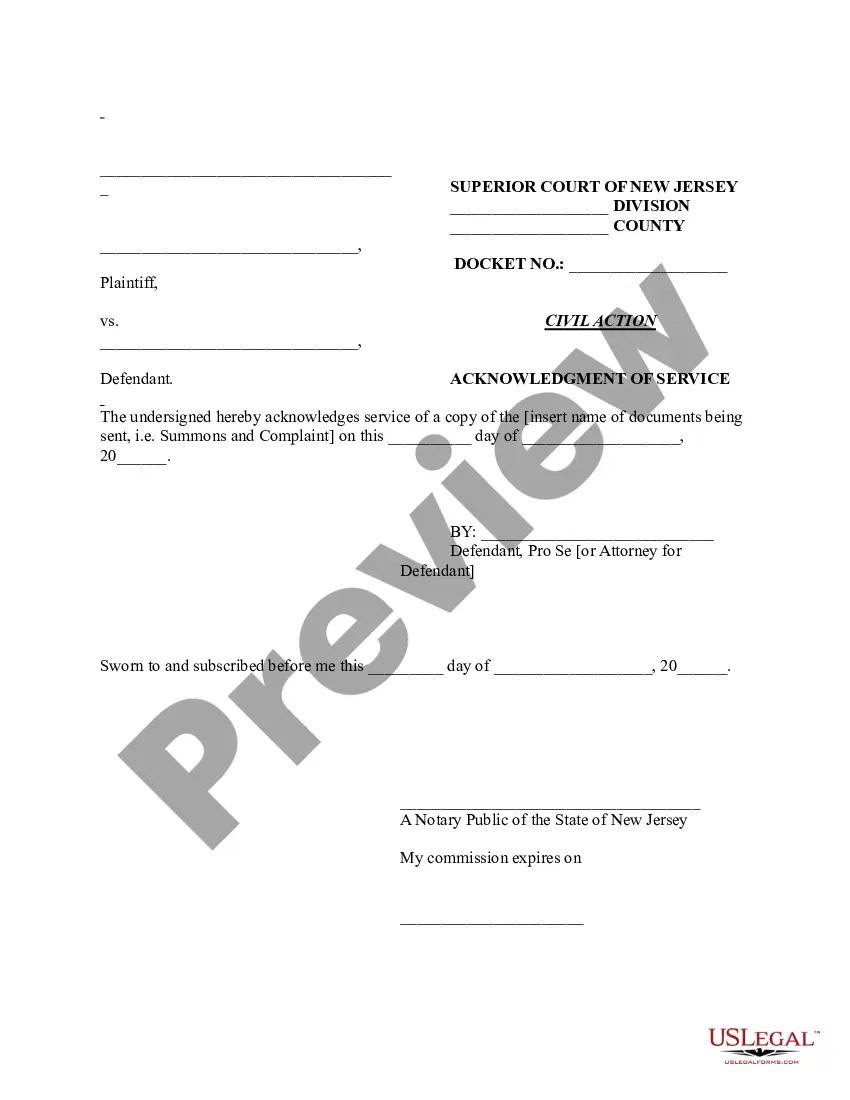
South Carolina Fiduciary Deed for use by Executors, Trustees, Trustors, Administrators and other Fiduciaries
Overview of this form
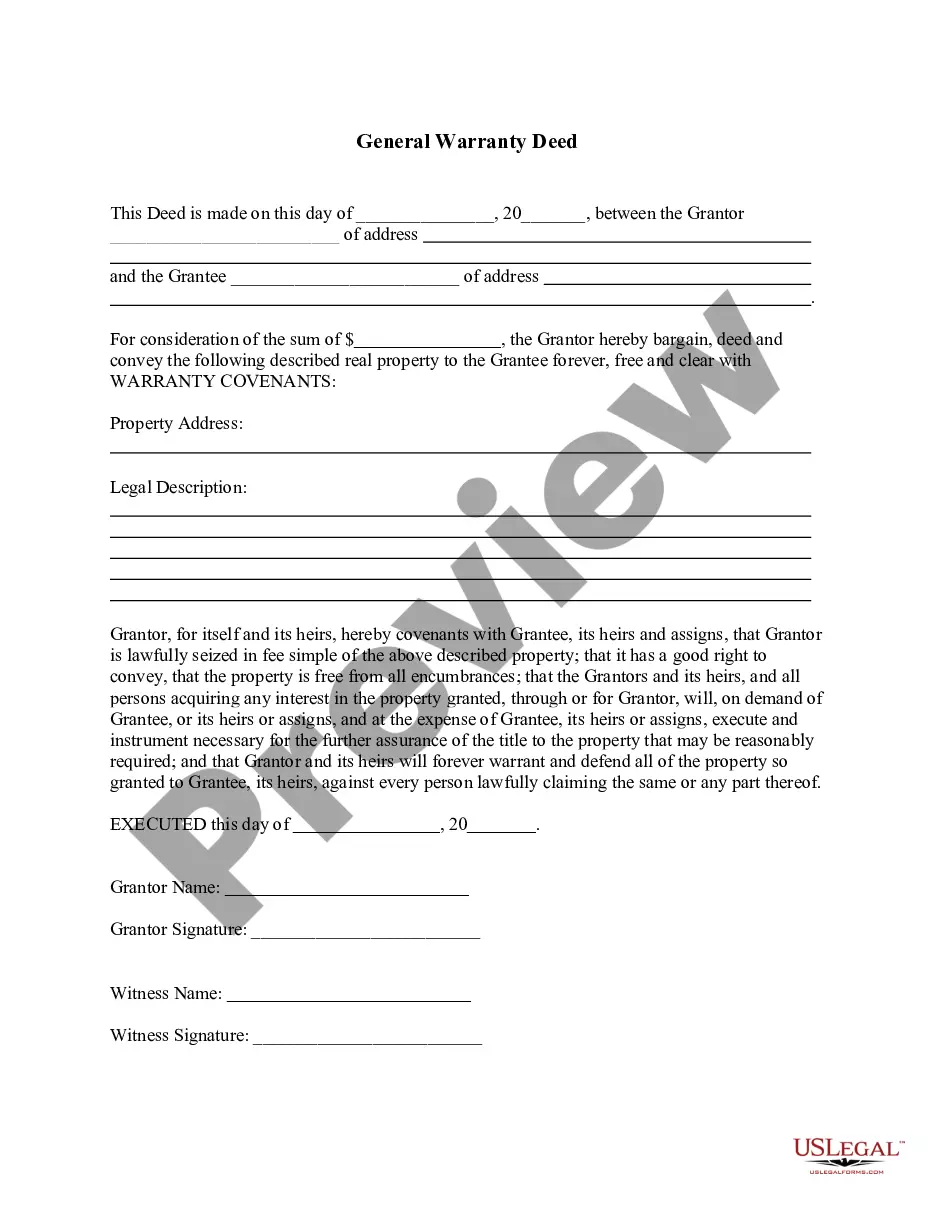
The Fiduciary Deed is a legal document used by executors, trustees, trustors, administrators, and other fiduciaries to transfer property ownership. Unlike standard warranty deeds, this form specifically caters to individuals acting in a fiduciary capacity, ensuring that properties are transferred according to the wishes of the grantor or trust. This form streamlines the legal process, making it easier for fiduciaries to execute property transfers while adhering to their legal obligations.
Main sections of this form
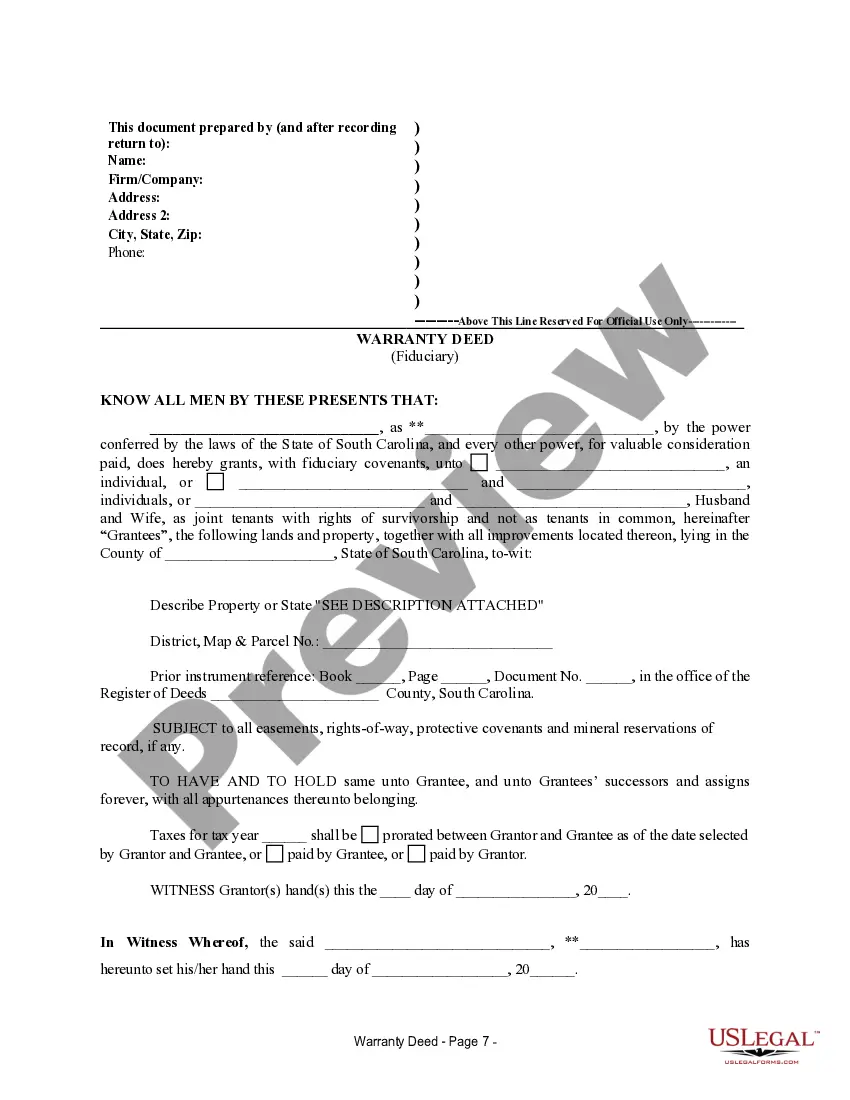
- Grantor and Grantee Information: Names and addresses of the parties involved in the property transfer.
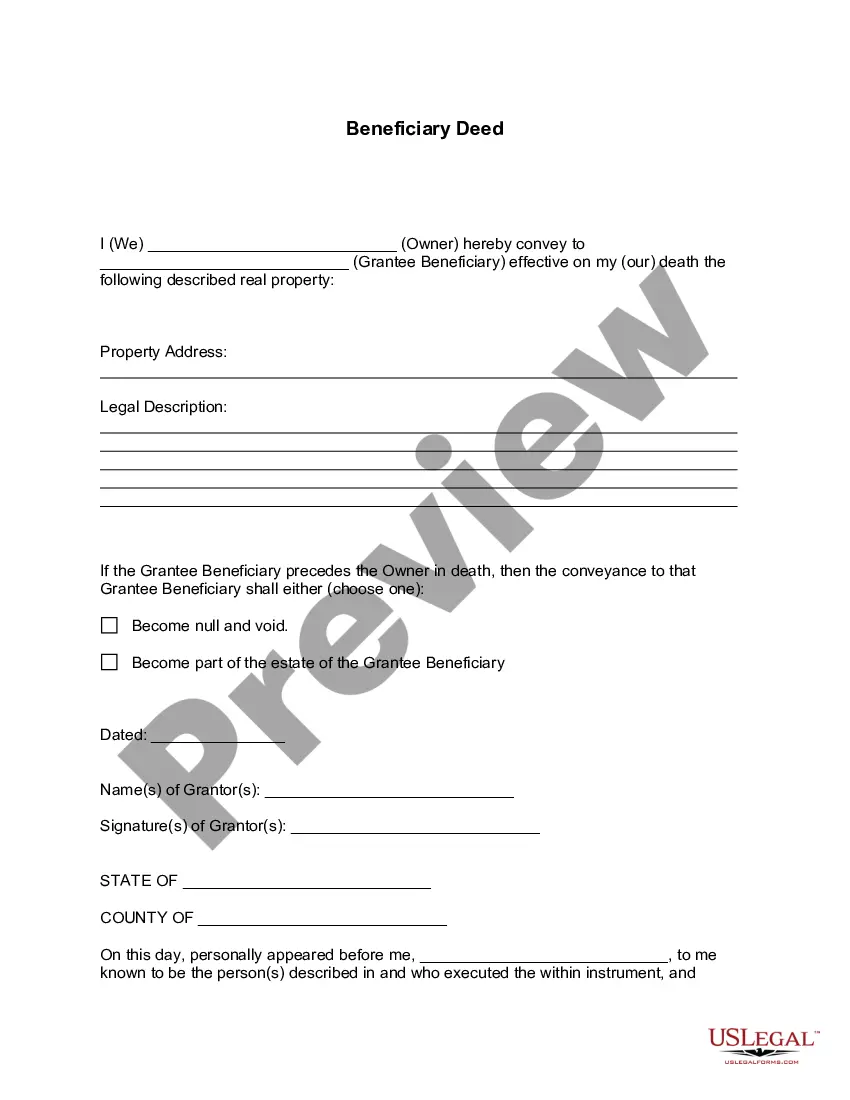
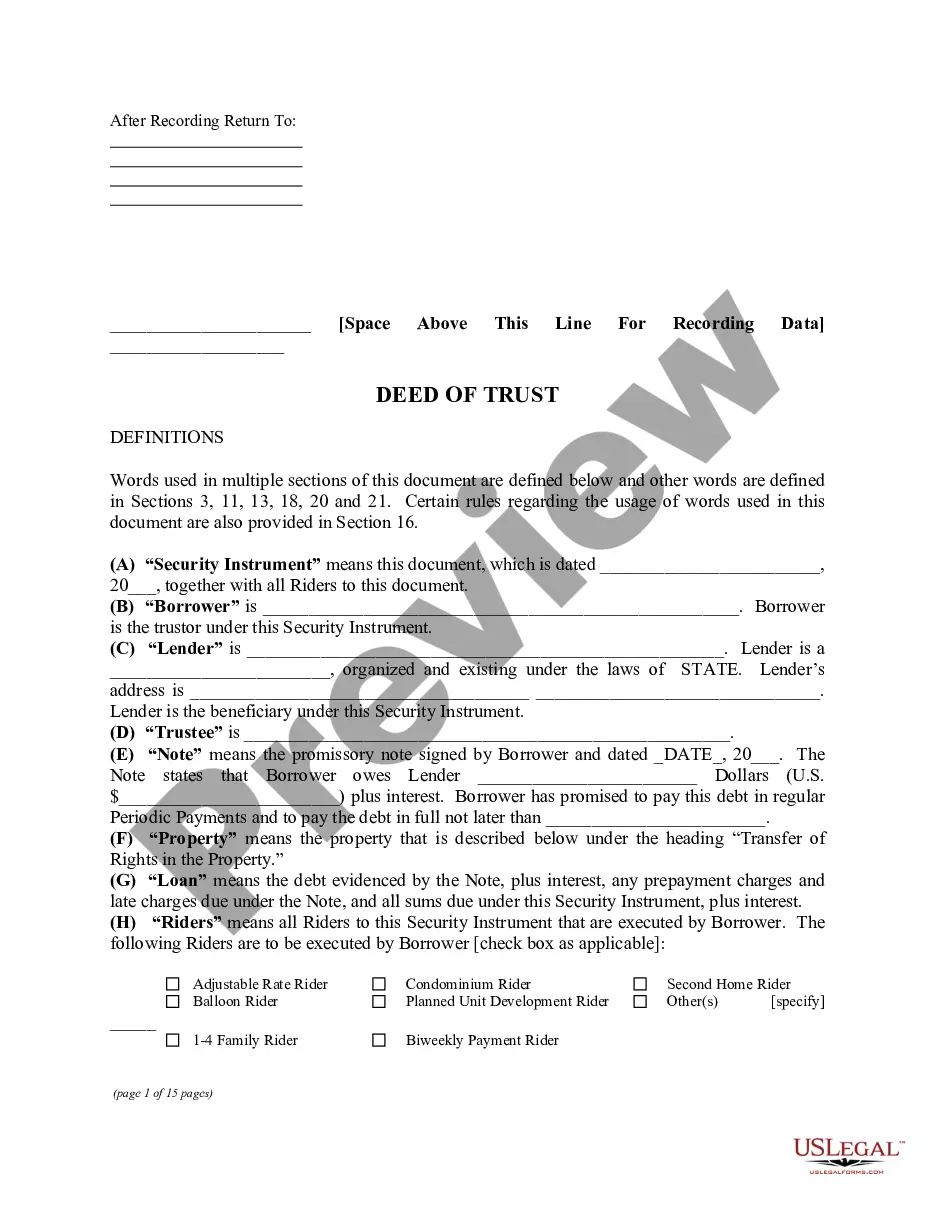
- Legal Description of Property: A detailed description or reference to a recorded plat that identifies the property being transferred.
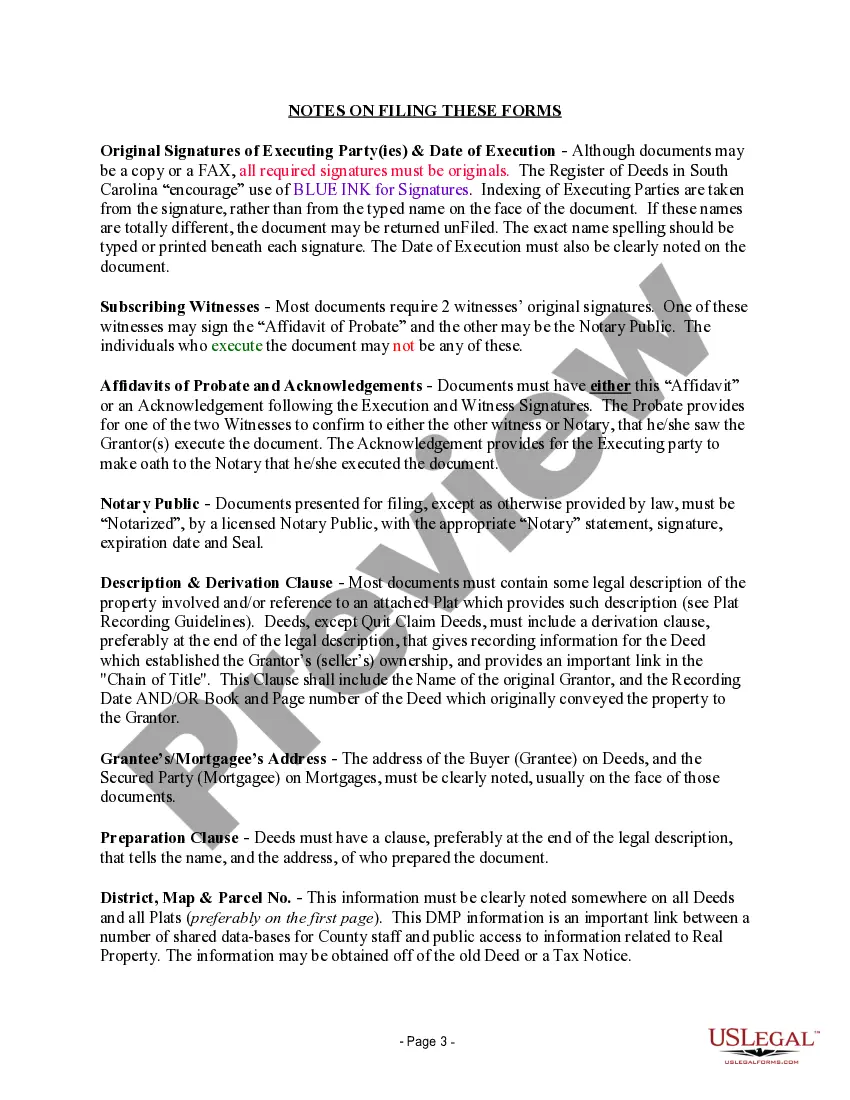
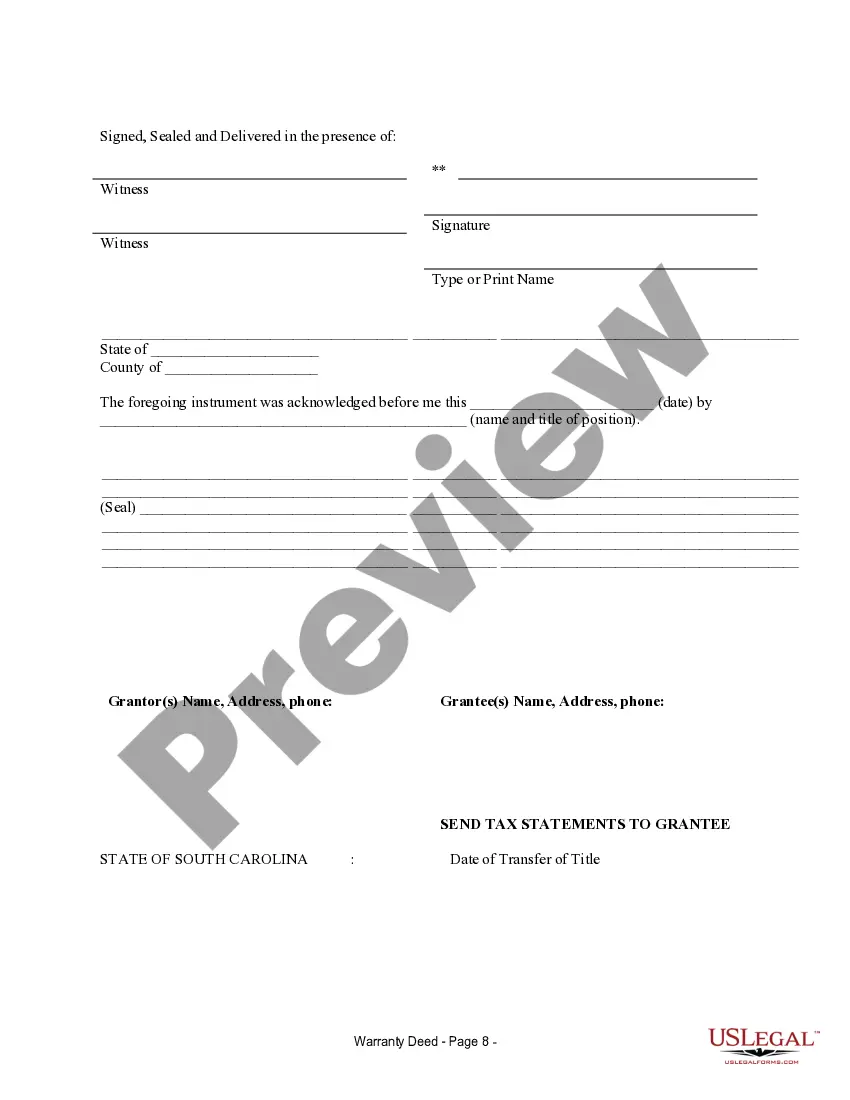
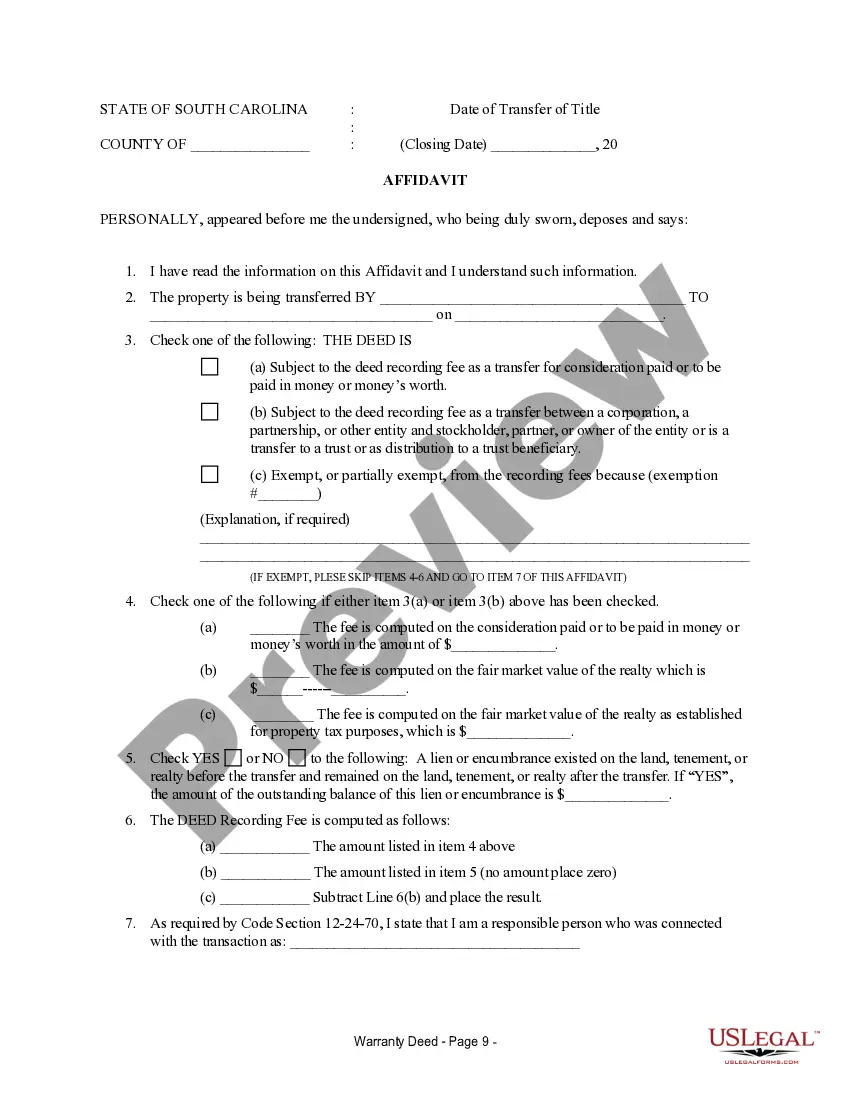
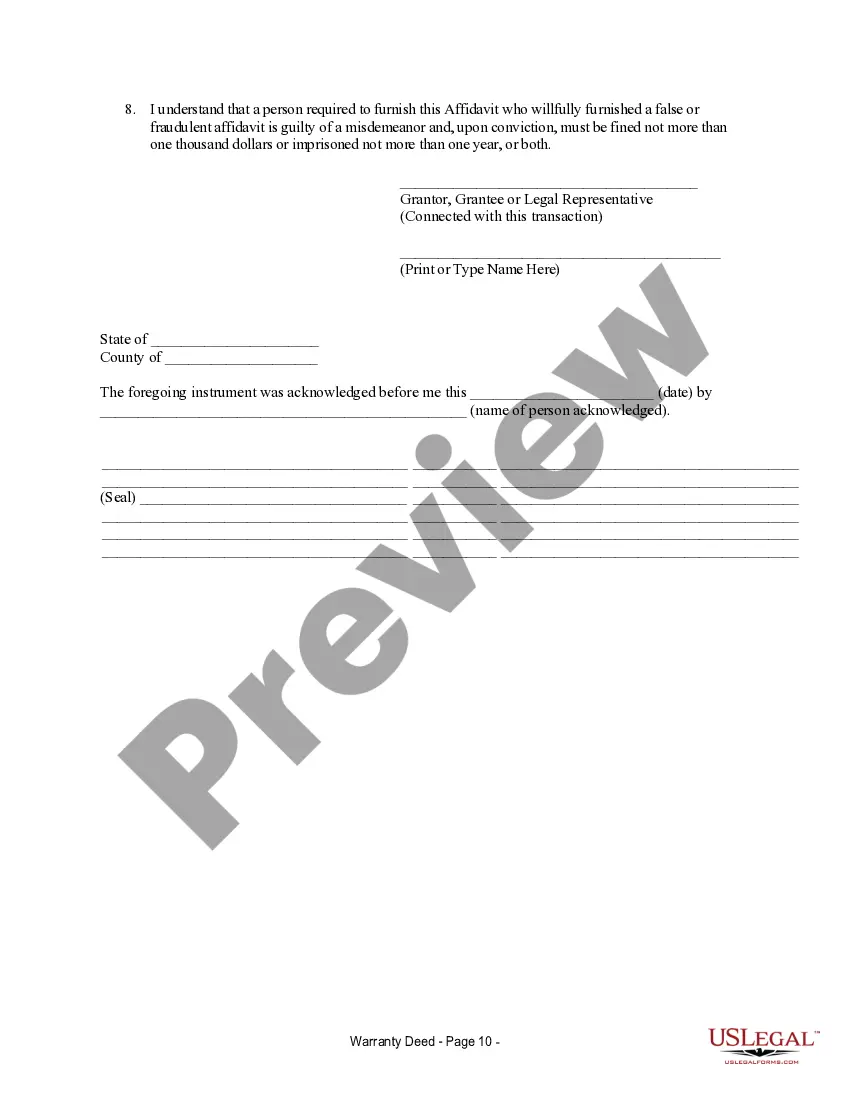
- Acknowledgment and Affidavit: Sections for witnesses and notarization, ensuring legal validity.
- Derivation Clause: Specifies the origin of the grantor's ownership and relevant details about previous deeds.
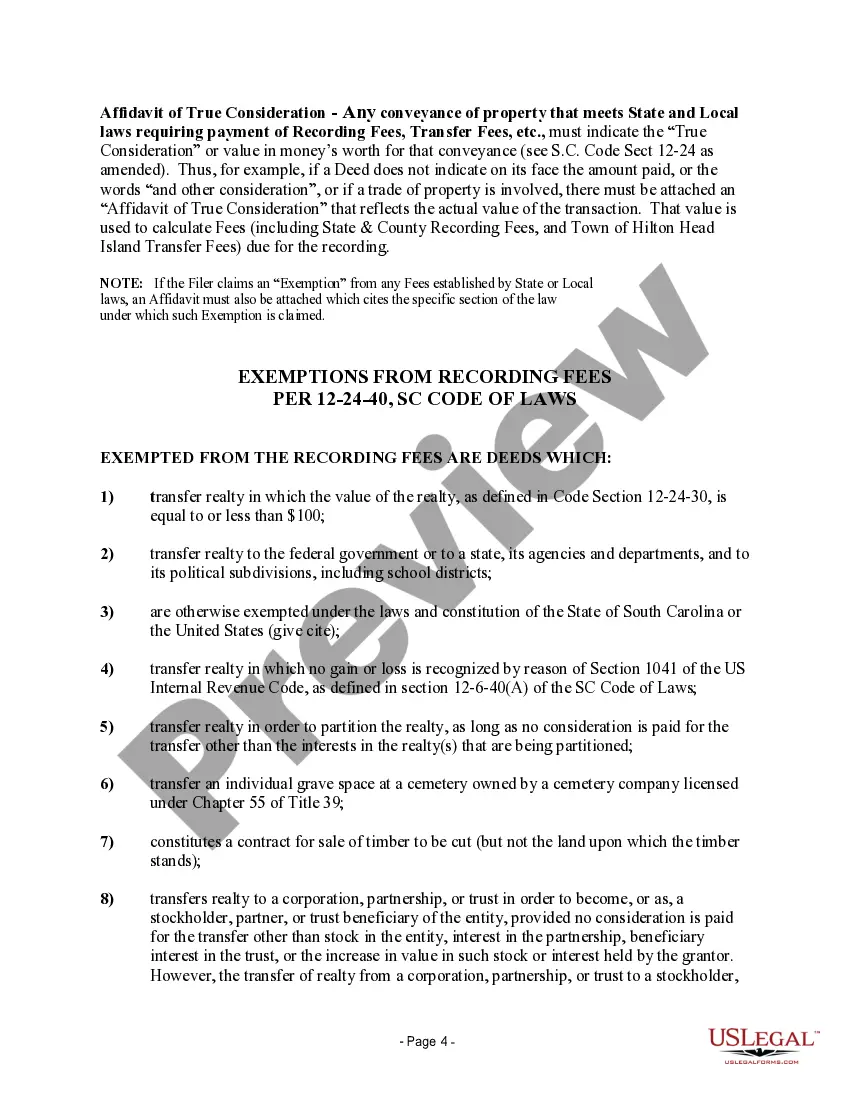
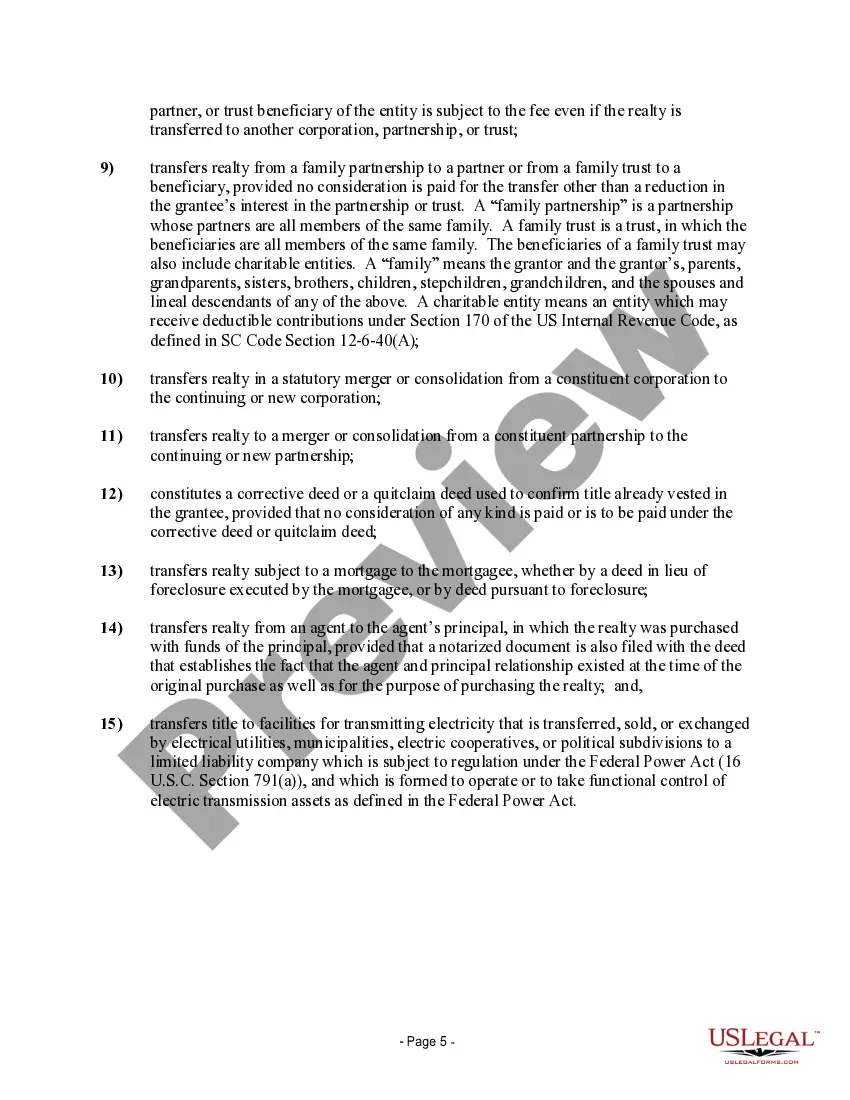
- Consideration Details: Information regarding any financial consideration or exemptions from fees related to the transfer.




Common use cases
This form should be used when a fiduciary, such as an executor of a will or a trustee, is authorized to transfer real property on behalf of another party. It is essential in scenarios like settling an estate, managing a trust, or ensuring the proper distribution of assets in accordance with a legal ruling or trust agreement. Using this form helps ensure compliance with legal requirements for property transfers.
Who needs this form
- Executors: Individuals responsible for managing the estate of a deceased person.
- Trustees: Persons tasked with managing assets held in trust for beneficiaries.
- Trustors: Individuals who create a trust and may need to transfer property into it.
- Administrators: Persons appointed to manage an estate when there is no will.
- Other fiduciaries: Individuals with a legal responsibility to act on behalf of another party in property matters.
Steps to complete this form
- Identify the grantor and grantee: Enter the full names and addresses of the parties involved.
- Specify the property: Carefully include a legal description or refer to the attached plat that details the property being transferred.
- Complete affirmation sections: Fill out the Acknowledgment and Affidavit sections for witnesses and notary.
- Record consideration details: Indicate any financial transactions associated with the transfer or applicable exemptions.
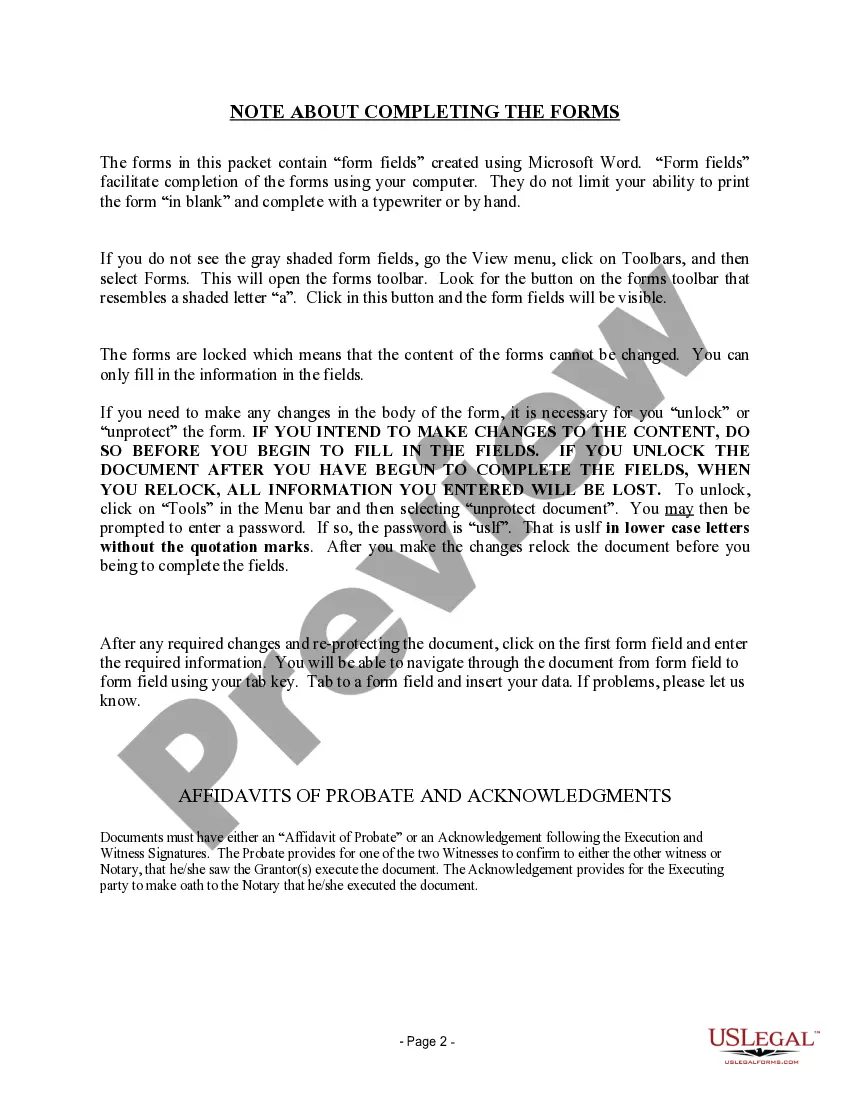
- Sign and date: Ensure all parties sign the document, with original signatures in blue ink, and include the date of execution.
Notarization guidance
This form must be notarized to be legally valid. US Legal Forms provides secure online notarization powered by Notarize, allowing you to complete the process through a verified video call.
Get your form ready online
Our built-in tools help you complete, sign, share, and store your documents in one place.
Make edits, fill in missing information, and update formatting in US Legal Forms—just like you would in MS Word.
Download a copy, print it, send it by email, or mail it via USPS—whatever works best for your next step.
Sign and collect signatures with our SignNow integration. Send to multiple recipients, set reminders, and more. Go Premium to unlock E-Sign.
If this form requires notarization, complete it online through a secure video call—no need to meet a notary in person or wait for an appointment.
We protect your documents and personal data by following strict security and privacy standards.

Make edits, fill in missing information, and update formatting in US Legal Forms—just like you would in MS Word.

Download a copy, print it, send it by email, or mail it via USPS—whatever works best for your next step.

Sign and collect signatures with our SignNow integration. Send to multiple recipients, set reminders, and more. Go Premium to unlock E-Sign.

If this form requires notarization, complete it online through a secure video call—no need to meet a notary in person or wait for an appointment.

We protect your documents and personal data by following strict security and privacy standards.
Mistakes to watch out for
- Failing to include original signatures, which can lead to rejection during filing.
- Not providing a complete legal description of the property, causing delays in the transfer process.
- Omitting necessary witness signatures and notarization, making the deed unenforceable.
Main things to remember
- The Fiduciary Deed is essential for property transfers by executors, trustees, and other fiduciaries.
- Correctly completed forms protect the interests of all parties and facilitate legal compliance.
- Ensuring notarization and original signatures is critical for the validity of the deed.
Looking for another form?


Form popularity
FAQ
Three basic types of deeds commonly used are the grant deed, the quitclaim deed, and the warranty deed. A sample grant deed. the property he or she is transferring is implied from such language.
The words with fiduciary covenants means the seller promises to the buyer that he or she is duly appointed, qualified and acting in his or her fiduciary capacity, is duly authorized to make the sale and convey the property to buyer.
A fiduciary deed is for use by a fiduciary such as an executor or administrator of an estate or a trustee of a trust. In this type of deed there is a warranty, but only as a fiduciary. A fiduciary does not own the property, rather they essentially manage it for another.
The General Warranty Deed. A general warranty deed provides the highest level of protection for the buyer because it includes significant covenants or warranties conveyed by the grantor to the grantee. The Special Warranty Deed. The Bargain and Sale Deed. The Quitclaim Deed.