South Carolina Affidavit of Proposed Conservator
Overview of this form
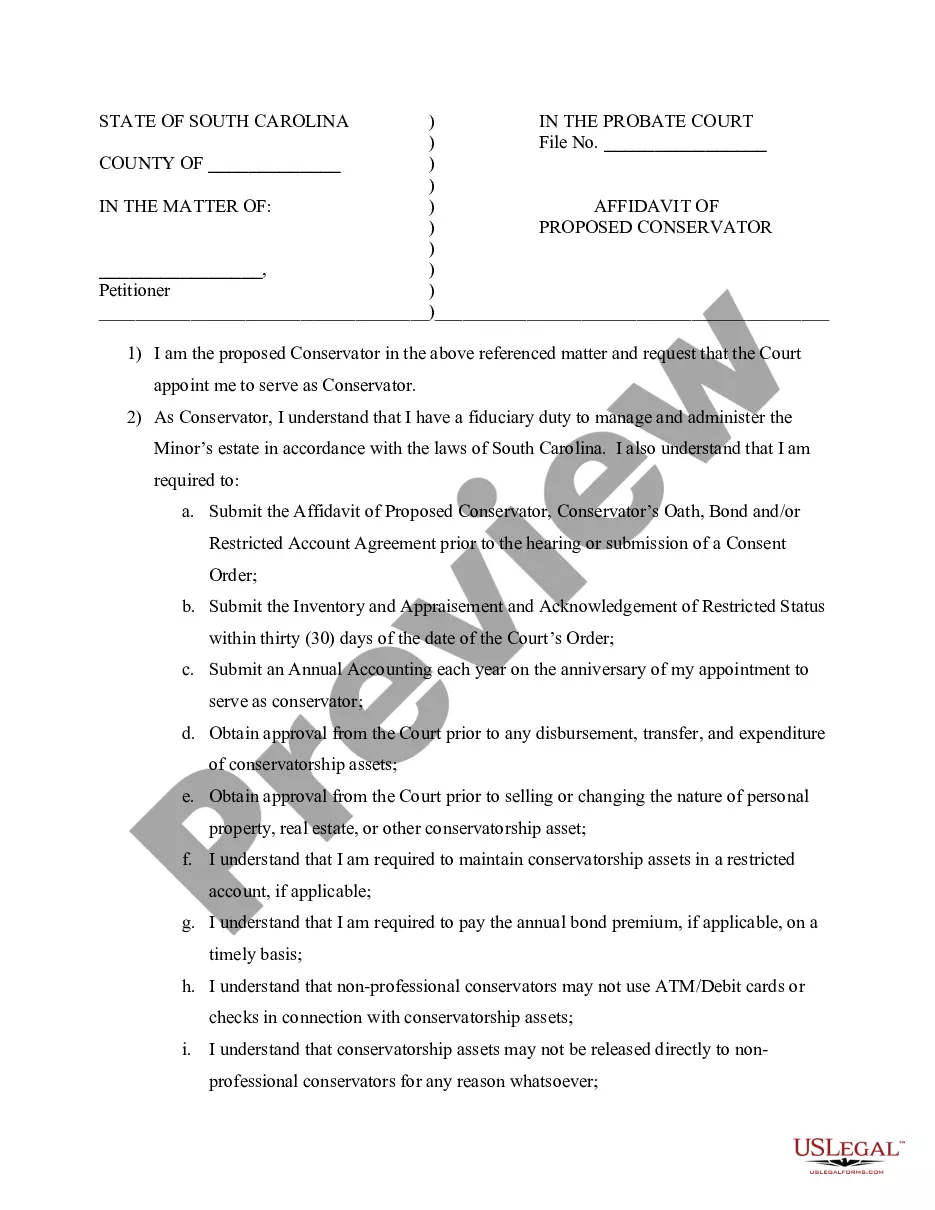
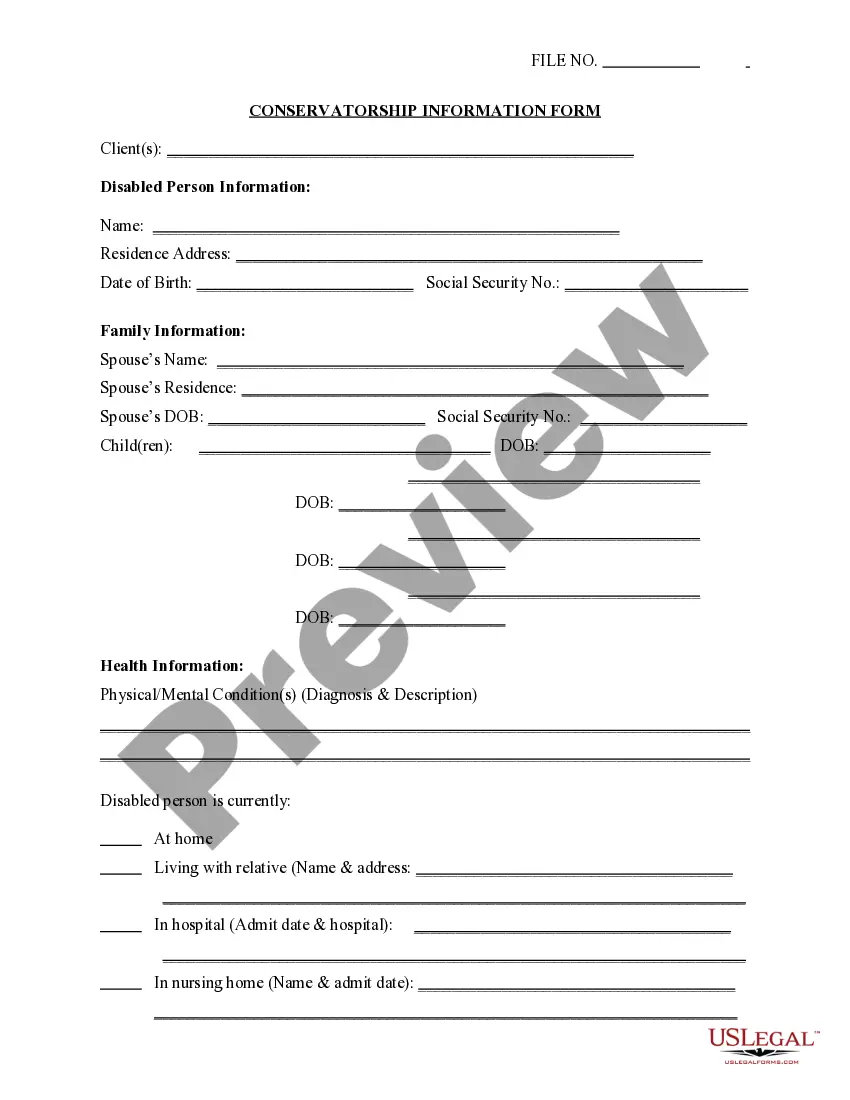
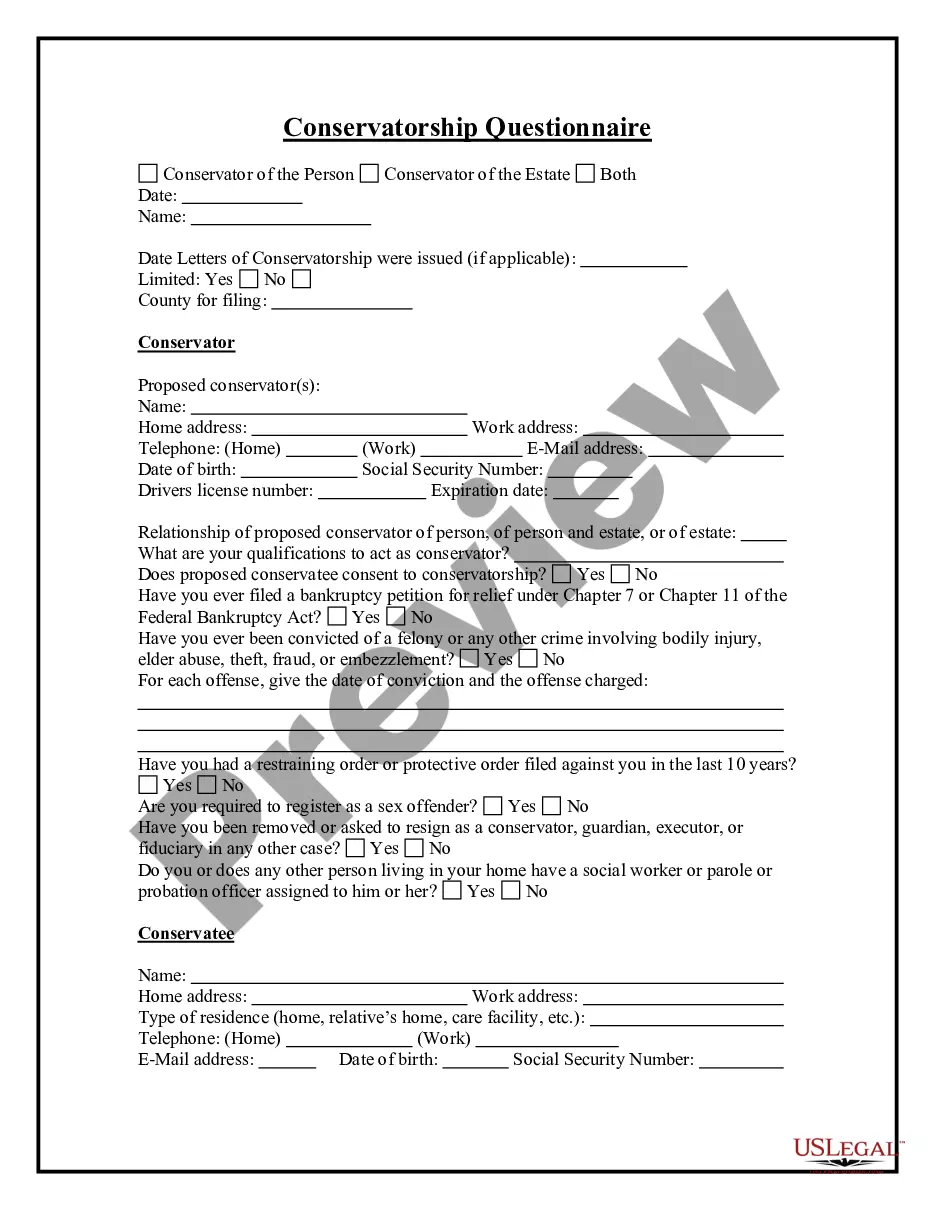
The Affidavit of Proposed Conservator is a legal document used in South Carolina for individuals seeking court appointment as conservators. This form indicates the proposed conservator's understanding of their fiduciary responsibilities to manage a minor's estate according to state laws. It is essential for those involved in conservatorship cases, distinguishing itself from other estate management forms by specifically addressing the duties and powers of conservators in the context of minors.
Key components of this form
- File number and county information where the court case is being heard.
- Identification of the petitioner (proposed conservator).
- A declaration of the proposed conservatorâs understanding of fiduciary duties.
- Requirements for additional documents such as a Conservator's Oath and Bond.
- Obligations for record-keeping and reporting to the court.
- Notary acknowledgment section to verify the authenticity of the affidavit.

Situations where this form applies
You should use the Affidavit of Proposed Conservator when you intend to manage the estate of a minor child under the jurisdiction of South Carolina courts. This form is necessary when you need to formally request the court to appoint you as a conservator, ensuring you comply with legal requirements and uphold your duties responsibly as a fiduciary.
Who can use this document
- Individuals seeking to be appointed as conservators for a minor's estate.
- Family members or guardians of minors who are incapacitated or need assistance managing their financial matters.
- Anyone meeting the court's eligibility requirements to serve as a conservator in South Carolina.
Steps to complete this form
- Enter the file number and the county where the conservatorship matter is being addressed.
- Complete the name and contact information of the proposed conservator in the petition section.
- Indicate your understanding of fiduciary responsibilities and the requirements set by the court.
- Include any relevant documents as specified by the court, such as the Conservator's Oath and Bond.
- Sign the affidavit in the presence of a notary public who will then complete their section to validate the document.
Does this document require notarization?
Yes, this form must be notarized to be legally valid. US Legal Forms offers integrated online notarization services that are available 24/7. This secure method allows for a convenient video call with a notary, ensuring your affidavit is properly authenticated without needing to travel.
Get your form ready online
Our built-in tools help you complete, sign, share, and store your documents in one place.
Make edits, fill in missing information, and update formatting in US Legal Forms—just like you would in MS Word.
Download a copy, print it, send it by email, or mail it via USPS—whatever works best for your next step.
Sign and collect signatures with our SignNow integration. Send to multiple recipients, set reminders, and more. Go Premium to unlock E-Sign.
If this form requires notarization, complete it online through a secure video call—no need to meet a notary in person or wait for an appointment.
We protect your documents and personal data by following strict security and privacy standards.

Make edits, fill in missing information, and update formatting in US Legal Forms—just like you would in MS Word.

Download a copy, print it, send it by email, or mail it via USPS—whatever works best for your next step.

Sign and collect signatures with our SignNow integration. Send to multiple recipients, set reminders, and more. Go Premium to unlock E-Sign.

If this form requires notarization, complete it online through a secure video call—no need to meet a notary in person or wait for an appointment.

We protect your documents and personal data by following strict security and privacy standards.
Avoid these common issues
- Failing to include all required accompanying documents.
- Not signing the affidavit or obtaining proper notarization.
- Overlooking the courtâs submission deadlines for the affidavit and annual reports.
- Neglecting to notify the court about changes in contact information.
Advantages of online completion
- Easy access and affordability without the need for in-person consultations.
- Editable templates that allow users to tailor the document to their specific needs.
- Reliability from professionally drafted templates created by licensed attorneys.
Key takeaways
- The Affidavit of Proposed Conservator is crucial for anyone looking to manage a minor's estate in South Carolina.
- Understanding and acceptance of fiduciary duties is mandatory for proposed conservators.
- Notarization is a key requirement for this form to be legally recognized.
Looking for another form?
Form popularity
FAQ
A South Carolina small estate affidavit is a document that is used to claim property from a deceased person's estate. It can only be used for estates that are worth less than $25,000. For small estates, petitioning for this process is the first step to avoiding an expensive and time-consuming probate process.
In South Carolina, you can make a living trust to avoid probate for virtually any asset you own?real estate, bank accounts, vehicles, and so on. You need to create a trust document (it's similar to a will), naming someone to take over as trustee after your death (called a successor trustee).
In South Carolina, probate for small estates is required. A small estate is considered to be an estate that is valued at $25,000 or less in assets and no real property. If those two conditions are met for a small estate, a case will have to be filed with the probate court.
In South Carolina, you can use an Affidavit if an estate value is less than $25,000. You must wait 30 days after the death, and a probate judge will need to approve it. There is also potential to use a summary probate procedure, which is a possibility when an estate value is less than $25,000.
Only the Probate Court can appoint a guardian for an adult. The Probate Court will not appoint a guardian unless it receives clear and convincing evidence, in a court hearing, that an individual is incapacitated and that the person applying to be guardian is the appropriate person to serve as a guardian.
To be an admissible Affidavit, the acknowledgment must be sworn to be true and correct to the best personal knowledge of the affiant. Furthermore, the affiant must declare that the statements contained in the Affidavit are true and correct under penalties of perjury.
A court appointed Guardian must make yearly reports to the Probate Court regarding the condition of their ward. Guardians for minors are designated by the Family Court. A Conservator manages financial affairs or property for an incapacitated adult or for a minor.