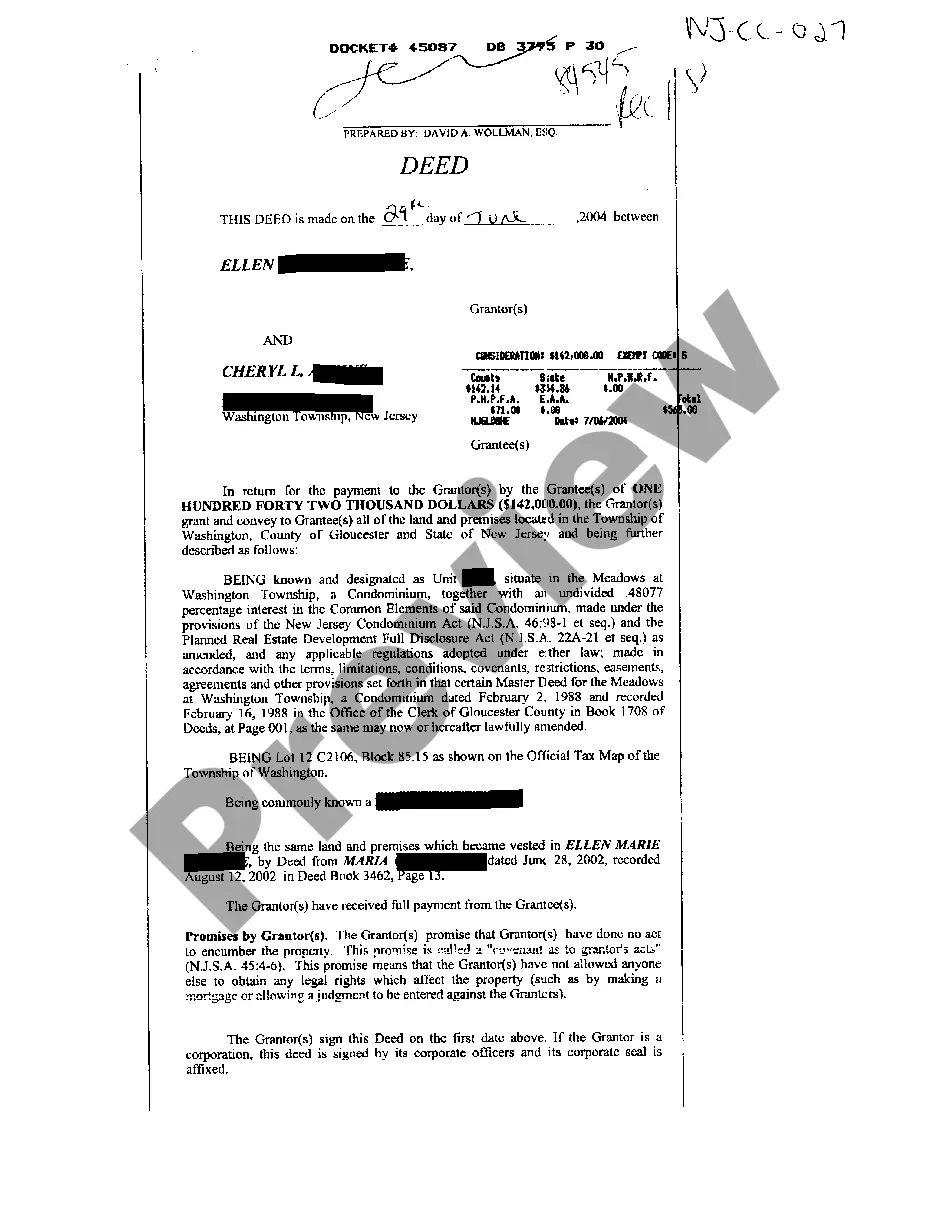
South Carolina Affidavit for Mechanic's Lien
What is this form?
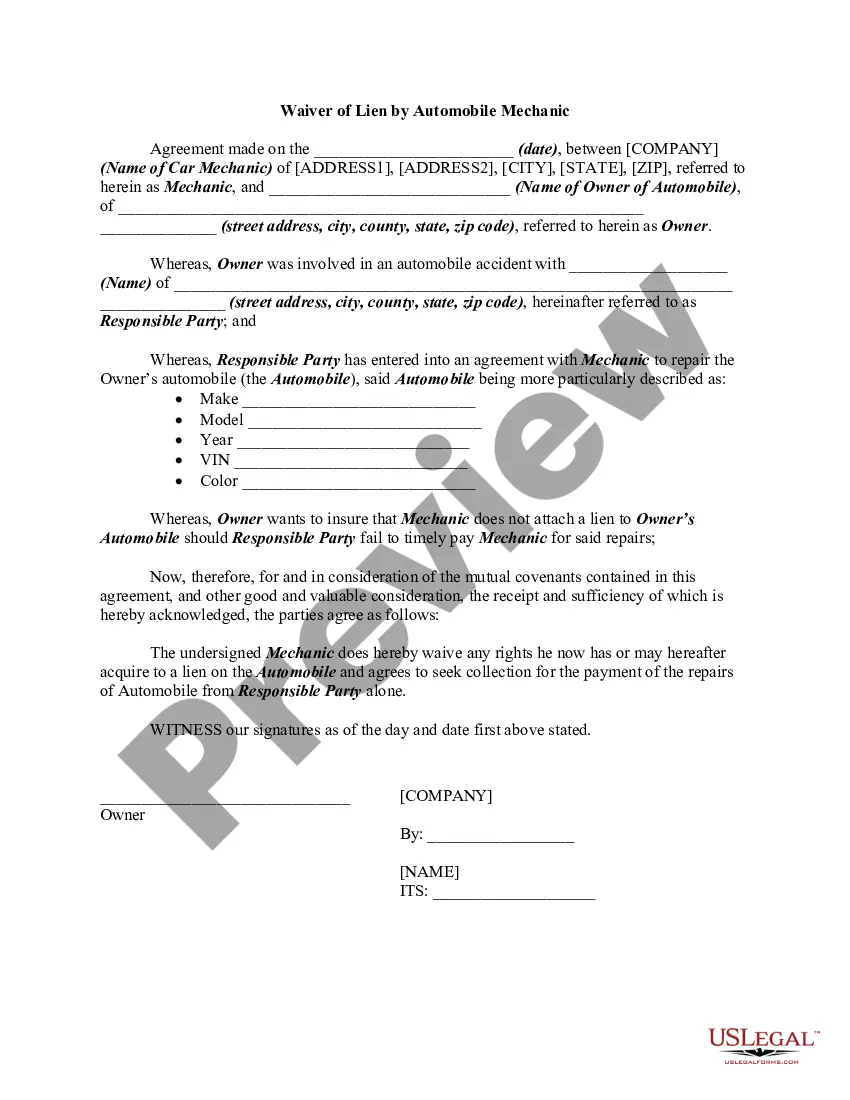
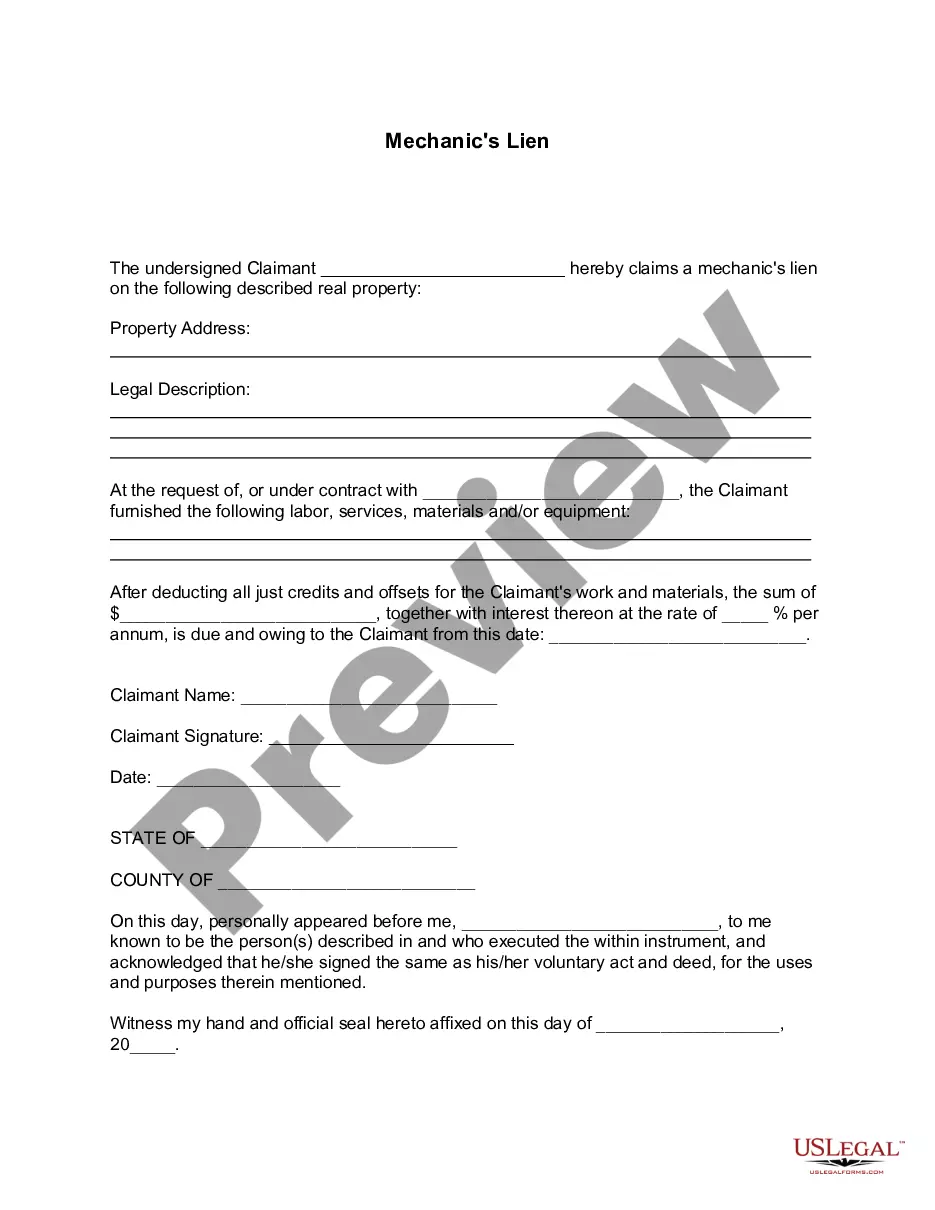
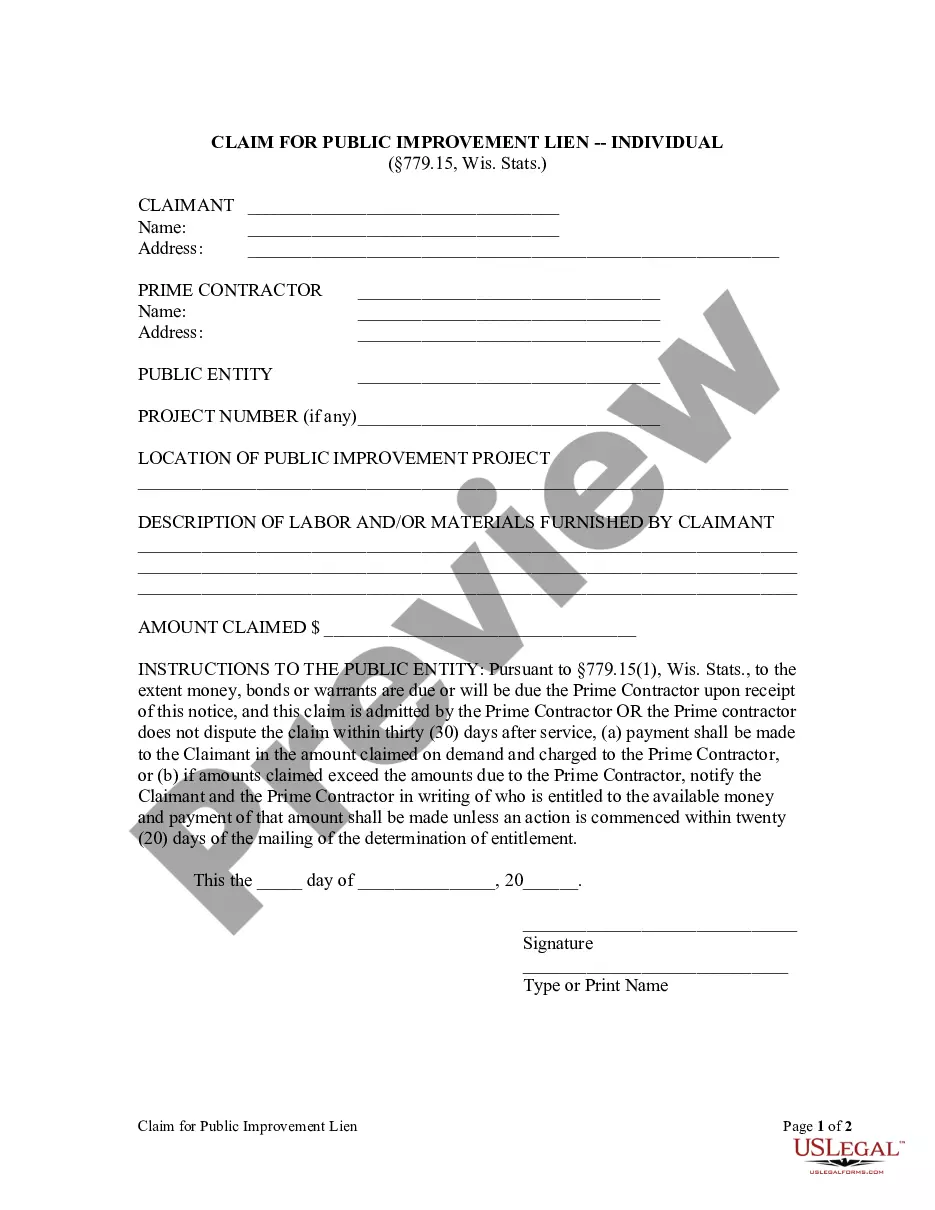
The Affidavit for Mechanic's Lien is a legal document filed with the county recorder by a party claiming payment for labor or materials supplied during the improvement of real property. This form serves to assert a lien against the property, ensuring that those who contributed to its enhancement can secure their right to payment. It differs from other lien forms by specifically addressing claims related to construction and renovation work.
Main sections of this form
- Property Owner Information: Names and addresses of property owner(s).
- Claimant Information: Details of the authorized agent and lien claimant.
- Property Description: Comprehensive description of the property where improvements were made.
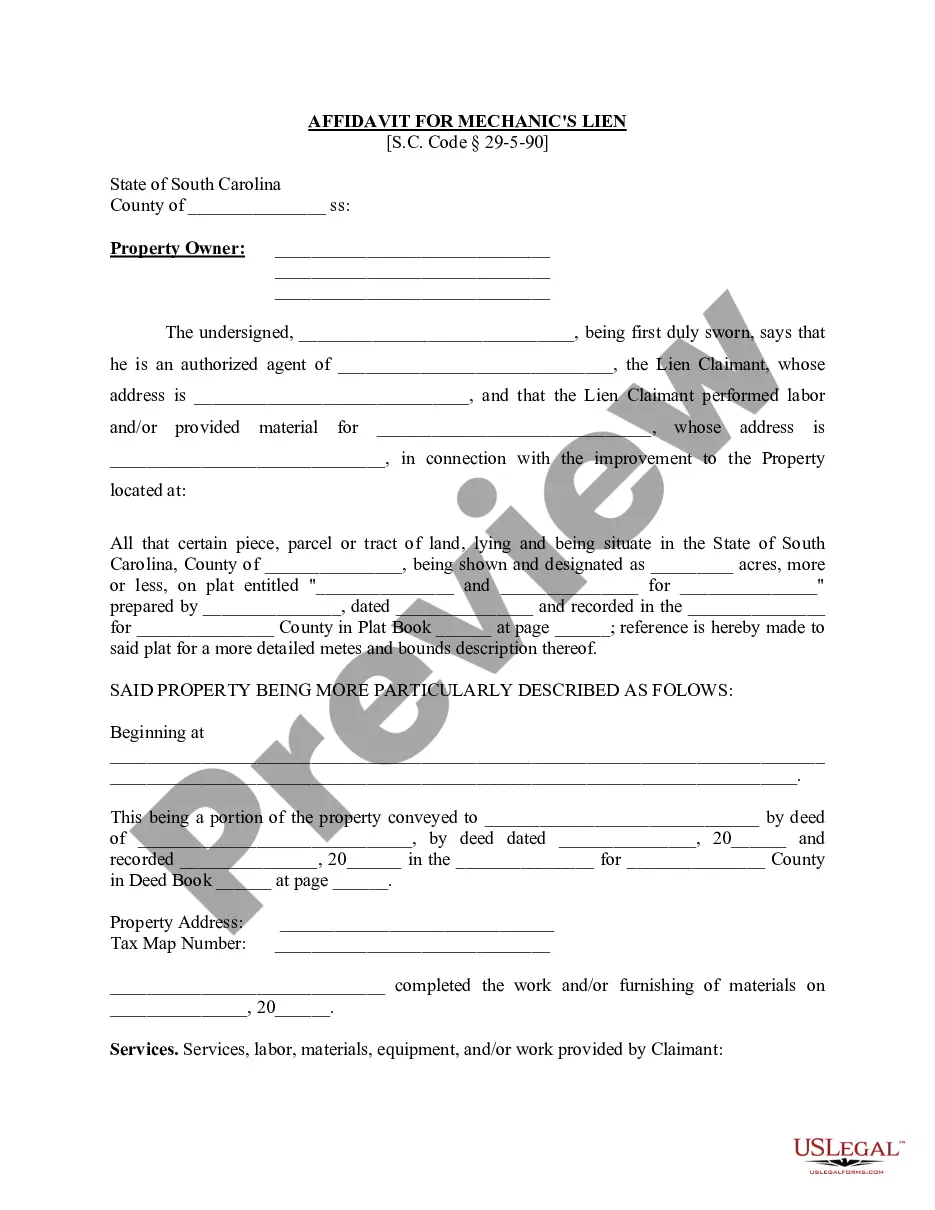
- Services Rendered: List of labor, materials, and other services provided.
- Financial Details: Amount due and total amount of the contract.
- Execution: Signatures from the authorized representative and notarization details.
When to use this document
This form is necessary when an individual or company has not received payment for services rendered or materials supplied in relation to construction or improvements on a property. Use it to secure a lien on the property to ensure you can collect the amount owed. It is typically employed after multiple attempts to obtain payment have been unsuccessful.
Who this form is for
- Contractors and subcontractors who have not been compensated for work completed.
- Suppliers of materials used in improving or constructing a property.
- Any authorized agent acting on behalf of a contractor or supplier.
- Homeowners who performed work on their own property and seek to assert a lien.
Completing this form step by step
- Identify the property and provide a detailed description, including the property address and tax map number.
- Enter the names and addresses of the property owner and the lien claimant.
- List the services, labor, or materials provided along with the respective dates.
- Detail the amounts involved, including the total contract amount and amount due.
- Ensure the form is signed by the authorized representative of the lien claimant.
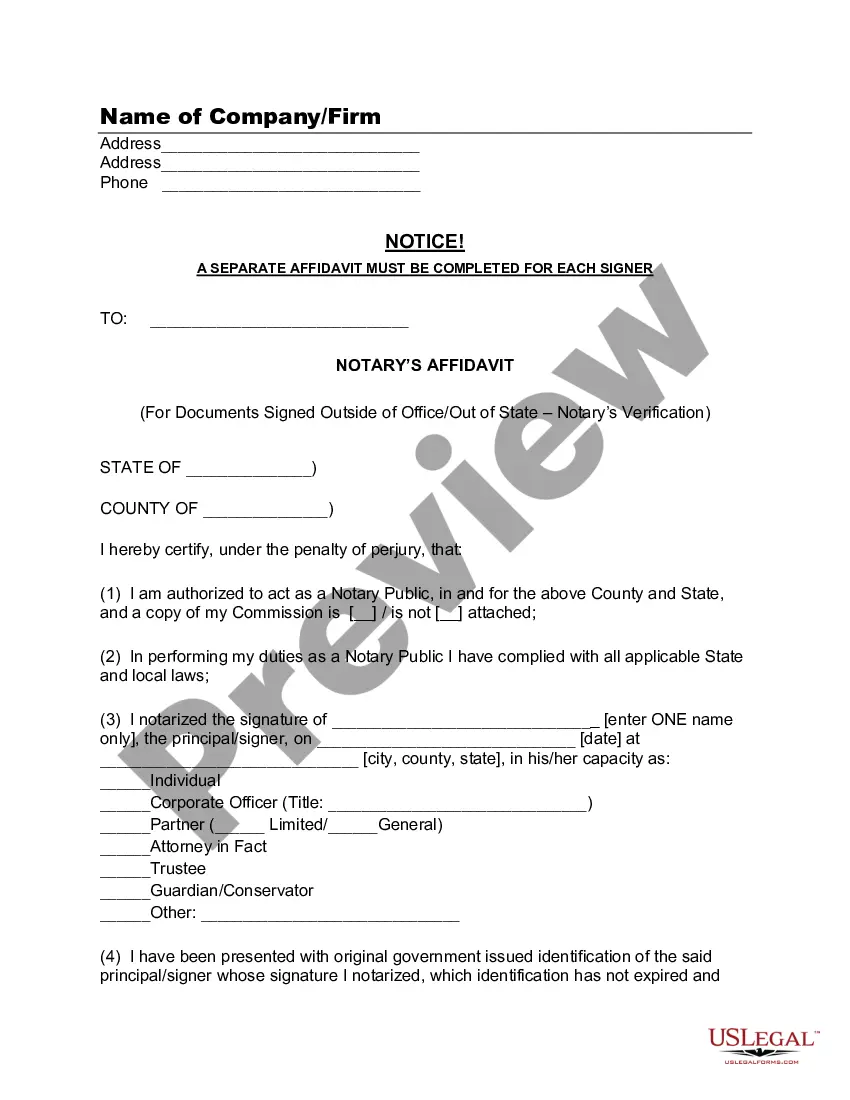
- Have the document notarized to validate its authenticity.
Does this form need to be notarized?
Yes, this form must be notarized to be legally valid. US Legal Forms offers integrated online notarization, allowing you to complete this step securely through a video call without needing to travel to a notary's office.
Get your form ready online
Our built-in tools help you complete, sign, share, and store your documents in one place.
Make edits, fill in missing information, and update formatting in US Legal Forms—just like you would in MS Word.
Download a copy, print it, send it by email, or mail it via USPS—whatever works best for your next step.
Sign and collect signatures with our SignNow integration. Send to multiple recipients, set reminders, and more. Go Premium to unlock E-Sign.
If this form requires notarization, complete it online through a secure video call—no need to meet a notary in person or wait for an appointment.
We protect your documents and personal data by following strict security and privacy standards.

Make edits, fill in missing information, and update formatting in US Legal Forms—just like you would in MS Word.

Download a copy, print it, send it by email, or mail it via USPS—whatever works best for your next step.

Sign and collect signatures with our SignNow integration. Send to multiple recipients, set reminders, and more. Go Premium to unlock E-Sign.

If this form requires notarization, complete it online through a secure video call—no need to meet a notary in person or wait for an appointment.

We protect your documents and personal data by following strict security and privacy standards.
Mistakes to watch out for
- Failing to provide a complete property description, which can lead to rejection.
- Not including the exact amounts due and total contract amounts.
- Omitting required signatures or the notarization step.
- Submitting the form after the legal deadline for filing a lien.
Benefits of completing this form online
- Convenient access to pre-drafted, attorney-reviewed forms.
- Editable formats to customize the form according to specific needs.
- Efficiency in downloading and filing without the need for physical paperwork.
Looking for another form?


Form popularity
FAQ
The process of bonding off a mechanics lien starts after a claimant has filed a mechanics lien. After the claim is made, a general contractor or a property owner can contact a surety bond company to purchase a surety bond that replaces the value of the lien that was filed against the property.
Even though these states may permit project participants to secure lien rights and claim a mechanics lien even without a written contract, it is generally best practice to have a signed written contract for work provided.
In South Carolina, a claimant who has filed a mechanics lien will have 6 months from the last day on which the claimant furnished labor and/or materials to the project to enforce their lien.
A South Carolina mechanics' lien claim must be filed within 90 days after completion of the contractors work. A lawsuit to foreclose upon the South Carolina construction lien must be brought no later than 6 months after the claimant ceases to furnish labor or materials.
While they don't require lien filings to be notarized, they do require a lien filer to jump through various other hoops that, if not done properly, might cause your filing to be rejected or invalidated: Delaware.
To perfect a mechanic's lien, the contractor, subcontractor, or supplier must file a notice of mechanic's lien with the Register of Deeds or Clerk of Court of the county where the real property is located and serve the property owner with notice and a copy of the lien within 90 days of the completion of the work. S.C.
To enforce the lien, the contractor must file a lawsuit within 90 days from the date of recording the lien. If this deadline is passed, the contractor may not be able to enforce the lien and may be required to remove the lien.