South Carolina Subordination, Non-Disturbance, and Attornment Agreement
Understanding this form
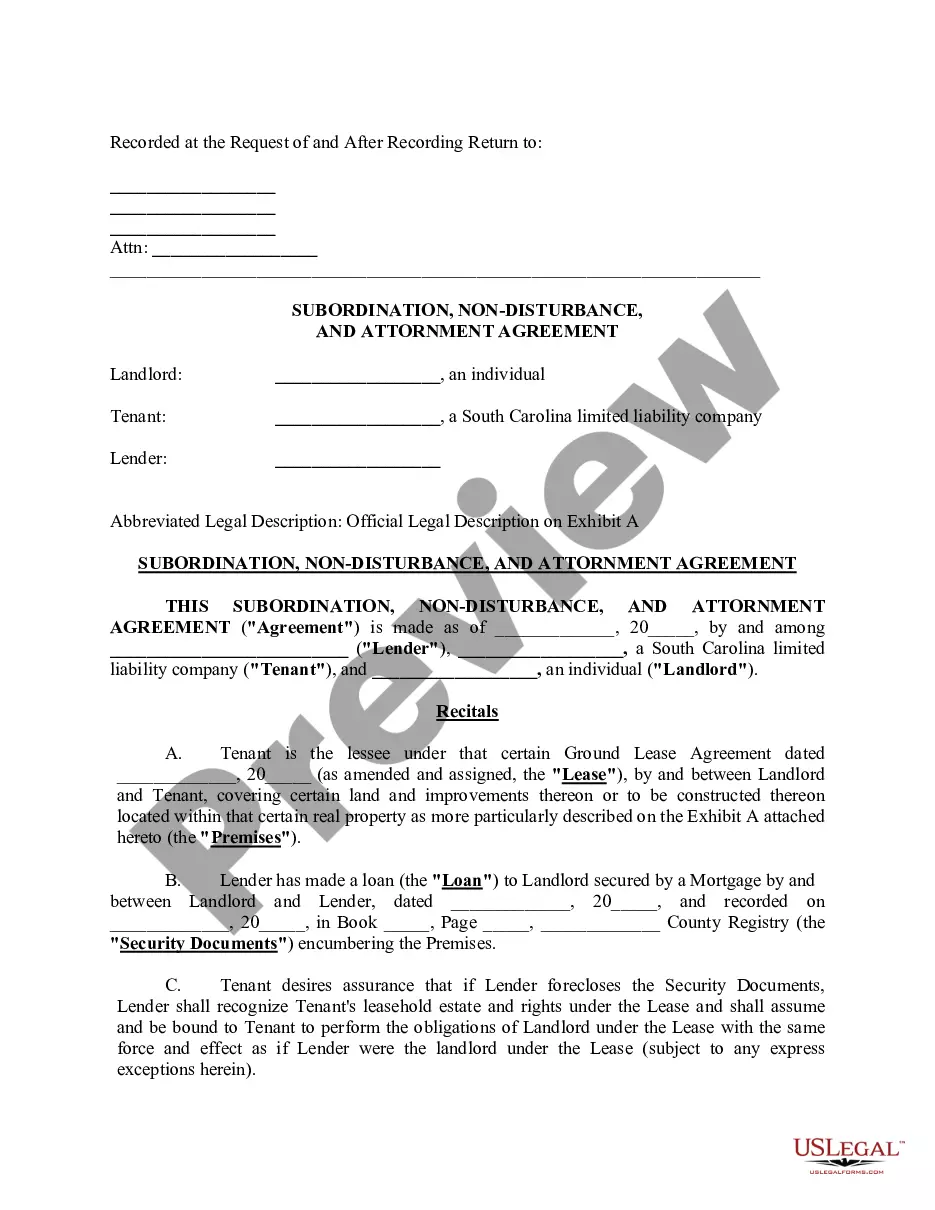
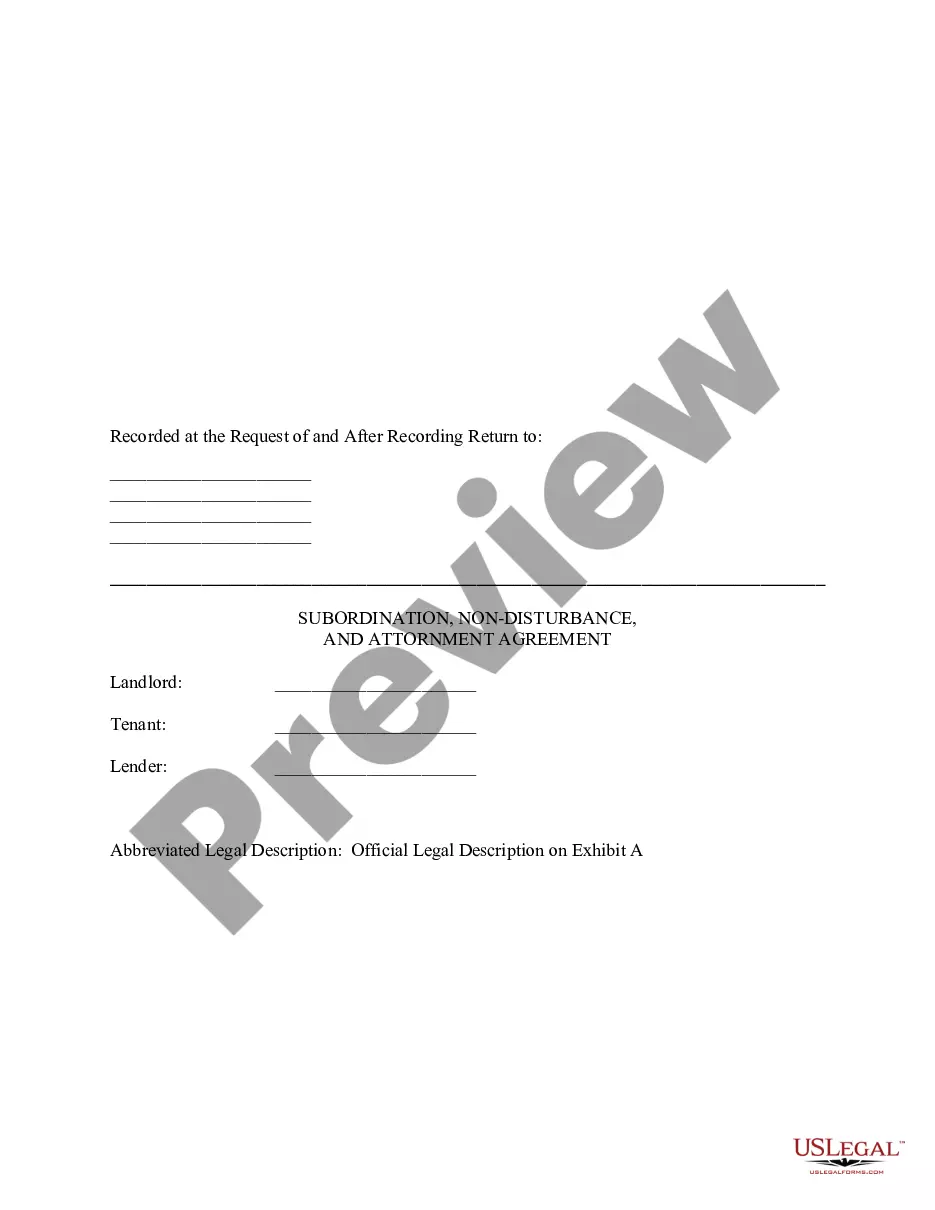
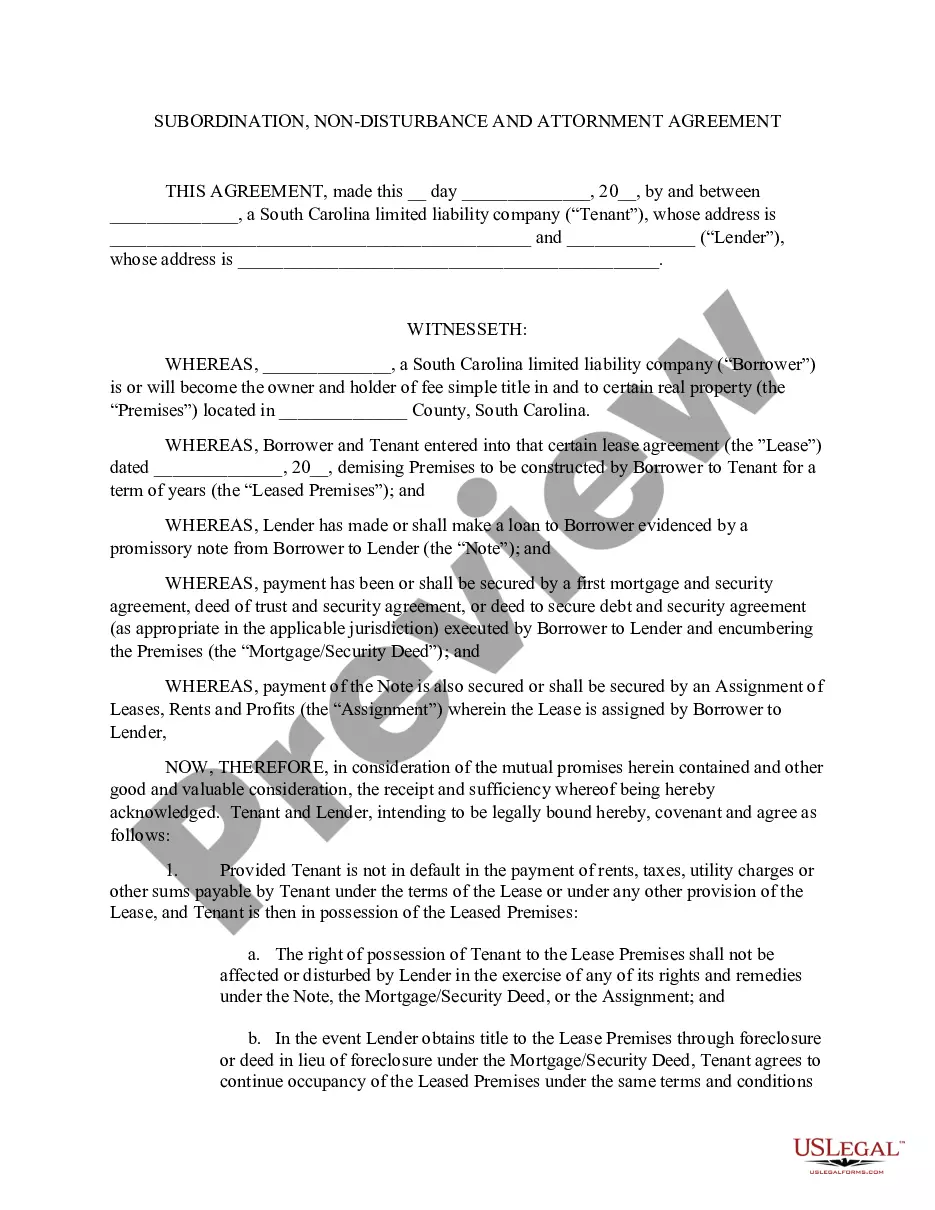
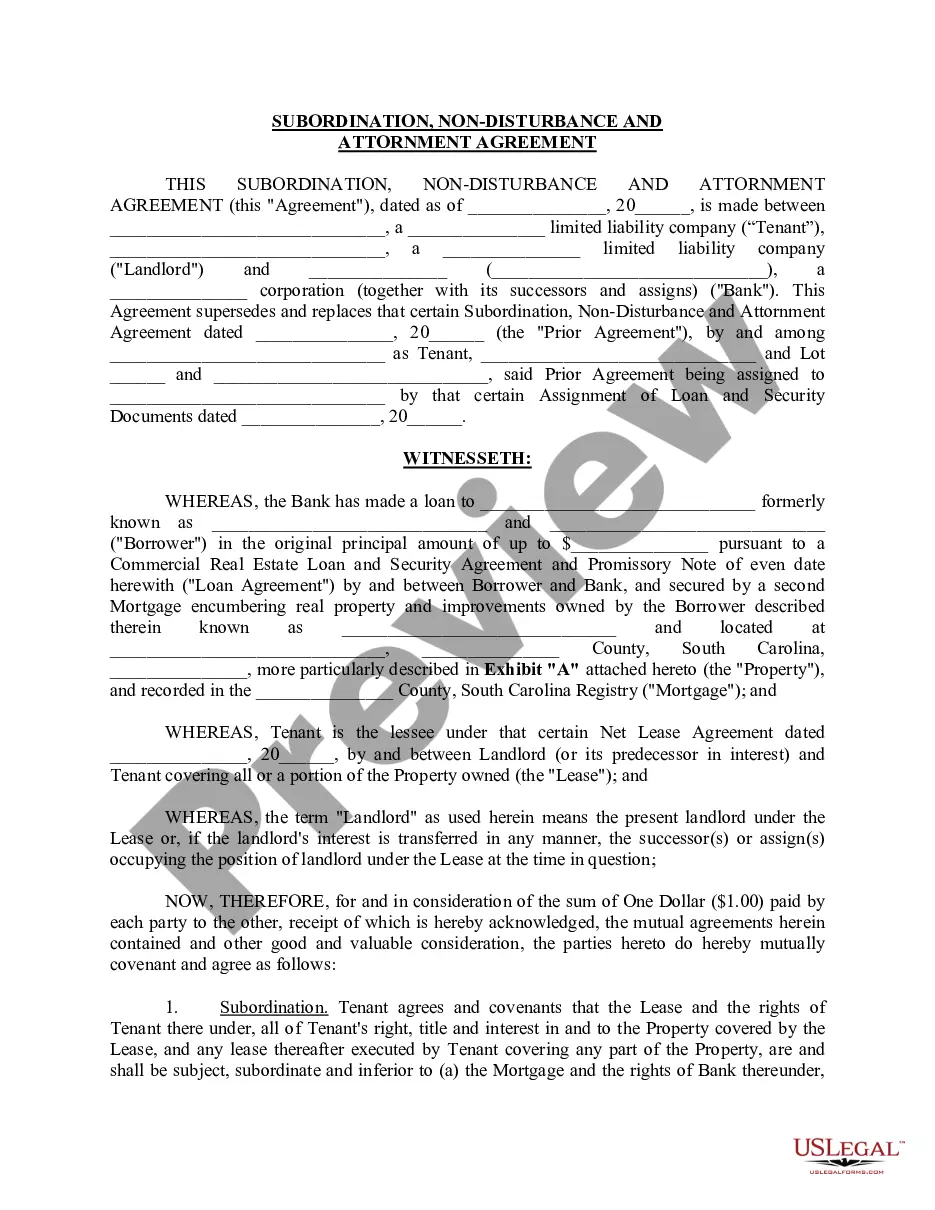
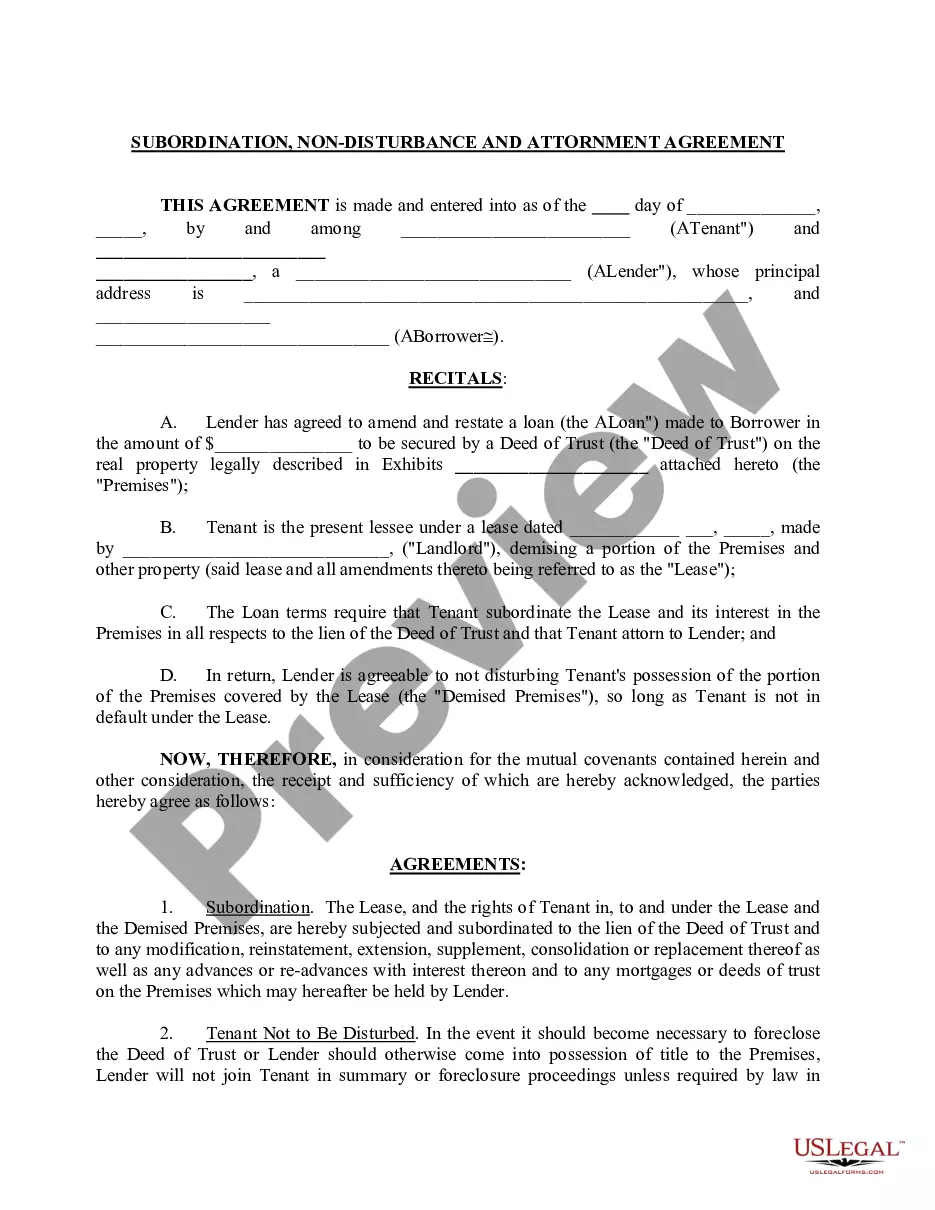
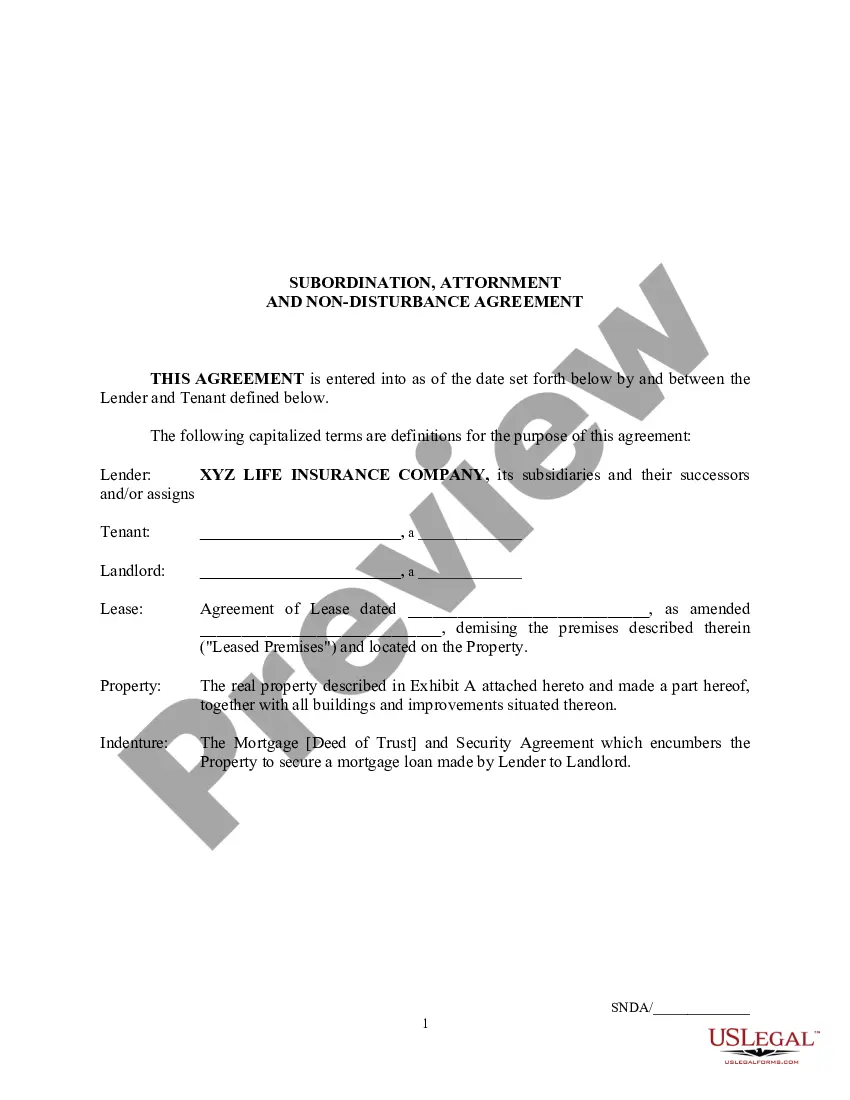
The Subordination, Non-Disturbance, and Attornment Agreement is a legal document that outlines the relationship between a tenant, landlord, and lender. This agreement serves to protect the tenant's lease rights in the event of foreclosure. Unlike standard lease agreements, this document combines three essential components: subordination of the lease to the lenderâs security interest, a non-disturbance clause to ensure the tenant can continue occupancy post-foreclosure, and attornment, wherein the tenant agrees to recognize the purchaser at a foreclosure sale as their new landlord.
Main sections of this form
- Subordination: Establishes that the tenant's lease is subordinate to the lender's security interest.
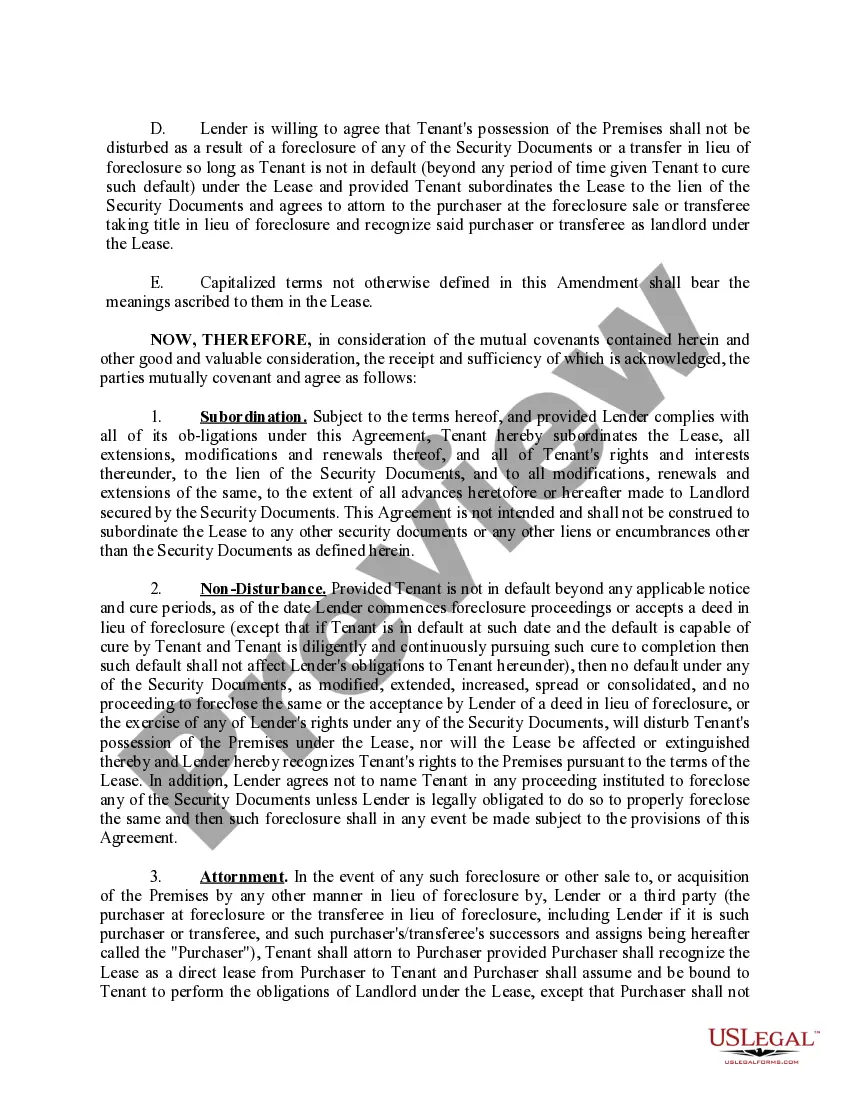
- Non-Disturbance: Guarantees that the tenantâs rights to occupy the premises will not be disturbed upon foreclosure if they are not in default.
- Attornment: The tenant agrees to recognize the purchaser from the foreclosure as their new landlord.
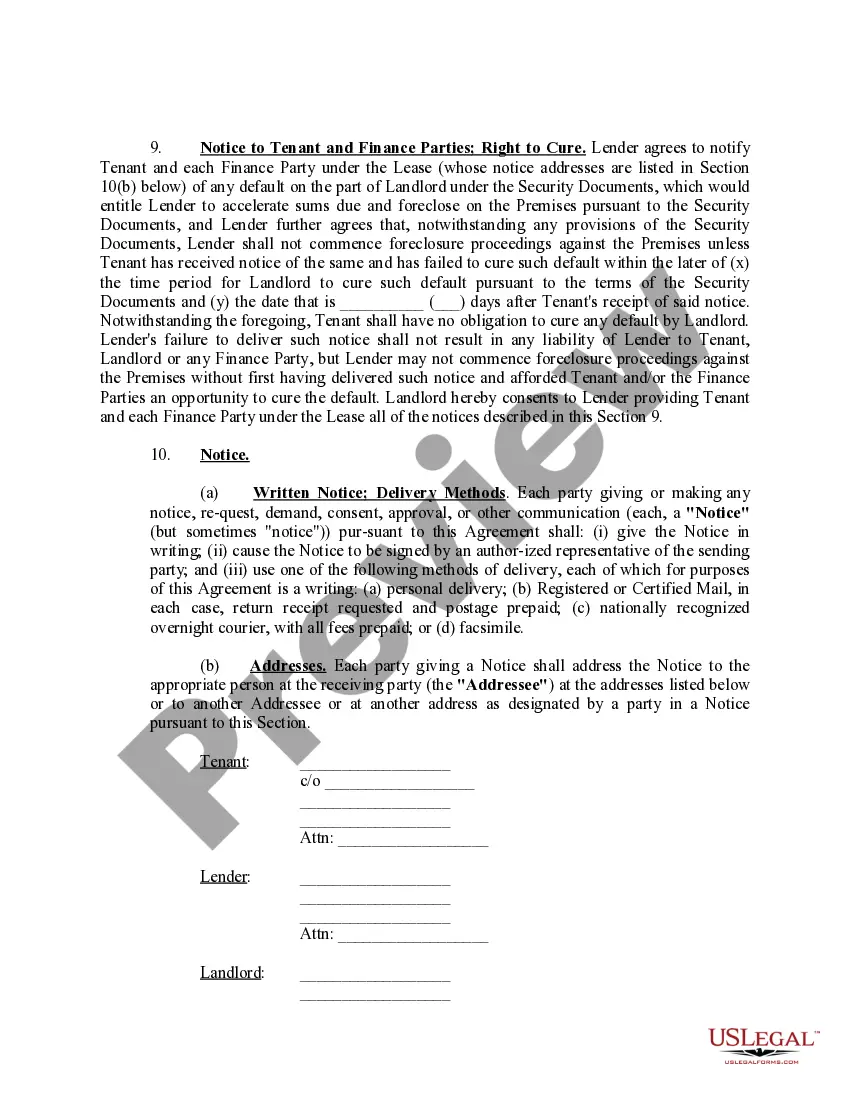
- Notice Requirements: Specifies how and to whom notices regarding defaults or other important communications should be sent.
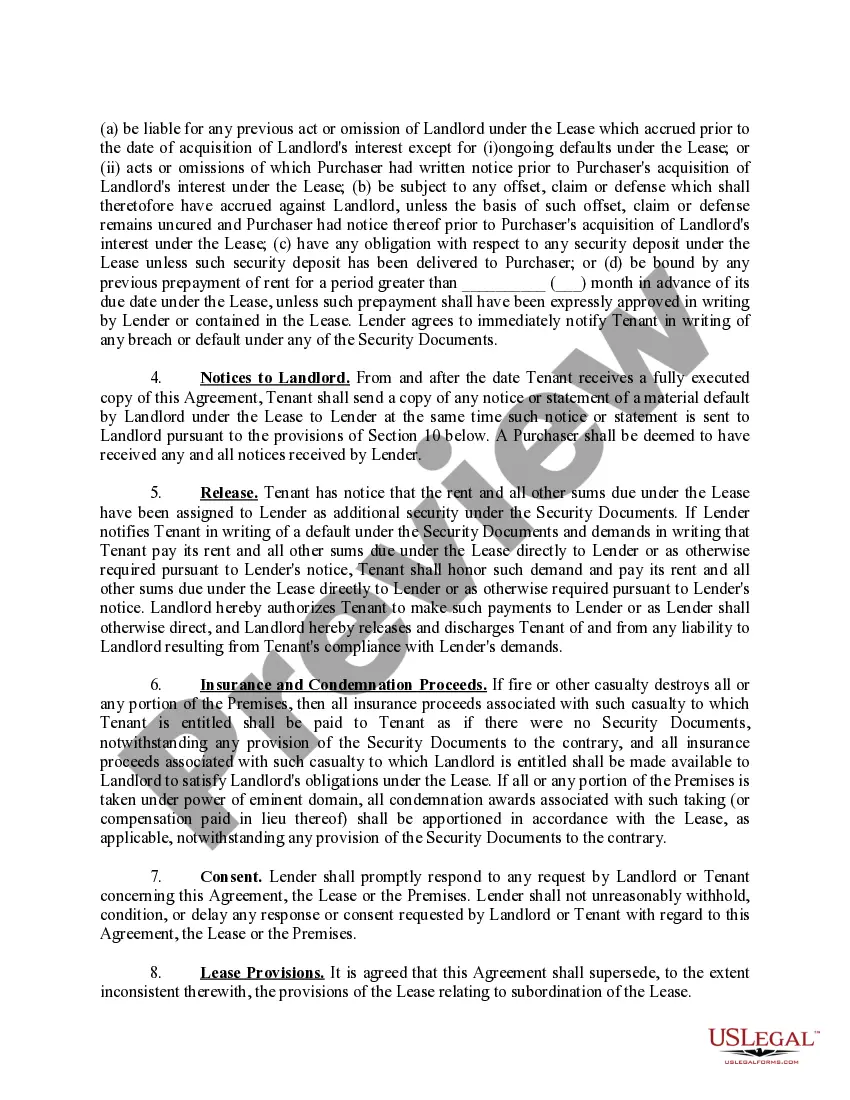
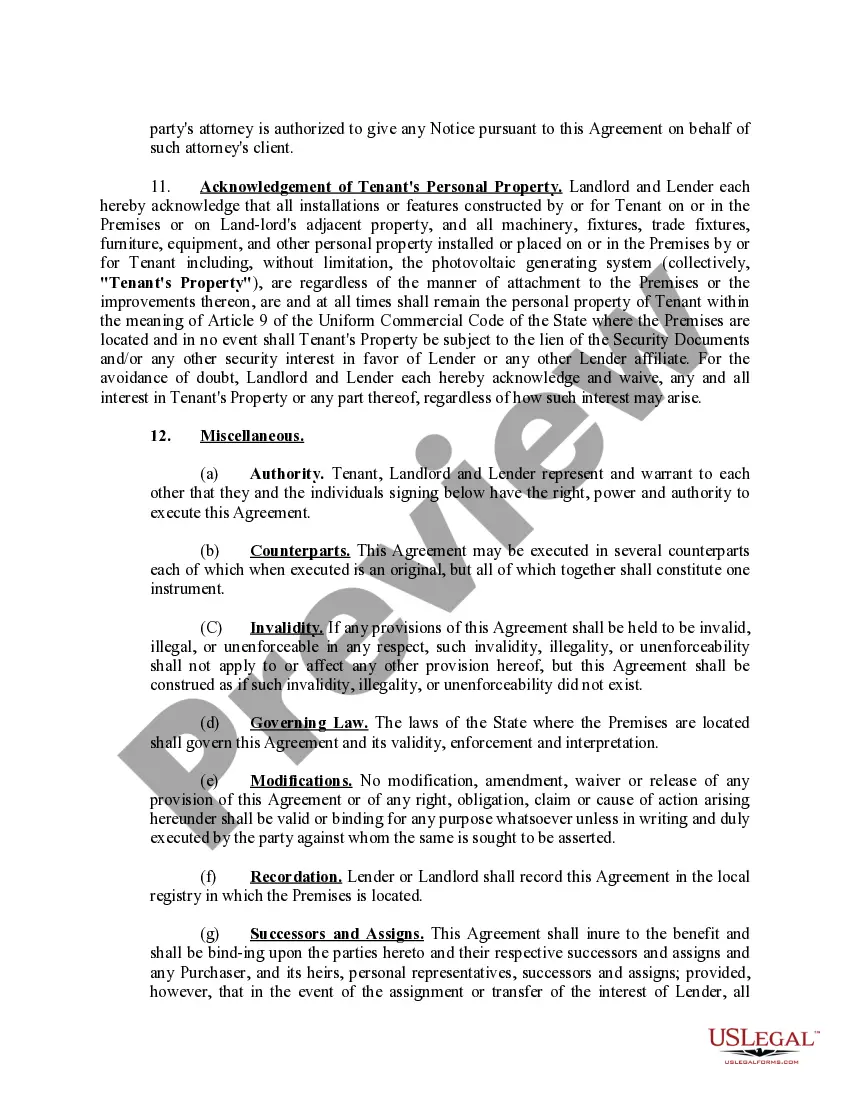
- Release of Liability: Outlines that the tenant is not liable for prior defaults committed by the landlord once the lender takes over.
Situations where this form applies
This form is necessary when a property is under a lease and is being financed with a loan. It should be used to protect the tenant's interests in the event of a foreclosure by the lender. Additionally, landlords and lenders can utilize this agreement to clearly define the terms of tenancy and possession amidst changing ownership circumstances. Typical scenarios include commercial property leases, ground leases, or residential properties where a lender's involvement is present.
Who this form is for
Individuals and entities who may need this form include:
- Commercial tenants seeking security for their tenancy in case of landlord foreclosure.
- Landlords who wish to formalize the agreement with tenants regarding tenancy status during financing.
- Lenders who require assurance that they can enforce their interests without risking tenancy disruption.
Instructions for completing this form
- Identify all parties: Enter the names of the landlord, tenant, and lender.
- Specify the property: Fill in the legal description of the property being leased.
- Enter the loan details: Provide the details of the loan secured by the lender.
- Complete the recitals: Fill in the relevant lease agreement dates and terms.
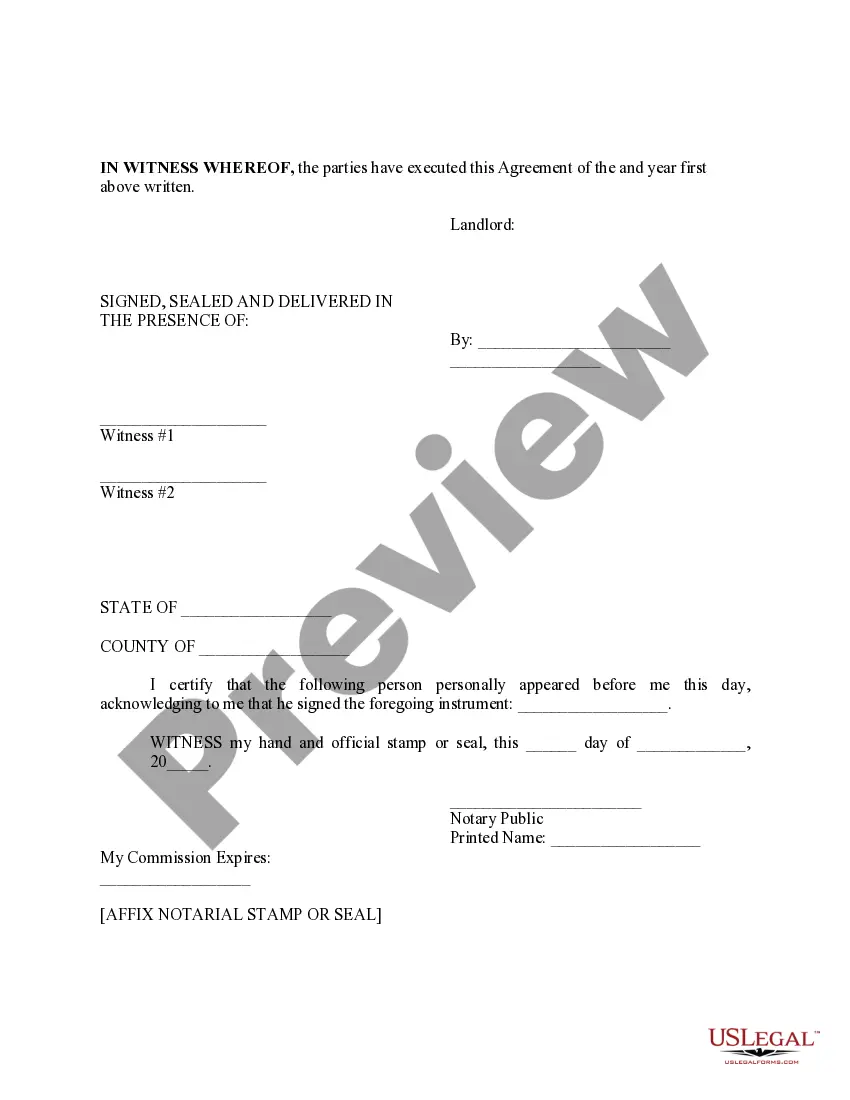
- Sign and date: Ensure all parties sign and date the agreement in the presence of a notary if required.
Notarization requirements for this form
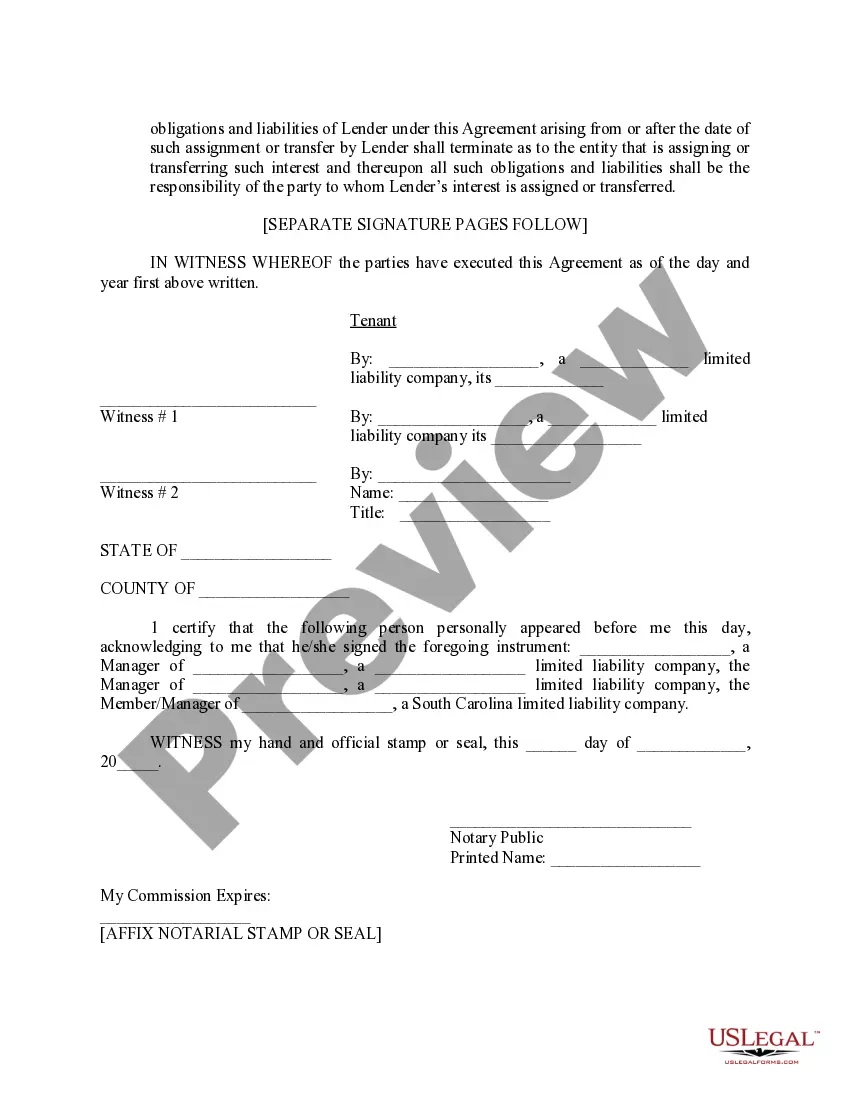
Yes, this form must be notarized to be legally valid. This process involves signing the document in front of a notary public, ensuring its authenticity. US Legal Forms offers integrated online notarization, allowing for secure video calls, legal equivalence, and no need for travel, making it easy to complete the process.
Get your form ready online
Our built-in tools help you complete, sign, share, and store your documents in one place.
Make edits, fill in missing information, and update formatting in US Legal Forms—just like you would in MS Word.
Download a copy, print it, send it by email, or mail it via USPS—whatever works best for your next step.
Sign and collect signatures with our SignNow integration. Send to multiple recipients, set reminders, and more. Go Premium to unlock E-Sign.
If this form requires notarization, complete it online through a secure video call—no need to meet a notary in person or wait for an appointment.
We protect your documents and personal data by following strict security and privacy standards.

Make edits, fill in missing information, and update formatting in US Legal Forms—just like you would in MS Word.

Download a copy, print it, send it by email, or mail it via USPS—whatever works best for your next step.

Sign and collect signatures with our SignNow integration. Send to multiple recipients, set reminders, and more. Go Premium to unlock E-Sign.

If this form requires notarization, complete it online through a secure video call—no need to meet a notary in person or wait for an appointment.

We protect your documents and personal data by following strict security and privacy standards.
Typical mistakes to avoid
- Failing to properly identify all parties involved, leading to ambiguity in the agreement.
- Not reviewing state-specific laws, which may invalidate the agreement.
- Leaving necessary fields blank, such as property descriptions or relevant dates.
- Neglecting to sign and notarize the document if required.
Benefits of completing this form online
- Convenience: Downloadable forms allow for easy access and the ability to complete them at your own pace.
- Editability: The form can be filled out digitally, reducing errors associated with handwriting.
- Reliability: Forms provided by licensed attorneys ensure legal validity and adherence to current laws.
Looking for another form?
Form popularity
FAQ
In the case of commercial property changing hands, an attornment clause in a subordination, non-disturbance, and attornment (SNDA) agreement requires the tenant to acknowledge a new owner as their landlord and to continue paying rent regardless of whether the property changes hands through a normal sale or a
A nondisturbance clause is a provision in a mortgage contract that ensures that a rental agreement between the tenant and the landlord will continue under any circumstances.A nondisturbance clause ensures that a tenant will not be evicted in the event that the landlord goes bankrupt.
A nondisturbance clause is a provision in a mortgage contract that ensures that a rental agreement between the tenant and the landlord will continue under any circumstances.A nondisturbance clause ensures that a tenant will not be evicted in the event that the landlord goes bankrupt.
A lender typically wants to have an SNDA because of its subordination clause if, in the absence of such an agreement, the lease would be prior to the mortgage.Therefore, if a mortgage is senior to a lease, the foreclosure of the mortgage will terminate the lease unless there is an agreement that provides otherwise.
An SNDA is an agreement entered into between a tenant and the lender of the landlord (and, ideally, the landlord) to establish the relationship between the tenant and lender (who would not otherwise have a direct relationship) and provide relative priorities between them.
A Subordination and Non-Disturbance Agreement (SNDA) commonly called a non-disturb is an agreement that your landlord asks its lender to provide. The agreement basically says that if the building goes bankrupt and the lender takes control of the building from the landlord, the lender will honor your lease.
SNDA stands for Subordination, Non-disturbance and Attornment Agreement. You need an SNDA if you are a commercial tenant, a commercial landlord, or a lender taking a mortgage against commercial property. If you're a tenant, the SNDA protects you from being evicted if your landlord stops paying its mortgage loan.
Subordination is the tenant's agreement that its interest under the lease will be subordinate to that of the lender.Attornment is the tenant's agreement to become the tenant of someone other than the original landlord and who has now taken title to the property.