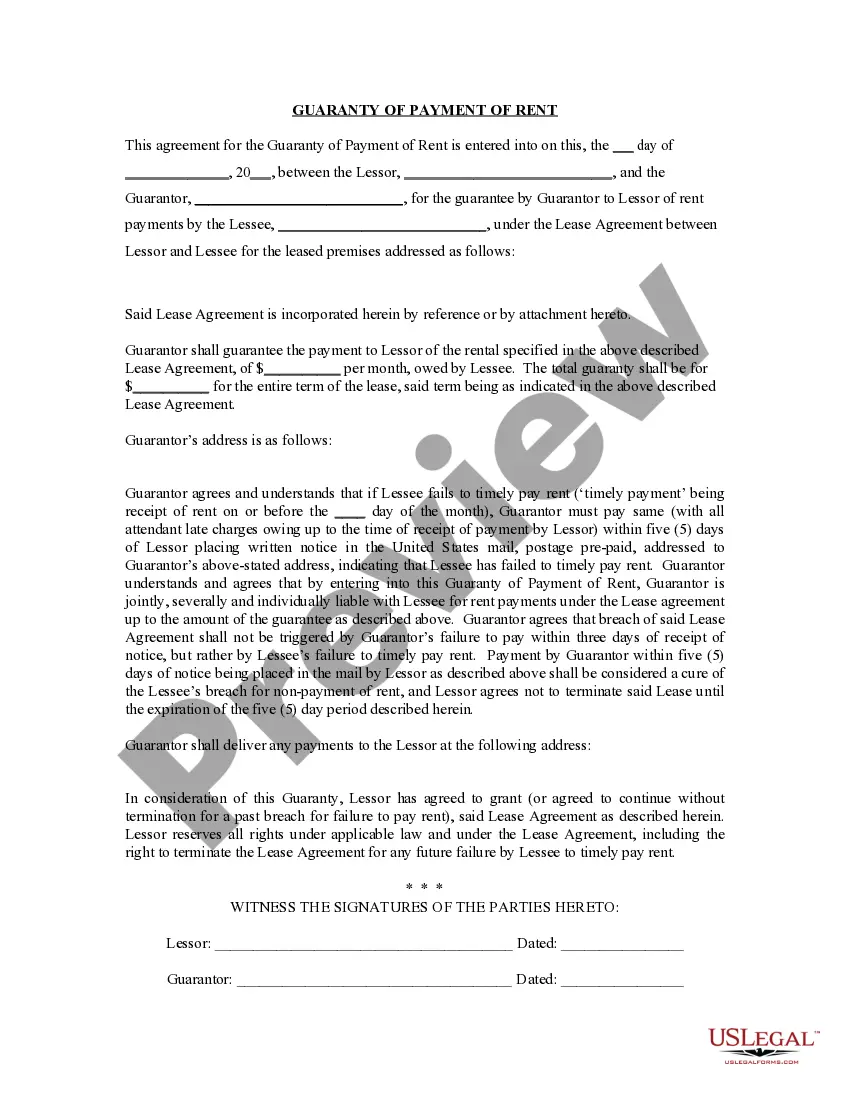
South Carolina Acknowledgment for an individual
What this document covers
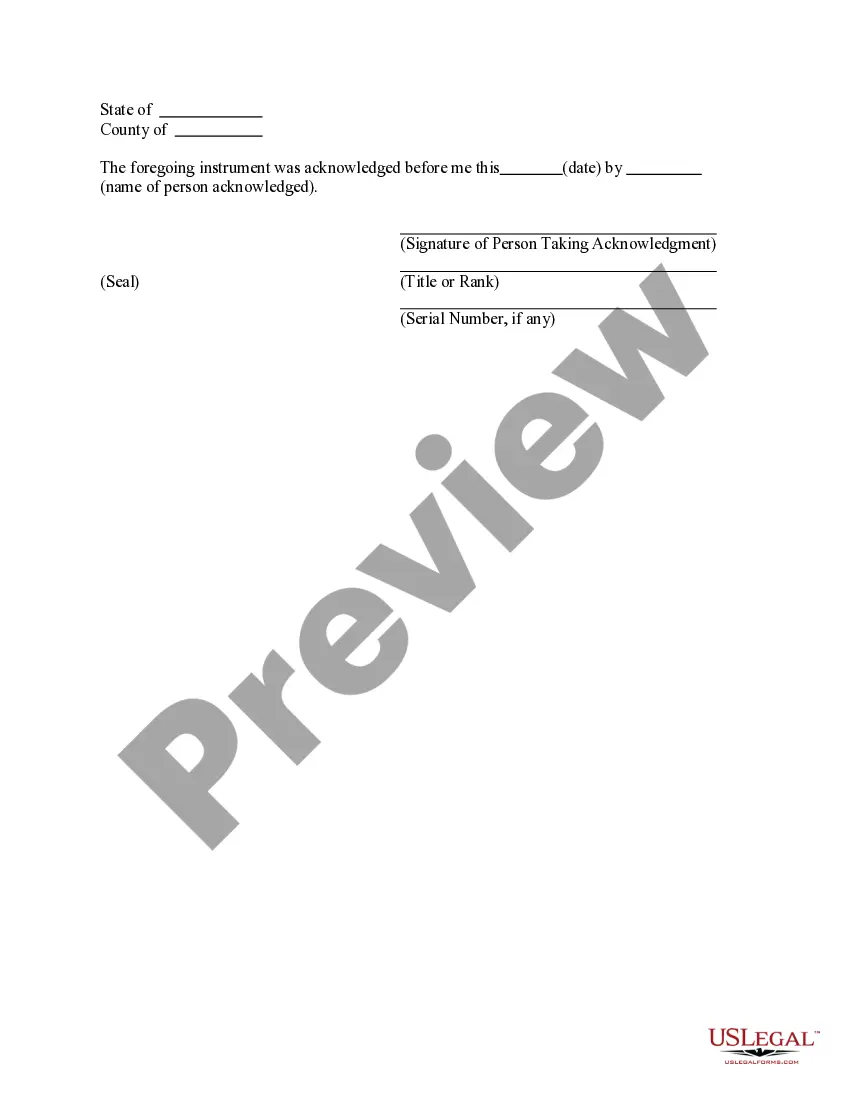
The Acknowledgment for an individual is a legal document used to confirm that a person has willingly signed a document in the presence of a notary or other authorized official. This form is essential for ensuring that the signatory's identity is verified and that the signing is conducted without coercion. Unlike similar forms, such as a general acknowledgment, this form pertains specifically to individual signatories rather than entities or partnerships, making it suitable for personal matters.
Form components explained
- Signature line for the person taking the acknowledgment.
- Space to indicate the date of acknowledgment.
- Section for the name of the person being acknowledged.
- Area for the official seal, if applicable.
- Field for a title or rank of the official conducting the acknowledgment.
- Serial number field, if necessary.
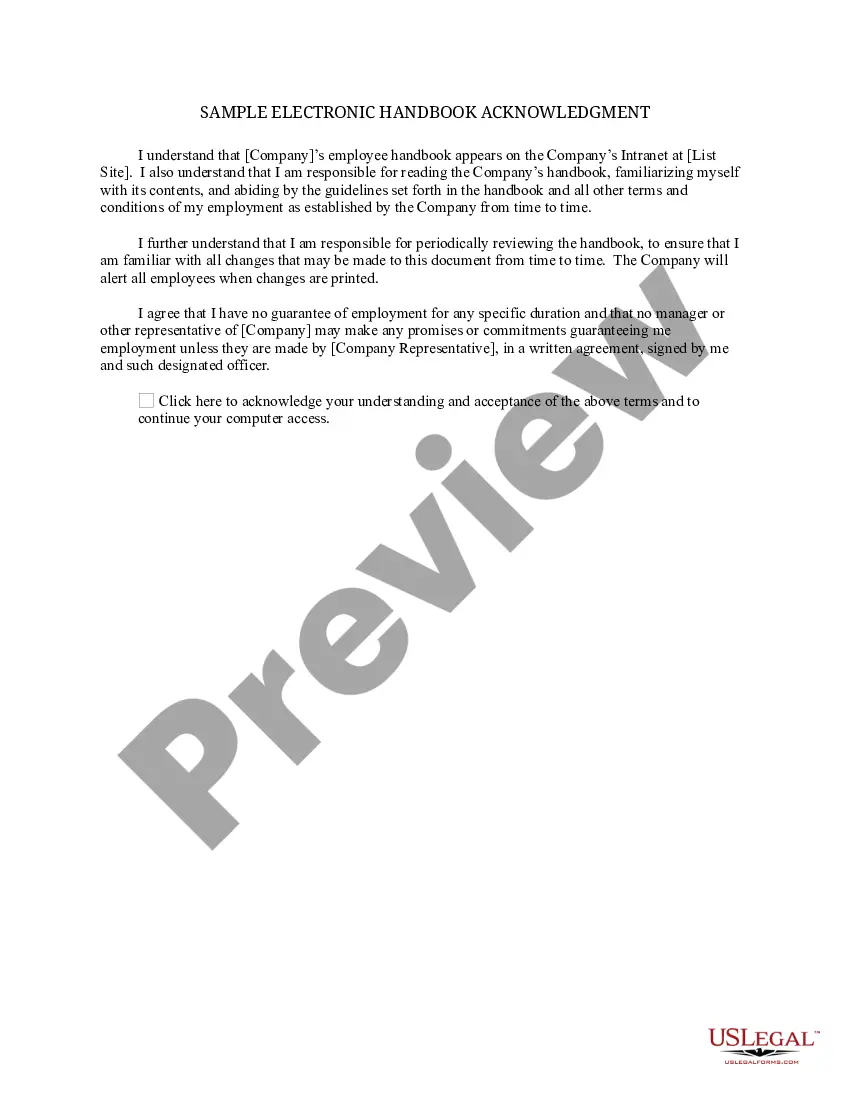
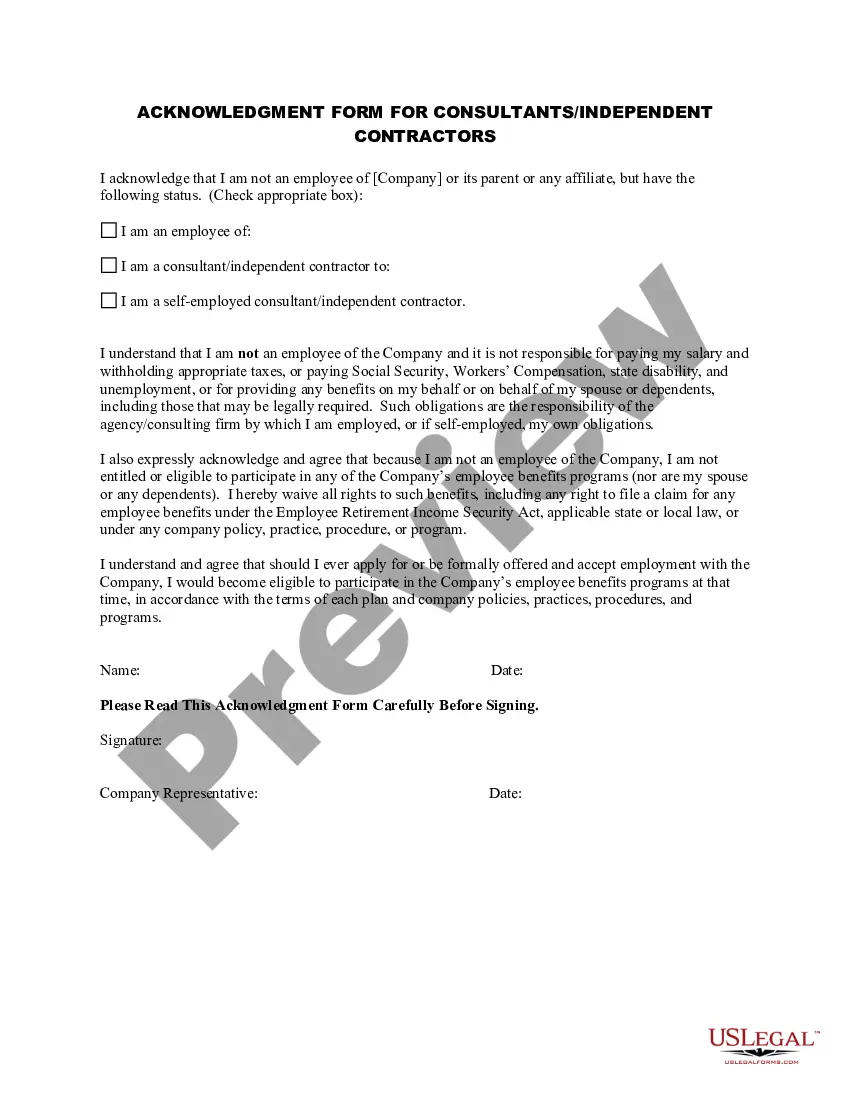
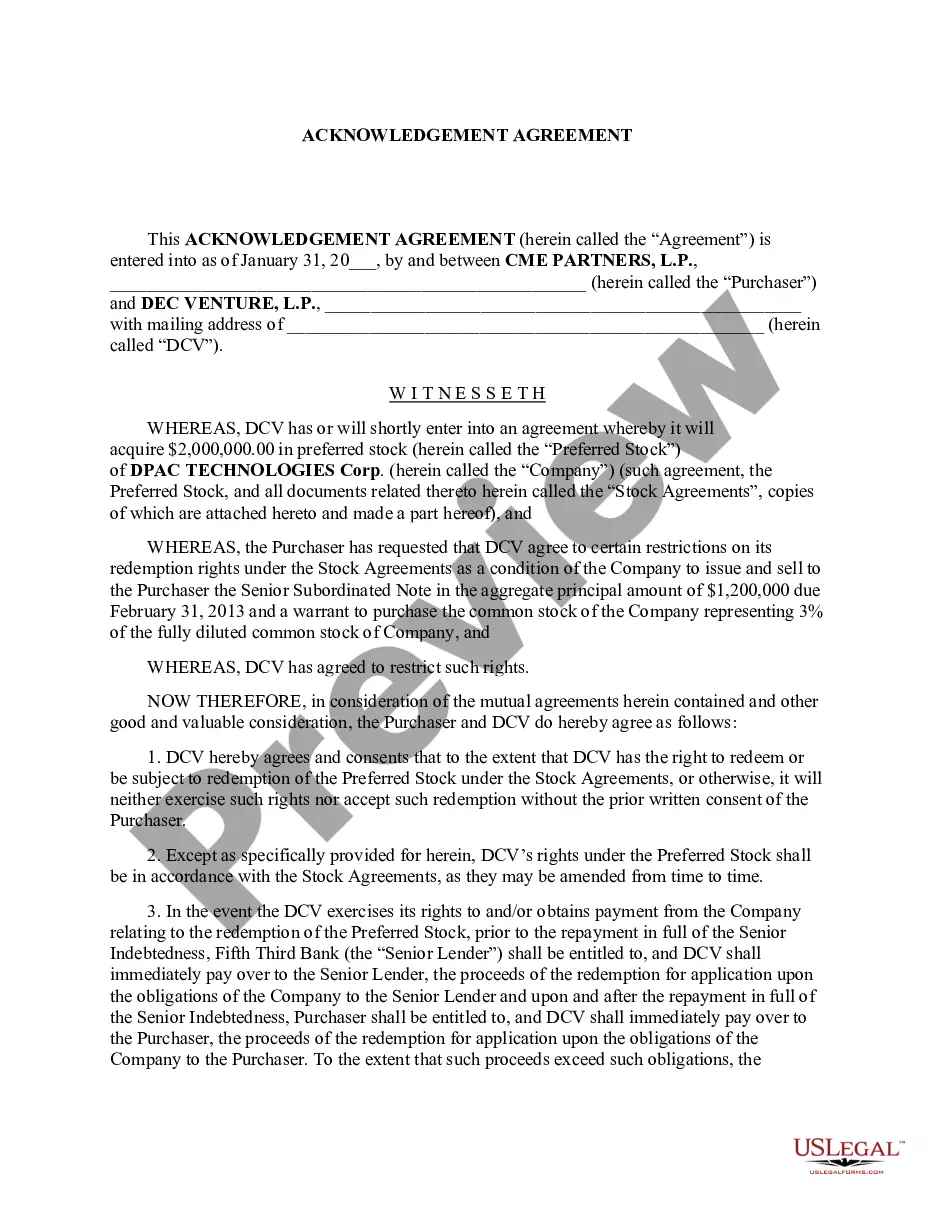
When to use this document
This form should be used when a document requires an individual's acknowledgment, particularly in situations where proof of signature authenticity is needed. Common examples include real estate transactions, legal agreements, and financial documents where a notary's verification is required to meet legal standards.
Who can use this document
- Individuals signing a legal document that requires acknowledgment.
- Notaries public or authorized officials conducting the signing.
- Legal professionals assisting clients with the execution of agreements.
- Parties involved in real estate transactions or contract agreements.
Steps to complete this form
- Identify the person who will be acknowledged.
- Enter the date when the acknowledgment is being made.
- Provide the name of the individual whose signature is being acknowledged.
- Include the title or rank of the person taking the acknowledgment, if applicable.
- Ensure all required parties sign the form, along with the notary's signature and seal.
Notarization requirements for this form
This form must be notarized to be legally valid. US Legal Forms provides secure online notarization powered by Notarize, allowing you to complete the process through a verified video call.
Get your form ready online
Our built-in tools help you complete, sign, share, and store your documents in one place.
Make edits, fill in missing information, and update formatting in US Legal Forms—just like you would in MS Word.
Download a copy, print it, send it by email, or mail it via USPS—whatever works best for your next step.
Sign and collect signatures with our SignNow integration. Send to multiple recipients, set reminders, and more. Go Premium to unlock E-Sign.
If this form requires notarization, complete it online through a secure video call—no need to meet a notary in person or wait for an appointment.
We protect your documents and personal data by following strict security and privacy standards.

Make edits, fill in missing information, and update formatting in US Legal Forms—just like you would in MS Word.

Download a copy, print it, send it by email, or mail it via USPS—whatever works best for your next step.

Sign and collect signatures with our SignNow integration. Send to multiple recipients, set reminders, and more. Go Premium to unlock E-Sign.

If this form requires notarization, complete it online through a secure video call—no need to meet a notary in person or wait for an appointment.

We protect your documents and personal data by following strict security and privacy standards.
Typical mistakes to avoid
- Failing to include the date of acknowledgment.
- Not having the signature of the person acknowledging the document.
- Leaving out the notary's signature or seal.
- Not specifying the individual's name clearly.
Why complete this form online
- Easy access to templates drafted by licensed attorneys.
- Convenient download options that can be customized.
- Time-saving process that eliminates the need for in-person visits to legal offices.
- Reliable resources for ensuring compliance with legal standards.
Looking for another form?
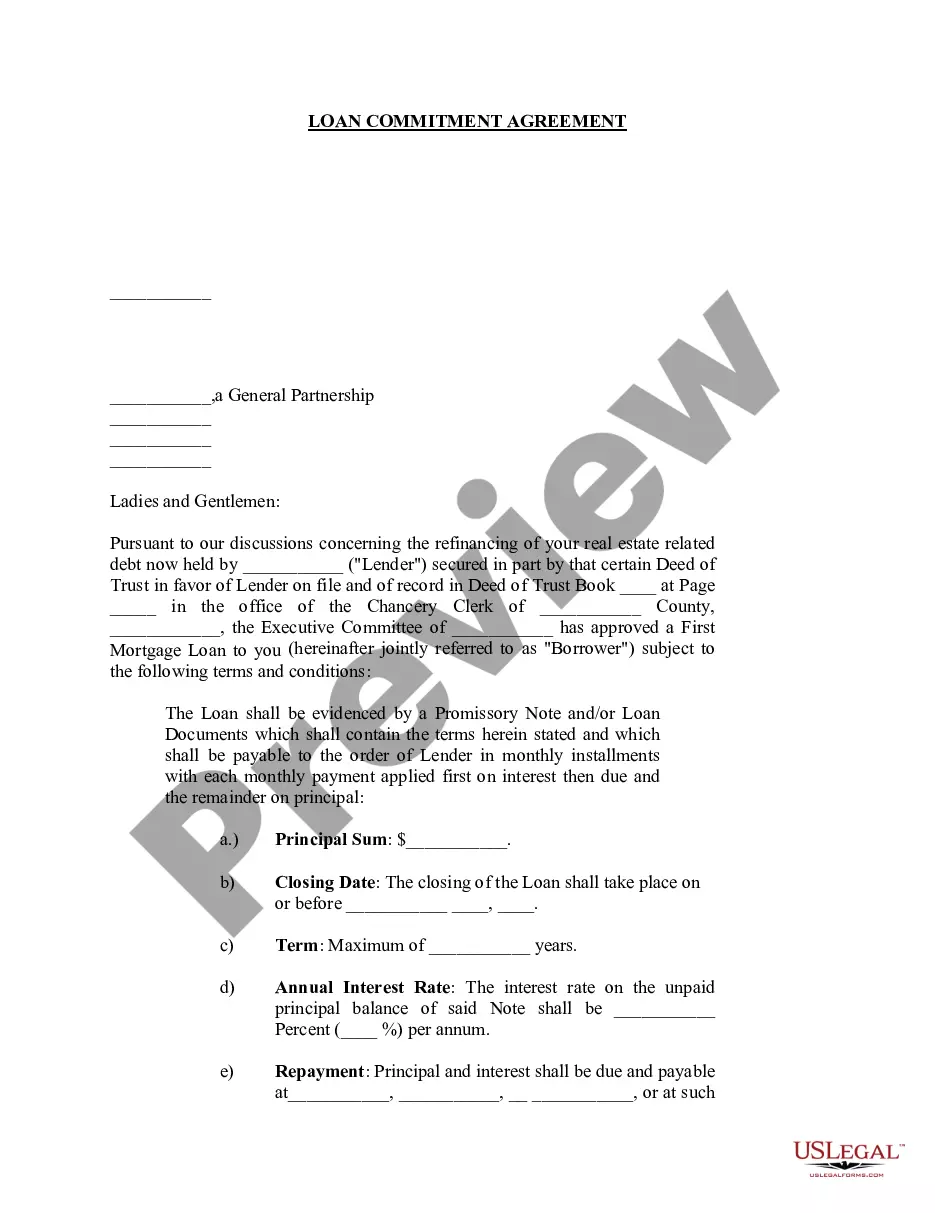
Form popularity
FAQ
An acknowledgment is a formal declaration before an authorized official such as a notary, by a person who has signed a document, that the document is his or her act. Acknowledgments are governed by the Uniform Acknowledgment Act. The person acknowledging the document must personally appear before the notary.
The Individual Acknowledgment certificate is used when an individual is signing and acknowledging on his or her own behalf.
Stelk, known to me to be the person nained in and who executed the above Mutual Release and Settlement Agreement, and he acknowledged to me that he executed the same as his free act and deed.
What Is An Acknowledgment? The purpose of an acknowledgment is for a signer, whose identity has been verified, to declare to a Notary or notarial officer that he or she has willingly signed a document.The signer may either sign the document before appearing before you, or in your presence.
This is a form that shows that a notary public has established the identity of the signer(s) and witnessed the signature of a document. It only demonstrates that the document has been signed and does not make any claims about the information in the document.
What Is An Acknowledgment? The purpose of an acknowledgment is for a signer, whose identity has been verified, to declare to a Notary or notarial officer that he or she has willingly signed a document.The signer may either sign the document before appearing before you, or in your presence.
South Carolina Notary Stamps Yes! RequiredS.C. Code Ann. § 26-1-60 requires notaries to have a seal of office for affixation onto all notarial acts. This seal of office can be either a stamp or seal embosser.
Unlike jurats, an acknowledgment does not need to be signed in the presence of a notary. However, the affiant does need to swear or affirm that they signed under their own free will.
Can I notarize my friend's document? No. If a notary public is a party to a transaction, or has a direct or indirect financial (or other beneficial) interest in the transaction, no matter how small, the notary must decline the notarization.