South Carolina Electric Line Right-of-Way Easement
Understanding this form
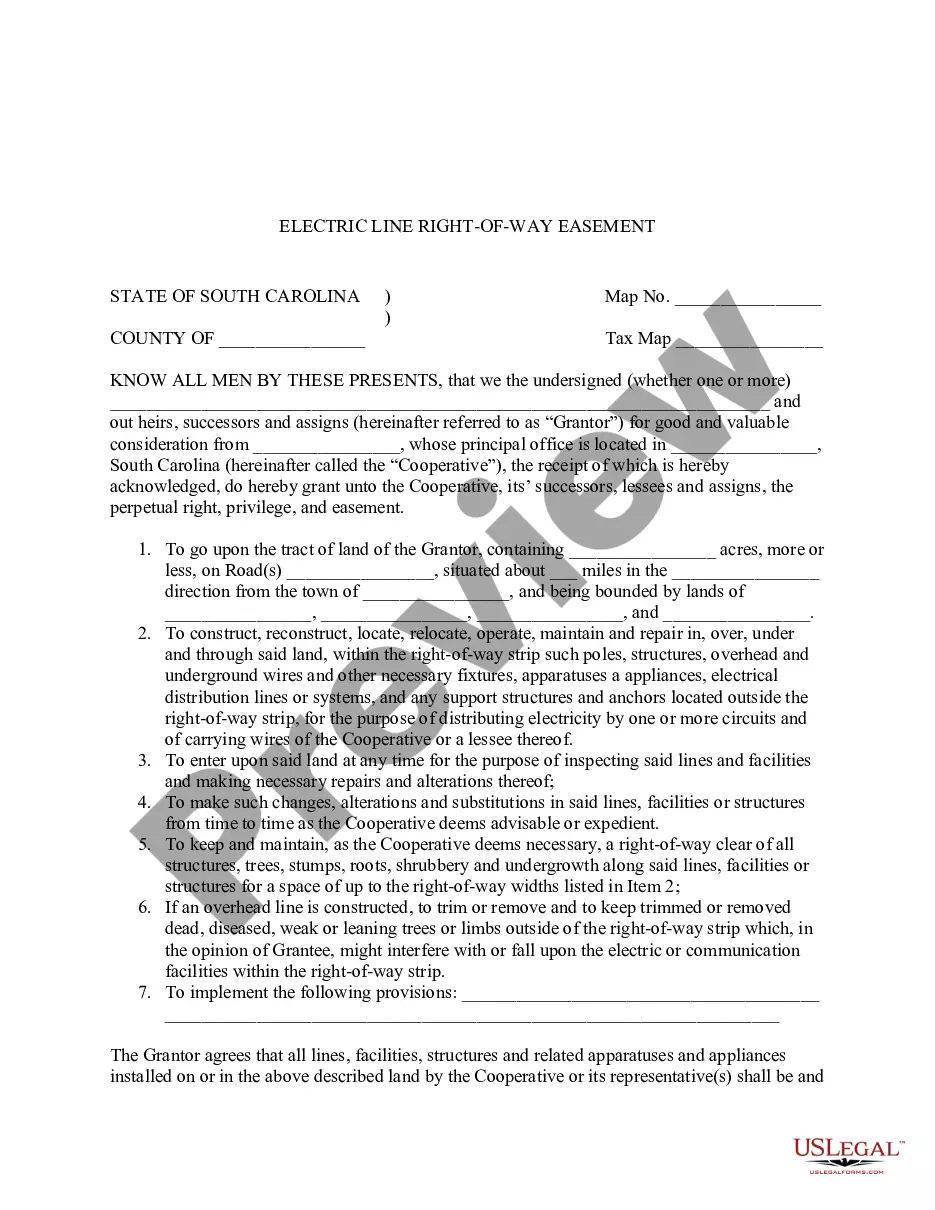
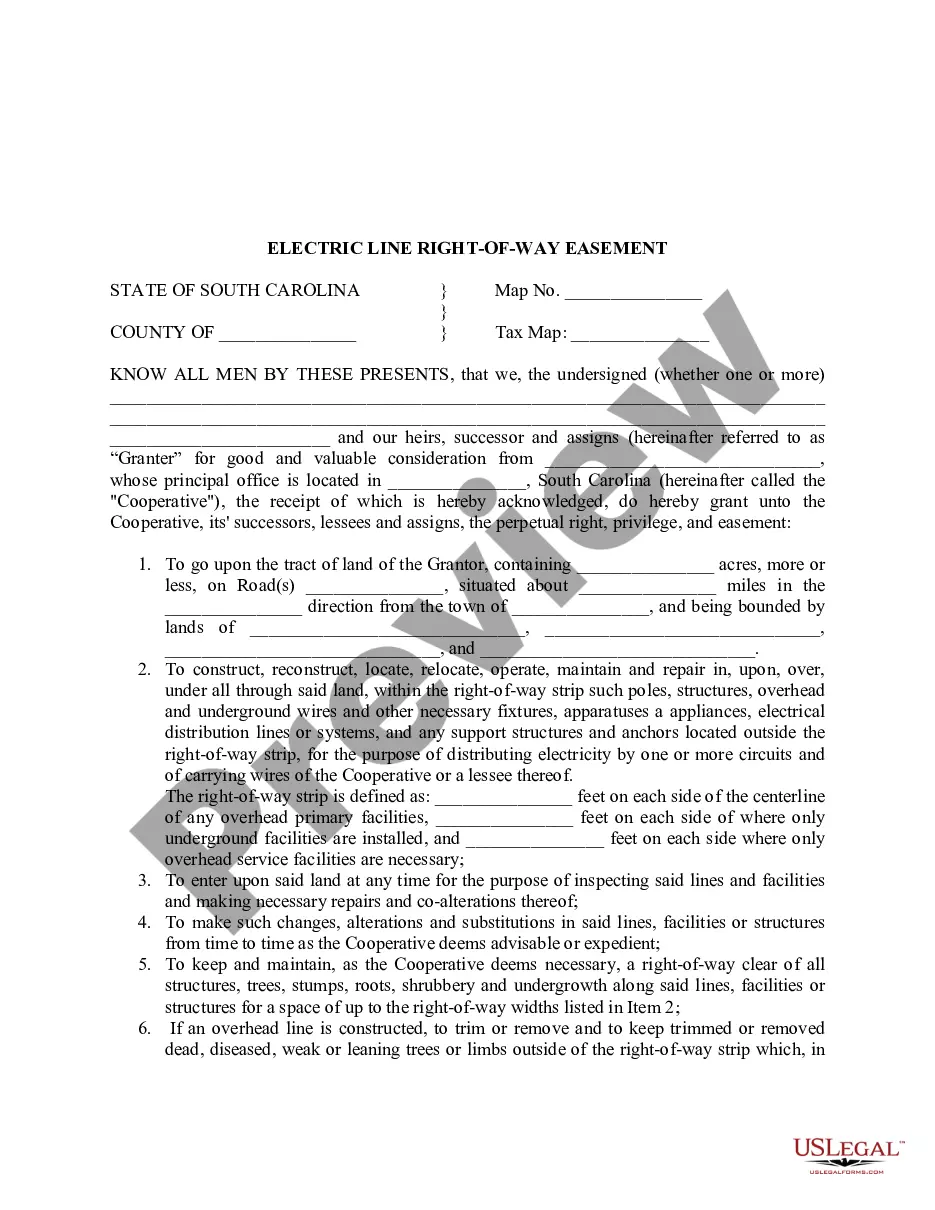
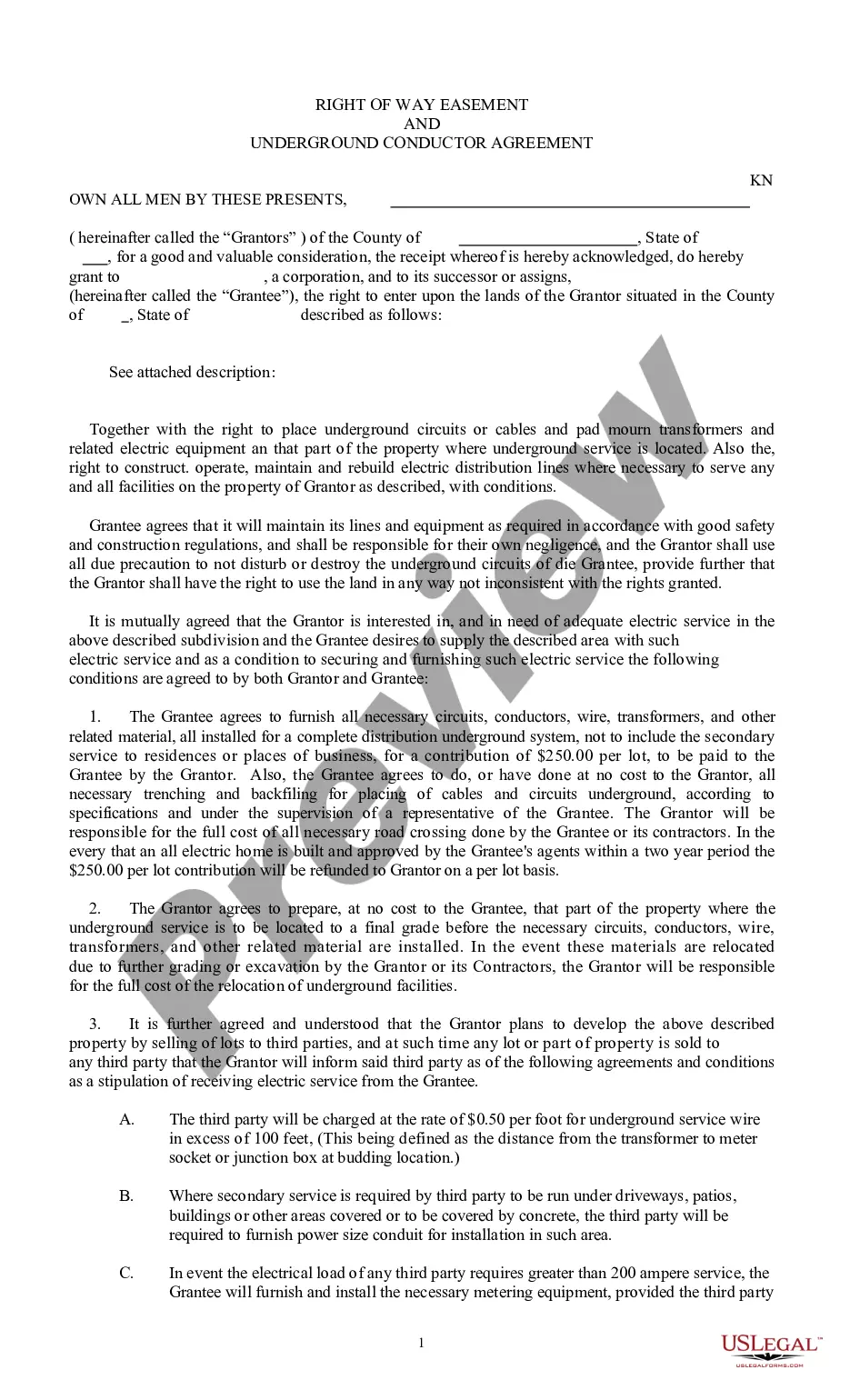
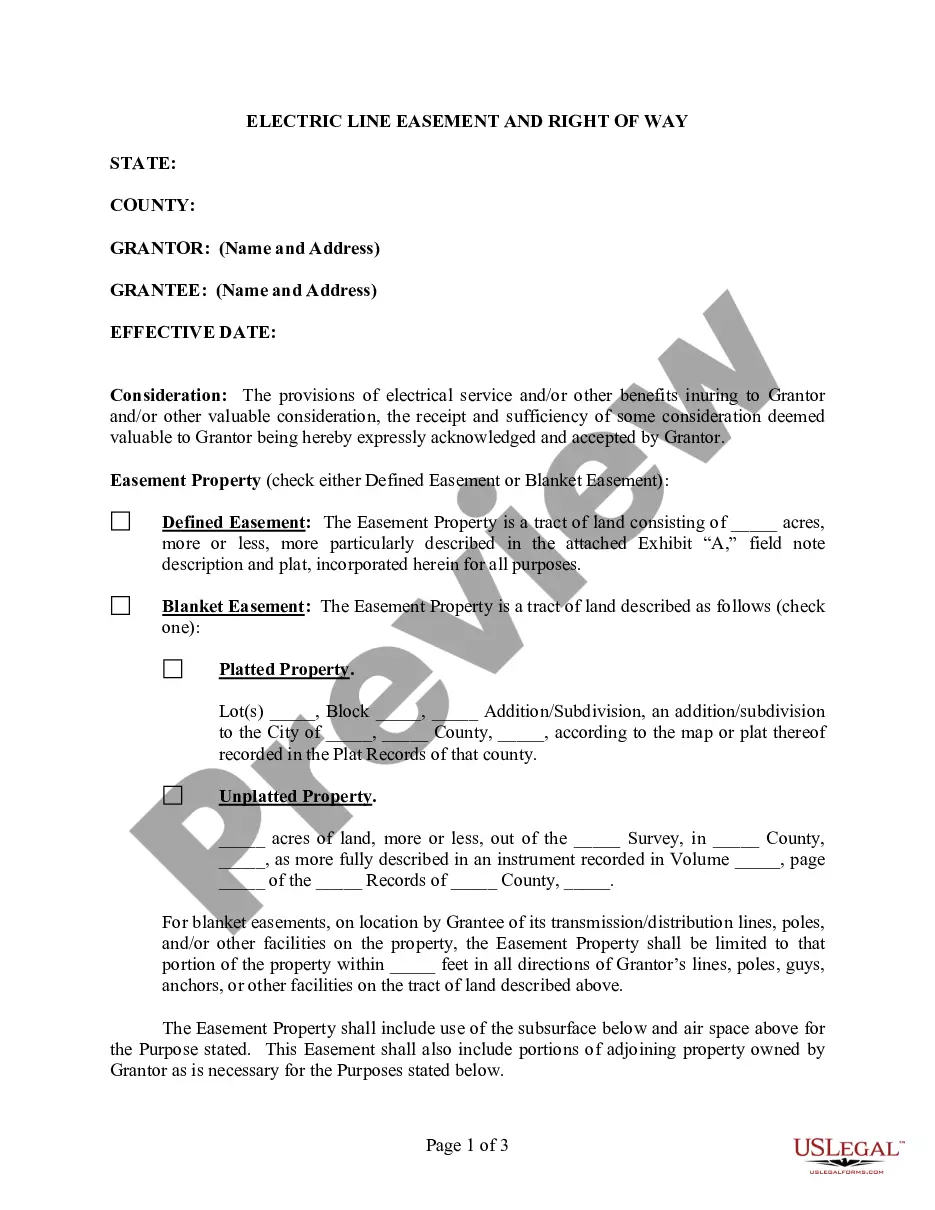
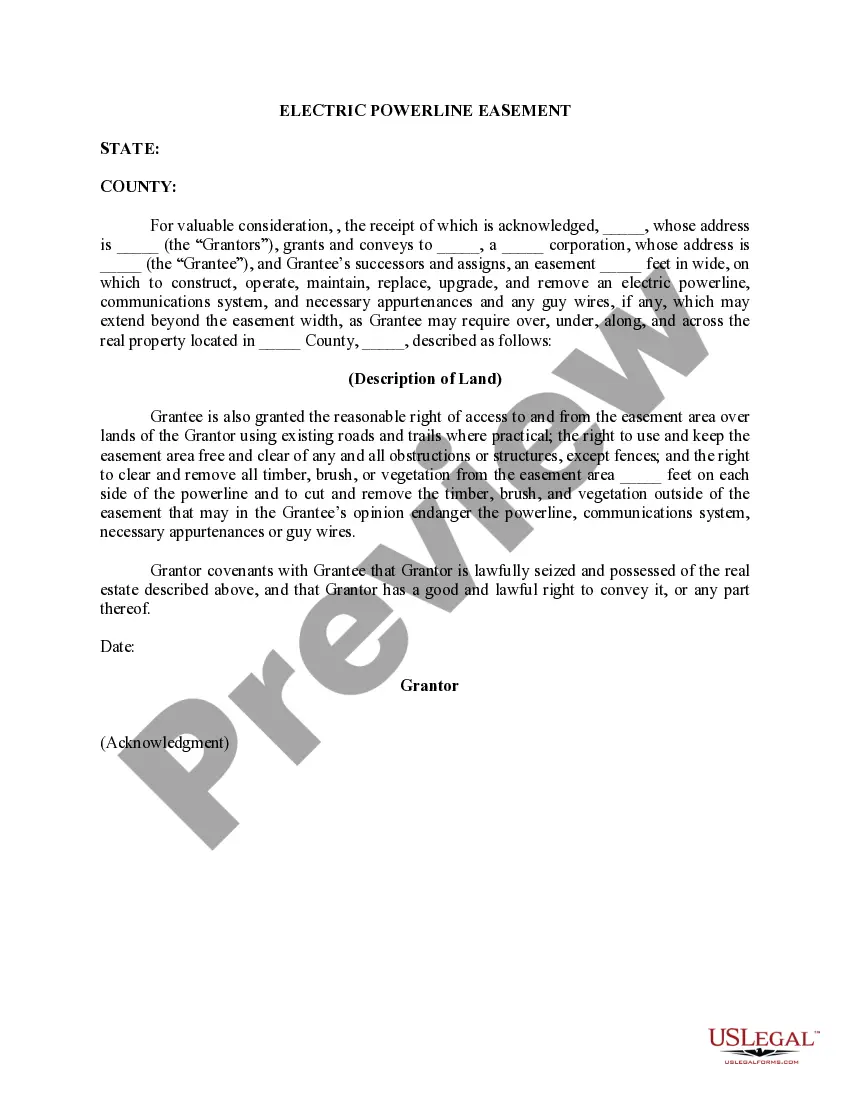
The Electric Line Right-of-Way Easement is a legal document that grants a utility company the right to access and use a portion of private property for the installation, operation, and maintenance of electric lines and related equipment. This form differs from other easement agreements by specifically addressing the needs and rights associated with electric utilities, making it essential for property owners who need to permit such access.
What’s included in this form
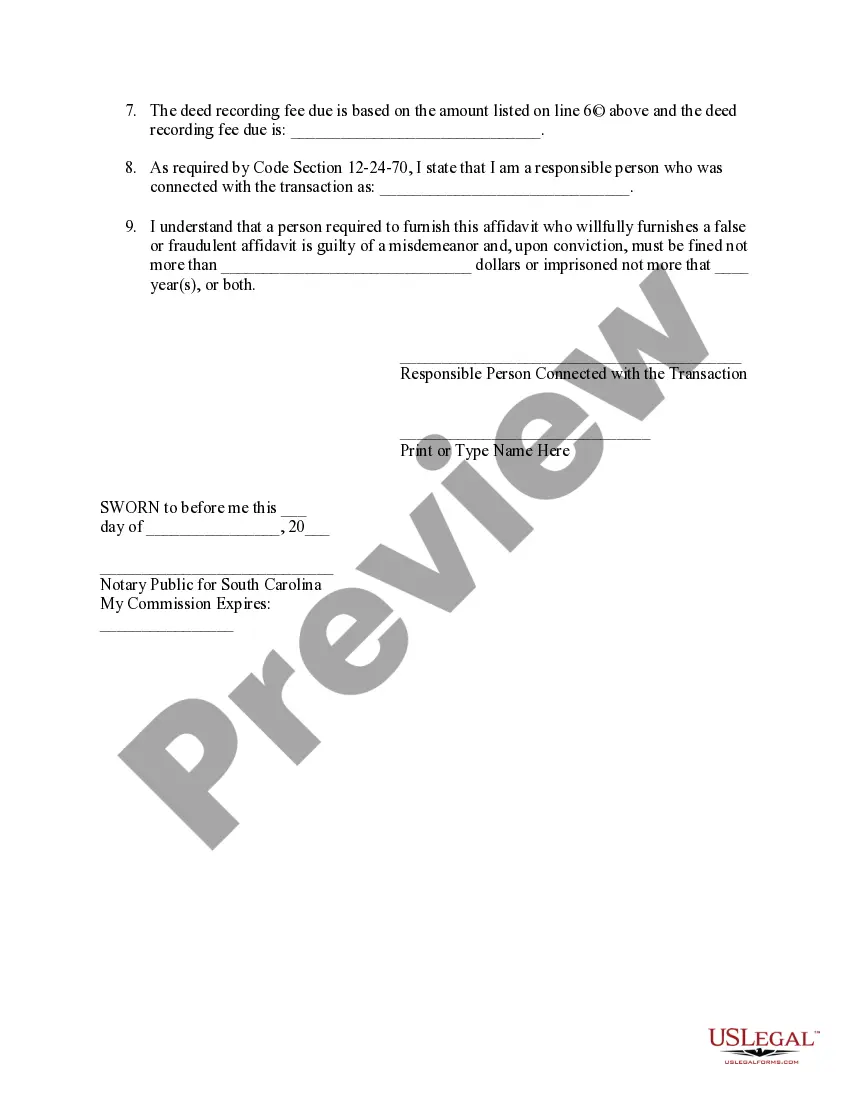
- Identification of Grantor: Names of the property owners granting the easement.
- Utility Company Information: Details about the electric utility receiving the easement.
- Description of Property: Physical description of the land affected by the easement.
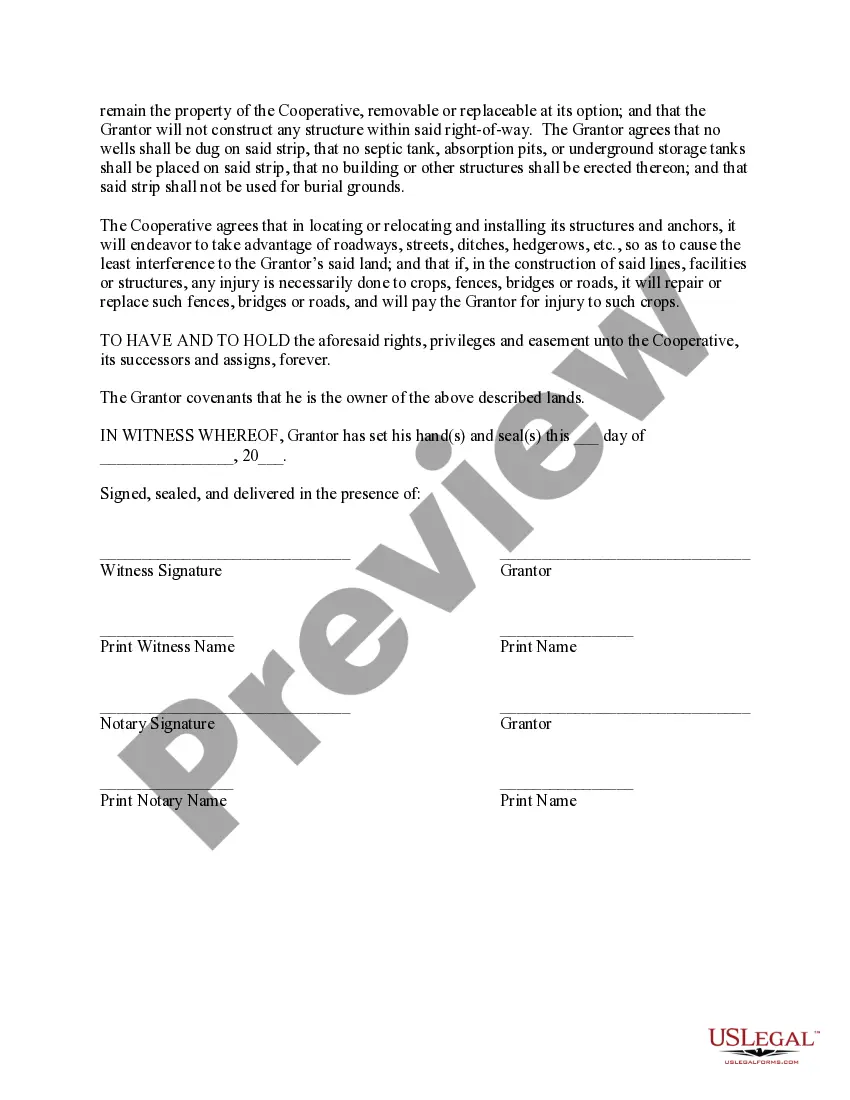
- Rights Granted: Specific rights for construction, maintenance, and repairs of electric lines.
- Liability and Indemnification: Provisions regarding the maintenance of crops and property damages caused by utility activities.
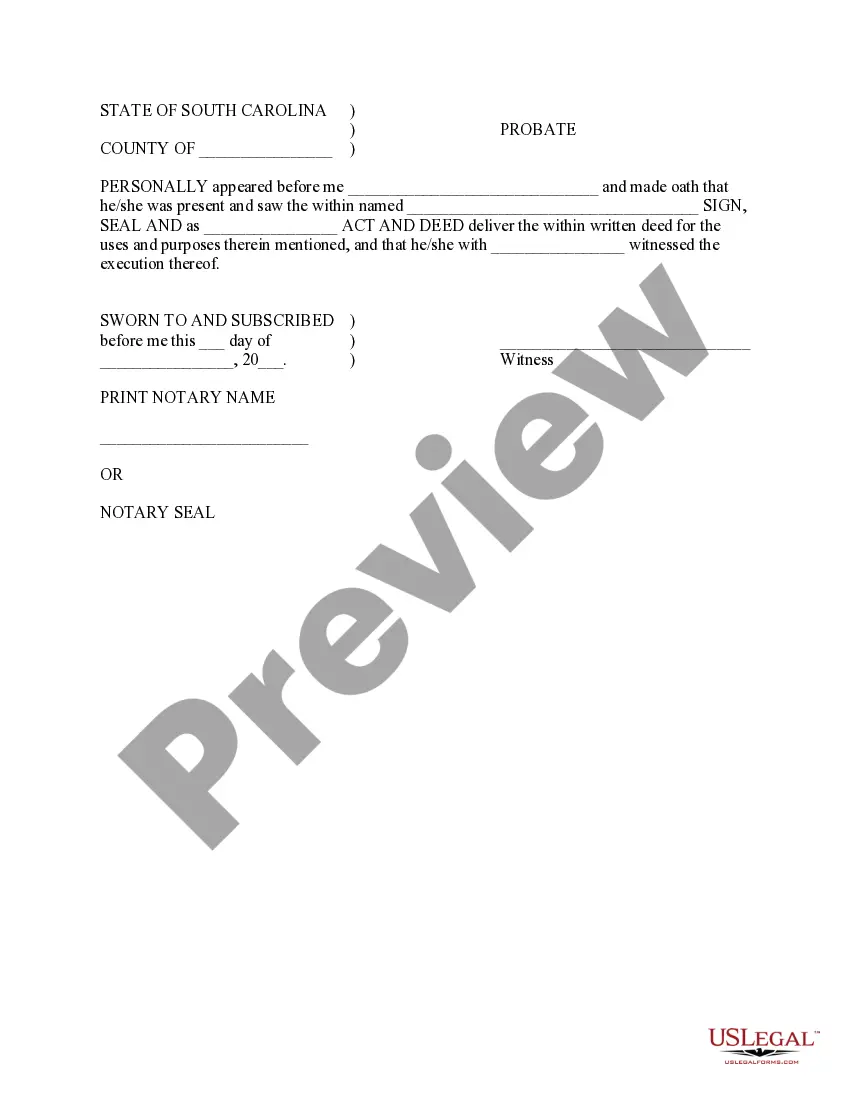
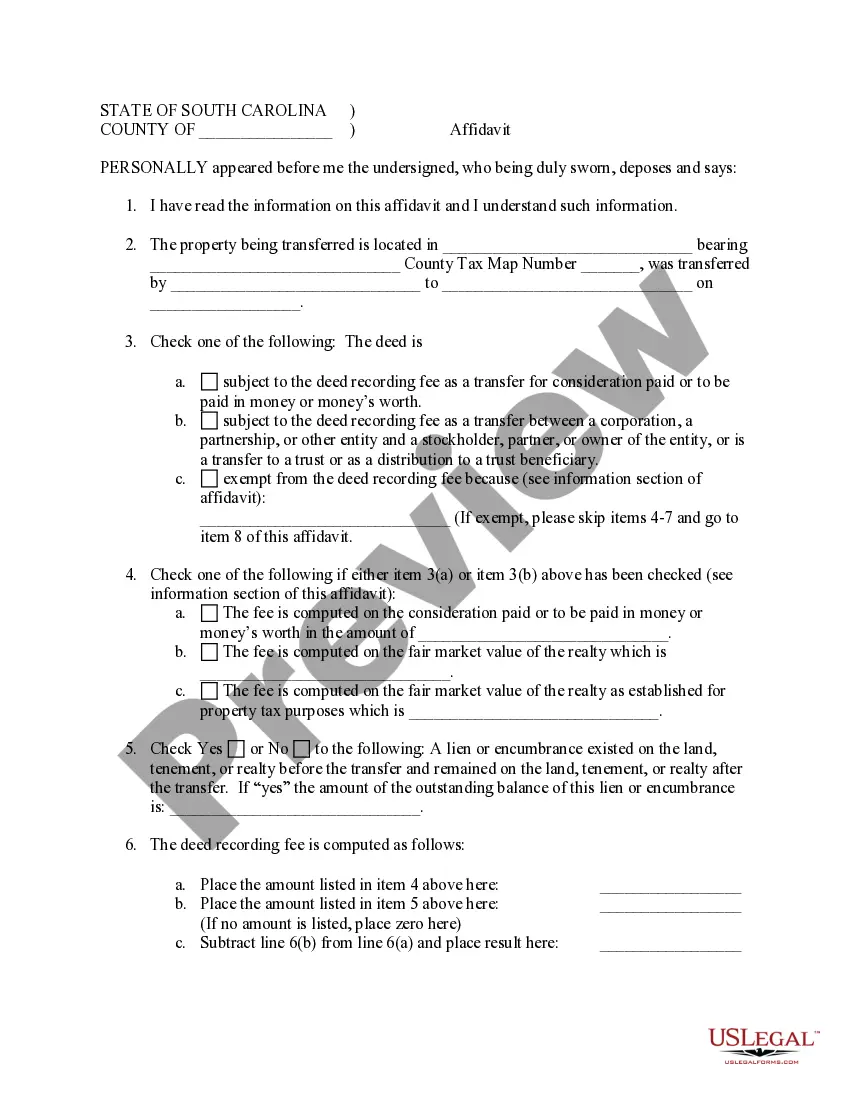
- Signatures and Notarization: Signatures of the Grantor, witnesses, and notary public verification.

When to use this form
This form should be used when a property owner needs to grant a utility company access to their land for electric line installation and maintenance. Common scenarios include new construction projects where electrical service is required, upgrades to existing power lines, or when utility companies need to establish maintenance rights on private property. It is essential for ensuring that the utility's rights are documented legally and that property owners are informed of the conditions associated with the easement.
Who this form is for
This form is intended for:
- Property owners who are approached by electric utilities for access to their land.
- Developers requiring utility installation for new projects.
- Landowners who want to legalize an existing arrangement with a utility company.
- Those needing to clarify the terms of access for utility maintenance and operations.
How to prepare this document
- Identify the parties: Fill in the names of the Grantor(s) and the utility company involved.
- Specify the property: Provide a clear description of the land, including road names and proximity to landmarks.
- Detail the rights granted: Clearly outline the specific rights the utility will have on the property.
- Enter dates: Insert the date the agreement is signed.
- Obtain signatures: Ensure all Grantor(s) sign, along with witnesses, and complete notarial requirements.
Notarization requirements for this form
Yes, this form must be notarized to be legally valid. Proper notarization ensures that the document is executed properly and that the signatures are authentic. US Legal Forms offers integrated online notarization for your convenience, allowing you to complete the process securely without the need for travel.
Get your form ready online
Our built-in tools help you complete, sign, share, and store your documents in one place.
Make edits, fill in missing information, and update formatting in US Legal Forms—just like you would in MS Word.
Download a copy, print it, send it by email, or mail it via USPS—whatever works best for your next step.
Sign and collect signatures with our SignNow integration. Send to multiple recipients, set reminders, and more. Go Premium to unlock E-Sign.
If this form requires notarization, complete it online through a secure video call—no need to meet a notary in person or wait for an appointment.
We protect your documents and personal data by following strict security and privacy standards.

Make edits, fill in missing information, and update formatting in US Legal Forms—just like you would in MS Word.

Download a copy, print it, send it by email, or mail it via USPS—whatever works best for your next step.

Sign and collect signatures with our SignNow integration. Send to multiple recipients, set reminders, and more. Go Premium to unlock E-Sign.

If this form requires notarization, complete it online through a secure video call—no need to meet a notary in person or wait for an appointment.

We protect your documents and personal data by following strict security and privacy standards.
Avoid these common issues
- Failing to describe the property accurately, leading to disputes.
- Not obtaining all required signatures from Grantor(s) and witnesses.
- Leaving out specific terms related to rights and responsibilities of the utility.
- Not including the correct notary information, which is essential for legality.
Why complete this form online
- Convenience: Access and complete the form from anywhere at any time.
- Editability: Make necessary adjustments easily before finalizing the document.
- Reliability: Ensure the form is up-to-date with the latest legal requirements.
Looking for another form?

Form popularity
FAQ
An easement is a right which the owner or occupier of certain land possesses, as such, for the beneficial enjoyment of that land, to do and continue to do something, or to prevent and continue to prevent something being done, in or upon, or in respect of certain other land not his own. Kinds/ Types of Easement -
What is a right-of-way? It is a legal agreement that allows us access to the property directly beneath and to either side of an electric power line. Also called an easement, the right-of-way allows us to enter the property at any time, to perform maintenance or repairs to our equipment.
A transmission line usually is centered in the right-of-way. The width of a right-of-way depends on the voltage of the line and the height of the structures, but can be 75 to 150 feet or more depending on the type of facilities planned for or located on the right-of-way.
An easement in gross is personal to the party that receives the benefit of easement. An example of an easement in gross is an easement to a utility company to run a power line across a burdened piece of property. The utility company is the benefited party and there isn't necessarily a benefited parcel of land.
An easement held by an electricity provider allows it to erect and maintain electric power equipment on your land. The easement gives the electric power company the right to use a property for this specific purpose only.
Types of Easements An easement may be classified as either an easement appurtenant or an easement in gross. Easement Appurtenant. An easement appurtenant is an easement that benefits one parcel of land, known as the dominant tenement, to the detriment of another parcel of land, known as the servient tenement.
Utility easements are one of the most common types of easements for private property, which generally allow public utility companies access to the property for the purpose of installing, repairing and maintaining utility lines.