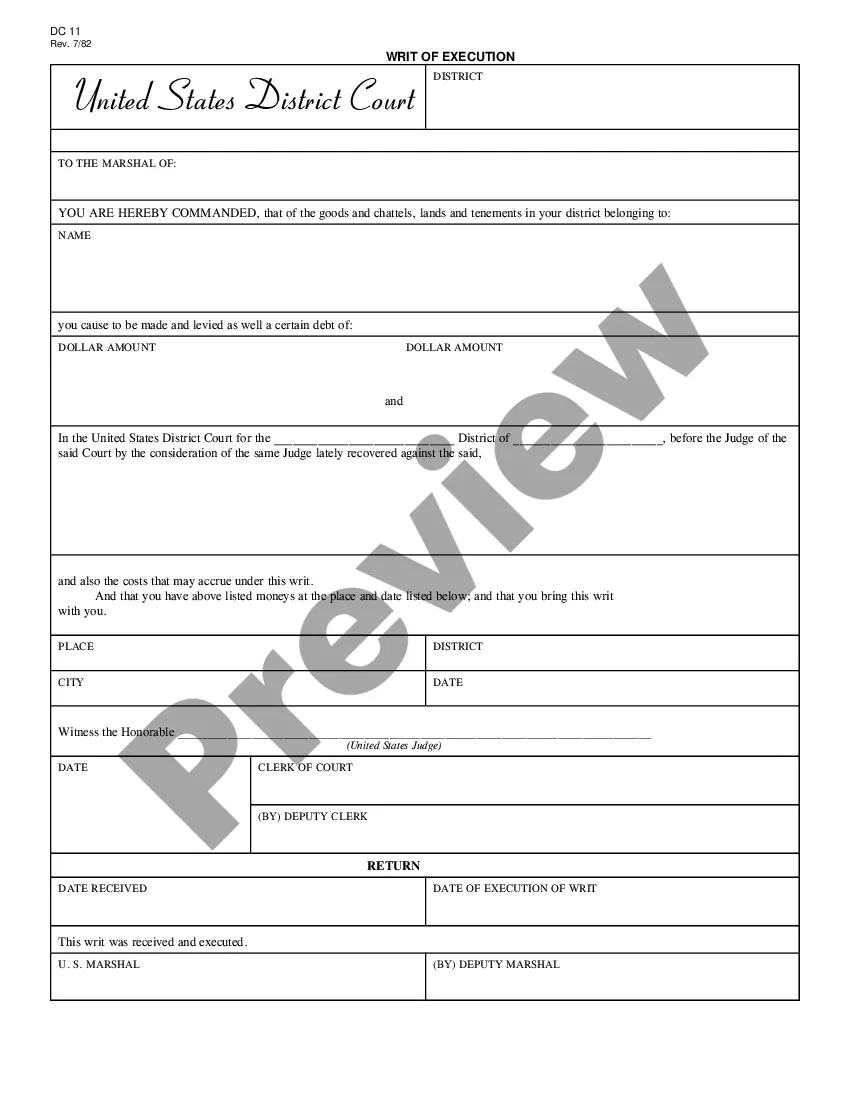
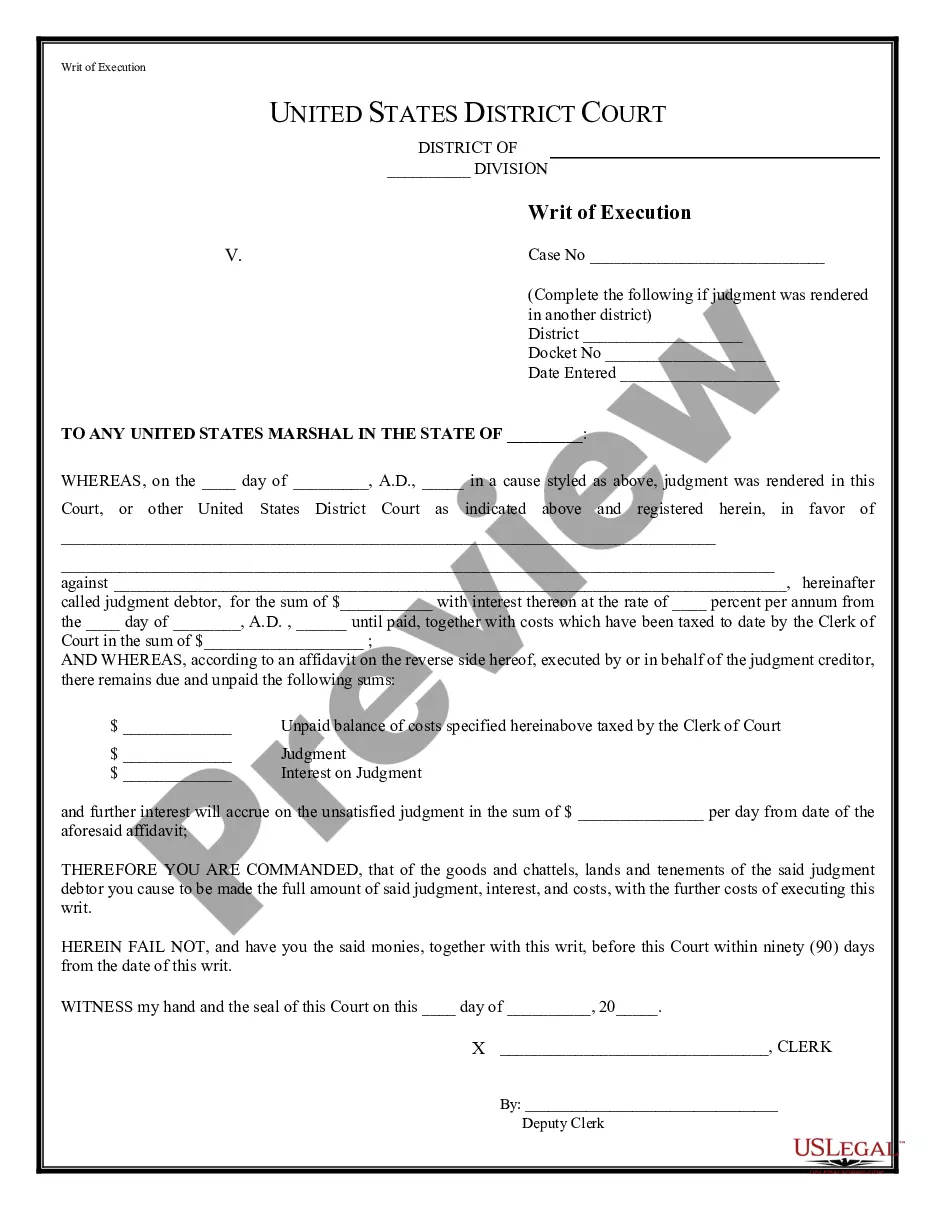
South Carolina Writ of Execution
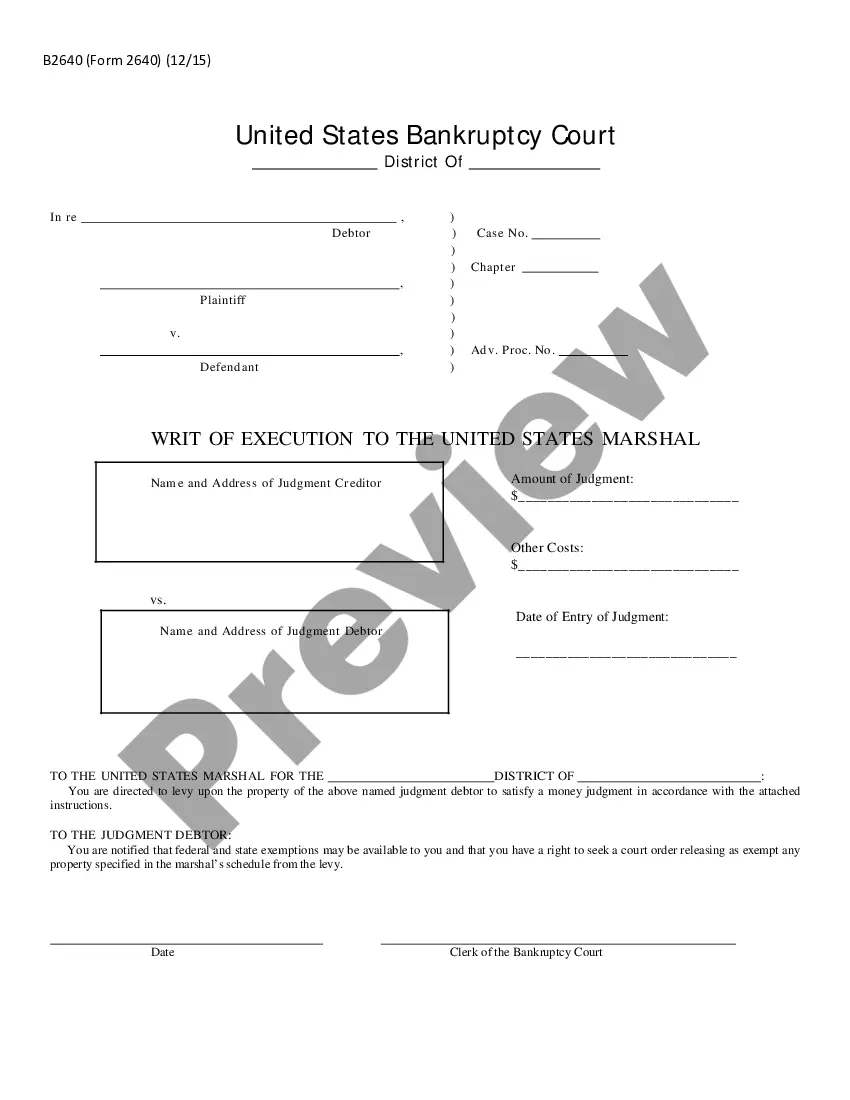
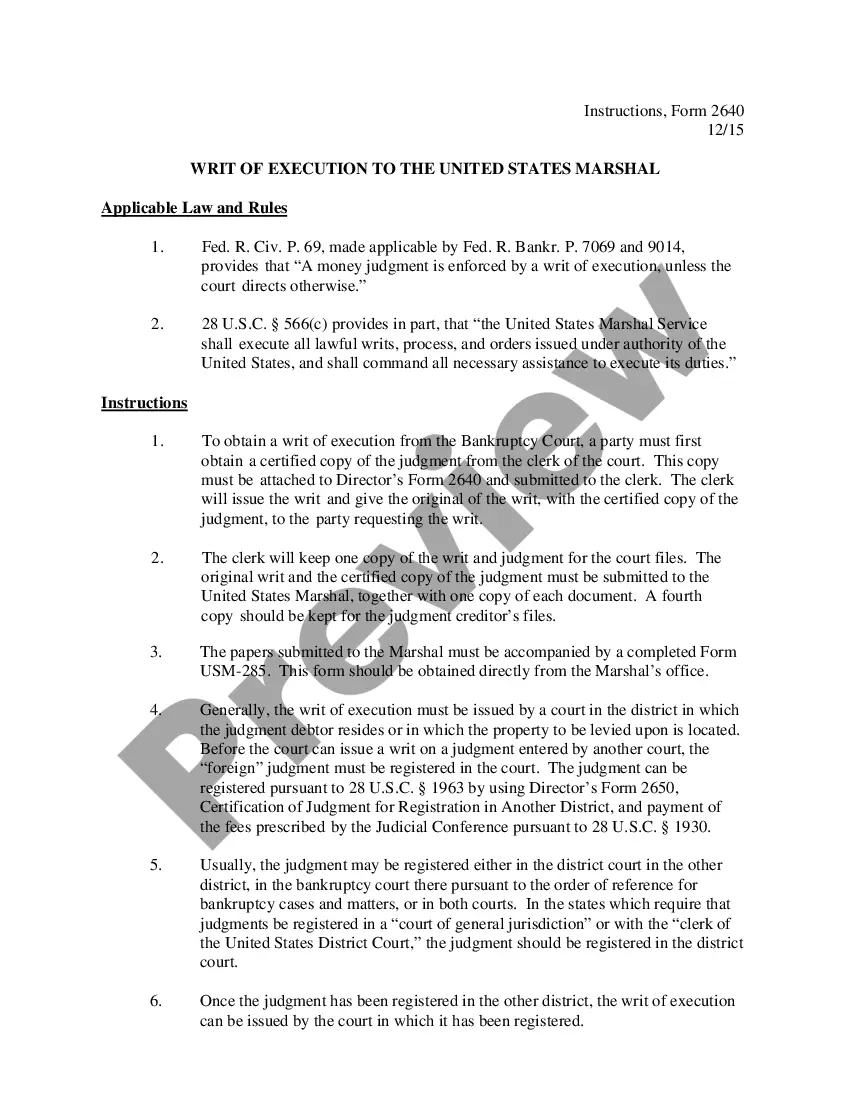
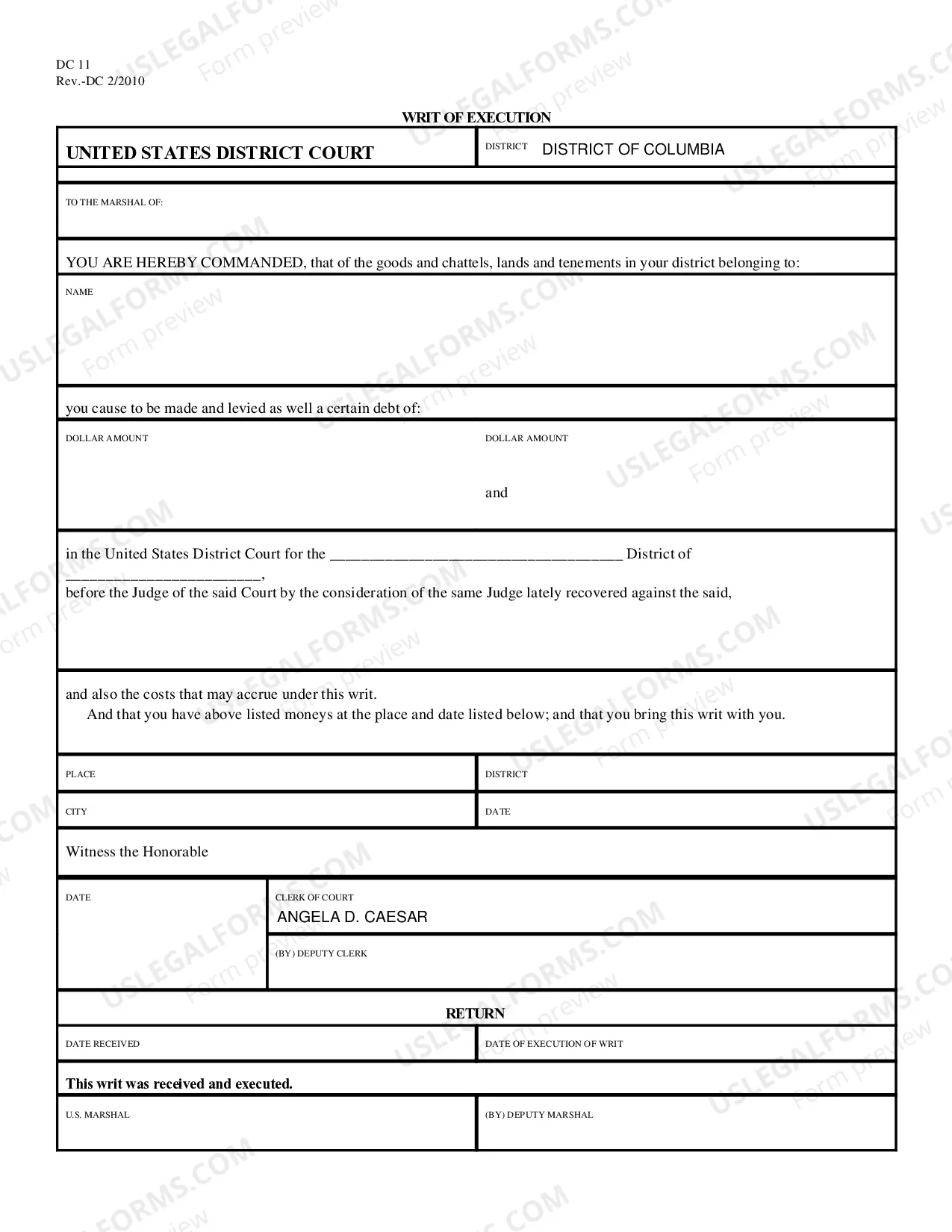
Notarization guidance
This form does not typically require notarization to be legally valid. However, some jurisdictions or document types may still require it. US Legal Forms provides secure online notarization powered by Notarize, available 24/7 for added convenience.
Get your form ready online
Our built-in tools help you complete, sign, share, and store your documents in one place.
Make edits, fill in missing information, and update formatting in US Legal Forms—just like you would in MS Word.
Download a copy, print it, send it by email, or mail it via USPS—whatever works best for your next step.
Sign and collect signatures with our SignNow integration. Send to multiple recipients, set reminders, and more. Go Premium to unlock E-Sign.
If this form requires notarization, complete it online through a secure video call—no need to meet a notary in person or wait for an appointment.
We protect your documents and personal data by following strict security and privacy standards.

Make edits, fill in missing information, and update formatting in US Legal Forms—just like you would in MS Word.

Download a copy, print it, send it by email, or mail it via USPS—whatever works best for your next step.

Sign and collect signatures with our SignNow integration. Send to multiple recipients, set reminders, and more. Go Premium to unlock E-Sign.

If this form requires notarization, complete it online through a secure video call—no need to meet a notary in person or wait for an appointment.

We protect your documents and personal data by following strict security and privacy standards.
Looking for another form?
Form popularity
FAQ
Judgments in South Carolina may not be renewed. The South Carolina Supreme Court has concluded that a judgment is utterly extinguished after the expiration of ten years from the date of entry. Hardee v.
The writ gives the Sheriff the authority to seize property of the judgment debtor and is valid for 180 days after its issuance. You must give the Sheriff signed, written instructions to levy on (seize) and sell, if necessary, specific property belonging to the debtor to satisfy your judgment.
A writ of attachment demands the creditor's property prior to the outcome of a trial or judgment, whereas a writ of execution directs law enforcement to begin the transfer of property as the result of the conclusion of a legal judgment.
The state of South Carolina is one of four states that does not permit wage garnishment. However, state law does permit creditors to pursue garnishment against your bank account, effectively freezing your assets.
The writ gives the Sheriff the authority to seize property of the judgment debtor and is valid for 180 days after its issuance. You must give the Sheriff signed, written instructions to levy on (seize) and sell, if necessary, specific property belonging to the debtor to satisfy your judgment.
A writ of execution is a court order that puts in force a judgment of possession and directs law enforcement personnel to begin the transfer of property as the result of a legal judgment. Property may include assets, money, or real property.
Just as there are two ways for a creditor to get a judgment against you, there are two ways to have the judgment vacated. They are: Appeal the judgment and have the appeals court render the original judgment void; or. Ask the original court to vacate a default judgment so that you can fight the lawsuit.
Served By: The writ is served by the U.S. Marshal or other person, presumably a law enforcement officer, specially appointed by the court pursuant to Federal Rule of Civil Procedure 4.1(a).
You do not appeal, you must file a claim of exemption sheriff/marshal.Sheriff will mail a copy of the judgment creditor to stop a writ of Execution in California, court note!