South Carolina Affidavit of Property Value
What is this form?
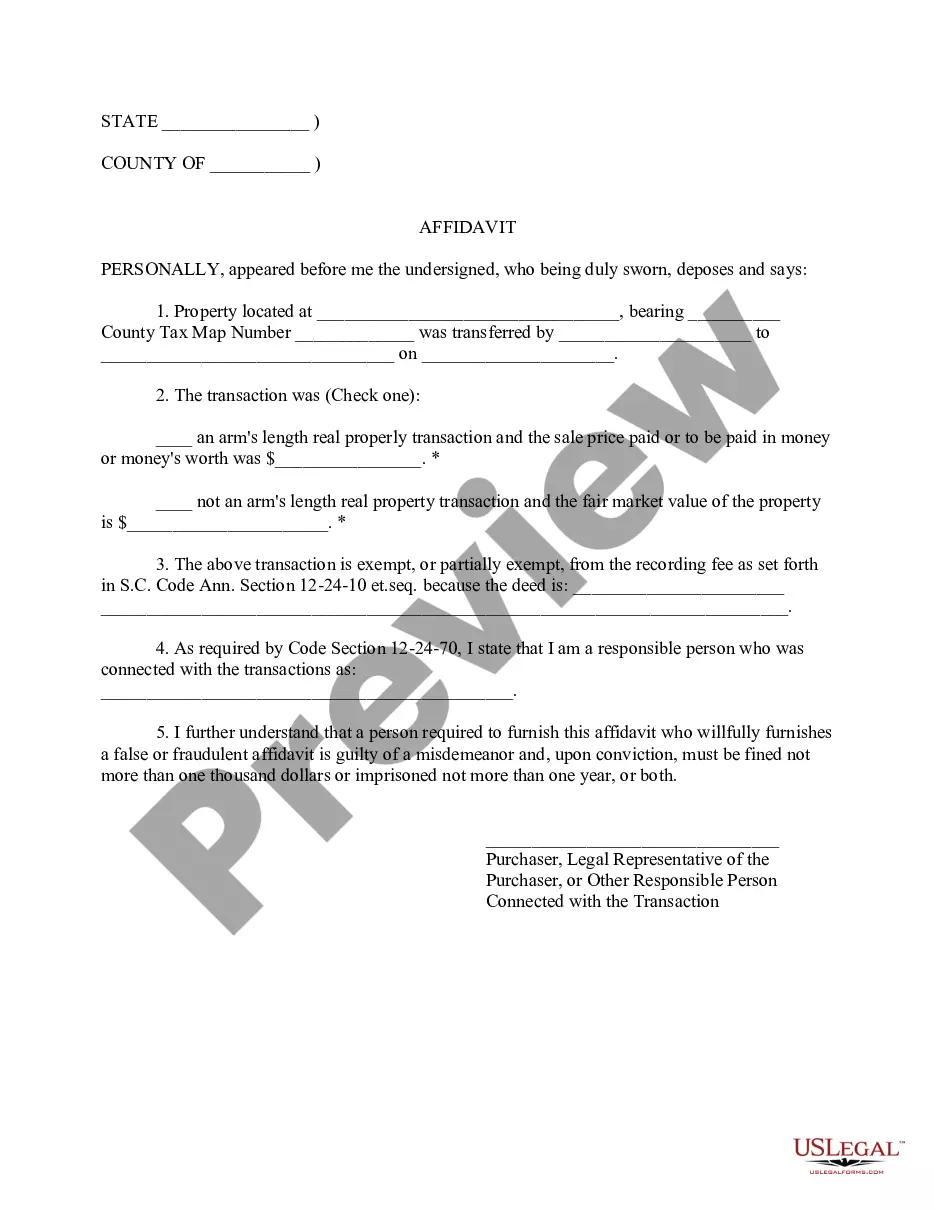
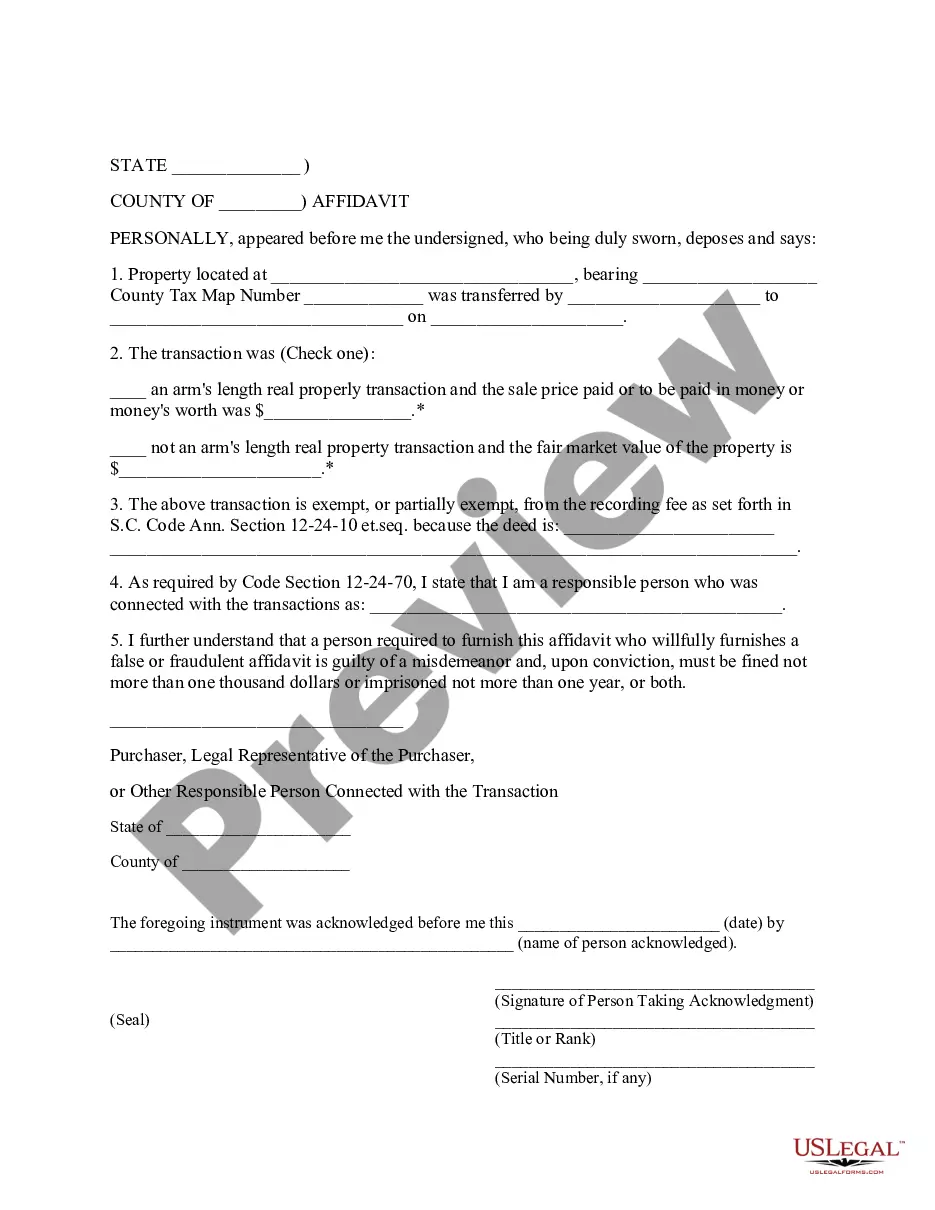
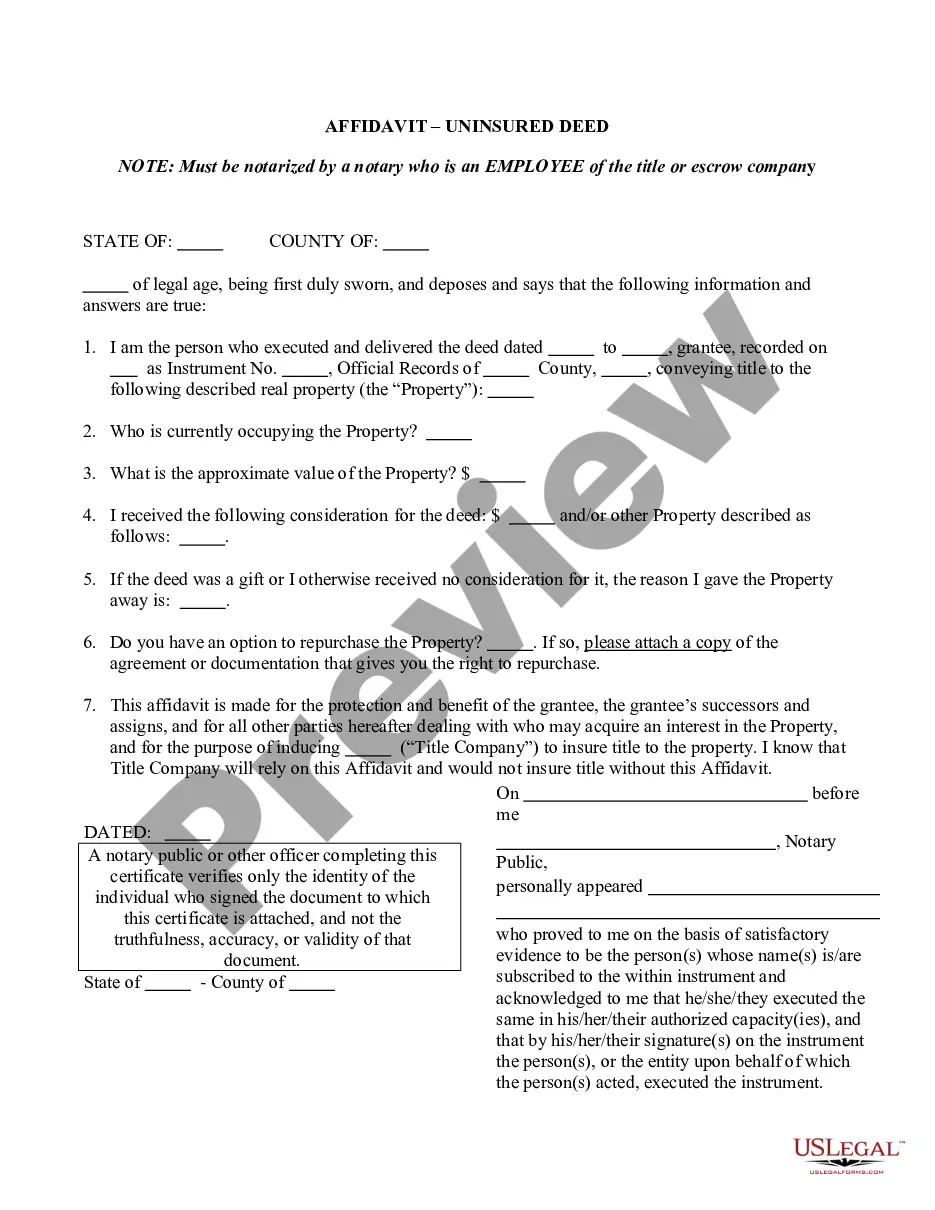
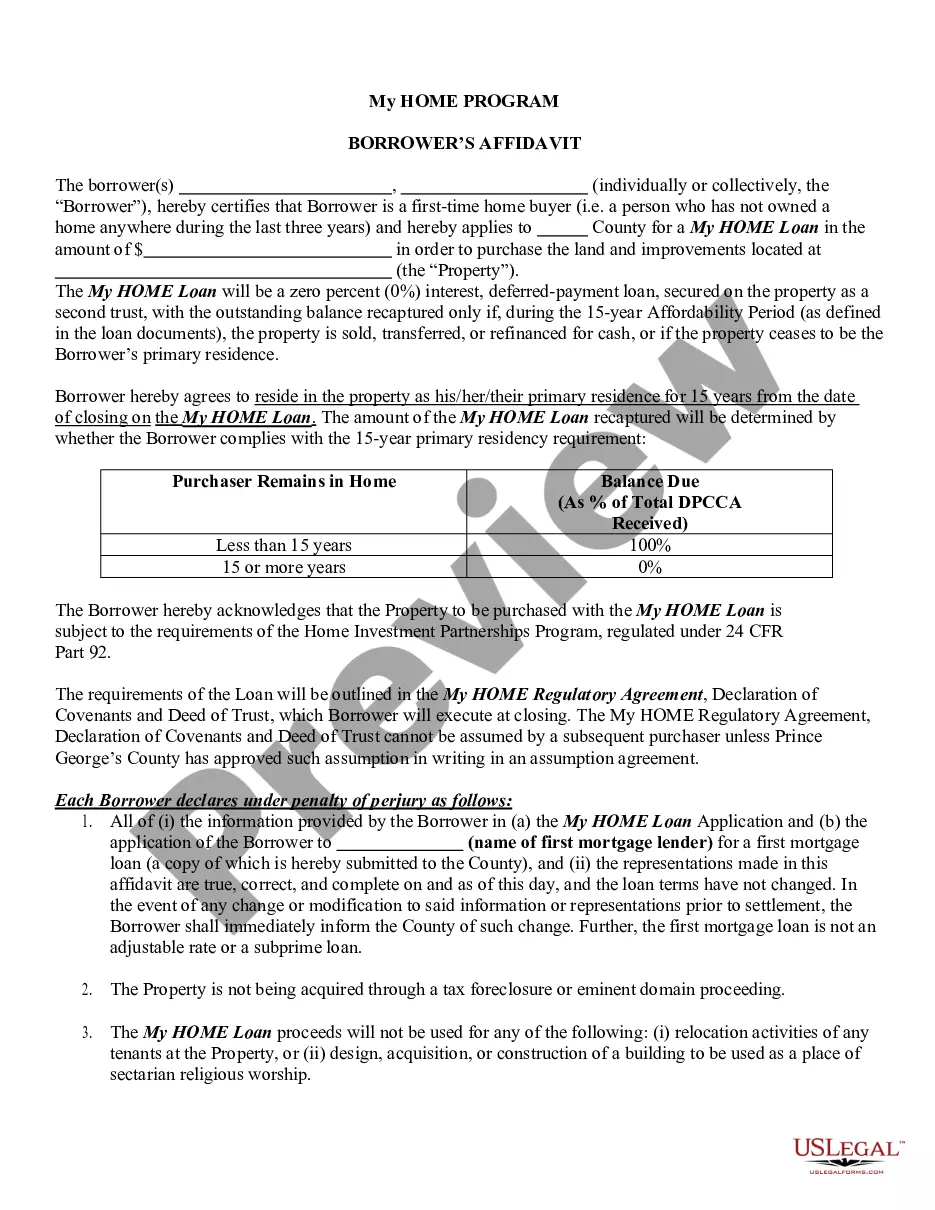
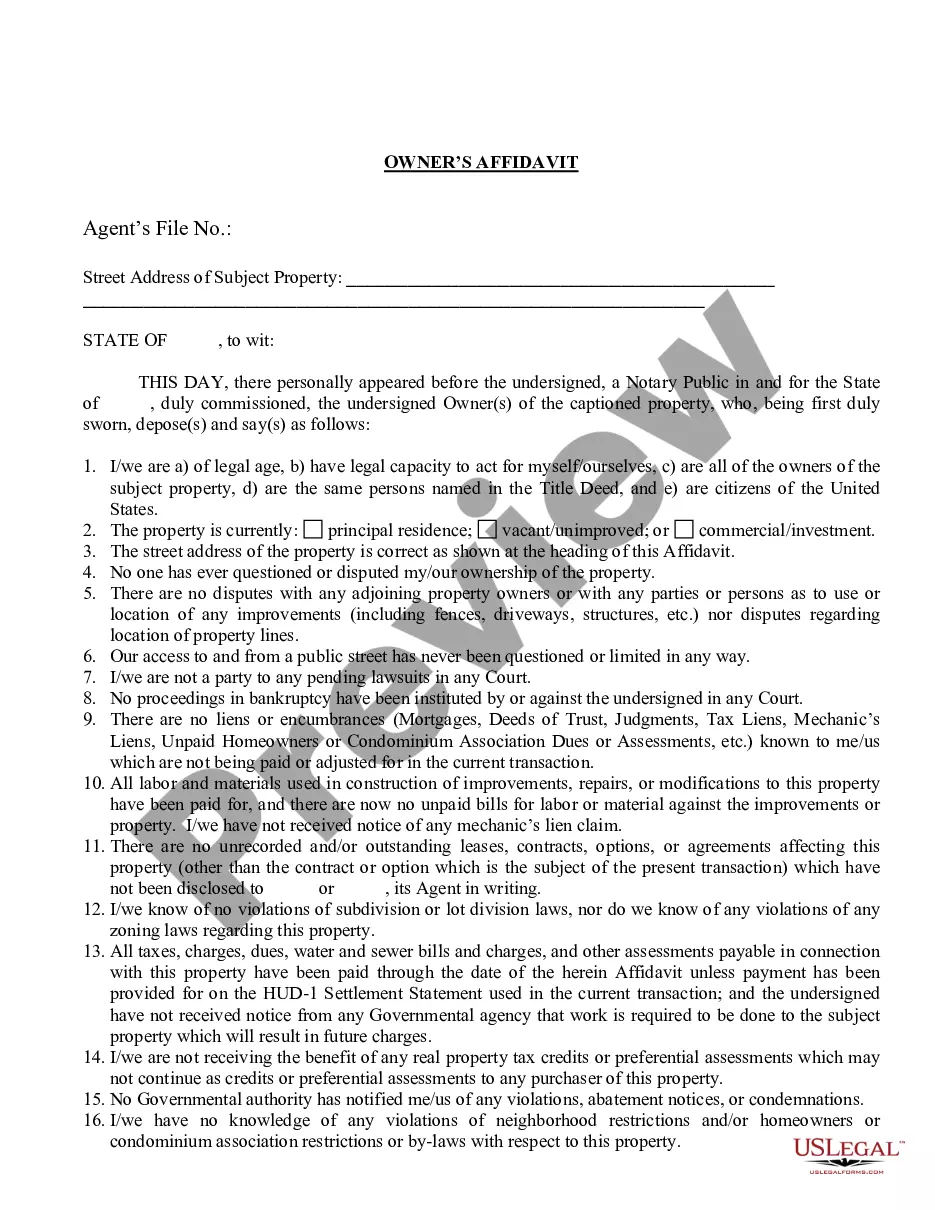
The Affidavit of Property Value is a sworn statement that certifies the details regarding the transfer of real property. This form is essential for documenting the value of the property involved in a transaction. Unlike other affidavits, it specifically addresses property value and related transactions, making it crucial for compliance with local laws regarding property transfer records.
Main sections of this form
- Identification of the property, including its address and tax map number.
- Details of the transaction, indicating whether it is an arms-length transaction and the sale price.
- Exemption status from recording fees as per applicable laws.
- Affidavit confirmation statement regarding the connection to the transaction.
- Consequences for providing false information in the affidavit.

Common use cases
This form is typically used during real estate transactions when selling or transferring property. It is required by law in certain jurisdictions to establish the value of the property for tax purposes and to ensure accurate record-keeping. You may need to file this form when you are the buyer, seller, or a legal representative involved in the property transfer.
Who needs this form
- Property sellers who need to document the sale and property value.
- Buyers wishing to establish fair market value for their records.
- Legal representatives involved in the property transaction.
- Anyone involved in the transfer of real estate, including agents and brokers.
Completing this form step by step
- Identify the property being transferred, including the address and tax map number.
- Specify the parties involved in the transaction, including the buyer and seller.
- Indicate whether the transfer is an arms-length transaction and state the sale price.
- Determine if the transaction is exempt from recording fees and provide the necessary justification.
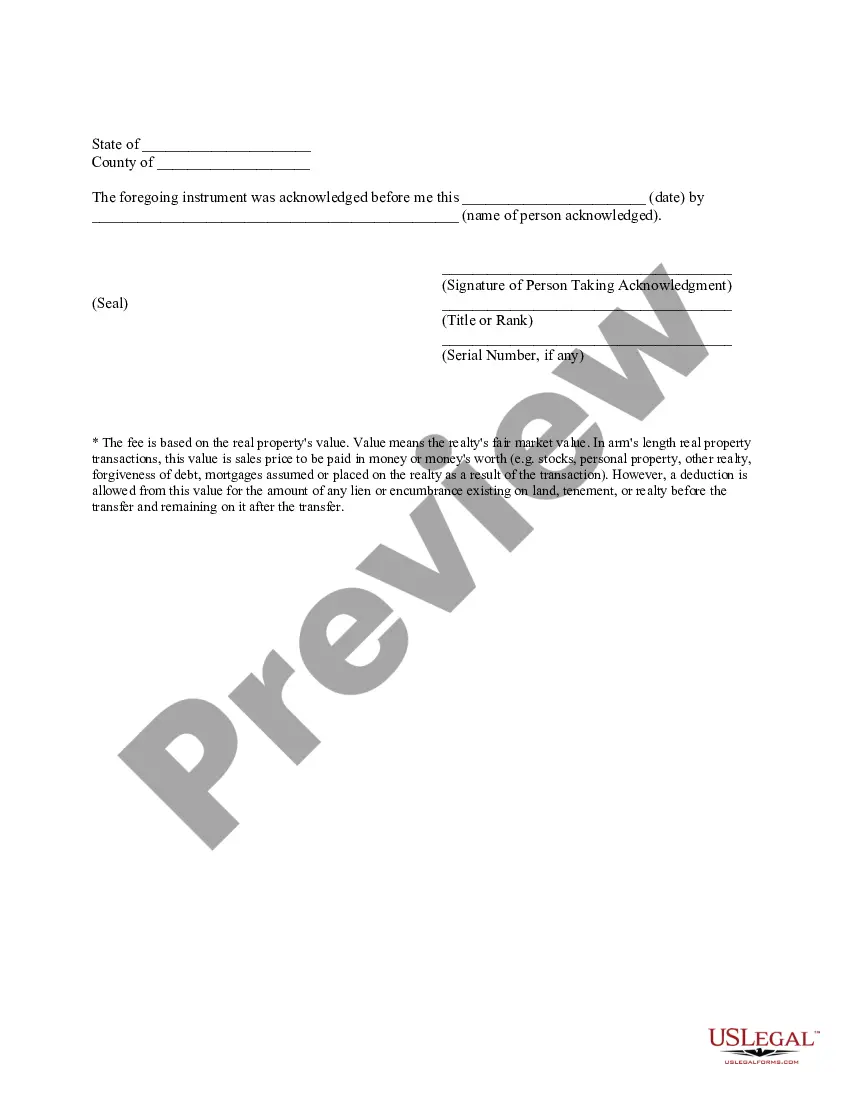
- Sign the affidavit before a notary public and ensure all parties sign as required.
Notarization requirements for this form
Yes, this form must be notarized to be legally valid. The affidavit should be signed in the presence of a notary public, who will then sign and stamp the document, confirming its authenticity.
Get your form ready online
Our built-in tools help you complete, sign, share, and store your documents in one place.
Make edits, fill in missing information, and update formatting in US Legal Forms—just like you would in MS Word.
Download a copy, print it, send it by email, or mail it via USPS—whatever works best for your next step.
Sign and collect signatures with our SignNow integration. Send to multiple recipients, set reminders, and more. Go Premium to unlock E-Sign.
If this form requires notarization, complete it online through a secure video call—no need to meet a notary in person or wait for an appointment.
We protect your documents and personal data by following strict security and privacy standards.

Make edits, fill in missing information, and update formatting in US Legal Forms—just like you would in MS Word.

Download a copy, print it, send it by email, or mail it via USPS—whatever works best for your next step.

Sign and collect signatures with our SignNow integration. Send to multiple recipients, set reminders, and more. Go Premium to unlock E-Sign.

If this form requires notarization, complete it online through a secure video call—no need to meet a notary in person or wait for an appointment.

We protect your documents and personal data by following strict security and privacy standards.
Mistakes to watch out for
- Not including the correct tax map number or address for the property.
- Failing to indicate if the transaction is arms-length or providing inaccurate values.
- Not fully completing the form, especially the exemption justification section.
- Signing without a notary present, invalidating the affidavit.
Benefits of using this form online
- Convenience of instant access and download from anywhere.
- Editability allows for easy customization to fit your specific situation.
- Reliability of using a form drafted by licensed attorneys.
Looking for another form?


Form popularity
FAQ
Melendez-Diaz v. Massachusetts; an affidavit is a witness for Sixth Amendment, so can be confronted at trial unless (1) unavailable to testify and (2) adverse party had a prior opportunity to cross examine the maker.
As nouns the difference between plaintiff and affiant is that plaintiff is (legal) a party bringing a suit in civil law against a defendant; accusers while affiant is (legal) the individual witness whose statement is contained in an affidavit or sworn deposition.
South Carolina Notary Stamps Yes! RequiredS.C. Code Ann. § 26-1-60 requires notaries to have a seal of office for affixation onto all notarial acts. This seal of office can be either a stamp or seal embosser.
An affiant is someone who files an affidavit, which is a written statement used as evidence in court. In order to be admissible, affidavits must be notarized by a notary public.
The person making the signed statement (affiant) takes an oath that the contents are, to the best of their knowledge, true. It is also signed by a notary or some other judicial officer that can administer oaths, affirming that the person signing the affidavit was under oath when doing so.
An affiant is someone who voluntary offers and signs a statement of known facts, under oath, and agrees to have it written down. This written statement becomes known as an affidavit. An affidavit is a written document that covers evidence and facts, known by the affiant, that will be presented in a case.
The application must be signed with pen and ink and the signature of the applicant must be acknowledged by a person authorized to administer oaths (§26-1-40). The date of your signature and the date of the notarization must match. You cannot notarize your own signature on the application or at any other time.
Although affidavits are considered legal documents, anyone can draft one. As long as it is signed, witnessed, and notarized correctly, it will be valid. That means that you do not have to use a lawyer to create an affidavit.
(1) The Registrar-General, a Deputy Registrar-General or any justice of the peace, notary public, commissioner of the court for taking affidavits, Australian legal practitioner authorised by section 27 (1) to take and receive any affidavit, a federal judicial officer, or other person by law authorised to administer an