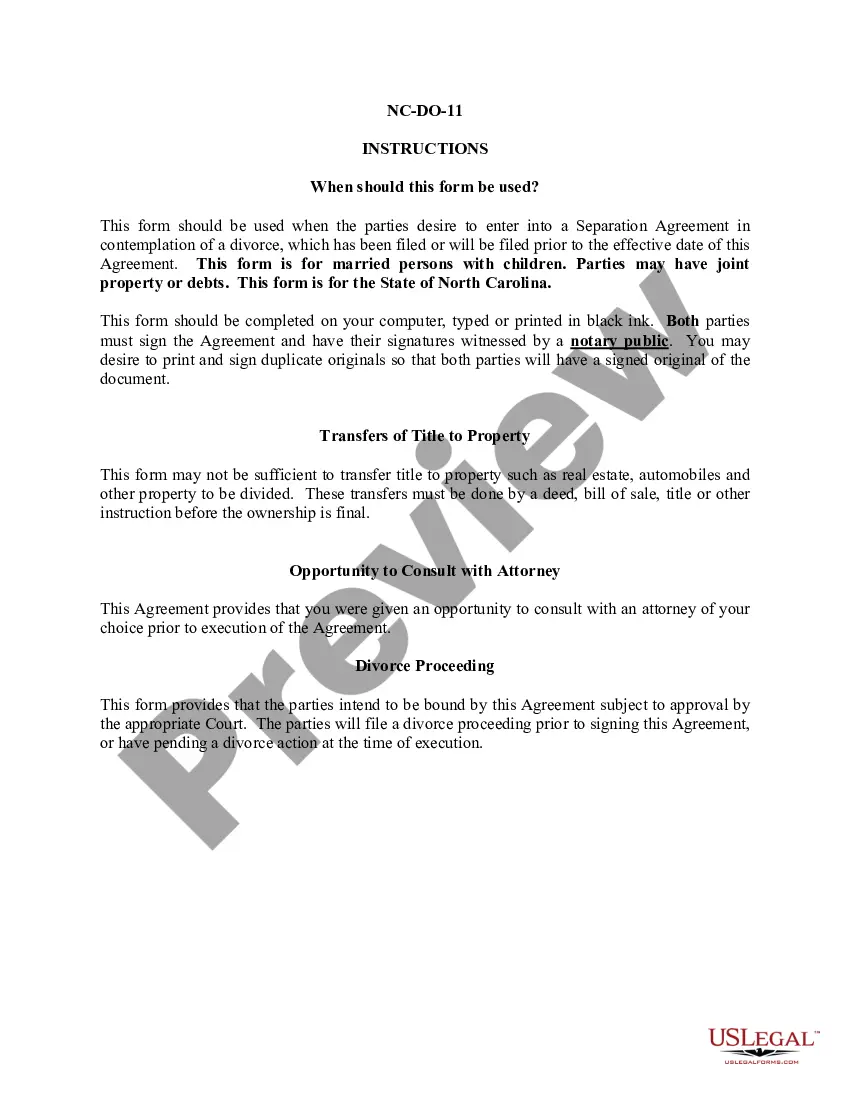
North Dakota Order Assigning New Judge
Description
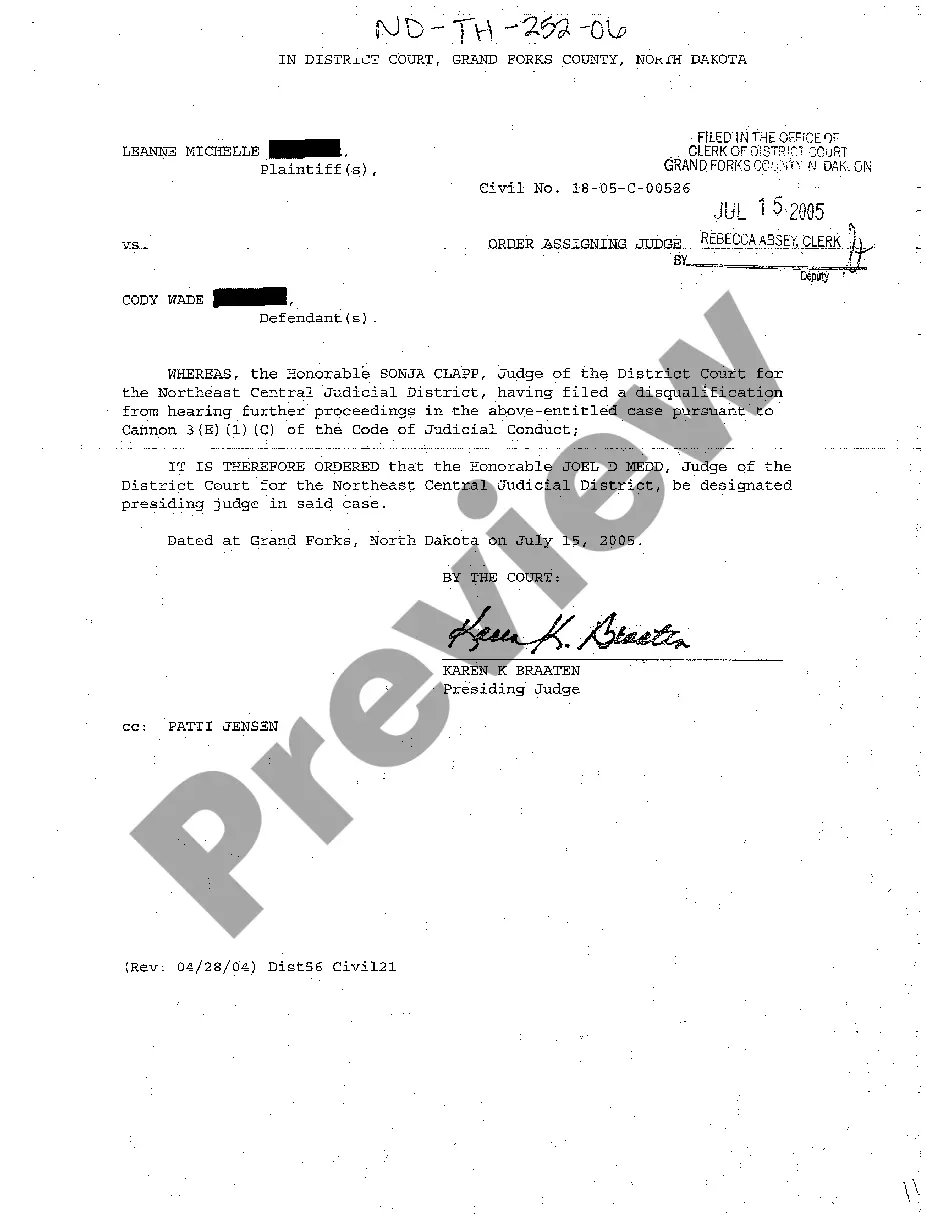
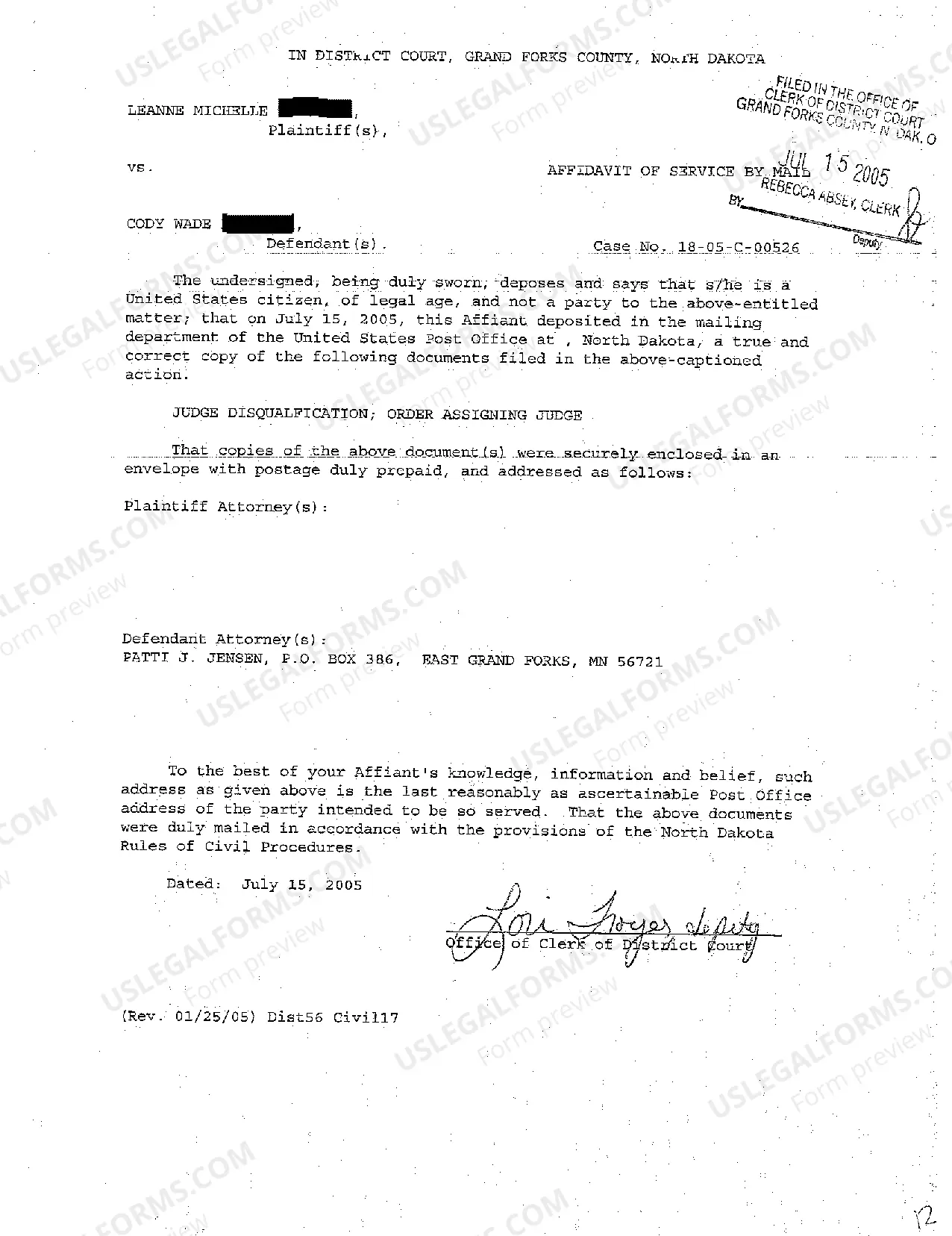
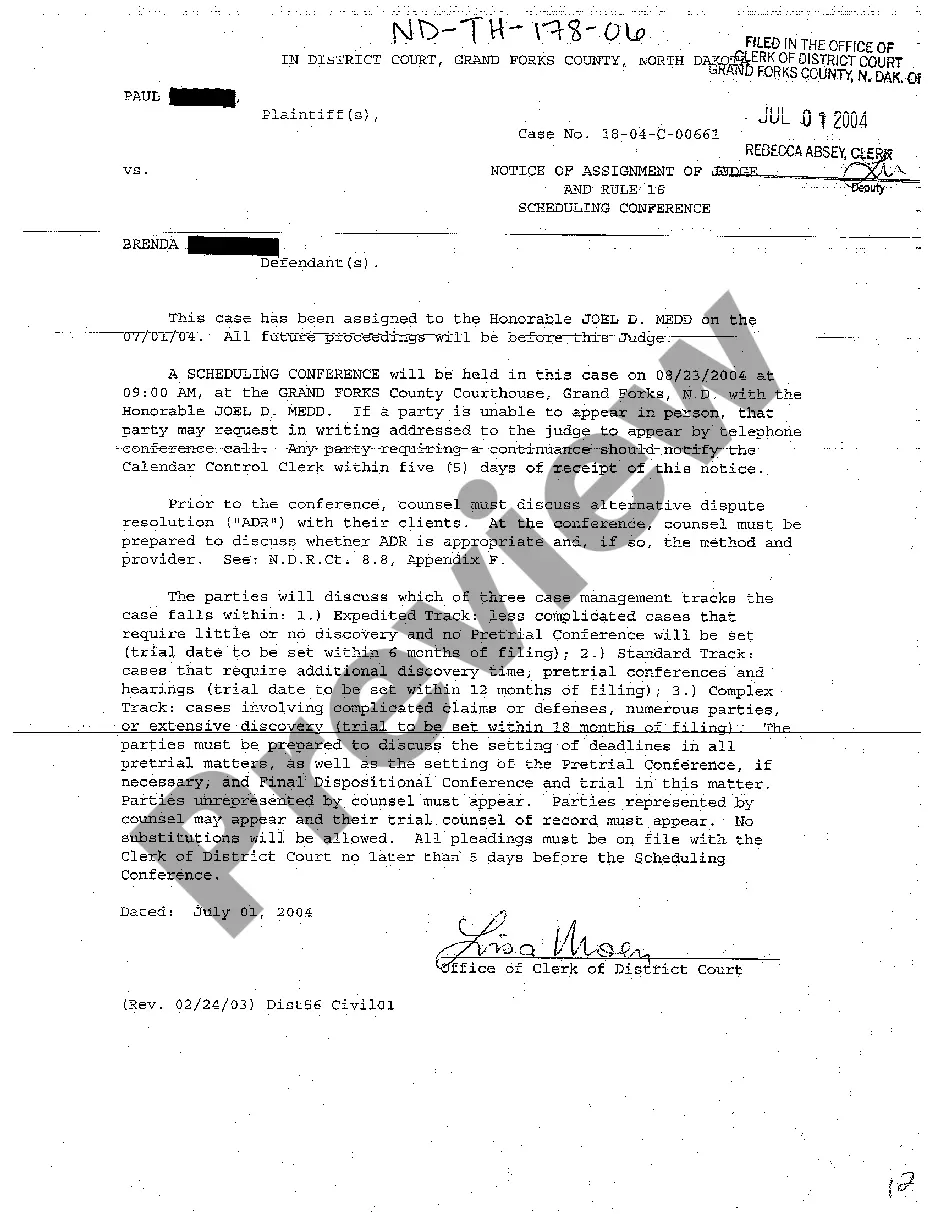
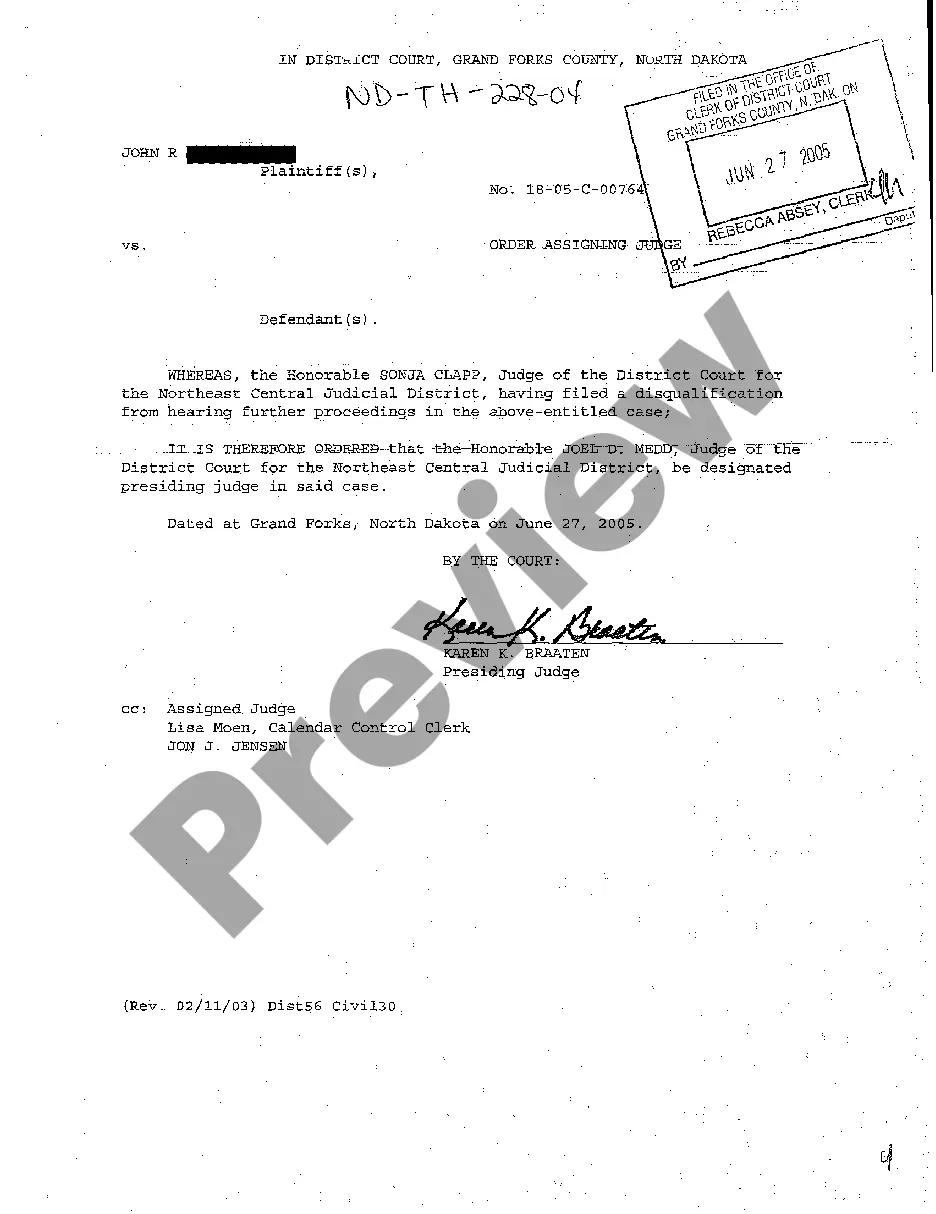
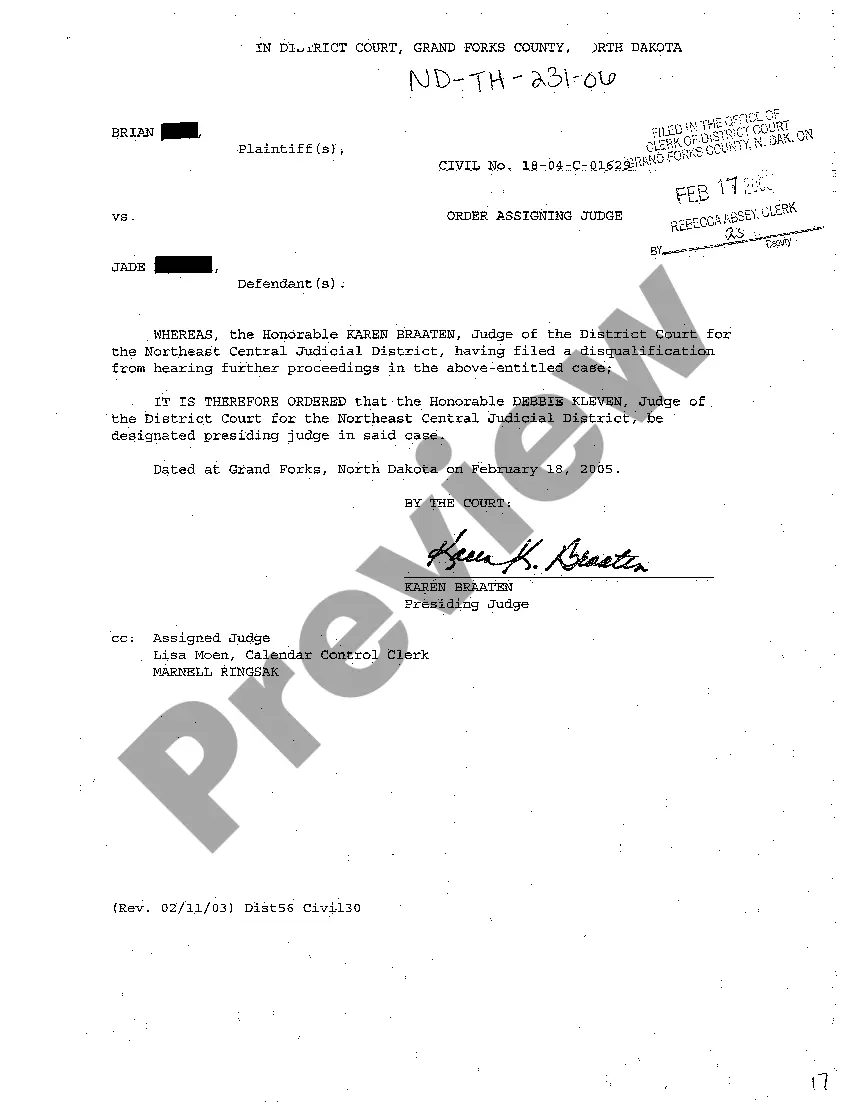
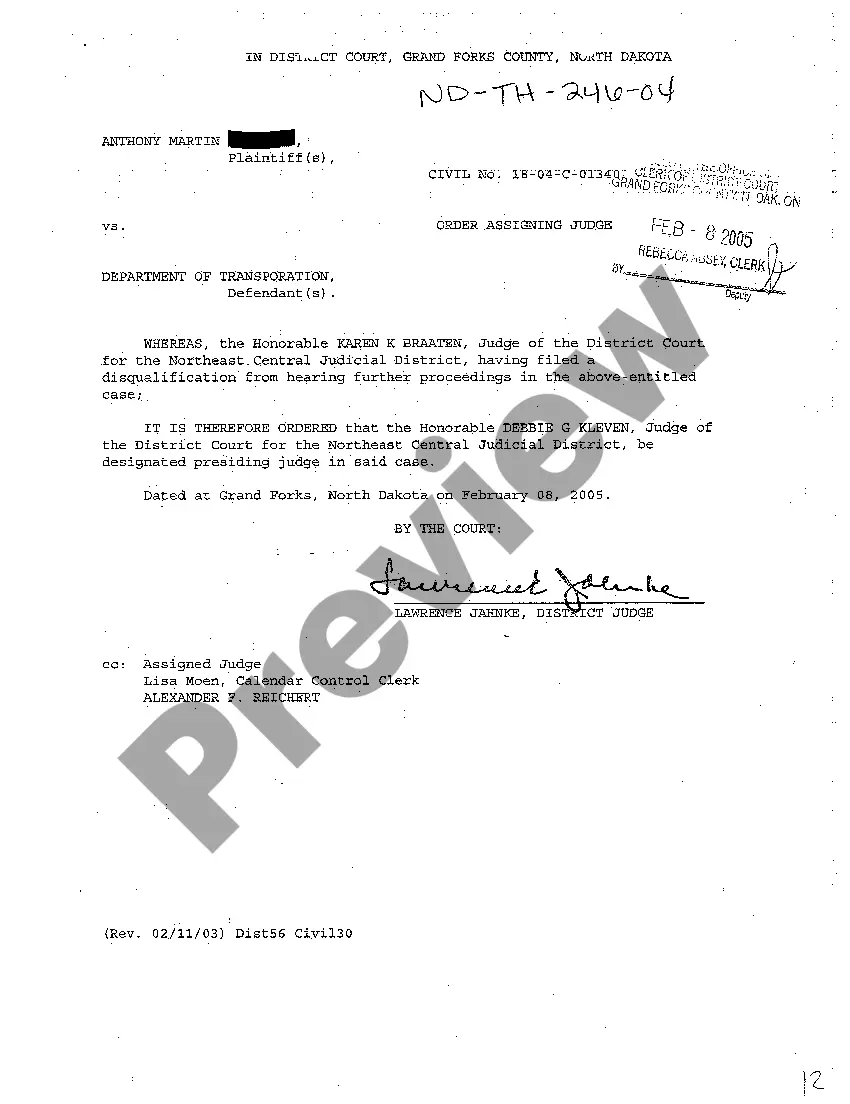


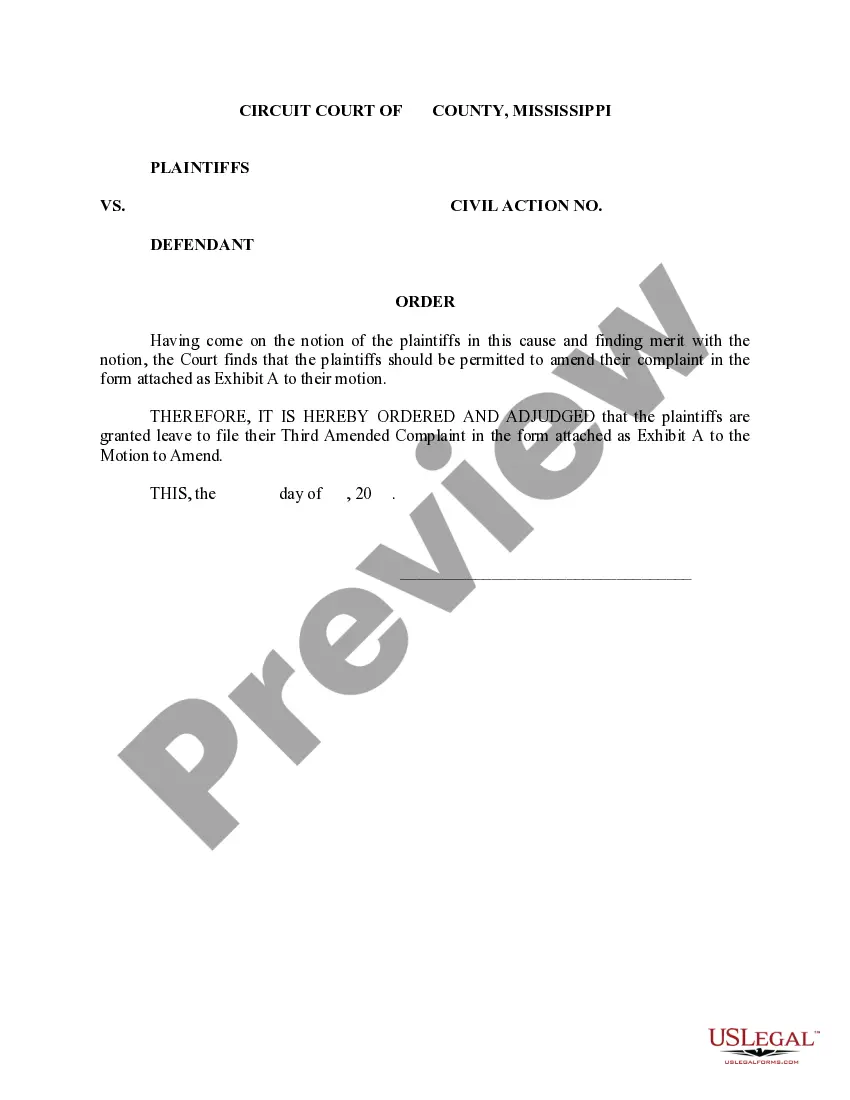


How to fill out North Dakota Order Assigning New Judge?
Avoid pricey lawyers and find the North Dakota Order Assigning New Judge you want at a affordable price on the US Legal Forms website. Use our simple categories functionality to find and download legal and tax forms. Go through their descriptions and preview them before downloading. Additionally, US Legal Forms enables users with step-by-step instructions on how to obtain and complete every form.
US Legal Forms subscribers basically have to log in and download the particular form they need to their My Forms tab. Those, who have not got a subscription yet must follow the tips below:
- Make sure the North Dakota Order Assigning New Judge is eligible for use in your state.
- If available, read the description and make use of the Preview option well before downloading the templates.
- If you are sure the document is right for you, click on Buy Now.
- In case the form is incorrect, use the search engine to find the right one.
- Next, create your account and select a subscription plan.
- Pay out by credit card or PayPal.
- Select obtain the form in PDF or DOCX.
- Simply click Download and find your form in the My Forms tab. Feel free to save the form to your gadget or print it out.
Right after downloading, you are able to fill out the North Dakota Order Assigning New Judge by hand or an editing software. Print it out and reuse the form multiple times. Do more for less with US Legal Forms!
Form popularity
FAQ
In person: In an interview, social event, or in court, address a judge as Your Honor or Judge last name. If you are more familiar with the judge, you may call her just Judge. In any context, avoid Sir or Ma'am.
Open with a salutation.Write "Dear Judge (last name)," to start your letter. Note that you use "the Honorable" when referring to the judge, but use "Judge" when addressing him or her in person. The title still applies even if the judge has retired.
Related DefinitionsAssigned judge means any judge assigned by the Chair of the Judicial Council or by a presiding judge authorized by the Chair of the Judicial Council to assign a judge under Code of Civil Procedure section 404 or 404.3, including a coordination motion judge and a coordination trial judge.
The jury (or the judge if there is no jury) decides the facts, and the judge decides which laws apply to these facts.
How are judges assigned to cases?By statute, the chief judge of each district court has the responsibility to enforce the court's rules and orders on case assignments. Each court has a written plan or system for assigning cases. The majority of courts use some variation of a random drawing.
A judge can rule one of two ways: she can either "overrule" the objection or "sustain" it. When an objection is overruled it means that the evidence is properly admitted to the court, and the trial can proceed.
How To Address A Judge in A Letter. Start with the envelope, writing to the judge in this format: Honorable Judge First Name Last Name. Judge of Name of the Court.
Under the California Code of Civil Procedure section 170.6 you are allowed to file an affidavit to send the case to a different judge. You just have a very small window of time to file your request and you don't know where you will be sent to.
I would use the "Dear Judge" formula. When you're actually clerking or externing, you would write "Dear Judge Last Name" or just "Dear Judge." I have never written a letter to my judge directed to "Your Honor," or referred to him in any other context using that title.