Rhode Island Fence Ordinance
Description
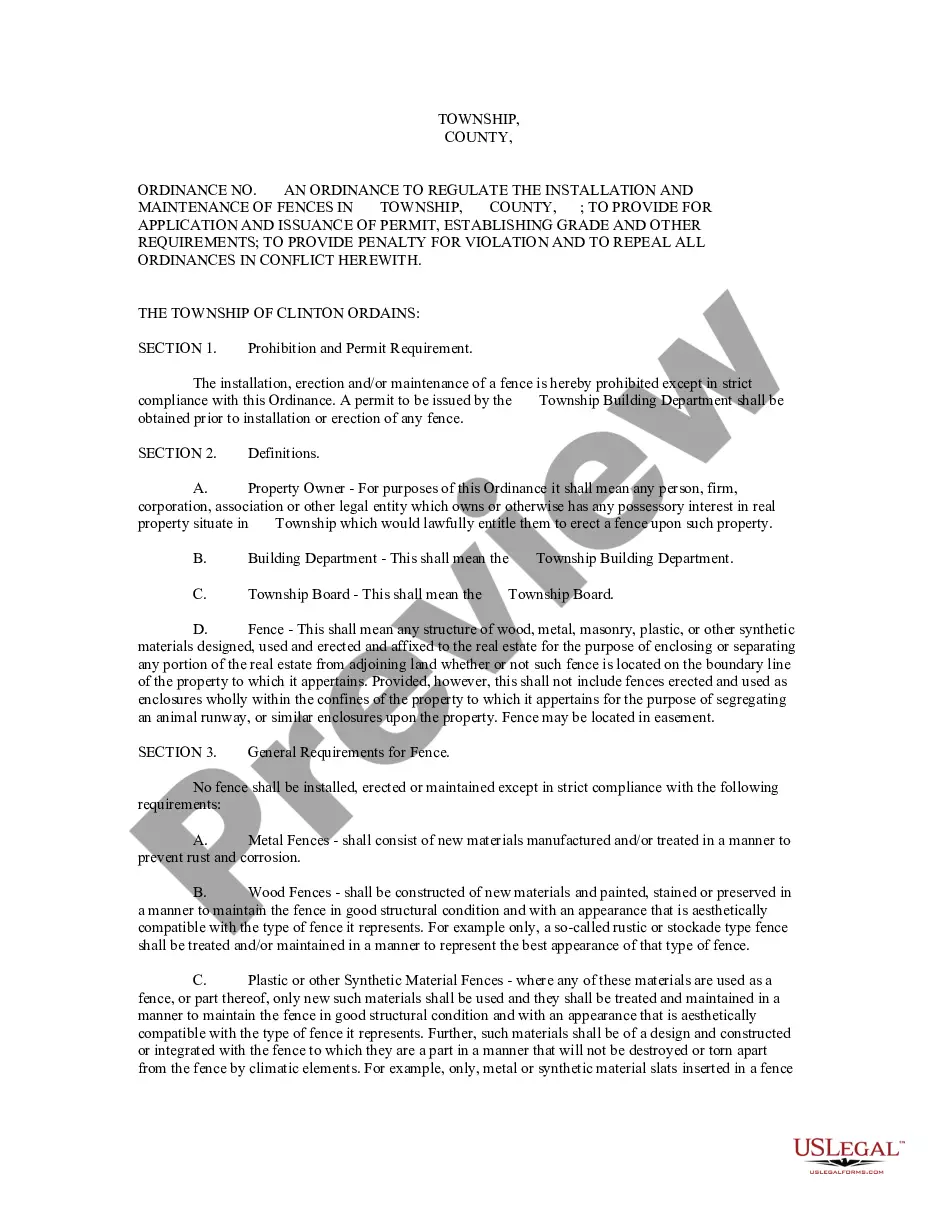
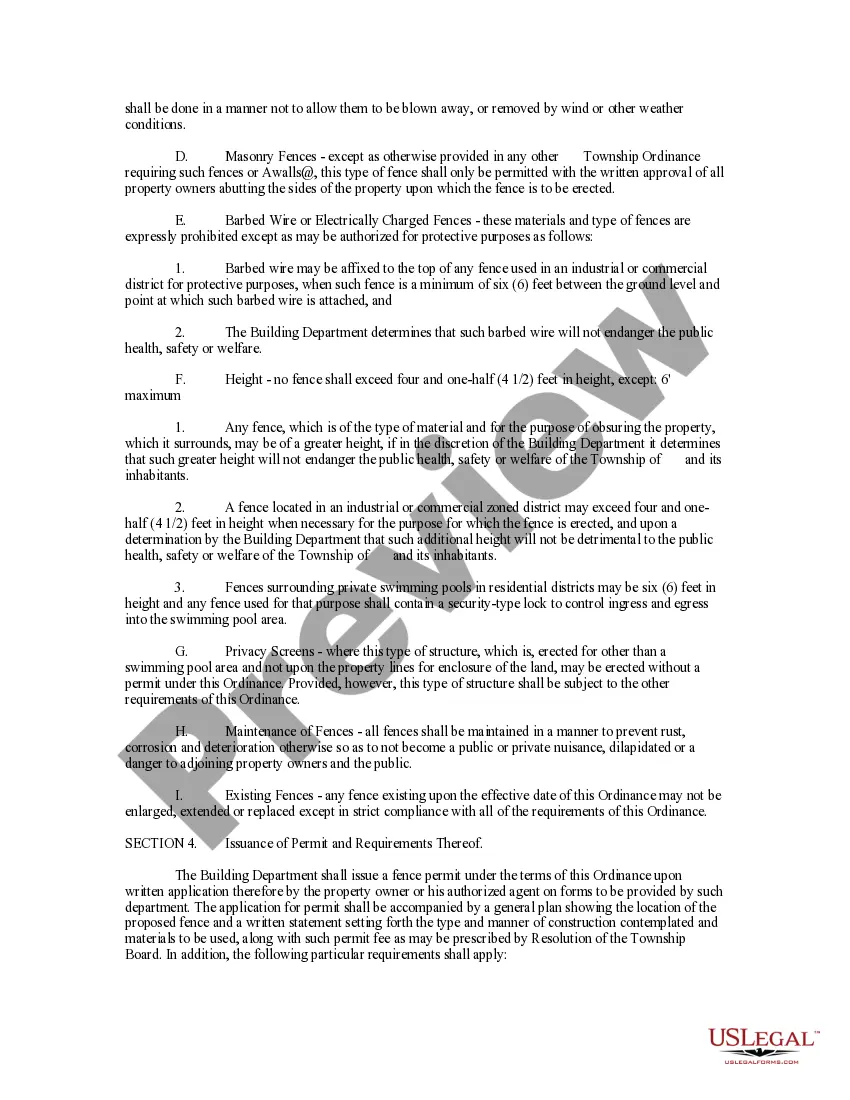
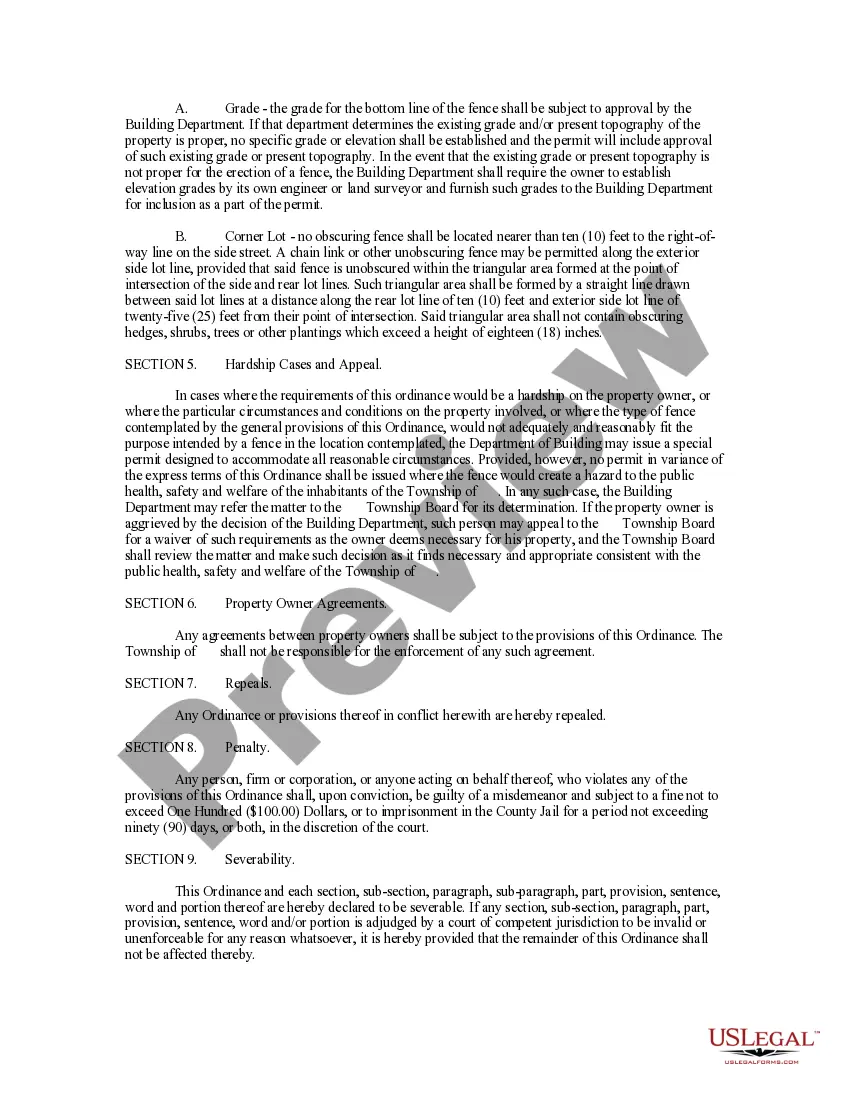
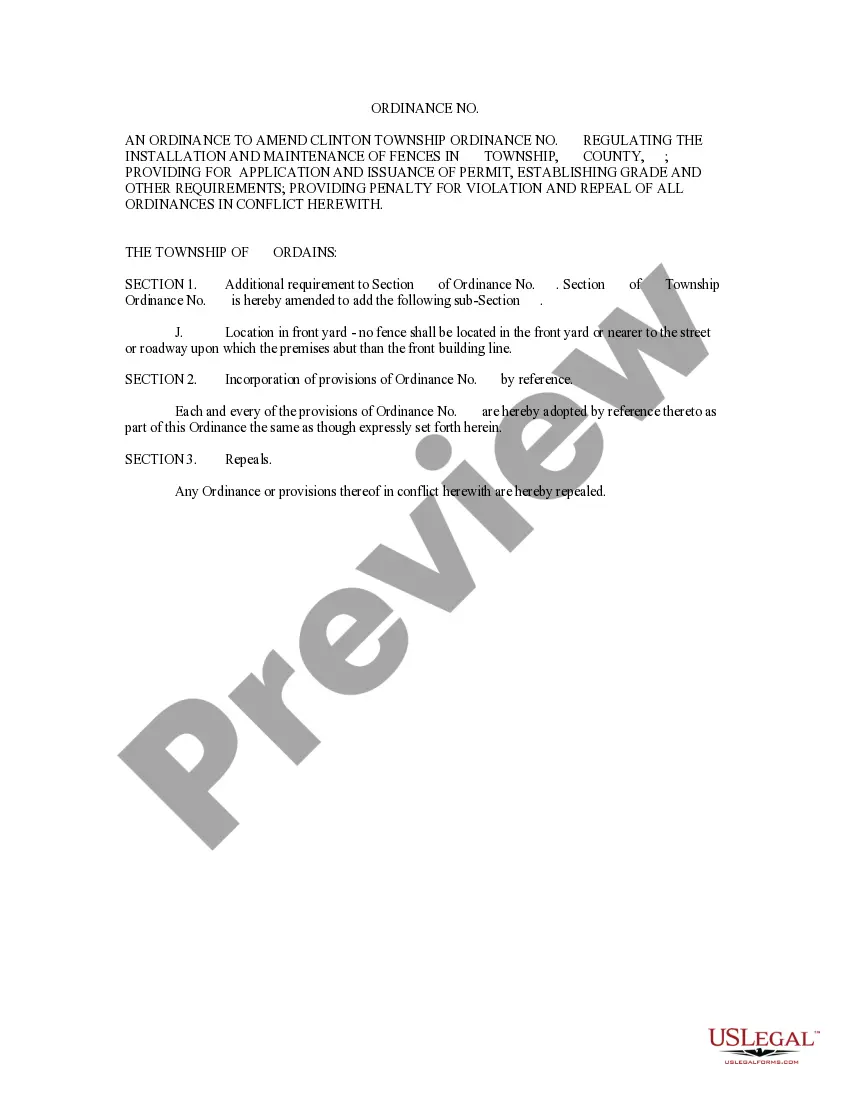
Get your form ready online
Our built-in tools help you complete, sign, share, and store your documents in one place.
Make edits, fill in missing information, and update formatting in US Legal Forms—just like you would in MS Word.
Download a copy, print it, send it by email, or mail it via USPS—whatever works best for your next step.
Sign and collect signatures with our SignNow integration. Send to multiple recipients, set reminders, and more. Go Premium to unlock E-Sign.
If this form requires notarization, complete it online through a secure video call—no need to meet a notary in person or wait for an appointment.
We protect your documents and personal data by following strict security and privacy standards.
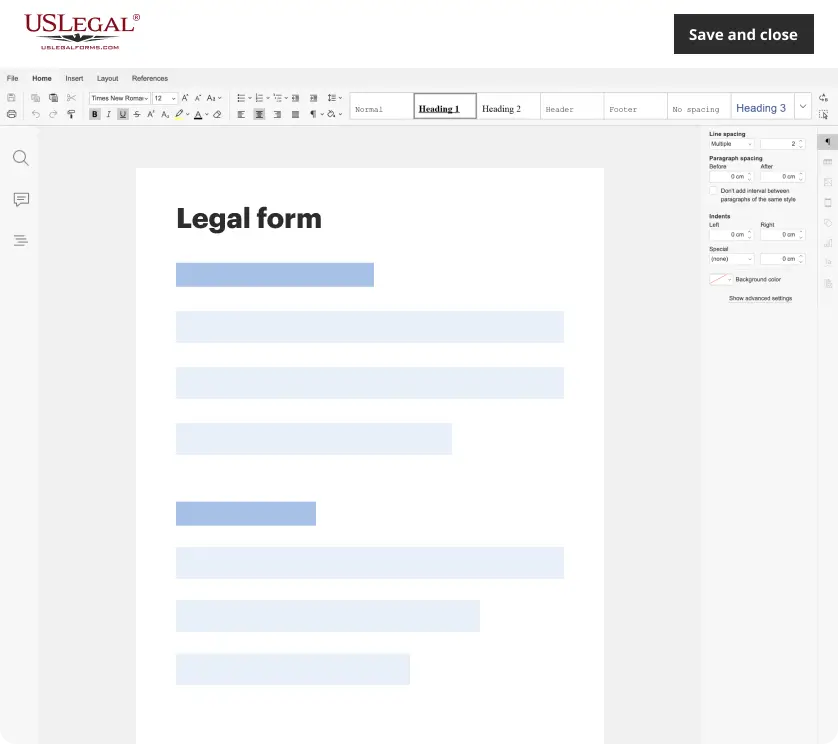
Make edits, fill in missing information, and update formatting in US Legal Forms—just like you would in MS Word.
Download a copy, print it, send it by email, or mail it via USPS—whatever works best for your next step.
Sign and collect signatures with our SignNow integration. Send to multiple recipients, set reminders, and more. Go Premium to unlock E-Sign.

If this form requires notarization, complete it online through a secure video call—no need to meet a notary in person or wait for an appointment.
We protect your documents and personal data by following strict security and privacy standards.
Looking for another form?
How to fill out Fence Ordinance?
Discovering the right legitimate document template might be a struggle. Needless to say, there are a variety of themes available on the net, but how would you discover the legitimate kind you will need? Use the US Legal Forms site. The services gives thousands of themes, like the Rhode Island Fence Ordinance, which can be used for business and private demands. Each of the forms are examined by experts and meet federal and state needs.
When you are already registered, log in for your account and click the Acquire switch to find the Rhode Island Fence Ordinance. Make use of account to check through the legitimate forms you possess bought earlier. Go to the My Forms tab of your respective account and get one more copy in the document you will need.
When you are a new consumer of US Legal Forms, listed here are straightforward instructions so that you can adhere to:
- Initial, make sure you have selected the proper kind for your area/area. It is possible to examine the shape utilizing the Preview switch and look at the shape description to make certain it will be the best for you.
- In the event the kind does not meet your expectations, take advantage of the Seach discipline to obtain the correct kind.
- Once you are certain the shape would work, click on the Acquire now switch to find the kind.
- Pick the pricing strategy you would like and enter in the essential info. Design your account and purchase the transaction utilizing your PayPal account or Visa or Mastercard.
- Pick the data file file format and down load the legitimate document template for your device.
- Comprehensive, modify and print and indicator the received Rhode Island Fence Ordinance.
US Legal Forms may be the biggest collection of legitimate forms in which you can find numerous document themes. Use the company to down load expertly-manufactured documents that adhere to express needs.
Form popularity
FAQ
Fences are typically built between 2 and 8 inches from the line between properties. Some areas will allow the building of fences directly on the property line, but in this case, you'll have to cooperate with your neighbor and potentially share the cost of the fence.
Fences are typically built between 2 and 8 inches from the line between properties. Some areas will allow the building of fences directly on the property line, but in this case, you'll have to cooperate with your neighbor and potentially share the cost of the fence.
As a rule of thumb, the outer face of the fence should be placed along the boundary. The posts should stand on your land. Of course, there are plenty of types of fencing, and where you should position your fence can change depending on the style you choose.
Post-and-Rail fences: Must be four rails high, and reach a height of 4.5 feet high. Stone walls: Must be four feet high. Woven wire fences: Must use size nine wire or greater, reach 54 inches high, and have posts at least every 16 feet. All other fences must be 4.5 feet tall.
The NYC Building Code generally allows a maximum fence height of 10 feet, and the NYC Zoning Resolution outlines additional height limits: Residential districts: 6 feet, BC §3112.1. Residential front yard fences: 4 feet, ZR §23-44. Residential side of corner lot: 6 feet, ZR §23-44.
Yes, California's Good Neighbor Fence Act requires a written agreement known as a Good Neighbor Fence letter between neighboring landowners before commencing fence construction. This agreement outlines shared responsibilities, including costs and maintenance of shared fence, and helps prevent future disputes.
Even though you may not legally need your neighbour's permission to replace your fence, it's good practice to discuss your plans with them. Not only does this promote healthy and friendly relationships with your neighbours, but it also helps to avoid any conflicts that may arise from misunderstanding or confusion.
Fences have a maximum height of six feet in residential areas, which is lowered to four feet for fences in the front yard. Additionally, if you plan to use the land for agricultural purposes, the fence has to be at least four feet and two inches high.