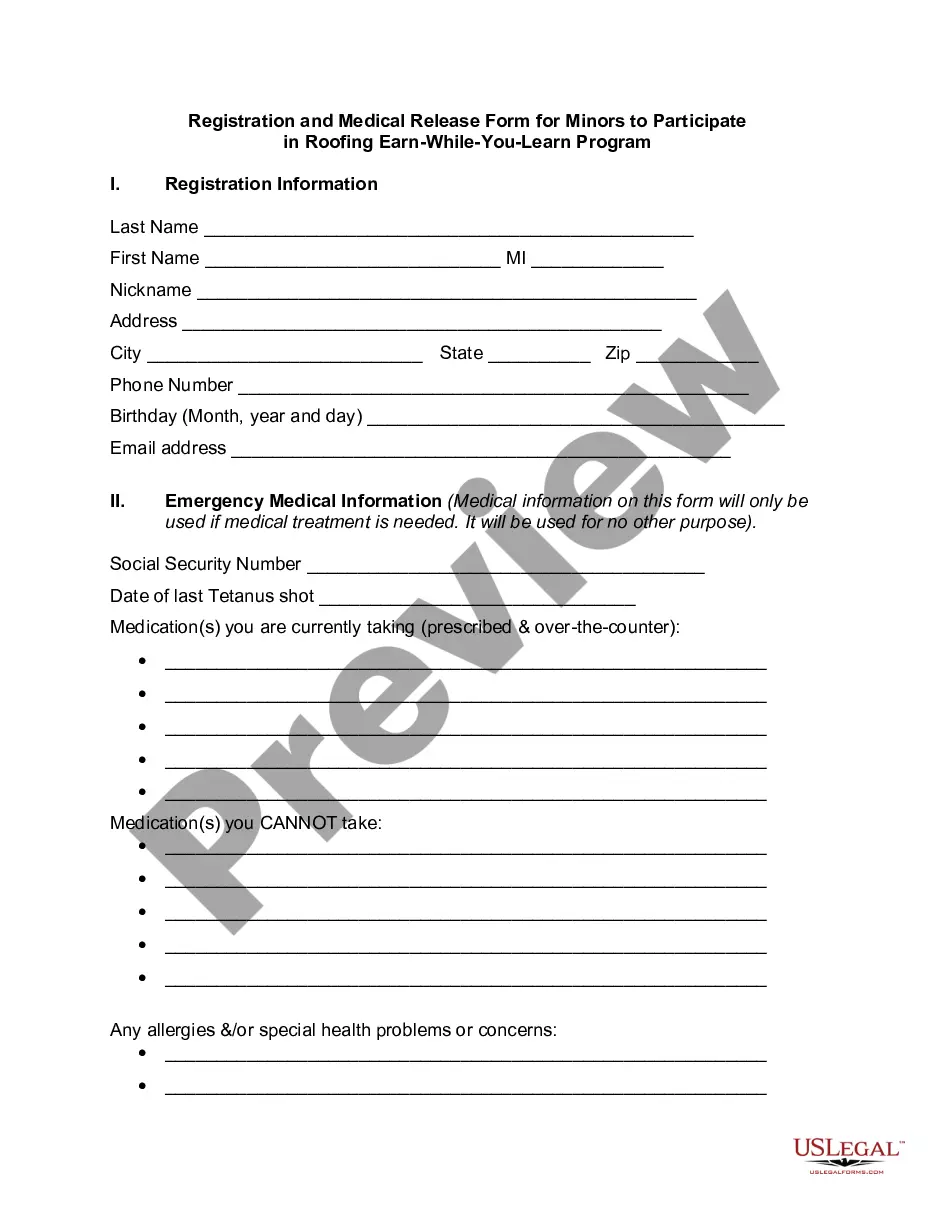
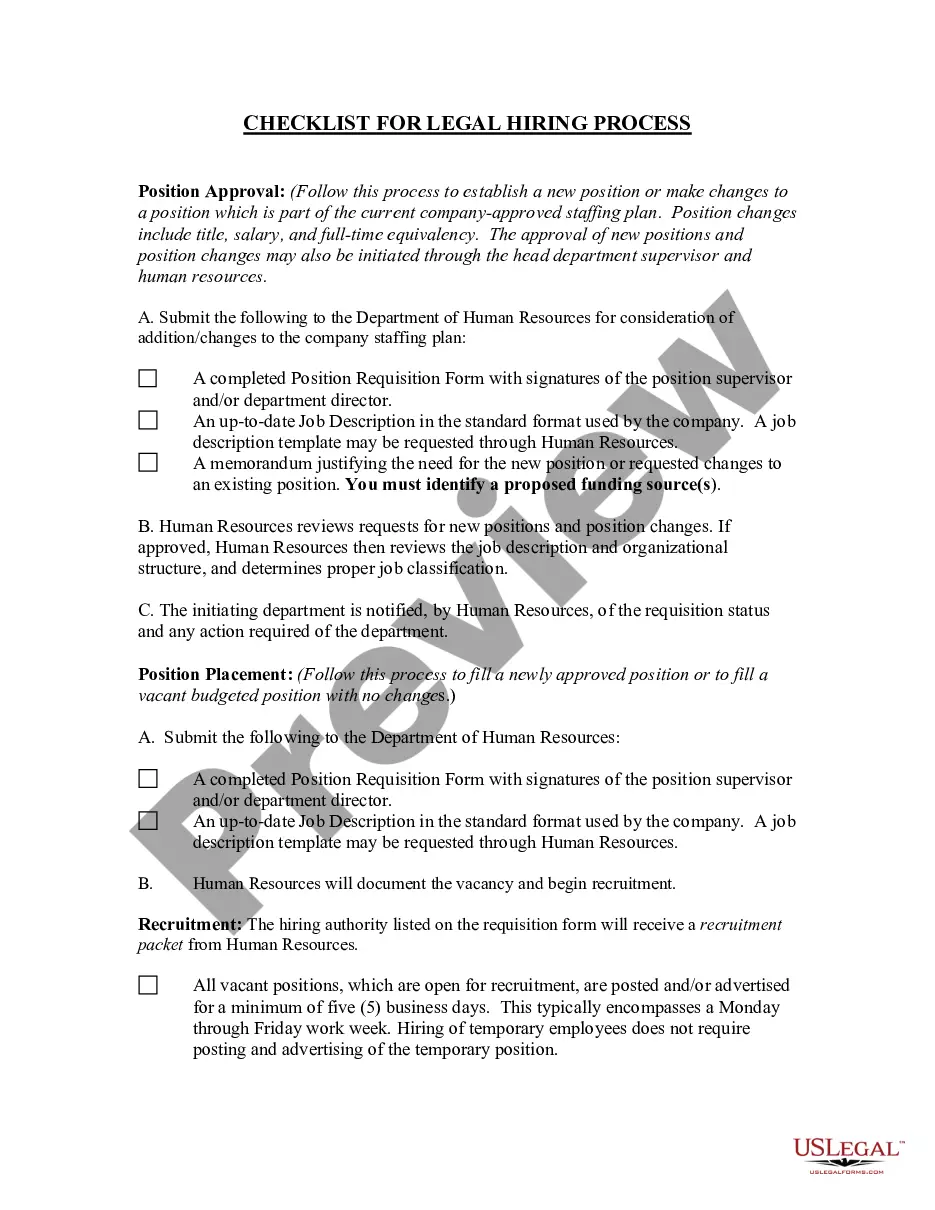
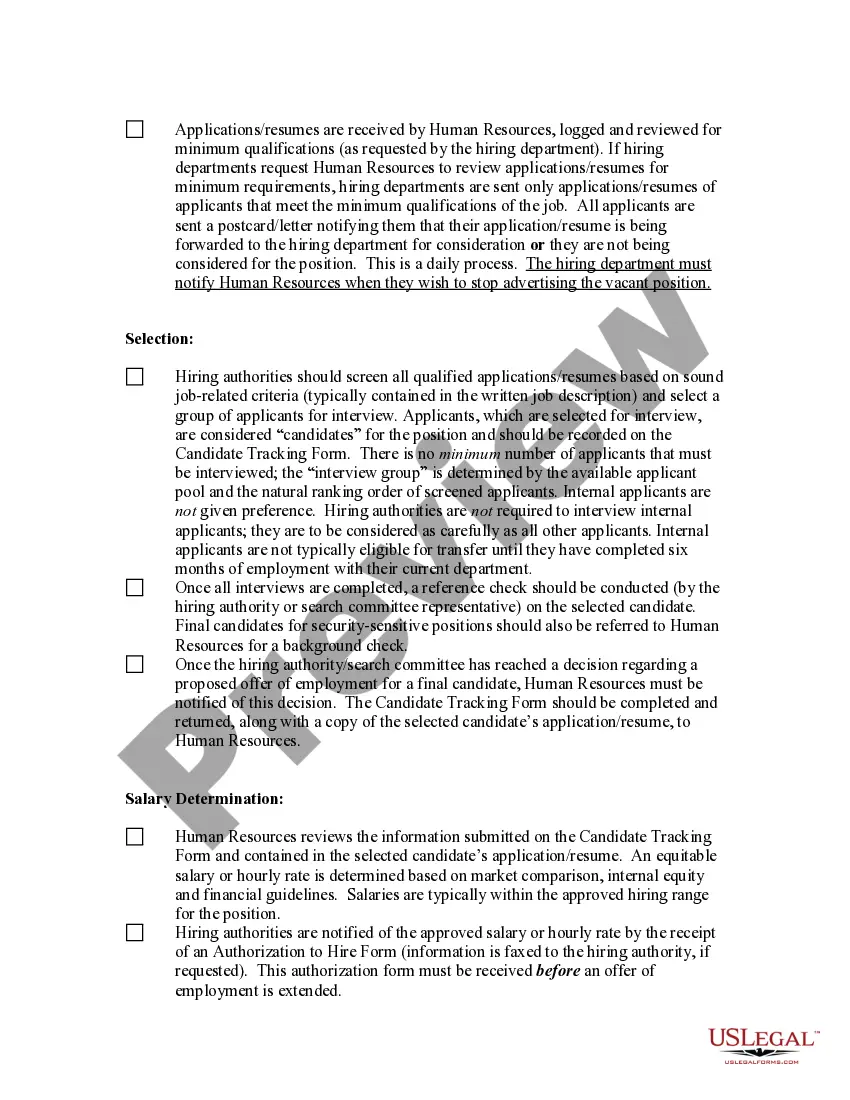
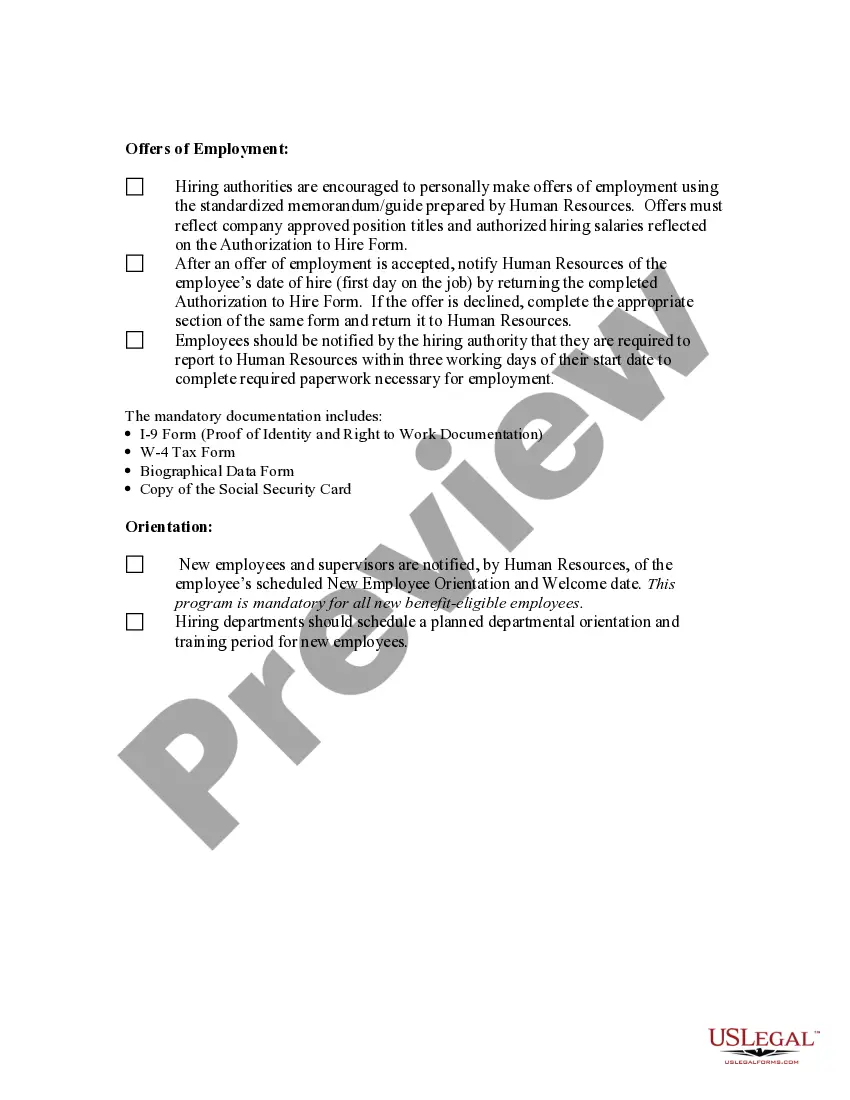
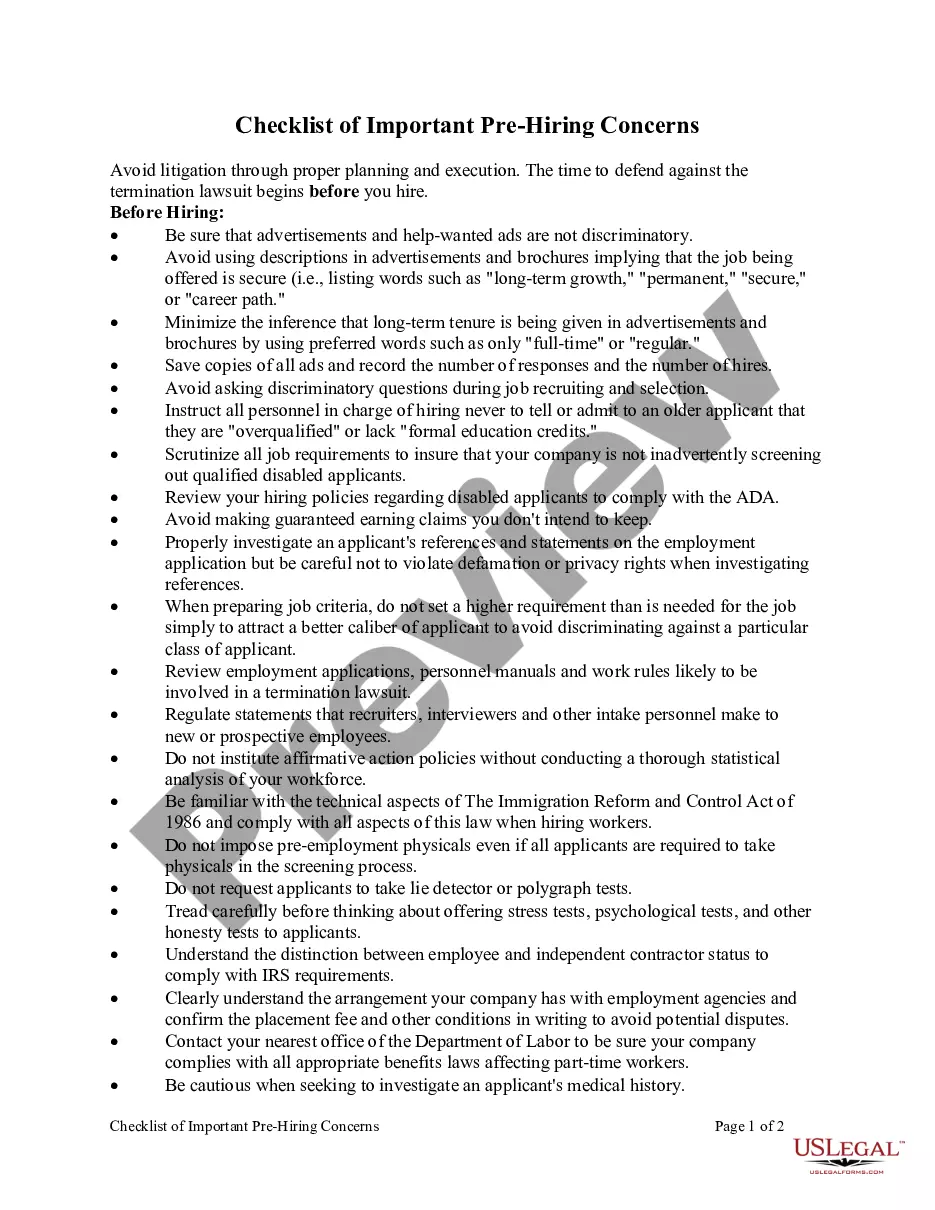
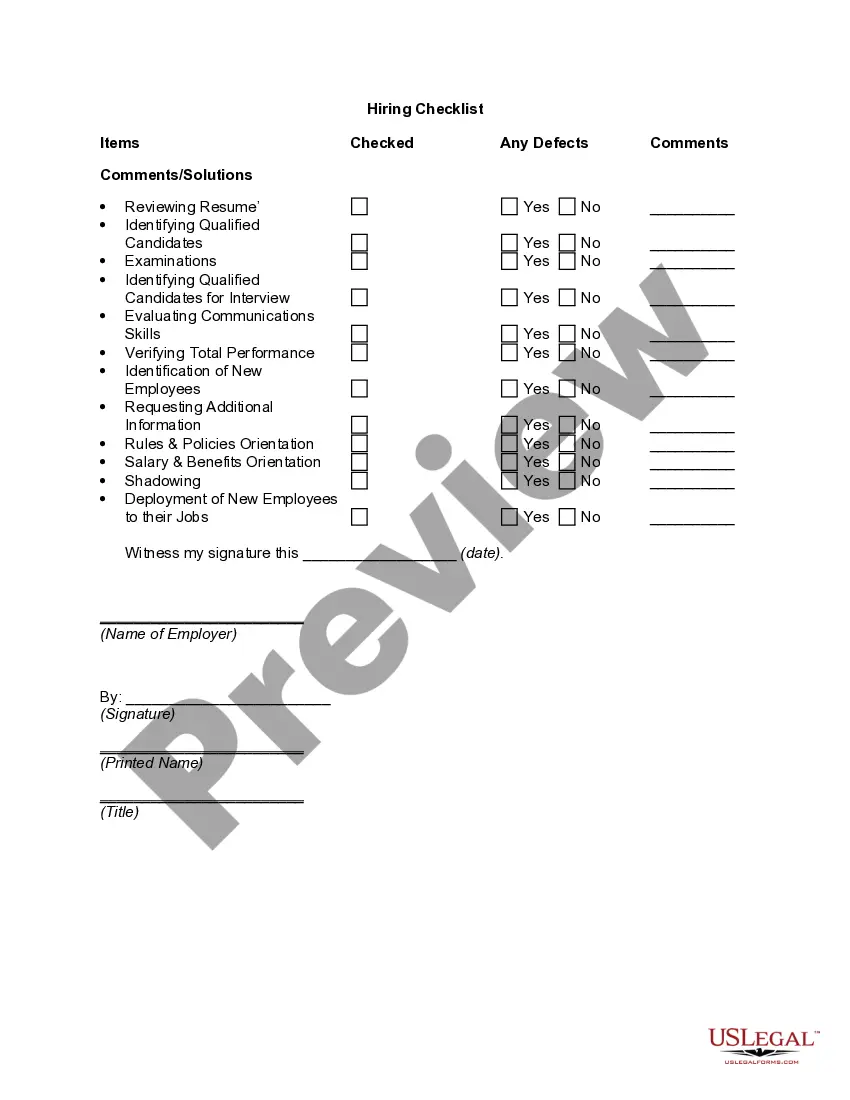
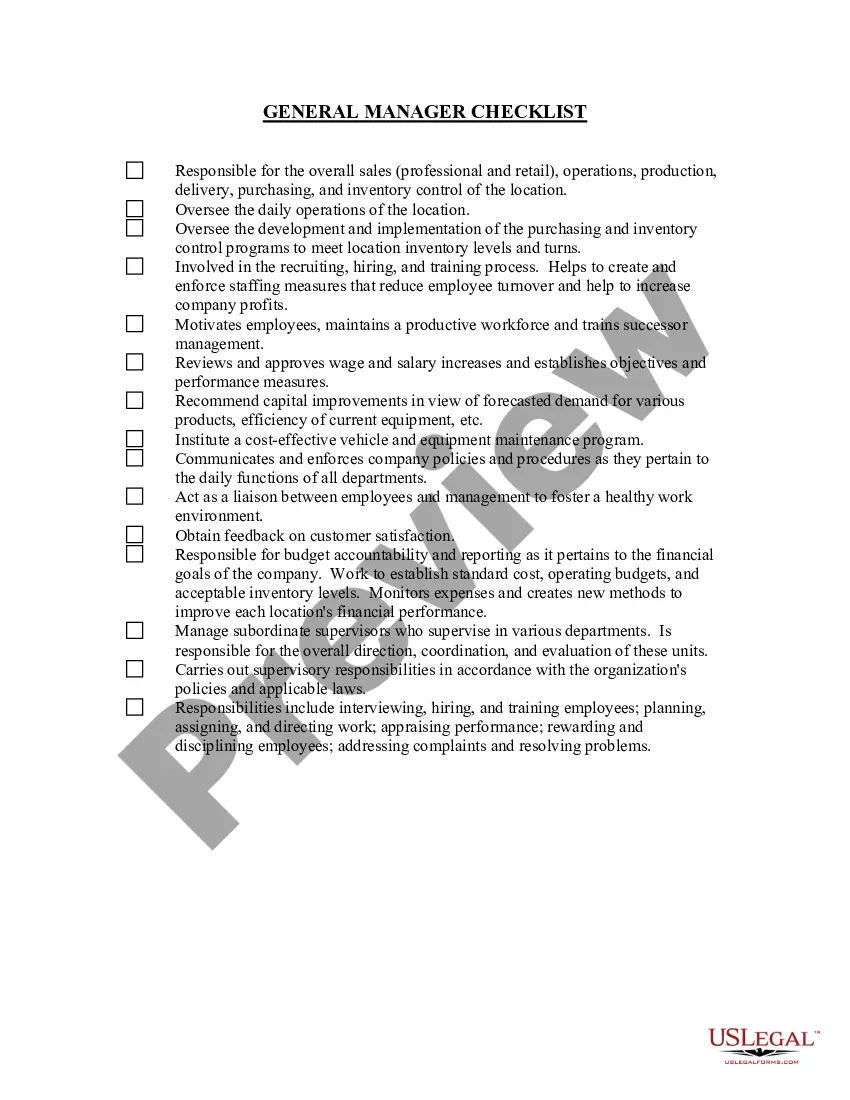
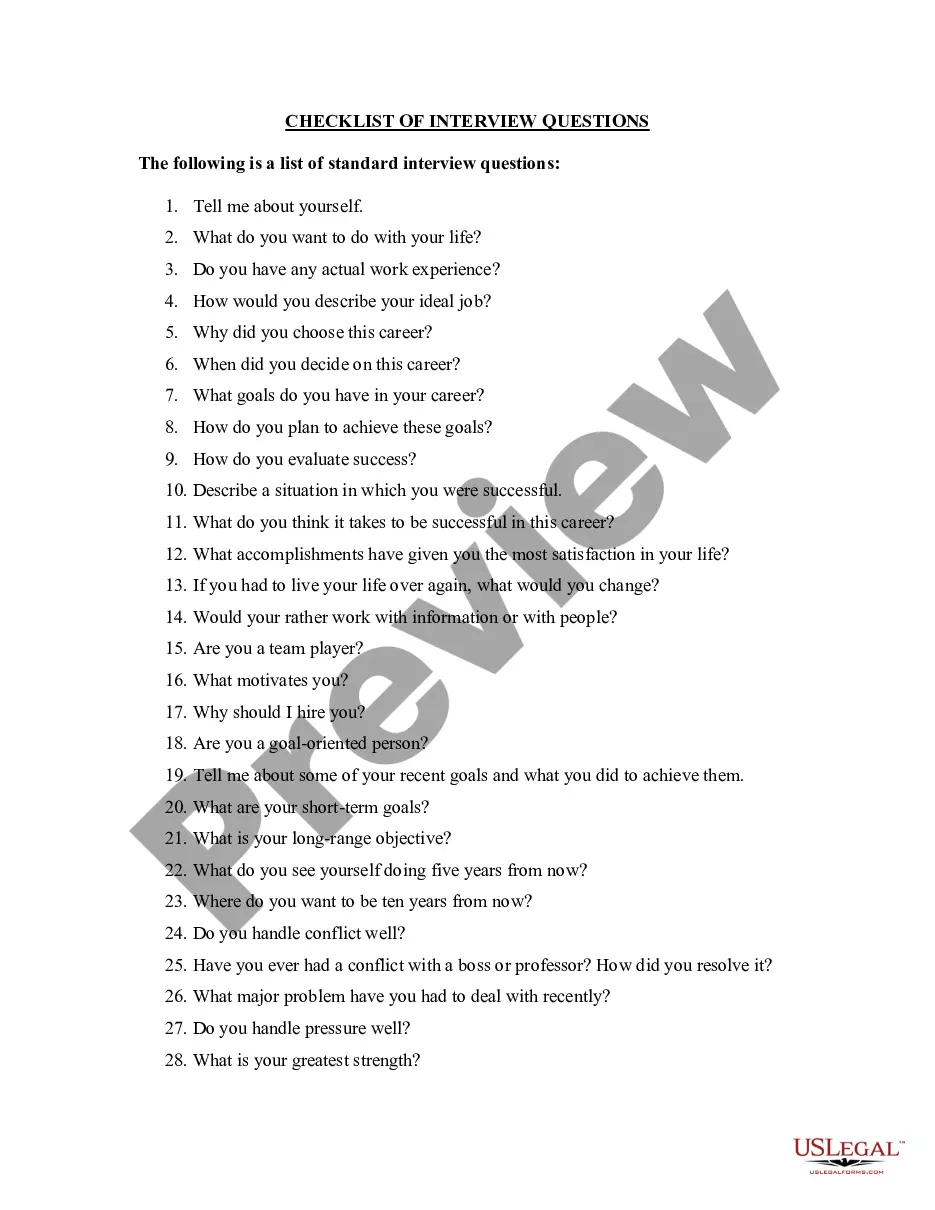
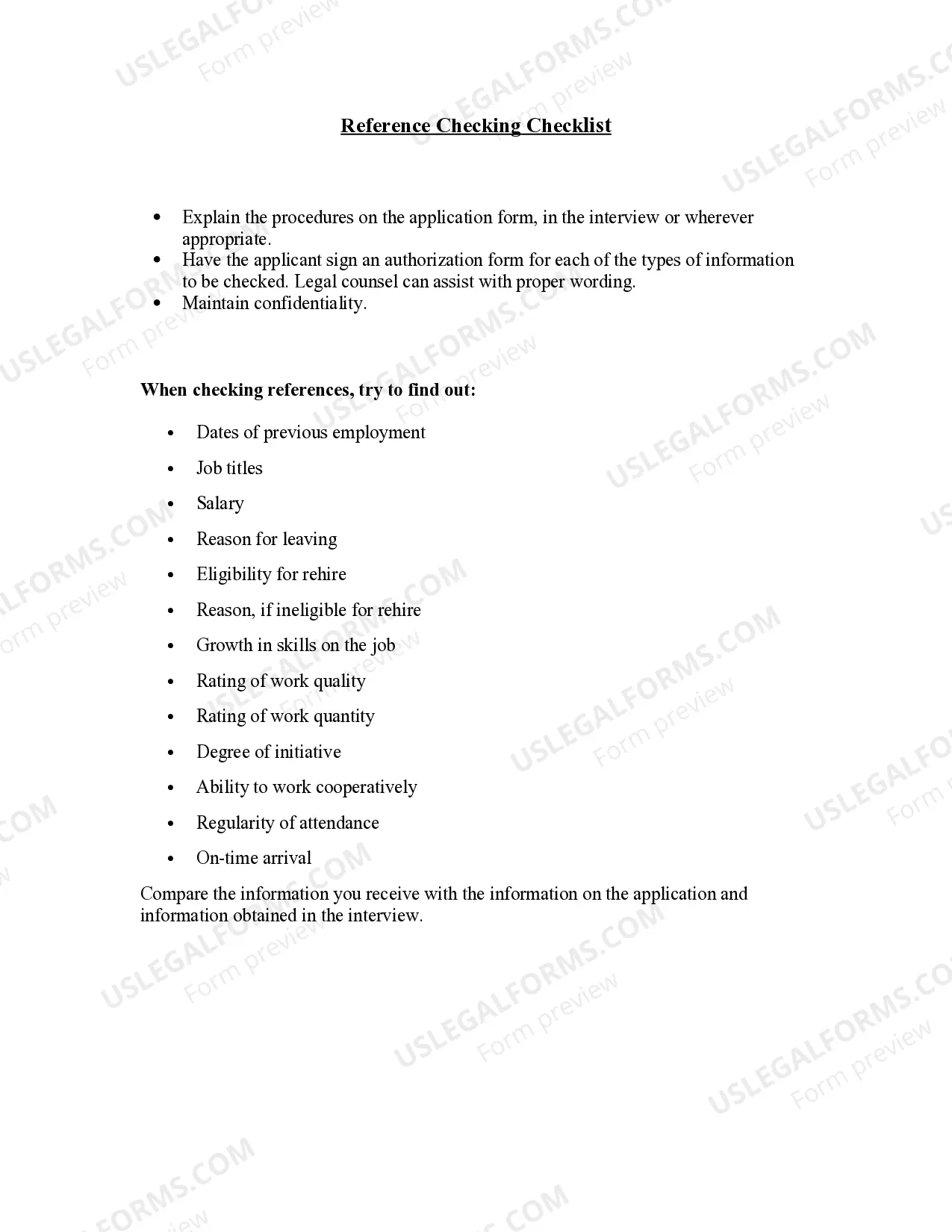
Rhode Island Checklist for Legal Hiring Process
Description
Get your form ready online
Our built-in tools help you complete, sign, share, and store your documents in one place.
Make edits, fill in missing information, and update formatting in US Legal Forms—just like you would in MS Word.
Download a copy, print it, send it by email, or mail it via USPS—whatever works best for your next step.
Sign and collect signatures with our SignNow integration. Send to multiple recipients, set reminders, and more. Go Premium to unlock E-Sign.
If this form requires notarization, complete it online through a secure video call—no need to meet a notary in person or wait for an appointment.
We protect your documents and personal data by following strict security and privacy standards.

Make edits, fill in missing information, and update formatting in US Legal Forms—just like you would in MS Word.

Download a copy, print it, send it by email, or mail it via USPS—whatever works best for your next step.

Sign and collect signatures with our SignNow integration. Send to multiple recipients, set reminders, and more. Go Premium to unlock E-Sign.

If this form requires notarization, complete it online through a secure video call—no need to meet a notary in person or wait for an appointment.

We protect your documents and personal data by following strict security and privacy standards.
Looking for another form?


How to fill out Checklist For Legal Hiring Process?
Locating the appropriate legal document template can be quite a challenge.
Clearly, there are numerous templates available online, but how do you locate the legal form you require.
Utilize the US Legal Forms website.
First, ensure that you have selected the correct template for your region. You can review the document using the Preview option and read the document details to verify it is suitable for you.
- The service offers thousands of templates, such as the Rhode Island Checklist for Legal Hiring Process, which can be utilized for business and personal needs.
- All forms are reviewed by experts and comply with state and federal regulations.
- If you are already registered, Log In to your account and click on the Download button to obtain the Rhode Island Checklist for Legal Hiring Process.
- Use your account to browse the legal forms you’ve previously acquired.
- Navigate to the My documents section of your account and download another copy of the document you need.
- If you are a new user of US Legal Forms, here are straightforward instructions to follow.
Form popularity
FAQ
Questions about a job candidate's work history, education and other qualifications are legal to ask because they demonstrate someone's suitability for the job. Employers can ask what degrees a candidate has obtained, what certifications and licenses she holds, and what university she attended.
Employment background checks in Rhode Island must comply with the FCRA's restrictions on how far back an employment background check can go. The FCRA has a seven-year lookback period that applies to any position paying less than $75,000 per year for the following information: Arrests that did not result in convictions.
It is illegal to ask a candidate questions about their:Age or genetic information.Birthplace, country of origin or citizenship.Disability.Gender, sex or sexual orientation.Marital status, family, or pregnancy.Race, color, or ethnicity.Religion.
Questions should focus on job-related issues and protect the privacy and employment rights of all applicants. It's illegal to ask about certain characteristics protected by law such as gender, age, race, religion, national origin, disability or marital status.
It is illegal to ask a candidate questions about their:Age or genetic information.Birthplace, country of origin or citizenship.Disability.Gender, sex or sexual orientation.Marital status, family, or pregnancy.Race, color, or ethnicity.Religion.6 days ago
Questions Asked on a Job ApplicationName, address, telephone number, email.Desired job.Desired salary.Previous positions, including titles, duties, employers, locations, and dates of employment.Salary history (in locations where it is legal to ask)3feffNames of previous supervisors.More items...?
Make sure you and new hires complete employment forms required by law.W-4 form (or W-9 for contractors)I-9 Employment Eligibility Verification form.State Tax Withholding form.Direct Deposit form.E-Verify system: This is not a form, but a way to verify employee eligibility in the U.S.
In the United States, it is illegal for an employer to discriminate against a job applicant because of race, color, religion, sex (including gender identity, sexual orientation, and pregnancy), age, national origin, or disability.
In the United States, it is illegal for an employer to discriminate against a job applicant because of race, color, religion, sex (including gender identity, sexual orientation, and pregnancy), age, national origin, or disability.
5 Illegal Interview Questions You Should Never Answer (and What to Do When Facing Them)"Where are you from originally?""Do you go to church?""When did you graduate from high school (or college)?""Are you married?""How would you handle managing a team of all men?"