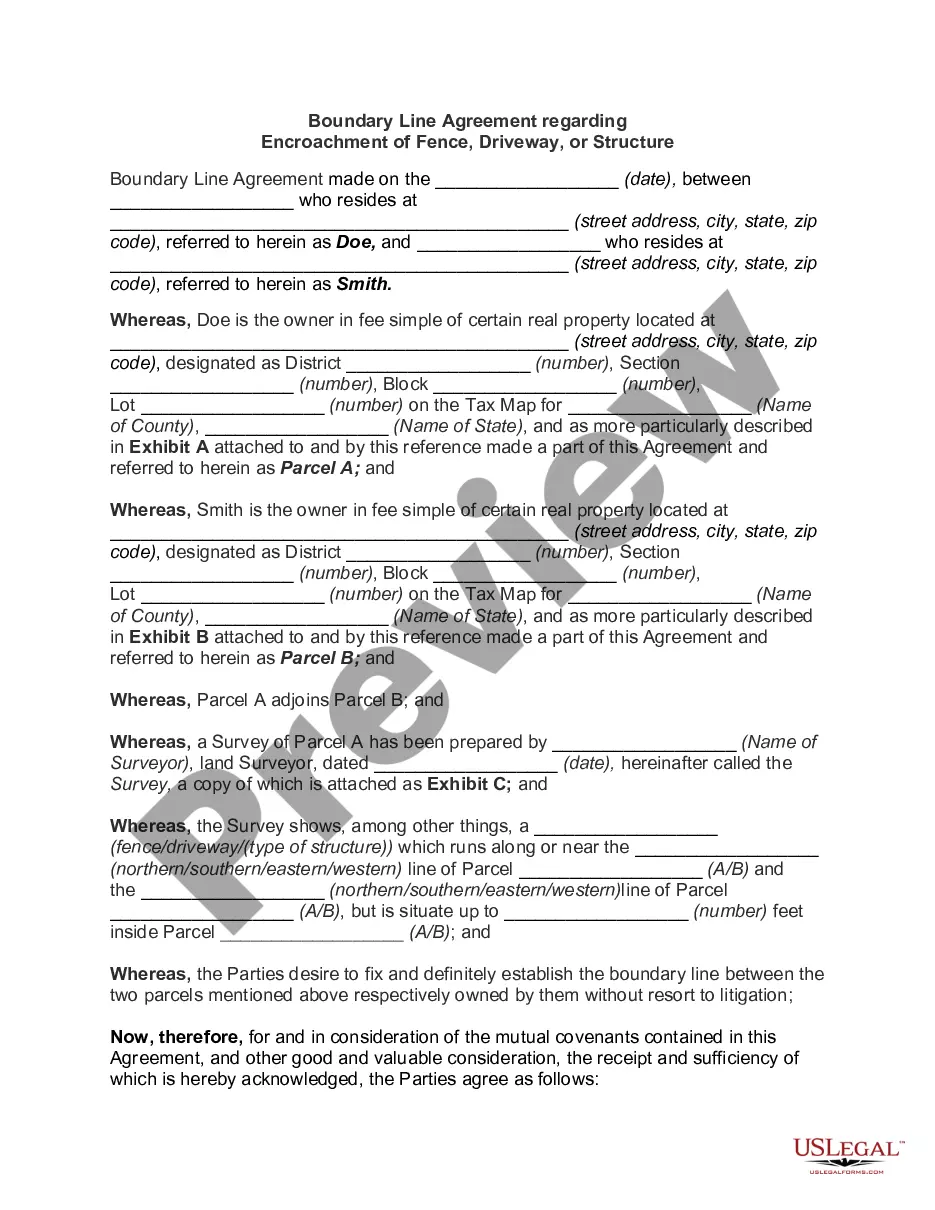
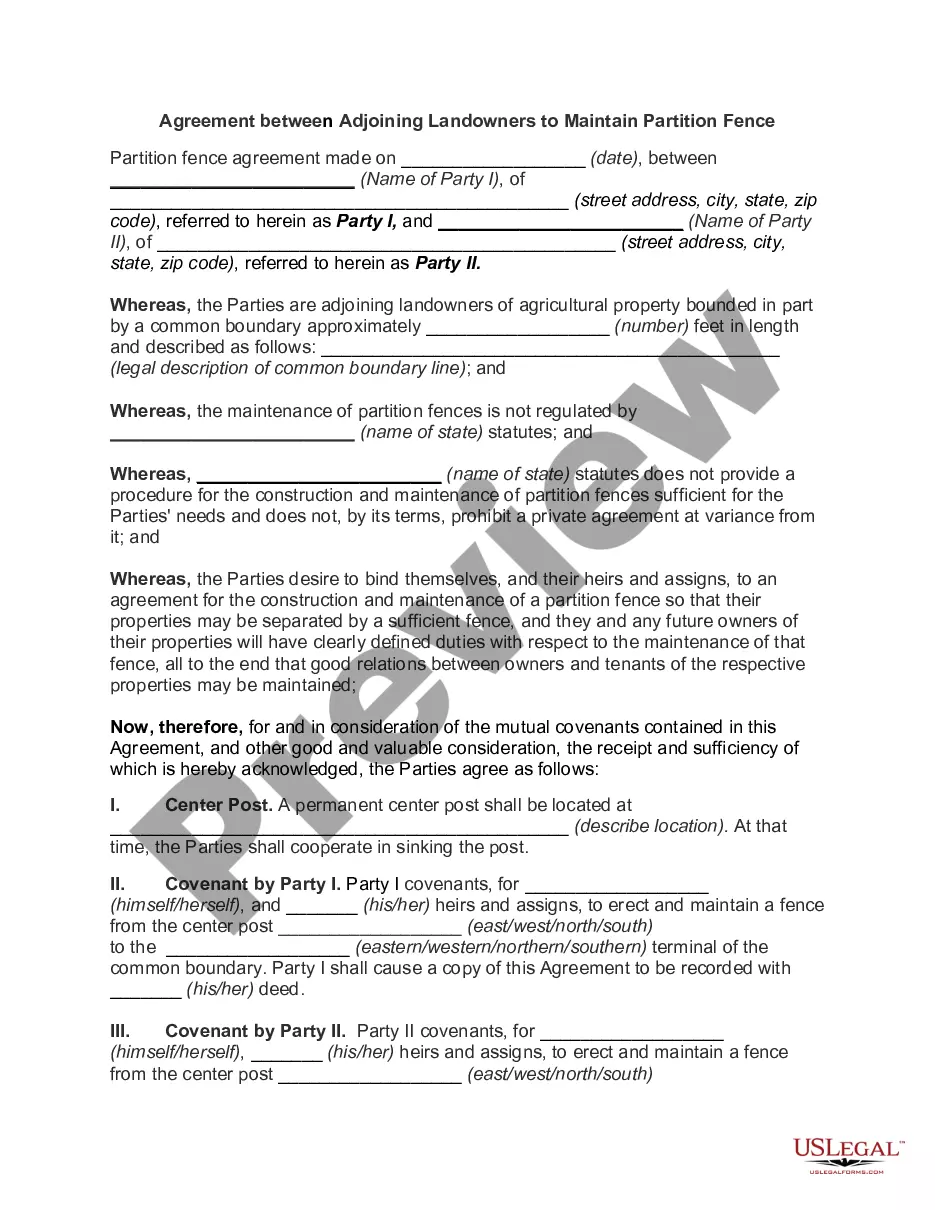
Rhode Island Fence Line Agreement
Description
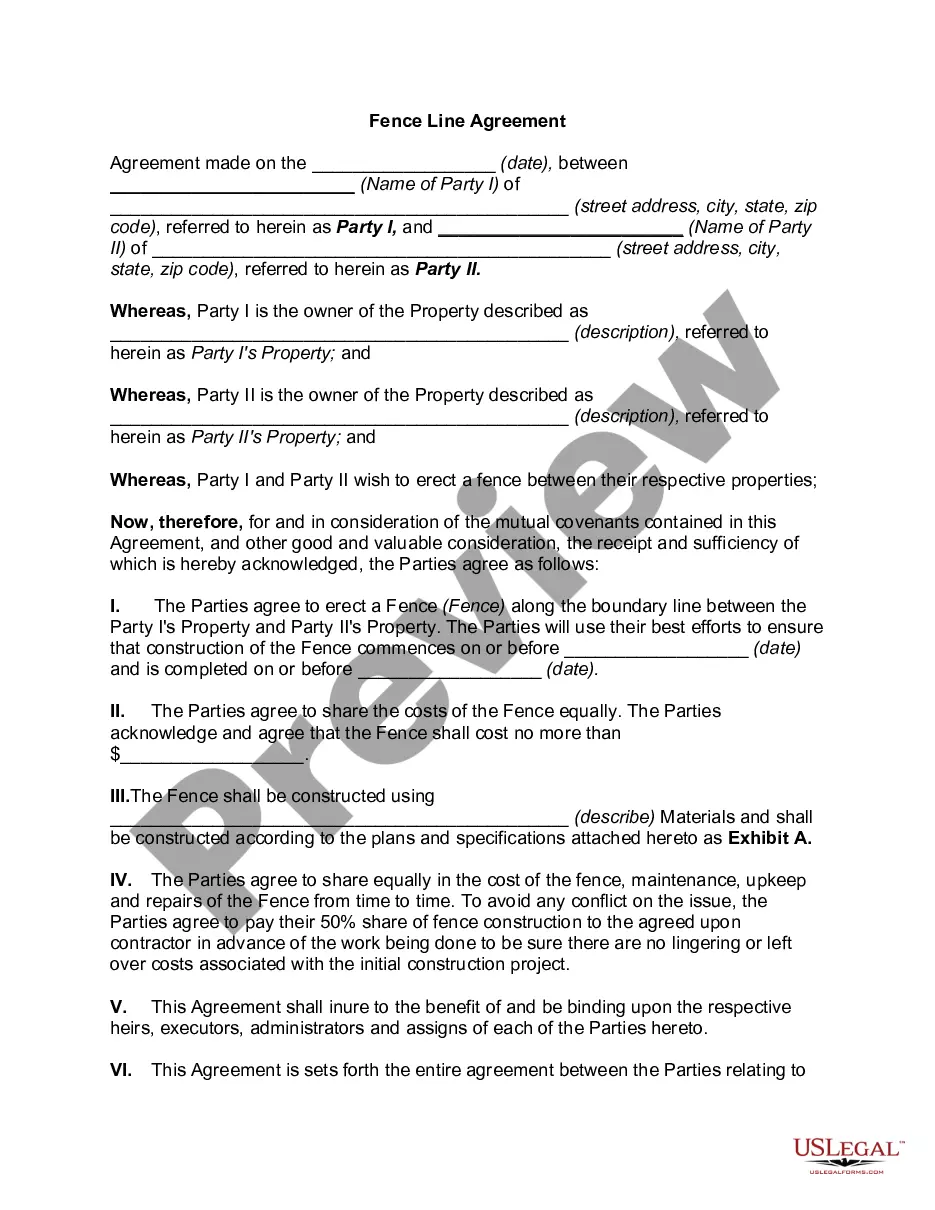
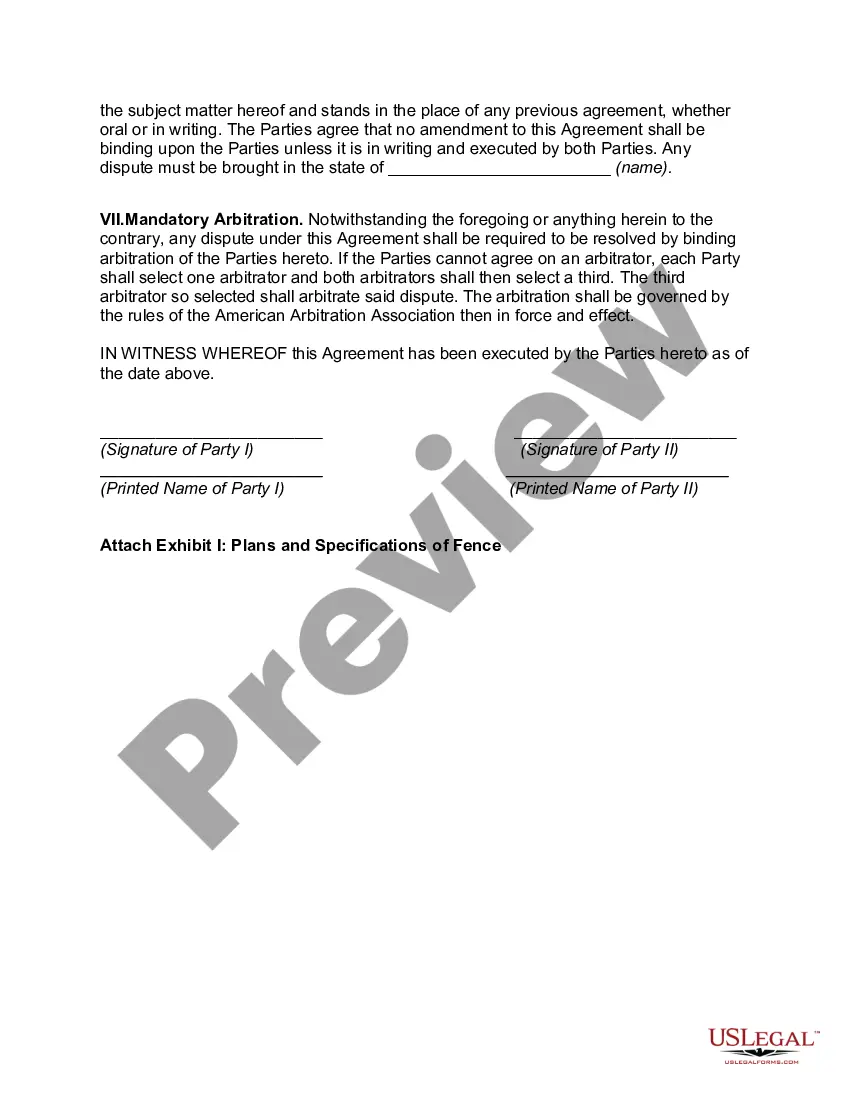

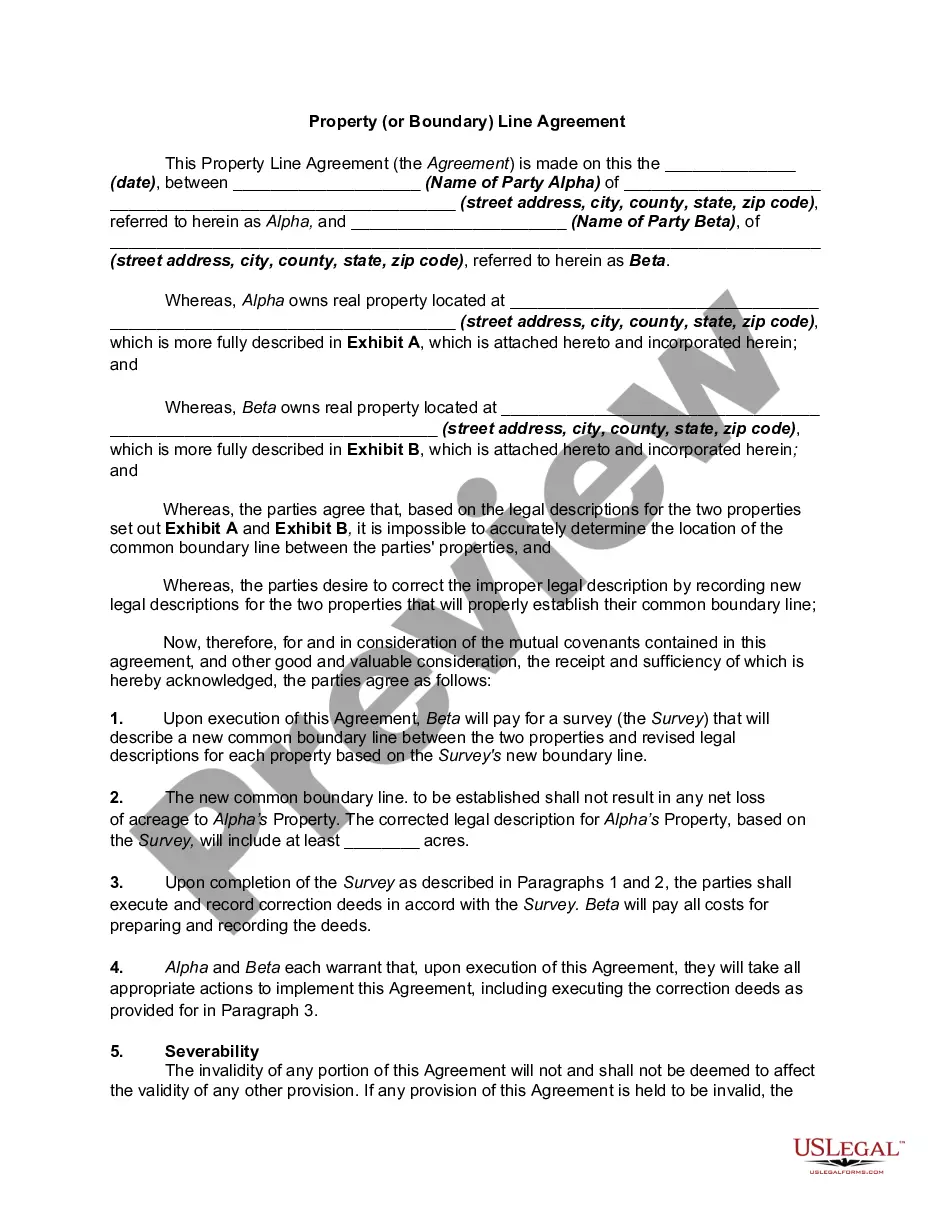
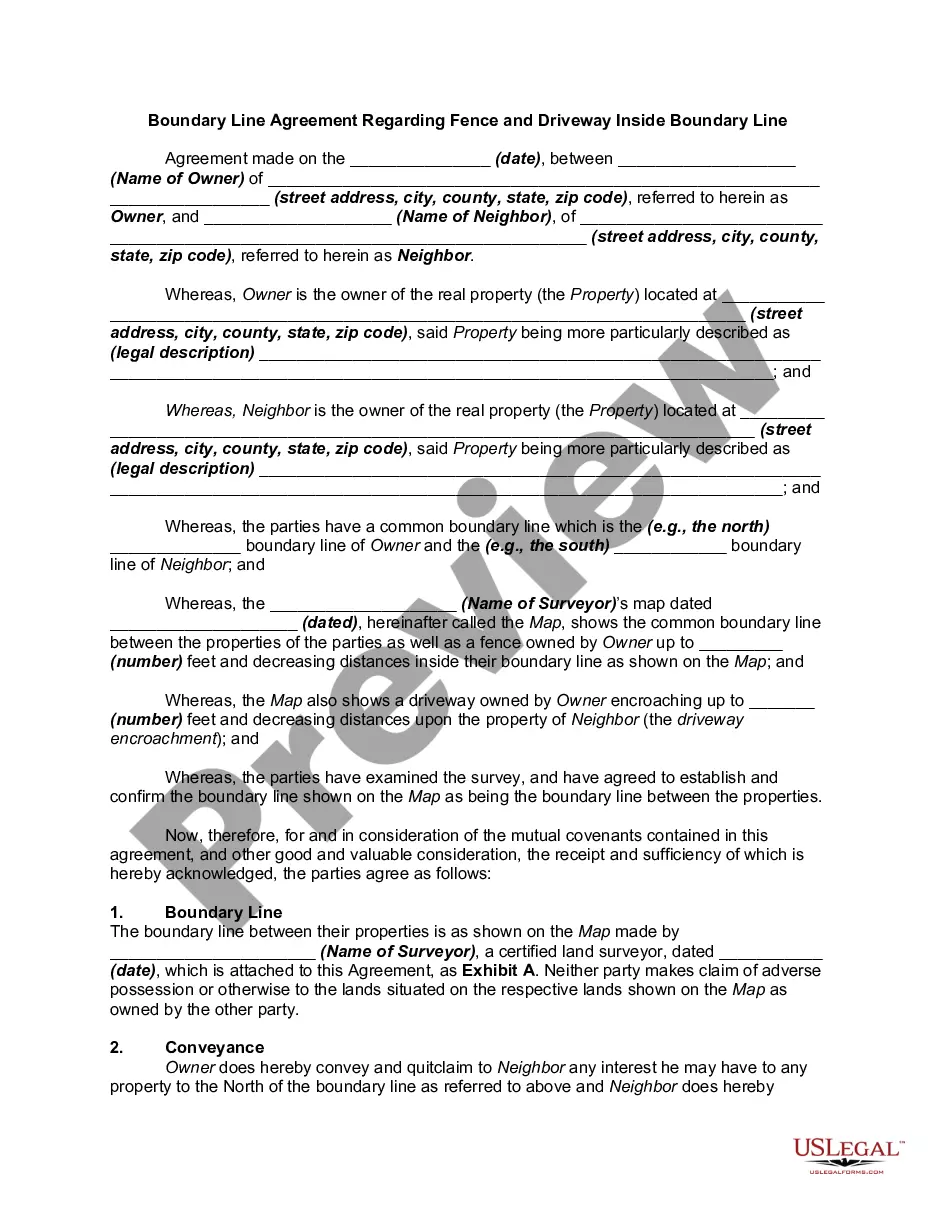
Get your form ready online
Our built-in tools help you complete, sign, share, and store your documents in one place.
Make edits, fill in missing information, and update formatting in US Legal Forms—just like you would in MS Word.
Download a copy, print it, send it by email, or mail it via USPS—whatever works best for your next step.
Sign and collect signatures with our SignNow integration. Send to multiple recipients, set reminders, and more. Go Premium to unlock E-Sign.
If this form requires notarization, complete it online through a secure video call—no need to meet a notary in person or wait for an appointment.
We protect your documents and personal data by following strict security and privacy standards.

Make edits, fill in missing information, and update formatting in US Legal Forms—just like you would in MS Word.

Download a copy, print it, send it by email, or mail it via USPS—whatever works best for your next step.

Sign and collect signatures with our SignNow integration. Send to multiple recipients, set reminders, and more. Go Premium to unlock E-Sign.

If this form requires notarization, complete it online through a secure video call—no need to meet a notary in person or wait for an appointment.

We protect your documents and personal data by following strict security and privacy standards.
Looking for another form?
How to fill out Fence Line Agreement?
Have you ever found yourself in a situation where you require documents for either business or personal purposes nearly every day.
There are numerous legitimate document templates accessible online, yet discovering reliable ones can be challenging.
US Legal Forms provides thousands of form templates, including the Rhode Island Fence Line Agreement, designed to meet state and federal requirements.
Once you find the appropriate form, click Download now.
Choose a payment plan that fits your needs, provide the necessary information to create your account, and complete your order using PayPal or a credit card.
- If you are already familiar with the US Legal Forms website and have an account, simply Log In.
- You can then download the Rhode Island Fence Line Agreement template.
- If you do not have an account and wish to start using US Legal Forms, follow these steps.
- Find the form you need and ensure it is for your correct city/county.
- Utilize the Preview button to examine the document.
- Check the details to confirm that you have selected the correct form.
- If the form is not what you're looking for, use the Search field to locate the form that fits your requirements.
Form popularity
FAQ
Customers having new fencing installed often ask us exactly where they should position their new fence. Getting it right avoids (potentially costly) disputes over encroachment in the future. As a rule of thumb, the outer face of the fence should be placed along the boundary. The posts should stand on your land.
While height restrictions are different in some districts, Massachusetts state regulation mandates that residential fences can be no higher than seven feet in back yards and four feet in front yards. Without a permit. A permit and engineering is required for a fence over seven feet showing footings and wind loads.
Check Rules and Regulations Typically, fences are installed anywhere from 2 to 8 inches from a property line in most areas. Some areas might allow to go right up to a property line, especially if you live in an urban row house where every inch makes a difference!
Post-and-Rail fences: Must be four rails high, and reach a height of 4.5 feet high. Stone walls: Must be four feet high. Woven wire fences: Must use size nine wire or greater, reach 54 inches high, and have posts at least every 16 feet. All other fences must be 4.5 feet tall.
How Close To The Property Line Can I Build? Fences are typically built between 2 and 8 inches from the line between properties. Some areas will allow the building of fences directly on the property line, but in this case, you'll have to cooperate with your neighbor and potentially share the cost of the fence.
Six Foot Rule When planting a natural barrier, be sure to consult the local ordinances concerning height restrictions. Massachusetts law allows for one-time exceptions, called variances, to the six foot rule in select cases.
The state requires landowners on both sides of a boundary fence to share construction and maintenance costs, unless other arrangements were made. If a neighbor doesn't pay, the other can file a complaint with the county's designated fence viewer, and collect twice the amount of the delinquent owner's share.
The local ordinance at issue required that any type of residence must be setback at least 10 feet from a property line and at least 20 feet from the street.
Fences 6 feet in height or less do not require a building permit. Fences over 6 feet require a permit.
Yes, you will need a building permit to put up a fence.